35,000+ smart investors are already getting financial news, market signals, and macro shifts in the economy that could impact their money next with our FREE weekly newsletter. Get ahead of what the crowd finds out too late. Click Here to Subscribe for FREE.
Oil prices rarely stay quiet for long. When they rise fast, many parts of the economy react. Canadians often notice the first effects at the gas pump. Soon after, other costs begin creeping higher. Trucking gets expensive. Flights cost more. Groceries quietly follow the same path. Higher oil prices can also pressure businesses and household budgets. When that pressure spreads, the economy can start showing early warning signs. None of these signals alone means a recession is coming. But when several appear together, people start paying attention. Here are 17 “Recession Vibes” signals Canadians should watch if oil keeps spiking.
Gas Prices Climbing Every Week
17 “Recession Vibes” Signals Canadians Should Watch If Oil Keeps Spiking
- Gas Prices Climbing Every Week
- Grocery Prices Quietly Creeping Up
- Airlines Raising Ticket Prices
- Delivery Fees Getting More Expensive
- Trucking Costs Jumping Fast
- Used Car Prices Climbing Again
- Ride Share Fares Increasing
- Freight Delays Becoming More Common
- Construction Costs Starting to Rise
- Public Transit Budgets Tightening
- Small Businesses Raising Prices
- Farmers Facing Higher Input Costs
- Retail Discounts Becoming More Frequent
- Restaurant Visits Starting to Drop
- Airlines Cutting Less Profitable Routes
- Consumer Confidence Slipping
- Headlines About Interest Rate Pressure
- 22 Groceries to Grab Now—Before another Price Shock Hits Canada

Gas prices tend to react first when oil spikes. Canadians usually see it within days. A jump of ten or twenty cents per liter can happen quickly. Drivers start adjusting routines to save fuel. Some people combine errands or cancel short trips. Delivery services often raise fees soon after. Businesses that depend on vehicles also feel the squeeze. Small contractors and transport firms face higher operating costs. When this pattern lasts several weeks, consumer spending often slows. Families simply have less room in their budgets. That shift spreads through the economy. Persistent fuel spikes often signal deeper pressure building beneath the surface.
Grocery Prices Quietly Creeping Up

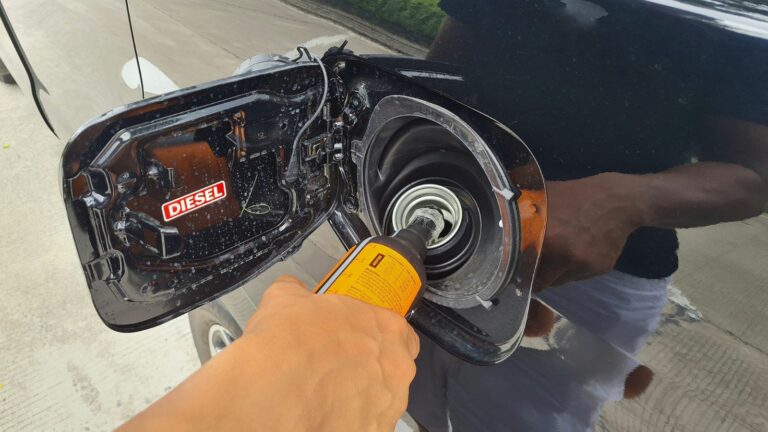
Oil plays a hidden role in food prices. Farms rely on diesel for tractors and equipment. Fertilizer production also depends on energy. Trucking companies move food across huge distances in Canada. When fuel costs rise, shipping gets expensive quickly. Grocery chains often pass those costs to shoppers. The increases may start small. A few cents more for milk. A dollar added to frozen foods. Over time, the pattern becomes clear. Weekly grocery bills slowly climb higher. Households begin switching to cheaper brands. When grocery spending changes like this, it often signals pressure spreading through the broader economy.
Airlines Raising Ticket Prices

Airlines feel oil spikes almost immediately. Jet fuel is one of their largest expenses. When oil rises sharply, ticket prices usually follow. Airlines sometimes introduce fuel surcharges to offset costs. Canadian travelers often notice this during busy seasons. Flights to popular destinations suddenly become pricier. Budget carriers may cut routes to control expenses. Some travelers postpone trips or choose shorter flights. Tourism businesses then see fewer bookings. Hotels and restaurants can also feel the slowdown. When travel demand softens after fuel spikes, it sometimes hints at consumers tightening their budgets.
Delivery Fees Getting More Expensive

Online shopping depends heavily on transportation. Trucks, vans, and cargo planes all use fuel. When oil prices surge, delivery companies face higher operating costs. Courier services often adjust pricing quickly. Some retailers add delivery surcharges or increase minimum order values. Customers begin noticing higher shipping fees during checkout. Businesses sometimes reduce free delivery promotions. That change can slow online spending. Many households start buying fewer non-essential items. The ripple spreads across retail sectors. Rising delivery costs may look small at first. But they often signal how energy prices are affecting the entire supply chain.
Trucking Costs Jumping Fast

Canada relies heavily on trucking to move goods. Fuel is a major cost for transport companies. When oil rises, trucking rates often increase quickly. Logistics firms add fuel surcharges to shipments. Retailers and manufacturers must absorb those costs. Some businesses pass them directly to consumers. Others reduce orders or delay shipments. That slows economic activity in subtle ways. Smaller transport companies sometimes struggle the most. Their profit margins shrink during prolonged fuel spikes. If trucking costs stay elevated for months, many industries start feeling the pressure. Transport prices often reflect the health of the wider economy.
Used Car Prices Climbing Again

High fuel prices can change vehicle demand. Many Canadians start looking for fuel-efficient cars. Hybrids and compact vehicles become more attractive. Demand for these models often rises quickly. Used car markets react faster than dealerships. Prices for efficient vehicles may climb within weeks. Meanwhile, large trucks and SUVs may lose demand. That imbalance pushes used vehicle prices upward. Buyers who delayed purchases suddenly re-enter the market. When fuel spikes reshape vehicle demand, it reflects broader financial pressure. Canadians start adjusting their spending habits. The auto market often mirrors larger economic trends.

Ride-share companies also react to fuel spikes. Drivers pay for their own gas in most cases. When prices rise sharply, drivers demand higher earnings. Platforms often increase fares to keep drivers active. Riders begin noticing more expensive trips. Short rides may cost several dollars more. Surge pricing can appear more frequently. Some commuters switch back to public transit. Others reduce discretionary travel. That shift affects nightlife and restaurant visits. Businesses in busy urban areas can feel the change. When ride share costs rise across cities, it often reflects broader energy-driven inflation.
Freight Delays Becoming More Common
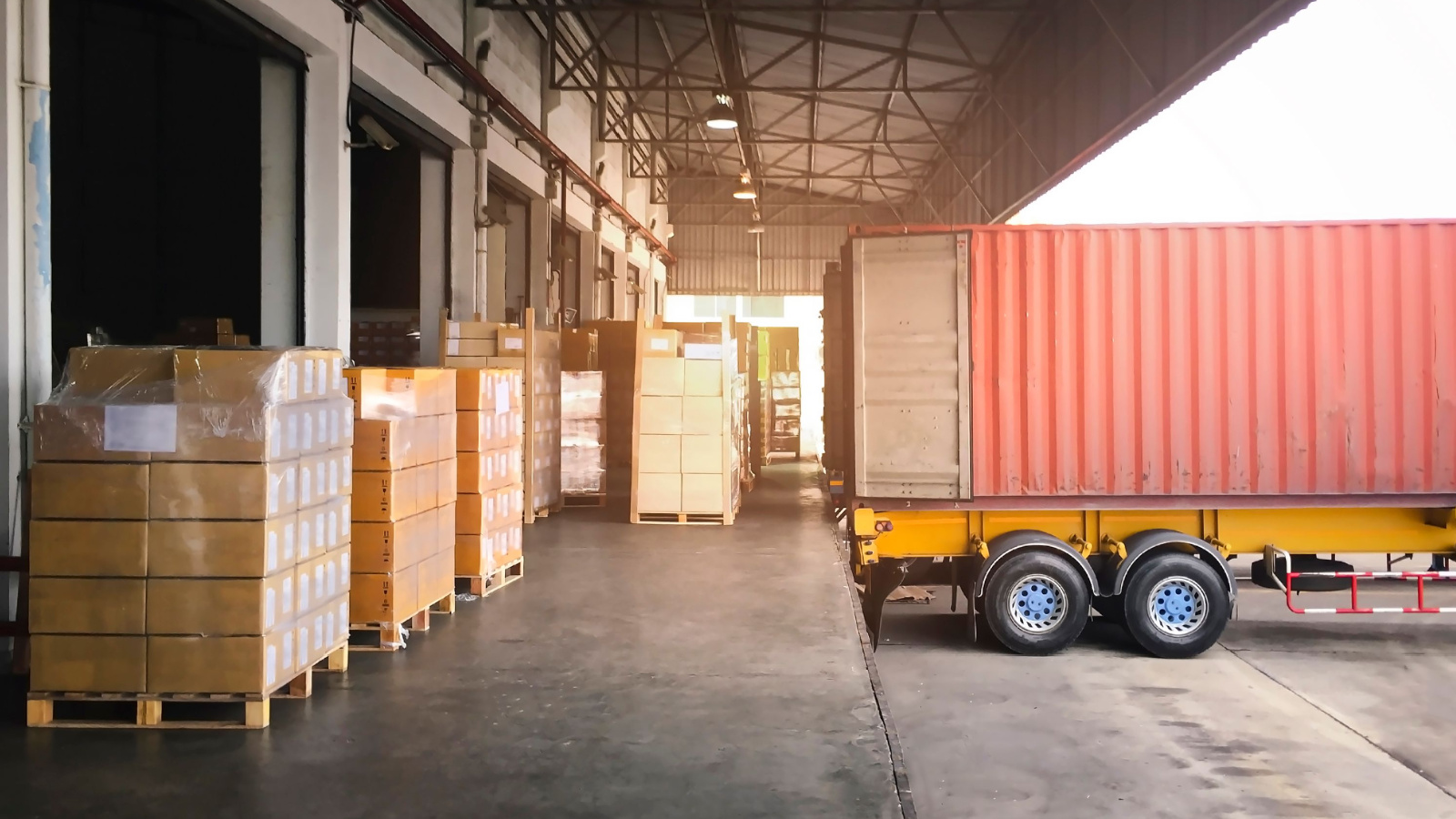
Fuel spikes sometimes cause freight disruptions. Transport companies try to reduce unnecessary routes. Some drivers wait for larger shipments before leaving warehouses. That can slow delivery schedules across industries. Retailers may experience delayed inventory restocks. Manufacturers might wait longer for raw materials. Customers start seeing longer shipping estimates online. Businesses adjust timelines to manage costs. These delays often appear gradually. Over time, they affect supply chains nationwide. When oil prices stay high, logistics networks become more cautious. Slow-moving freight can signal economic stress building behind the scenes.
Construction Costs Starting to Rise

Construction projects depend heavily on fuel. Heavy machinery runs on diesel. Materials must travel long distances by truck. When oil prices climb, project costs often increase. Contractors may revise quotes or delay work. Home renovation projects can become more expensive. Developers sometimes pause large builds during uncertain periods. Housing markets may slow slightly as costs rise. Buyers hesitate when construction prices move upward quickly. That hesitation spreads through related industries. Lumber suppliers and equipment rentals feel it too. Rising construction costs often reveal how energy prices influence major investments.
Public Transit Budgets Tightening

Transit agencies also face fuel costs. Buses and maintenance fleets rely on diesel. When oil rises, operating budgets get strained. Cities sometimes reduce service hours to control expenses. Fare increases may follow in some regions. Riders notice longer wait times or fewer routes. Commuters may look for alternatives like cycling or carpooling. These adjustments reflect pressure on municipal budgets. Higher transit costs can also affect daily commuting patterns. When cities struggle with energy expenses, it highlights how oil prices influence public infrastructure.
Small Businesses Raising Prices

Small businesses often feel oil spikes quickly. Deliveries, utilities, and supplier costs begin rising together. Owners must decide how to respond. Some absorb the cost temporarily. Others adjust prices to stay profitable. Customers start noticing small increases across services. Coffee shops may raise drink prices slightly. Local stores adjust product pricing. Service providers increase travel fees. These changes often happen quietly. Over time, they affect everyday spending habits. When many small businesses raise prices at once, it suggests rising operating pressure across the economy.
Farmers Facing Higher Input Costs

Agriculture relies heavily on fuel and energy. Tractors, harvesters, and irrigation equipment consume large amounts of diesel. Fertilizer production also requires significant energy. When oil spikes, farm operating costs increase quickly. Farmers often face tough budgeting decisions. Some reduce planted acreage to manage expenses. Others delay equipment upgrades or repairs. Food producers then adjust prices to cover higher costs. Grocery stores eventually reflect those changes. Rising farm expenses can spread through the food system. When agriculture feels pressure from oil prices, the effects reach nearly every household.
Retail Discounts Becoming More Frequent

Retailers react quickly when shoppers cut spending. High fuel prices often shrink household budgets. Consumers begin prioritizing essentials over extras. Clothing and electronics purchases may slow first. Stores respond by offering more promotions. Clearance events appear earlier in the season. Discount banners become more common online. Retail chains try to keep inventory moving. When discounts increase across many sectors, it signals weaker demand. Businesses attempt to maintain sales despite cautious shoppers. That pattern often appears during economic slowdowns triggered by rising costs.
Restaurant Visits Starting to Drop

Restaurants depend on steady customer traffic. Fuel spikes can change dining habits quickly. Families often reduce restaurant visits when budgets tighten. Takeout orders may replace dine-in meals. Some customers cook more meals at home. Restaurants then adjust menus or raise prices slightly. Smaller establishments may struggle during prolonged slow periods. Food delivery apps may also see mixed demand. When dining traffic drops across cities, it reflects shifting spending priorities. Restaurants often feel economic pressure early. Changes in dining habits can signal that consumers are becoming more cautious.
Airlines Cutting Less Profitable Routes

High fuel costs force airlines to review routes carefully. Some flights become too expensive to operate. Carriers may reduce service to smaller cities. Seasonal routes sometimes disappear first. Travelers then have fewer options for direct flights. Ticket prices on remaining routes may increase. Airports serving smaller regions can lose traffic. Tourism businesses notice fewer visitors. Hotels and tour companies may experience slower bookings. Route reductions show how fuel prices shape travel decisions. Airlines constantly adjust networks when energy costs stay elevated.
Consumer Confidence Slipping

Economic mood often shifts when costs rise quickly. Canadians track expenses closely during uncertain periods. Higher fuel and grocery prices affect household confidence. Surveys may show declining optimism about finances. People delay major purchases such as vehicles or appliances. Mortgage decisions become more cautious as well. When consumers feel uncertain, spending slows across many sectors. Businesses then scale back hiring or expansion plans. This feedback loop can affect the wider economy. Falling confidence does not guarantee a recession. Still, it often appears before broader economic slowdowns.
Headlines About Interest Rate Pressure

Central banks monitor inflation closely. Rising oil prices can push inflation higher. Policymakers may respond with discussions on interest rates. Financial news often highlights this debate. Borrowing costs could rise if inflation stays strong. Mortgage payments and loan rates might increase later. That possibility makes households more cautious with spending. Businesses also delay investments during uncertain rate cycles. News coverage around inflation and interest rates often grows louder during oil spikes. When these discussions dominate headlines, economic pressure is already spreading through multiple sectors.
22 Groceries to Grab Now—Before another Price Shock Hits Canada

Food prices in Canada have been steadily climbing, and another spike could make your grocery bill feel like a mortgage payment. According to Statistics Canada, food inflation remains about 3.7% higher than last year, with essentials like bread, dairy, and fresh produce leading the surge. Some items are expected to rise even further due to transportation costs, droughts, and import tariffs. Here are 22 groceries to grab now before another price shock hits Canada.
22 Groceries to Grab Now—Before another Price Shock Hits Canada
This Options Discord Chat is The Real Deal
While the internet is scoured with trading chat rooms, many of which even charge upwards of thousands of dollars to join, this smaller options trading discord chatroom is the real deal and actually providing valuable trade setups, education, and community without the noise and spam of the larger more expensive rooms. With a incredibly low-cost monthly fee, Options Trading Club (click here to see their reviews) requires an application to join ensuring that every member is dedicated and serious about taking their trading to the next level. If you are looking for a change in your trading strategies, then click here to apply for a membership.