35,000+ smart investors are already getting financial news, market signals, and macro shifts in the economy that could impact their money next with our FREE weekly newsletter. Get ahead of what the crowd finds out too late. Click Here to Subscribe for FREE.
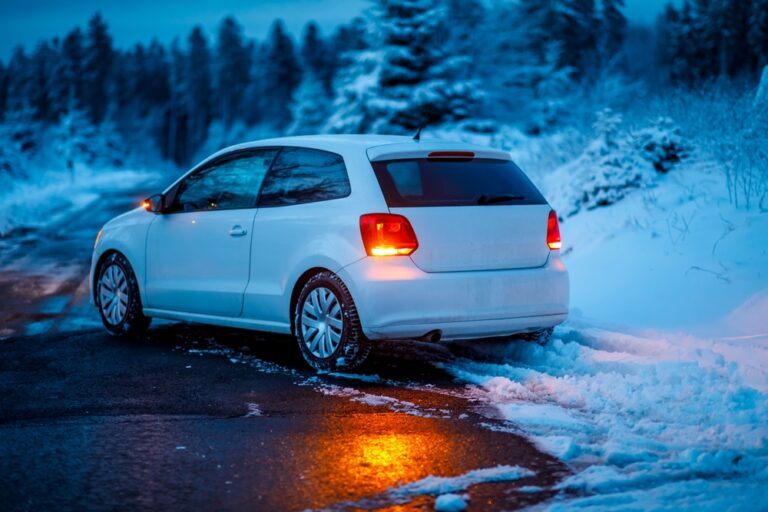
Winter driving in Canada changes more than road conditions. It quietly changes how much fuel your vehicle burns each day. Cold temperatures affect engines, tires, batteries, and even how fuel behaves inside the system. Add snow, ice, and longer warm-up times, and mileage drops fast. Many drivers assume higher fuel use is unavoidable in winter. That is only partly true. Certain habits make the problem far worse than it needs to be. Here are 17 driving habits that make your fuel economy worse in the Canadian winter.
Letting Your Car Idle Too Long
17 Driving Habits That Make Your Fuel Economy Worse in Canadian Winter
- Letting Your Car Idle Too Long
- Driving Aggressively on Cold Roads
- Using All Wheel Drive When You Do Not Need It
- Driving on Underinflated Winter Tires
- Carrying Unnecessary Weight All Winter
- Warming the Cabin Too Aggressively
- Short Trips That Never Warm the Engine
- Ignoring Snow and Ice Buildup
- Using Winter Fuel Inefficiently
- Driving With Windows Down at Highway Speeds
- Accelerating Too Quickly After Cold Starts
- Relying Too Much on Remote Starters
- Driving With Low Transmission or Differential Fluids
- Taking Routes With More Stop-and-Go Traffic
- Overusing Defrost Without Adjustments
- Ignoring Engine Maintenance in Winter
- Driving Faster Than Conditions Allow
- 22 Groceries to Grab Now—Before another Price Shock Hits Canada
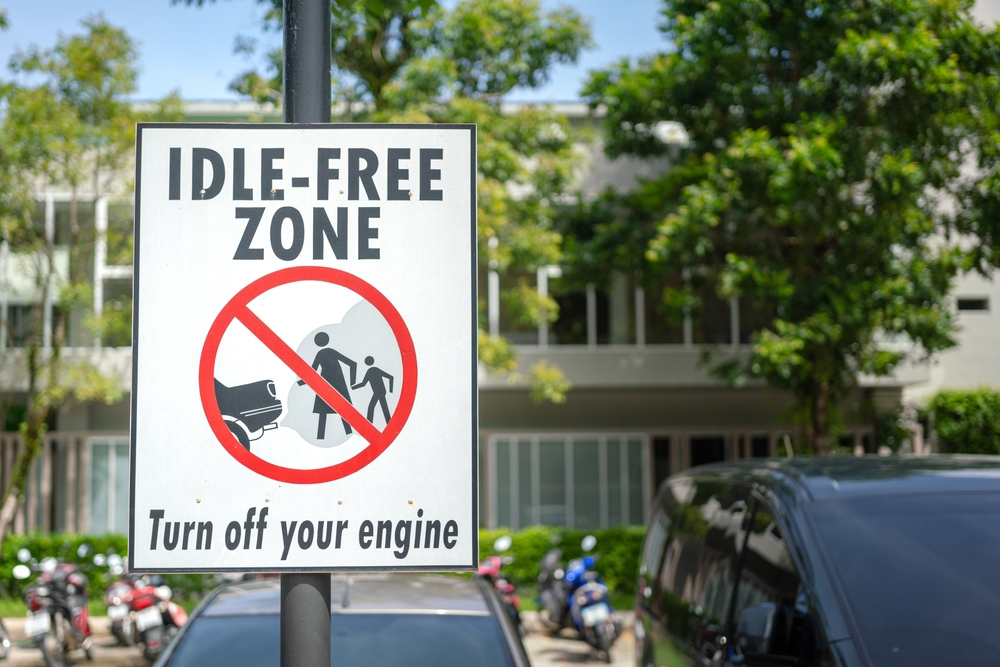
Idling is unnecessary in winter, but modern engines do not require long warm-ups. Fuel burns without moving the car anywhere. That hurts mileage quickly. Most vehicles require only 30 seconds to warm up before driving gently. Extended idling wastes fuel and increases engine wear. Cold starts already use more fuel. Adding idle time multiplies that effect. Many drivers idle while scraping ice or waiting for the heat. Remote starters make this habit worse. Over a full winter, those minutes add up to tanks of fuel burned for nothing. Driving gently warms the engine faster and uses less fuel overall.
Driving Aggressively on Cold Roads
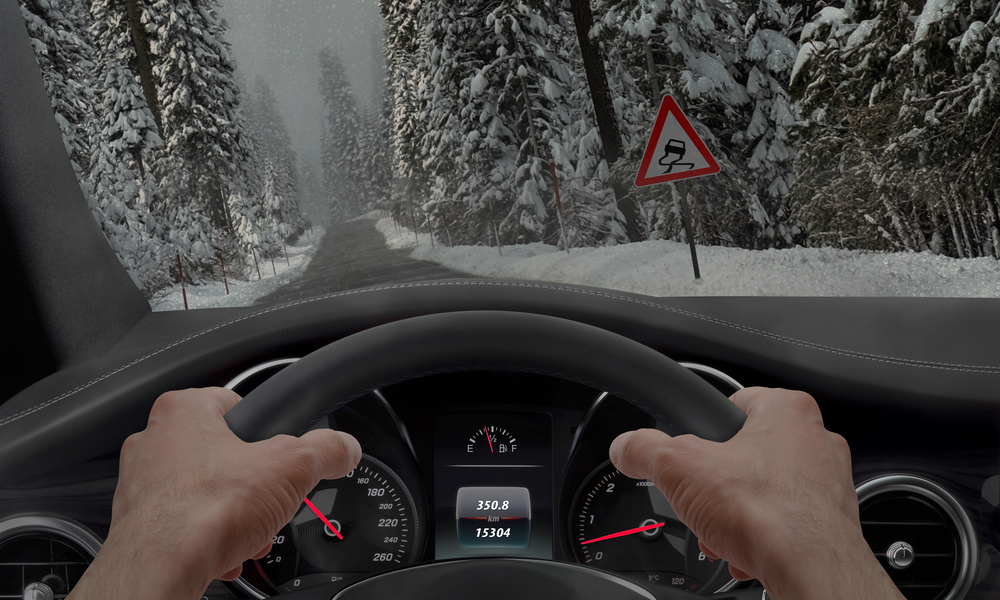
Hard acceleration burns more fuel in winter than in summer. Cold engines already run richer fuel mixtures. Slamming the gas compounds the issue. Snowy roads also increase rolling resistance. Sudden speed changes waste energy fighting traction systems. Aggressive driving triggers stability controls more often. Those systems rely on power adjustments that reduce efficiency. Rapid braking wastes the momentum you already paid for. Smooth acceleration and gradual slowing matter more in winter. Calm driving keeps the engine in lower RPM ranges. It also helps tires grip better. Fuel economy improves without slowing traffic or sacrificing control.
Using All Wheel Drive When You Do Not Need It
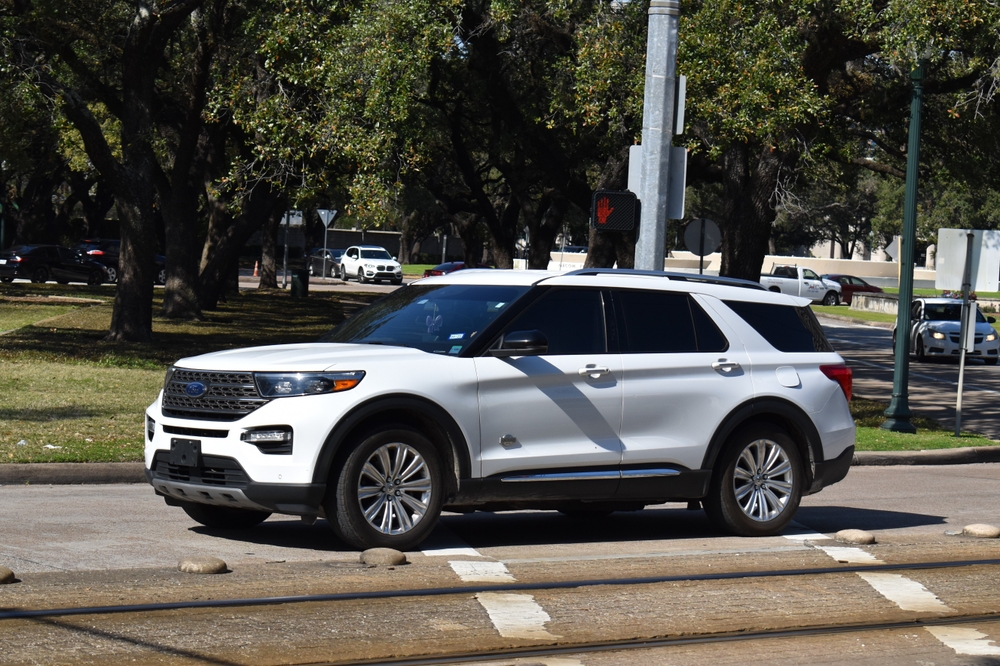
All Wheel Drive increases traction but costs fuel. Powering extra wheels adds weight and mechanical drag. Many systems run full-time in winter conditions. Drivers leave them engaged even on clear roads. That habit burns extra fuel every kilometer. Some vehicles allow switching back to two-wheel drive. Many drivers forget. Others assume winter means constant AWD use. That is not always true. On dry highways, AWD offers little benefit. Turning it off when safe reduces drivetrain losses. Fuel savings may seem small daily, but they add up across an entire winter season.
Driving on Underinflated Winter Tires
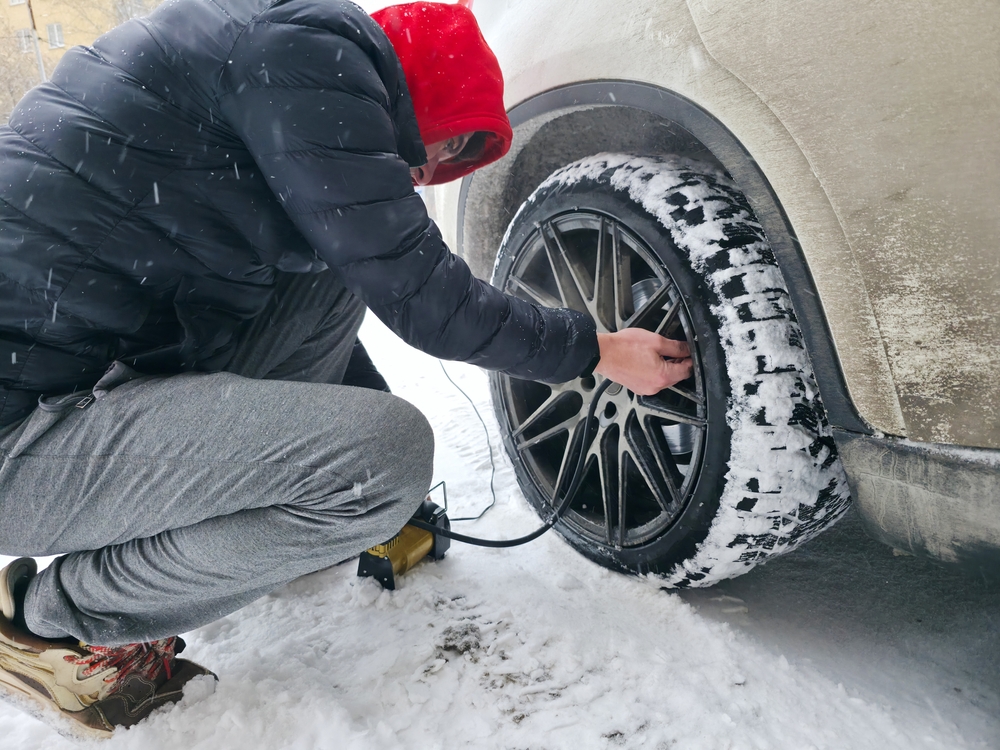
Cold air shrinks. Tire pressure drops as temperatures fall. Underinflated tires increase rolling resistance. That forces the engine to work harder. Fuel economy drops immediately. Many drivers check pressure less often in winter. Snow hides slow leaks. Tire pressure warning lights get ignored. Winter tires already have softer rubber. Low pressure makes the effect worse. Even a few PSI below the recommended level affects mileage. Proper inflation also improves handling and braking. Checking pressure monthly during winter matters. Do it when tires are cold. This habit saves fuel and reduces uneven tire wear.
Carrying Unnecessary Weight All Winter
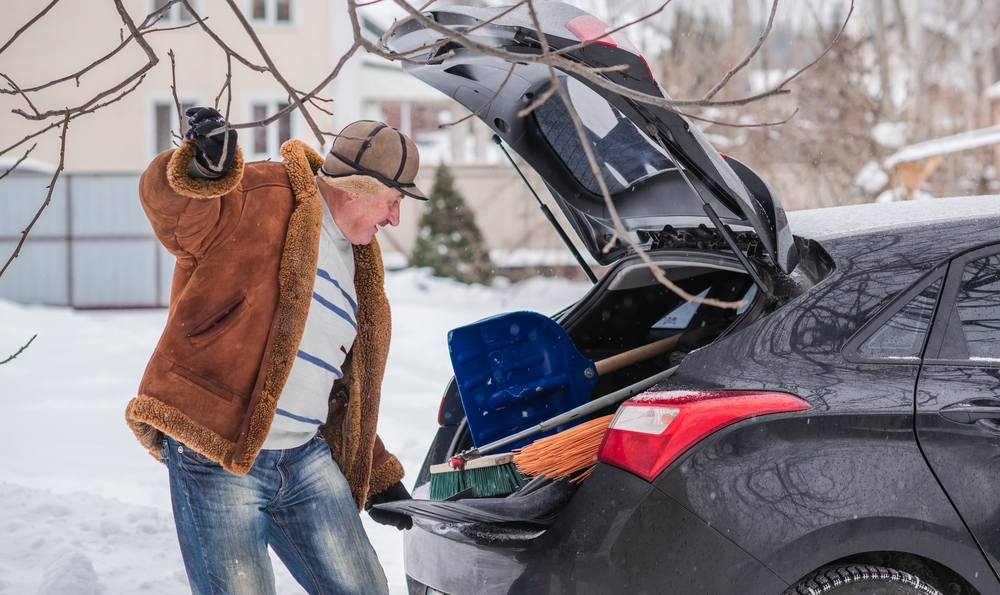
Extra weight hurts fuel economy year-round. Winter makes it worse. Sandbags, tools, and emergency gear often stay in trunks for months. Some items help with traction. Many do not. Every added kilogram increases fuel demand during acceleration. Cold engines already use more fuel. Extra mass compounds the loss. Roof racks and cargo boxes also add drag. Many drivers leave them installed after trips. Wind resistance increases fuel use even at city speeds. Removing unused gear helps immediately. Keep only what you need for safety. Lighter vehicles accelerate more easily and burn less fuel in winter conditions.
Warming the Cabin Too Aggressively
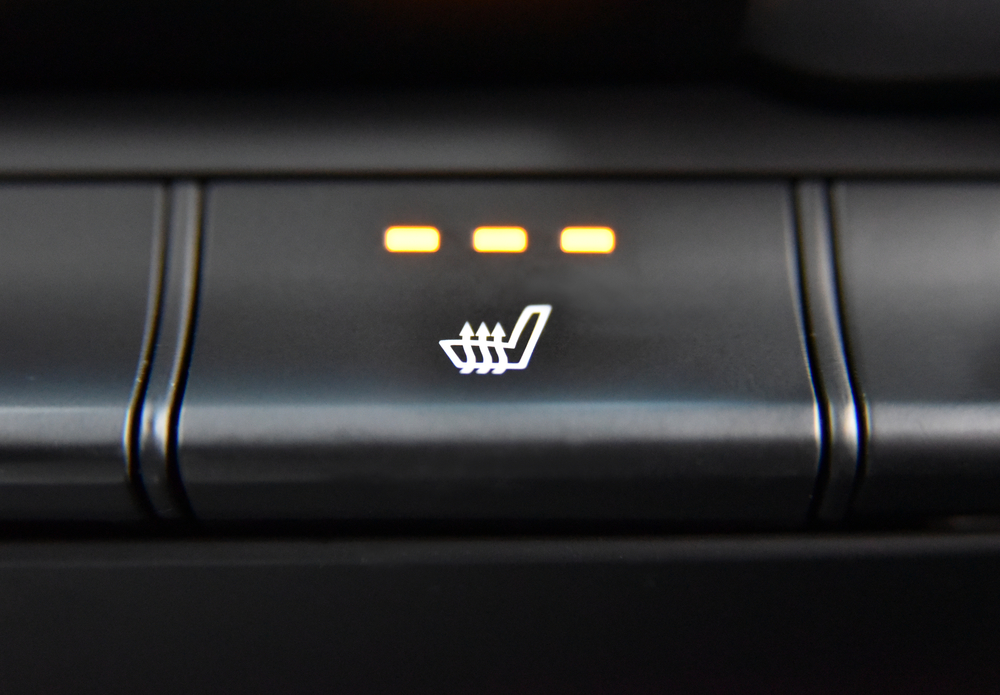
Cabin heat uses energy. In many vehicles, it draws power from the engine. Turning the heat and defrost to maximum settings for cold systems. Fuel use rises slightly but consistently. Heated seats, steering wheels, and mirrors also draw power. Modern cars balance loads, but winter pushes limits. Running everything at once affects efficiency. Drivers often experience excessive heat during startup. That increases idle time, too. Gradually increasing the cabin temperature is more effective. Wearing a coat for the first few minutes helps. Small changes reduce electrical demand. Over a long winter commute, those savings become noticeable.
Short Trips That Never Warm the Engine
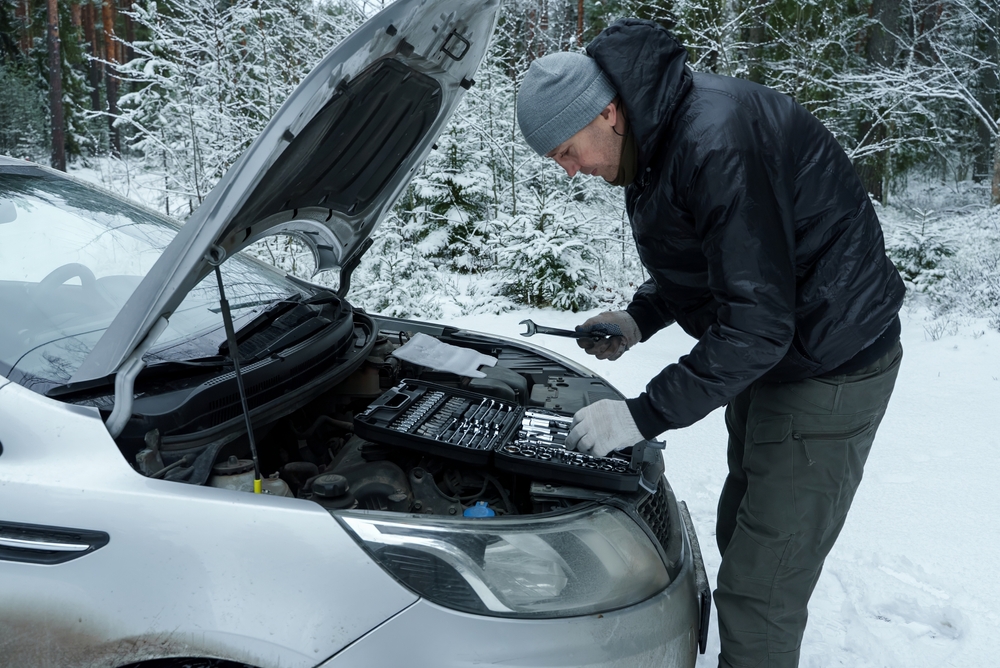
Cold engines are inefficient. Fuel mixtures stay rich until the proper temperature is reached. Short winter trips prevent that from happening. Driving five minutes to the store burns far more fuel per kilometer. The engine never settles into efficient operation. Exhaust systems stay cold. Friction stays high. Conducting several short trips in a row increases fuel consumption. Combining errands helps reduce starts. Planning routes saves fuel without effort. Walking short distances also helps. Winter conditions make this habit common. Awareness makes a difference. Fewer cold starts mean better mileage and lower long-term wear.
Ignoring Snow and Ice Buildup
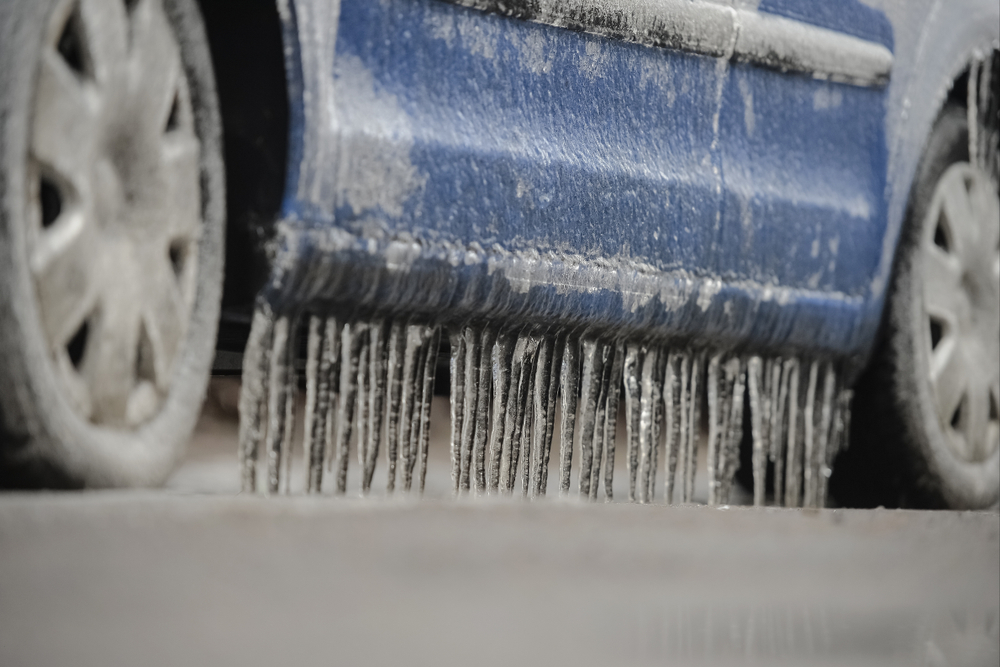
Snow stuck to your vehicle adds weight and drag. Ice under the wheel wells interferes with tire rotation. Packed snow affects aerodynamics more than drivers think. Fuel economy drops as resistance increases. Many drivers clear only windows and lights. Roofs and trunks stay covered. That snow hardens and sticks for days. Highway driving makes drag worse. Ice chunks can affect balance and alignment. Completely clearing your car saves fuel and improves safety. It also prevents dangerous ice shedding. Removing buildup takes minutes. The fuel savings continue for every kilometer driven afterward.
Using Winter Fuel Inefficiently
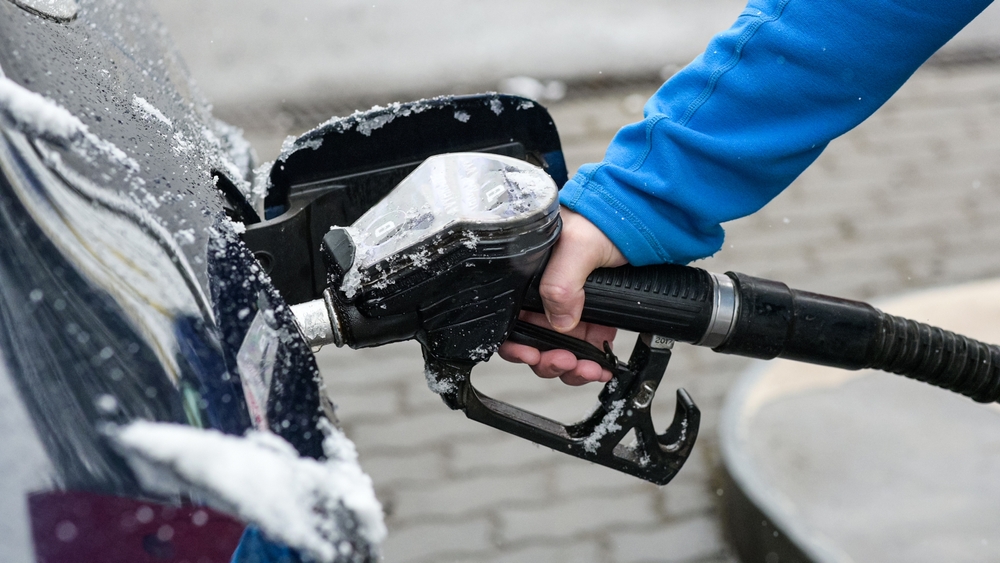
Winter gasoline blends differ from summer blends. They vaporize more readily at lower temperatures. That helps cold starts but reduces energy content. Drivers cannot control the blend, but habits matter. Aggressive driving wastes winter fuel faster. Idling burns it without benefit. Some drivers overestimate winter fuel quality. They assume poor mileage is unavoidable. It is partly avoidable. Adjusting driving style matters more in winter than in summer. Smooth throttle use helps maximize each liter. Understanding seasonal fuel differences helps drivers adapt expectations and habits. Small adjustments reduce the impact of winter blends on your budget.
Driving With Windows Down at Highway Speeds

Cold air is dense. Aerodynamic drag increases in winter. Driving with windows cracked creates turbulence. At highway speeds, that drag reduces fuel efficiency. Some drivers crack windows to reduce fogging. Others prefer fresh air. Modern vehicles handle ventilation efficiently. Using the ventilation system uses less energy than open windows at speed. Drag increases fuel use far more than climate controls. The effect grows as speed rises. Closing windows and using proper defrost settings saves fuel. It also improves cabin comfort. This habit may seem minor, but it significantly affects long winter highway drives.
Accelerating Too Quickly After Cold Starts
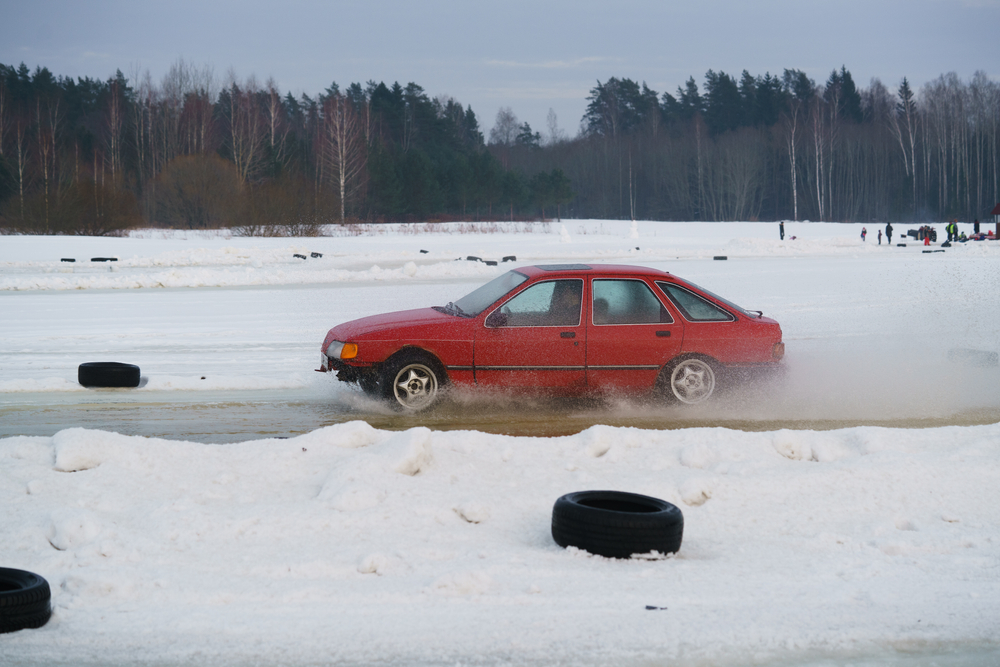
Cold oil flows more slowly. Engines need gentle operation early. Rapid acceleration immediately after start-up increases RPM. That burns extra fuel and increases wear. Many drivers rush during winter mornings. They drive hard to warm the car faster. That backfires. Gentle driving warms systems more efficiently. Fuel injectors adjust better under light loads. The engine reaches optimal temperature sooner. Short bursts of hard acceleration waste fuel without benefit. Giving the vehicle a few calm minutes saves fuel and reduces strain. This habit is easy to change and shows results quickly.
Relying Too Much on Remote Starters

Remote starters feel helpful in winter. They often increase fuel use quietly. Vehicles idle for extended periods. Some start multiple times before driving. That burns fuel while providing limited engine warming. Many systems shut down after several minutes and then restart. Each restart repeats a cold cycle. Fuel economy suffers. Remote starters are useful in extreme cold. Daily reliance adds up fast. Using them only when needed reduces waste. Scraping windows manually saves fuel. Driving gently warms the engine more effectively. Convenience comes at a cost many drivers underestimate.
Driving With Low Transmission or Differential Fluids
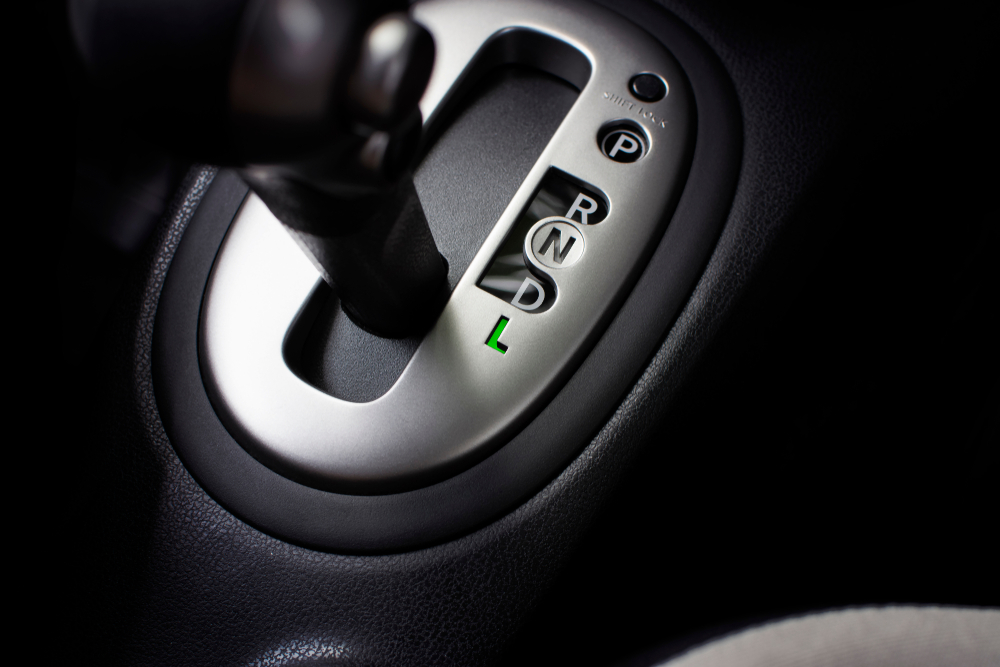
Cold thickens fluids. Old or low fluids increase resistance. Transmissions and differentials work harder in winter. Fuel economy declines as aerodynamic drag increases. Many drivers delay fluid maintenance during the winter months. They assume it can wait. Cold conditions amplify problems. Vehicles feel sluggish and burn more fuel. Fresh fluids flow better at low temperatures. That reduces strain and improves efficiency. Maintenance matters more in winter, not less. Following service schedules helps protect mileage. Ignoring fluids forces the engine to compensate. That habit consumes fuel and shortens component life.
Taking Routes With More Stop-and-Go Traffic
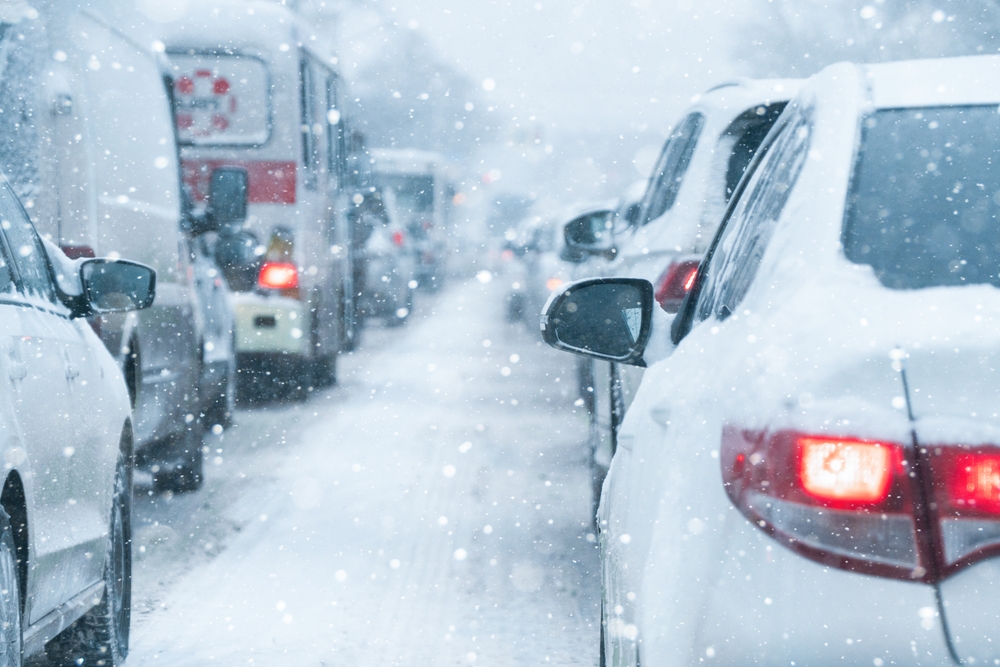
Winter traffic patterns change. Congestion increases around storms and poor road conditions. Stop-and-go driving burns fuel quickly. Frequent acceleration from stops wastes energy. Idling at intersections adds more loss. Some drivers stick to familiar routes even when traffic worsens. Navigation apps can help avoid congestion. Choosing smoother routes improves mileage. Fewer stops matter more in winter. Snow and ice already reduce efficiency. Adding traffic multiplies the problem. Planning routes saves fuel without changing driving style. Over a season, avoiding heavy congestion reduces fuel costs noticeably.
Overusing Defrost Without Adjustments
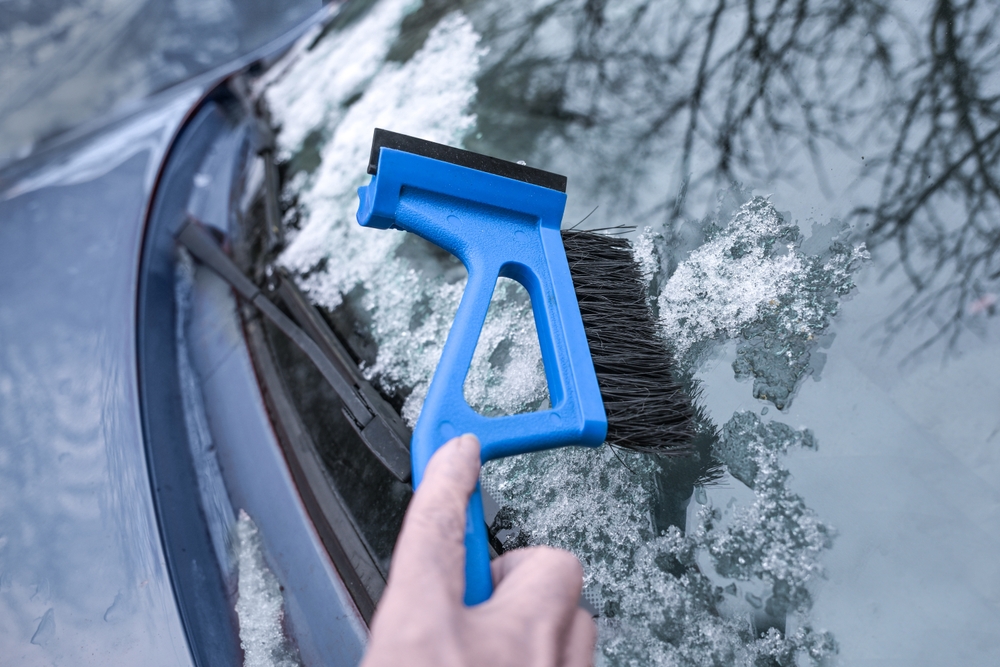
Defrost systems run air conditioning to remove moisture. That uses extra energy even in winter. Many drivers leave the defrost on full blast constantly. That adds electrical and engine load. Fuel use increases slightly but steadily. Adjusting settings helps. Using defrost only when needed saves energy. Combining heat and ventilation balances moisture better. Modern vehicles manage airflow efficiently when used correctly. Constant maximum settings waste fuel unnecessarily. Understanding how defrost works helps drivers adjust their habits. Small changes reduce energy draw. Over long winter drives, this improves overall fuel efficiency without sacrificing visibility.
Ignoring Engine Maintenance in Winter
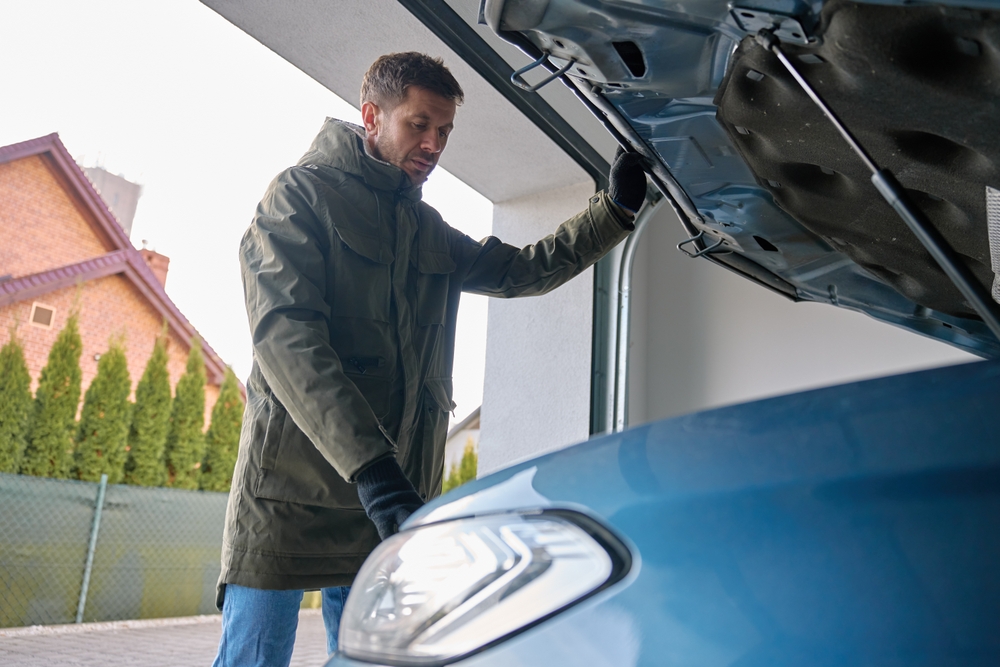
Worn spark plugs, dirty air filters, and old oil hurt fuel economy. Winter exaggerates these problems. Cold starts place greater demands on the engine. Poor maintenance increases fuel use. Many drivers postpone service during winter. They assume conditions make maintenance pointless. The opposite is true. Proper maintenance improves cold performance. Clean filters help engines breathe easier. Correct oil viscosity is more important at cold temperatures. Delaying maintenance costs fuel every drive. Addressing small issues improves efficiency immediately. Winter is when engines need the most support, not neglect.
Driving Faster Than Conditions Allow
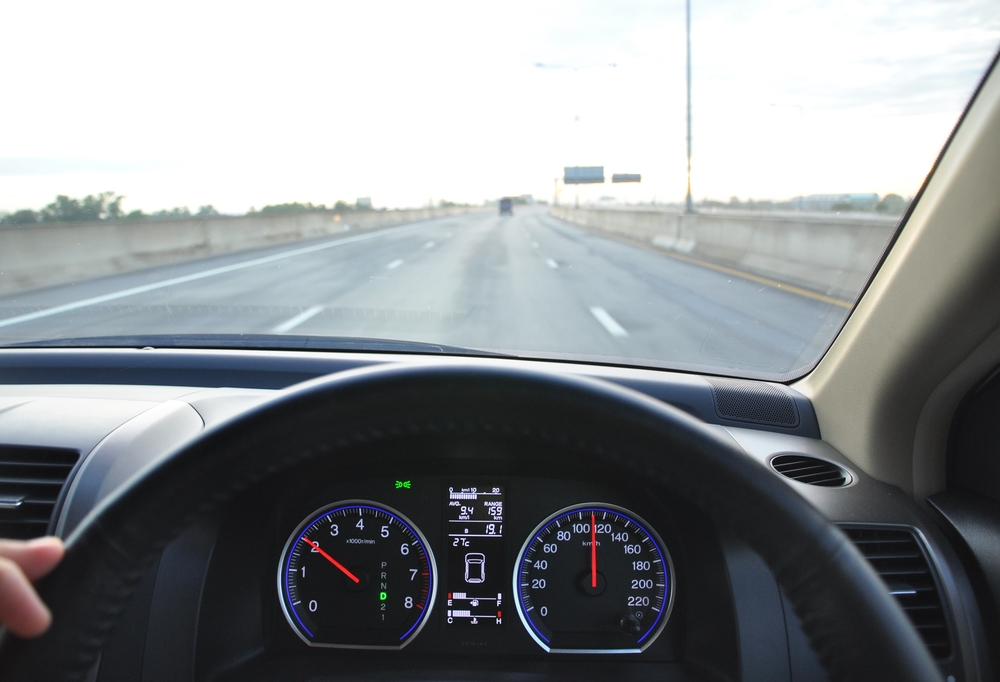
Higher speeds burn more fuel. Winter makes this worse. Cold air increases drag. Snow and slush increase resistance. Driving fast requires more throttle input. Stability systems engage more often. All of that costs fuel. Many drivers maintain summer speeds on clear winter highways. Fuel economy drops quietly. Slowing slightly saves fuel without adding much time. Even ten kilometres per hour makes a difference. This habit also improves safety. Winter driving rewards patience. Lower speeds reduce stress on the vehicle. Fuel savings accumulate over long highway trips during cold months.
22 Groceries to Grab Now—Before another Price Shock Hits Canada

Food prices in Canada have been steadily climbing, and another spike could make your grocery bill feel like a mortgage payment. According to Statistics Canada, food inflation remains about 3.7% higher than last year, with essentials like bread, dairy, and fresh produce leading the surge. Some items are expected to rise even further due to transportation costs, droughts, and import tariffs. Here are 22 groceries to grab now before another price shock hits Canada.
22 Groceries to Grab Now—Before another Price Shock Hits Canada
This Options Discord Chat is The Real Deal
While the internet is scoured with trading chat rooms, many of which even charge upwards of thousands of dollars to join, this smaller options trading discord chatroom is the real deal and actually providing valuable trade setups, education, and community without the noise and spam of the larger more expensive rooms. With a incredibly low-cost monthly fee, Options Trading Club (click here to see their reviews) requires an application to join ensuring that every member is dedicated and serious about taking their trading to the next level. If you are looking for a change in your trading strategies, then click here to apply for a membership.