35,000+ smart investors are already getting financial news, market signals, and macro shifts in the economy that could impact their money next with our FREE weekly newsletter. Get ahead of what the crowd finds out too late. Click Here to Subscribe for FREE.
Canadian phone bills are some of the highest in the world, yet many people never question them. Carriers rely on habit, confusion, and small print to keep monthly charges climbing. Unused features, extra data, and outdated plans quietly cost hundreds of dollars each year. Many customers assume prices are fixed or believe loyalty earns better rates. In reality, most savings come from asking the right questions. Knowing what plans are overpriced helps you push back with confidence. Here are 22 Phone Plans Canadians Overpay For (And What to Ask Your Carrier).
Unlimited Data Plans with Heavy Speed Throttling
22 Phone Plans Canadians Overpay For (And What to Ask Your Carrier)
- Unlimited Data Plans with Heavy Speed Throttling
- Plans With More Data Than You Use
- Expensive 5G Plans Without 5G Coverage
- Family Plans with Uneven Usage
- Plans That Include International Calling You Never Use
- Loyalty Plans That Are No Longer Competitive
- Plans With Device Financing Built In
- Plans With Mandatory Add-Ons You Do Not Need
- Corporate Discount Plans with Higher Base Prices
- Plans Locked to Older Network Technology
- Plans With High Overage Fees
- Student Plans After Graduation
- Plans With Limited Tethering
- Plans With Regional Restrictions
- Prepaid Plans That Cost More Than Postpaid
- Plans With No Data Rollover
- Plans With Expensive Roaming Add-Ons
- Plans That Bundle Streaming Services You Do Not Watch
- Plans With Hidden Activation or Upgrade Fees
- Plans With Promotional Pricing That Expired
- Plans Designed for Business Use
- Plans You Have Never Reviewed
- 22 Groceries to Grab Now—Before another Price Shock Hits Canada
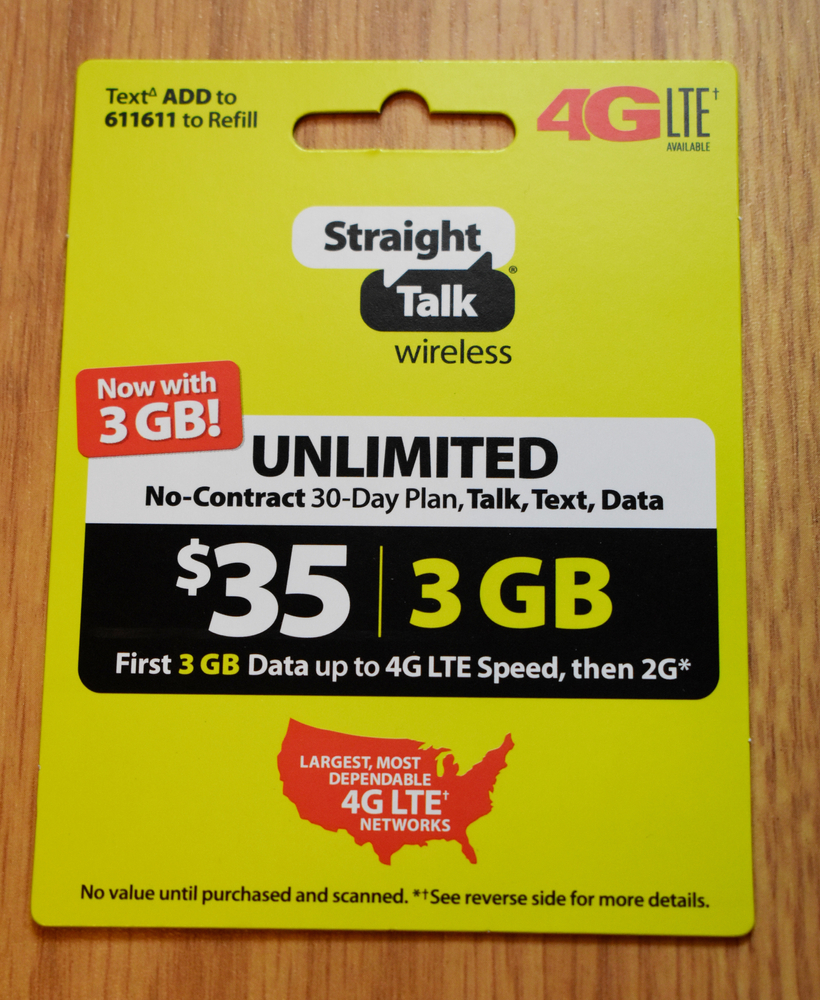
Many unlimited plans slow dramatically after a small data threshold. Streaming becomes frustrating, and basic browsing feels delayed. These plans sound generous, but often cost far more than capped plans. Most users never reach the advertised unlimited benefit. Carriers rely on unclear speed policies buried in contracts. Ask your carrier how much full-speed data you actually receive each month. Request a cheaper plan with a clear data cap instead. If your usage is predictable, capped plans often cost less and perform better daily. Unlimited is rarely unlimited in real use.
Plans With More Data Than You Use

Large data buckets look attractive but frequently go unused. Wi-Fi at home and work covers most daily needs. Paying for excess data every month adds up fast. Many Canadians use less than half their plan allowance. Carriers rarely alert customers about underuse. Ask for a usage review covering the past six months. Request a plan closer to your real needs. Downsizing data often saves money without affecting daily phone habits. Paying for unused data is one of the easiest ways to overspend.
Expensive 5G Plans Without 5G Coverage

Some plans charge premiums for 5G access. Many areas still lack reliable 5G coverage. Phones often default to LTE even on 5G plans. Customers pay extra without seeing speed improvements. Carriers promote coverage maps that look better than real performance. Ask if your area consistently supports 5G speeds. If not, request an LTE plan at a lower rate. Speed differences are often minimal for everyday tasks like messaging or navigation. Paying extra only makes sense with consistent coverage.
Family Plans with Uneven Usage

A family plan bundles several lines under a shared data pool. This often pushes everyone into a higher tier. One heavy user can raise the total cost. Lighter users end up paying for data they never touch. Carriers promote family plans as savings tools. In practice, uneven usage increases monthly bills. Ask your carrier for a breakdown by line. Compare shared costs with separate plans. Splitting lines sometimes costs less overall. Family plans only work when usage levels stay similar. Otherwise, they quietly become overpriced month after month for most households.
Plans That Include International Calling You Never Use

International calling features raise plan prices every month. Many Canadians rarely place traditional international calls. Messaging apps handle most overseas communication today. Carriers keep these add-ons active unless removed. Customers often forget they exist. Ask what international calling features are included. Remove anything unused. Pay per call only when needed. Monthly charges for unused features add up quickly. These add-ons made sense years ago. Today, they mostly inflate bills without improving daily phone use. Paying for services you never use is one of the easiest ways to overpay.
Loyalty Plans That Are No Longer Competitive

Longtime customers often stay on the same plan for years. Carriers rarely reward loyalty with lower prices. New plans usually offer more data for less money. Older plans quietly fall behind. Ask what current plans cost today. Request a direct comparison with your existing plan. Loyalty discounts may exist, but are not automatic. Staying silent often means paying more than new customers. Reviewing your plan regularly protects you from outdated pricing. Loyalty feels valuable, but it often costs more than switching or renegotiating quietly.
Plans With Device Financing Built In

Some phone plans include device financing in the monthly price. Many people keep paying after their phone is fully paid. This inflates bills without clear notice. Ask if your device balance is finished. Request a plan without financing charges. Separating device costs from service makes pricing clearer. Many Canadians overpay for phones they already own. Removing financing can lower your bill instantly. Always check whether you are paying for hardware you no longer owe money on. Financing should never continue unnoticed.
Plans With Mandatory Add-Ons You Do Not Need
Many plans include voicemail upgrades, cloud storage, or protection plans. These add-ons quietly raise monthly bills. Most users never use them. Carriers keep them active by default. Ask for a full list of add-ons on your account. Remove anything unnecessary. Basic voicemail often comes free. Small monthly charges add up over time. Paying for unused extras is common and avoidable. Plans should include only what you actually use. Anything else is wasted money hiding in plain sight.
Corporate Discount Plans with Higher Base Prices

Corporate plans promise discounts, but often start with higher base prices. Percentage savings hide inflated costs. The final bill may exceed regular consumer plans. Ask for a full price comparison. Ignore discount language. Focus on the final monthly amount. Corporate labels do not guarantee better value. Some public plans offer more for less. Discounts only help when the starting price makes sense. Always compare total costs side by side. Never assume a corporate plan automatically saves money without checking carefully.
Plans Locked to Older Network Technology

Some plans limit access to newer network features. Customers pay near premium prices for older performance. These limits are rarely explained clearly. Ask whether your plan restricts network access. Request an updated equivalent plan. Paying full rates for outdated service brings little benefit. Network access should match the price you pay. Many Canadians unknowingly stay on plans with older limitations. A quick review can improve performance without raising costs. Technology changes faster than most plans do.
Plans With High Overage Fees

Overage fees can spike bills unexpectedly. One extra gigabyte may cost more than an entire plan elsewhere. These fees rely on brief overuse. Ask what overage charges apply. Request automatic throttling instead. Avoid plans with harsh penalties. Predictable billing matters more than flexibility. High overage fees punish occasional mistakes. Most users benefit from capped protection. Surprise charges are one of the biggest reasons Canadians feel phone bills are unfair.
Student Plans After Graduation

Many Canadians keep student plans after graduating. Discounts often expire quietly. Pricing may increase without notice. Ask whether your plan still qualifies for student rates. Request updated offers if eligibility ended. Former student plans rarely remain competitive. These plans are designed for short-term use. Keeping them long-term usually costs more. Regular checks prevent silent price increases. Graduation should trigger a plan review, not years of overpaying unnoticed.
Plans With Limited Tethering

Some plans restrict hotspot use severely. Customers pay premium prices but face sharing limits. This affects travel and remote work. Ask how much hotspot data is included. Request reasonable tethering access. Limited sharing reduces flexibility. Many users only need occasional hotspot access. Plans should support that without penalties. Paying extra for a plan that blocks tethering makes little sense. Always check sharing rules before assuming your plan covers modern usage needs.
Plans With Regional Restrictions

Some plans advertise nationwide coverage but include regional limits. Roaming charges may appear unexpectedly. Ask where your plan applies without extra fees. Confirm coverage across provinces. Regional restrictions increase costs quietly. These plans work best for people who never travel. Many Canadians move or travel within the country. Clear coverage terms prevent surprise charges. National pricing should actually mean national access. Anything less deserves a lower price.
Prepaid Plans That Cost More Than Postpaid

Prepaid plans once saved money. That is no longer always true. Some prepaid options now cost more than postpaid plans. Benefits like roaming or rollover may be missing. Ask for postpaid comparisons. Check total monthly value, not labels. Prepaid offers less flexibility in many cases. Pricing has shifted quietly. Many people assume prepaid still costs less. That assumption can lead to overpaying without realizing it.
Plans With No Data Rollover

Unused data often disappears each month. Paying for data you cannot carry forward wastes money. Ask whether data rollover is available. Some carriers offer it quietly. Rollover rewards lighter usage. Plans without rollover penalize efficiency. If your usage varies monthly, rollover matters. Losing unused data reduces the value of larger plans. Always ask how unused data is treated. Expiring data benefits carriers, not customers.
Plans With Expensive Roaming Add-Ons

Roaming add-ons raise costs quickly. Short trips can trigger large fees. Monthly roaming packages rarely offer good value. Ask about daily roaming rates. Consider temporary passes or travel eSIMs. Paying every month for occasional travel makes little sense. Flexibility saves money. Many Canadians forget to remove roaming features after trips. These charges continue quietly. Roaming should be temporary, not a permanent line item on your bill.
Plans That Bundle Streaming Services You Do Not Watch

Streaming bundles increase plan prices quietly. Many users already subscribe separately. Carriers rely on convenience to justify higher costs. Ask which services are bundled. Remove anything you do not use. Paying twice for the same service is common. Streaming habits change often. Bundles rarely adjust automatically. Choose streaming services separately. Phone plans should focus on connectivity, not entertainment you might already pay for elsewhere.
Plans With Hidden Activation or Upgrade Fees

Activation and upgrade fees inflate total costs. These fees are often negotiable. Many carriers waive them if asked. Customers assume they are fixed. Ask whether fees can be removed. Question every extra charge. Fees add nothing to service quality. They exist because people accept them. Challenging these charges can save money instantly. Never treat fees as unavoidable without pushing back.
Plans With Promotional Pricing That Expired

Introductory pricing often ends quietly. Bills rise without warning. Many customers miss the change. Ask when promotional rates expire. Request renewal options before prices increase. Monitoring timelines prevents bill shock. Promotions should be tracked carefully. Ignoring expiry dates costs money. Carriers rarely remind customers. Staying proactive protects your budget. Temporary pricing should never become permanent overspending.
Plans Designed for Business Use

Business plans include features many consumers never need. These plans often cost more. Extras like priority support may go unused. Ask whether a consumer plan better fits your usage. Business labels do not guarantee savings. Paying for unused features wastes money. Plans should match how you actually use your phone. Choosing based on labels instead of needs often leads to overpaying.
Plans You Have Never Reviewed

Many Canadians keep the same plan for years. Prices change faster than habits. Old plans become expensive quietly. Ask for an annual plan review. Compare your usage with current options. Silence benefits carriers. Regular reviews uncover savings. Small changes reduce costs over time. Phone plans should evolve with your needs. Reviewing once a year prevents long-term overpayment without effort.
22 Groceries to Grab Now—Before another Price Shock Hits Canada

Food prices in Canada have been steadily climbing, and another spike could make your grocery bill feel like a mortgage payment. According to Statistics Canada, food inflation remains about 3.7% higher than last year, with essentials like bread, dairy, and fresh produce leading the surge. Some items are expected to rise even further due to transportation costs, droughts, and import tariffs. Here are 22 groceries to grab now before another price shock hits Canada.
22 Groceries to Grab Now—Before another Price Shock Hits Canada
This Options Discord Chat is The Real Deal
While the internet is scoured with trading chat rooms, many of which even charge upwards of thousands of dollars to join, this smaller options trading discord chatroom is the real deal and actually providing valuable trade setups, education, and community without the noise and spam of the larger more expensive rooms. With a incredibly low-cost monthly fee, Options Trading Club (click here to see their reviews) requires an application to join ensuring that every member is dedicated and serious about taking their trading to the next level. If you are looking for a change in your trading strategies, then click here to apply for a membership.