35,000+ smart investors are already getting financial news, market signals, and macro shifts in the economy that could impact their money next with our FREE weekly newsletter. Get ahead of what the crowd finds out too late. Click Here to Subscribe for FREE.
All-season tires sound like a smart compromise for Canadian drivers. One set. Year-round use. No swaps. The problem occurs in February, when roads are icy, temperatures remain below freezing, and traction matters more than convenience. Many tires sold as all-season are designed for mild winters, not deep cold or packed snow. Rubber stiffens, braking distances increase, and control drops fast. Drivers often assume tread depth alone keeps them safe, which is rarely true. Here are 14 tires Canadians think are ‘all-season’ but aren’t safe in February.
Factory-Installed All-Season Tires on New Cars
14 Tires Canadians Think Are ‘All-Season’ But Aren’t Safe in February
- Factory-Installed All-Season Tires on New Cars
- Touring All-Season Tires
- Performance All-Season Tires
- Older All-Season Tires with Good Tread
- Budget All-Season Tires
- Highway All-Season Tires
- All-Season Tires Without the Snowflake Rating
- All-Season Tires on Heavier Vehicles
- All-Season Tires Designed for Rain
- All-Season Tires Used Year-Round for Several Winters
- All-Season Tires with Shallow Siping
- All-Season Tires Marketed as “Winter-Capable.”
- All-Season Tires with Low Rolling Resistance
- All-Season Tires on Front-Wheel Drive Cars
- 22 Groceries to Grab Now—Before another Price Shock Hits Canada
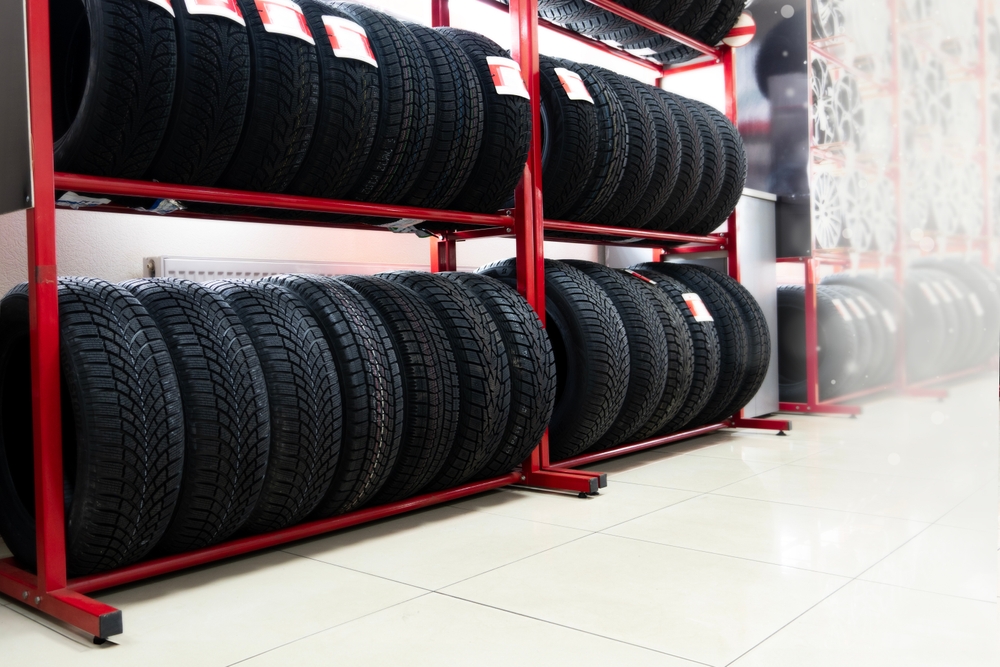
Many new vehicles arrive with all-season tires meant to satisfy marketing, not winter safety. These tires prioritize quiet rides and fuel efficiency. February conditions expose their limits quickly. Rubber compounds harden in cold temperatures, reducing grip on ice and packed snow. Even light braking can cause a vehicle to slide at intersections. Traction control systems cannot compensate for poor rubber performance. Drivers often trust these tires because they are brand new. Fresh tread does not equal winter capability. Without a winter rating, these tires struggle when temperatures stay below seven degrees. New car owners often learn this the hard way during their first winter commute.
Touring All-Season Tires
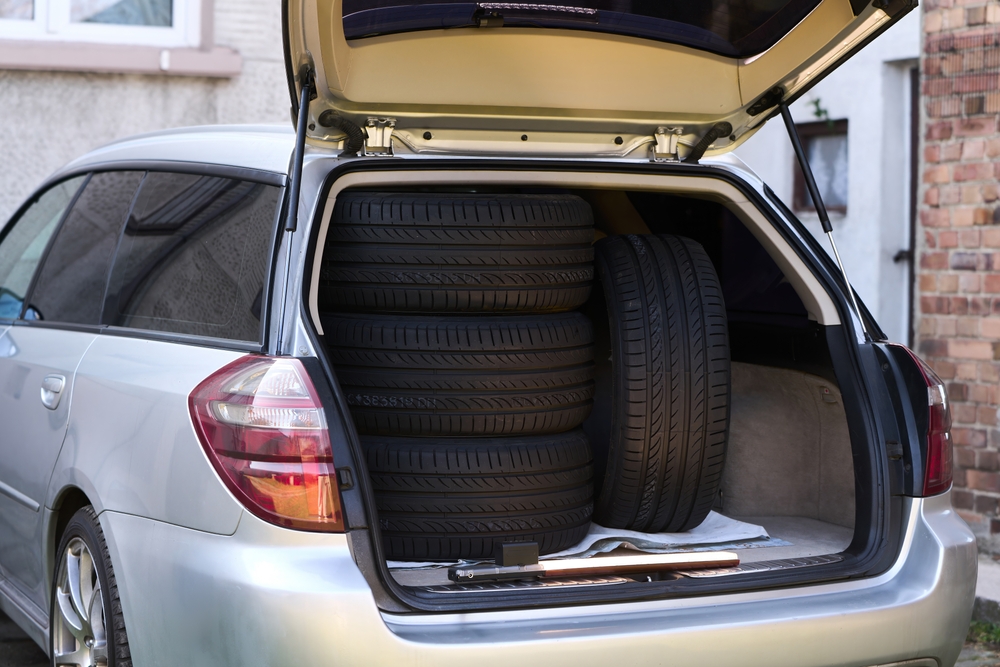
Touring all-season tires focus on comfort, noise reduction, and highway stability. Winter performance sits low on their priority list. In February, these tires often feel numb during turns. Braking distances grow longer on icy streets. The tread design lacks the biting edges needed for winter grip. Snow fills the grooves quickly, reducing traction further. Touring tires also use harder rubber compounds that stiffen in cold weather. Drivers notice delayed steering response during slushy conditions. These tires may feel fine in November. February exposes their weaknesses clearly, especially during sudden stops. Comfort does not help when control disappears on untreated roads.
Performance All-Season Tires
Performance all-season tires are designed for handling, not winter survival. They favor grip on dry pavement and responsiveness at higher speeds. Cold weather works against them. Rubber compounds lose flexibility in freezing temperatures. Steering becomes twitchy on icy surfaces. Acceleration traction drops sharply on snow. These tires often feature wider tread blocks, which reduces snow grip. Slush evacuation also suffers in heavy winter conditions. Drivers feel confident early in winter when roads are dry. February brings constant freeze cycles. These tires struggle to adapt, increasing the risk of sliding through intersections and losing control during sudden lane changes.
Older All-Season Tires with Good Tread
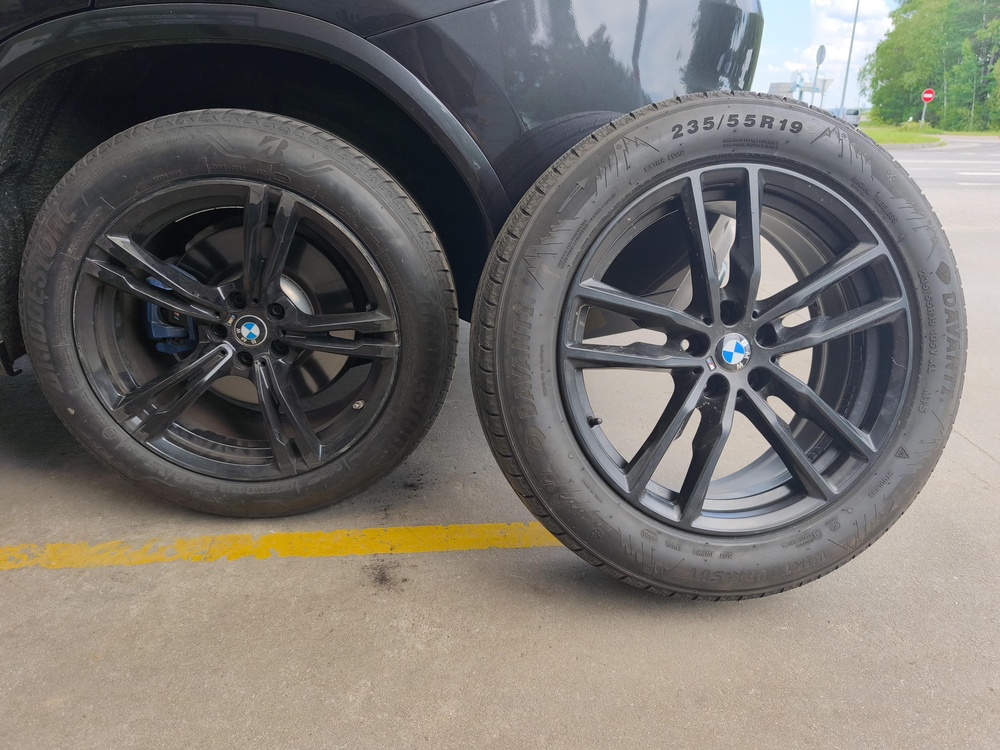
Tread depth alone does not make a tire winter-safe. Older all-season tires often look fine but perform poorly in February. Rubber hardens over time, even if the tread remains. Cold temperatures exaggerate this effect. Braking distances increase without warning. Traction loss happens gradually, making it harder to detect until it matters. Micro-cracks in aging rubber reduce grip on ice. Drivers trust these tires because they pass visual checks. Age matters as much as tread. In February, all-season tires lose flexibility and grip. What worked years ago may now fail during emergency braking or slippery cornering situations.
Budget All-Season Tires
Lower-priced all-season tires often compromise on rubber quality. They may perform adequately in light snow. February conditions expose their limitations fast. Harder compounds reduce manufacturing costs but sacrifice cold-weather grip. Braking distances grow longer on ice. Traction control activates more often, signaling reduced grip. These tires may lack advanced siping patterns that improve winter traction. Snow compacts inside the tread instead of clearing. Drivers notice wheel spin at low speeds. Budget tires feel unpredictable during freeze-thaw cycles. Saving money upfront can lead to higher repair costs later, especially after winter collisions caused by poor traction.
Highway All-Season Tires
Highway all-season tires are built for long distances and steady speeds. Winter traction is secondary. In February, these tires struggle during city driving. Stop-and-go traffic exposes their weak grip on ice. Tread patterns favor water evacuation, not snow biting. Packed snow reduces steering response quickly. Rubber compounds are optimized for durability, not cold flexibility. Drivers experience longer stopping distances on untreated roads. These tires perform best in mild climates. Canadian winters demand more. February driving conditions overwhelm highway tires, especially during sudden stops or tight turns on residential streets and secondary roads.
All-Season Tires Without the Snowflake Rating
Not all all-season tires meet winter performance standards. Tires lacking the mountain snowflake symbol fail specific winter traction tests. February conditions push these tires beyond their design limits. Ice grip is weak. Snow traction remains inconsistent. Rubber compounds are not tested for sustained cold temperatures. Drivers assume all all-season tires behave similarly. This assumption leads to false confidence. The snowflake symbol matters. Without it, winter performance is unpredictable. Braking distances increase, especially on compacted snow. Steering response feels delayed. These tires may pass summer inspections but struggle in February, when winter capability is no longer optional for safe driving.
All-Season Tires on Heavier Vehicles
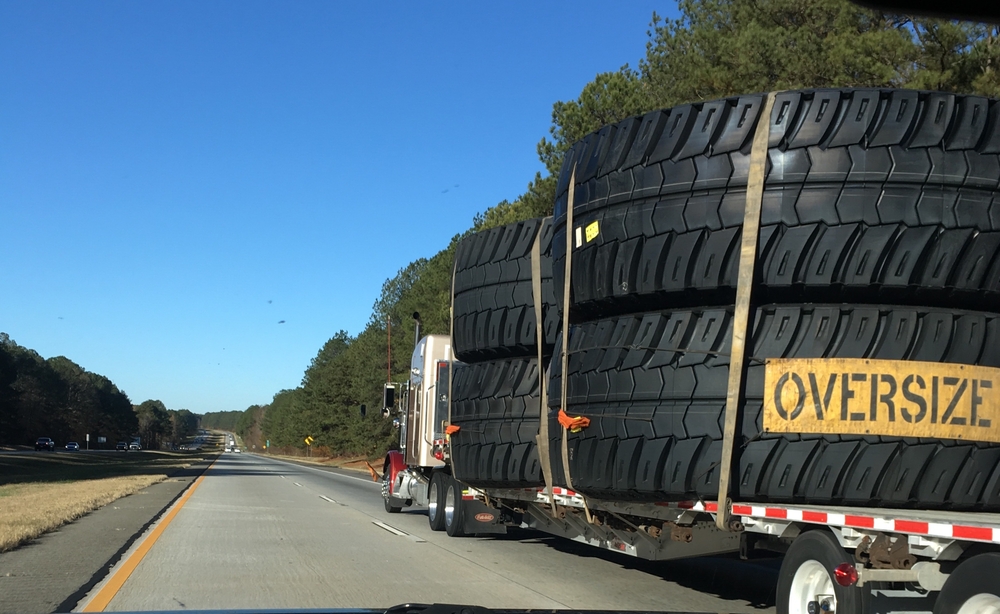
Vehicle weight does not compensate for poor tire grip. Many SUVs and trucks run all-season tires year-round. February exposes their weaknesses clearly. Extra weight increases stopping distances on ice. All-season rubber struggles under higher loads in cold conditions. Traction loss feels sudden during braking. Four-wheel drive helps with movement, not stopping. Drivers often mistake drivetrain features for tire capability. Tires still control grip. All-season designs lack winter-focused siping. Snow traction drops quickly on hills. Heavier vehicles amplify these flaws. February driving demands tires built for cold, not reliance on weight or drivetrain technology.
All-Season Tires Designed for Rain
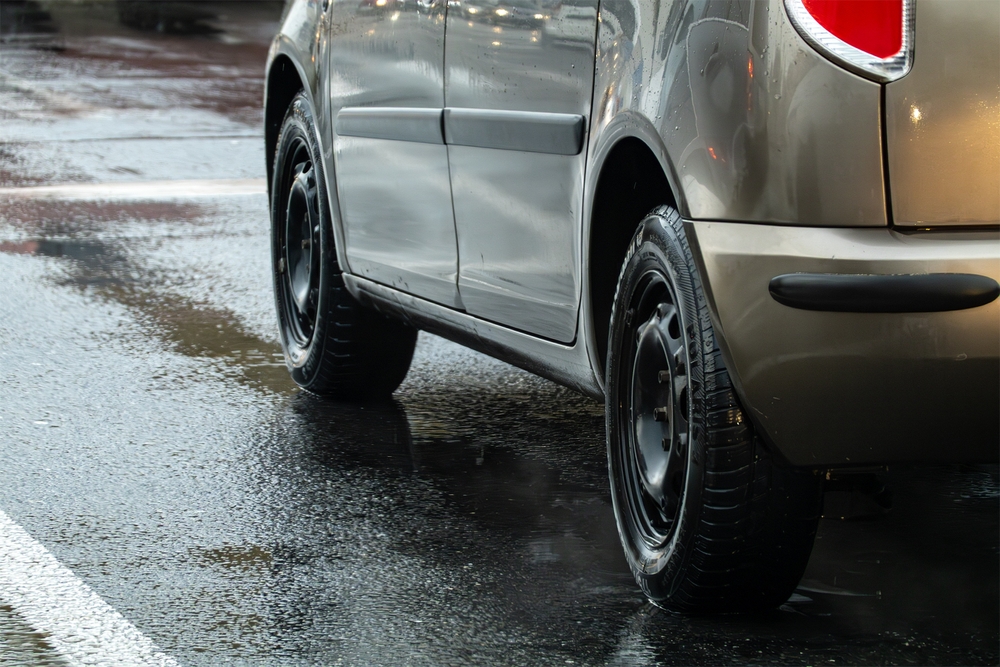
Some all-season tires focus heavily on wet-weather performance. Wide channels move water efficiently. Snow and ice behave differently. In February, these tires lose grip on compacted snow. Slush fills the grooves instead of clearing. Rubber compounds stay too firm in freezing temperatures. Steering feels loose during turns. Braking becomes unpredictable on icy intersections. Drivers notice hydroplaning resistance but poor snow control. Rain-focused tread designs trade winter bite for water evacuation. February conditions include ice, snow, and refreeze cycles. These tires cannot adapt, increasing the risk of sliding during routine winter driving situations.
All-Season Tires Used Year-Round for Several Winters
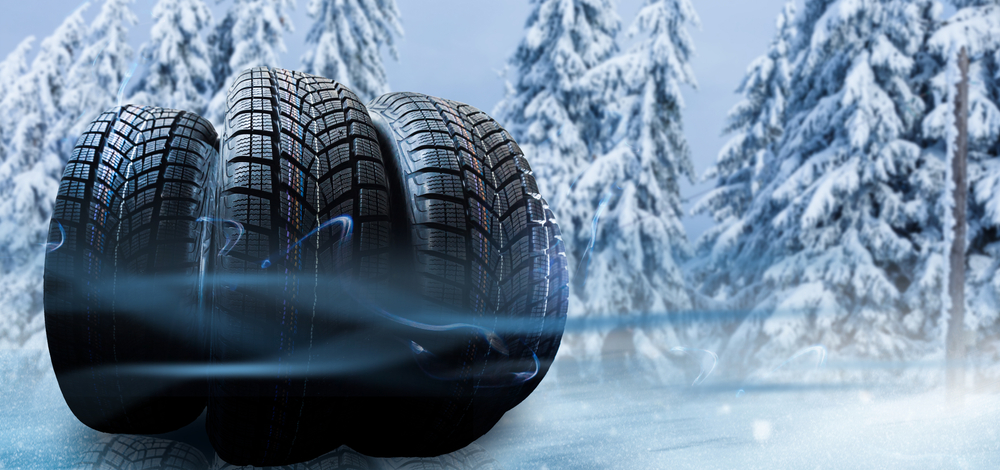
Repeated winter exposure wears all-season tires unevenly. Heat cycles from summer driving harden the rubber. February reveals the damage. Grip declines even if the tread looks acceptable. Cold temperatures reduce flexibility further. Traction loss becomes noticeable on hills and intersections. Snow packing increases as tread edges dull. Drivers underestimate how seasons affect rubber chemistry. All-season tires are not designed for repeated cold exposure. After several winters, performance drops sharply. February driving demands a consistent grip. Tires used year-round lose their ability to adapt. What once felt manageable becomes risky during emergency braking or sudden steering corrections.
All-Season Tires with Shallow Siping
Sipes create biting edges that grip snow and ice. Many all-season tires use minimal siping. February conditions expose this weakness fast. Without enough edges, tires slide more easily on ice. Packed snow reduces traction further. Braking distances increase noticeably. Steering response feels vague during turns. These tires rely on tread blocks, not micro-edges. Cold weather reduces rubber flexibility, worsening the issue. Drivers feel fine on dry pavement. Winter surfaces tell a different story. February driving requires siping depth and density. Tires lacking it struggle to maintain control during common winter maneuvers.
All-Season Tires Marketed as “Winter-Capable.”
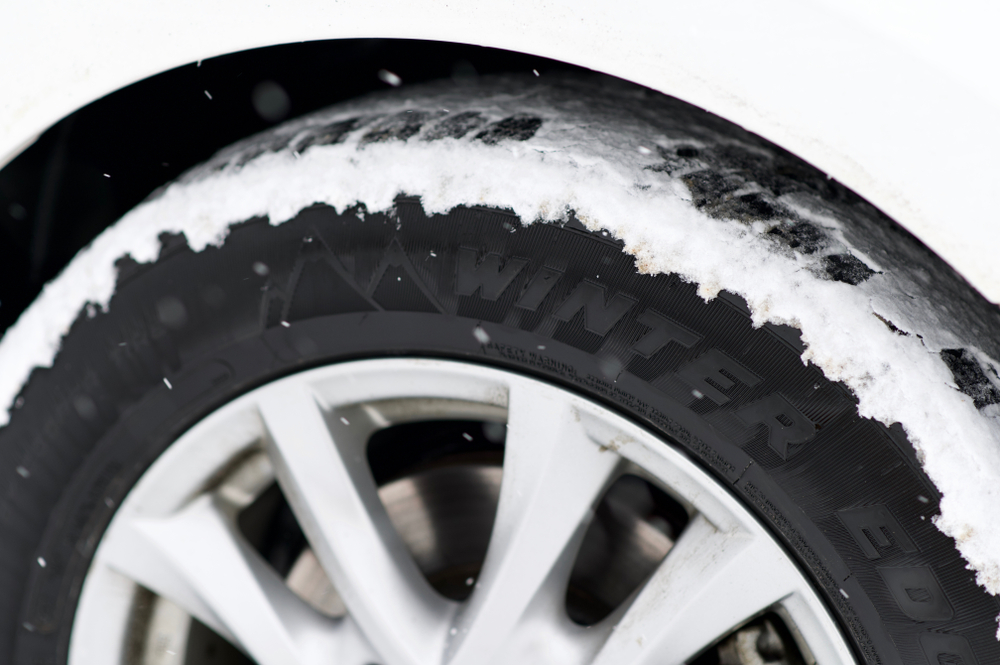
Marketing language often blurs the line between capability and safety. Some all-season tires claim winter readiness without true testing. February conditions reveal the gap. Ice traction remains weak. Snow handling feels inconsistent. Rubber compounds are not optimized for sustained cold. These tires may perform acceptably in early winter. Deep cold exposes their limits. Drivers trust labels instead of performance ratings. Stopping distances increase on icy roads. Steering becomes unpredictable during slush. Winter-capable does not mean winter-safe. February demands tires built for cold chemistry and snow traction, not branding language designed to sell versatility.
All-Season Tires with Low Rolling Resistance
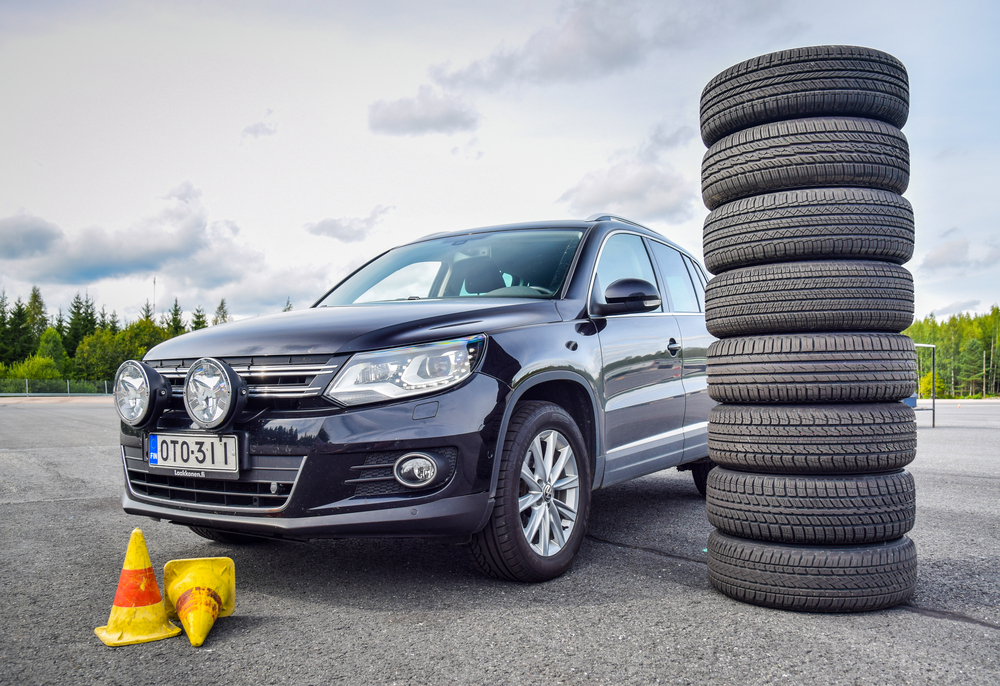
Low rolling resistance improves fuel economy. Winter performance often suffers as a result. February exposes the trade-off clearly. Harder compounds reduce grip on ice. Traction loss occurs during acceleration and braking. Tread designs prioritize efficiency, not snow evacuation. Slush buildup reduces control quickly. Drivers notice increased wheel spin at intersections. Steering response feels delayed on frozen roads. These tires work well in warm conditions. Cold weather changes everything. February driving requires grip over efficiency. Fuel savings mean little when stopping distances increase. Low-rolling-resistance tires are rarely suitable for sustained winter conditions.
All-Season Tires on Front-Wheel Drive Cars
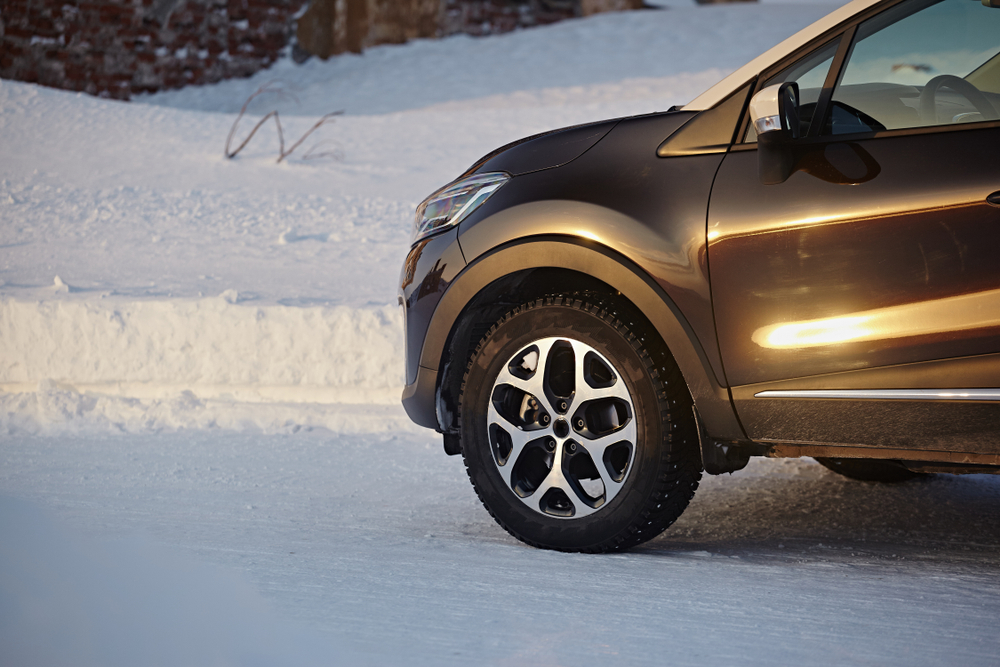
Front-wheel drive improves traction during acceleration. It does not replace winter tires. February conditions highlight this misconception. All-season tires still struggle with braking and steering. Ice reduces grip regardless of drivetrain. Front-heavy weight increases the risk of sliding during stops. These tires lack winter-focused tread features. Snow traction drops on hills and turns. Drivers rely on drivetrain confidence. Tires determine control. February driving demands rubber flexibility and snow grip. Front-wheel drive cannot overcome poor tire design. All-season tires on these vehicles create false security, especially during emergency braking and sudden lane changes on icy roads.
22 Groceries to Grab Now—Before another Price Shock Hits Canada

Food prices in Canada have been steadily climbing, and another spike could make your grocery bill feel like a mortgage payment. According to Statistics Canada, food inflation remains about 3.7% higher than last year, with essentials like bread, dairy, and fresh produce leading the surge. Some items are expected to rise even further due to transportation costs, droughts, and import tariffs. Here are 22 groceries to grab now before another price shock hits Canada.
22 Groceries to Grab Now—Before another Price Shock Hits Canada
This Options Discord Chat is The Real Deal
While the internet is scoured with trading chat rooms, many of which even charge upwards of thousands of dollars to join, this smaller options trading discord chatroom is the real deal and actually providing valuable trade setups, education, and community without the noise and spam of the larger more expensive rooms. With a incredibly low-cost monthly fee, Options Trading Club (click here to see their reviews) requires an application to join ensuring that every member is dedicated and serious about taking their trading to the next level. If you are looking for a change in your trading strategies, then click here to apply for a membership.