
35,000+ smart investors are already getting financial news, market signals, and macro shifts in the economy that could impact their money next with our FREE weekly newsletter. Get ahead of what the crowd finds out too late. Click Here to Subscribe for FREE.
Canadian banking fees rarely arrive with drama. They show up as a few dollars on a statement, a small charge after using the wrong ATM, or a forgotten monthly account fee that keeps renewing quietly. Yet those small amounts can add up, especially when households are already watching grocery, rent, insurance, and borrowing costs closely.
Many of these charges are avoidable through account switching, electronic statements, minimum-balance planning, low-cost account options, or simply using the right payment method. Here are 17 banking fees Canadians still pay without realizing they can avoid, along with the everyday habits that keep those charges appearing in the first place.
Monthly Account Maintenance Fees
17 Banking Fees Canadians Still Pay Without Realizing They Can Avoid
- Monthly Account Maintenance Fees
- Transaction Overage Fees
- Out-of-Network ATM Fees
- Paper Statement Fees
- NSF Fees on Missed Payments
- Overdraft Protection Fees
- Interac e-Transfer Fees
- Stop-Payment Fees
- Bank Draft and Money Order Fees
- Cheque Order and Cheque Image Fees
- In-Branch or Teller-Assisted Transaction Fees
- Savings Account Withdrawal Fees
- Foreign Transaction Fees
- Wire Transfer Fees
- Account Closing Fees
- Inactive Account Fees
- Premium Package Fees for Features Not Used
- Fees Avoidable Through No-Cost and Low-Cost Accounts
- 19 Things Canadians Don’t Realize the CRA Can See About Their Online Income
Monthly chequing fees are one of the most familiar banking costs in Canada, but many households continue paying them out of habit rather than necessity. A person may have opened an account years ago, set up payroll deposits and bill payments, then never revisited whether the plan still fits. The result can be a recurring charge that feels too small to question but adds up steadily over a year.
The avoidable part often comes from choosing the wrong account tier. Some Canadians only need a basic plan, while others qualify for no-cost or low-cost accounts because they are students, youth, eligible seniors, RDSP beneficiaries, or newcomers. Some accounts also waive the monthly charge when a minimum balance is maintained. The key mistake is treating the bank account as permanent instead of reviewing it like any other subscription.
Transaction Overage Fees

Many chequing plans include a set number of monthly transactions, and extra withdrawals, bill payments, debit purchases, transfers, or e-Transfers can trigger overage fees. This is easy to miss because people often think of debit purchases as “free,” especially when tapping a card for coffee, transit, groceries, or small errands. By the time the statement arrives, the account may have quietly crossed its monthly transaction limit.
The fee is avoidable when banking habits match the plan. A person who makes frequent debit purchases may be better off with an unlimited account, while someone with only a few monthly payments may save money on a low-cost plan. A useful habit is reviewing one full month of transactions before choosing an account. The cheapest monthly fee is not always the cheapest account if it leads to repeated overage charges.
Out-of-Network ATM Fees

Out-of-network ATM fees remain one of the easiest charges to avoid and one of the easiest to forget. A quick cash withdrawal at a convenience store, bar, festival, or another bank’s machine can create more than one charge: one from the account holder’s bank and another from the ATM operator. The total can make a small withdrawal surprisingly expensive.
The avoidable strategy is planning cash access around the bank’s own ATM network or using debit cash-back at retailers that offer it without a fee. Some account packages include rebates or waived fees for certain outside ATM withdrawals, but many do not. The most common trap is urgency. People withdraw $20 or $40 because the machine is nearby, not because it is economical. A little planning can keep cash from becoming one of the priciest banking habits.
Paper Statement Fees

Paper statement fees can feel harmless because they are often small, but they are also among the most avoidable charges. Many banks encourage electronic statements, and some accounts charge for mailed statements or special printed records. Older customers, busy households, and people who prefer physical files may keep paying without realizing the same information is usually available digitally at no cost.
The practical solution is switching to e-statements while downloading or saving monthly PDFs for personal records. For people who need paper for taxes, estate planning, immigration files, or business reimbursement, printing only the necessary months may still cost less than paying a recurring paper statement fee. The human side is understandable: paper feels safer. But for many customers, the fee is less about safety and more about an outdated default setting that was never changed.
NSF Fees on Missed Payments

Non-sufficient funds fees are among the most frustrating bank charges because they usually happen when money is already tight. They can occur when a cheque, bill payment, or pre-authorized debit hits an account without enough available balance. A forgotten subscription renewal, insurance withdrawal, or loan payment can trigger the fee even if the account is short for only a brief period.
Canadians can often reduce the risk by using low-balance alerts, keeping a small buffer, aligning payment dates with paydays, or moving bill payments to a credit card where appropriate and paid in full. Federally regulated banks and credit unions now face tighter NSF limits for personal deposit accounts, but avoiding the charge is still better than dealing with it after the fact. The hidden lesson is that automation works best when the account has breathing room.
Overdraft Protection Fees

Overdraft protection can prevent declined payments, but it is not always free. Some banks charge a monthly fee, a per-use fee, interest on the overdrawn balance, or a combination depending on the account and province. Many customers sign up after one stressful missed payment and then forget that the protection itself may carry recurring costs.
Avoiding unnecessary overdraft fees starts with deciding whether the service is actually needed. Someone with volatile cash flow may find it cheaper than repeated NSF charges, while someone who rarely uses it may be paying for peace of mind they could get through alerts and a savings buffer. The risk is treating overdraft protection as extra money. It is still borrowing, and the best use is as a backstop, not a routine bridge between paycheques.
Interac e-Transfer Fees

Interac e-Transfers feel like a standard part of Canadian banking, but fees still vary by account and institution. Many chequing accounts include free e-Transfers, while some savings accounts or lower-tier plans may charge for sending or requesting money. The charge is easy to miss because e-Transfers are often used casually for rent shares, group dinners, marketplace purchases, and family reimbursements.
The avoidable fix is checking whether e-Transfers are included in the account being used. In some cases, moving e-Transfers from a savings account to a chequing account can eliminate the fee. In other cases, switching to an account package with included e-Transfers makes sense if usage is frequent. The recurring pattern is convenience: people send money from whichever account has funds, not always from the account where transfers are cheapest.
Stop-Payment Fees
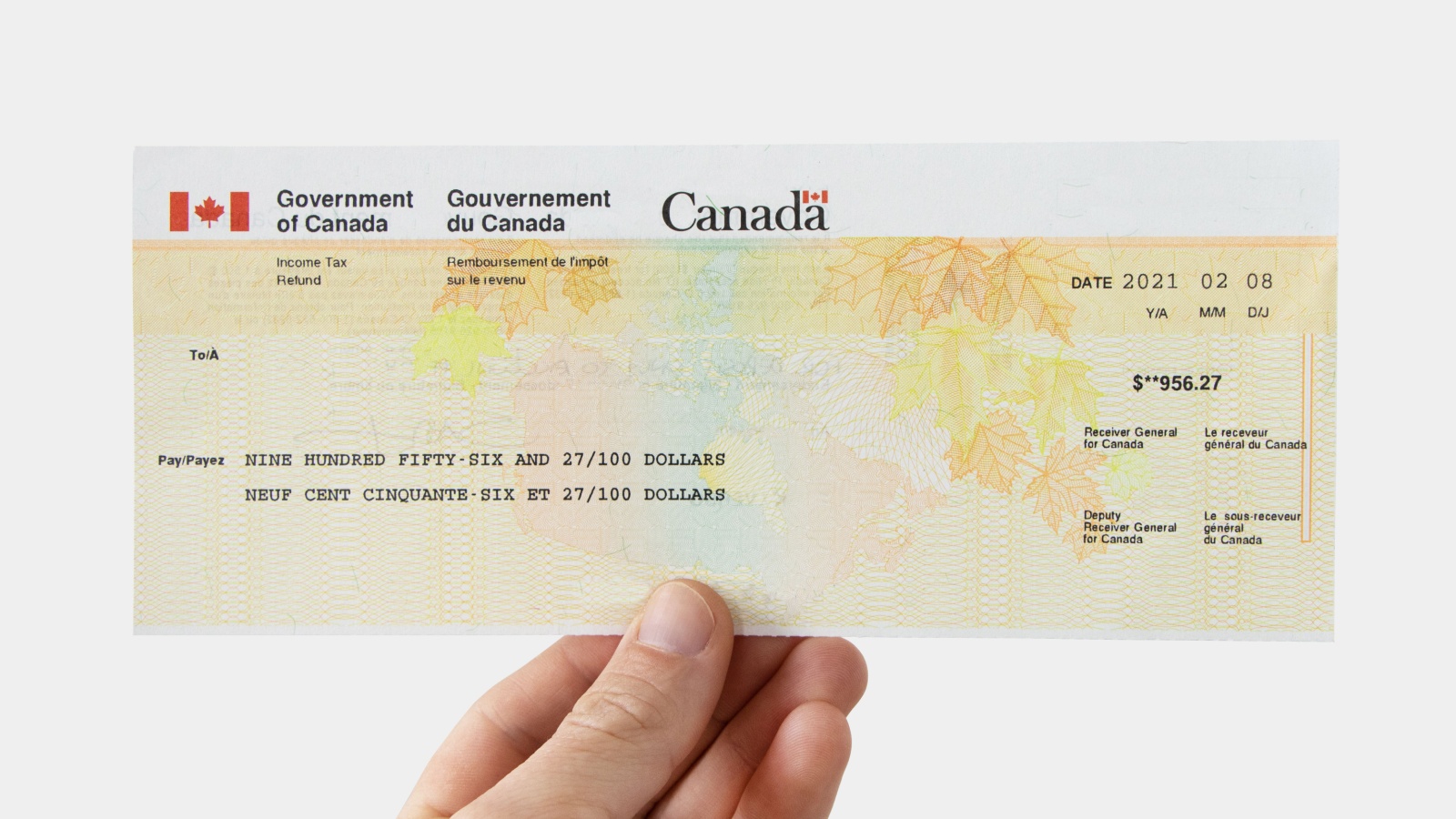
Stop-payment fees often appear when someone needs to block a cheque or pre-authorized payment. The charge may be lower when completed through online banking and higher when handled through a branch or telephone banking representative. It can feel unavoidable in the moment, especially when a customer is trying to stop an incorrect withdrawal or prevent a disputed payment from going through.
The fee can sometimes be avoided by cancelling directly with the biller early enough, using online tools where available, or choosing payment methods that are easier to control. Pre-authorized debits require careful tracking because cancelling the debit arrangement does not cancel the underlying contract. A common example is a gym membership or subscription: stopping the payment may prevent the withdrawal, but the billing issue still needs to be settled with the merchant.
Bank Draft and Money Order Fees

Bank drafts and money orders are often used for large or formal payments, such as rental deposits, vehicle purchases, tuition payments, or real estate-related transactions. Many people pay the fee automatically because the recipient requests a guaranteed payment method. At some banks, drafts may cost around $10 unless included in a premium account package.
The avoidable part depends on the situation. Some recipients accept electronic funds transfers, certified online payments, direct deposits, or wire alternatives, while some account packages include a limited number of drafts per year. A person buying a car, moving apartments, or handling estate paperwork may need several drafts in a short period. Asking about accepted payment options before requesting the draft can prevent paying for a more expensive method than necessary.
Cheque Order and Cheque Image Fees

Cheques are less central than they once were, but they still appear in rent payments, small-business deposits, school forms, trades, and older billing arrangements. Ordering personalized cheques can be expensive, and some banks also charge for cheque images, returned cheque records, or mailed copies of older items. People may not notice these costs until they need documentation quickly.
Avoiding the fee often means reducing cheque use where possible and saving digital records when they are free. Many recurring payments can move to electronic bill payment, e-Transfer, or pre-authorized debit. For people who still need cheques, ordering only what is necessary and asking whether a specific account includes cheque-related services can help. The key is not assuming cheques are just an old-fashioned payment tool; they can still produce modern service charges.
In-Branch or Teller-Assisted Transaction Fees

Some accounts charge more for teller-assisted transactions than for self-serve banking. This can affect withdrawals, bill payments, transfers, or account requests completed with staff help. The fee may be overlooked by customers who prefer in-person service, are less comfortable with digital banking, or visit branches for reassurance when handling important payments.
The fee is avoidable when routine transactions move to online, mobile, ATM, or telephone self-serve channels. That does not mean branch support has no value; complex issues, estate matters, fraud concerns, or major account changes may still justify a visit. The expensive habit is using branch service for everyday transactions that could be completed for less elsewhere. Banks increasingly price accounts around channel use, so comfort with self-serve tools can translate into real savings.
Savings Account Withdrawal Fees

Savings accounts can be misleading because they are often described as no-monthly-fee products, but withdrawals or transfers may still cost money. A customer may park funds in savings, then repeatedly move small amounts back to chequing throughout the month. Each transfer or debit can become a charge depending on the account terms.
The avoidable approach is using savings accounts for storage rather than daily movement. Keeping a realistic amount in chequing for bills and debit purchases can prevent repeated paid transfers. Some banks allow free transfers to linked accounts, while others limit free transactions or charge for certain withdrawals. The problem is psychological: money in savings feels available, but the account may not be designed for frequent access. A separate emergency buffer in chequing can reduce the temptation to dip into savings repeatedly.
Foreign Transaction Fees
Foreign transaction fees often appear after cross-border travel, online shopping in U.S. dollars, international subscriptions, or purchases from global retailers. Many Canadians focus on the sticker price and exchange rate but overlook the card or account fee added for currency conversion. The cost can be especially easy to miss when the merchant displays prices in Canadian dollars but still processes the transaction internationally.
Avoiding the fee may involve using a no-foreign-transaction-fee credit card, paying in the merchant’s local currency when dynamic currency conversion is offered, or keeping a U.S.-dollar account for regular U.S. payments. The biggest trap is convenience at checkout. A streaming service, software subscription, hotel booking, or online order may quietly add currency costs month after month, turning a small recurring purchase into a more expensive one.
Wire Transfer Fees

Wire transfers can be necessary for legal, business, real estate, immigration, tuition, or international family payments, but they are rarely cheap. Fees may apply to send wires, receive wires, amend details, cancel a transfer, or investigate a missing payment. Because wires are often used during urgent or high-stakes situations, customers may not comparison-shop before approving the charge.
Some wire fees can be avoided by using lower-cost transfer options when appropriate, such as domestic electronic transfers, international money transfer services, or account-to-account methods supported by the bank. The right choice depends on speed, amount, destination, currency, and recipient requirements. A family sending money overseas every month should not treat a wire fee as a one-time inconvenience. For regular transfers, even a modest difference per transaction can become significant over a year.
Account Closing Fees

Account closing fees can surprise people who open an account for a promotion, short-term need, newcomer package, or temporary budgeting system. Some banks waive account closing fees after a certain period or when funds are transferred to another product at the same institution. Others may charge if the account is closed too soon or if the balance is not moved in a preferred way.
Avoiding the fee means reading the closing conditions before opening the account, not after deciding to leave. This matters when switching banks for lower fees: the savings can be reduced if the old account is closed carelessly. Customers should also ensure all pre-authorized payments, payroll deposits, subscriptions, and transfers have moved before closing. A rushed switch can create both a closing fee and a missed-payment problem.
Inactive Account Fees

Inactive account fees affect people who forget about old chequing or savings accounts. This can happen after moving banks, changing jobs, leaving a small balance behind, or opening a youth account that later falls out of use. Banks may send notices after a period of inactivity, and fees can apply if the account remains dormant.
Avoiding this charge is mostly about account housekeeping. Canadians should periodically list every bank, credit union, prepaid account, and investment-linked cash account they hold, then close or reactivate accounts that no longer serve a purpose. A forgotten $35 balance can slowly disappear through inactivity charges. The fee is especially common in life transitions: students graduating, newcomers changing banks after a promotional period, or families managing accounts for older relatives.
Premium Package Fees for Features Not Used

Premium chequing packages can include useful perks: unlimited transactions, draft rebates, credit card fee rebates, non-bank ATM benefits, safety deposit box discounts, or overdraft features. The problem is that some customers pay for the package without using enough benefits to justify the monthly cost. It can feel like a “better” account, even when the math says otherwise.
Avoiding this fee requires a benefits audit. If the package costs far more than a basic or mid-tier account, the customer should total the perks actually used in the past year. A premium plan may be worthwhile for someone who frequently needs drafts, ATM rebates, and a credit card annual-fee rebate. For someone who mostly banks online and rarely uses extras, the same package can become an expensive status symbol attached to ordinary banking needs.
Fees Avoidable Through No-Cost and Low-Cost Accounts

The most overlooked fee-saving option is not a single charge but an account category. Canada’s low-cost and no-cost banking commitments mean many consumers can access basic chequing services at a limited monthly price, while eligible groups may qualify for no-cost versions. Yet many people remain in legacy accounts because switching feels inconvenient or because they assume big-bank accounts are all priced the same.
The avoidable mistake is not asking. Students, youth, eligible seniors, RDSP beneficiaries, newcomers, and some other groups may have fee relief available, but banks may require documentation or account changes. Even people who do not qualify for no-cost banking can compare low-cost accounts, credit unions, and digital banks. The best banking fee is not negotiated after it appears; it is prevented by choosing an account designed for the customer’s actual life.
19 Things Canadians Don’t Realize the CRA Can See About Their Online Income

Earning money online feels simple and informal for many Canadians. Freelancing, selling products, and digital services often start as side projects. The problem appears at tax time. Many people underestimate how much information the CRA can access. Online platforms, banks, and payment processors create detailed records automatically. These records do not disappear once money hits an account. Small gaps in reporting add up quickly.
Here are 19 things Canadians don’t realize the CRA can see about their online income.
This Options Discord Chat is The Real Deal
While the internet is scoured with trading chat rooms, many of which even charge upwards of thousands of dollars to join, this smaller options trading discord chatroom is the real deal and actually providing valuable trade setups, education, and community without the noise and spam of the larger more expensive rooms. With a incredibly low-cost monthly fee, Options Trading Club (click here to see their reviews) requires an application to join ensuring that every member is dedicated and serious about taking their trading to the next level. If you are looking for a change in your trading strategies, then click here to apply for a membership.