35,000+ smart investors are already getting financial news, market signals, and macro shifts in the economy that could impact their money next with our FREE weekly newsletter. Get ahead of what the crowd finds out too late. Click Here to Subscribe for FREE.
Canadian homeowners often notice the renewal premium first, but the real story usually sits in the details: deductibles, exclusions, rebuild estimates, water endorsements, security updates, and changes around the property that may have happened quietly over the past year. A renewal is more than a bill; it is a chance to make sure the policy still reflects the home as it exists today.
These 20 things Canadian homeowners should check before their next insurance renewal focus on practical areas that can affect coverage, claims, and cost. From basement flood protection to valuables, renovations, wildfire exposure, and home-based work, each point highlights a detail that can be easy to overlook until a claim reveals the gap.
Replacement-Cost Estimate
20 Things Canadian Homeowners Should Check Before Their Next Insurance Renewal
- Replacement-Cost Estimate
- Deductible Level
- Sewer Backup Coverage
- Overland Flood Protection
- Roof Age and Condition
- Electrical System Updates
- Plumbing Age and Leak Risks
- Basement Flood Defences
- Smoke and Carbon Monoxide Alarms
- Home Security Measures
- Personal Belongings Inventory
- High-Value Items and Special Limits
- Renovations and Additions
- Heating System and Wood-Burning Equipment
- Liability Limit
- Home-Based Business Use
- Short-Term Rentals and Boarders
- Vacancy and Extended Absences
- Wildfire and Severe Weather Exposure
- Claims History and Claims-Free Discounts
- Policy Exclusions and Endorsements
- 19 Things Canadians Don’t Realize the CRA Can See About Their Online Income

The replacement-cost estimate deserves a careful look before renewal because it is not the same as a home’s market value. A detached house in a hot real estate market may sell for far more than it would cost to rebuild, while an older rural home may be cheap to buy but expensive to reconstruct because of labour, materials, access, or code upgrades. The insurance number should reflect the cost to rebuild the structure, not the price someone might pay for the land.
Construction costs have remained an important pressure point for Canadian property insurance. Statistics Canada reported year-over-year increases in residential building construction costs in 2025, and even modest changes can matter when a claim involves a roof, kitchen, framing, electrical work, or full rebuild. Before renewal, homeowners should ask whether the insurer’s rebuild estimate has been updated and whether recent renovations, additions, finished basements, or upgraded materials have been included.
Deductible Level

A deductible can look like a simple line on the renewal page, but it changes the math of every future claim. A homeowner who raised the deductible years ago to lower premiums may now face a much larger out-of-pocket cost than expected. That matters most when smaller claims come up, such as wind-damaged fencing, a small appliance leak, or theft of outdoor equipment. If the repair cost barely exceeds the deductible, filing may not be worthwhile.
Renewal is a useful time to compare deductible options instead of accepting the same number automatically. Some policies may have different deductibles for different types of losses, especially water, wind, hail, or earthquake. The lower premium from a higher deductible only helps if the household can comfortably absorb the cost at claim time. A realistic test is simple: if the deductible had to be paid next week, would it disrupt the emergency fund?
Sewer Backup Coverage
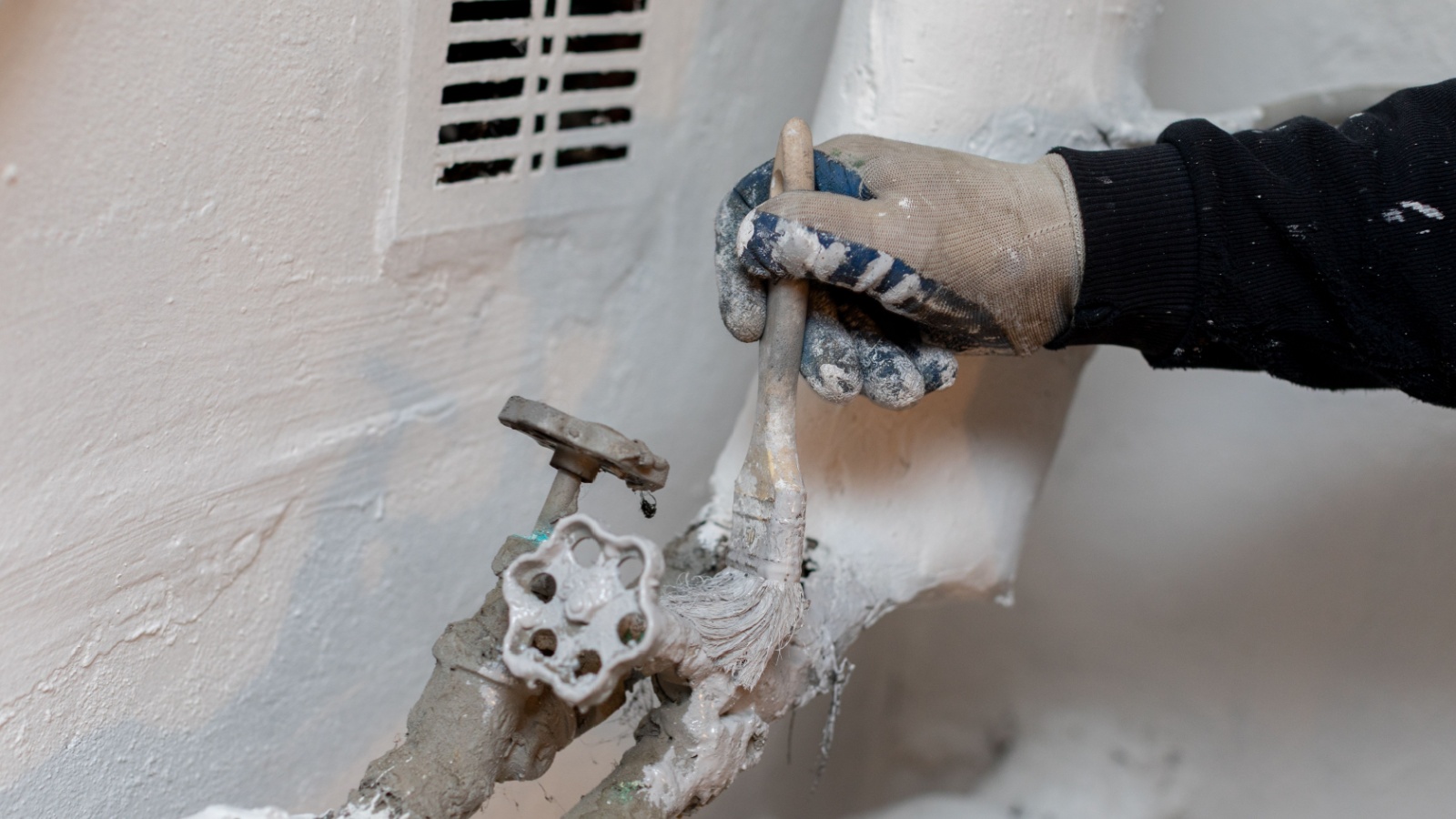
Sewer backup coverage is one of the most important details for homes with basements, older plumbing, or low-lying lots. Standard home insurance does not always include this protection automatically, and when sewage or wastewater backs up through drains, the cleanup can be more complex than ordinary water damage. Flooring, drywall, baseboards, furniture, and personal items may need removal, disposal, and professional decontamination.
This coverage is especially worth reviewing because wording varies by insurer. A homeowner may have sewer backup protection but still face limits, deductibles, or conditions tied to sump pumps, backwater valves, or maintenance. A family that finished a basement after buying the house may also have more contents and living space at risk than the policy originally assumed. Before renewal, the key question is not just whether sewer backup appears on the policy, but how much coverage applies and what situations are excluded.
Overland Flood Protection
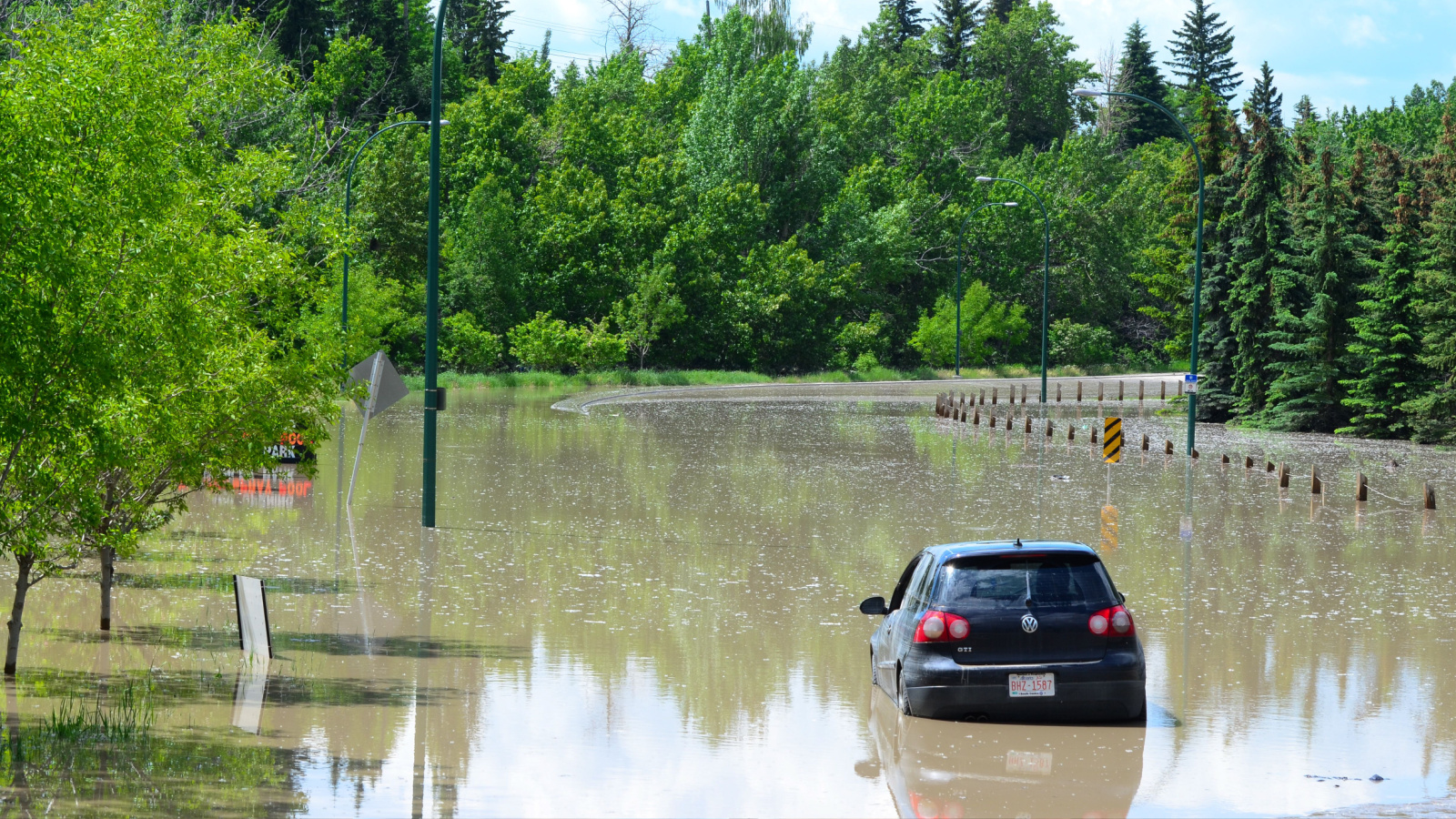
Overland flood coverage is another section that should not be skimmed. In Canadian insurance language, it generally refers to water entering a home from sources such as heavy rain, rapid snowmelt, overflowing rivers, or surface water moving across the ground. Many homeowners still assume “water damage” means all water damage, but policies often separate burst pipes, sewer backup, groundwater seepage, and overland flooding into different categories.
The distinction can become expensive after a severe storm. Recent years have shown how quickly urban flooding, overwhelmed drainage systems, and intense rainfall can affect homes far from obvious waterfront areas. Before renewal, homeowners should check whether overland water is included, optional, unavailable, or subject to a special deductible. The policy should also be compared against local risk: a sloped driveway toward the garage, a basement entrance below grade, or a nearby storm drain can all make the wording more important.
Roof Age and Condition
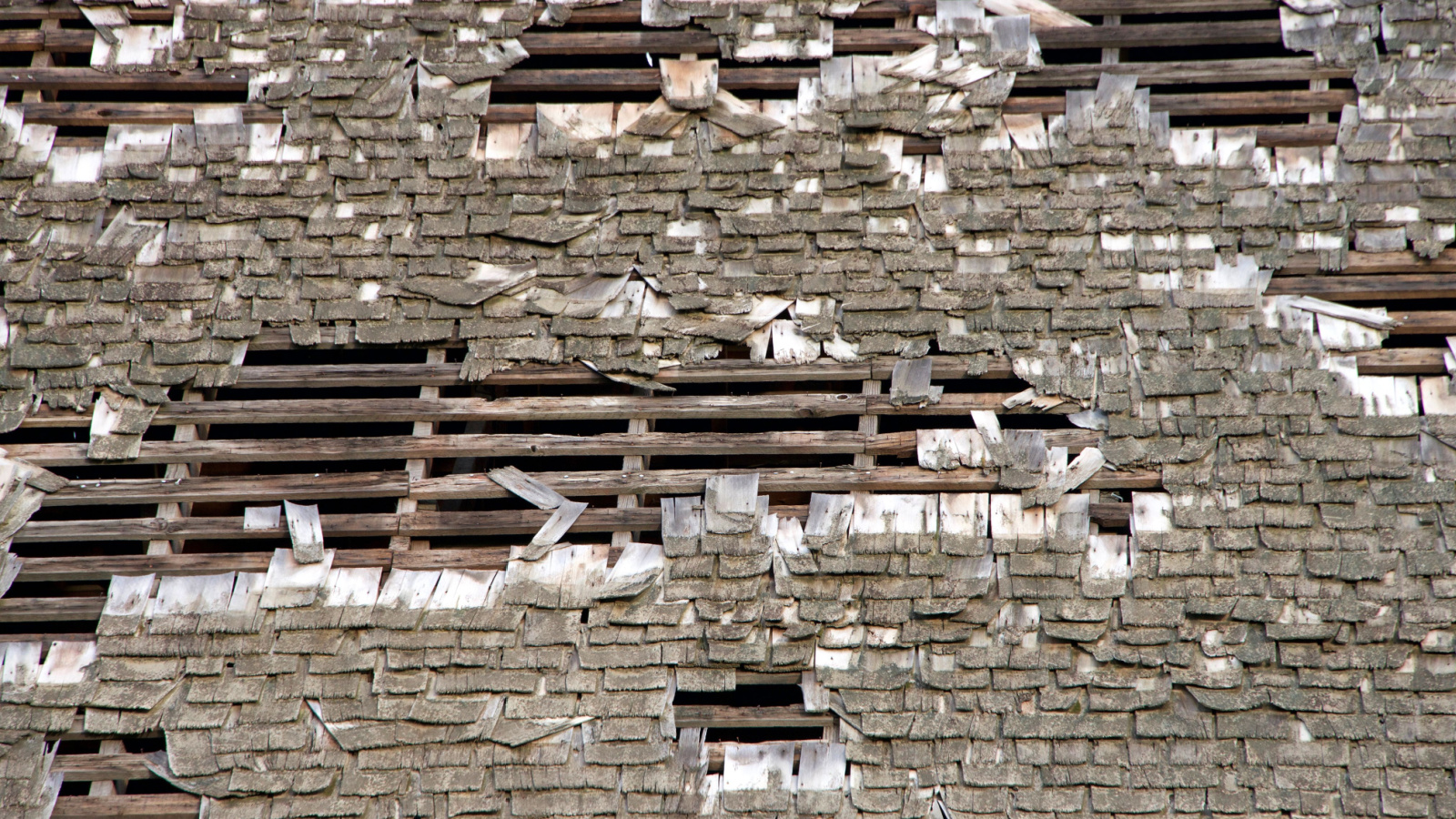
A roof is one of the first things insurers care about because it protects the entire structure beneath it. Missing shingles, aging flashing, soft spots, clogged valleys, or repeated ice-dam problems can turn a minor weather event into a large interior claim. Even a roof that has never leaked may be treated differently by an insurer once it reaches a certain age, especially if the home sits in an area exposed to wind, hail, heavy snow, or freeze-thaw cycles.
Before renewal, homeowners should confirm that the insurer has the right roof age, material, and update history. A roof replaced in the past year may support a better risk profile, while an old roof may lead to limited coverage or higher scrutiny after a claim. Keeping invoices, contractor photos, warranty documents, and inspection notes can help. It is also worth checking whether the policy pays replacement cost or depreciated value for roof damage.
Electrical System Updates

Electrical details can influence both insurability and fire risk. Older wiring systems, undersized panels, knob-and-tube wiring, aluminum branch wiring, overloaded circuits, or amateur renovations can raise questions during underwriting. A homeowner may have upgraded the kitchen or added a heat pump, hot tub, EV charger, basement suite, or workshop without realizing the electrical load and documentation should be reflected in the insurance file.
Renewal is a good time to confirm what the insurer has recorded. A professionally updated panel, permitted rewiring, new breakers, or inspection certificate may improve the home’s risk profile, while undisclosed work can become a problem after a fire or electrical claim. The practical step is to gather invoices, permits, inspection records, and photos before calling the broker or insurer. For older homes in particular, clear documentation can prevent assumptions that the electrical system is riskier than it is.
Plumbing Age and Leak Risks

Plumbing often hides behind walls until something goes wrong. Older supply lines, worn shutoff valves, aging water heaters, corroded pipes, Poly-B plumbing, and slow leaks under sinks can all affect insurance conversations. Water damage is among the most frequent and costly types of home insurance claim in many Canadian markets, and insurers increasingly ask about updates, leak prevention, and prior water losses.
Homeowners should check whether their policy has special conditions for plumbing, water heaters, or seasonal absences. A water heater near the end of its life may not just be a maintenance issue; some policies may limit coverage for gradual leakage or damage from neglected equipment. Installing leak detectors, replacing old supply hoses, updating shutoff valves, and documenting plumbing work can all support a stronger renewal conversation. The goal is to show that the home is being maintained before a leak becomes a claim.
Basement Flood Defences

Basement flood protection deserves its own review because it combines insurance, maintenance, and property design. A finished basement may contain flooring, electronics, office equipment, gym gear, guest furniture, and mechanical systems, yet the policy may not fully reflect that value. Outside the home, clogged eavestroughs, short downspouts, poor grading, cracked foundations, and blocked drains can all send water toward the foundation.
Before renewal, homeowners should check whether sump pumps, battery backups, backwater valves, window wells, foundation repairs, and drainage improvements are noted with the insurer. Some companies may offer discounts or better terms for risk-reduction devices, but they may require proof. A simple example is a homeowner who installs a backwater valve after a neighbourhood flood but never tells the insurer. The protection may reduce risk, yet the renewal price and underwriting file may not recognize it unless the update is reported.
Smoke and Carbon Monoxide Alarms
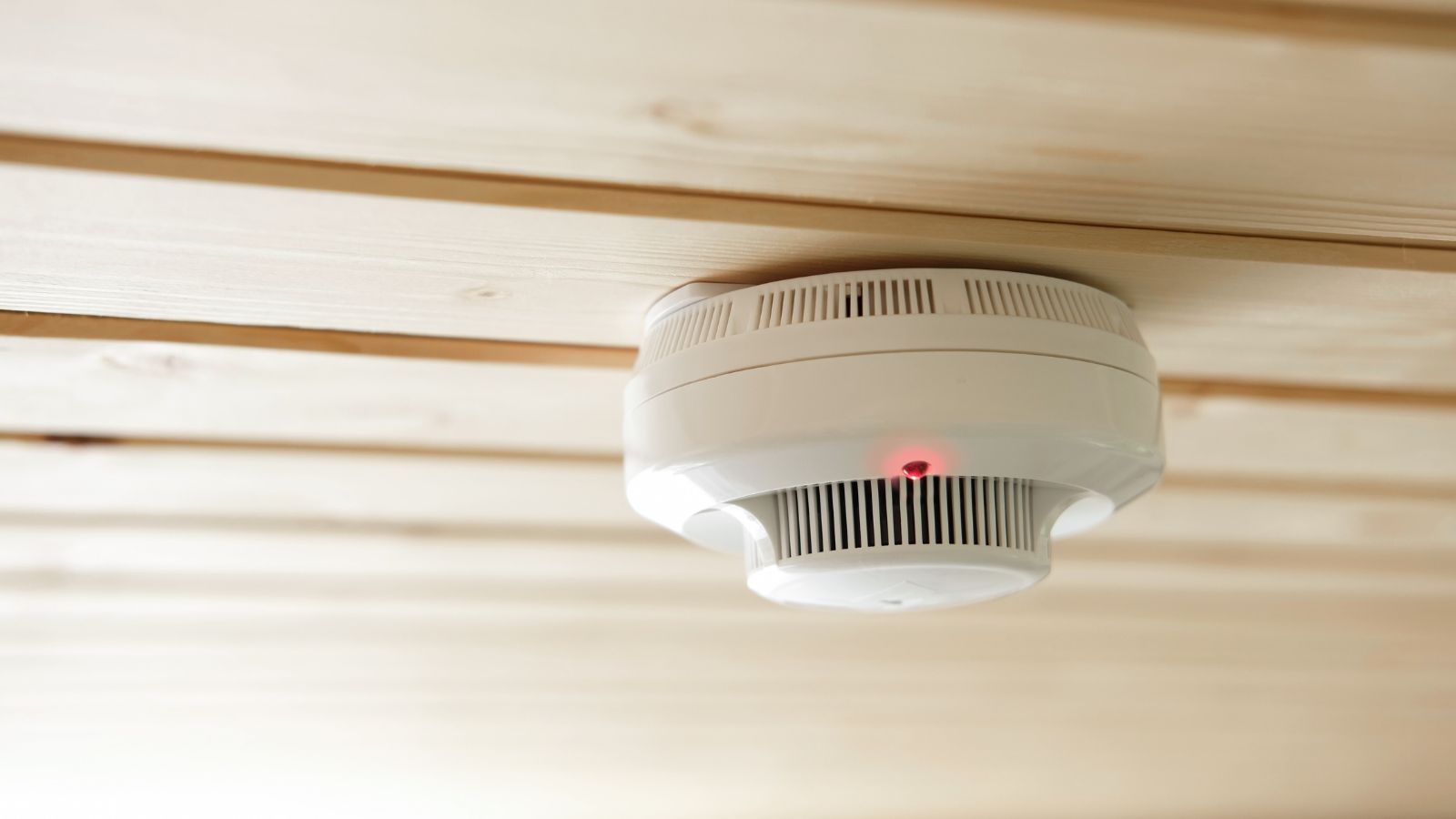
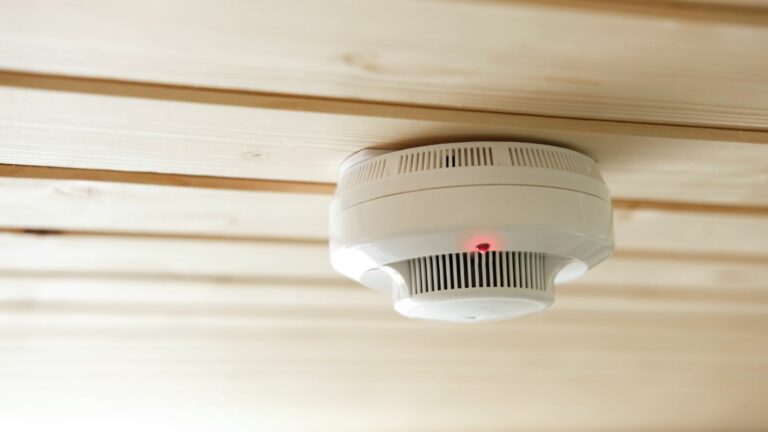
Smoke alarms and carbon monoxide detectors are small devices with major insurance and safety implications. Fire-safety authorities in Canada stress proper placement, testing, and maintenance, and provincial rules may require working smoke alarms in specific locations. Carbon monoxide protection is especially relevant in homes with fuel-burning appliances, fireplaces, attached garages, or wood-burning equipment.
At renewal, homeowners should verify whether the policy offers discounts or underwriting credit for monitored fire alarms, centrally monitored security systems, water sensors, or connected safety devices. It is also worth replacing expired alarms, because many units have a limited service life even if the test button still sounds. A household that renovated bedrooms, added a basement suite, or converted space into an office may need additional devices. The best insurance review starts with the same question as a safety review: would everyone get a warning in time?
Home Security Measures

Security upgrades can affect both theft risk and premiums. Deadbolts, motion lighting, monitored alarms, cameras, smart locks, and secure basement windows may not eliminate the chance of a break-in, but they can reduce risk and may qualify for discounts with some insurers. The key is whether the insurer recognizes the upgrade and whether proof is required.
Before renewal, homeowners should check what the policy says about burglar alarms and monitoring. A self-monitored camera system may not be treated the same as a professionally monitored alarm, and a discount may disappear if monitoring is cancelled. Contents also matter: a garage filled with bikes, tools, seasonal equipment, or business inventory can raise the cost of a theft loss. A practical renewal step is to update the insurer on security improvements, confirm any discount requirements, and make sure detached garages or sheds are covered properly.
Personal Belongings Inventory

A home inventory is easy to postpone because it feels like paperwork for a disaster that may never happen. Yet after a fire, theft, or major water loss, memory becomes unreliable. Rebuilding a list of furniture, electronics, appliances, clothing, tools, sports gear, kitchen items, and children’s belongings under stress is difficult. Insurers often recommend documenting possessions with photos, videos, receipts, serial numbers, and replacement-cost estimates.
Renewal is a natural moment to update the inventory because it pairs with the contents limit. A household may have added laptops, bicycles, musical instruments, gaming equipment, furniture, or appliances since the last renewal. A quick video walkthrough of every room, closet, basement storage area, garage, and shed can be surprisingly useful. The file should be stored somewhere safe and accessible outside the home, such as secure cloud storage, because a paper copy in the burned or flooded house may not help.
High-Value Items and Special Limits

Valuables often have special limits that surprise homeowners after a loss. Jewellery, watches, bicycles, collectibles, art, wine, musical instruments, cameras, computer equipment, and rare items may be covered only up to a capped amount unless they are scheduled or insured separately. The issue is not whether the policy covers personal property generally; it is whether expensive categories have sub-limits.
Before renewal, homeowners should compare the policy’s special limits with what is actually in the home. A single engagement ring, high-end road bike, camera lens, or collectible card collection can exceed a standard limit. Appraisals may also be outdated if gold prices, art values, or replacement costs have changed. A real-world example is the cyclist who assumes a $6,000 bike is covered under contents, only to find the bicycle limit is much lower. Renewal is the time to add riders, update appraisals, or increase limits.
Renovations and Additions
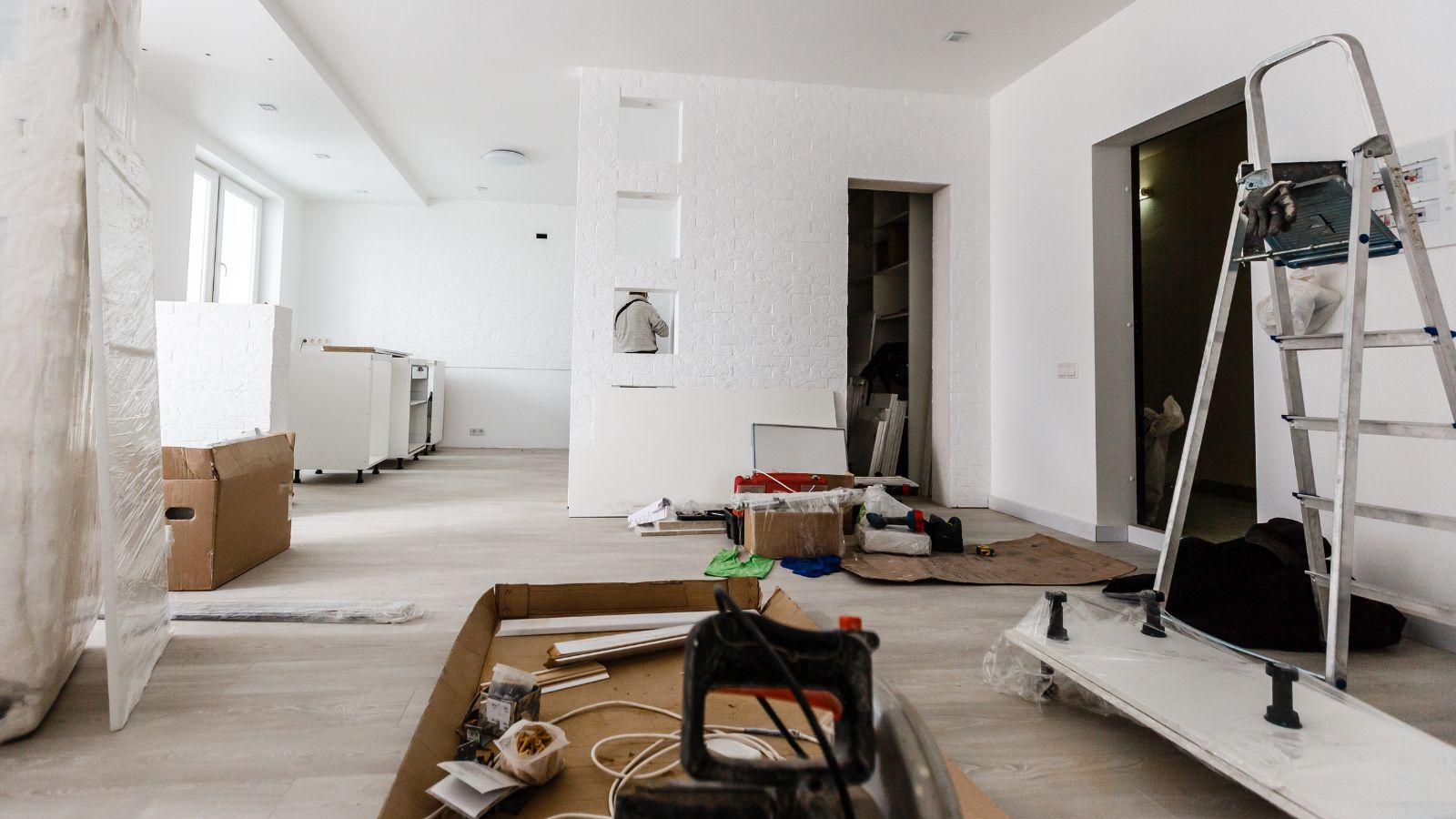
Renovations can change both the value and the risk profile of a home. A finished basement, new deck, enlarged kitchen, legal suite, garage conversion, solar installation, pool, wood stove, or luxury bathroom can increase replacement cost. Some projects also introduce temporary construction risks, especially when walls are open, contractors are on site, or the home is partly unoccupied.
Homeowners should tell their insurer about significant renovations before renewal, and ideally before work begins. A policy based on the old layout may not provide enough coverage after a major upgrade. Permits, contractor invoices, material descriptions, and photos can help the insurer update the file accurately. Renovations may raise premiums if the home is now more expensive to rebuild, but they can also help if they include safer wiring, plumbing, roofing, heating, or water protection. Silence is the risky option; documentation is the safer one.
Heating System and Wood-Burning Equipment
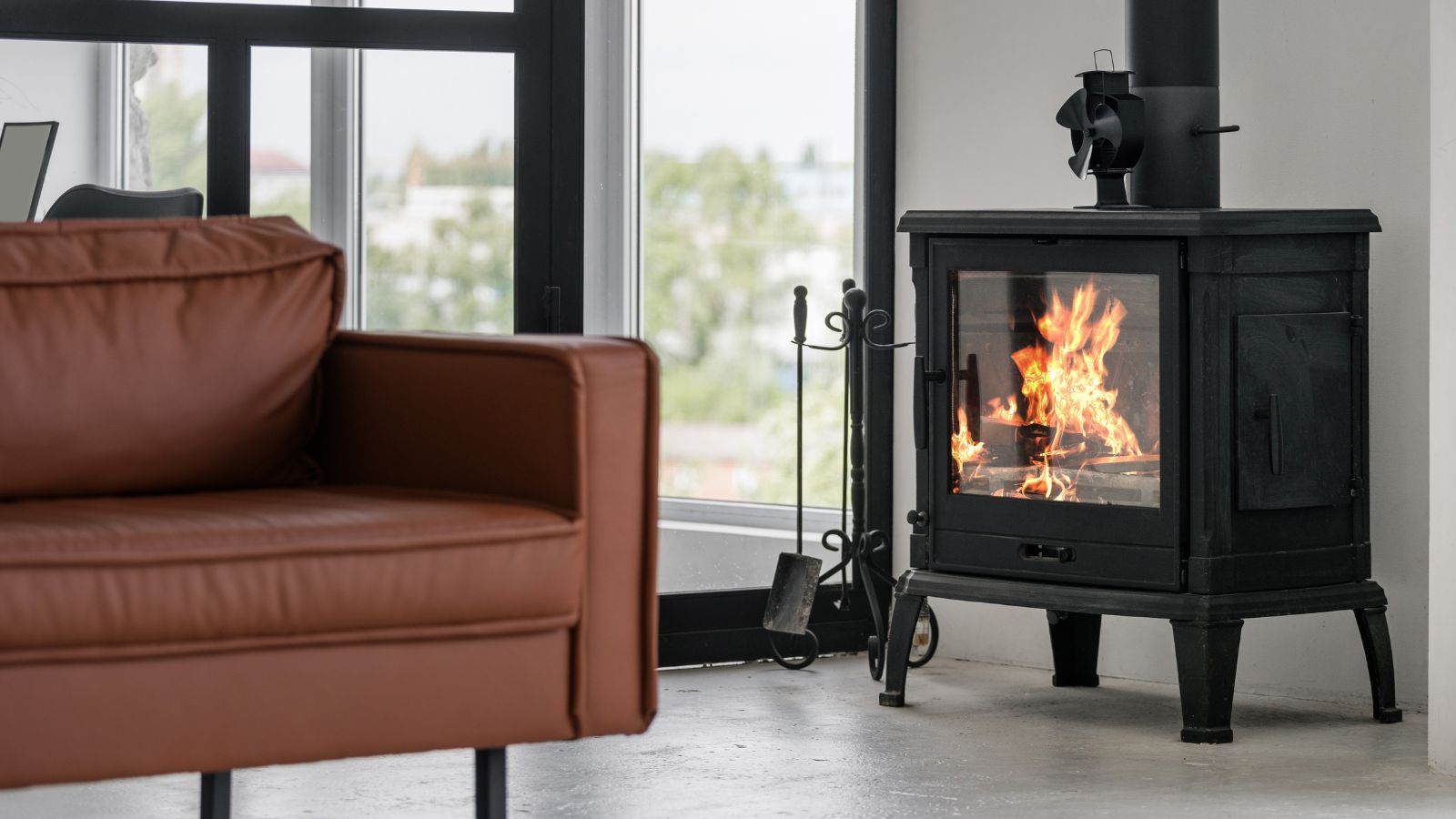
Heating systems are central to insurance underwriting because they affect fire, carbon monoxide, and water-freezing risks. Furnaces, boilers, heat pumps, oil tanks, fireplaces, pellet stoves, and wood stoves all bring different concerns. A homeowner who changes heating systems, adds a secondary heat source, or removes an oil tank should make sure the insurer’s file is current.
Wood-burning appliances deserve particular attention. Insurers may ask for professional installation details, inspection records, clearances, chimney maintenance, or certification from a qualified inspector. A stove used only on winter weekends still matters if it is connected and operational. Oil tanks also require attention because age, location, and leakage risk can affect coverage. Before renewal, homeowners should gather service records, chimney-cleaning receipts, inspection reports, and fuel-system documentation. These records can make the difference between a smooth renewal and last-minute underwriting questions.
Liability Limit

Liability coverage can be overlooked because it does not involve repairing the house itself. Yet it may protect against claims if someone is injured on the property or if the homeowner accidentally causes damage to someone else’s property. Slippery steps, uneven walkways, falling branches, dog incidents, pool accidents, and injuries during social gatherings can all raise liability questions.
Renewal is a good time to ask whether the liability limit still fits the household’s risk. A home with a pool, trampoline, rental suite, frequent guests, domestic workers, or large property may need more protection than a basic policy provides. Homeowners should also check whether personal umbrella coverage is available if they want higher limits. The point is not to assume disaster, but to recognize that legal costs and settlements can move quickly beyond everyday savings. Liability is quiet coverage until it becomes the most important part of the policy.
Home-Based Business Use

Home-based work has changed what many houses contain and how they are used. A spare bedroom may now hold client files, inventory, professional tools, computers, cameras, shipping supplies, or equipment owned by an employer. Standard home insurance may offer only limited protection for business property, and personal liability may not cover business-related injuries, errors, or client visits.
Before renewal, homeowners should tell the insurer about home-based business activity, even if it seems small. A consultant working at a laptop is different from a hair stylist seeing clients, a baker using commercial equipment, or an online seller storing inventory in the basement. The insurer may suggest a home-business endorsement or separate business coverage. This conversation is especially important when income-producing activities are visible on invoices, websites, deliveries, or client appointments. A claim becomes more complicated when the insurer learns about business use after the loss.
Short-Term Rentals and Boarders

Short-term rentals, room rentals, and paying guests can create coverage gaps if the insurer has not approved the arrangement. A homeowner who occasionally rents a basement suite, spare room, cottage, or entire home may be taking on risks that a standard homeowner policy was not priced to cover. Guest-caused damage, theft, liability claims, and loss of rental income may require specific coverage.
Before renewal, homeowners should be clear about whether the home is ever listed on platforms such as Airbnb or Vrbo, rented seasonally, shared with boarders, or used as a furnished rental. Even occasional hosting may need disclosure. Some insurers allow it with an endorsement, while others may require different coverage. Municipal licensing rules and condo bylaws may also matter. The practical rule is simple: if money changes hands for occupancy, the insurance file should not describe the property as purely owner-occupied.
Vacancy and Extended Absences

Vacancy and extended absences are easy to misunderstand. A home can be insured as owner-occupied, yet coverage may change if it becomes vacant, unoccupied for a long period, under renovation, between tenants, or left unattended during winter. Insurers often treat vacancy as a higher risk because leaks, fires, break-ins, and vandalism may go unnoticed longer.
Before renewal, homeowners should check the policy’s wording for vacancy, unoccupancy, and required inspections. Snowbirds, remote workers, estate properties, people renovating before moving in, and owners waiting for tenants should be especially careful. Some policies may require water shutoff, heat maintenance, regular visits, or written permission from the insurer after a certain period. A neighbour picking up flyers is helpful, but it may not satisfy policy conditions unless visits are documented. Renewal is the right time to align the policy with how the home is actually used.
Wildfire and Severe Weather Exposure
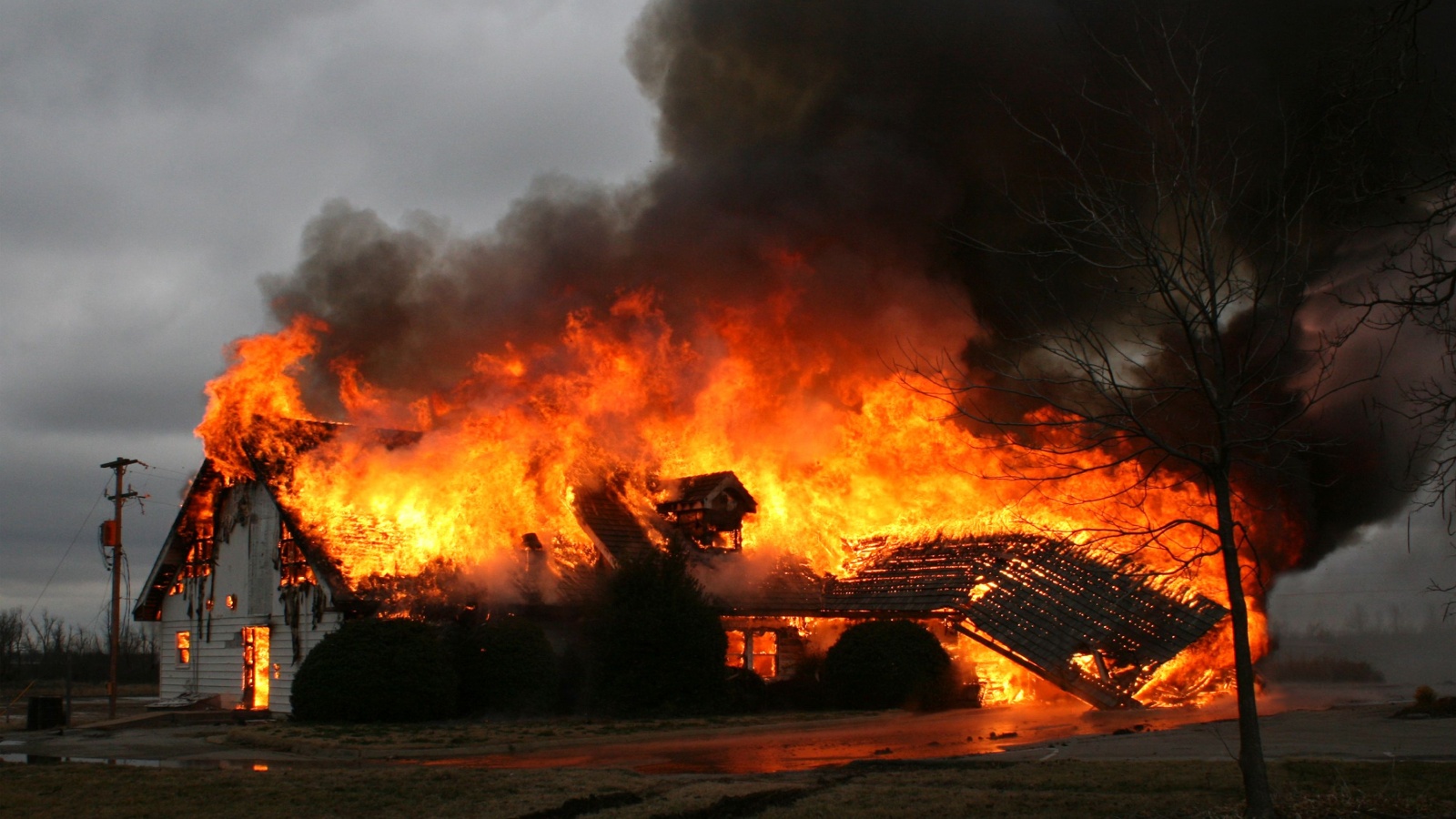
Wildfire and severe weather are no longer concerns only for remote properties. Canadian insurers have faced rising losses from wildfire, hail, wind, flooding, and other severe weather events. Homes near forests, grasslands, ravines, or heavily treed areas should review wildfire exposure, while urban homes should consider hail, wind, drainage, and power-outage risks.
Before renewal, homeowners should ask whether location risk has changed and whether any mitigation steps can help. FireSmart guidance focuses on reducing combustible material near the home, cleaning gutters, managing vegetation, and making the structure more ignition-resistant. In hail-prone regions, roof materials and exterior upgrades may matter. In storm-prone areas, backup power for sump pumps or secured outdoor structures can reduce losses. The policy review should connect local hazards with practical prevention, not simply accept a higher premium without understanding the reason.
Claims History and Claims-Free Discounts

Claims history can influence renewal pricing, discounts, and underwriting appetite. A single large claim may be treated differently from several smaller claims, and water losses may draw particular attention. Homeowners sometimes file small claims without realizing that losing a claims-free discount or adding a claim to the record may cost more over time than the payout helped.
Before renewal, homeowners should review past claims, open files, and any claims-free or first-claim forgiveness features. It is worth asking how a claim would affect premiums before filing for minor damage, especially when repair costs sit close to the deductible. This does not mean legitimate claims should be avoided when coverage is needed. It means the renewal period is a good time to understand the trade-off. A homeowner with a long clean record may also want to confirm whether the renewal still includes the claims-free discount.
Policy Exclusions and Endorsements

The exclusions and endorsements page may be the least-read part of a renewal package, but it is often where the most important coverage differences appear. Earthquake, landslide, sewer backup, overland water, service lines, identity theft, home equipment breakdown, bylaw upgrades, and high-value item coverage may be excluded, limited, or available only as add-ons. A homeowner who compares premiums without comparing endorsements may accidentally choose less protection.
Before renewal, homeowners should ask for a plain-language explanation of what changed from the prior term. The question should cover limits, deductibles, exclusions, optional endorsements, and new conditions. It is also wise to compare at least a few quotes on the same coverage basis, not just the lowest premium. The cheapest renewal may be attractive, but a policy with missing water coverage, lower contents limits, or higher deductibles can become costly after a loss.
19 Things Canadians Don’t Realize the CRA Can See About Their Online Income

Earning money online feels simple and informal for many Canadians. Freelancing, selling products, and digital services often start as side projects. The problem appears at tax time. Many people underestimate how much information the CRA can access. Online platforms, banks, and payment processors create detailed records automatically. These records do not disappear once money hits an account. Small gaps in reporting add up quickly.
Here are 19 things Canadians don’t realize the CRA can see about their online income.
This Options Discord Chat is The Real Deal
While the internet is scoured with trading chat rooms, many of which even charge upwards of thousands of dollars to join, this smaller options trading discord chatroom is the real deal and actually providing valuable trade setups, education, and community without the noise and spam of the larger more expensive rooms. With a incredibly low-cost monthly fee, Options Trading Club (click here to see their reviews) requires an application to join ensuring that every member is dedicated and serious about taking their trading to the next level. If you are looking for a change in your trading strategies, then click here to apply for a membership.