
35,000+ smart investors are already getting financial news, market signals, and macro shifts in the economy that could impact their money next with our FREE weekly newsletter. Get ahead of what the crowd finds out too late. Click Here to Subscribe for FREE.
Mid-summer has a way of making temporary wants feel urgent. A stretch of humid nights can turn an air conditioner into an emergency purchase, while a sunny weekend can make a pool, boat, or complete camping setup seem essential. By September, however, shorter days, back-to-school expenses, storage problems, maintenance bills, and unused equipment can change the calculation.
These 22 mid-summer purchases are not automatically bad decisions. Many can provide years of enjoyment when they match a household’s space, budget, and habits. Regret usually appears when buyers focus on the immediate experience while overlooking operating costs, safety requirements, seasonal limitations, financing terms, or the small number of weekends remaining.
Portable Air Conditioners Bought During a Heat Wave
22 Mid-Summer Purchases Canadians Often Regret by September
- Portable Air Conditioners Bought During a Heat Wave
- Above-Ground Pools That Require More Work Than Expected
- Hot Tubs Purchased for Summer Entertaining
- Patio Furniture Bought at Peak Excitement
- Oversized Barbecues and Smokers
- Complete Camping Setups for a Single Trip
- Recreational Vehicles and Travel Trailers
- Boats and Personal Watercraft
- E-Bikes Purchased Without Considering the Battery
- Backyard Trampolines and Inflatable Play Structures
- Kayaks and Stand-Up Paddleboards
- Mid-Summer Garden-Centre Splurges
- Lawn and Garden Power Equipment
- Trend-Driven Summer Clothing
- Designer Sunglasses Chosen Mainly for the Logo
- Festival Tickets With VIP Upgrades
- Last-Minute Summer Flights
- Non-Refundable Cottage and Vacation Rentals
- Late-Season Amusement and Waterpark Passes
- Back-to-School Electronics Purchased Before Requirements Arrive
- New Vehicles Chosen Around the Monthly Payment
- Buy Now, Pay Later Summer Splurges
- 19 Things Canadians Don’t Realize the CRA Can See About Their Online Income
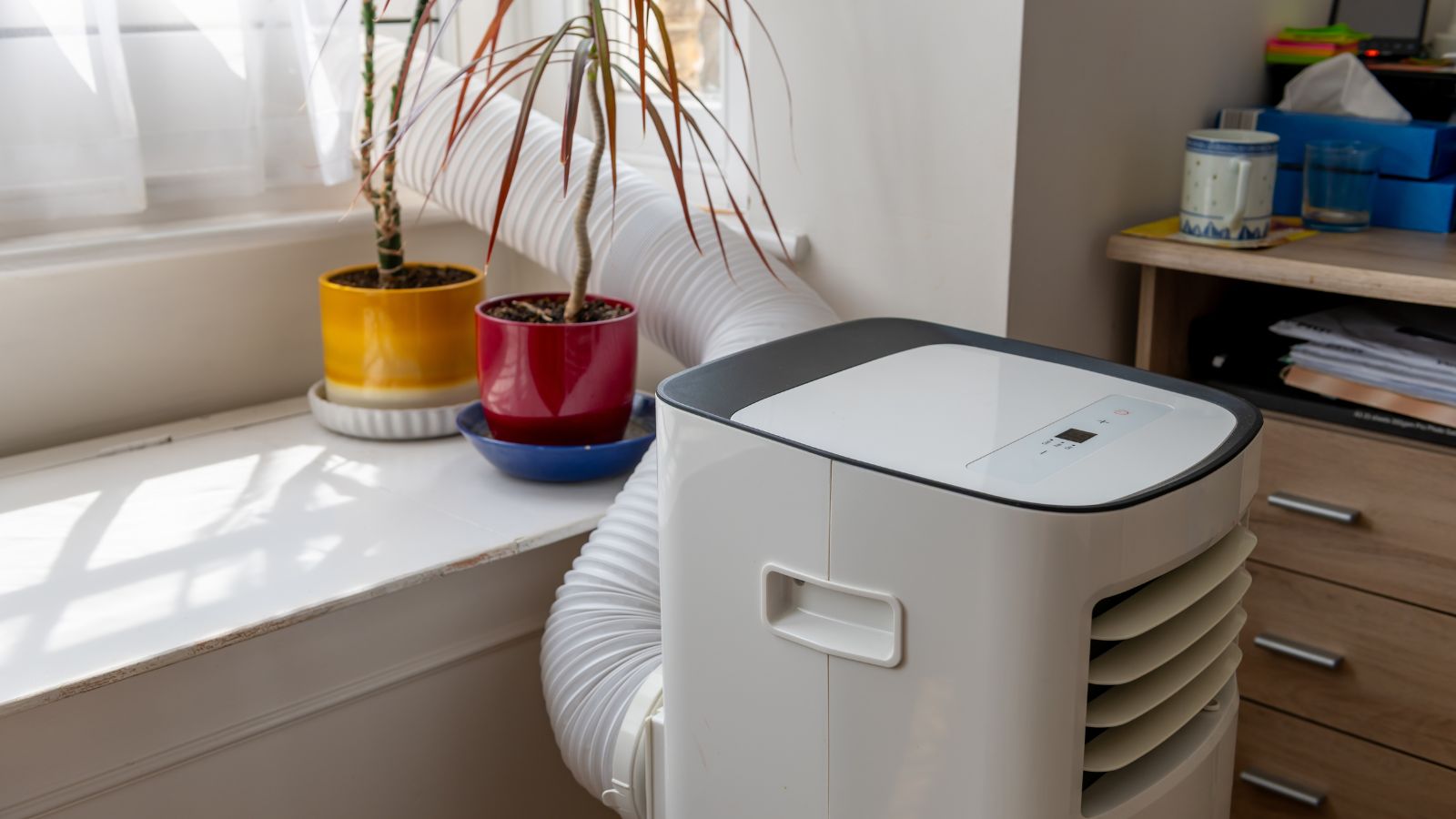
A portable air conditioner can feel priceless when several hot nights arrive in a row. The regret often begins after the emergency has passed and the unit proves too noisy, awkward, or underpowered for the room. Portable models also require a suitable window opening and enough floor space for the unit and exhaust hose. In a small apartment, that footprint can become surprisingly intrusive once cooler weather returns.
Energy efficiency deserves attention before buying. Natural Resources Canada says ENERGY STAR-certified room air conditioners use approximately 10 per cent less energy than standard models. Portable air conditioners, however, are not currently eligible for ENERGY STAR certification in Canada, making direct comparisons more complicated. Buyers should check the rated cooling capacity, room size, efficiency measurements, drainage requirements, and window-kit dimensions rather than grabbing the last available unit. By September, an oversized machine may be occupying a closet after cooling only one room for a few weeks.
Above-Ground Pools That Require More Work Than Expected

An above-ground or inflatable pool can turn an ordinary backyard into a family attraction almost overnight. The box price, however, rarely represents the entire commitment. A pump, filter, chemicals, testing supplies, ladder, ground covering, replacement cartridges, and protective cover can add significantly to the total. Grass underneath may also be damaged, leaving a large repair project when the pool is taken down.
Water care cannot be postponed simply because the pool is inexpensive. Health Canada recommends regular testing and treatment, while its residential pool guidance also stresses barriers, self-closing gates, supervision, and secure access. Natural Resources Canada notes that more efficient above-ground pool pumps can use substantially less energy than conventional alternatives. A family that expected casual weekend fun may therefore find itself testing water, cleaning debris, managing electricity use, and supervising access every day. When September arrives, draining, drying, folding, and storing a bulky liner can make the impulse purchase feel much less carefree.
Hot Tubs Purchased for Summer Entertaining

A hot tub can look like a year-round luxury, but many mid-summer buyers are responding to a very specific picture: friends visiting, cool drinks, and warm evenings outdoors. The less glamorous parts include site preparation, electrical work, water treatment, covers, filters, energy use, and ongoing cleaning. Installation can also expose limitations involving deck strength, access routes, privacy, or local building requirements.
Spa water requires careful maintenance even when the tub is used infrequently. Health Canada recommends maintaining an appropriate disinfectant level and identifies three to five parts per million of free available chlorine for spas using chlorine. Poorly maintained water can contribute to skin, ear, or gastrointestinal problems. By September, the household may discover that enthusiasm was tied more closely to summer entertaining than to regular hot-tub use. A unit that must still be heated, checked, cleaned, and winterized can become an expensive backyard responsibility rather than a spontaneous source of relaxation.
Patio Furniture Bought at Peak Excitement

A new sectional, dining set, or hanging chair can make a patio feel complete, especially when retailers display fully styled outdoor spaces. Regret tends to develop when the furniture overwhelms the available area, blocks doors, fades quickly, or has cushions that must be carried indoors whenever rain is forecast. Large pieces can also be difficult to move through condo hallways, narrow gates, or basement entrances.
Mid-summer promotional language deserves scrutiny. Canada’s Competition Bureau requires businesses advertising a discount from a regular price to ensure that the ordinary price is genuine. A dramatic percentage-off sign does not automatically mean the set is an exceptional value. Measurements, construction quality, replacement-cushion availability, return terms, and off-season storage matter more than the showroom arrangement. By September, a household may be searching for weatherproof covers or paying for a storage locker because the furniture cannot remain exposed through a Canadian winter.
Oversized Barbecues and Smokers

A six-burner barbecue or large pellet smoker can be appealing when summer meals are happening outdoors. Yet many households cook for only two or four people most of the time. Extra cooking space may mean more surface area to clean, greater fuel use, heavier equipment, and less room on the deck. Smokers can create an additional mismatch when buyers enjoy barbecue flavour but not the long cooking times and advance planning involved.
There are practical safety and handling issues as well. Health Canada warns that barbecues produce carbon monoxide and should only be used outdoors in a well-ventilated location. Transport Canada notes that a typical filled barbecue propane cylinder can weigh approximately 18 kilograms, making transportation and storage more demanding than the empty tank suggests. Covers, thermometers, pellets, tools, replacement grates, and cleaning products can push the total well beyond the advertised appliance price. By September, the oversized grill may have hosted one memorable gathering but still require cleaning, protection, and winter storage.
Complete Camping Setups for a Single Trip
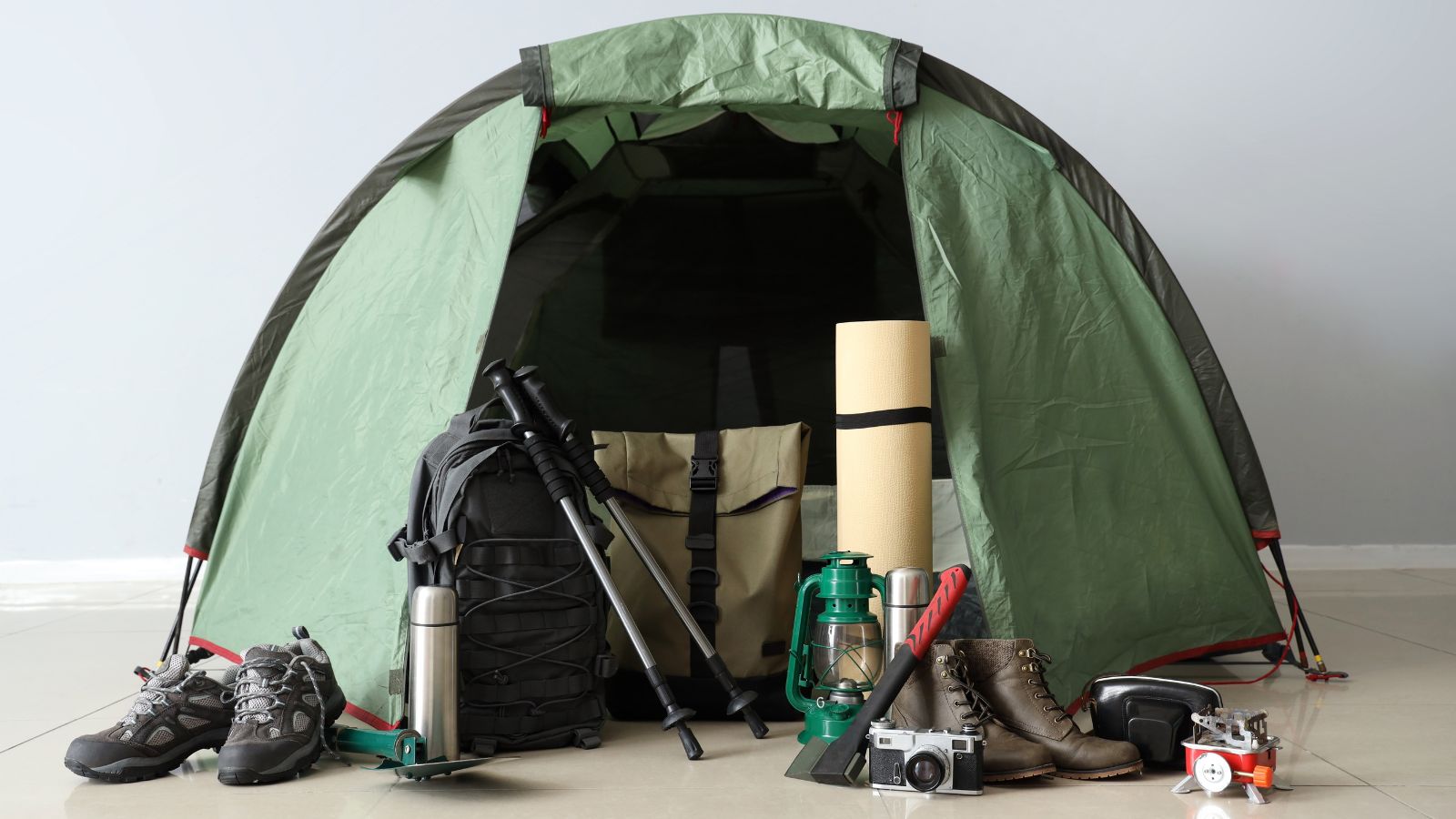
Buying camping equipment can become an escalating project. A tent leads to sleeping pads, sleeping bags, chairs, lanterns, cookware, a stove, coolers, tarps, storage bins, and weather-specific clothing. Families often purchase everything at once because they do not want the first trip to be uncomfortable. The result may be hundreds or thousands of dollars in equipment before anyone knows whether camping will become a regular tradition.
Reservations introduce another layer of commitment. Parks Canada’s cancellation and no-show rules can include non-refundable reservation charges and the loss of fees for the first nights of a missed stay. Popular destinations are especially busy during July and August, encouraging rushed decisions before dates disappear. Renting, borrowing, or purchasing a basic starter kit can reveal whether the family enjoys sleeping outdoors, cooking at a campsite, and managing unpredictable weather. By September, an elaborate setup used for one rainy weekend may occupy a substantial part of the garage without another trip planned.
Recreational Vehicles and Travel Trailers
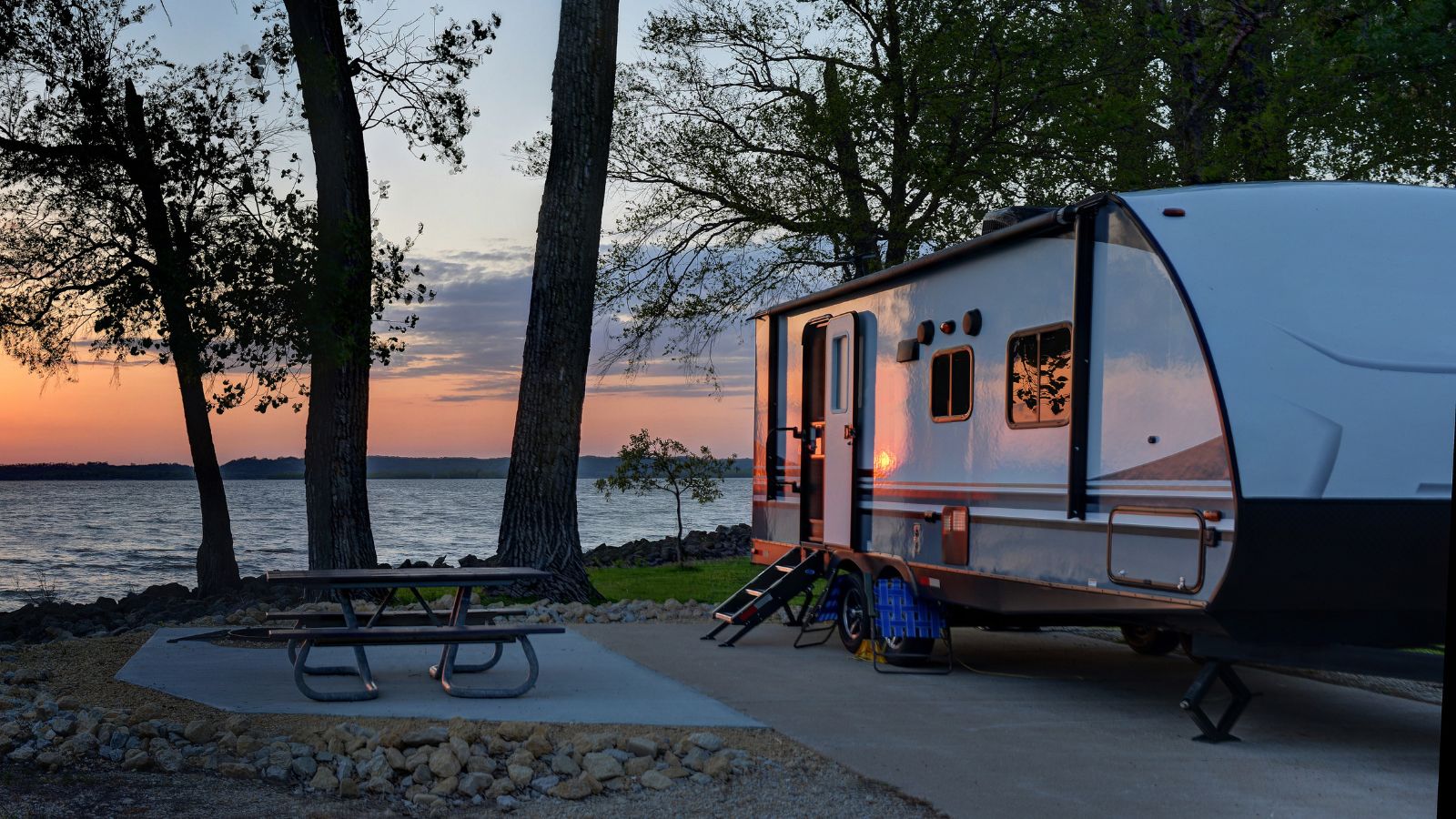
A recreational vehicle can make summer travel appear convenient and economical, particularly when hotel prices are high. The purchase price is only one part of ownership. Insurance, maintenance, fuel, campsite charges, storage, accessories, repairs, towing equipment, and winter preparation continue long after the first road trip. Larger trailers may also require a more capable tow vehicle, turning one purchase into two.
The RV Dealers Association of Canada has estimated that approximately 2.1 million Canadian households own an RV. Its economic research also found that owners collectively spend billions on items such as storage, insurance, maintenance, and accessories. Earlier Canadian cost research showed that many trailers are used for only a few weeks each year, despite carrying annual expenses. A family may love the first August trip but feel differently when arranging winter storage in September. Renting a comparable unit first can expose the realities of setup, waste systems, towing, campsite availability, and driving before a long-term financial commitment is made.
Boats and Personal Watercraft

The first outing in a new boat can make the purchase feel completely justified. The less visible expenses emerge later: a trailer, dockage, fuel, safety equipment, insurance, repairs, cleaning, registration, storage, and winterization. Even a small personal watercraft requires transportation and a secure place to keep it. Canadian winters make end-of-season preparation particularly important because freezing water can damage engines and plumbing systems.
Operating requirements should also be considered before purchase. Most operators of motorized recreational boats need proof of competency, commonly demonstrated through a Pleasure Craft Operator Card. Licensing rules may apply to the vessel itself, and Transport Canada introduced a fee of $24.41 for most pleasure craft licence transactions in January 2026. None of these obligations necessarily makes boating a poor choice, but they change the true price of ownership. By September, a buyer who enjoyed only a handful of weekends may be facing hauling, maintenance, and storage arrangements almost immediately after the purchase.
E-Bikes Purchased Without Considering the Battery
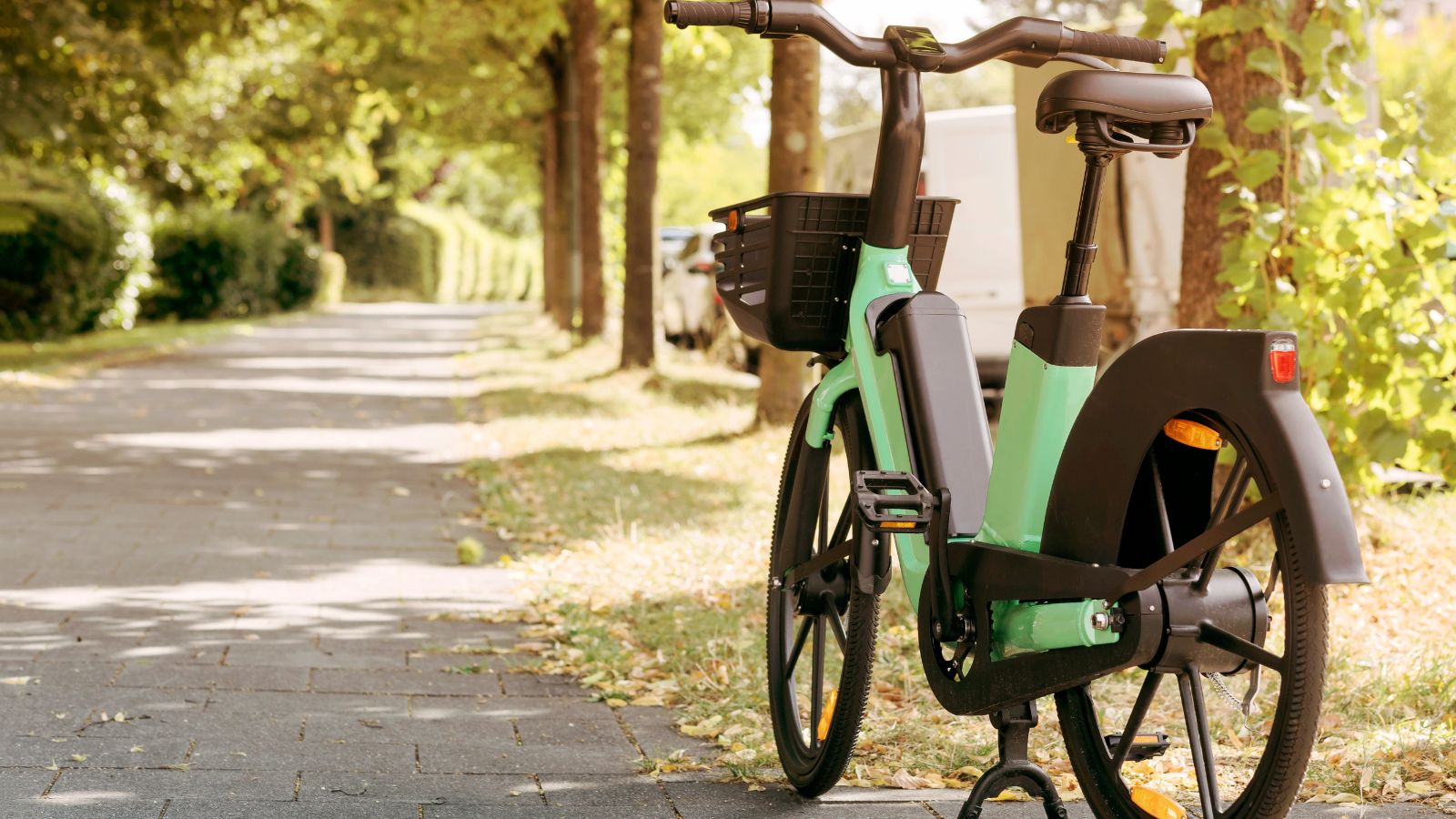
An e-bike can transform a difficult commute or make recreational cycling accessible again. Regret appears when the bike was purchased for an imagined routine rather than an existing need. A heavy model may be difficult to carry into an apartment, load onto a vehicle, or move up stairs. Riders may also discover that local routes, theft concerns, winter weather, or workplace storage prevent them from using it as often as expected.
Battery safety and replacement costs deserve as much attention as motor power or styling. Health Canada recommends using the manufacturer’s original battery and charger and warns against modifying lithium-ion battery systems. Canadian safety guidance also points buyers toward recognized standards such as UL 2849 for e-bike electrical systems. An unusually cheap replacement battery or incompatible charger can create a serious fire risk. Before purchasing, buyers should investigate the battery warranty, replacement availability, charging location, service network, and cold-weather storage instructions. By September, a poorly matched e-bike can become an expensive object that is difficult to store safely.
Backyard Trampolines and Inflatable Play Structures
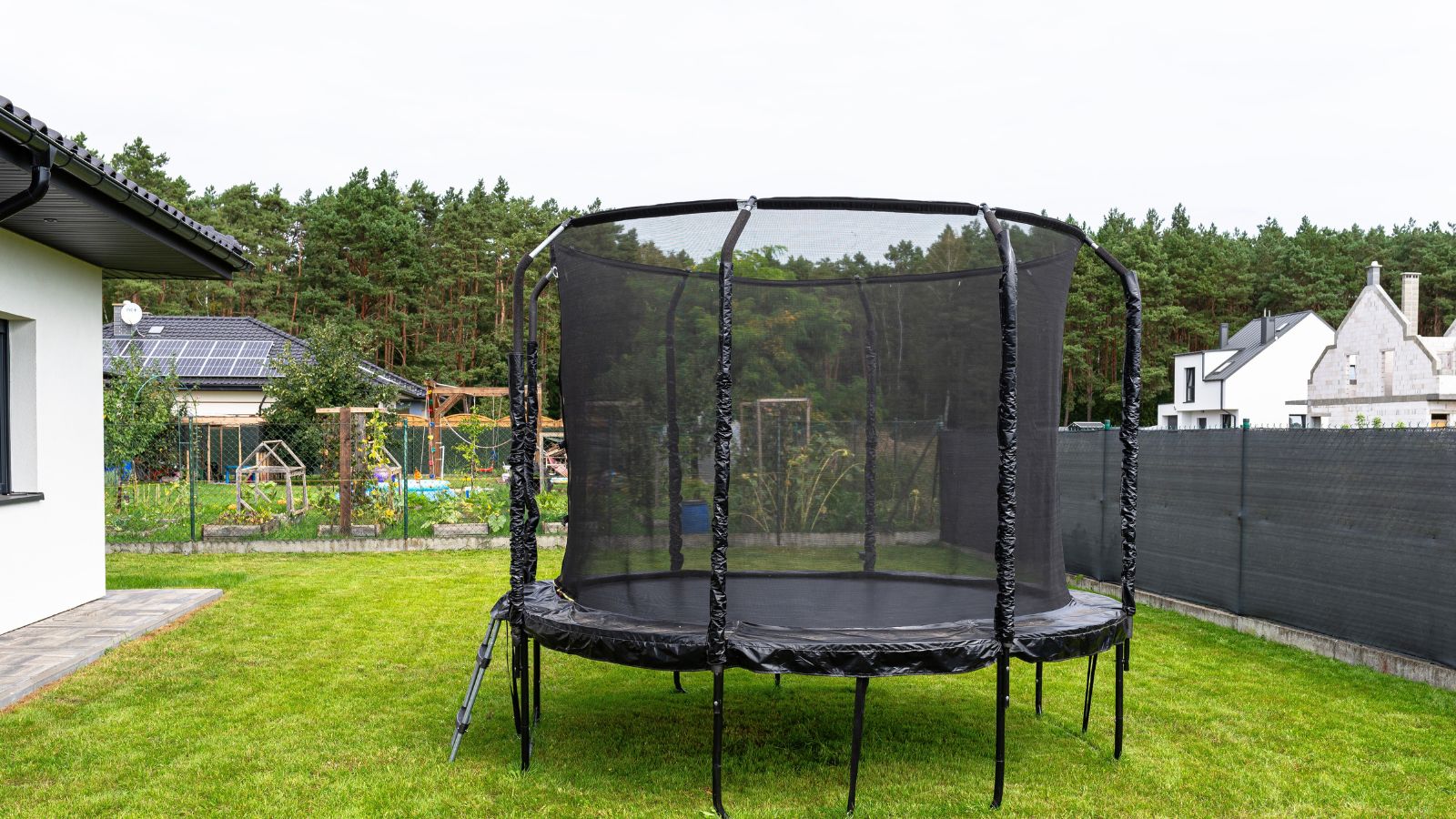
A trampoline or large inflatable can seem like a practical way to keep children active during summer break. The first weeks may bring constant use, but interest can fade quickly when school, sports, and colder weather return. Meanwhile, the equipment continues to occupy much of the yard and may require anchoring, cleaning, inspection, weather protection, and winter disassembly.
Health Canada advises that children under six should not use a full-sized trampoline and recommends allowing only one jumper at a time under active adult supervision. Its safety guidance also notes that many trampoline injuries occur in residential backyards. Inflatable structures present their own concerns involving blowers, electrical connections, wind, anchoring, and supervision. A family may therefore discover that the purchase does not provide the independent playtime they expected. By September, leaves and rain can turn the equipment into a maintenance problem, while dismantling and finding dry indoor storage becomes another household project.
Kayaks and Stand-Up Paddleboards

Kayaks and paddleboards are often purchased after a successful rental or a picturesque weekend at the lake. Ownership feels different when transportation, storage, and safety equipment enter the picture. Roof racks, tie-down straps, paddles, personal flotation devices, pumps, dry bags, repair kits, and launch fees can collectively rival the cost of the craft itself. Inflatable boards solve some storage problems but still need to be rinsed, dried, folded, and protected from damage.
Transport Canada classifies canoes, kayaks, and stand-up paddleboards as human-powered pleasure craft and requires appropriate safety equipment based on the vessel and activity. Conditions can change quickly on Canadian lakes, making weather awareness and properly fitted flotation equipment essential. A buyer who has convenient waterfront access may use the craft regularly; someone who must drive an hour and load equipment onto a roof may not. By September, the board or kayak may have been used twice while taking up an entire wall of the garage.
Mid-Summer Garden-Centre Splurges

Garden centres are particularly persuasive in July, when mature containers and colourful annuals make an unfinished yard look instantly fixable. A cart filled with large planters, hanging baskets, decorative pots, soil, fertilizer, and thirsty flowering plants can become a substantial purchase. The display may look impressive for several weeks, but its value depends on regular watering, pruning, feeding, and protection from extreme heat.
Annual flowers complete their life cycle within one growing season, meaning the visual return becomes shorter when they are purchased late. Provincial gardening guidance also distinguishes between plants that tolerate cooler conditions and those needing greater frost protection. This matters because nighttime temperatures can decline quickly in parts of Canada as September approaches. A household leaving for a summer vacation may return to stressed or dead containers despite the initial expense. Smaller purchases, hardy perennials, native plants, or discounted replacement pots can provide more lasting value than recreating an entire garden-centre display midway through the season.
Lawn and Garden Power Equipment

A new mower, trimmer, blower, or hedge cutter can seem like the solution to a yard that became unmanageable during early summer. Yet power equipment often creates a collection of related expenses: batteries, chargers, fuel, oil, replacement line, blades, protective gear, and winter storage. Battery platforms can also lock a household into one manufacturer, especially when additional tools are sold without batteries.
Safety should not be treated as an accessory. Health Canada advises keeping children away from powered yard equipment, avoiding electric equipment in wet conditions, and disconnecting power before clearing blockages. An analysis of lawn-mower injuries reported through Canada’s hospital injury surveillance program found that protective equipment was documented in only a small share of cases. Buyers should consider whether a manual tool, occasional rental, or lawn service would be more practical than owning another machine. By September, equipment bought to handle one burst of growth may have completed its main task while still requiring cleaning, blade care, battery management, and indoor storage.
Trend-Driven Summer Clothing

A festival outfit, resort wardrobe, or collection of matching linen pieces can feel justified while summer plans are still ahead. The regret is rarely about one garment. It comes from several pieces purchased for specific photos, destinations, or social occasions that do not translate into everyday wear. Bright prints, lightweight fabrics, and highly seasonal cuts may receive only one or two outings before work, school, and cooler temperatures reshape the weekly routine.
Canadian households spent an average of $2,739 on clothing and accessories in 2023, according to Statistics Canada. Across the country, household clothing and footwear spending totalled more than $60 billion that year. Those figures include necessities, but they also show how quickly individual purchases accumulate. A simple cost-per-wear calculation can bring perspective: a $120 outfit worn twice effectively costs $60 per use. By September, versatile layers and durable footwear are often more useful than another trend piece tied to a single summer event.
Designer Sunglasses Chosen Mainly for the Logo

Designer sunglasses are easy to rationalize during bright summer weather. They are worn frequently, visible in photographs, and often marketed as a combination of fashion and eye protection. Regret may arrive after they are scratched at the beach, left in a restaurant, crushed in a bag, or discovered to be uncomfortable during extended wear. The high price can make ordinary damage feel disproportionately frustrating.
A luxury label does not automatically provide better ultraviolet protection. The Canadian Association of Optometrists recommends sunglasses that block 99 to 100 per cent of UVA and UVB radiation and notes that lens darkness alone does not indicate greater protection. Health Canada similarly advises checking UV performance rather than relying on appearance. Fit, optical quality, coverage, polarization, warranty terms, and verified UV labelling are more meaningful than the name on the temple. A moderately priced, properly certified pair may serve the same protective purpose with less anxiety about loss or damage by September.
Festival Tickets With VIP Upgrades

The original ticket price is rarely the full cost of a summer festival. Service charges, transportation, accommodation, food, lockers, merchandise, parking, and VIP upgrades can turn a one-day event into a major discretionary expense. Buyers may also discover that premium access provides a separate line or viewing area but does not eliminate crowds, poor weather, schedule conflicts, or long waits between performances.
Mandatory fees are a recognized consumer-protection issue. Canada’s Competition Bureau describes drip pricing as advertising a price that cannot actually be obtained because compulsory charges are added later. Its case against Cineplex resulted in a $38.9-million penalty over a mandatory online booking fee, and that decision was upheld on appeal in January 2026. Although festival arrangements differ, the lesson is relevant: the checkout total matters more than the headline price. By September, a buyer may remember the performances fondly while still regretting upgrades that offered little additional value.
Last-Minute Summer Flights

A spontaneous August trip can be memorable, but purchasing flights under time pressure reduces the opportunity to compare airports, schedules, baggage rules, seat fees, cancellation conditions, and ground transportation. The airfare may be only the beginning. An inconvenient arrival can require an extra hotel night, while restrictive tickets can become costly when work schedules, illness, wildfire conditions, or family plans change.
Statistics Canada reported that Canadian households spent an average of $1,158 on air travel in 2023, reflecting the strong return of travel after pandemic restrictions. Air-passenger complaints also remain significant enough that the Canadian Transportation Agency publishes complaint data by airline and provides a formal dispute process. Travellers generally must first contact the airline in writing and allow it time to respond before escalating a complaint. A last-minute flight may still be worthwhile, but a rushed purchase without understanding baggage, change, and refund conditions can produce lingering frustration long after the summer photographs are shared.
Non-Refundable Cottage and Vacation Rentals

A cottage rental can become irresistible when an open weekend appears in a group chat. The person making the booking may pay a large non-refundable deposit before every guest has confirmed vacation time, transportation, or cost sharing. When several participants withdraw, the remaining travellers either absorb the difference or cancel and lose part of the payment. Cleaning fees, security deposits, firewood, linens, pet charges, and boat rentals can further increase the final amount.
Fraud adds another reason to slow down. The Canadian Anti-Fraud Centre warns that rental scammers may copy photographs from legitimate listings, advertise desirable properties below typical prices, and pressure consumers to transfer money quickly. Buyers should verify the owner or platform, examine independent reviews, use traceable payment methods, and obtain written terms covering cancellation, damage, and included amenities. By September, the regret may involve not only an expensive weekend but also strained friendships over unpaid shares or a deposit sent to a property that never existed.
Late-Season Amusement and Waterpark Passes

Season passes are usually marketed around unlimited visits, but their value depends on how many realistic opportunities remain. A family buying in mid-July may imagine returning every weekend, only to encounter rain, vacations, work shifts, sports practices, illness, or children losing interest. Parking, meals, locker rentals, and transportation continue to cost money even when admission is covered.
Expiration dates can be earlier than buyers assume. One La Ronde pass offered for the 2026 season, for example, was valid only through September 7, while higher-tier options extended further into the fall. A late purchase therefore requires an honest break-even calculation based on the remaining calendar, not the excitement of the first visit. If a family needs three additional visits to justify the pass but has only four free weekends, the margin is narrow. By September, a plastic card promising unlimited summer fun may represent one expensive afternoon rather than meaningful savings.
Back-to-School Electronics Purchased Before Requirements Arrive

A laptop, tablet, calculator, printer, or pair of headphones can feel like sensible preparation when back-to-school displays appear in July. The risk is purchasing before the school, program, or teacher provides specifications. A device may lack required software compatibility, have too little memory, use the wrong operating system, or duplicate equipment supplied by the institution. The return window can also expire before classes begin.
Accessories deserve equal scrutiny, particularly chargers purchased online. Health Canada advises checking electrical products for recognized Canadian certification marks such as CSA, cUL, or cETL. Uncertified chargers can create shock, burn, and fire hazards. Families should confirm requirements, education discounts, warranty coverage, repair options, and whether an older device can be upgraded. By September, a rushed purchase may need to be replaced or supplemented, turning an apparently organized decision into two separate expenses at the moment other school costs are arriving.
New Vehicles Chosen Around the Monthly Payment

Summer road trips and dealer promotions can make a new vehicle feel urgent. Buyers may focus on a comfortable monthly payment while overlooking the loan term, interest cost, insurance, fuel, depreciation, maintenance, and optional products added in the finance office. Extending a loan can lower the monthly figure without making the vehicle less expensive; it generally increases the total financing cost and keeps the borrower in debt longer.
Federal consumer guidance encourages comparing the full cost of a vehicle loan rather than only the payment amount. Statistics Canada reported 114,415 new motor vehicles sold in January 2026, showing the scale of a market in which buyers face many competing offers and configurations. A household purchasing in mid-summer should compare several lenders, obtain an insurance quote, test realistic cargo needs, and consider whether an outgoing model year or lightly used alternative offers better value. By September, the excitement of a new vehicle may be replaced by a long payment schedule that leaves little room for other household priorities.
Buy Now, Pay Later Summer Splurges

Buy now, pay later plans can make a vacation, outfit, patio set, or electronics purchase appear manageable by dividing the cost into smaller payments. The danger is that several plans can overlap. A household may approve each transaction separately without seeing how many instalments will arrive together in late August and September, just as school costs and other seasonal obligations increase.
The Financial Consumer Agency of Canada classifies buy now, pay later arrangements as credit and warns that poor understanding of the terms can lead to unexpected fees or financial difficulty. Its research indicates that consumers use these products across categories including clothing, travel, entertainment, groceries, and household essentials. Bank of Canada research has also linked persistent credit-card balances with greater financial stress, illustrating the broader risk of carrying purchases beyond the moment of enjoyment. A summer expense that cannot comfortably be paid for today may feel even less affordable once the season has ended but the deductions continue.
19 Things Canadians Don’t Realize the CRA Can See About Their Online Income

Earning money online feels simple and informal for many Canadians. Freelancing, selling products, and digital services often start as side projects. The problem appears at tax time. Many people underestimate how much information the CRA can access. Online platforms, banks, and payment processors create detailed records automatically. These records do not disappear once money hits an account. Small gaps in reporting add up quickly.
Here are 19 things Canadians don’t realize the CRA can see about their online income.
This Options Discord Chat is The Real Deal
While the internet is scoured with trading chat rooms, many of which even charge upwards of thousands of dollars to join, this smaller options trading discord chatroom is the real deal and actually providing valuable trade setups, education, and community without the noise and spam of the larger more expensive rooms. With a incredibly low-cost monthly fee, Options Trading Club (click here to see their reviews) requires an application to join ensuring that every member is dedicated and serious about taking their trading to the next level. If you are looking for a change in your trading strategies, then click here to apply for a membership.