
35,000+ smart investors are already getting financial news, market signals, and macro shifts in the economy that could impact their money next with our FREE weekly newsletter. Get ahead of what the crowd finds out too late. Click Here to Subscribe for FREE.
Canada’s military operates with a fraction of the defense spending allocated to the United States. Despite that reality, Canadian forces have consistently achieved mission success through adaptability, cooperation, and strategic efficiency. Smaller budgets have fostered creative planning and alliances that emphasize capability over scale. Canadian doctrine prioritizes mobility, intelligence sharing, and interoperability rather than brute force deployment. This mindset, developed over decades, was shaped by NATO commitments and peacekeeping experience. Here are 16 ways the Canadian military outsmarted the U.S. with less money.
Battle of Vimy Ridge Intelligence Mapping – 1917
16 Ways the Canadian Military Outsmarted the U.S. With Less Money
- Battle of Vimy Ridge Intelligence Mapping – 1917
- Korean War Mobile Platoon Doctrine – 1951
- Cyprus Peacekeeping Logistics Network – 1964
- NATO Cold War Tank Integration – 1974
- Bosnia Reconnaissance Patrol Strategy – 1993
- Afghanistan Provincial Reconstruction – 2006
- Arctic Sovereignty Surveillance – 2009
- NORAD Joint Command Integration – 2010
- Disaster Relief Rapid Airlift – 2010 Haiti Response
- Anti-Piracy Escort Operations – Somalia Waters, 2012
- Joint Training Cost Reduction – Maple Flag Exercises, 2014
- Light Infantry Arctic Training Programs – 2015
- Cyber Defence Integration – 2017
- Logistics Pooling with Allies – 2018
- Pandemic Operation LENTUS Domestic Deployment – 2020
- Multinational Airlift Cooperative Program – 2022
- 22 Groceries to Grab Now—Before another Price Shock Hits Canada
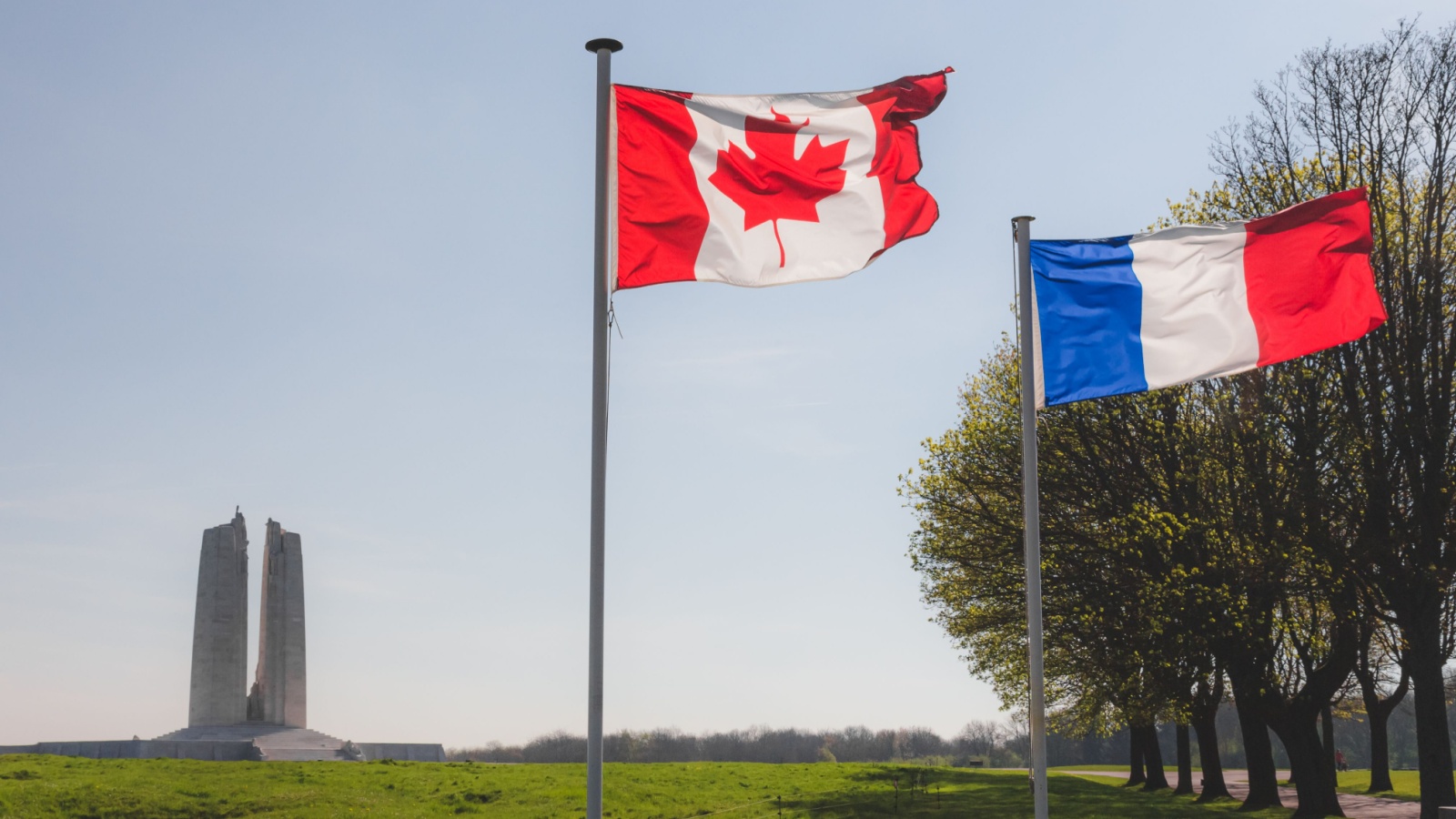
During preparations in 1917, Canadian planners created detailed three-dimensional battlefield maps of Vimy Ridge. American forces depended heavily on traditional topographical charts. The Canadian approach enabled infantry to rehearse assault routes physically before combat. Troops memorized terrain features and trench layouts precisely. This training reduced confusion during live operations. Canadian artillery officers plotted synchronized creeping barrages with near-clockwork precision. Limited funding meant training emphasized simulation rather than repeated shell expenditure. The result was a meticulously coordinated offensive. The ridge fell in a single day after months of stagnation by other forces.
Korean War Mobile Platoon Doctrine – 1951

In 1951, Canadian forces deployed smaller mobile platoons across hilly Korean terrain. American formations relied more heavily on large positional firepower units. Canadian doctrine favoured speed and flank movement rather than static defense. Patrol networks reported troop movements quickly to command posts. Units shifted rapidly under a light logistical load. Tight budget constraints limited heavy equipment deployment. Training focused on small-unit autonomy rather than armoured reliance. Canadian patrol successes repeatedly prevented infiltration attempts. Several defensive stand-offs ended without major casualties. U.S. advisors later studied these mobility tactics. Lower equipment density produced more adaptable manoeuvre capability. Canadian units conserved supplies while remaining operationally flexible. Resource-efficient mobility proved decisive repeatedly.
Cyprus Peacekeeping Logistics Network – 1964

When Canada entered Cyprus in 1964, funding limits constrained deployment capacity. Instead of a large base infrastructure, Canadian logisticians created a decentralized supply chain model. Mobile resupply teams supported patrols directly. Helicopters replaced truck convoys where terrain restricted access. Strong cooperation with allied units reduced equipment duplication. Intelligence-sharing arrangements replaced separate reconnaissance spending. The Canadian force maintained island-wide coverage with fewer personnel than American estimates projected. Patrol effectiveness remained high throughout the rotation. Reduced logistical burden ensured smoother operational continuity. U.S. planners later referenced the Canadian support framework. Tactical efficiency replaced mass presence as the operational centerpiece. Canada achieved sustained mission stability without building costly permanent bases.
NATO Cold War Tank Integration – 1974
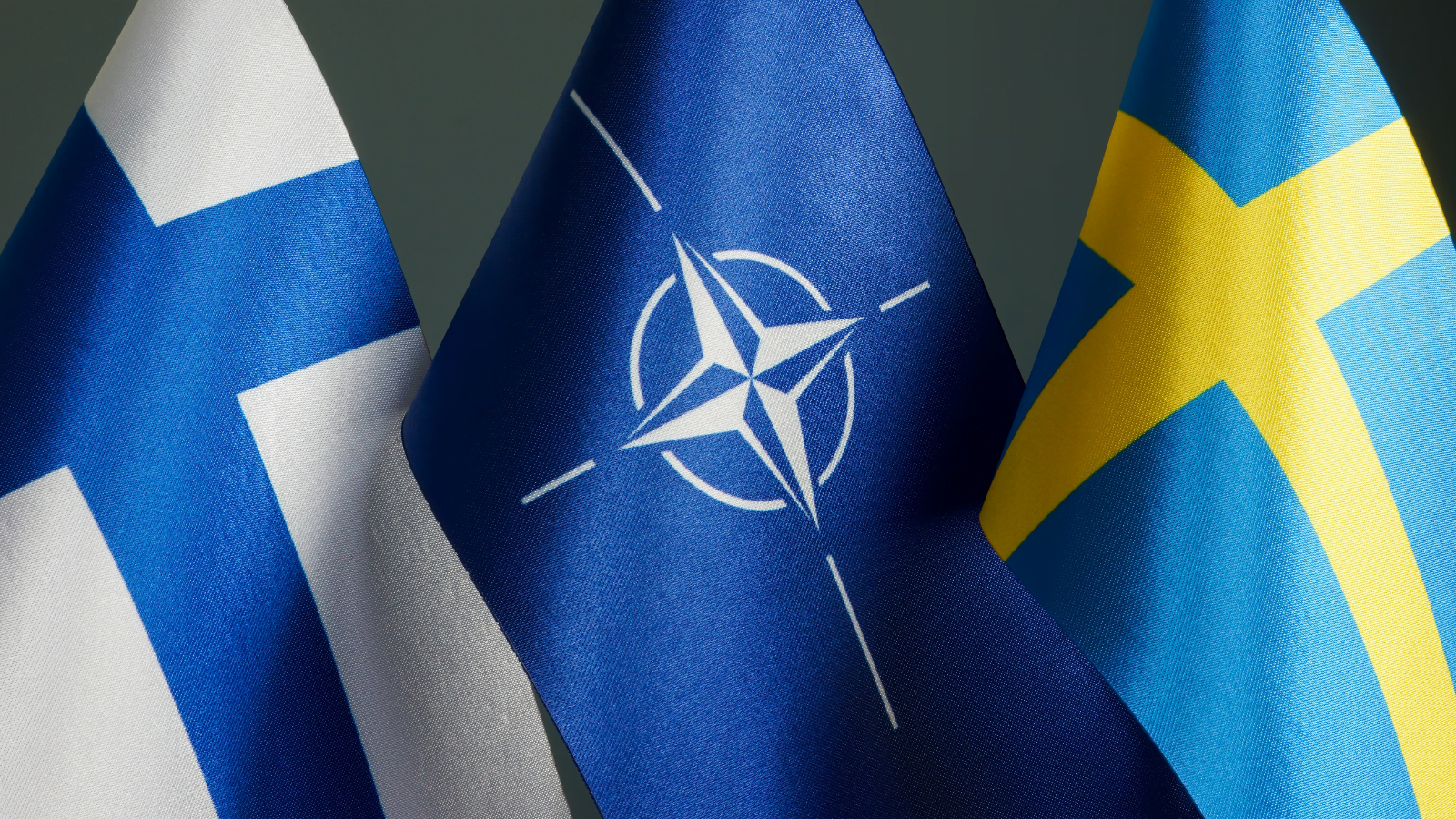
In 1974, Canada fielded fewer tanks than the U.S. NATO contingents stationed in Europe. Rather than expand armoured fleets, the Canadian command integrated closely with Dutch and German units. Cross-training exercises standardized operational coordination. Shared maintenance facilities prevented costly infrastructure duplication. Canadian armor units specialized in rapid-response manoeuvres rather than mass formation techniques. Training emphasized terrain exploitation rather than overwhelming firepower. Intelligence exchange minimized detection blind spots. Budgetary restraint increased the effectiveness of cooperation. American observers noted seamless allied integration during large NATO exercises. Canadian units maintained readiness levels despite resource disadvantages. Strategic collaboration compensated for numerical limitations effectively.
Bosnia Reconnaissance Patrol Strategy – 1993

In 1993, Canadian peacekeepers in Bosnia deployed limited armored assets. American contingents focused on fortified observation posts. Canadian units emphasized constant foot and vehicle patrol surveillance. Smaller patrols moved unpredictably. Their presence deterred localized violence without major force displays. Canadian commanders prioritized intelligence gathering over static guarding. Teams maintained a flexible response capability. Field improvisation reduced equipment requirements. Local knowledge accumulation improved mission effectiveness. Canadian patrol data became central to allied reporting coordination. U.S. commanders acknowledged the Canadian patrol network’s accuracy advantage. Reduced spending facilitated increased flexibility. Information dominance replaced equipment superiority.
Afghanistan Provincial Reconstruction – 2006

When Canada assumed operations in Kandahar during 2006, American spending far exceeded Canadian budgets nationwide. Canadian commanders emphasized community engagement alongside patrol security. Intelligence relied heavily on local informant trust-building programs. Engineers prioritized low-cost infrastructure solutions supporting civilian relations. Training invested heavily in unit cultural awareness instead of expensive technological surveillance. Coordination with NGOs augmented resource shortfalls. Patrol routing adapted dynamically rather than relying solely on vehicle convoys. Civil-military cooperation became central to stabilizing villages. U.S. observers recognized the Canadian ability to maintain local relationships inexpensively. Human intelligence outperformed costly hardware solutions frequently.
Arctic Sovereignty Surveillance – 2009

In 2009, Canada expanded Arctic monitoring without purchasing expensive permanent installations. Surveillance relied upon seasonal ranger patrols and satellite data sharing agreements. Indigenous ranger units provided ground-level intelligence. Small aircraft reconnaissance augmented satellite imagery. Mobile patrols reduced facility construction costs dramatically. Canada avoided massive infrastructure spending typical of American Arctic proposals. Continuous presence was maintained using flexible deployment cycles. These patrols provided superior on-the-ground awareness. Shared intelligence replaced heavy equipment investment. Canadian Arctic situational awareness remains comparatively high per dollar invested.
NORAD Joint Command Integration – 2010

In 2010, NORAD restructuring emphasized deeper Canadian command integration. Instead of building parallel air defense networks, Canada embedded officers directly into U.S. command centers. Shared early-warning systems eliminated duplicative expenditures. Canadian radar upgrades targeted interoperability improvements rather than independent networks. Joint training simulations emphasized command coordination rather than costly flight expansion programs. Canada maintained full operational awareness at reduced cost. American counterparts acknowledged the efficiency of this structure. Budget efficiency improved situational readiness significantly. Binational integration proved that shared systems outperform isolated expansions financially.
Disaster Relief Rapid Airlift – 2010 Haiti Response

Following the Haiti earthquake in 2010, Canadian forces deployed disaster teams rapidly using small transport aircraft. American operations relied heavily on larger logistical staging centers. Canada used direct airlift rotations without building complex infrastructure hubs. This approach lowered operating costs and deployment delays. Medical and engineering teams arrived early into underserved zones. Coordination with NGOs expanded reach without contracting expensive support services. Canadian pilots executed multi-stop supply drops, optimizing limited airframe capacity. Personnel performed versatile roles across medical and reconstruction duties. Reduced specialization minimized staffing requirements. Field improvisation resolved equipment shortages quickly. U.S. planners later cited Canadian timelines as unexpectedly efficient. The Canadian response delivered a measurable humanitarian impact using limited resources. Strategic agility replaced logistical bulk. The model remains integrated into modern disaster-response planning doctrine.
Anti-Piracy Escort Operations – Somalia Waters, 2012
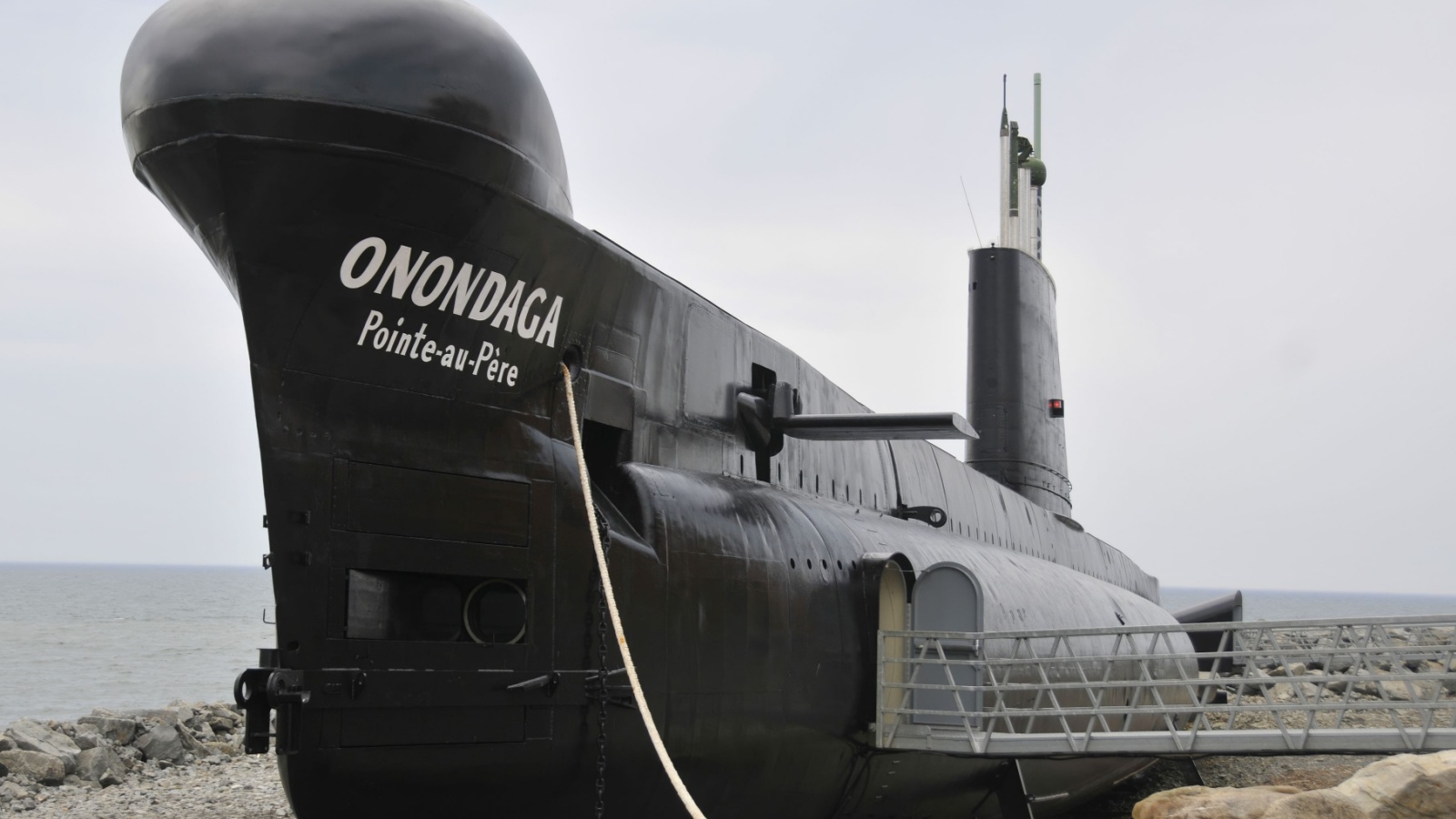
During anti-piracy deployments off Somalia in 2012, Canadian warships joined multinational escort efforts with fewer deployed vessels. Instead of continuous patrol saturation, commanders adopted intelligence-led strike positioning. Canadian surveillance teams coordinated vessel tracking through shared NATO feeds. This reduced unnecessary fuel-intensive patrol routing. Limited assets concentrated only where merchant threats materialized. Boarding teams operated across allied ships, reducing staffing duplication. Canadian officers often coordinated multinational operations despite a modest fleet size. U.S. flotillas operated broader patrol grids requiring higher maintenance spending. Canadian selective deployment matched threat levels precisely. Mission effectiveness remained equivalent despite resource differences. International oversight reports cited Canadian efficiency measures positively. Reduced expenditure produced comparable mission security outcomes.
Joint Training Cost Reduction – Maple Flag Exercises, 2014

In 2014, Maple Flag exercises emphasized multinational training rather than large independent drills. Canadian air forces hosted allied squadrons under shared logistics structures. Cost burdens were divided among participant nations. Fuel, range costs, and maintenance resources are pooled efficiently. Complex simulation software replaced extensive live-flight testing hours. Training objectives remained consistent despite fewer sorties. Shared instructor cadres minimized staffing redundancy. U.S. pilots acknowledged Canadian exercises delivered advanced realism without excessive resource drain. Canada built a global reputation for effective, low-cost air training environments. Emphasis rested on tactical decision-making rather than flight hour accumulation. Smaller budget outlays generated comparable pilot readiness results.
Light Infantry Arctic Training Programs – 2015

In 2015, Canada expanded Arctic warfare programs centered around light infantry units rather than armoured deployments. Specialized cold-weather training focused on survival mobility. Snow vehicles replaced heavy tracked platforms. Lightweight shelters substituted costly base facilities. Indigenous ranger support enhanced terrain familiarity. Live training replaced heavy equipment testing. American Arctic strategies depended more heavily upon large logistical infrastructure investments. Canadian programs demonstrated operational proficiency without base expansion. Units achieved sustained northern readiness at reduced costs. Ranger reenlistment lowered training recruitment expenditures. Operational adaptability exceeded technological dependence. Budget restraints birthed modernized doctrinal advances in cold-weather force deployment.
Cyber Defence Integration – 2017

Canada integrated cyber defense operations directly within shared NATO frameworks beginning in 2017. Instead of building standalone national cyber command centers, Canada embedded task units in multinational defence grids. Resource sharing reduced hardware acquisition and staffing overhead. Intelligence pooling enhanced early detection success rates. Specialized training focused on rapid response protocols rather than broad development platforms. U.S. cyber infrastructure expansions relied upon larger capital budgets. Canada’s cooperative approach minimized duplication expenses. Cyber-readiness remained consistent with alliance partners. Operational outcomes proved equally successful during multinational threat simulations. Financial efficiency became Canada’s strategic cyber advantage.
Logistics Pooling with Allies – 2018

In 2018, Canadian logistics adopted allied pooling initiatives for overseas deployments. Equipment repair facilities integrated multinational staffing. Spare parts sharing eliminated redundant procurement contracts. Fuel supply sourcing is centralized across NATO networks. Maintenance personnel rotated through joint repair hubs. Costs declined markedly compared to national-only logistics models. Canada maintained equipment readiness levels without expanding depot infrastructure. U.S. forces continued operating larger self-contained depots. Comparative assessments showed similar readiness metrics. Canada’s system achieved financial sustainability advantages without sacrificing operational coverage. Budget scaling replaced facility expansion strategies successfully.
Pandemic Operation LENTUS Domestic Deployment – 2020

During 2020, Canadian troops supported long-term care facilities during public health emergencies. Forces deployed multifunctional teams rather than specialized units. Personnel received cross-training for healthcare assistance roles. Equipment usage remained minimal beyond protective gear. Command structures emphasized task flexibility rather than resource buildup. Rapid response coordination used existing reserve capacity. U.S. domestic military responses relied on more complex guard mobilizations. Canadian teams delivered equivalent support within days of the request. Deployment costs remained comparatively low. Community stabilization remained effective despite smaller personnel numbers. This approach reinforced the value of adaptable cross-trained units.
Multinational Airlift Cooperative Program – 2022

In 2022, Canada expanded participation in shared strategic airlift programs. Charter purchase cooperatives replaced ownership of additional large aircraft. Canada accessed heavy-lift capacity without full procurement costs. Flight hour sharing maximized aircraft utilization efficiency. Maintenance expenses were divided internationally. Training is standardized across participant crews. U.S. airlift expansions continued through fleet purchases requiring capital growth. Canadian reliance on cooperative lift achieved equivalent access for missions. Operational flexibility remained intact. Budget pressures remained controlled. The cooperative model preserved force projection capability without large hardware investments.
22 Groceries to Grab Now—Before another Price Shock Hits Canada

Food prices in Canada have been steadily climbing, and another spike could make your grocery bill feel like a mortgage payment. According to Statistics Canada, food inflation remains about 3.7% higher than last year, with essentials like bread, dairy, and fresh produce leading the surge. Some items are expected to rise even further due to transportation costs, droughts, and import tariffs. Here are 22 groceries to grab now before another price shock hits Canada.
22 Groceries to Grab Now—Before another Price Shock Hits Canada
This Options Discord Chat is The Real Deal
While the internet is scoured with trading chat rooms, many of which even charge upwards of thousands of dollars to join, this smaller options trading discord chatroom is the real deal and actually providing valuable trade setups, education, and community without the noise and spam of the larger more expensive rooms. With a incredibly low-cost monthly fee, Options Trading Club (click here to see their reviews) requires an application to join ensuring that every member is dedicated and serious about taking their trading to the next level. If you are looking for a change in your trading strategies, then click here to apply for a membership.