
35,000+ smart investors are already getting financial news, market signals, and macro shifts in the economy that could impact their money next with our FREE weekly newsletter. Get ahead of what the crowd finds out too late. Click Here to Subscribe for FREE.
Canada’s historic landmarks trace centuries of settlement, industry, defence, and community life. Many once stood at the center of national turning points. As technology shifted, populations moved, and public funding tightened, numerous sites lost active purpose. Without steady restoration budgets, weather, vandalism, and simple neglect accelerated their decline. Some buildings remain legally protected yet structurally unsupported. Others exist only through community advocacy, fighting time and cost barriers. Here are 21 historic Canadian landmarks that are falling into ruin.
Hospital Island Quarantine Station – New Brunswick
21 Historic Canadian Landmarks That Are Falling into Ruin
- Hospital Island Quarantine Station – New Brunswick
- Craigdarroch Servant Quarters – Victoria, British Columbia
- Grenville Canal Blockhouses – Quebec
- Palmerston Grand Trunk Railway Station – Ontario
- Tranquille Sanatorium – Kamloops, British Columbia
- Lower Fort Garry Outbuildings – Manitoba
- Motherwell Homestead Barns – Saskatchewan
- Cape Tormentine Lighthouse Complex – New Brunswick
- Britannia Foundry – Ottawa, Ontario
- Village Historique Acadien Farms – New Brunswick
- Dunsmuir House Staff Buildings – Vancouver
- Fort Pelly Trading Post – Saskatchewan
- Michipicoten Trading Post – Ontario
- Mindemoya Old Schoolhouse – Ontario
- St. James Street Armoury – Montreal, Quebec
- Fort Steele Outbuildings – British Columbia
- Signal Hill Battery Bunkers – Newfoundland and Labrador
- Bigwin Inn Auxiliary Buildings – Ontario
- Dawson City Warehouse – Yukon
- Victoria Coal Trestles – British Columbia
- York Redoubt Barracks – Nova Scotia
- 22 Groceries to Grab Now—Before another Price Shock Hits Canada

Hospital Island rose to prominence during the cholera epidemic of 1847, when Saint John received waves of European immigrants. The station treated thousands before closing in the early 1900s as public-health methods changed. By the 1920s, buildings sat mostly unused. Atlantic weather steadily eroded untreated wooden structures during the following decades. Limited government oversight through the 1960s–1980s allowed unchecked vegetation growth and foundation decay. Vandalism further damaged interiors in the 1990s. Archaeological recognition arrived in the early 2000s, but without major restoration funding. Today, only remnants stand amid advanced deterioration. The station’s once critical humanitarian role contrasts sharply with its present isolation. Access difficulties and preservation costs continue delaying rehabilitation, leaving one of Atlantic Canada’s most important immigration sites quietly disappearing.
Craigdarroch Servant Quarters – Victoria, British Columbia
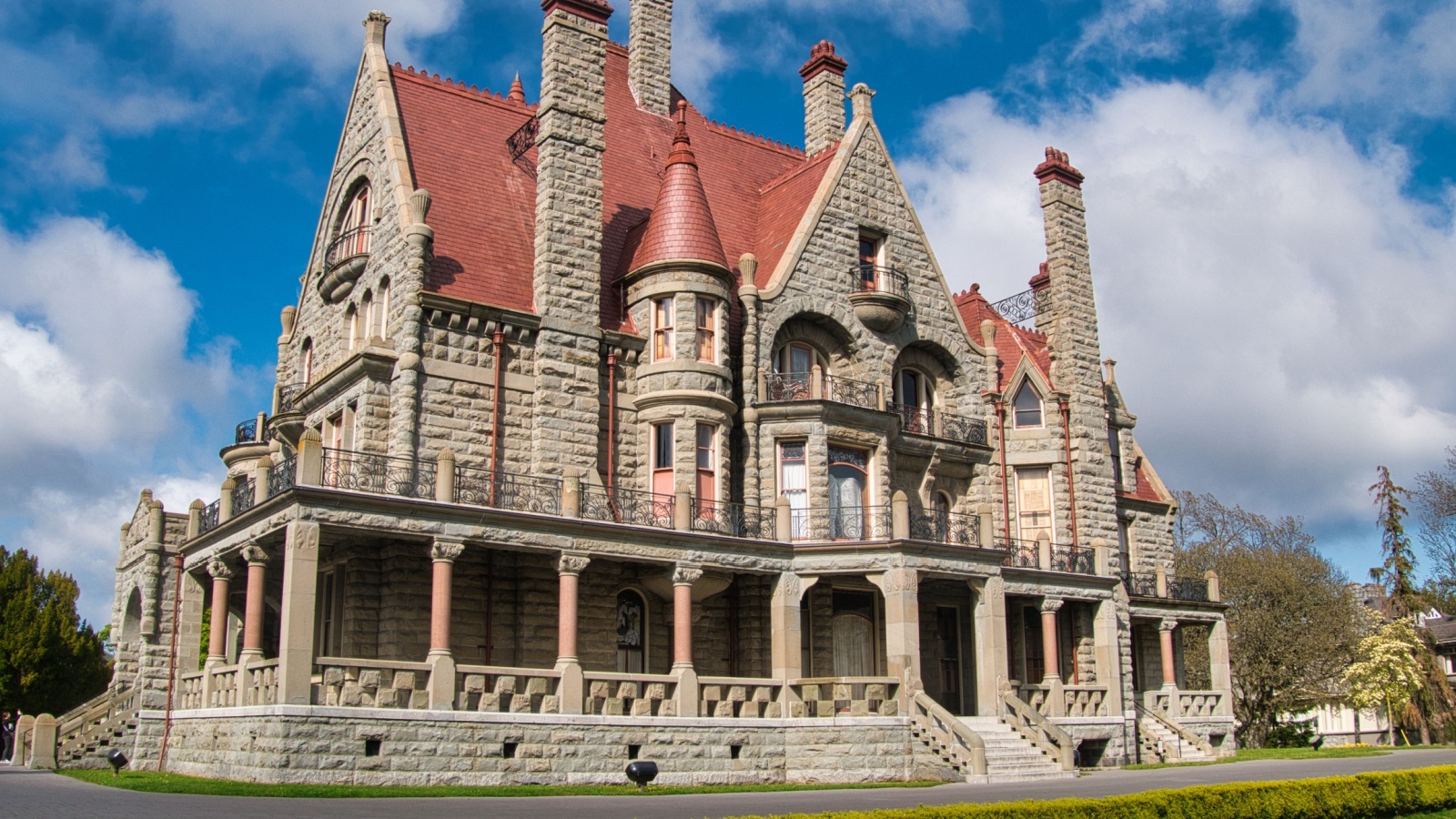
Craigdarroch Castle operated as an elite residence beginning in 1890. Adjacent servant quarters supported daily estate operations until the property transfer away from the Dunsmuir family in the 1910s. While the main mansion underwent heritage restoration through the 1970s–1990s, secondary buildings remained ignored. Roof failures began during the 1980s, leading to internal rot and structural weakening. Emergency stabilizations in the 2000s did little beyond boarding windows. By the 2010s, engineers flagged progressive masonry deterioration. Public focus remained centered on the mansion itself, allowing peripheral structures to decline without consistent funding. These quarters now demonstrate how supporting heritage elements degrade despite proximity to celebrated landmarks.
Grenville Canal Blockhouses – Quebec
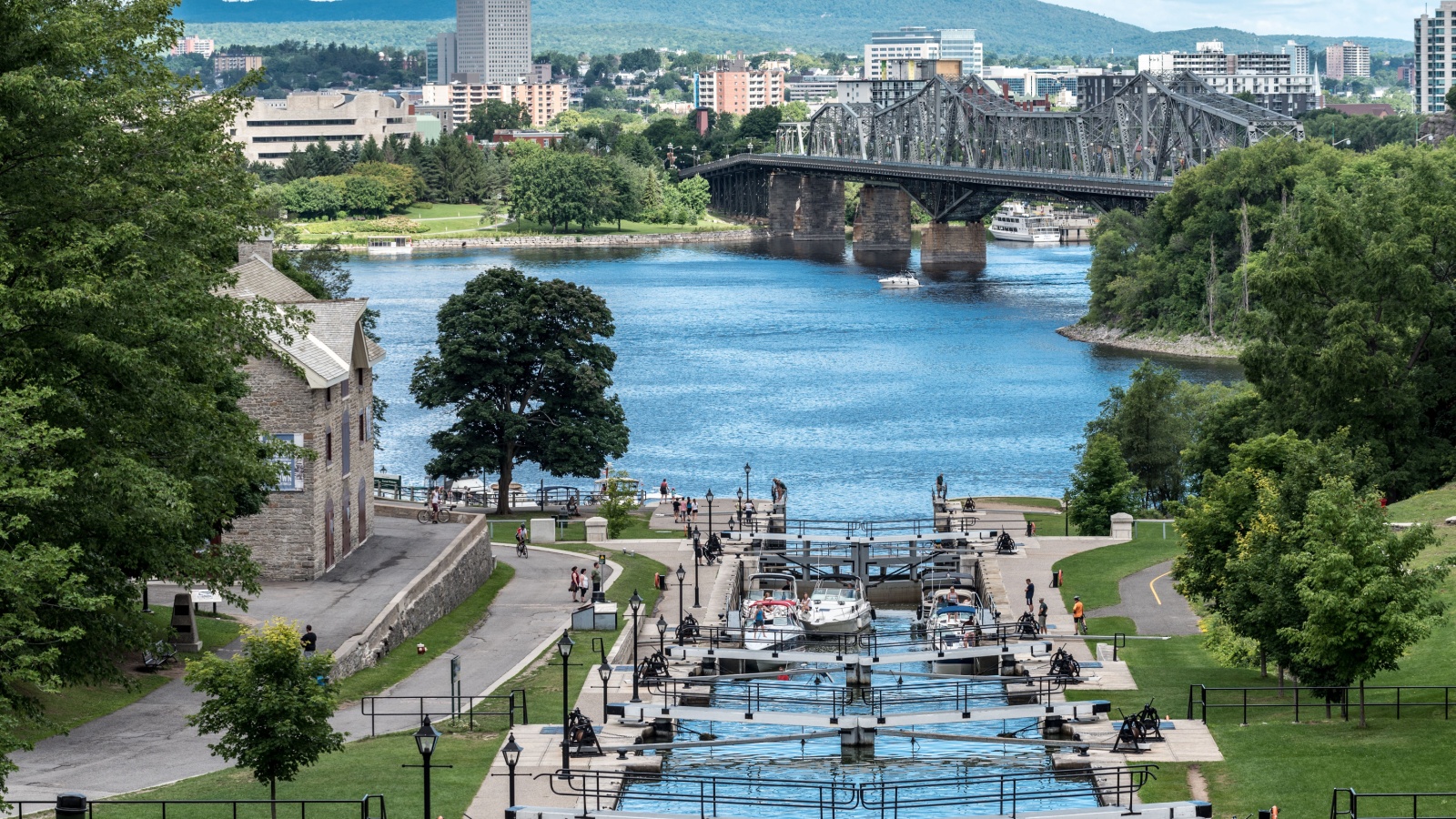
Constructed during the 1830s, the Grenville Canal blockhouses guarded strategic navigation routes along the Ottawa River amid border defence concerns. Military importance declined by 1870, leading to abandonment. Maintenance disappeared entirely by the early 1900s. Freeze-thaw cycles split masonry stones throughout the 20th century. Timber roofs suffered prolonged moisture damage. Temporary stabilization occurred sporadically during the 1980s, yet comprehensive restoration remained unfunded. Vegetation overtook foundations through the 2000s. Safety restrictions now limit visitation. Their deterioration illustrates defensive architecture vulnerability once public usage expires. Without tourism revenue streams, restoration efforts stall indefinitely, leaving one of Canada’s earliest military canal defences slowly crumbling.
Palmerston Grand Trunk Railway Station – Ontario

Opened in 1871, Palmerston Station served a bustling railway junction connecting southwestern Ontario markets. Passenger rail service ended during the national rail contraction in the 1960s. Ownership changed repeatedly through the 1970s–1980s, resulting in repair neglect. Roof leakage persisted into the 1990s, damaging plaster and flooring. Heritage designation arrived in the early 2000s, but no capital funding followed. Structural reports identified load weaknesses by 2015, forcing full building closure. Volunteer preservation groups lacked sufficient resources for restoration. Despite evident local heritage value, the station remains boarded and environmentally vulnerable. Its condition echoes dozens of former rail terminals abandoned after transport modernization left them without viable new purposes.
Tranquille Sanatorium – Kamloops, British Columbia
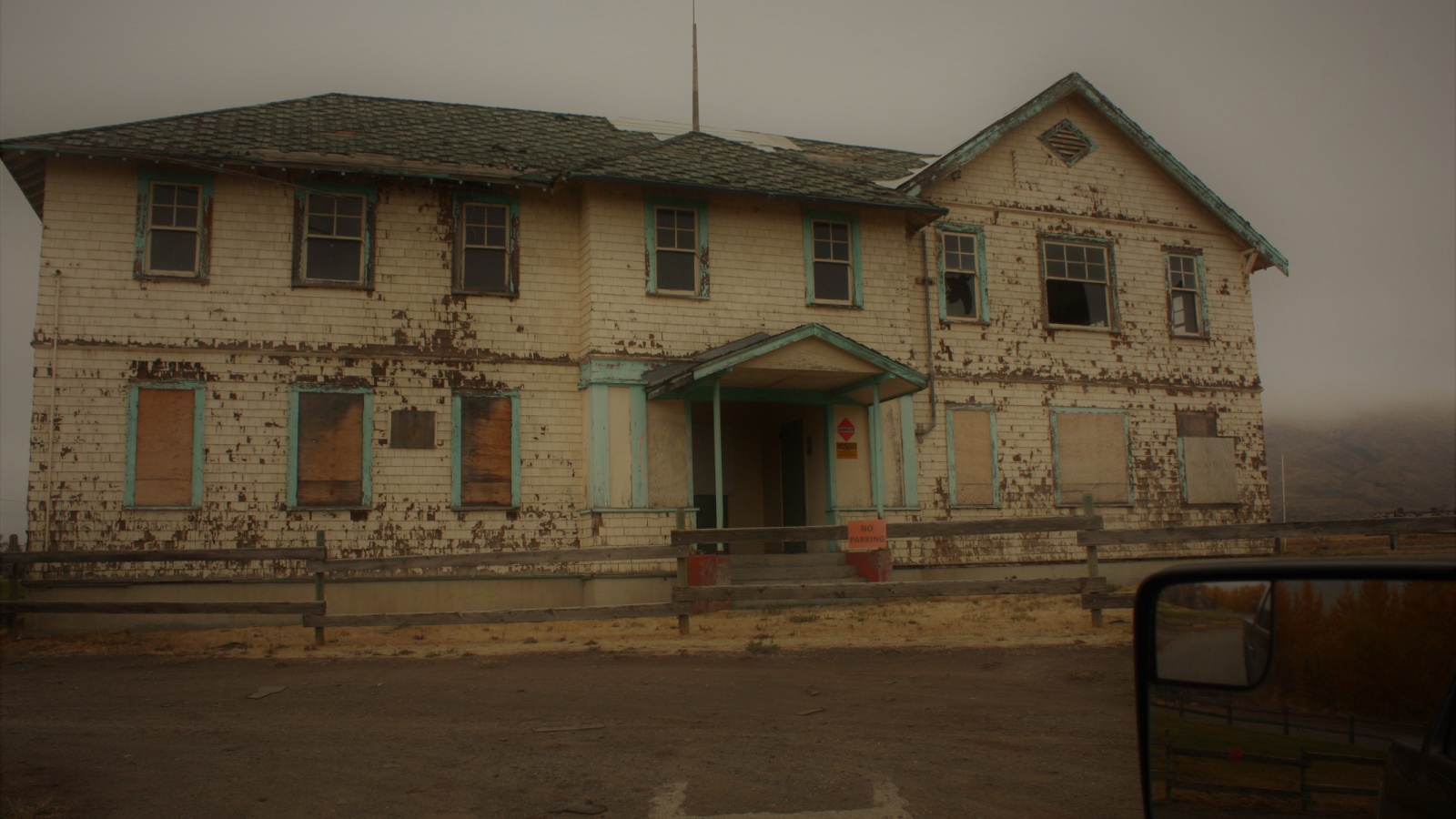
Opened in 1907, Tranquille treated tuberculosis patients until medical advances rendered the facility obsolete by 1958. Provincial operations ended shortly thereafter. Ownership uncertainty followed through the 1960s–1980s, halting consistent maintenance. Roof deterioration accelerated during the harsh winters of the 1990s, causing water infiltration across interiors. Vandalism escalated in the 2000s despite site security attempts. Tourism redevelopment plans stalled repeatedly during the 2010s due to cost projections exceeding feasibility. Partial stabilization now occurs sporadically. Entire wings show advanced collapse risk. These buildings once represented Canada’s public healthcare milestones. Today, their scale and deterioration make restoration financially daunting.
Lower Fort Garry Outbuildings – Manitoba
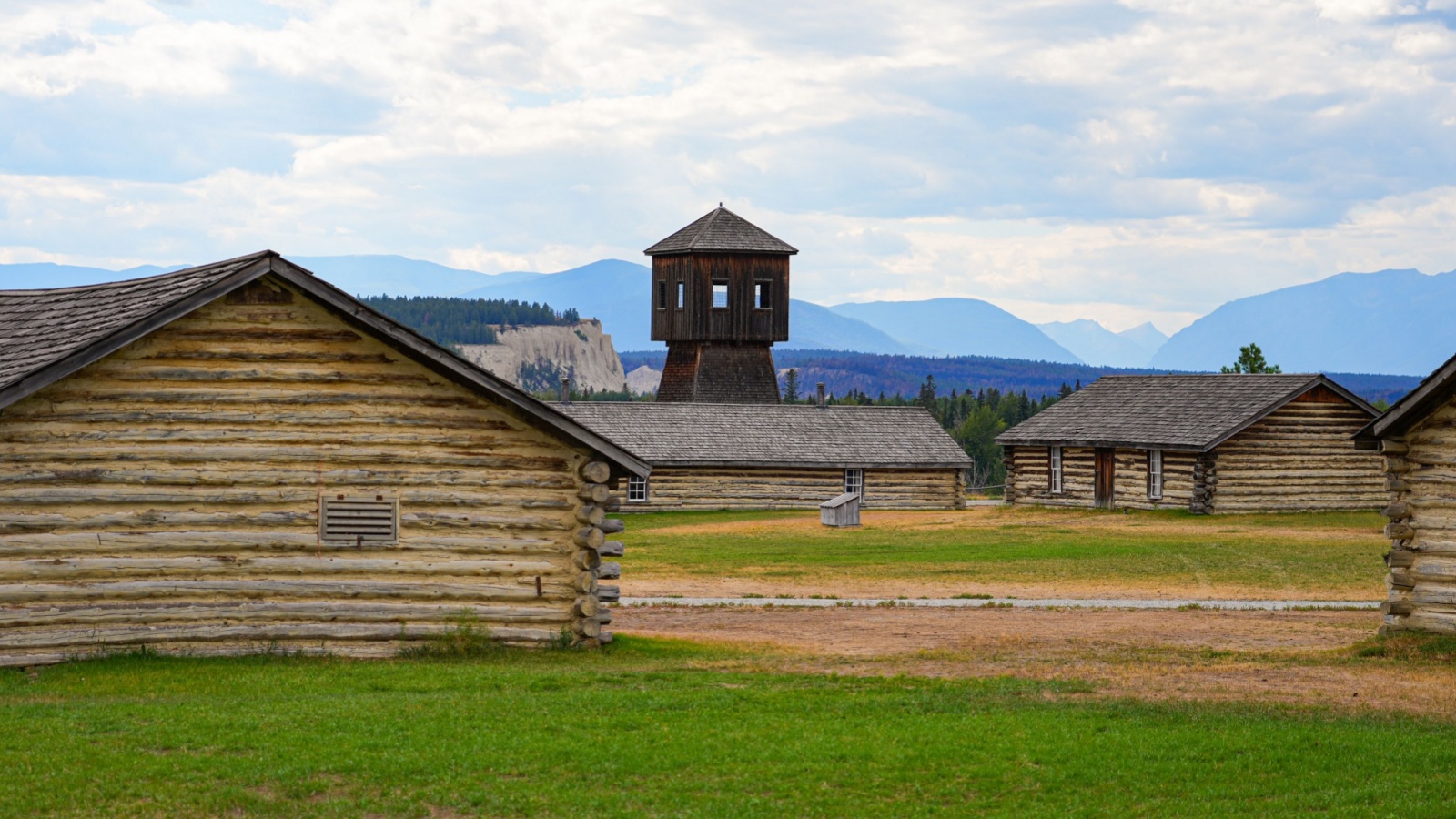
Lower Fort Garry functioned as a Hudson’s Bay Company hub beginning in 1831. Main fort structures gained heritage investment during the 1950s as tourism developed. Supporting outbuildings, however, received minimal long-term preservation attention afterward. Roof sagging first appeared in the 1970s. Timber rot progressed across the 1990s when funding focused exclusively on public exhibits. Minor emergency repairs followed in 2005, yet comprehensive rehabilitation never occurred. Structural shifting increased by 2020, prompting safety closures. The deteriorating outbuildings illustrate how operational spaces fall behind iconic showcase restorations, even within federally protected heritage complexes.
Motherwell Homestead Barns – Saskatchewan
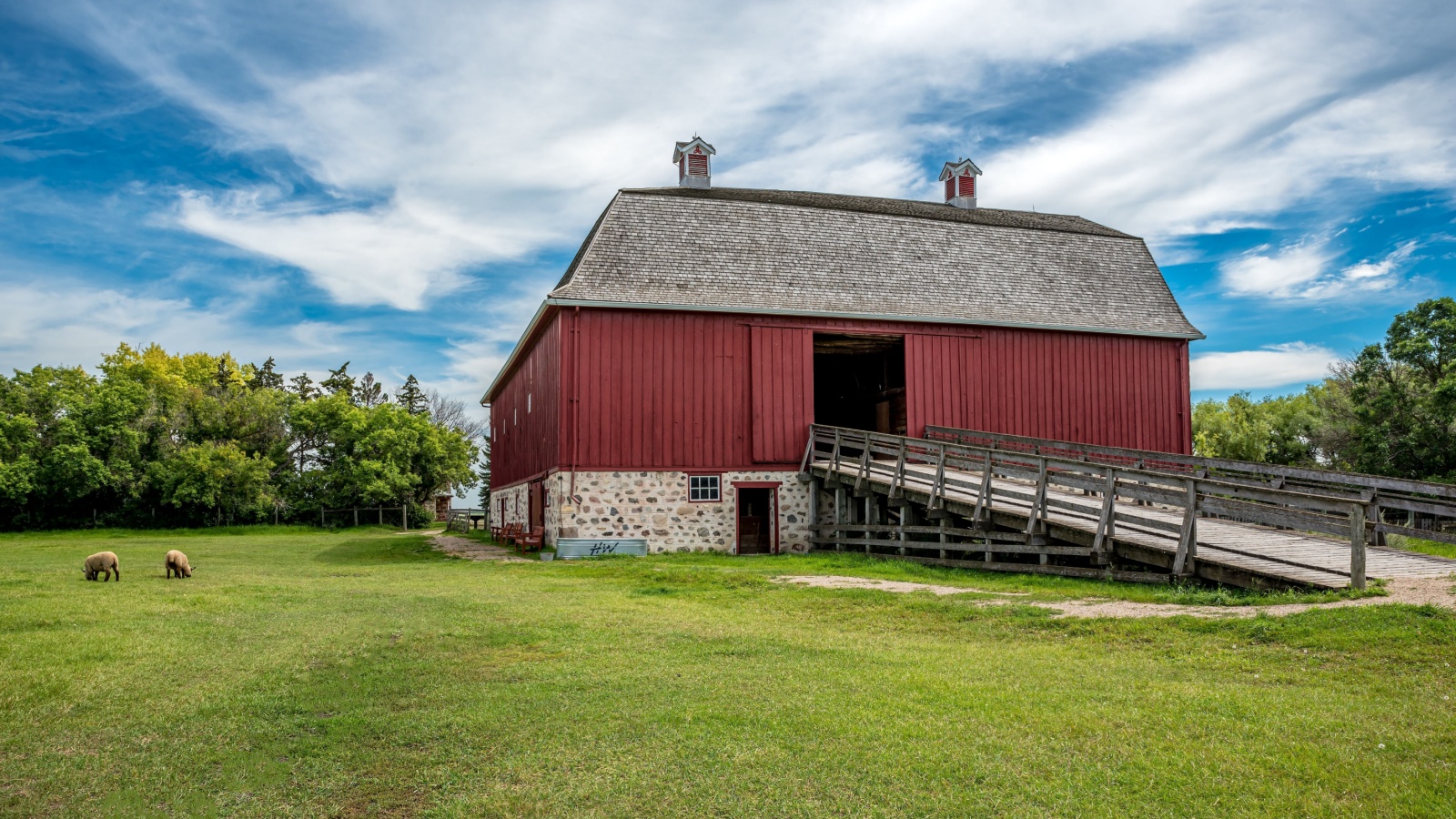
Built alongside the farmhouse in 1889, the barns housed livestock for generations of prairie operations. Farming ended in the in the mid-20th century, leaving the original structures preserved but functionally unused. Exposure to prairie weather began warping roofs during the 1970s. Foundation drift expanded cracks throughout the 1990s. Partial timber bracing installed in 2008 slowed deterioration without reversing it. Tourism programming prioritizes the farmhouse restoration, leaving barns unsupported financially. Engineers warn full reconstruction is necessary by the late 2020s. The barns showcase how heritage agriculture sites struggle without targeted funding for utilitarian buildings rather than residential landmarks.
Cape Tormentine Lighthouse Complex – New Brunswick
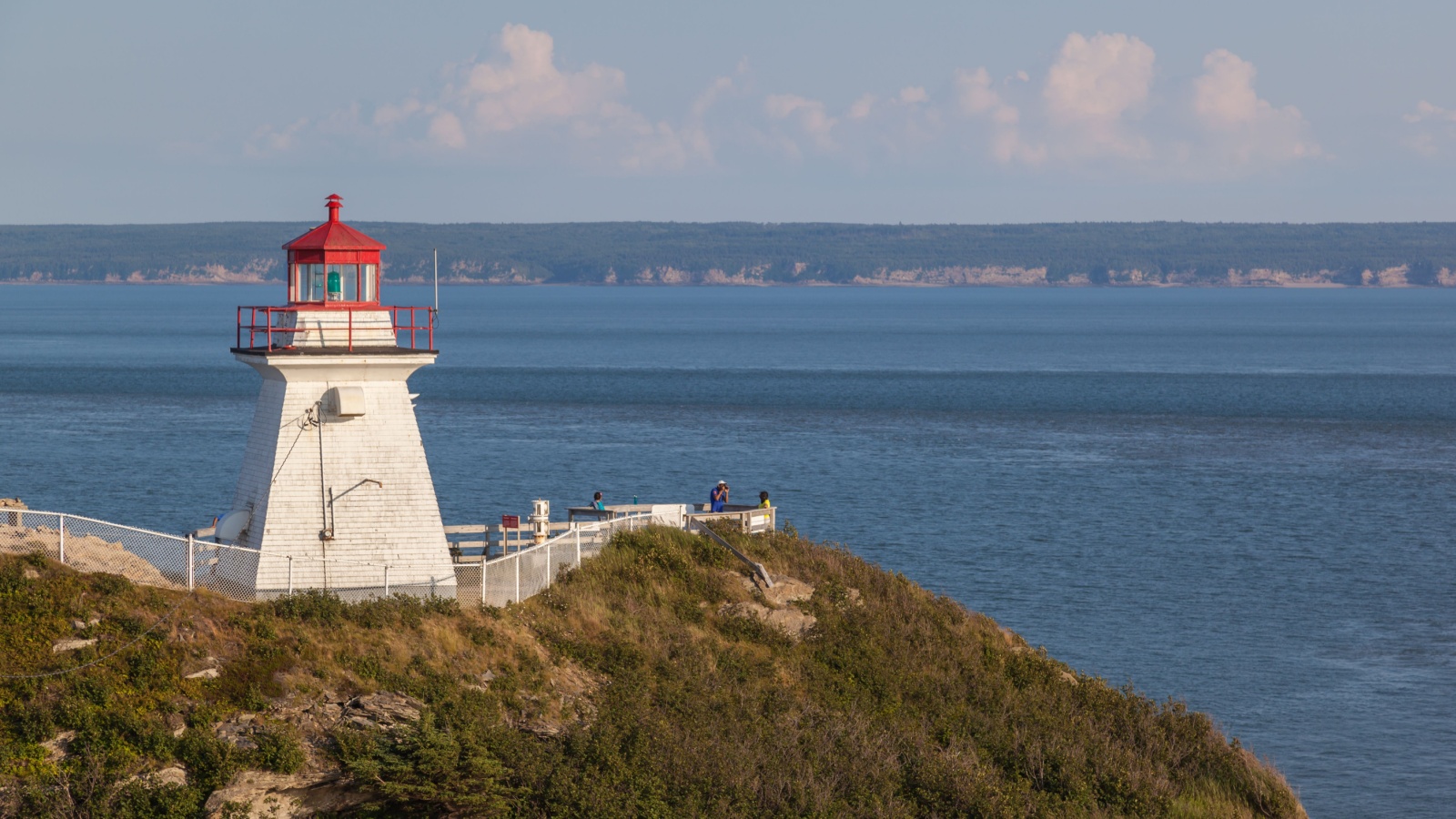
The lighthouse became operational in 1859 to guide Strait traffic. Automation ended staffed operations after 1972, cutting maintenance budgets. Salt spray corrosion worsened across wooden floors and metal fixtures through the 1980s–1990s. Foundation shifting occurred following major storms in 2003. Community preservation proposals surfaced after 2010 but lacked financial backing. Surrounding keeper buildings deteriorated fastest due to roof failures. Access limitations hinder development potential. Today, while the tower remains standing, attached structures approach collapse. The complex typifies Canada’s struggle to preserve decommissioned coastal navigation sites.
Britannia Foundry – Ottawa, Ontario
Established in 1852, the foundry supported urban infrastructure development for decades. Manufacturing ceased by the 1960s as industry relocated. Abandonment allowed frost cracking and interior water damage through the 1980s. Environmental contamination assessments prevented redevelopment during the 1990s–2000s. Heritage designation limited demolition options but came without restoration funding. Activist proposals since 2015 have stalled due to remediation costs. Buildings remain vacant with structural instability. The foundry reveals how industrial heritage preservation often halts under environmental cleanup expense burdens.
Village Historique Acadien Farms – New Brunswick
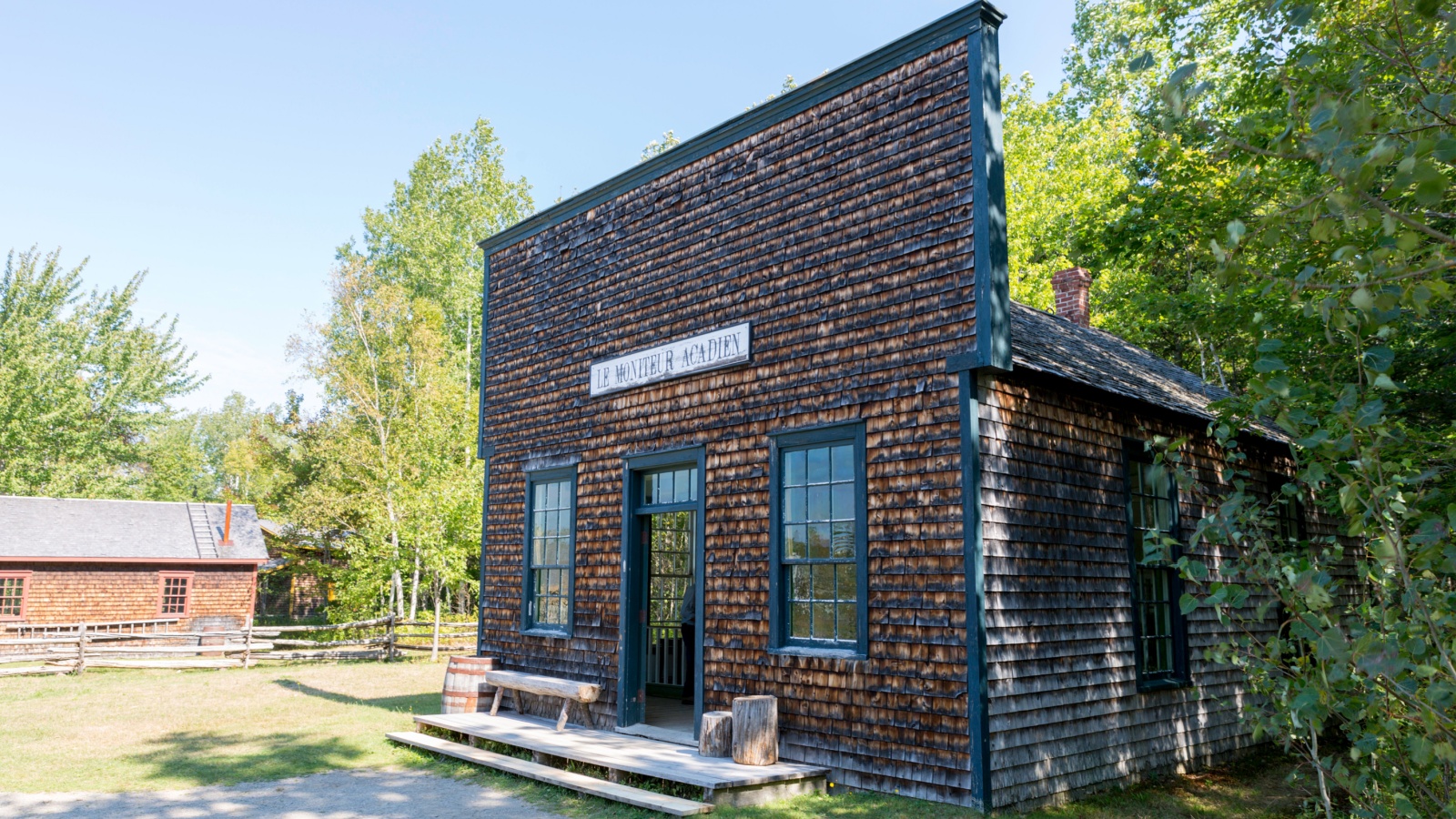
Authentic farm structures assembled during the 1970s recreated Acadian rural life from the 1800s. Visitor revenues sustained maintenance initially. The decline in attendance after 2000 forced reduced upkeep budgets. Timber roofing decay accelerated after 2010. Insect damage spread within the framing by 2018. Several barns closed to the public after safety inspections by 2022. Government funding emphasizes museum operations over structural remediation. These working-heritage buildings now deteriorate despite constant interpretive use, demonstrating the fragility of outdoor reconstructions.
Dunsmuir House Staff Buildings – Vancouver

Constructed during the mansion’s opening era in 1909, staff quarters supported estate operations until mid-20th-century property transfers. Mansion restoration during the 1970s preserved the main building, while surrounding structures deteriorated untreated. Moist coastal weather caused roofing failures by the 1990s. Emergency stabilization occurred sporadically after 2010. Today, continued water infiltration accelerates decay. The neglected buildings illustrate how preservation prioritizes headline landmarks while functional heritage components quietly collapse.
Fort Pelly Trading Post – Saskatchewan
Fort Pelly was established in 1824 as a Hudson’s Bay Company trading center serving prairie fur routes. The post reached peak importance during the 1840s, handling extensive fur and goods exchanges. Trading operations ceased entirely by 1876 when commercial routes shifted southward. Buildings were abandoned soon afterward. Wood-frame structures weathered without protection into the early 1900s. Foundation erosion accelerated deterioration across the following decades. Archaeological interest emerged during the 1990s, resulting in minimal stabilization work. No reconstruction funding followed those studies. Today, only deteriorating remains and exposed foundations mark the site. Seasonal freeze-thaw cycles continue to destabilize buried sections. Tourism access remains limited due to safety concerns. Without active preservation efforts, the location risks losing even its remaining visible features
Michipicoten Trading Post – Ontario

Established in 1851, the Michipicoten Trading Post supported Lake Superior fur operations. Its warehouses once stored pelts bound for eastern markets. Shipping traffic slowed late in the 1800s, reducing the post’s economic role. Commercial operations ended fully by the early 1900s. Vacant buildings stood neglected for decades. Water intrusion weakened roof supports through the 1950s and 1960s. Partial volunteer efforts attempted temporary repairs during the 1990s. Structural decay resumed once small projects ended. Cultural heritage groups renewed interest in 2005, but restoration funding remained insufficient. Wind damage removed exterior siding panels by the 2010s. Interior flooring now sags dramatically. Public access limits restrict tourism development. The post’s decline illustrates how Great Lakes shipping heritage fades without sustained financial commitment or functional reuse planning.
Mindemoya Old Schoolhouse – Ontario

The Mindemoya Schoolhouse opened in 1898 to serve rural Manitoulin Island communities. School consolidation closed the building during the 1960s. Ownership transferred without long-term stewardship planning. Moisture infiltration slowly damaged interior woodwork across the 1970s and 1980s. Roofing failures worsened decay throughout the 1990s. Mold infiltration followed due to poor ventilation. Preservation interest increased after 2005, prompting minimal safety stabilization. Full restoration funding never materialized. Public programming remained impossible due to safety restrictions. Window framing deteriorated rapidly during cold winter cycles. Foundation shifting became apparent after 2015. Despite heritage designation, resources remain unavailable for large-scale rehabilitation. The schoolhouse sits boarded and inaccessible today. Its condition highlights how rural educational buildings face some of the fastest abandonment cycles among Canadian heritage properties.
St. James Street Armoury – Montreal, Quebec
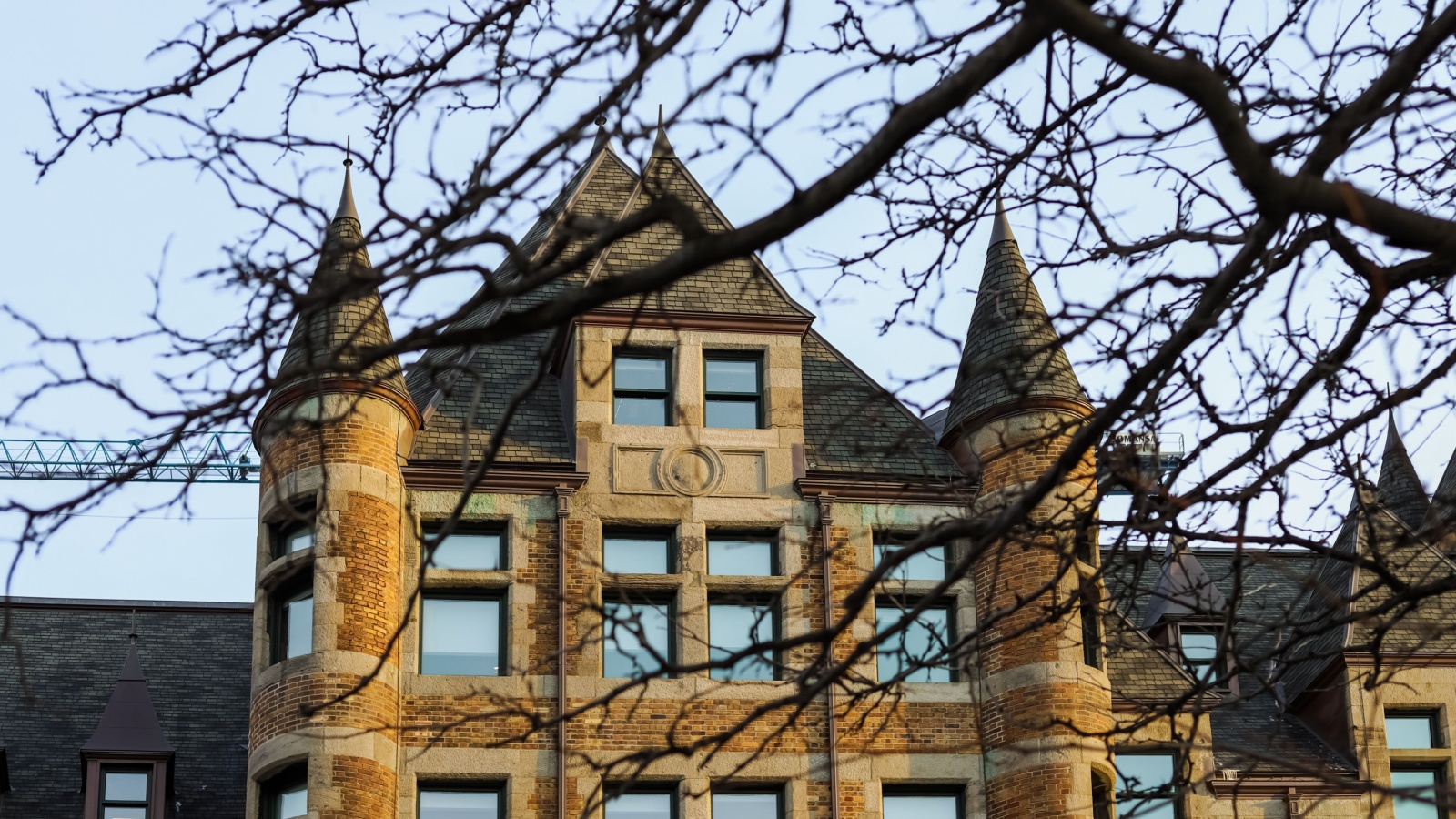
Completed in 1879, the armoury served Montreal’s military units through both World Wars. Postwar defense restructuring drastically reduced building usage during the 1950s. Partial commercial leasing attempts failed by the 1970s. Deferred maintenance led to roof membrane deterioration. Water penetration accelerated masonry cracking through the 1990s. Heritage designation in the early 2000s prevented demolition but did not secure rehabilitation capital. Occasional interior safety improvements addressed hazards only temporarily. Structural engineers identified progressive wall displacement in 2015. Restoration proposals stalled due to escalating cost projections. Interior finishes continue deteriorating while exterior stone erodes. Restricted access now limits community engagement entirely.
Fort Steele Outbuildings – British Columbia
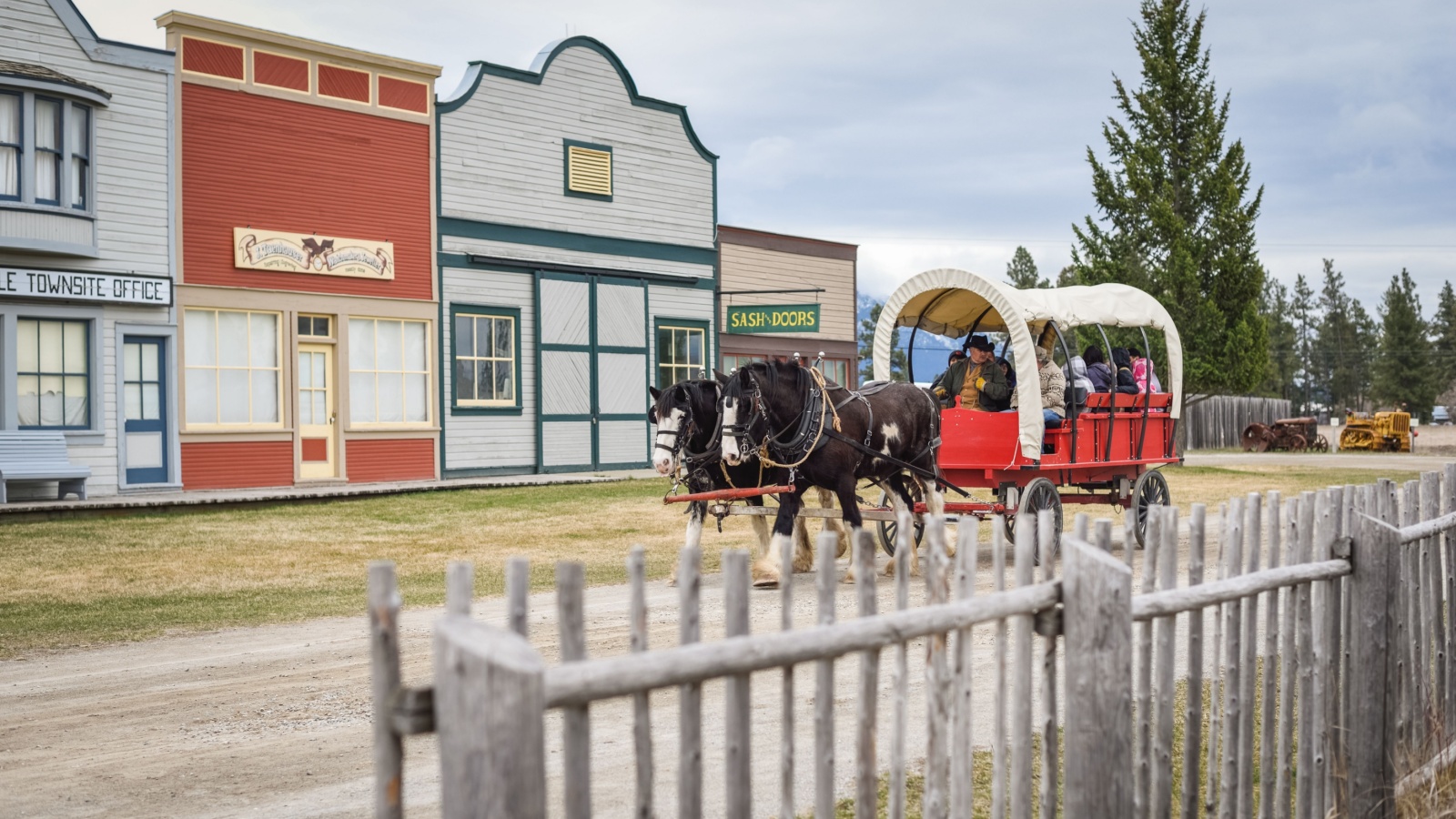
Fort Steele developed during regional mining expansion beginning in 1890. Tourism reconstruction preserved storefront facades mid-site. Outbuildings used for storage and livestock received limited attention. Weather exposure began degrading timber elements by the 1980s. Missing roof shingles allowed water infiltration throughout the 1990s. Temporary repair efforts addressed only immediate safety needs. Comprehensive restoration remained unfunded. Wooden framing now shows structural bowing. Soil subsidence weakened foundations over time. Preservation programming focuses on public walkways rather than service structures. Engineers warned of partial collapse risks in 2018. Several areas remain fenced from visitors.
Signal Hill Battery Bunkers – Newfoundland and Labrador
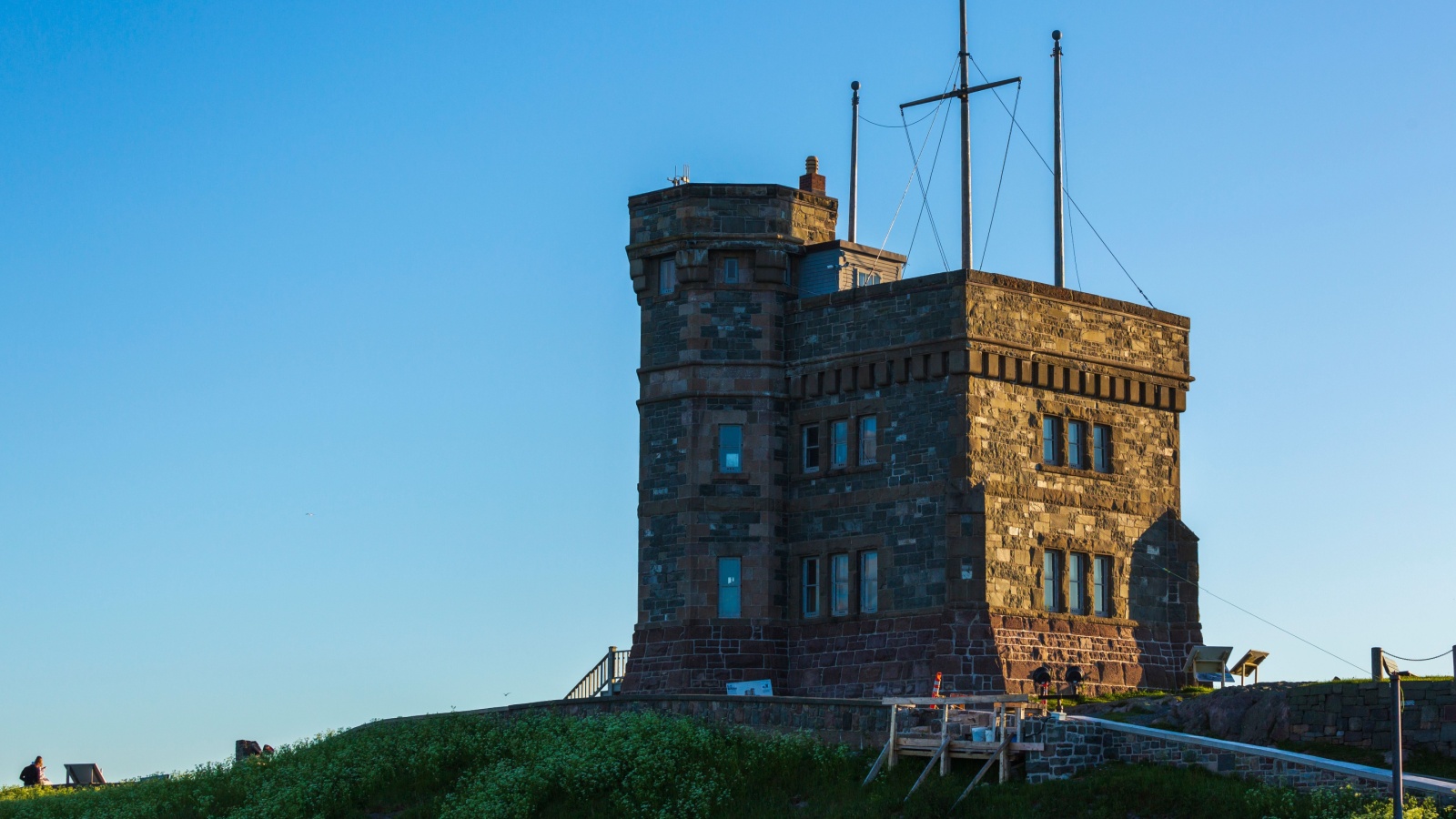
Built during World War II, Signal Hill bunkers formed part of the coastal defense systems. Military decommissioning occurred by 1965, leaving structures unused. Coastal erosion accelerated deterioration throughout the 1980s. Salt exposure cracked concrete surfaces during freeze cycles. Safety fencing installed in the 1990s restricted visitor proximity. No structural reinforcement followed beyond minimal stabilization. Structural collapse risks increased throughout the 2010s. Funding priorities favoured nearby interpretation sites rather than bunker rehabilitation. Vegetation growth compromised drainage systems. Interior ceilings show visible concrete spalling today. Public access remains restricted indefinitely. These bunkers highlight challenges in preserving wartime infrastructure, lacking functional tourism adaptation opportunities.
Bigwin Inn Auxiliary Buildings – Ontario
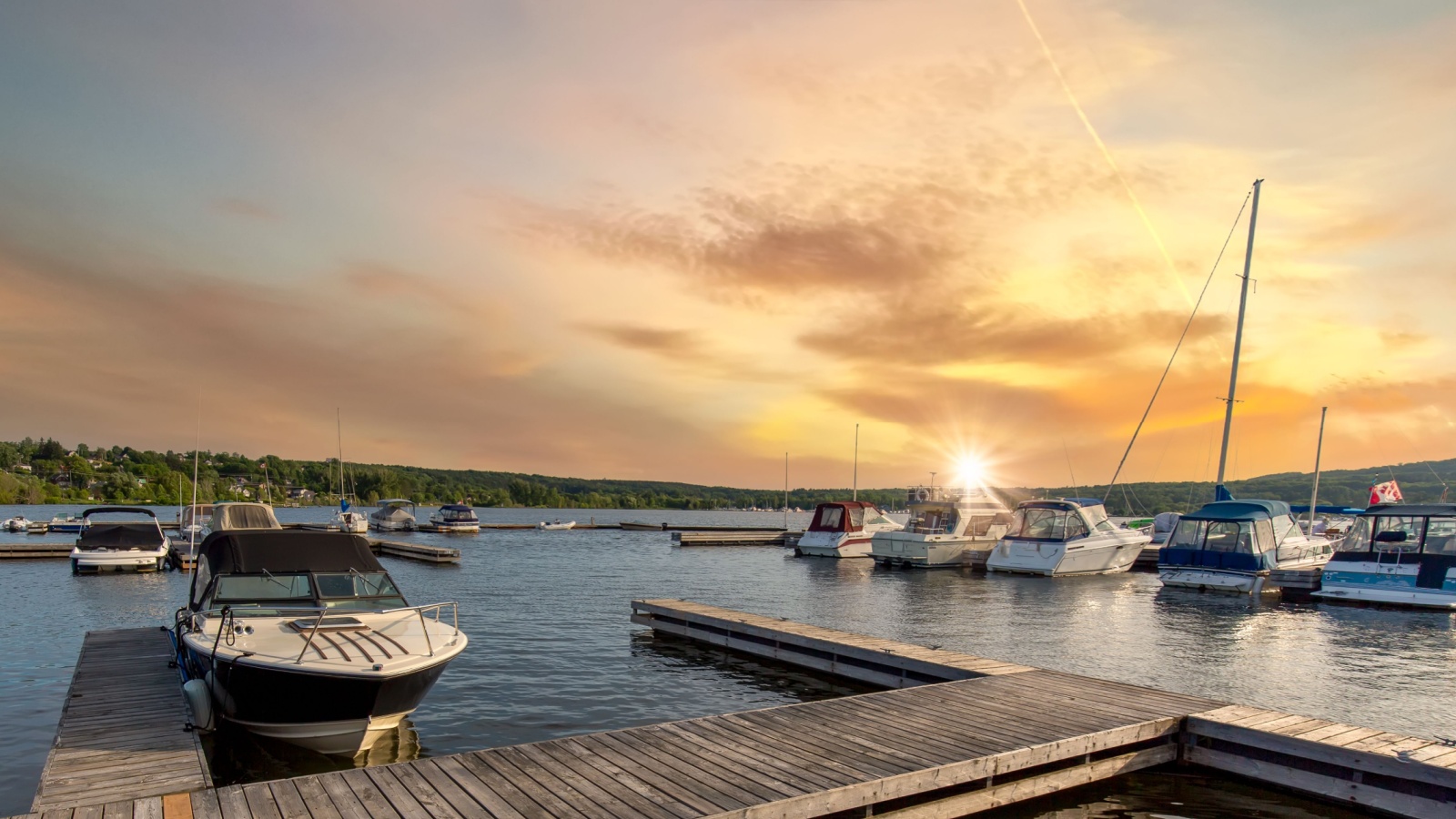
The Bigwin Inn opened in 1920 as a luxury Muskoka resort. Operations declined during the 1960s before the hotel closed in 1969. Main building stabilizations occurred later, but outbuildings received little funding. Seasonal neglect allowed roof collapses through the 1980s. Moisture infiltration deteriorated wooden interiors steadily. Some structures became unsafe by the 1990s. Limited cleanup efforts followed, yet remediation funding remained absent. Vandalism compounded interior destruction. By the 2010s, most auxiliary buildings were fully boarded. Forest growth now strains exterior walls. These structures represent lost hospitality heritage. Continued decay threatens irreversible loss without large-scale, coordinated intervention.
Dawson City Warehouse – Yukon
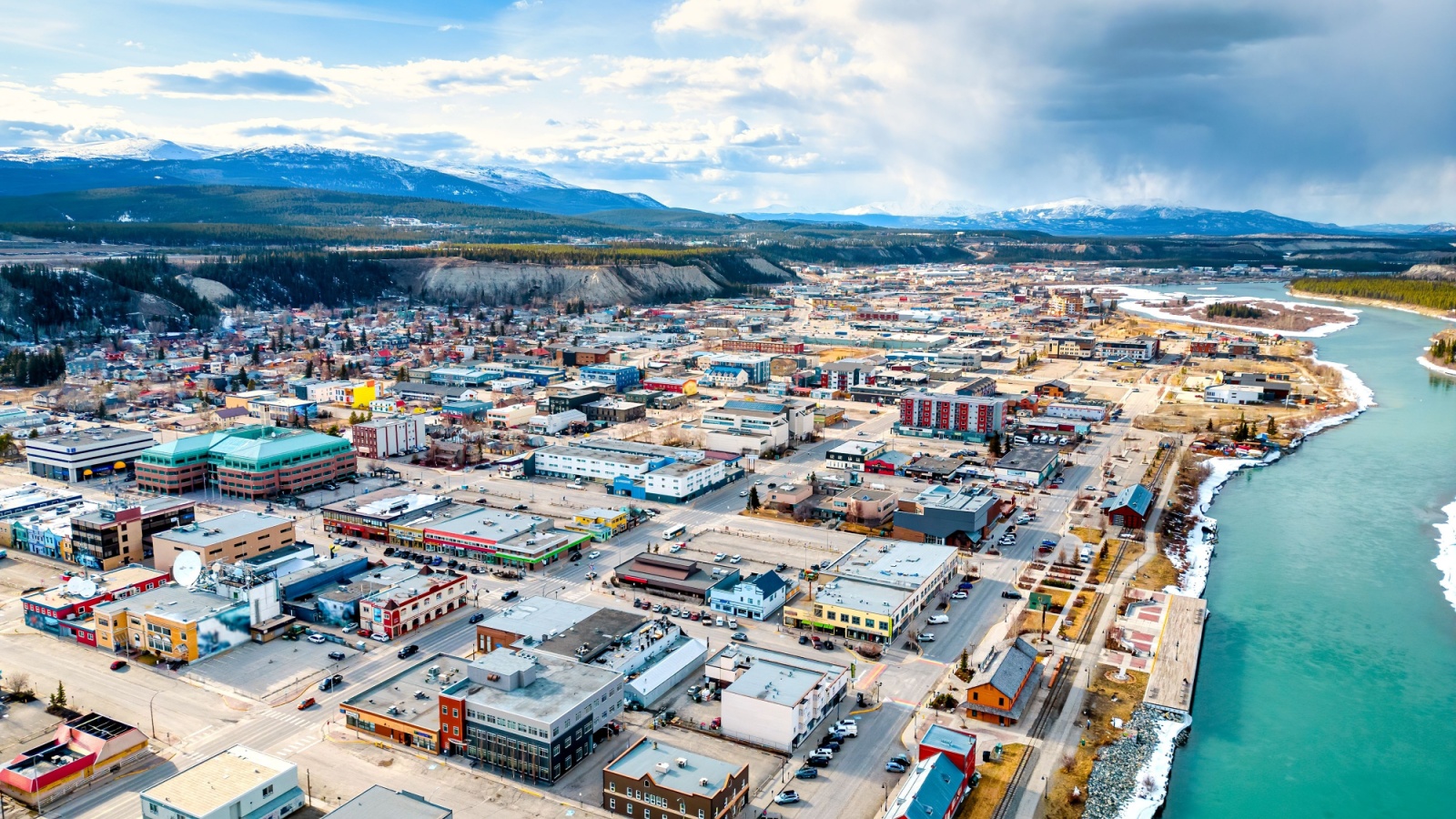
Constructed during the 1897 Gold Rush, this warehouse stored mining equipment and supply goods. Commercial demand vanished after the boom declined by 1910. Building reuse decreased steadily throughout the 20th century. Permafrost shifting began destabilizing foundations during the 1990s. Structural tilting became visible after 2005. Climate-driven ground thaw accelerated movement. Temporary shoring installed in 2012 provided minimal stabilization. No full remediation followed. Sagging roof sections invite snow weight stress accumulation. Interior floors remain uneven and unsafe. Access restrictions limit tourism uses. Funding barriers persist due to the engineering complexities of permafrost repairs. This structure demonstrates how northern heritage buildings face compounded risks from climate impacts and isolated restoration funding challenges.
Victoria Coal Trestles – British Columbia

Erected in the 1890s, the coal trestles transferred fuel from mines to coastal shipping vessels. Mining ceased operations by 1930, abandoning the structures. Wooden beams weathered untreated for decades. Salt fog corrosion weakened fasteners through the 1960s. Major storms fractured support sections during the 1980s. Preservation interest increased briefly in 2000, without capital funding. No stabilization followed. Rot now permeates load-bearing posts. Collapse risks escalated by 2020. Safety fencing restricts access entirely. Engineers warn that full structural failure could occur without major intervention. The trestles embody industrial maritime heritage vulnerability once commercial utility ends.
York Redoubt Barracks – Nova Scotia

Constructed in 1793, York Redoubt formed part of Halifax’s coastal defense network. Active military use continued into the 1860s. The site transitioned into a heritage park during the 1950s. Maintenance budgets tapered after ownership changes. Roof deterioration began during the 1980s due to moisture entrapment. Stone mortar erosion progressed through the 1990s. Minor repairs provided only surface stabilization. Engineers cited masonry instability by 2010. Interior floors weakened under foot traffic loads. Visitor access became restricted to limited zones. Without full restoration funding, long-term preservation prospects remain uncertain. The barracks highlight how early colonial defenses fade when upkeep funding fails to sustain complex masonry structures.
22 Groceries to Grab Now—Before another Price Shock Hits Canada

Food prices in Canada have been steadily climbing, and another spike could make your grocery bill feel like a mortgage payment. According to Statistics Canada, food inflation remains about 3.7% higher than last year, with essentials like bread, dairy, and fresh produce leading the surge. Some items are expected to rise even further due to transportation costs, droughts, and import tariffs. Here are 22 groceries to grab now before another price shock hits Canada.
22 Groceries to Grab Now—Before another Price Shock Hits Canada
This Options Discord Chat is The Real Deal
While the internet is scoured with trading chat rooms, many of which even charge upwards of thousands of dollars to join, this smaller options trading discord chatroom is the real deal and actually providing valuable trade setups, education, and community without the noise and spam of the larger more expensive rooms. With a incredibly low-cost monthly fee, Options Trading Club (click here to see their reviews) requires an application to join ensuring that every member is dedicated and serious about taking their trading to the next level. If you are looking for a change in your trading strategies, then click here to apply for a membership.