
35,000+ smart investors are already getting financial news, market signals, and macro shifts in the economy that could impact their money next with our FREE weekly newsletter. Get ahead of what the crowd finds out too late. Click Here to Subscribe for FREE.
Many Canadian snacks became household standards long before detailed ingredient labels drew much consumer attention. Families built memories around the familiar flavours of chocolate bars, cookies, chips, and bakery treats. Over time, manufacturing pressures quietly reshaped many recipes. Ingredient sourcing shifted globally as companies chased stability and affordability. Oils replaced dairy fats. Artificial Flavors replaced natural extracts. Preservatives lengthened shelf life. Here are 17 beloved Canadian snacks that have secretly changed ingredients.
Coffee Crisp
17 Beloved Canadian Snacks That Have Secretly Changed Ingredients

Coffee Crisp still promises layers of coffee wafer and milk chocolate. Earlier versions relied more heavily on cocoa butter and authentic coffee extracts. Over time, vegetable fats replaced portions of those cocoa components. Coffee flavour now comes largely from processed concentrates rather than brewed extracts. Sugar ratios increased for sweetness balance against milder cocoa notes. Palm oils improved shelf stability and transportation resistance. Texture softened slightly as emulsifiers entered the mix. The familiar crisp snap remains, although longtime fans often describe the flavour as less roasty.
Hawkins Cheezies

Hawkins Cheezies built their reputation on intense aged cheddar flavour and limited ingredients. Earlier powders came from more localized dairy sources. Global sourcing later replaced much of that supply chain. Stabilizers were added to hold seasoning evenly during long shipping cycles. Sodium content increased slightly to maintain flavour intensity when cheese content softened. Artificial coloring replaced dairy-based natural tints to standardize brightness. Preservatives extended crunch longevity in sealed packaging. The snack still delivers a bold taste, though texture runs slightly lighter than remembered by longtime fans. Ingredient lists grew longer even while the branding maintained simplicity.
Dare Maple Leaf Cookies

Maple Leaf Cookies once leaned more heavily on maple-derived flavour components. Natural extracts gradually gave way to synthetic aroma compounds. Butter content partly shifted toward vegetable oils to stabilize softness during shipping. Preservatives boosted shelf longevity for coast-to-coast distribution demands. Sweetness levels rose while authentic maple intensity declined. Texture softened into a more uniform consistency across batches. Ingredient labels expanded with emulsifiers and stabilizing agents. The cookie still delivers maple-themed comfort. Flavour complexity became increasingly manufactured rather than syrup-driven.
Jos Louis

Jos Louis originated as a rich cake filled with dairy-based cream and real chocolate coatings. Margarine replaced butter when dairy pricing fluctuated. Artificial vanilla substituted natural extracts for aroma stability. Sugar blends incorporated corn syrup solids for moisture retention. Preservatives extended shelf timelines for national transport efficiency. Palm oil replaced some cocoa fats in the chocolate shell. Cocoa presence diminished slightly to accommodate sweetness increases. Cake texture moved toward a softer, sponge-like density rather than bakery firmness. The iconic appearance remained untouched. Fans frequently report a sweeter, less chocolate-forward taste profile.
Aero Bars

Aero bars maintained their bubble texture across decades. Cocoa butter content gradually decreased as vegetable fats entered production formulas. Artificial vanilla replaced some natural cocoa aromatics. Emulsifiers improved bubble uniformity during cooling cycles. Sweetness adjustments compensated for lighter cocoa flavour. Melt resistance improved significantly through fat substitutions. Ingredient lists expanded quietly. Aeration remained visually consistent while taste depth softened. Packaging still reflects classic European chocolate imagery. Canadian consumers continue associating Aero with premium chocolate.
Hickory Sticks

Hickory Sticks started with cleaner frying oils and smoked seasoning blends. Blended oils later replaced single-source canola cooking methods. Liquid smoke flavouring substituted true smoke-extract blends. Sodium content increased to boost perceived seasoning impact. Stabilizers prevented oil separation during long storage. Crisp texture became lighter as frying mediums changed viscosity. Ingredient complexity rose without altering packaging presentation. Snack aroma remains distinct despite authenticity shifts. Manufacturing consistency became the governing principle. Production now favours uniform taste between batches over handcrafted seasoning depth. Canadian fans still enjoy the nostalgic crunch.
Caramilk

Caramilk originally featured cream-forward caramel suspended in real chocolate. Dairy cream gradually shifted to modified milk ingredients. Vegetable fats replaced portions of dairy in caramel preparation. Corn syrup blends increased smoothness consistency. Stabilizers ensured controlled caramel flow during production. Emulsifiers balanced texture stability under varied temperatures. Chocolate coatings matched broader industry fat substitutions. Rich dairy notes softened. Filling thickness became denser compared to earlier versions. Ingredient lists expanded beyond simple cream-and-sugar foundations. Packaging remained unchanged despite the recipe evolution.
Old Dutch Ripple Chips
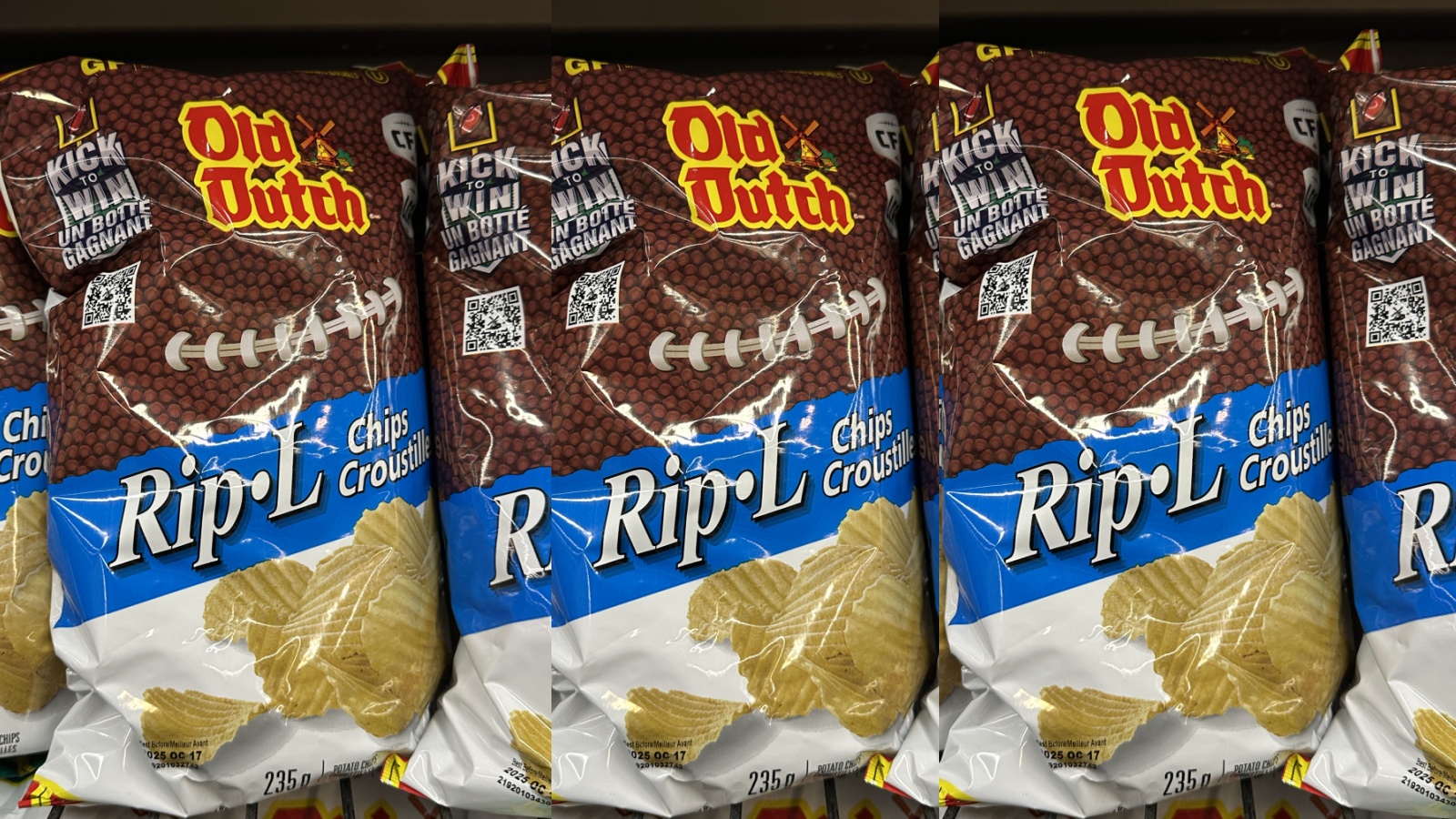
Old Dutch ripple chips were once fried in singular-source canola oil. Blended oils replaced that simplicity for cost management. Artificial flavour enhancers offset seasoning adjustments tied to sodium balance changes. Texture density shifted slightly due to oil viscosity differences. Shelf stabilizers preserved chip freshness over longer distributive timelines. Trace sweeteners entered seasonings to enhance contrast. Crunch became lighter than previous heavier fry profiles. Ingredient lists lengthened without visible web marketing notices. Branding remained classic and unchanged. Canadian snackers still associate the chips with tradition.
Smarties

Canadian Smarties began coloured with natural plant extracts. Artificial dyes replaced botanical colouring years later. Palm oil coatings supplanted earlier shell binders. Chocolate ratios fell as sugar content rose modestly. Soy lecithin is entered as a texture regulator. Synthetic wax replaced natural gloss agents. Shell shine increases masked recipe modifications visually. Vibrancy improved even while ingredient quality was simplified. Packaging continued emphasizing heritage. The ingredient profile transformed substantially without public recipe announcements.
Wagon Wheels
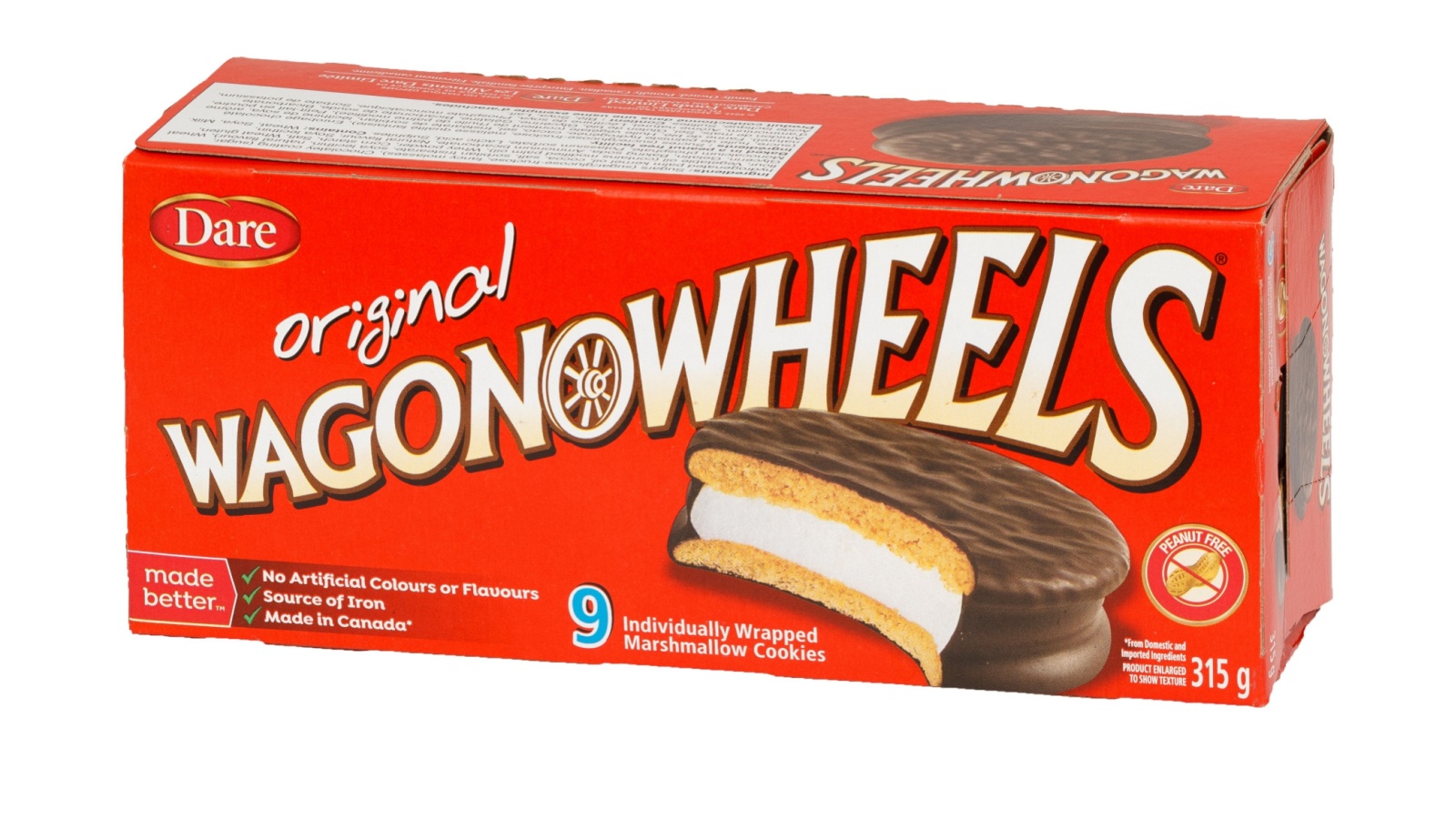
Wagon Wheels originally emphasized biscuit density and marshmallow made from simpler gelatin bases. Stabilizers entered marshmallow production to hold volume under temperature changes. Vegetable oils replaced cocoa butter in chocolate coatings. Sweetener ratios increased for longer moisture retention. Biscuit composition softened slightly due to fat substitutions. Emulsifiers improved coating adhesion during packaging. Shelf stability rose dramatically while bakery-style firmness declined. Packaging never changed its rustic aesthetic. The snack remains widely loved. Flavor gradually shifted toward sweetness dominance rather than cocoa balance.
Christie Peek Freans Cookies

Peek Freans cookies began using butter-heavy baking formulas. Vegetable oils replaced dairy fats to stabilize texture in shipping climates. Artificial flavour components substituted for vanilla extracts. Leaveners adjusted to match altered fat behaviour. Preservatives extended shelf timelines significantly. Crispness softened into consistent chew textures. Sugar blends integrated corn syrups for moisture control. Ingredient transparency expanded on labels, though unnoticed by buyers. Packaging remained identical. Taste leaned sweeter and milder.
Ritz Crackers

Ritz formulation shifted from butter reliance to vegetable oil bases. Emulsifiers stabilize dough lamination. Sodium composition changed for flavour balance consistency. Artificial butter flavour replaced some dairy proxies. Preservatives lengthened shelf durability. Texture lightened as oil ratios altered. Ingredient lists expanded moderately. Packaging retained classic red designs. Canadians still perceive buttery richness, though derived flavouring pathways have changed. Manufacturing now favours texture uniformity rather than dairy authenticity.
Digestive Biscuits
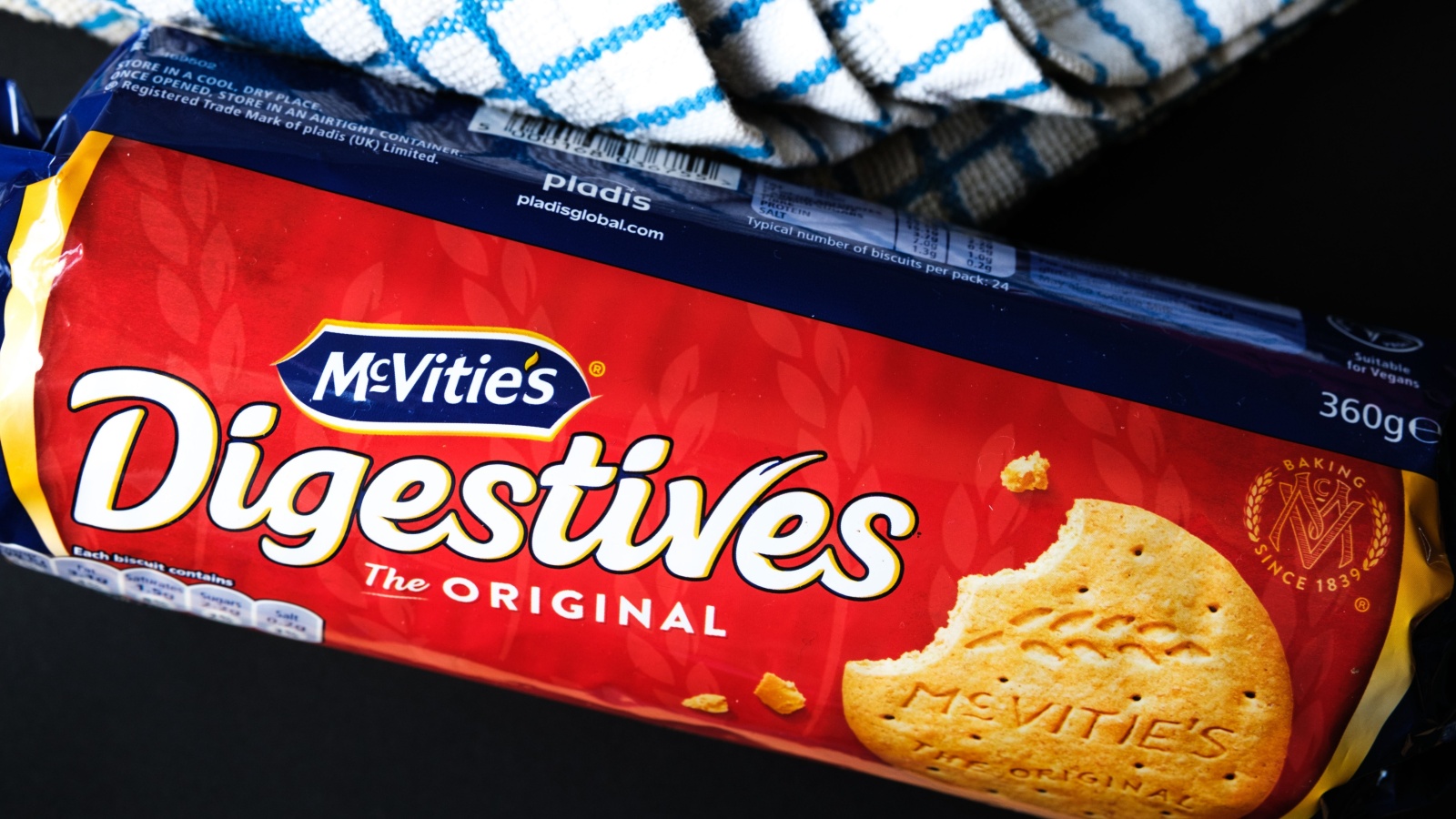
Digestives once relied heavily on dairy fats and high-cocoa flavouring. Vegetable fats replaced butter components. Sweeteners increased to maintain taste consistency. Reduced cocoa levels softened bitterness. Stabilizers improved shipping tolerance. Texture became airier. Ingredient simplification aided mass manufacturing scale. Flavor complexity declined slightly. Packaging remained familiar for Canadian shoppers. Ingredient reformulation ensured mass-market accessibility over culinary originality.
Fudgee-O Cookies
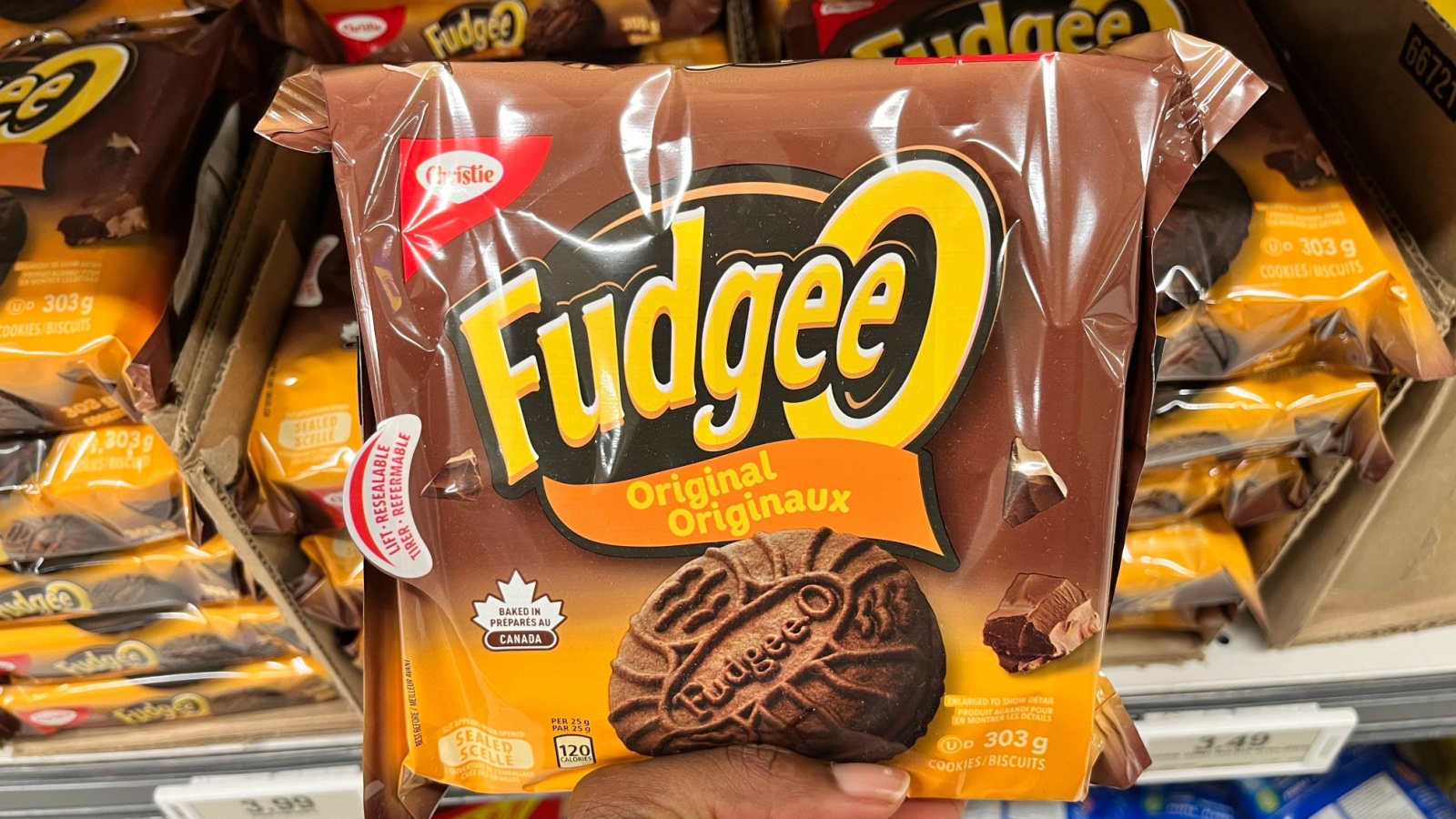
Fudgee-Os were long valued for their rich chocolate coating and sturdy sandwich-style cookie texture. Over time, cocoa butter in the chocolate layer was partially replaced with blended vegetable fats to increase heat stability and cut ingredient costs. This switch reduced cocoa depth while increasing shelf durability. Artificial chocolate flavour compounds were intensified to compensate for diminished real cocoa presence. Sugar ratios increased across both the cookie and filling to reinforce flavour perception. Stabilizers thickened the cream center so it would maintain shape during national distribution. Emulsifiers were added to prevent separation during mass packaging. These changes softened the wafer snap slightly and reduced chocolate bitterness.
Bear Paws

Bear Paws originally leaned on dairy fats and simpler binding ingredients to produce their soft cake texture. As production scaled nationally, butter gradually gave way to vegetable oils better suited for temperature variation and storage predictability. Preservatives were introduced to prevent staling over extended shipping routes. Sweetener blends became more complex to maintain softness retention while compensating for lower dairy fat richness. Artificial flavour boosts increased chocolate aromas using less cocoa powder. Moisture regulators helped control crumb consistency across varied humidity conditions. Cake density became lighter while sweetness increased. Ingredient panels expanded noticeably even as branding stayed unchanged. Parents often remember richer flavors from earlier versions. Today’s Bear Paws prioritize consistent softness and shelf safety rather than traditional baking elements.
Thrills Gum

Thrills gum has always stood out for its distinctive rose flavour. Earlier formulas used more natural resin gum bases that produced a denser, chewy texture. Modern versions transitioned toward fully synthetic bases that resist breakdown longer while maintaining elasticity. Artificial rose flavour compounds became standardized for consistency across batches. Sweeteners expanded to include sugar alcohol blends that reduce stickiness and prolong flavour delivery. Coating agents replaced earlier glazes to enhance shine and shelf durability. Texture grew smoother and less rigid as chewing endurance became a manufacturing focus. Ingredient simplification emphasized stability over natural sourcing. Taste remains polarizing yet unmistakable.
Kinder Surprise

Kinder Surprise once highlighted cream-forward fillings paired with chocolate containing higher cocoa butter proportions. Over time, milk powder ratios increased, shifting flavour balance toward sweetness and reducing cocoa intensity. Palm fat blends replaced sections of cocoa butter to improve melt resistance during transport. Emulsifiers standardized the shell thickness for consistent toy encapsulation quality. Filling texture thickened through stabilizers to prevent leakage at warmer temperatures. Sugar levels rose subtly as dairy richness declined. Vanilla flavour compounds strengthened aroma perception artificially. Ingredient lists grew longer without public acknowledgment of recipe updates. The iconic snap and creamy center still define the experience. Many Canadian parents describe the chocolate tasting milder than in past decades.
This Options Discord Chat is The Real Deal
While the internet is scoured with trading chat rooms, many of which even charge upwards of thousands of dollars to join, this smaller options trading discord chatroom is the real deal and actually providing valuable trade setups, education, and community without the noise and spam of the larger more expensive rooms. With a incredibly low-cost monthly fee, Options Trading Club (click here to see their reviews) requires an application to join ensuring that every member is dedicated and serious about taking their trading to the next level. If you are looking for a change in your trading strategies, then click here to apply for a membership.