
35,000+ smart investors are already getting financial news, market signals, and macro shifts in the economy that could impact their money next with our FREE weekly newsletter. Get ahead of what the crowd finds out too late. Click Here to Subscribe for FREE.
Canadian winters create extreme hazards for everyday drivers. Snowstorms arrive suddenly, and highways ice over without warning. Insurance protection depends on compliant driving behaviour always. Even small mistakes can destroy claim eligibility completely. Many drivers wrongly assume coverage applies automatically after accidents. Policies impose strict conditions regarding safe vehicle operation. Here are 15 winter driving mistakes that will void your insurance immediately.
Driving with Uncleared Windows
15 Winter Driving Mistakes That Will Void Your Insurance Immediately
- Driving with Uncleared Windows
- Leaving Snow on the Roof
- Using Summer Tires in Winter
- Speeding for Conditions
- Texting or Phone Use While Driving
- Driving While Too Fatigued
- Driving Without Proper Vehicle Maintenance
- Ignoring Road Closures or Warnings
- Driving Under the Influence of Alcohol or Drugs
- Fleeing the Scene of a Winter Accident
- Carrying Overloaded or Unsecured Cargo
- Driving an Unregistered or Uninsured Vehicle
- Allowing Unlicensed Drivers Behind the Wheel
- Operating a Vehicle with Known Safety Defects
- Participating in Illegal Races or Stunts
- 22 Groceries to Grab Now—Before another Price Shock Hits Canada
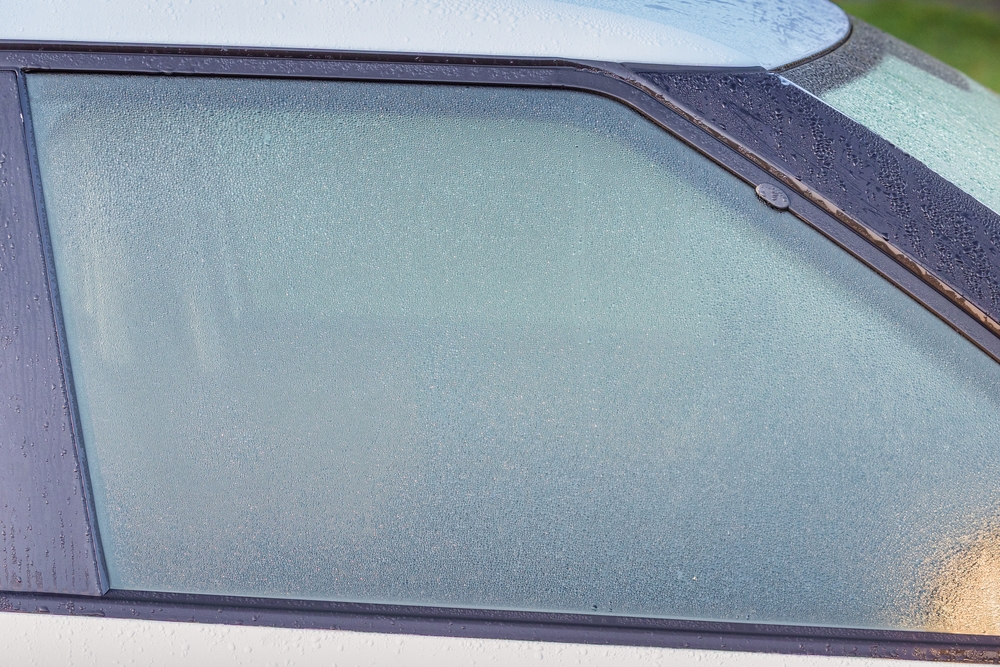
Failing to clear windows before driving violates most provincial traffic laws. Snow-covered glass obstructs the driver’s visibility dangerously. Police can issue citations immediately for improper windshield clearing. Insurance considers citations proof of negligent behaviour. Negligence nullifies collision coverage eligibility frequently. Adjusters verify police notes for evidence of unsafe operation. Witness statements often confirm obstructed visual fields. Dashcam recordings now strengthen these investigations further. Driving with snow-covered windows meets legal definitions of recklessness.
Leaving Snow on the Roof
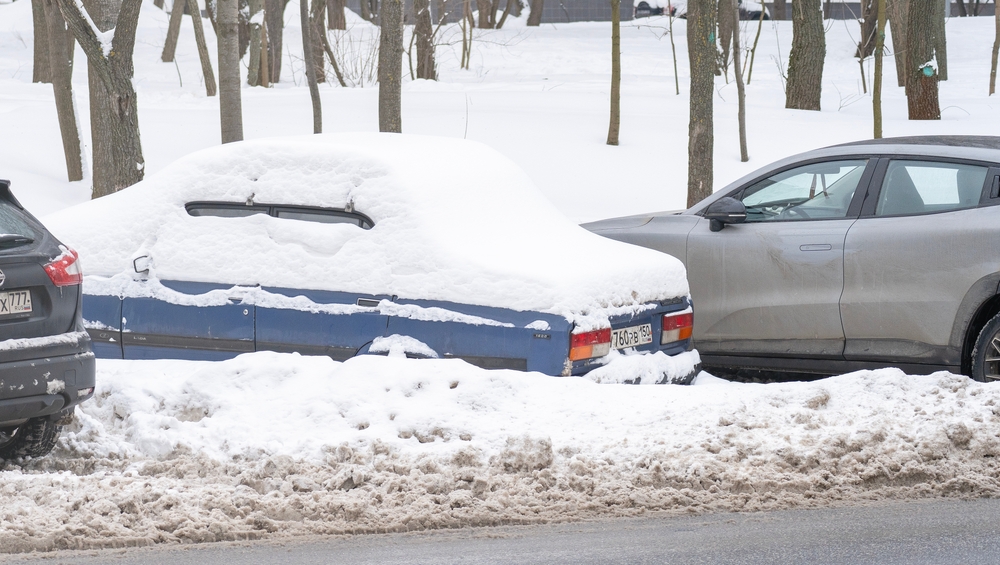
Failing to clear roof snow triggers legal liabilities nationwide. Flying snow sheets blind, following drivers instantly. Ice chunks behave as projectiles, striking windshields violently. Multiple provincial laws require full snow removal. Fines accompany roof snow violations each season. Insurance recognizes roof negligence as an accident-causing factor. Claim adjusters consider airborne snow a driver-controlled hazard. Damage resulting from roof snow triggers claim rejection immediately.
Using Summer Tires in Winter
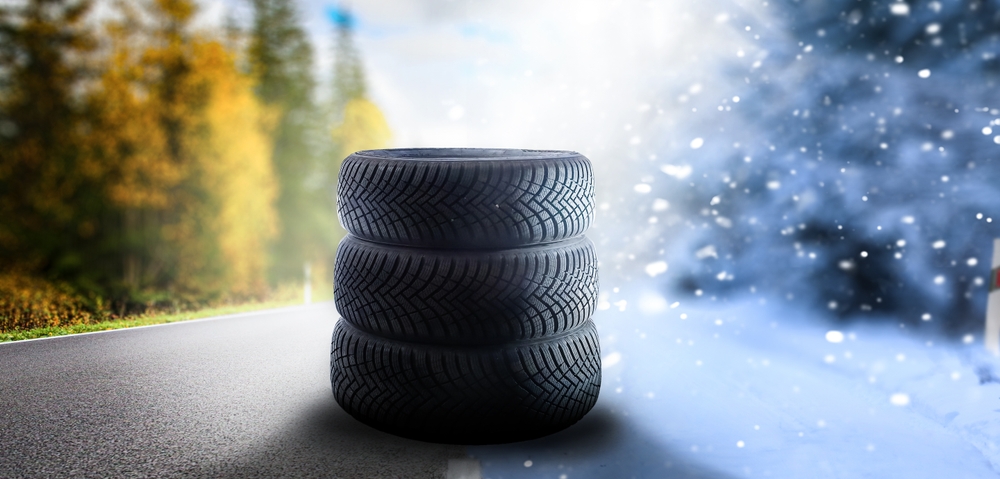
Driving on summer tires during winter represents reckless disregard. Rubber compounds harden severely below seven degrees Celsius. Braking distances double unexpectedly under snowy conditions. Loss of traction directly increases collision risk events. Some provinces legally mandate winter tire use seasonally. Insurance policies reference safe equipment mandates broadly. Using summer tires violates vehicle safety compliance definitions. Claims are voided when equipment negligence causes accidents.
Speeding for Conditions
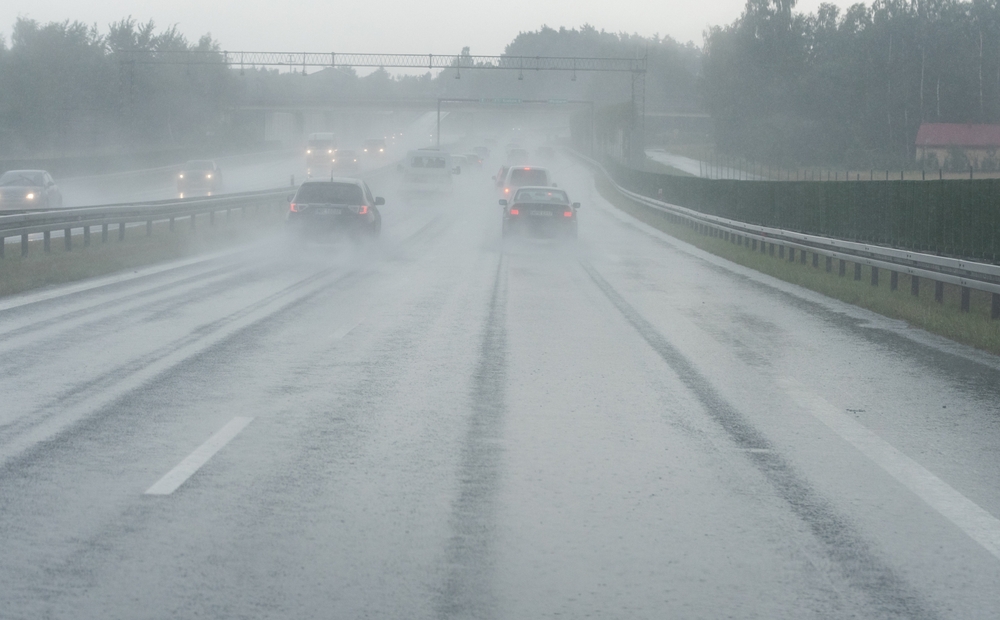
Driving at the posted speed during storms constitutes excessive speed legally. Traffic laws mandate speed adjustments based on conditions always. Police document road conditions at crash scenes. Posted limits never excuse unsafe speed choices. Insurance evaluates speed relative to road conditions directly. Hydroplaning or skidding implies excessive speed presumptions legally. Collision reconstruction often proves speed incompatible with prevailing textures. Witness accounts support sliding sequence analyses often. Dashcams and telematics record speeds continuously now. Claims void when speed exceeds safe operational expectations.
Texting or Phone Use While Driving
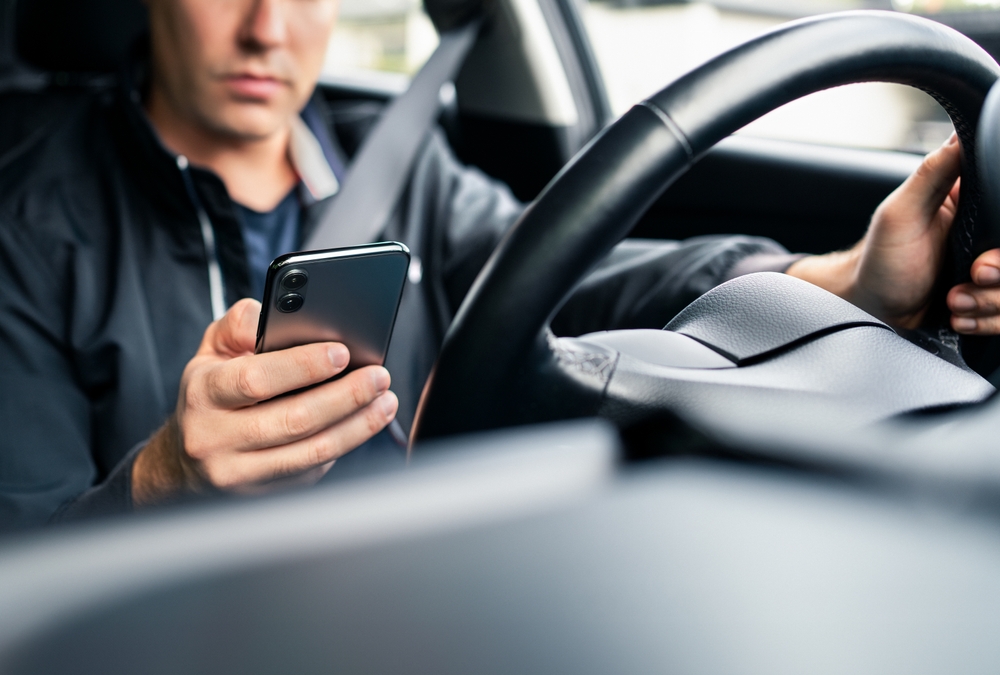
Distracted driving increases crash risks dramatically. All provinces ban handheld device use while driving. Citations for distracted driving trigger intense insurance scrutiny. Adjusters treat phone distraction as reckless negligence. Dashboard phone mounts still require full hands-free operation. Phone records subpoenaed corroborate distraction timing precisely. Witness statements often note visible phone usage. Telemetry can record driver interaction codes. Claims resulting from distracted violations void coverage automatically.
Driving While Too Fatigued
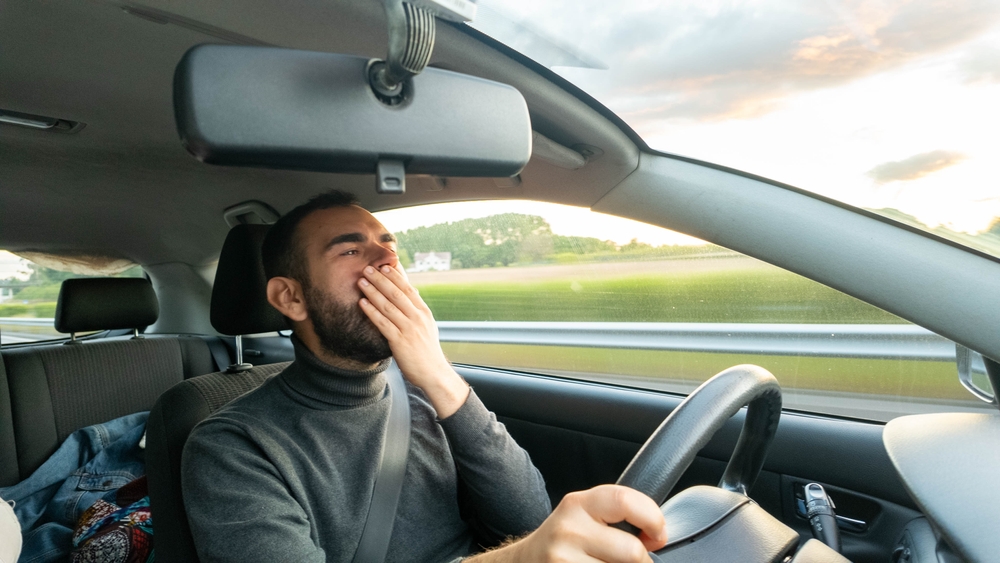
Fatigue impairs reaction times equivalent to intoxication levels. Canadian traffic laws prohibit fatigued driving behaviours. Police document driver exhaustion indicators post-collision. Admission of overtired driving damages insurance claims severely. Medical studies serve as legal references during claims reviews. Fatigued driving qualifies as reckless behaviour under insurance definitions. Adjusters consider extended overnight driving evidence critically. Cell data reveals driving durations clearly now. Driving after multi-hour shifts increases accident fault assignments.
Driving Without Proper Vehicle Maintenance
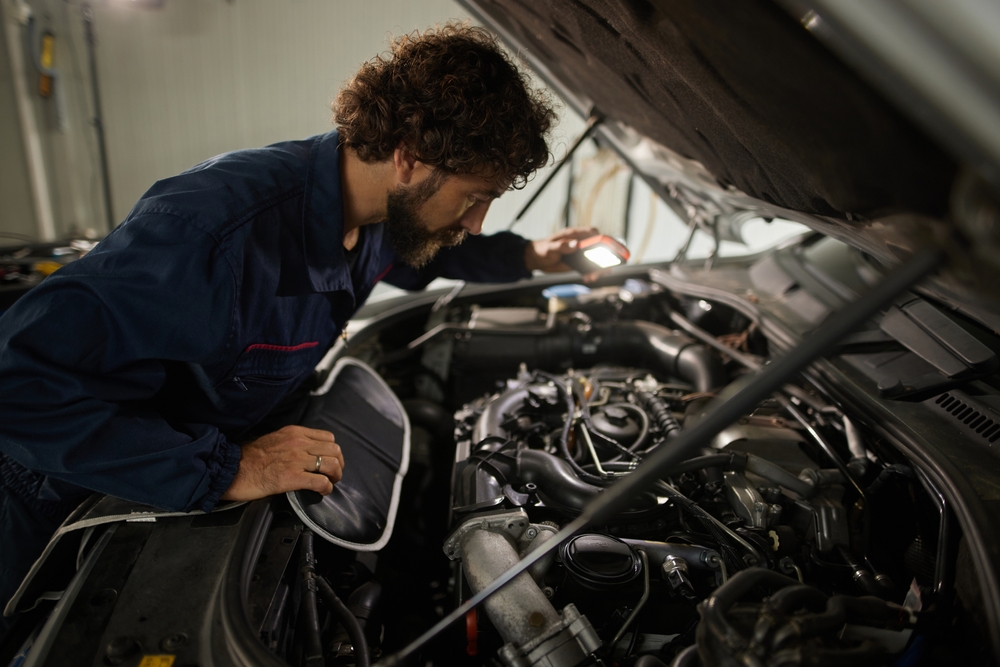
Neglected winter maintenance compromises roadworthiness classifications. Bald tires violate minimum tread depth laws. Faulty brakes breach mandatory safety equipment standards. Dead headlights nullify nighttime visibility requirements. Non-functioning defrosters obstruct safe windshield clearing. Adjusters analyse maintenance records post-crash carefully. Service neglect evidence voids coverage benefits quickly. Police mechanical failure notes influence claim outcomes heavily. Emergency braking inability causes clear fault findings. Insurance considers maintenance lapses negligence by policy definitions.
Ignoring Road Closures or Warnings
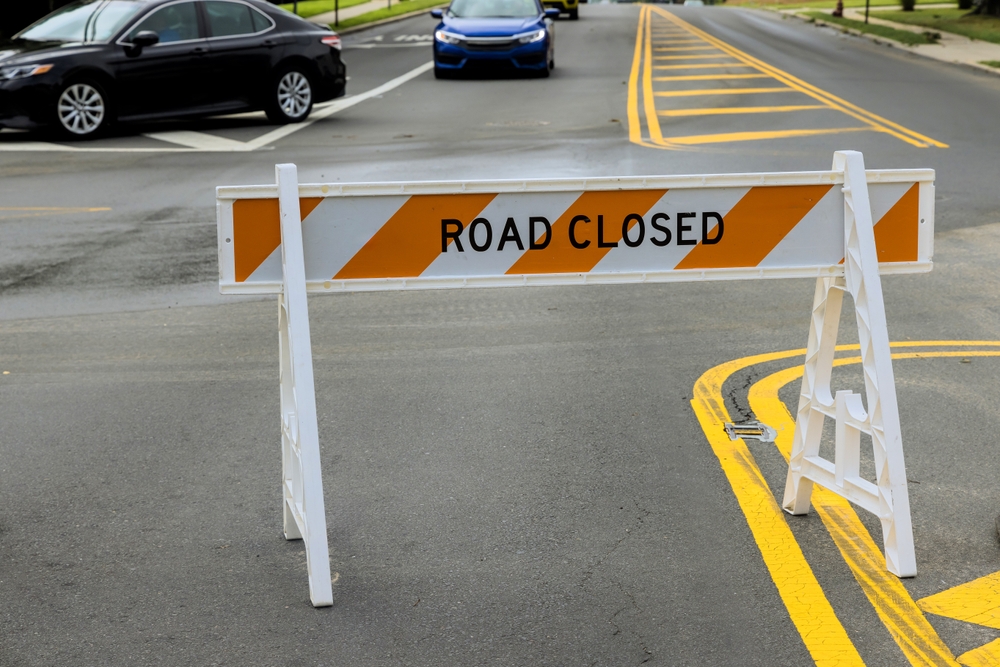
Driving through closed roads violates traffic laws directly. Barriers signal mandatory government restrictions clearly. Weather officials issue legally enforceable travel bans. Ignoring closures establishes automatic negligence findings. Police document closed-route violations carefully. Claim investigations treat banned travel as reckless conduct. Rescue costs may be charged personally to drivers. Vehicle damages incurred outside legal travel limits void coverage completely. Liability transfers fully onto offending drivers. Emergency services prioritize logged rescues for enforcement follow-up.
Driving Under the Influence of Alcohol or Drugs
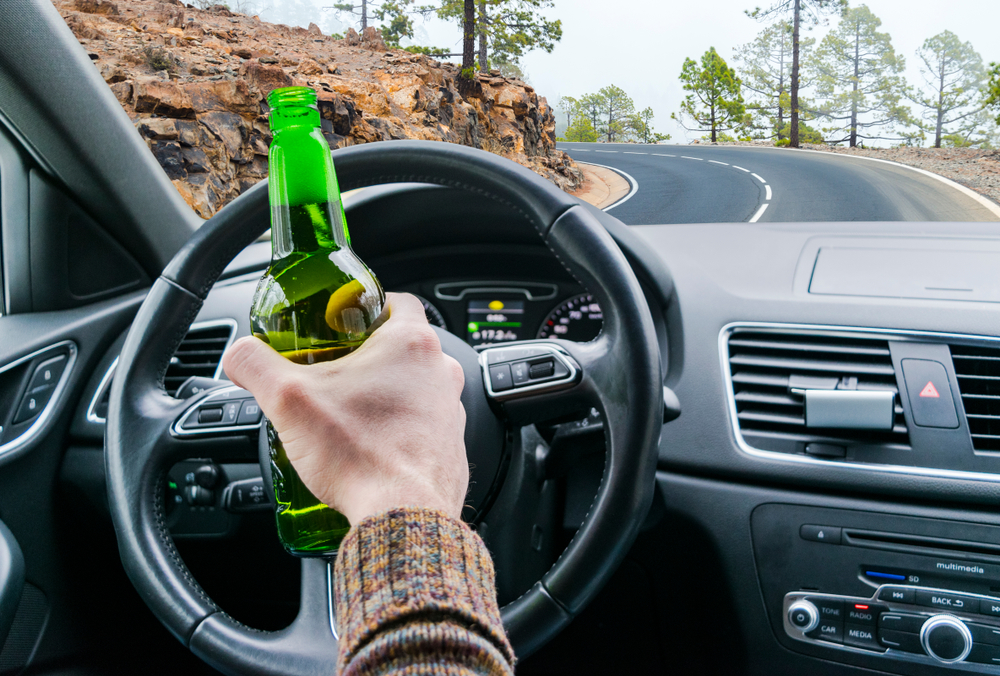
Impaired driving remains the fastest path to immediate claim denial. Canadian law treats alcohol impairment as criminal recklessness. Drug impairment receives identical enforcement severity nationwide. Breathalyzer results attach directly to insurance investigation files. Blood toxicology tests provide undeniable proof easily. Claims based on impaired accidents face automatic voiding. Insurers deny all collision and injury coverage simultaneously. Medical expenses become direct personal responsibilities thereafter. Civil lawsuits typically follow quickly against impaired drivers. Courts award damages beyond driver insurance protections, consequently.
Fleeing the Scene of a Winter Accident
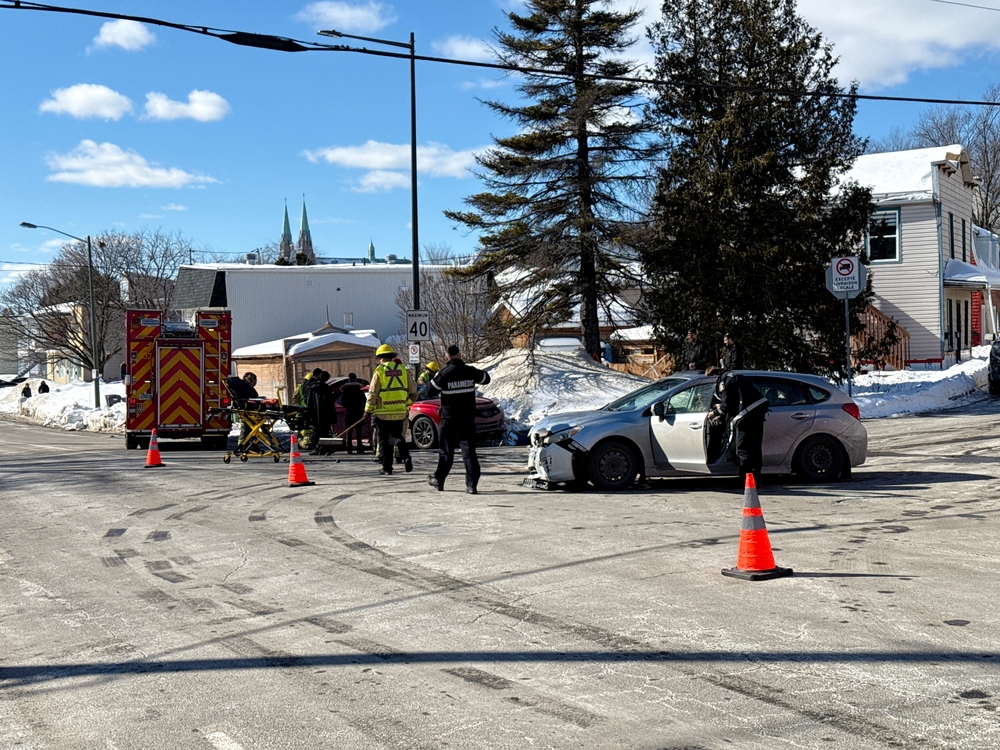
Leaving an accident scene is a criminal offense nationally. Hit-and-run charges invalidate insurance claims automatically. Canadian policies exclude coverage for unlawful conduct directly. Surveillance cameras frequently capture fleeing vehicles now. Plate recognition systems identify escapes quickly. Police involvement escalates claim investigations dramatically. Adjusters void claims upon confirmed flight documentation. Personal damages become uncovered financial liabilities. Third-party injury awards become driver-paid responsibilities. Courts penalize hit-and-run violations severely. Penalties include fines, imprisonment, and license suspensions.
Carrying Overloaded or Unsecured Cargo
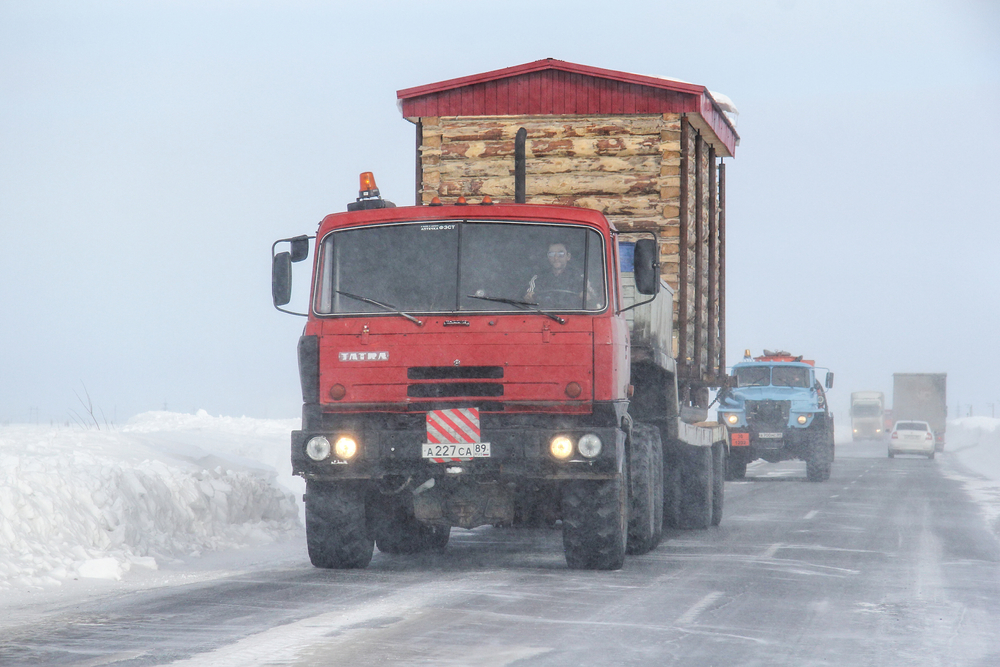
Unsecured cargo becomes hazardous in slippery winter conditions. Laws prohibit loads capable of shifting dangerously. Cargo sliding distracts drivers and unbalances vehicles suddenly. Police citations document load safety violations explicitly. Cargo-caused accidents void resulting insurance claims. Photo evidence often proves loose transport conditions clearly. Insurance adjusters treat cargo negligence as primary accident causation. Even minor interior clutter may qualify as unsecured load evidence. Transporting furniture without anchor straps violates vehicle standards codes.
Driving an Unregistered or Uninsured Vehicle

Operating unregistered vehicles voids coverage automatically. Active insurance requires valid vehicle registration compliance. Lapsed license plate renewals break coverage contracts legally. Police database checks confirm vehicle status instantly. Collisions during lapsed registration receive no coverage protections. Medical bills and damages become the driver’s responsibility directly. Courts enforce uninsured driving penalties aggressively. Provincial fines compound total losses financially. Ignorance of renewal schedules provides no legal defense.
Allowing Unlicensed Drivers Behind the Wheel
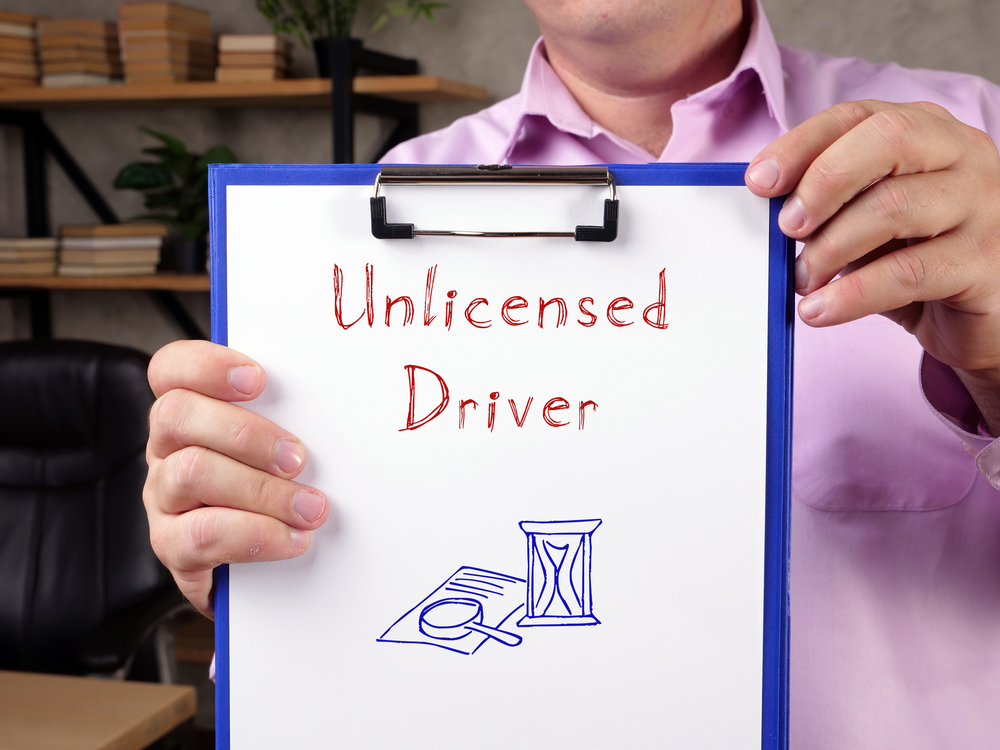
Vehicle owners bear full responsibility for permitted drivers. Lending vehicles to unlicensed individuals violates policy rules. Even learner drivers require supervision documentation compliance. Insurance denies claims when unauthorized drivers operate vehicles. Police records document license status verification easily. Owner approval implies assumed liability legally. Victims pursue owners financially following accidents. Courts uphold liability transfer provisions strictly. Teenage relatives often unintentionally cause policy breaches. Foreign visitors lacking Canadian licensing present major risks. International permits require verification under provincial rules. Ignoring license checks invalidates coverage protections.
Operating a Vehicle with Known Safety Defects
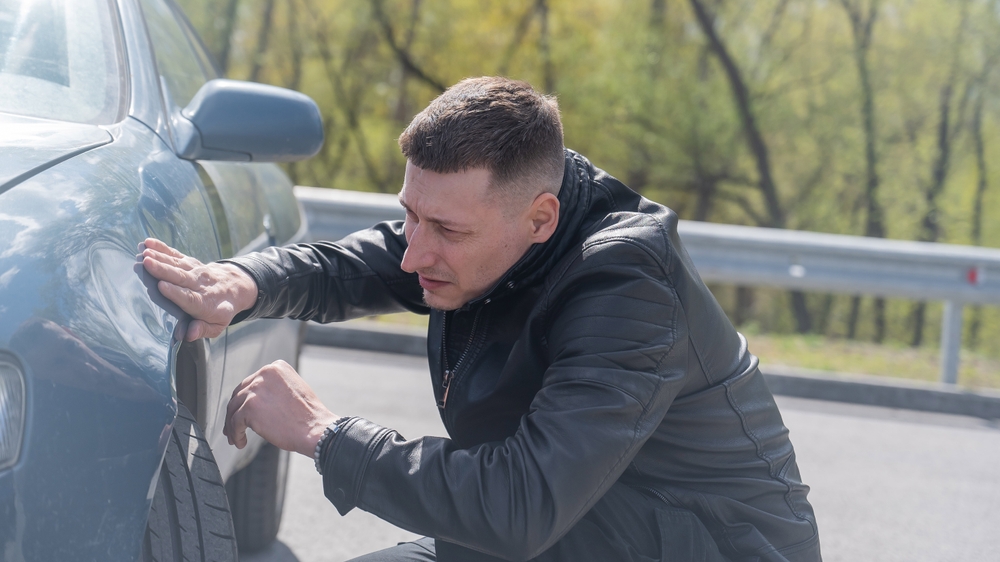
Driving despite known safety issues violates duty-of-care principles. Recalls demand immediate compliance for continued roadworthiness status. Ignored recall repairs void coverage eligibility promptly. Mechanical failure accidents are tied directly to defective negligence. Service bulletins serve as legal knowledge evidence references. Insurers cross-check recall registries routinely. Owner negligence findings become claim denial grounds automatically.
Participating in Illegal Races or Stunts
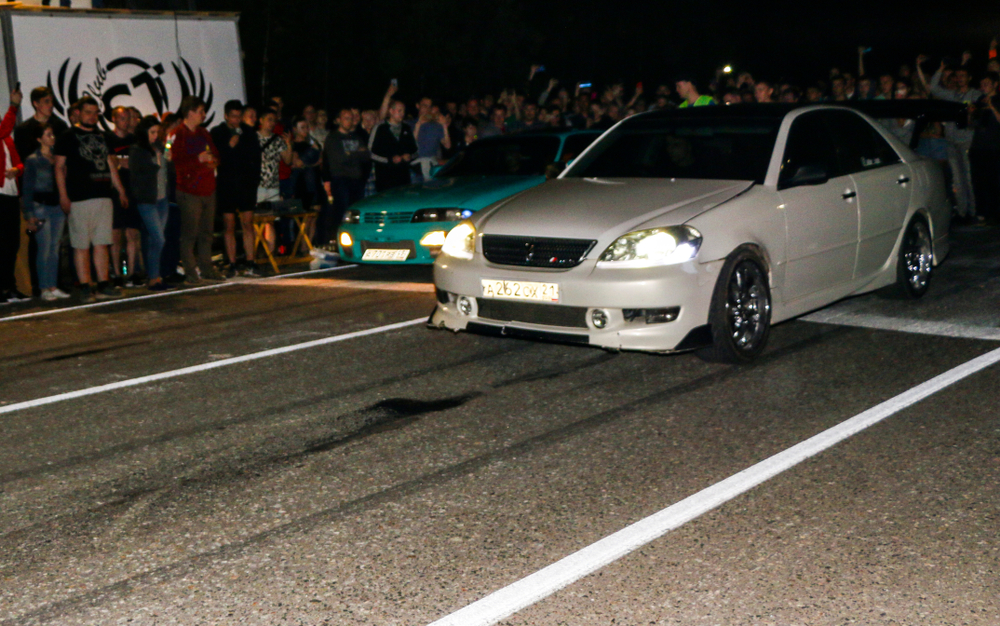
Street racing denies insurance coverage without exception. Spinning donuts qualifies legally as stunt driving. Drag racing penalties apply during winter conditions. Police body cameras supply immediate evidence documentation. Stunt driving charges void both collision and liability protections. Courts penalize offenders heavily financially and criminally. The insurance exclusions list racing activities categorically prohibited. Skid marks and witness footage confirm stunting behaviours. Public roadside recordings supply investigators with abundant proof. Coverage denials occur instantly following confirmed charges.
22 Groceries to Grab Now—Before another Price Shock Hits Canada

Food prices in Canada have been steadily climbing, and another spike could make your grocery bill feel like a mortgage payment. According to Statistics Canada, food inflation remains about 3.7% higher than last year, with essentials like bread, dairy, and fresh produce leading the surge. Some items are expected to rise even further due to transportation costs, droughts, and import tariffs. Here are 22 groceries to grab now before another price shock hits Canada.
22 Groceries to Grab Now—Before another Price Shock Hits Canada
This Options Discord Chat is The Real Deal
While the internet is scoured with trading chat rooms, many of which even charge upwards of thousands of dollars to join, this smaller options trading discord chatroom is the real deal and actually providing valuable trade setups, education, and community without the noise and spam of the larger more expensive rooms. With a incredibly low-cost monthly fee, Options Trading Club (click here to see their reviews) requires an application to join ensuring that every member is dedicated and serious about taking their trading to the next level. If you are looking for a change in your trading strategies, then click here to apply for a membership.