
35,000+ smart investors are already getting financial news, market signals, and macro shifts in the economy that could impact their money next with our FREE weekly newsletter. Get ahead of what the crowd finds out too late. Click Here to Subscribe for FREE.
A utility bill can look routine until one small line reveals a costly mistake, an unnoticed rate change, or a payment problem that has been quietly growing. Electricity, natural gas, water, wastewater, and municipal service bills vary across Canada, yet the same warning signs appear repeatedly: estimated readings, unexplained adjustments, rising fixed fees, missed credits, and balances that do not match household records.
These 15 details deserve more than a quick glance because they explain not only what is owed, but also how the amount was calculated and what may happen next. A careful monthly review can catch errors early, clarify whether higher costs came from consumption or pricing, and give households more time to question charges or arrange support before an account becomes difficult to manage.
The Account Name and Service Address
15 Things Canadians Should Never Ignore on a Utility Bill
- The Account Name and Service Address
- The Billing Period and Number of Days
- Actual Versus Estimated Meter Readings
- The Meter Reading Math and Units
- The Usage History and Seasonal Comparison
- The Rate Plan or Pricing Structure
- Fixed Customer and Administration Charges
- Delivery, Transmission, and Distribution Charges
- Rate Riders, Adjustments, and Temporary Credits
- Taxes, Rebates, and On-Bill Credits
- Equal Billing Balances and Annual True-Ups
- Previous Balances, Payments, and Corrections
- The Due Date and Late-Payment Terms
- Water, Wastewater, and Stormwater Charges
- Retailer or Marketer Contract Charges
- Disconnection Notices and Assistance Messages
- 19 Things Canadians Don’t Realize the CRA Can See About Their Online Income

The first check should be whether the bill belongs to the right person and property. An account number identifies the customer relationship, while a service address, site identifier, or meter number identifies where energy or water was delivered. Those details are not interchangeable. In Alberta, for example, the site ID functions like an address for the meter, and the meter number should match the number printed on the physical device.
A mismatch can happen after a move, a tenant change, a created basement suite, or an account transfer between retailers. One family may faithfully pay a bill that still covers a former residence, while the correct account quietly accumulates arrears. Account numbers also contain private information and should not be casually shared with door-to-door sellers or unknown callers. Before examining rates or usage, confirm the customer name, mailing address, service location, account, and meter identity all describe the same household.
The Billing Period and Number of Days

A bill that looks unusually high may simply cover more days than the previous one. Utilities commonly show the start date, end date, and total days in the billing period because consumption and many fixed charges are tied to that span. Hydro-Québec, for instance, displays the period covered and number of days beside its meter-reading details, making a direct month-to-month dollar comparison potentially misleading overall.
Consider a household comparing a 35-day winter bill with a 28-day bill from early autumn. Even if daily use stayed nearly unchanged, the longer statement could be 25 percent higher before weather or rate changes are considered. The better test is average use per day and average cost per day. Check whether the dates overlap a previous bill, leave an unexplained gap, or include service before move-in or after move-out. A wrong billing window can distort usage, tier thresholds, taxes, and payment-plan calculations at once.
Actual Versus Estimated Meter Readings
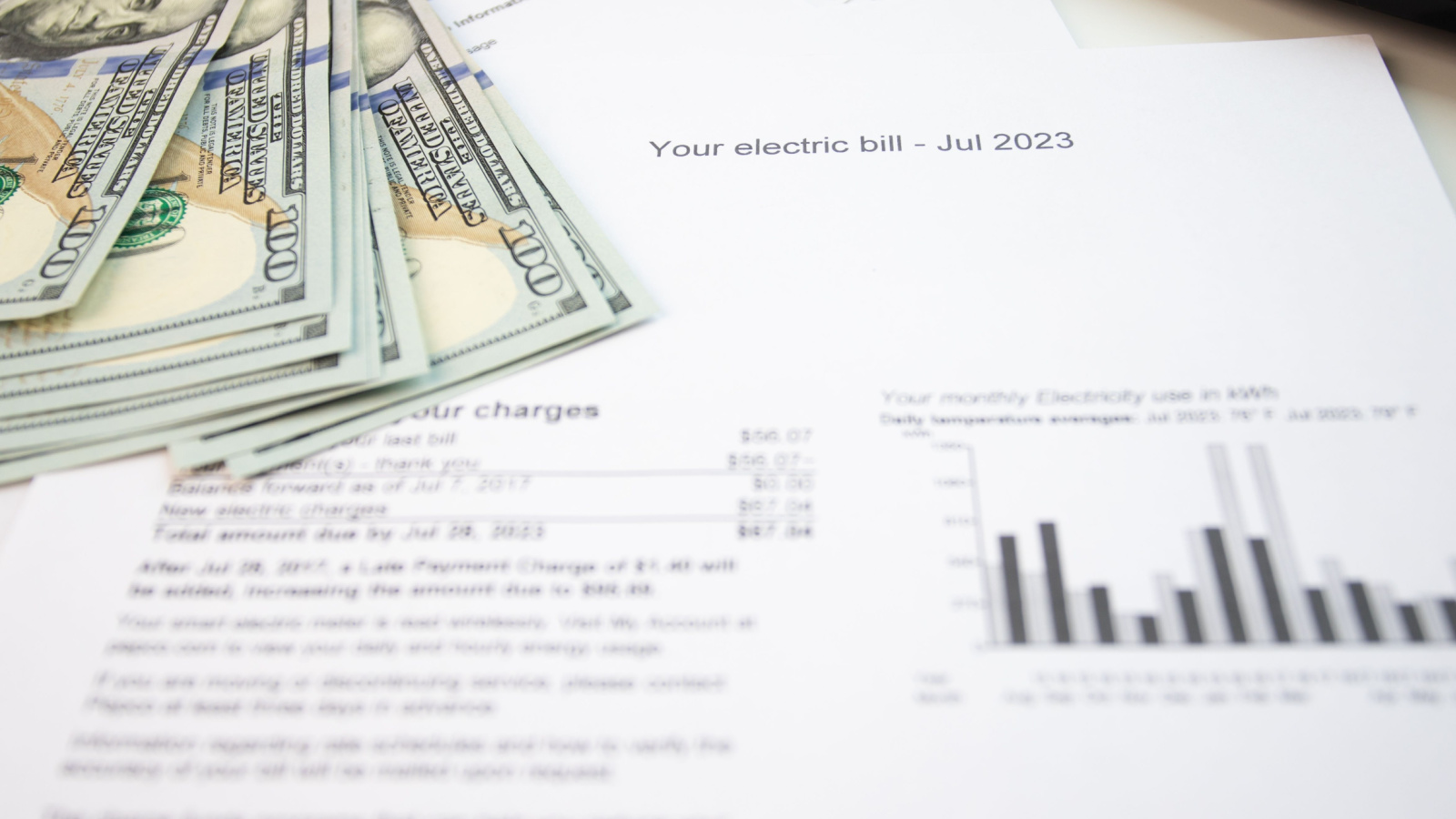
An estimated reading is not automatically an error, but it should never pass unnoticed. Utilities may estimate consumption when a meter cannot be accessed, communication fails, or a reading is unavailable. Hydro One marks estimated readings with the word “Estimate,” while Hydro-Québec explains that later actual readings can trigger adjustments. Several consecutive estimates can therefore create a deceptively smooth bill followed by a painful catch-up charge.
A cottage owner might receive modest estimated bills through winter, then face a large spring correction once the meter is read. The total energy may be legitimate, yet the timing can strain a household budget and complicate comparisons. Look for labels such as actual, estimated, customer read, or corrected. Compare the opening reading with the previous bill’s closing reading, and submit a meter reading when the utility permits it. If an estimate seems unreasonable, contact the provider rather than waiting for the next reconciliation.
The Meter Reading Math and Units
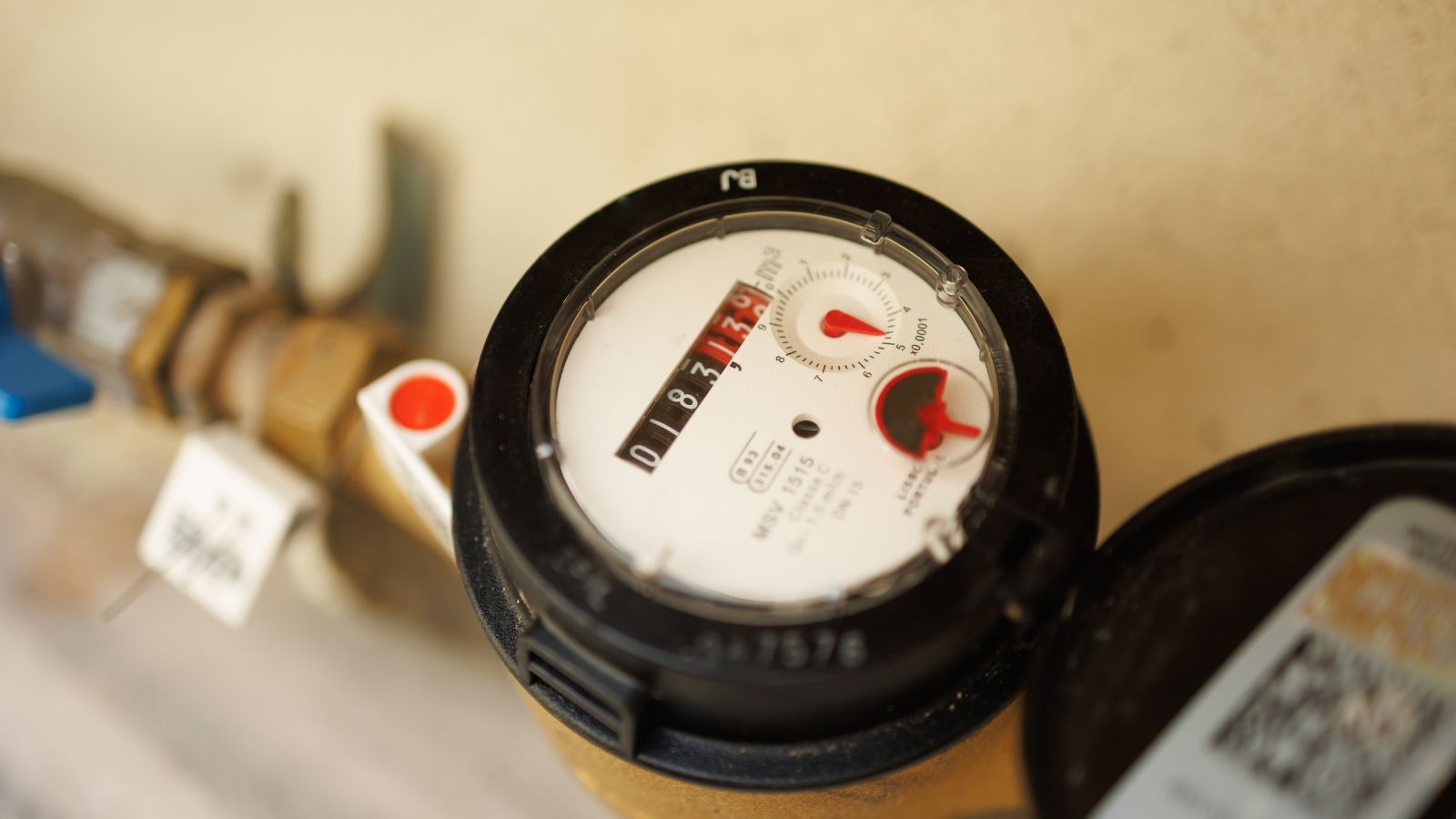
The numbers beside a meter reading should form a logical calculation. Electricity bills usually subtract the previous reading from the current reading and express the result in kilowatt-hours. Natural gas may be billed in cubic metres or gigajoules, while water commonly appears in cubic metres. Some meters also use a multiplier, meaning the visible difference must be multiplied before the billed consumption is reached.
That arithmetic matters because a transposed digit, wrong multiplier, or unit conversion can magnify a small mistake. Hydro-Québec illustrates bills where the difference between readings is multiplied to produce total kilowatt-hours. Measurement Canada advises consumers to contact the utility first when meter accuracy is questioned and permits complaints requesting a meter test. Its 2025 report noted that 65 percent of investigated measurement complaints involved devices operating correctly, a reminder that rate changes, estimates, or household equipment often explain surprises before an actual meter failure does today.
The Usage History and Seasonal Comparison
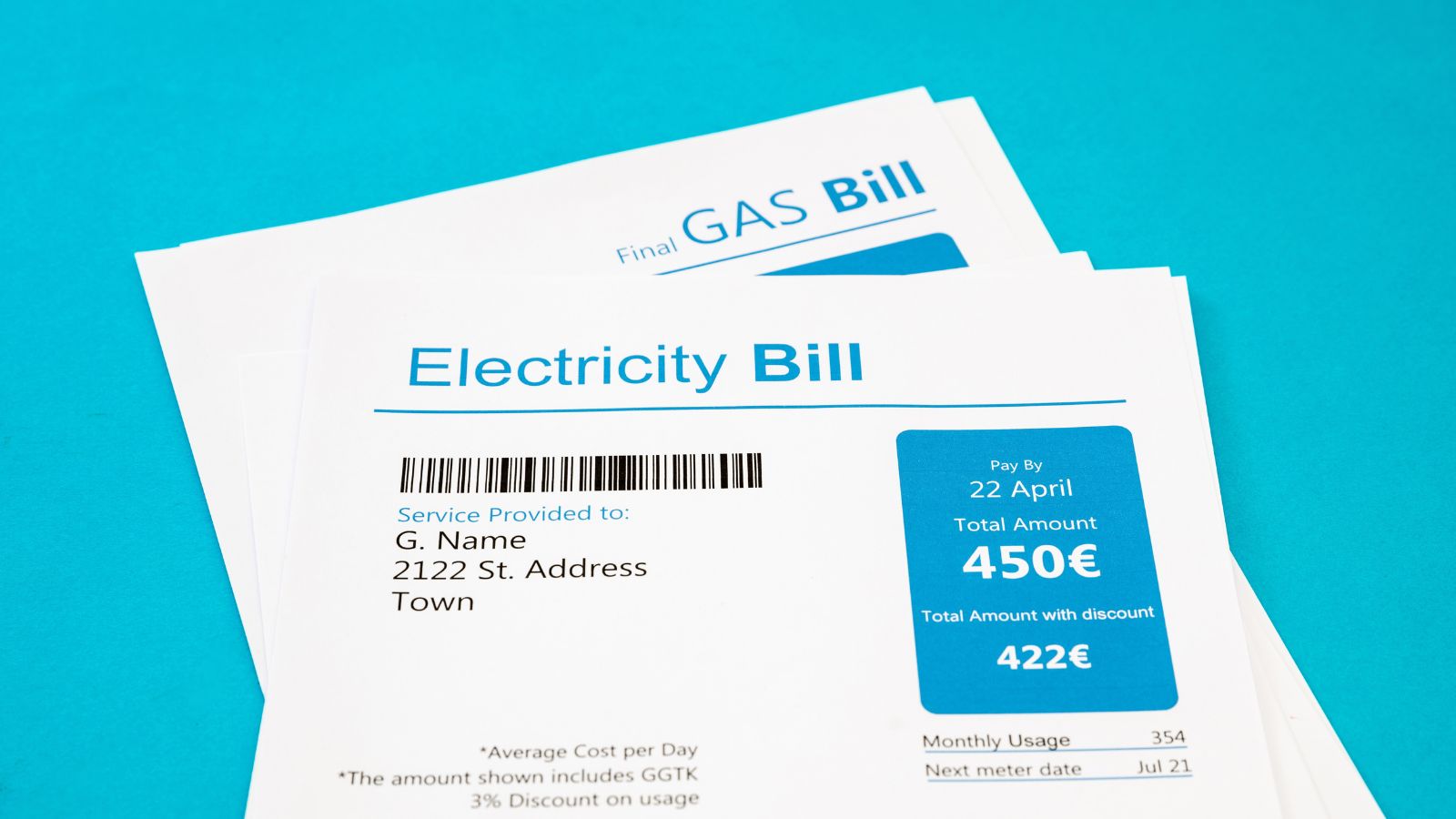
A higher bill is easier to understand when consumption is separated from price. Many utilities provide graphs comparing current use with earlier months or the same period last year. Hydro-Québec includes daily use, outdoor temperature, cost, and billing-period length in its comparisons. Those details help distinguish a colder winter, longer billing cycle, new appliance, or occupancy change from a genuine billing problem.
Canadian homes are especially sensitive to weather because space heating accounts for about 63.6 percent of average residential energy use, according to Natural Resources Canada. A February spike may therefore be normal, while a sharp increase during mild weather deserves investigation. Compare kilowatt-hours, gigajoules, or cubic metres rather than total dollars alone. A family that added a heat pump, hosted relatives, or began charging an electric vehicle may have a reasonable increase. A vacant home showing rising daily use could point to a leak, malfunction, or unauthorized connection.
The Rate Plan or Pricing Structure
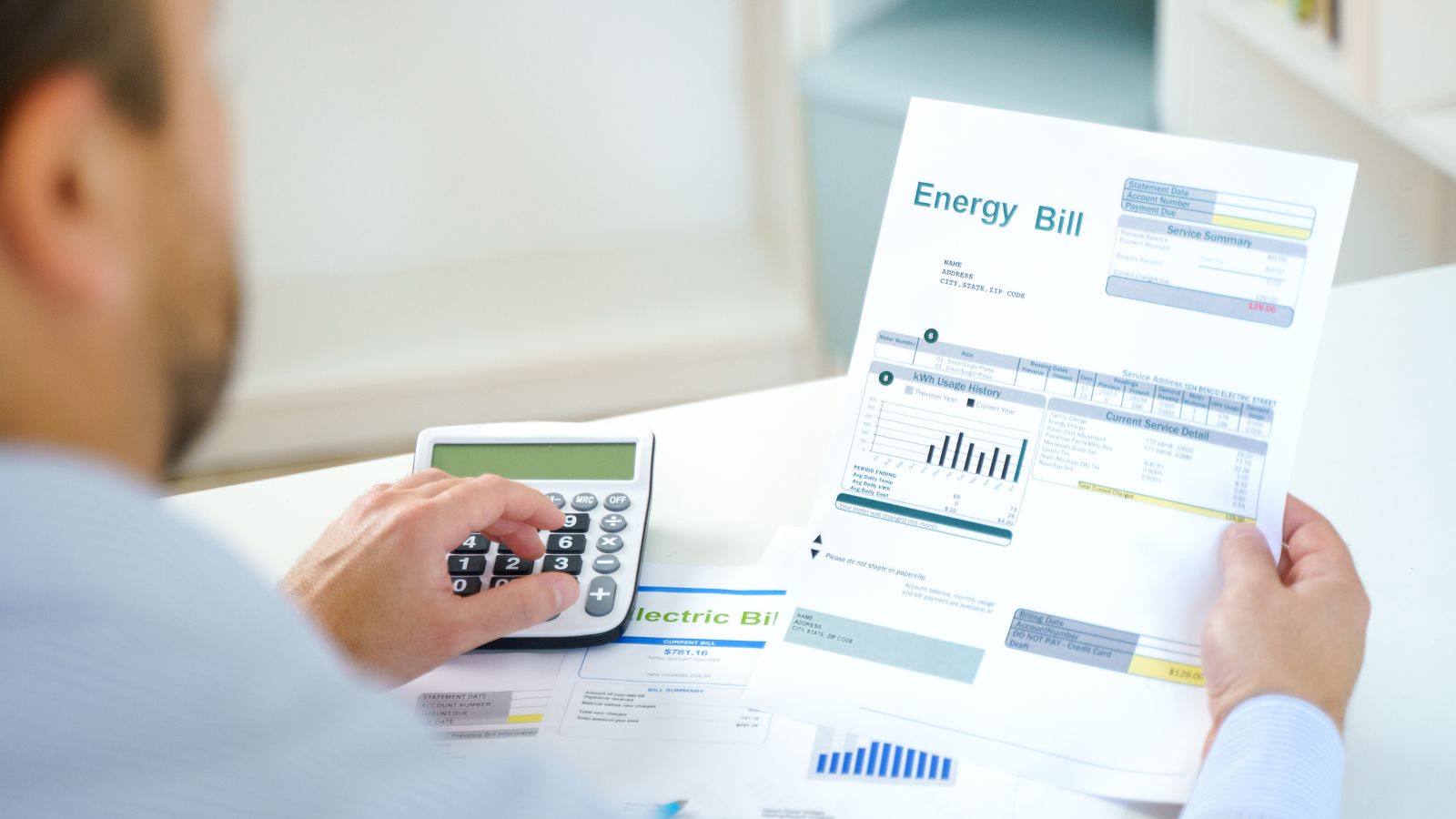
A bill can be mathematically correct and still reflect a poor pricing choice. Rate structures differ by province, utility, and customer class. Some households pay a flat energy rate, others face tiers, and some pay different prices by time of day. Ontario residential customers on the regulated system, for example, can choose Time-of-Use, Ultra-Low Overnight, or Tiered pricing, each rewarding a different pattern of consumption.
That choice matters more after routines change. Someone who once worked away from home may now use appliances all day, while an electric-vehicle owner may benefit from shifting charging overnight. Ontario’s winter Tiered threshold is 1,000 kilowatt-hours per month, allowing more lower-tier consumption during the heating season. Elsewhere, the available plans and rules differ. Check the plan name, energy rate, effective date, threshold, and time periods against the utility’s schedule. A forgotten contract renewal or default-plan switch can quietly change the economics of the household.
Fixed Customer and Administration Charges

The smallest-looking line can be one of the least avoidable costs. Customer or service charges are often fixed amounts that support billing, meter reading, account maintenance, and operations. The Ontario Energy Board notes that a natural-gas customer charge remains payable even when no gas is used during a billing period. Similar fixed components appear on electricity and water bills.
This explains why shutting off lights for a month may not reduce the total as much as expected. A seasonal cottage can record almost no consumption yet still receive a bill because the account and infrastructure remain active. Fixed charges also make retailer comparisons tricky: a low advertised energy rate may be paired with a higher monthly administration fee. Check every flat amount, compare it with the tariff or contract, and question a new charge that appears without explanation. Conservation lowers variable costs, but it rarely eliminates the cost of connection.
Delivery, Transmission, and Distribution Charges
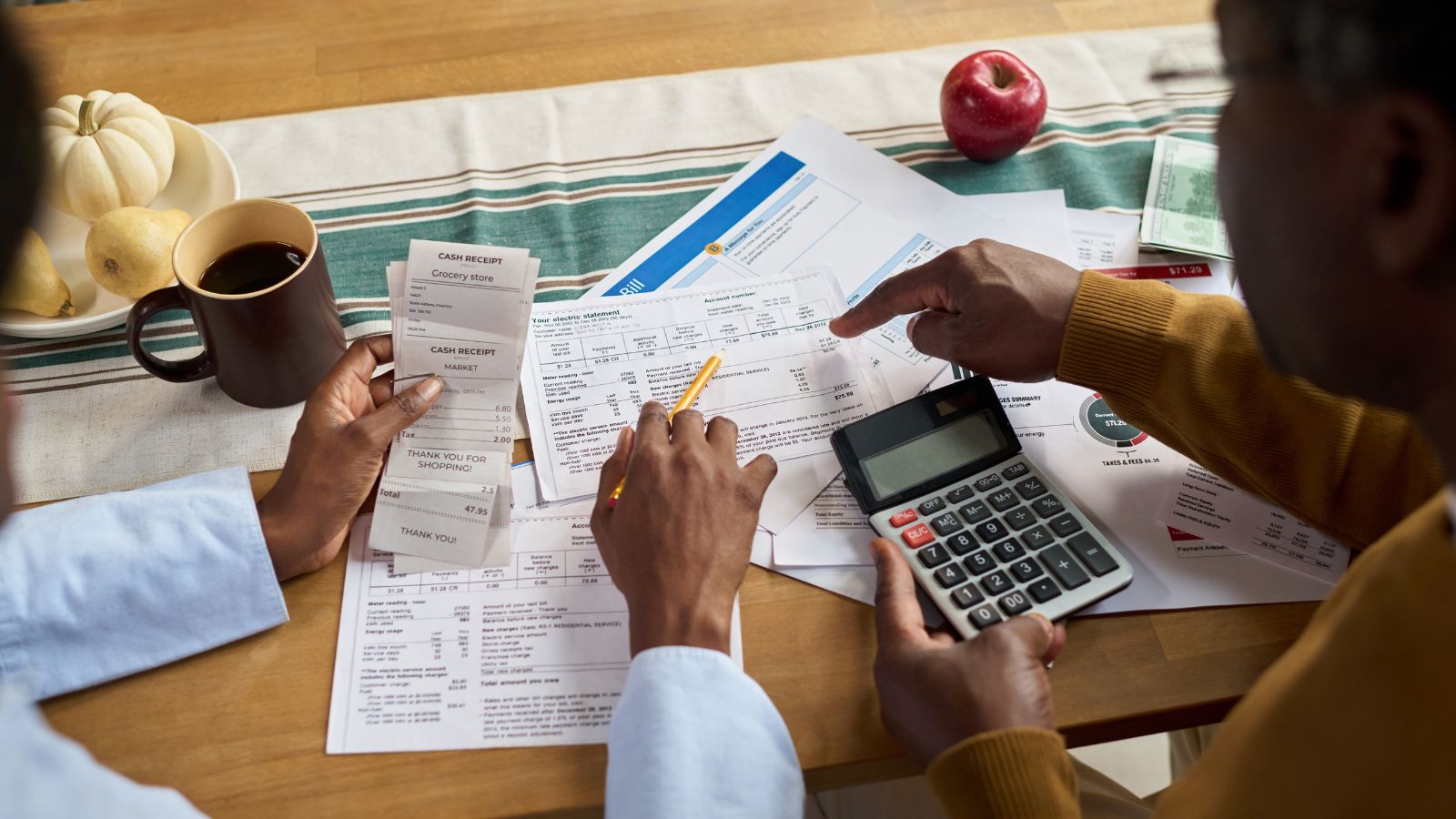
The energy itself is only part of what reaches the total. Electricity must travel from generating stations through high-voltage transmission systems and local distribution networks before reaching a home. The Ontario Energy Board explains that delivery charges can include transmission, distribution, and line-loss adjustments. Alberta’s consumer advocate similarly separates long-distance transmission from local delivery.
These charges may rise even when the commodity rate falls, so households may wonder why cheaper electricity did not produce a cheaper bill. Rural areas can also face different delivery costs because infrastructure serves fewer customers across greater distances. Review both fixed and usage-based delivery components, then compare them with the utility’s rate schedule for that billing class. A sudden jump may reflect a regulator-approved rate change, a longer billing period, reclassification of the account, or an incorrect service area. Treat “delivery” as a collection of infrastructure costs, not a vague surcharge that cannot be checked.
Rate Riders, Adjustments, and Temporary Credits
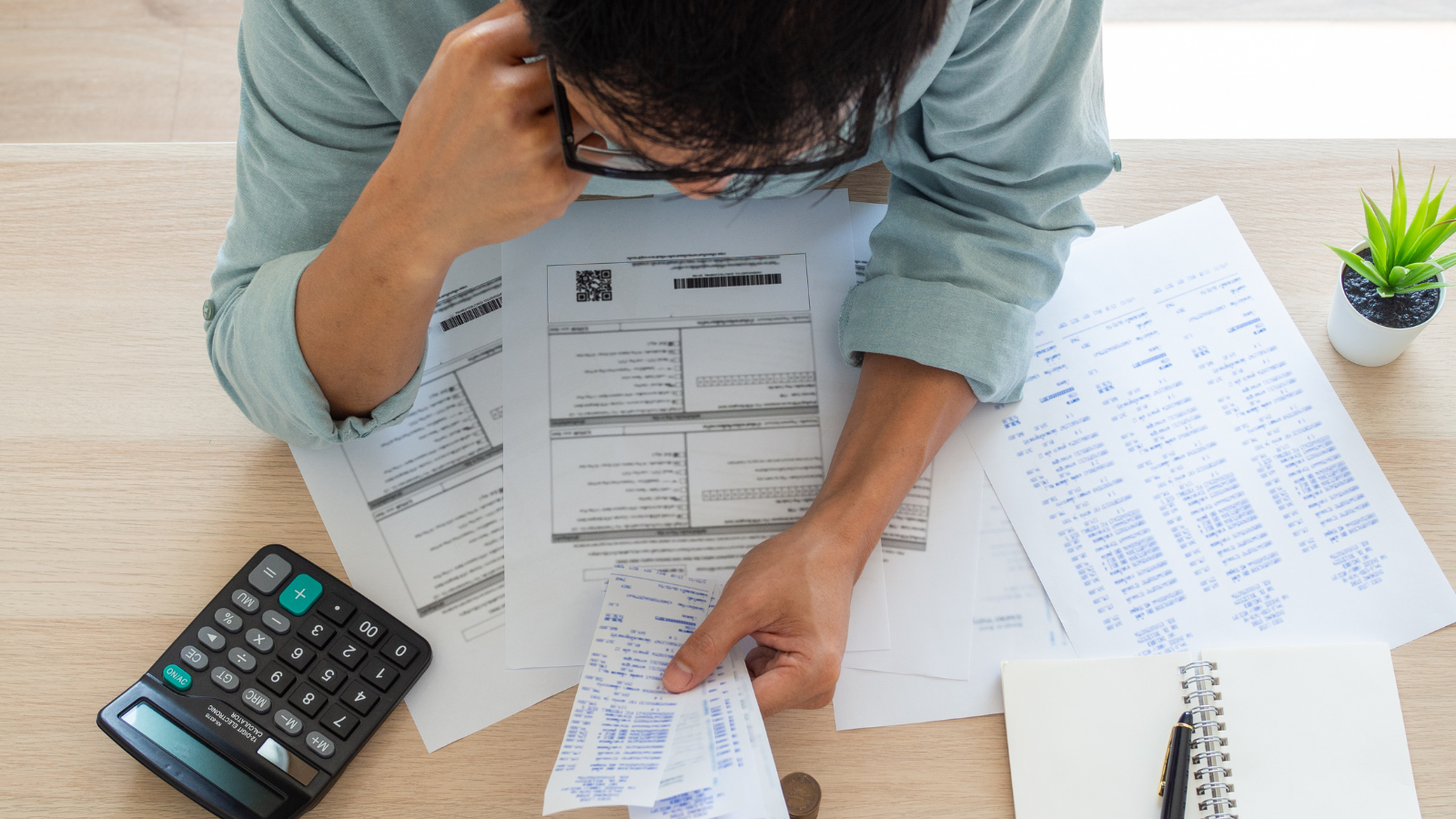
Rate riders and adjustment lines deserve attention because they can work in either direction. They are often temporary charges or credits used to reconcile differences between forecast and actual utility costs, recover approved expenses, or return surpluses. Alberta’s Utilities Consumer Advocate describes rate riders as temporary debits or credits, while British Columbia regulators approve riders with effective dates and amounts.
A rider may be only a fraction of a cent per unit, yet repeated across winter consumption it can become noticeable. More importantly, a rider that should have expired is costly if wrong tariff is applied. Read the bill message or insert announcing the change, note whether the item is a charge or credit, and check its start and end dates. A negative figure often reduces the bill rather than adding to it. When an unexplained adjustment appears, request the tariff name, regulator decision, calculation basis, and period being corrected.
Taxes, Rebates, and On-Bill Credits

Taxes and credits can change the final amount substantially, yet they are easy to overlook after reviewing service charges. GST or HST depends on the place-of-supply rules and province. Federal guidance lists 5 percent GST in non-participating provinces, 13 percent HST in Ontario, 14 percent HST in Nova Scotia, and 15 percent HST in other participating Atlantic provinces.
The tax should be calculated on the taxable subtotal, not assumed correct because the percentage looks familiar. Credits require equal care. Provincial rebates, low-income supports, municipal adjustments, and utility promotions may appear as negative amounts or separate lines. A household that recently moved, changed account holders, or renewed eligibility can lose a credit through an account mismatch. Compare the tax base with the itemized charges, confirm the rate for the service location, and verify each expected rebate. One missing credit can become a significant annual loss without creating an obvious billing error.
Equal Billing Balances and Annual True-Ups

Equal billing makes seasonal costs predictable, but it does not freeze the actual cost of energy. Utilities estimate annual consumption, divide the expected amount into regular instalments, and later compare those payments with actual charges. Hydro-Québec spreads estimated annual electricity costs across 12 payments and conducts an annual review that can show either a credit or balance owing.
The danger is confusing the instalment with the cost incurred that month. A household paying $140 monthly may actually use $90 of energy in June and $230 in January, with the difference accumulating behind the scenes. Renovations, new occupants, severe weather, or a new electric vehicle can make the estimate outdated. Review the running equal-payment balance, projected annual cost, next review date, and any revised instalment. A growing debit is an early warning of a future catch-up bill. Increasing payments sooner can be less disruptive than absorbing a large true-up later suddenly.
Previous Balances, Payments, and Corrections

The amount due should reconcile with the previous bill. A transaction summary starts with the earlier balance, subtracts payments and credits, adds new charges, and arrives at the current total. Hydro-Québec displays the prior bill, payments made, credits, and amount due. Alberta’s consumer advocate notes that corrected bills can result from estimates, wrong items, or incorrect meter readings.
Duplicate charges and missing payments often hide here. A bank may show that an automatic withdrawal cleared, while the utility account still lists the amount as unpaid. A corrected bill may also reverse an earlier charge and rebill it, making the total look duplicated even when the arithmetic balances. Match payment dates and amounts against bank records, then trace every adjustment. Watch for unexplained opening balances after moving or switching retailers. Payments and credits may not transfer between providers, so a closing refund should never be assumed to follow the customer automatically.
The Due Date and Late-Payment Terms
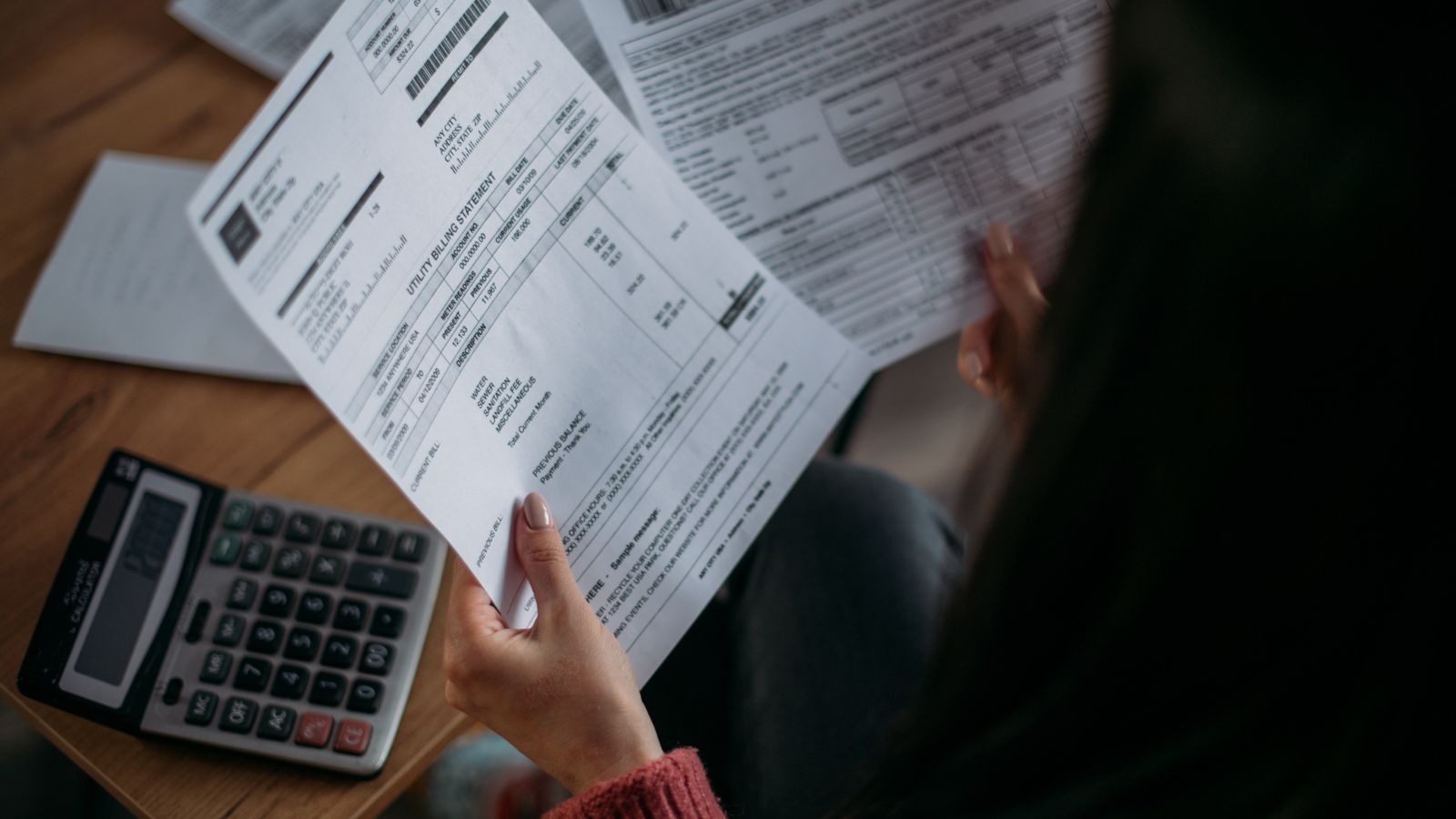
A due date is more than a reminder; it determines when penalties, collection activity, or payment-plan consequences may begin. The exact rules differ across Canada. In Ontario, the regulator permits electricity utilities to charge a maximum late-payment penalty of 1.5 percent per month, equivalent to an effective annual rate of 19.56 percent. Interest can continue even during the province’s winter disconnection ban.
Small delays therefore compound faster than many households expect. A $500 overdue balance subject to 1.5 percent monthly interest adds $7.50 after one month, before other fees or new service charges. Payment timing also matters because a bank transfer may take days to reach the utility. Check the issue date, due date, accepted payment methods, processing time, penalty rate, and returned-payment fee. Anyone unable to pay in full should contact the provider before the deadline. An early arrangement offers more options than silence after the account becomes delinquent.
Water, Wastewater, and Stormwater Charges
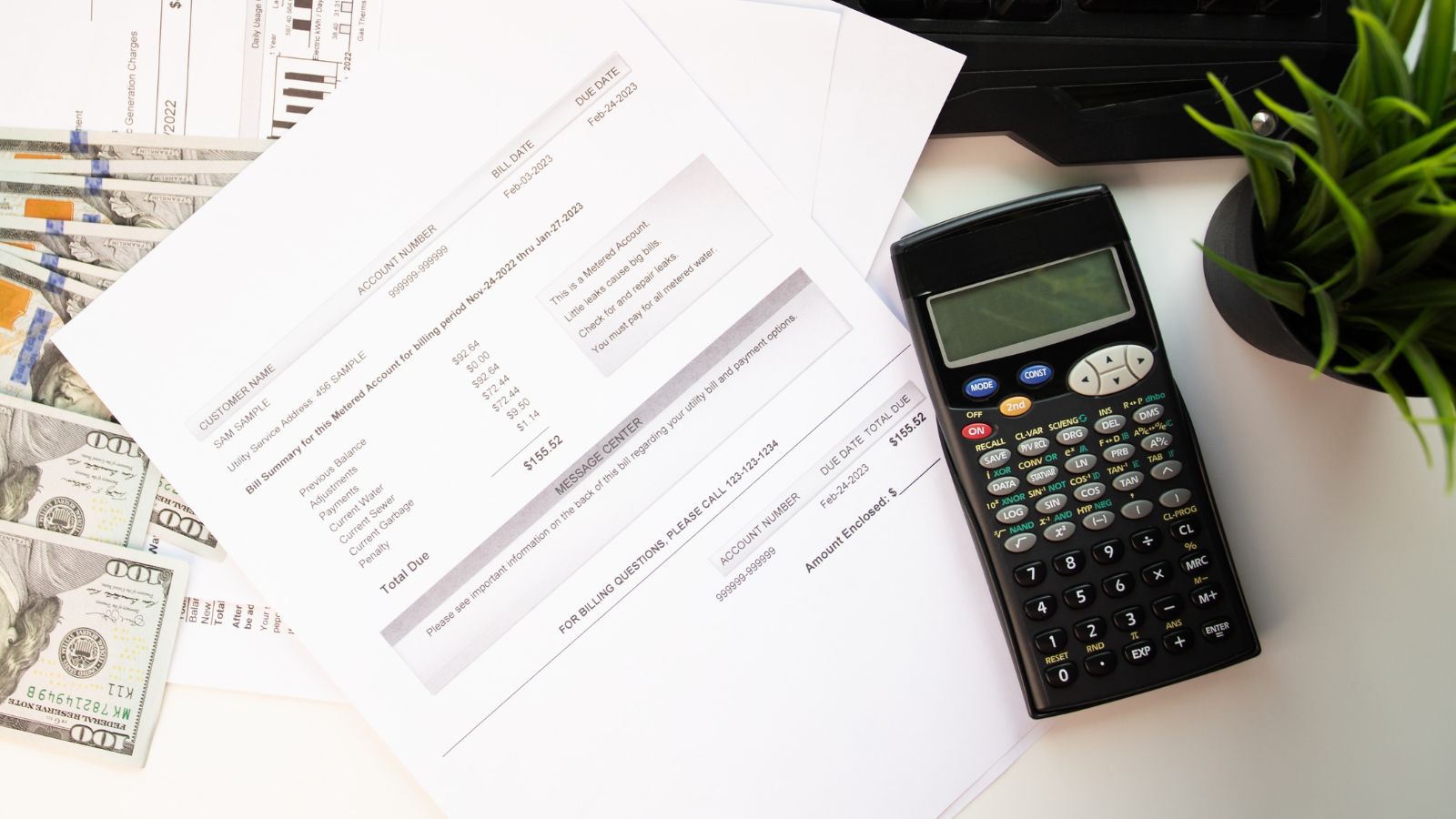
A municipal utility bill may charge for far more than tap water. Depending on the city, it can include water, wastewater, stormwater, service fees, and meter charges. Calgary explains that its wastewater calculation is based on water use, while its water, wastewater, and stormwater service charges are fixed for a 30-day period.
That structure can make a leak twice as expensive: the household pays for extra water and may also pay a higher wastewater charge even when the leak never reached the sewer. A running toilet or damaged irrigation line can therefore produce a startling bill. Compare the meter reading, consumption in cubic metres, billing days, and each service category shown on the bill. Check whether stormwater is billed through the utility or property-tax system, since local approaches differ. If consumption jumps unexpectedly, perform a leak test and contact the municipality quickly; adjustment programs often have deadlines and documentation requirements.
Retailer or Marketer Contract Charges

Canadians may buy electricity or natural gas through a retailer or marketer rather than the default utility supply. The distributor may deliver the energy and issue the bill, so the contract charge may resemble an ordinary utility rate. In Ontario, however, the regulator states that energy-contract prices are not regulated, even though the retailer must be licensed. Alberta plans may also combine energy rates with administration, transaction, or contract fees.
The headline rate is therefore just the beginning. A fixed price can provide predictability without guaranteeing savings, and a variable offer may include a markup above the market price. Check the supplier name, contract rate, term, renewal date, cancellation conditions, and each fee. Compare the contract’s estimated bill with the regulated or default option, not merely cents per unit. Protect the account number as private information; sharing a bill can give a salesperson enough data to initiate an enrolment process.
Disconnection Notices and Assistance Messages

A disconnection notice should never be treated as routine bill clutter. It identifies the overdue amount, deadline, steps required to prevent interruption, and possible reconnection costs. Rules vary by province. Ontario bans residential electricity and natural-gas disconnections for non-payment from November 15 through April 30 each year, but balances and late charges can continue accumulating during that protection period.
Elsewhere, winter rules, load limiters, payment arrangements, and assistance programs operate differently. Alberta’s Utilities Consumer Advocate urges customers with notices to contact the retailer immediately, report payments, or request an arrangement. The worst reaction is silence, because additional fees and delays may follow disconnection. Read each bill message, envelope insert, email, and account alert. Verify the notice through official provider contact information to avoid scams, then ask about arrears plans, emergency grants, low-income credits, and local agencies. A prompt call can preserve service and create a manageable path through the debt.
19 Things Canadians Don’t Realize the CRA Can See About Their Online Income

Earning money online feels simple and informal for many Canadians. Freelancing, selling products, and digital services often start as side projects. The problem appears at tax time. Many people underestimate how much information the CRA can access. Online platforms, banks, and payment processors create detailed records automatically. These records do not disappear once money hits an account. Small gaps in reporting add up quickly.
Here are 19 things Canadians don’t realize the CRA can see about their online income.
This Options Discord Chat is The Real Deal
While the internet is scoured with trading chat rooms, many of which even charge upwards of thousands of dollars to join, this smaller options trading discord chatroom is the real deal and actually providing valuable trade setups, education, and community without the noise and spam of the larger more expensive rooms. With a incredibly low-cost monthly fee, Options Trading Club (click here to see their reviews) requires an application to join ensuring that every member is dedicated and serious about taking their trading to the next level. If you are looking for a change in your trading strategies, then click here to apply for a membership.