
35,000+ smart investors are already getting financial news, market signals, and macro shifts in the economy that could impact their money next with our FREE weekly newsletter. Get ahead of what the crowd finds out too late. Click Here to Subscribe for FREE.
Summer has a way of exposing a home’s weak spots: a stain appears after a thunderstorm, a deck board softens underfoot, or an air conditioner leaves an unexplained puddle beside the furnace. Those small clues are easier to investigate while days are long and outdoor repairs are still practical. Once colder rain, falling leaves, frost, and snow arrive, the same defects can become harder to reach and more expensive to ignore. These 22 summer home problems deserve attention before fall, covering the roof, drainage, foundation, heating equipment, ventilation, fire safety, exterior surfaces, and other areas that help a Canadian home withstand the seasonal change.
Inspect Missing or Damaged Roof Shingles
22 Summer Home Problems Canadians Should Fix Before Fall
- Inspect Missing or Damaged Roof Shingles
- Clear and Reconnect Eavestroughs and Downspouts
- Correct Soil That Slopes Toward the House
- Investigate Foundation Cracks
- Dry Damp Basements and Address Mould
- Replace Failed Exterior Caulking
- Repair Drafty Windows and Exterior Doors
- Strengthen Soft Deck Boards, Stairs, and Railings
- Fix Cracked Siding and Peeling Exterior Paint
- Service the Chimney and Fireplace
- Prepare the Furnace or Heat Pump
- Clean Air-Conditioner Coils and Condensate Drains
- Repair Plumbing Leaks and Protect Outdoor Faucets
- Test the Sump Pump and Inspect the Backwater Valve
- Correct Attic Insulation and Blocked Ventilation
- Seal Pest Entry Points
- Remove Dead or Overhanging Tree Limbs
- Test Smoke and Carbon-Monoxide Alarms
- Clean the Dryer Vent and Exterior Hood
- Restore Bathroom and Kitchen Exhaust Fans
- Repair Uneven Walkways, Steps, and Handrails
- Repair Outdoor Outlets and Weatherproof Covers
- 19 Things Canadians Don’t Realize the CRA Can See About Their Online Income

Summer wind, hail, and intense sun can leave a roof looking intact from the driveway while loosening tabs, exposing fasteners, or damaging flashing around chimneys and vents. A safe ground-level inspection with binoculars can reveal curled edges, bare patches, lifted shingles, rust stains, or pieces in the yard. Water marks in the attic after a storm are another warning. Canadian home-maintenance guidance specifically calls for checking shingles and roof flashings because small openings can direct rain beneath the roof covering rather than safely toward the eaves.
Repairs should be arranged before wet leaves, frost, or snow hide the evidence. A roofer can determine whether a few components need replacement or deterioration is more widespread. Consider a typical late-summer storm that lifts one shingle beside a plumbing vent: the interior ceiling may remain dry for weeks, yet repeated autumn rain can saturate the sheathing. Insurance guidance also distinguishes sudden insured damage from deterioration caused by wear or poor maintenance, making prompt documentation and repair particularly sensible.
Clear and Reconnect Eavestroughs and Downspouts
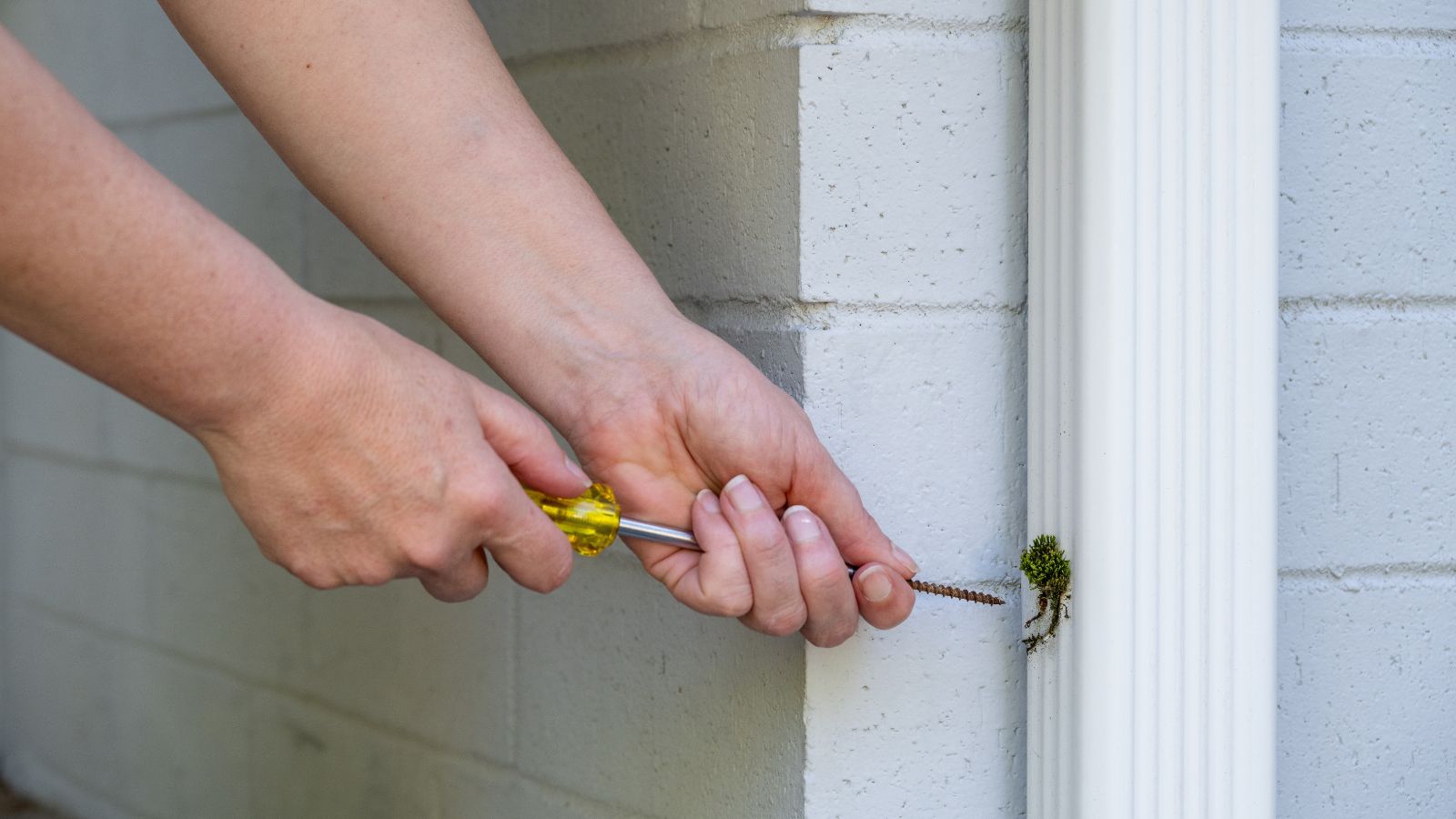
Eavestroughs often collect more than autumn leaves. Summer storms can pack them with seed pods, roofing granules, twigs, bird-nesting material, and windblown grit. Water spilling over the edge may stain siding, soak soil beside the basement, or freeze into hazardous icicles later. Federal flood-preparedness guidance recommends cleaning these systems twice a year and ensuring that joints, fasteners, and discharge points remain functional. A garden-hose test can expose sagging sections or leaks, provided it can be done safely from the ground.
Downspouts should move water away from the foundation rather than release it beside the wall or onto a neighbour’s property. Federal guidance advises directing drainage at least two metres from the foundation where practical. One common example is an extension that was removed for lawn mowing and never reattached; every rainfall then empties a large roof area into one small patch of soil. Reconnect extensions, secure loose elbows, and correct sections that hold standing water before freezing temperatures make brittle parts harder to handle.
Correct Soil That Slopes Toward the House

A yard can appear level in dry weather yet send runoff directly toward the basement during a cloudburst. Summer landscaping, settled backfill, garden edging, and compacted paths sometimes create shallow channels that trap water against the foundation. Canada’s flood guidance recommends grading the ground so it slopes down and away from the home. After heavy rain, homeowners can walk the perimeter and mark puddles, erosion lines, or damp areas that remain after the rest of the yard dries.
Minor low spots may be corrected with suitable fill and topsoil, while larger drainage problems may require a landscaper, drainage contractor, or municipal advice. Soil should not be piled against siding or block foundation vents. Reverse-slope driveways deserve special attention because water can collect near garage or basement entrances; federal guidance notes that trench drains may help in such locations. A modest summer regrading job can prevent autumn rain and spring snowmelt from repeatedly loading the foundation with water.
Investigate Foundation Cracks
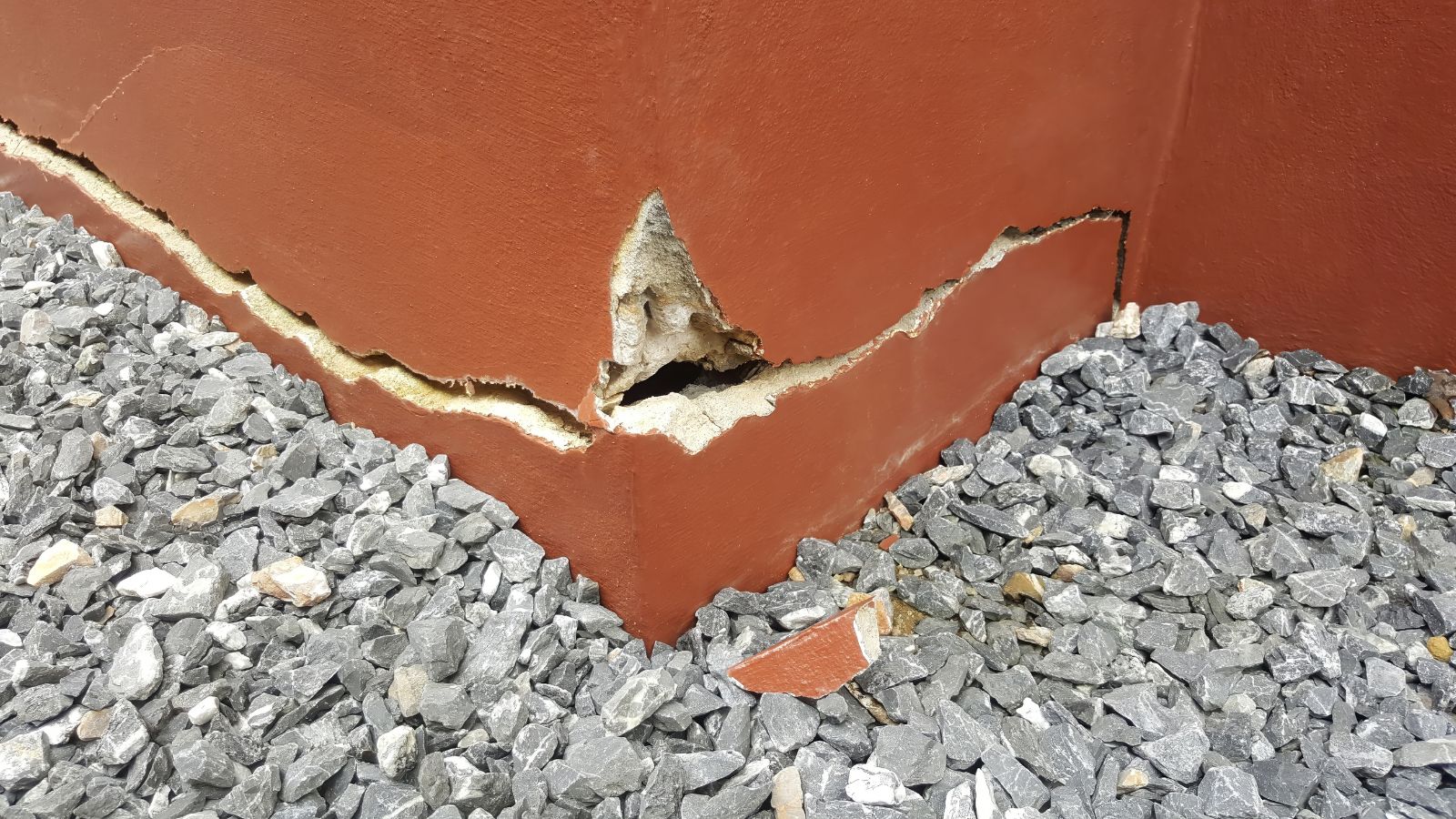
Hairline cracks are common in many concrete foundations, but they should not be dismissed without observation. Federal guidance recommends inspecting foundations from both the exterior and interior, looking for dampness, mineral deposits, widening, displacement, or water entry during heavy rain. Photographing a crack beside a ruler and noting the date creates a simple record. A mark that changes over several weeks, leaks repeatedly, or appears with sticking doors and uneven floors deserves professional evaluation rather than a cosmetic patch.
Natural Resources Canada advises seeking professional help when a crack is active—meaning it grows or changes—because structural repair may be required. Even a narrow, stable opening can admit groundwater when the surrounding soil is saturated. The repair method depends on the crack, wall material, drainage conditions, and whether movement is continuing. For example, sealing an interior surface without correcting failed grading may hide the symptom while pressure remains outside. Summer provides better access for excavation, waterproofing, or drainage work before frozen soil complicates the job.
Dry Damp Basements and Address Mould
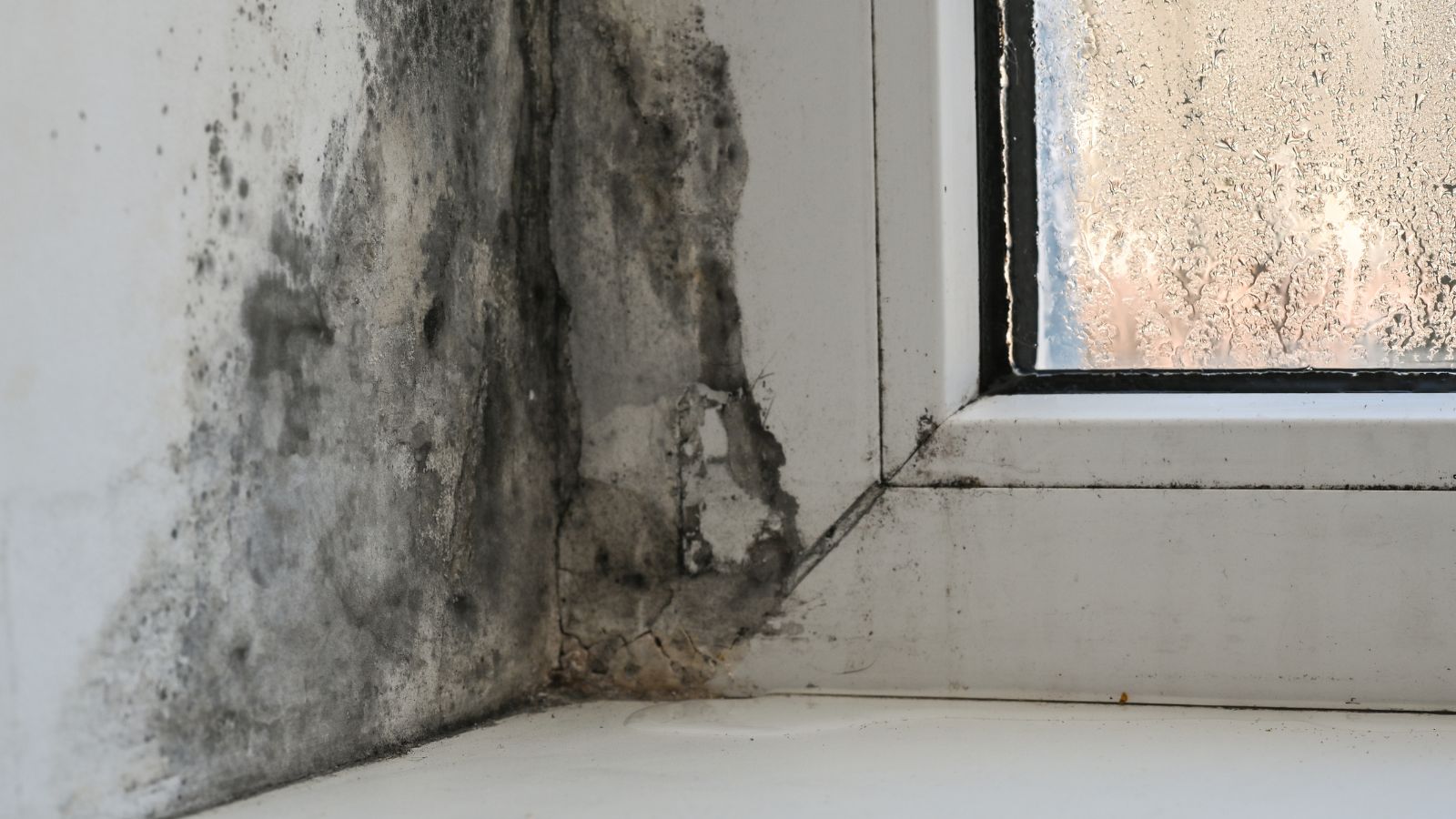
A musty smell after humid weather is not merely a seasonal nuisance. Health Canada identifies excessive moisture as a common cause of poor indoor air and states that indoor mould growth may pose a health hazard. Check behind stored boxes, beneath rugs, around plumbing, near window wells, and along exterior walls for staining, condensation, peeling finishes, or visible growth. A hygrometer can help track conditions; Health Canada generally recommends keeping indoor relative humidity between 30 and 50 percent.
The priority is to stop the moisture source, not simply cover the stain. Repair leaks, improve drainage, run a dehumidifier where needed, and dry wet materials quickly. Health Canada advises drying wet surfaces within 48 hours to reduce mould growth. A family may discover, for instance, that one damp basement corner is directly below a disconnected downspout rather than the result of “summer humidity.” Porous materials with extensive contamination may require removal, and large or recurring problems are better assessed by qualified professionals before the house is closed up for fall.
Replace Failed Exterior Caulking
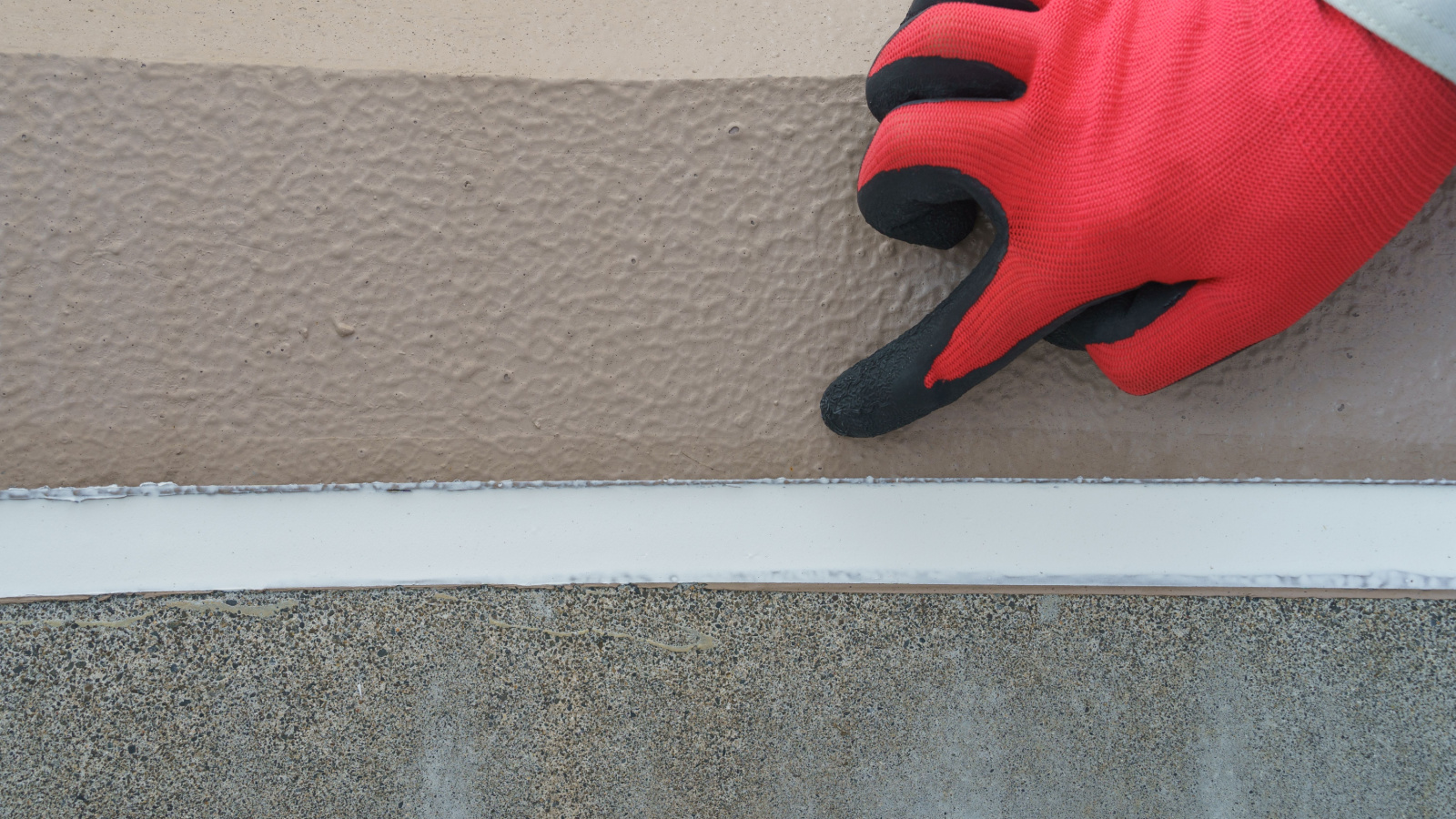
Caulking around windows, doors, service penetrations, vents, and trim can shrink, split, or pull away after years of sun exposure and temperature swings. Those openings admit wind-driven rain, insects, and cold air. Natural Resources Canada describes comprehensive air sealing as a key retrofit activity and recommends sealing leakage paths with appropriate caulking, gaskets, tapes, and weatherstripping. The existing material should be examined for gaps, brittle edges, or poor adhesion rather than automatically covered with another thick bead.
Use a sealant designed for the specific exterior materials and movement expected, and follow the manufacturer’s temperature and surface-preparation instructions. Some joints are intended to drain or breathe, so indiscriminate sealing can trap moisture; damaged siding assemblies may require professional advice. NRCan notes that windows and doors can account for up to 25 percent of total home heat loss, which helps explain why a few neglected gaps can become noticeable in winter. A clean, properly tooled repair completed in dry summer weather is more reliable than a rushed patch during cold autumn rain.
Repair Drafty Windows and Exterior Doors

Windows and doors deserve a functional check while they can still be opened comfortably. Look for torn weatherstripping, loose hinges, failed glazing seals, rotted sills, cracked panes, and latches that no longer pull the sash or door tightly against the frame. Natural Resources Canada explains that weatherstripping helps block rain and dust while reducing air leakage. Condensation between panes is different from moisture on the room-side glass; it usually indicates a failed insulating-glass seal and may require replacement of the sealed unit.
A simple inspection can include closing a sheet of paper in the door at several points; areas where it slides out easily may lack compression. Adjust hardware before replacing sound components, and clear basement window wells so debris does not hold water against frames. One common household example is a patio door that rolled smoothly in June but now leaves daylight visible at the lower corner after the track shifted. Correcting alignment, drainage, and seals before fall improves comfort and reduces the chance that wind-driven rain or melting snow reaches interior finishes.
Strengthen Soft Deck Boards, Stairs, and Railings

Decks endure ultraviolet light, heavy rain, planters, furniture, and repeated foot traffic throughout summer. Inspect boards for softness, deep checking, lifted fasteners, splinters, and areas that stay damp. Pay particular attention to stair stringers, posts, ledger connections, and railing movement. The Canadian Wood Council emphasizes that coatings can protect surfaces from weathering but do not stop decay once moisture reaches vulnerable wood. A stained surface can therefore look presentable while the structure beneath needs attention.
Push gently on guards and handrails, and keep people off any area that feels unstable until it is assessed. Public-health home-safety guidance highlights railings and good traction on outdoor stairs, paths, and decks as fall-prevention measures. Finishes on deck boards may need relatively frequent renewal; Canadian Wood Council guidance notes that stains on deck surfaces may last only one to two years under sun, water, and wear. Replace decayed components properly rather than filling them, and correct drainage or trapped debris that allowed the damage to develop.
Fix Cracked Siding and Peeling Exterior Paint
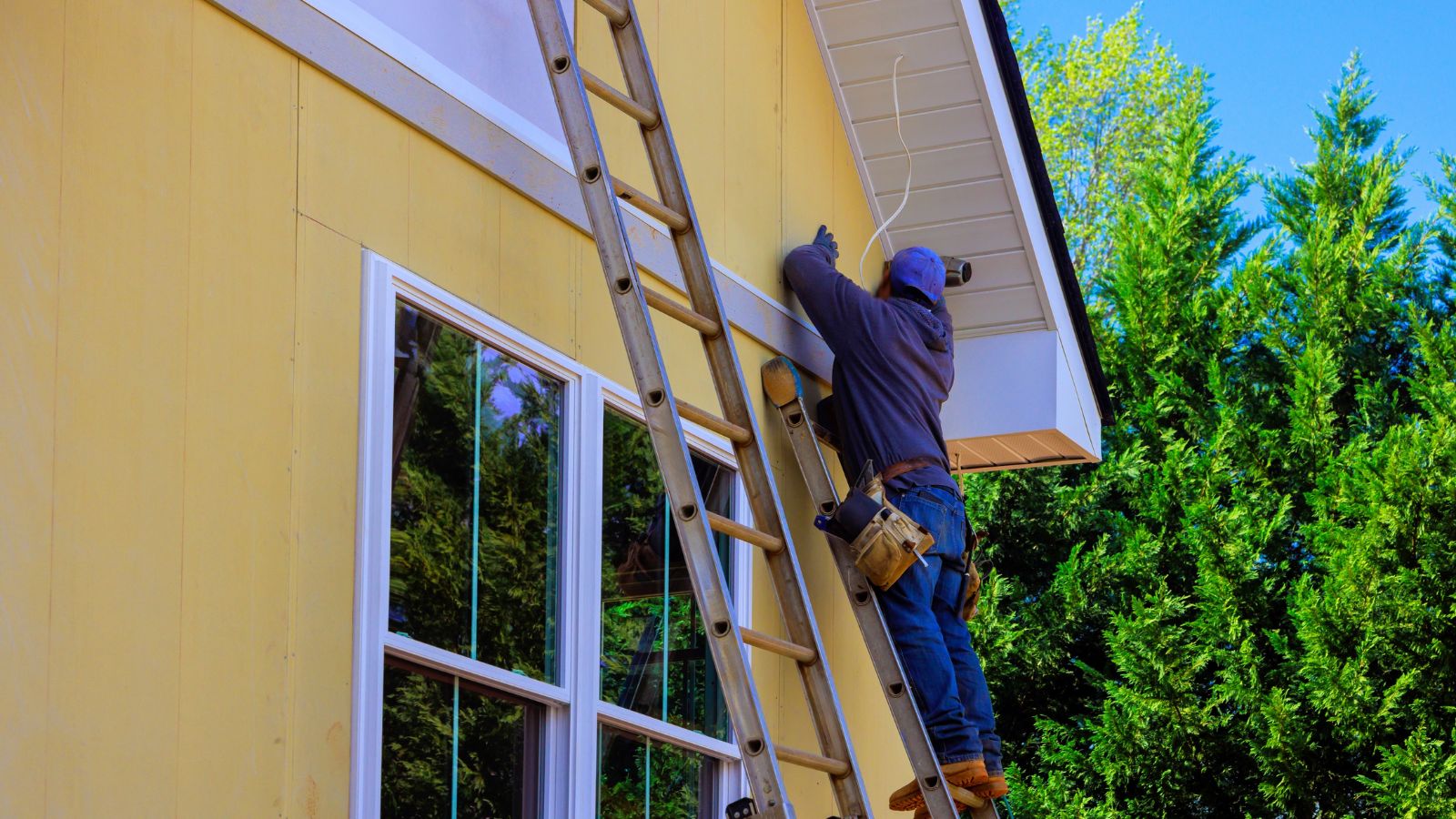
Peeling paint, open siding joints, warped boards, and impact cracks are more than cosmetic defects. Natural Resources Canada notes that moisture can cause wood to rot, concrete to crumble, and paint to peel. During a slow walk around the house, check lower walls, corners, hose bibs, utility penetrations, and areas below roof edges. Staining or repeated blistering may point to a leak behind the finish rather than a problem with the paint itself.
Small exposed areas can often be cleaned, dried, primed, and touched up using compatible products, but the water source must be corrected first. NRCan advises caulking exterior cracks that permit water or insect entry while avoiding the blockage of siding joints designed for drainage. Consider a wall where paint repeatedly fails below a window: repainting every summer will not help if failed flashing is directing water into the assembly. Larger bulges, loose masonry, widespread rot, or persistent moisture warrant professional investigation before fall rain and freeze–thaw cycling worsen the damage.
Service the Chimney and Fireplace

A fireplace that sat unused through summer can hide nesting debris, cracked components, creosote, or a damaged cap. Natural Resources Canada recommends annual inspection of solid-fuel-burning equipment and chimneys, with cleaning as often as necessary. Health Canada separately advises annual chimney cleaning for wood-burning fireplaces. The check should cover the firebox, damper, flue, chimney exterior, cap, and clearances around combustible materials, with qualified service for anything beyond routine visual inspection.
This work matters before the first cold evening, when appointment schedules often tighten and households are tempted to light a fire immediately. Blocked or poorly maintained venting can contribute to smoke or carbon-monoxide problems. Health Canada notes that indoor carbon-monoxide risk is greatest in fall and winter because fuel-burning heating equipment is used more often. A bird nest discovered in September is inconvenient; discovering it after smoke spills into the living room is dangerous. Keep ashes in a metal container, follow appliance instructions, and verify that nearby alarms are working.
Prepare the Furnace or Heat Pump
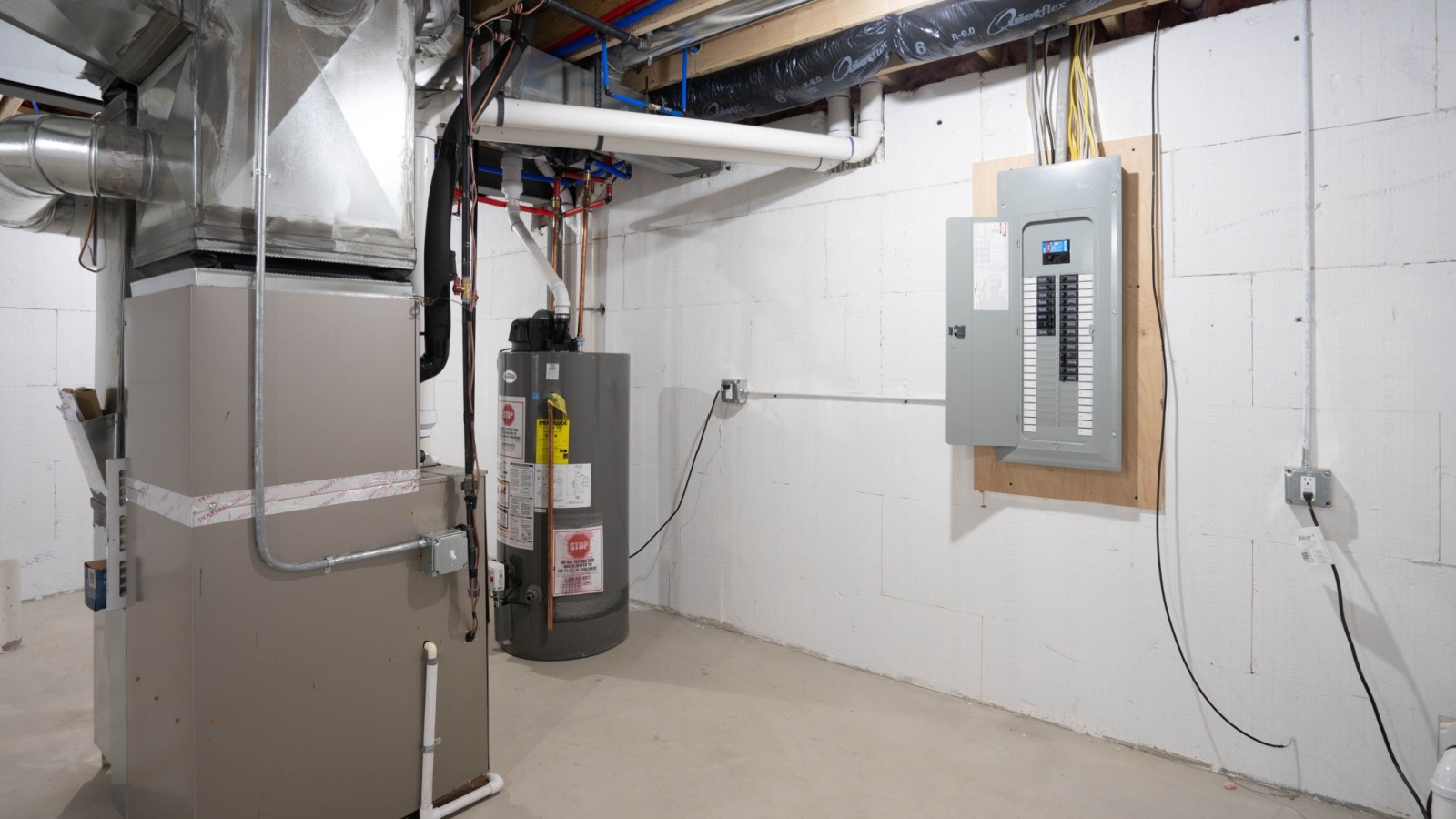
Cooling season can disguise a heating problem until the first cold morning. Natural Resources Canada recommends pre-season HVAC checks and regular filter inspection, cleaning, or replacement. For forced-air systems, its guidance suggests changing or cleaning filters about every three months or sooner when loaded, while service intervals vary by equipment: oil systems generally need annual cleaning and tuning, and natural-gas, propane, or ground-source systems should be serviced at least every two years.
Before fall, clear return-air grilles and supply vents, listen for unusual fan noise, confirm the thermostat changes modes properly, and arrange professional service where required. Heating and cooling account for roughly two-thirds of energy use in an average Canadian home, so neglected airflow or controls can affect both comfort and cost. A homeowner who stacks storage boxes against a basement return grille may blame the furnace for weak upstairs airflow when the real problem is obstruction. Combustion appliances also require working carbon-monoxide alarms and unobstructed venting.
Clean Air-Conditioner Coils and Condensate Drains

The end of summer is a useful time to record cooling problems while they are still fresh. Weak airflow, unusually long run times, water near the indoor unit, or ice on the refrigerant line can indicate maintenance or repair needs. Natural Resources Canada states that air conditioners lose efficiency when the indoor coil is dirty, the outdoor condenser airflow is blocked, or refrigerant is low. It also recommends cleaning condensate drain holes or tubes that become blocked.
Homeowners can usually replace filters, remove loose leaves around the outdoor unit, and check that drainage is flowing, but refrigerant and electrical work belong to qualified technicians. Do not wrap an outdoor heat-pump unit as though it were a conventional air conditioner because it may operate in winter and needs airflow. A blocked condensate tube can create a surprisingly large ceiling stain or basement puddle even though the cooling system seems functional. Correct the cause, dry affected materials, and note recurring moisture before switching attention entirely to heating season.
Repair Plumbing Leaks and Protect Outdoor Faucets
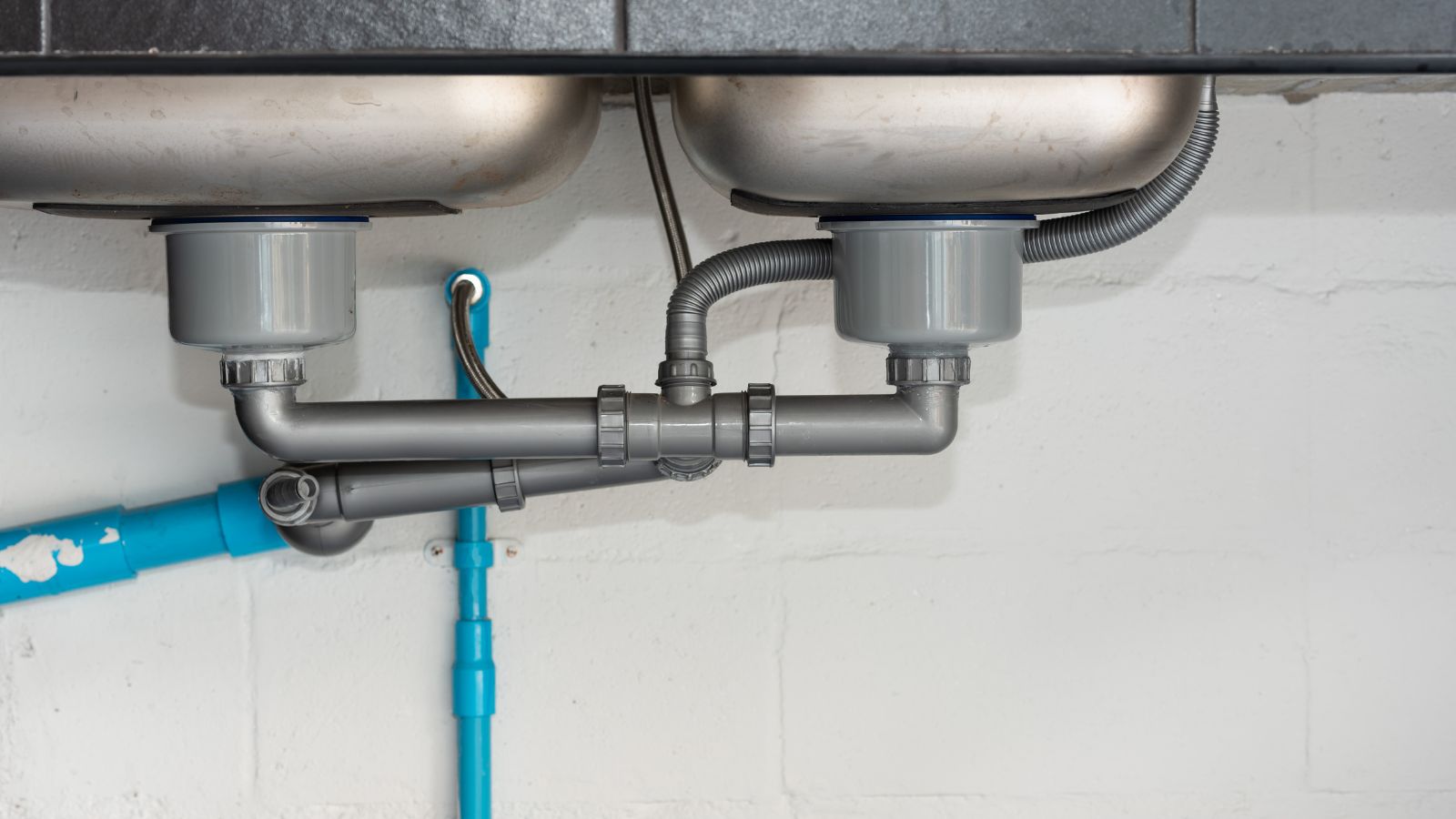
Summer irrigation and outdoor cleaning can expose dripping hose connections, loose faucet stems, and supply lines that leak only under use. Check beneath sinks, around toilets, near washing machines, and beside the main shutoff for corrosion or moisture. Outdoors, remove split hoses and inspect the wall around each hose bib for staining or movement. A small leak that wets insulation or framing may become a mould problem long before it appears on a finished wall.
Before freezing weather, detach garden hoses and follow the home’s instructions for shutting off and draining exterior water lines. Insurance Bureau of Canada guidance recommends knowing plumbing shutoff locations and insulating pipes exposed to cold air, especially near outside walls, basements, and crawl spaces. A hose left attached can hold water where it should drain, increasing the chance of freeze damage in susceptible installations. Test shutoff valves gently rather than forcing a seized handle, and call a plumber when valves, supply tubes, or concealed lines show deterioration.
Test the Sump Pump and Inspect the Backwater Valve

Basement-protection equipment can fail quietly because it may sit unused between storms. Federal flood guidance recommends a full sump-pump test once a year and annual inspection of backwater valves. Check that the sump pit is clear, the float moves freely, the discharge pipe is secure, and the pump sends water to an appropriate location away from the foundation. The check valve should prevent discharged water from flowing back into the pit.
Open the backwater-valve access chamber only as directed and look for debris or a flap that does not move properly. A licensed plumber should handle installation, uncertain defects, or systems connected in ways that are not obvious. Battery backup and an alarm add protection during the power outages that often accompany severe weather. A pump that hums but does not discharge during a bucket test is not “almost working”; it is a warning to act before autumn rain. Keep the access covers visible rather than burying them behind storage.
Correct Attic Insulation and Blocked Ventilation

An attic can develop problems during summer even when no leak reaches the living space. Look for compressed or missing insulation, blocked soffit vents, dark roof sheathing, rusty nails, animal disturbance, and disconnected exhaust ducts. Natural Resources Canada explains that uninsulated areas can create cold spots associated with moisture and mould, and ventilation openings must remain clear above insulation. Air leaks from the house into the attic also carry moisture that can condense or freeze in cold weather.
Do not simply add insulation over wet materials or close vents in an attempt to keep heat in. The ceiling air barrier, insulation, and ventilation system must work together. Insurance Bureau of Canada identifies poor attic ventilation as a contributor to uneven roof temperatures and ice-dam formation. A bathroom fan terminating in the attic can deposit moisture directly onto cold sheathing, producing frost and staining despite a sound roof. Have unsafe wiring, suspected asbestos-containing insulation, structural damage, or widespread mould assessed by qualified professionals before disturbing materials.
Seal Pest Entry Points

Late summer is the ideal time to look for gnawed screens, gaps beside pipes, loose soffits, damaged door sweeps, and openings around foundations. Health Canada notes that mice may invade buildings near fields and woodlands in the fall and emphasizes prevention through rodent-proofing. HealthLink BC advises sealing exterior entry points larger than about six millimetres, roughly one-quarter inch. Wire screening, metal flashing, cement, and other durable materials are more effective than paper or soft filler that rodents can remove.
Reduce attractions as well as access. Store bird seed and pet food in rodent-resistant containers, clean spills, trim dense vegetation near the wall, and avoid leaving fallen fruit or open garbage beside the house. Wear appropriate protection and follow public-health guidance when cleaning droppings; sweeping or vacuuming dry contamination can stir particles into the air. A homeowner may notice only one mouse in October, yet the real repair could be a missing screen behind the air-conditioning line set. Seal openings without blocking required drainage or ventilation.
Remove Dead or Overhanging Tree Limbs
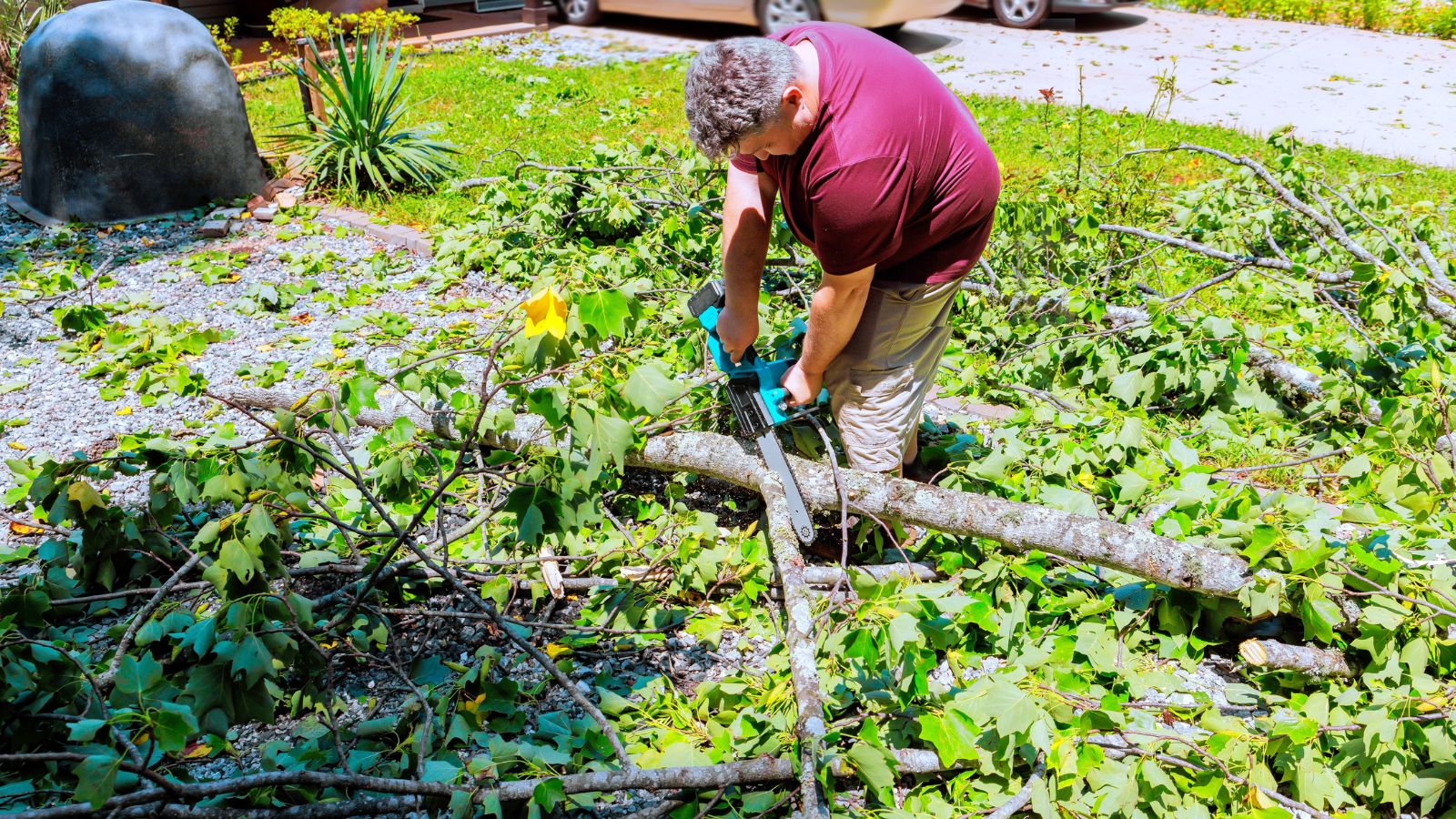
Summer growth can conceal cracked unions, dead limbs, branches rubbing the roof, or trees leaning after saturated soil and storms. Federal severe-weather guidance recommends trimming damaged branches and keeping trees and shrubs maintained for wind resistance. Insurance Bureau of Canada also advises trimming branches near homes, vehicles, and electrical wires. The goal is not aggressive topping, which can weaken a tree, but informed pruning that removes identifiable hazards.
Ground-level work on small growth may be manageable, but large limbs, trees near power lines, and questionable trunks require trained professionals. Never climb with a chainsaw or approach energized conductors. A branch that merely brushes shingles in July can scrape away granules, clog a valley with leaves, or break under wet snow later. Ask an arborist to assess cavities, fungal growth, split leaders, root disturbance, and deadwood over bedrooms, driveways, or service lines. Clearing roof-contact points also makes autumn gutter maintenance easier and reduces storm debris.
Test Smoke and Carbon-Monoxide Alarms
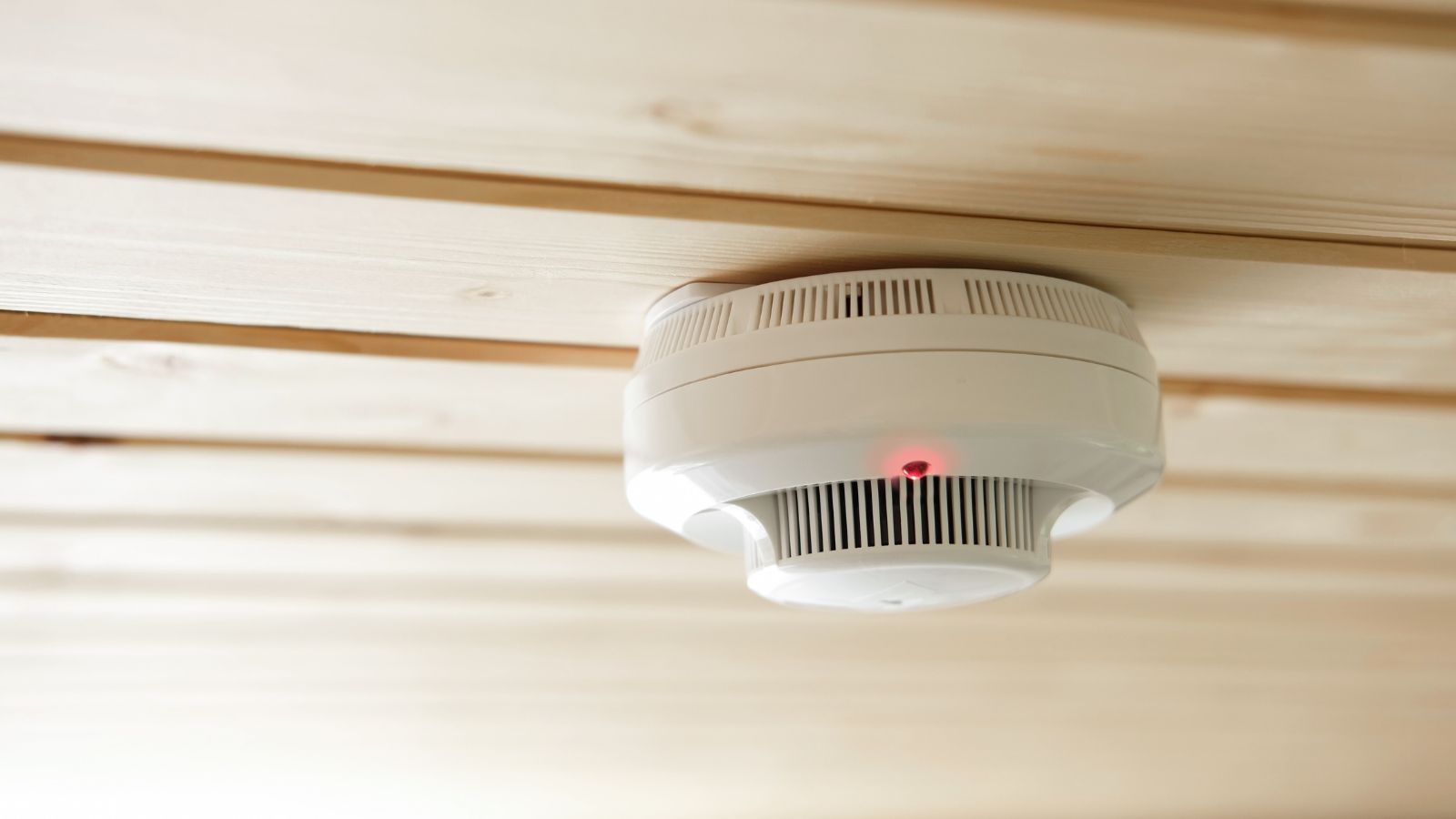
Alarm checks should happen regularly, but the transition to heating season is a useful reminder. Health Canada advises testing smoke alarms every month and using carbon-monoxide alarms certified for Canada. Smoke alarms detect fire, not carbon monoxide, so homes with fuel-burning equipment or attached garages need appropriate CO protection as required by local rules and manufacturer instructions. Check expiry dates as well as batteries because alarm sensors have limited service lives.
Press each test button, confirm interconnected units sound where applicable, and make sure alarms can be heard from sleeping areas. Replace devices covered with paint, damaged during renovation, subject to a recall, or beyond the manufacturer’s replacement date. Health Canada notes that carbon-monoxide exposure risk is greatest during fall and winter, when fuel-burning heating appliances are used more often. A working alarm may be the only warning because carbon monoxide is colourless and odourless. Families should also review an escape plan and keep exits unobstructed before cold weather brings closed windows and more indoor activity.
Clean the Dryer Vent and Exterior Hood
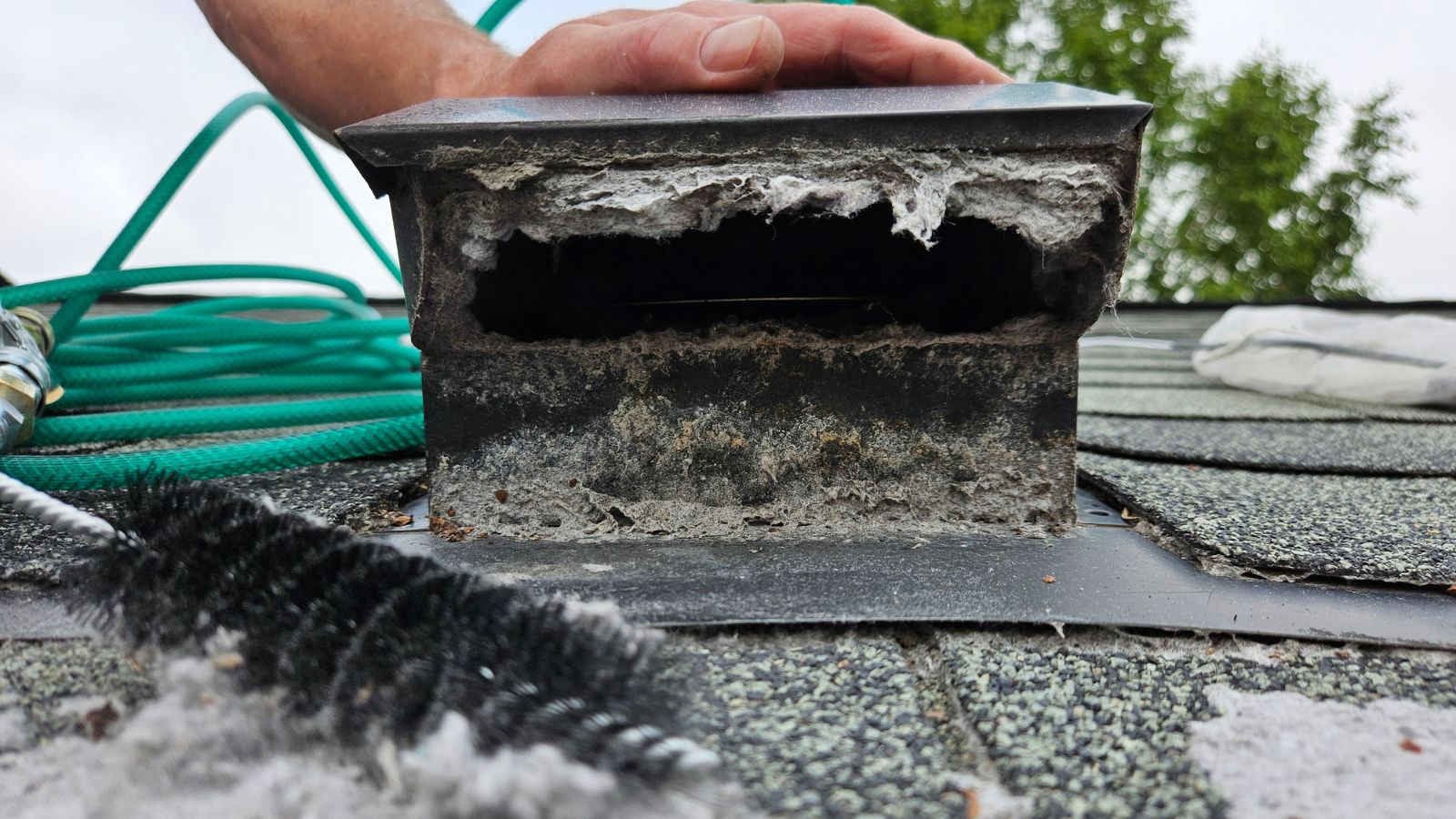
A lint screen that looks clean does not guarantee that the full exhaust path is clear. Natural Resources Canada recommends cleaning dryer vents regularly to improve airflow and reduce strain on the motor. Health Canada advises cleaning the lint tray after every load and checking the outside vent for buildup. Warning signs include clothes taking longer to dry, a hot laundry room, a burning smell, or an exterior flap that barely opens while the dryer runs.
Disconnect power before routine cleaning and follow the appliance instructions. Rigid or suitable metal ducting with smooth joints generally allows better airflow than crushed or excessively long flexible runs, but alterations should meet local requirements. The exhaust must terminate outdoors; venting moisture into an attic, crawl space, or room encourages dampness and mould. A family may replace an apparently weak dryer when the real problem is a bird nest or packed lint at the exterior hood. Repair loose joints, damaged flaps, and screens that obstruct lint discharge before winter snow covers the outlet.
Restore Bathroom and Kitchen Exhaust Fans
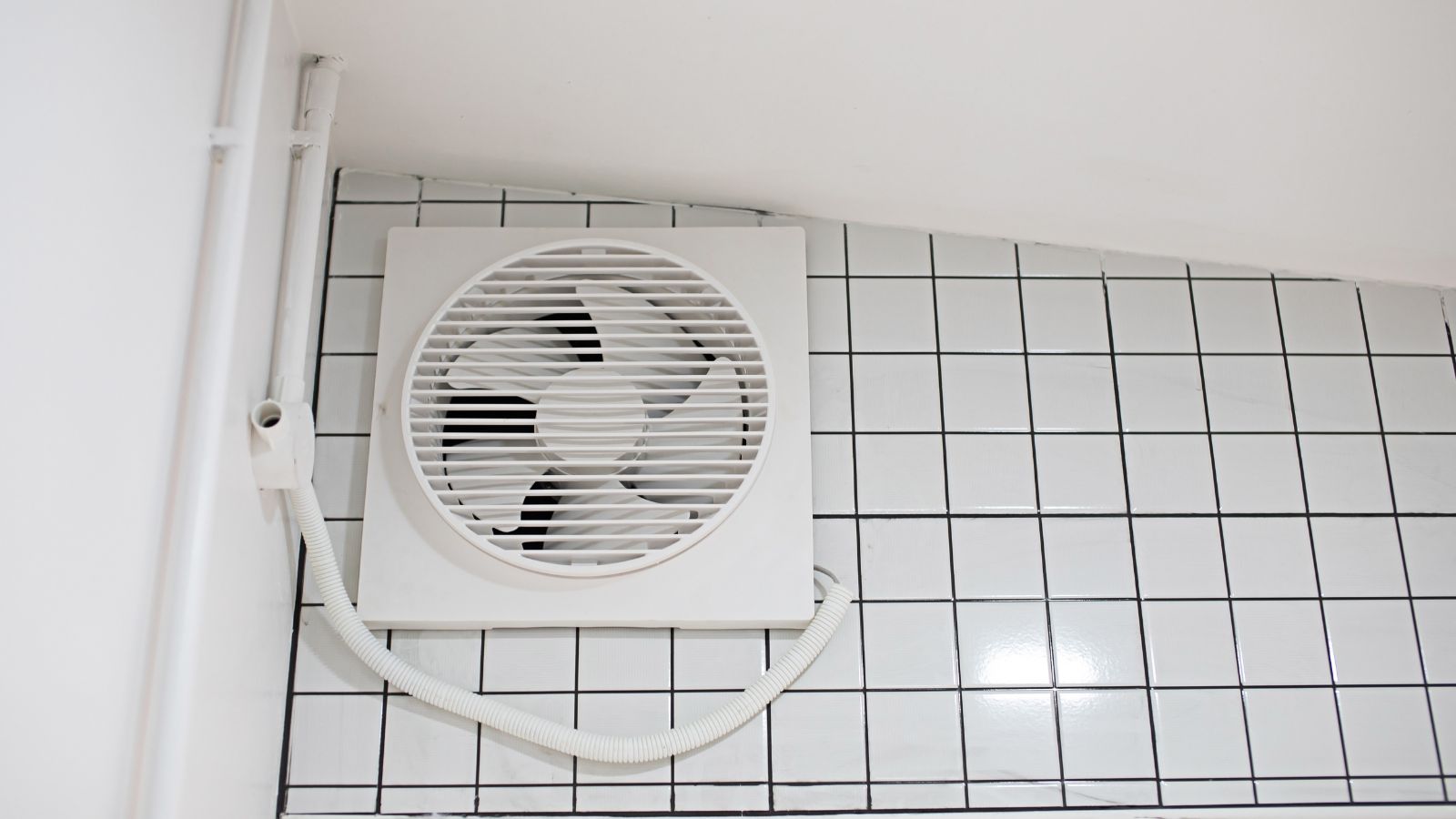
A fan can make noise without moving enough air. Hold a single sheet of tissue near the grille to see whether it is drawn toward the fan, then inspect the exterior hood while the unit runs. Health Canada identifies poorly working or improperly vented kitchen and bathroom fans as contributors to indoor moisture and mould. It recommends that these exhaust systems discharge directly outdoors rather than into attics or wall cavities.
Clean removable grilles and accessible filters, remove exterior debris, and arrange service for noisy motors, loose ducts, or weak airflow. Government housing guidance suggests running bathroom and kitchen fans during moisture-producing activities and for about 15 minutes afterward. Consider the familiar mirror that remains fogged long after a shower: the problem may be a blocked exterior damper, a disconnected attic duct, or a fan too small for the room. Correcting the system before fall helps when windows stay closed and cooking, bathing, and laundry add more moisture indoors.
Repair Uneven Walkways, Steps, and Handrails
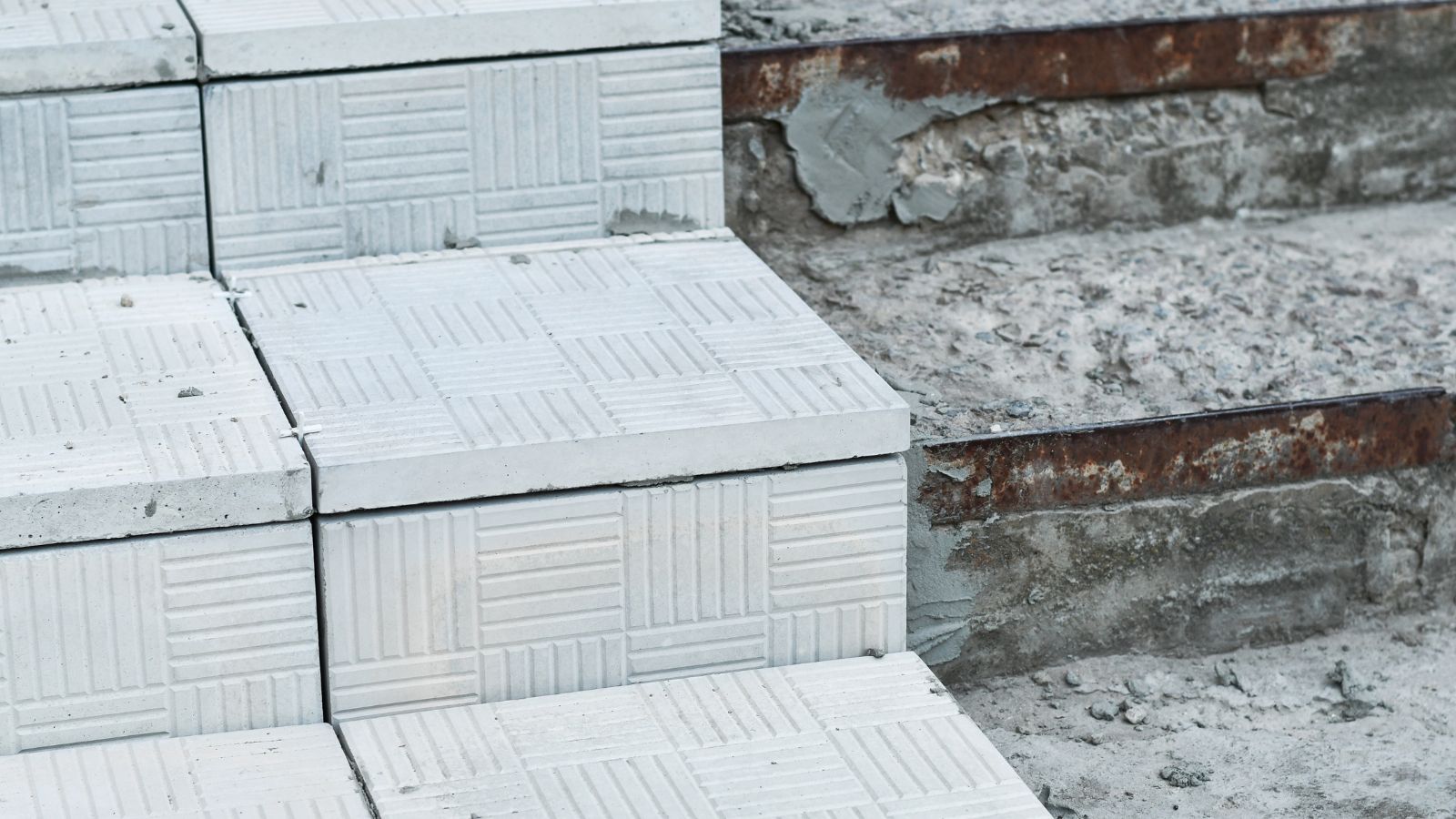
Sunken pavers, crumbling step edges, loose handrails, and driveway cracks are easier to see and repair before leaves and snow cover them. The Public Health Agency of Canada recommends keeping front steps and walkways in good repair and checking the home for tripping hazards. Its Safe Living Guide reports that roughly 20 to 30 percent of community-dwelling Canadian seniors experience a fall each year, underscoring why a small elevation change can have serious consequences.
Mark abrupt edges immediately, improve lighting, tighten railings, and arrange proper levelling or concrete repair rather than relying on a loose board or temporary mat. Drainage matters too: depressions that hold summer rain can become patches of ice after a flash freeze. A delivery path with one lifted slab may seem manageable to regular occupants who know it is there, but visitors and workers do not. Repairs should preserve a stable, slip-resistant route from the sidewalk or driveway to the door before autumn leaves reduce contrast and winter maintenance begins.
Repair Outdoor Outlets and Weatherproof Covers
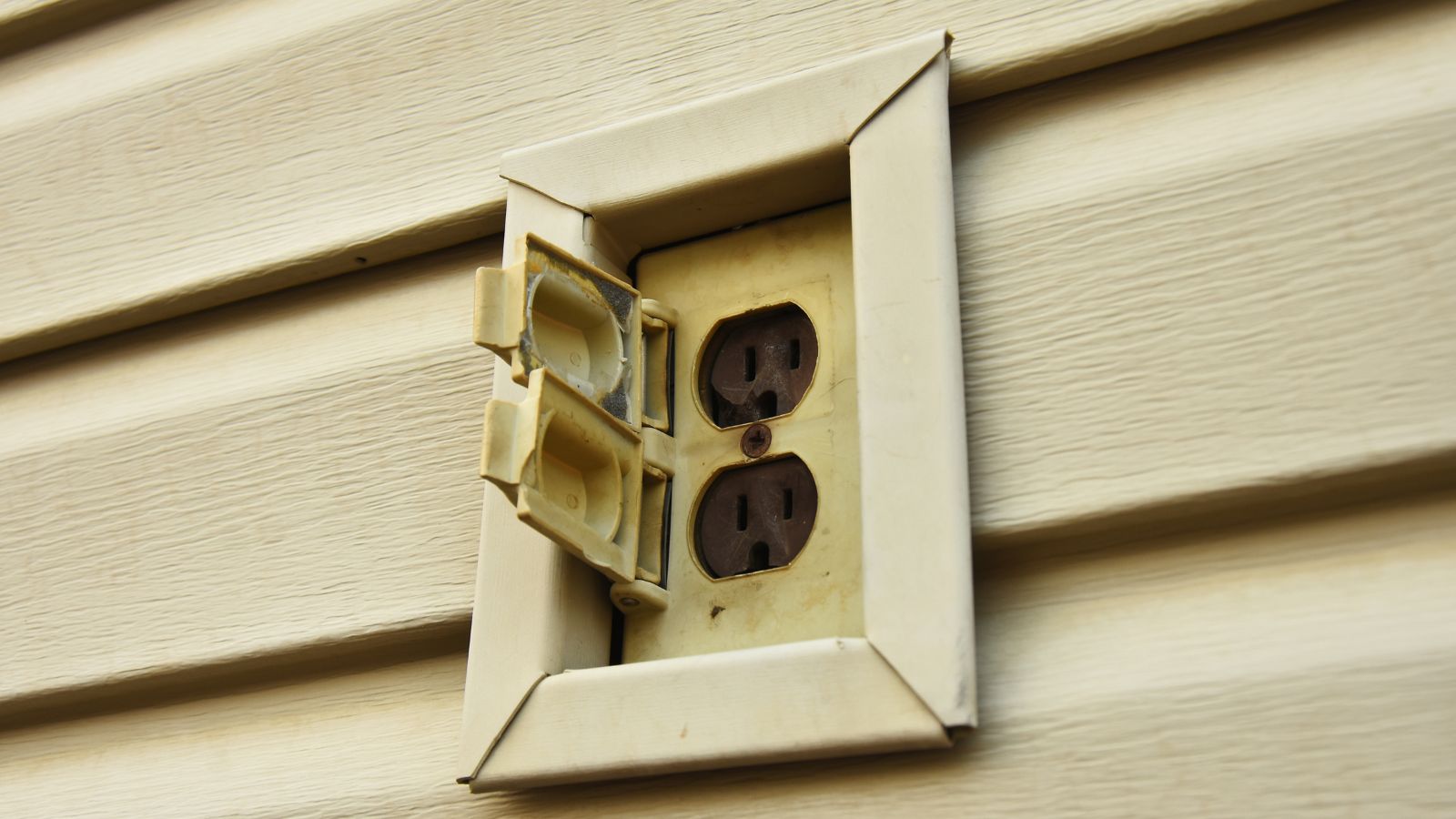
Outdoor receptacles face rain, irrigation spray, insects, dirt, and physical damage from garden tools or furniture. Check for cracked covers, loose boxes, scorch marks, plugs that will not stay seated, or outlets that fail the test and reset functions. The Electrical Safety Authority advises that outdoor outlets use ground-fault circuit-interrupter protection and weatherproof covers to keep moisture out. Health Canada also stresses using electrical products and cords that are certified and appropriate for outdoor use.
Stop using any damaged or warm outlet and have a licensed electrical contractor assess it; homeowners should not improvise repairs around wet locations. Test GFCIs according to the manufacturer’s directions and make sure seasonal lighting, heaters, or tools will not depend on a frayed extension cord. A missing in-use cover may go unnoticed during dry July weather but become hazardous when autumn rain reaches a connected plug. Correcting the box, cover, grounding, and circuit protection now creates a safer setup for leaf blowers, holiday lights, and winter equipment.
19 Things Canadians Don’t Realize the CRA Can See About Their Online Income

Earning money online feels simple and informal for many Canadians. Freelancing, selling products, and digital services often start as side projects. The problem appears at tax time. Many people underestimate how much information the CRA can access. Online platforms, banks, and payment processors create detailed records automatically. These records do not disappear once money hits an account. Small gaps in reporting add up quickly.
Here are 19 things Canadians don’t realize the CRA can see about their online income.
This Options Discord Chat is The Real Deal
While the internet is scoured with trading chat rooms, many of which even charge upwards of thousands of dollars to join, this smaller options trading discord chatroom is the real deal and actually providing valuable trade setups, education, and community without the noise and spam of the larger more expensive rooms. With a incredibly low-cost monthly fee, Options Trading Club (click here to see their reviews) requires an application to join ensuring that every member is dedicated and serious about taking their trading to the next level. If you are looking for a change in your trading strategies, then click here to apply for a membership.