
35,000+ smart investors are already getting financial news, market signals, and macro shifts in the economy that could impact their money next with our FREE weekly newsletter. Get ahead of what the crowd finds out too late. Click Here to Subscribe for FREE.
Every winter, Canadians open their wallets for car products marketed as absolute necessities. Shelves fill with promises of safety, protection, and peace of mind. Many of these items look practical and feel reassuring. The problem is that quite a few do nothing useful once temperatures drop. Some are outdated ideas. Others solve problems that modern vehicles no longer have. A few can even create new issues when used incorrectly. Knowing what actually matters can save money and frustration. Here are 21 winter car ‘essentials’ Canadians buy that don’t help at all.
Fuel Line Antifreeze Bottles
21 Winter Car ‘Essentials’ Canadians Buy That Don’t Help at All
- Fuel Line Antifreeze Bottles
- Windshield Washer Fluid Tablets
- Hood Bras and Vinyl Front Covers
- Tire Snow Socks for Everyday Driving
- Engine Block Heater Timers for Mild Climates
- Gas Tank Insulation Wraps
- Universal Seat Cover Heaters
- Windshield Anti-Fog Sprays
- Battery Insulation Jackets
- Emergency Candles for Snowstorms
- Magnetic Winter Grille Covers
- Ice-Proof Door Lock Sprays
- Steering Wheel Covers for Cold Protection
- Windshield Snow Shields
- Tire Pressure Caps with Indicators
- Engine Oil Additives for Cold Starts
- Trunk-Mounted Traction Mats for All Conditions
- Cheap Portable Jump Starters
- Car Dehumidifier Bags
- Remote Start Range Extenders
- Winter Car Covers for Daily Use
- 22 Groceries to Grab Now—Before another Price Shock Hits Canada
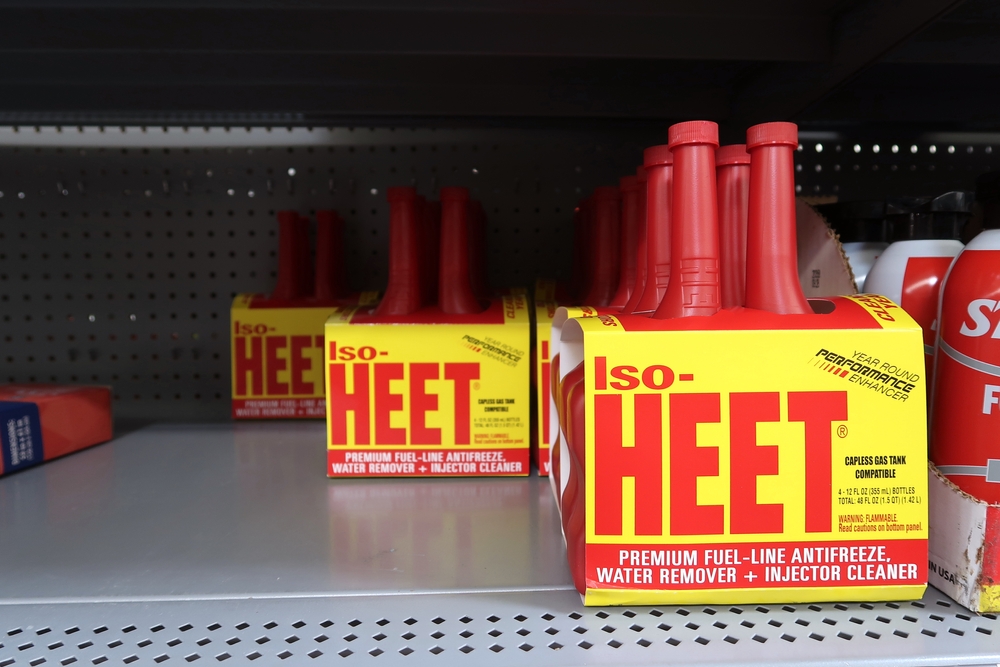
Fuel line antifreeze was useful decades ago. Older vehicles trapped moisture in metal fuel lines. Modern cars use sealed systems and ethanol-blended fuel. Moisture buildup is already controlled. Adding fuel line antifreeze rarely improves cold starts. It also does not prevent winter stalling. In some cases, it can dilute fuel quality. Drivers buy it because it feels preventative. Real winter issues come from batteries and tires. This product stays popular because it is cheap and familiar. That does not make it useful. Most vehicles built after the 1990s gain nothing from it.
Windshield Washer Fluid Tablets
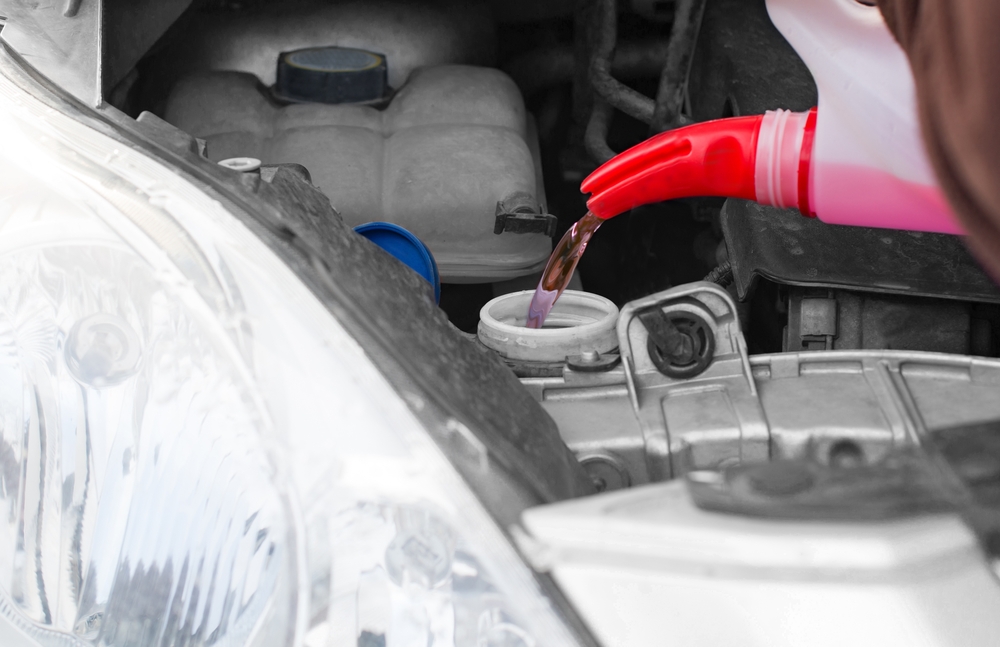
Washer fluid tablets promise savings and convenience. They dissolve into water and claim winter protection. The problem is freeze resistance. Proper winter washer fluid contains alcohol blends designed for extreme cold. Tablets often fail at low temperatures. Frozen washer systems leave drivers blind in slush. Tablets also clog pumps if not mixed perfectly. Bottled winter fluid costs more but works reliably. Tablets are marketed as eco-friendly solutions. In Canadian winters, reliability matters more. Visibility problems during snowstorms are dangerous. This product saves little money and creates unnecessary risk.
Hood Bras and Vinyl Front Covers
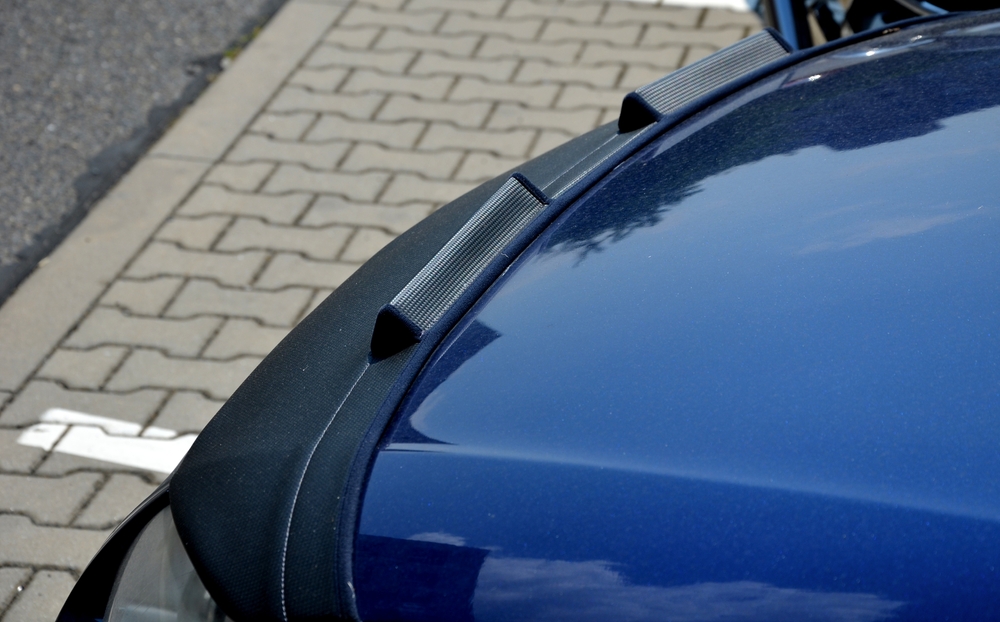
Vinyl hood covers were once popular for stone protection. In winter, they trap moisture and road salt. That combination damages paint faster. Ice also forms underneath, grinding debris into the finish. Many drivers assume covers block corrosion. They usually make it worse. Modern paint protection films work differently. Hood bras are outdated solutions. They also interfere with airflow in freezing conditions. The result can be uneven engine temperatures. Most vehicles suffer more wear with these covers installed. The protection benefit is mostly psychological rather than practical.
Tire Snow Socks for Everyday Driving
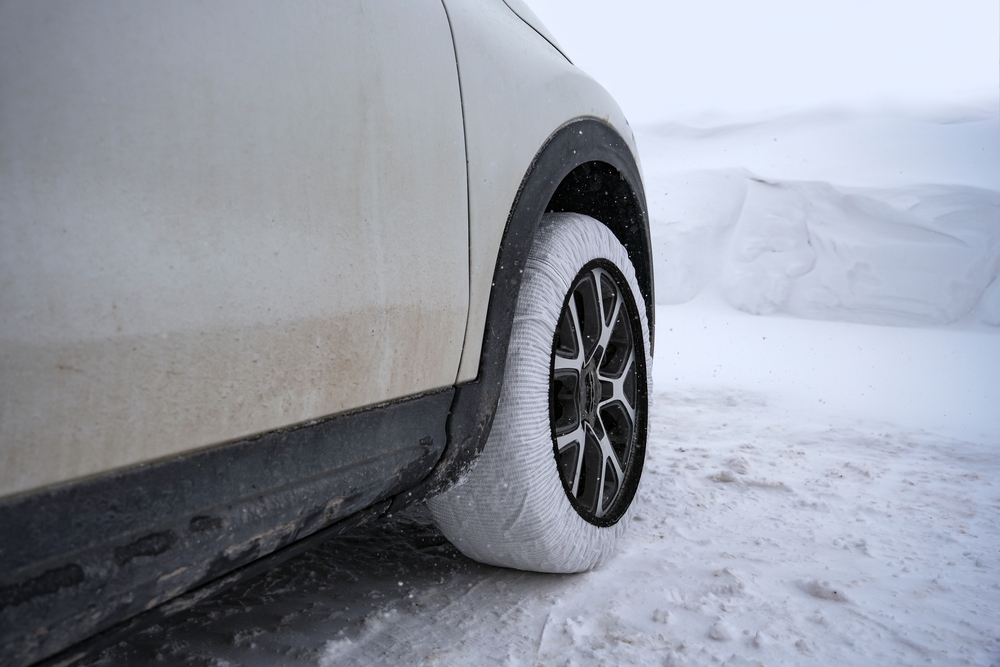
Snow socks look impressive in advertisements. They provide traction in emergency conditions. They are not meant for regular winter driving. They wear out quickly on cleared roads. Using them on asphalt destroys the fabric. Many Canadians buy them as winter alternatives to tires. That is a mistake. Snow socks are temporary tools. They are designed for short use only. Relying on them daily is unsafe. Real winter tires provide consistent grip. Snow socks create false confidence and unpredictable handling once conditions change.
Engine Block Heater Timers for Mild Climates
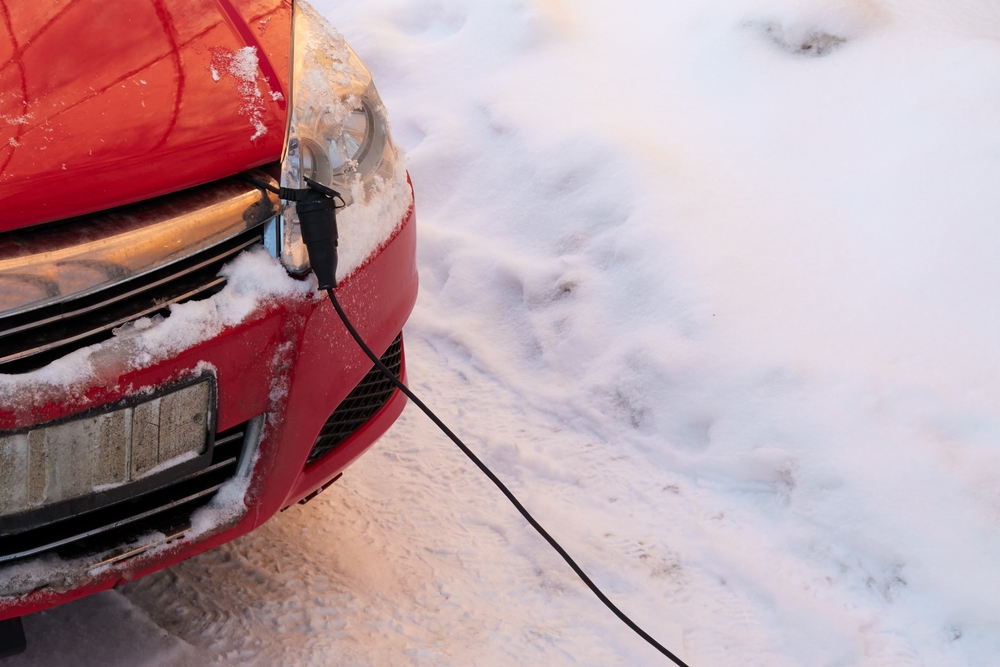
Block heater timers sound smart. They limit power use and warming time. In many parts of Canada, they are unnecessary. Modern engines start fine above minus fifteen degrees. Timers do not improve reliability in mild winter regions. They also add setup complexity. Drivers forget settings or misjudge temperatures. The engine gains little benefit. Fuel injection systems adjust automatically. Cold start wear today is minimal compared to older engines. In many cities, plugging in at all is optional. Timers solve a problem most drivers do not have.
Gas Tank Insulation Wraps
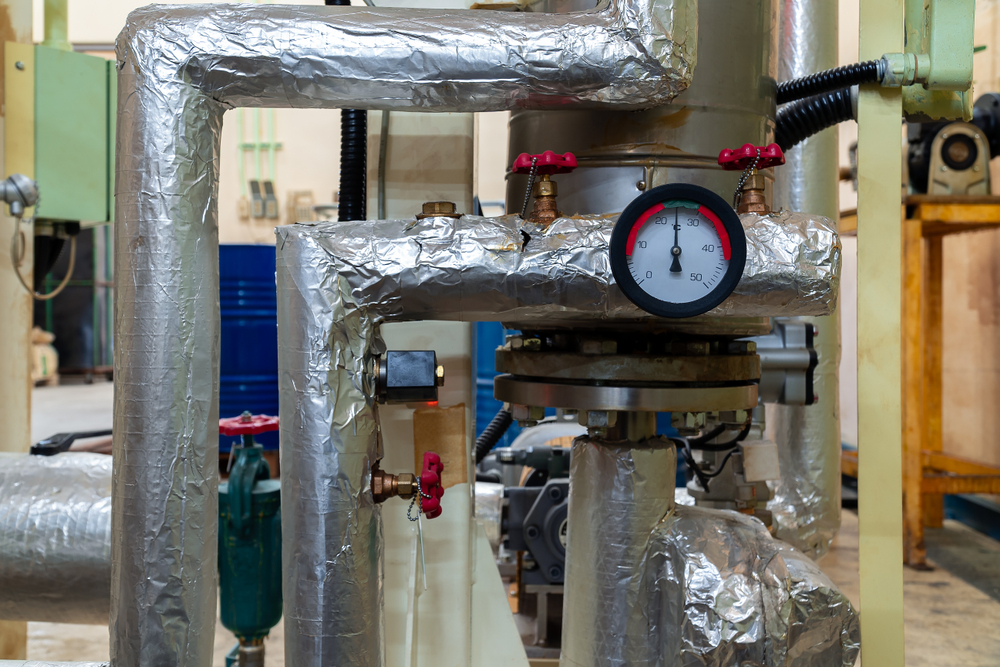
Gas tank wraps claim to prevent fuel freezing. Gasoline does not freeze in Canadian winters. Diesel gelling is different and handled by additives. Insulation wraps do nothing meaningful. They can trap moisture against the tank. That encourages corrosion. The idea comes from outdated mechanical fears. Modern vehicles regulate fuel delivery efficiently. No heat is needed at the tank level. Buying these wraps wastes money and time. They also complicate repairs. Mechanics often remove them during service. There is no proven benefit for everyday winter driving.
Universal Seat Cover Heaters
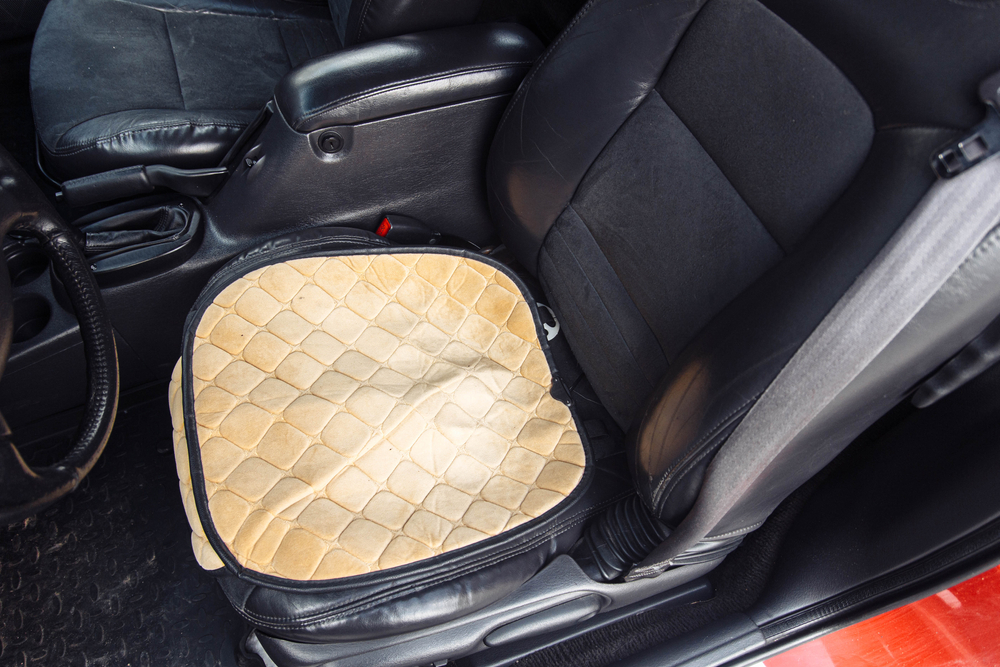
Seat heater covers plug into power outlets. They promise warmth without built-in heaters. Many fit poorly and shift while driving. Loose wiring creates safety concerns. Heat output is inconsistent. Some overheat while others barely warm. Modern vehicles manage seat heating safely. Add-on heaters lack temperature regulation. They can damage upholstery over time. Many drivers buy them for older cars. Warm clothing and proper cabin heating work better. These covers feel comforting but rarely deliver consistent or safe results.
Windshield Anti-Fog Sprays
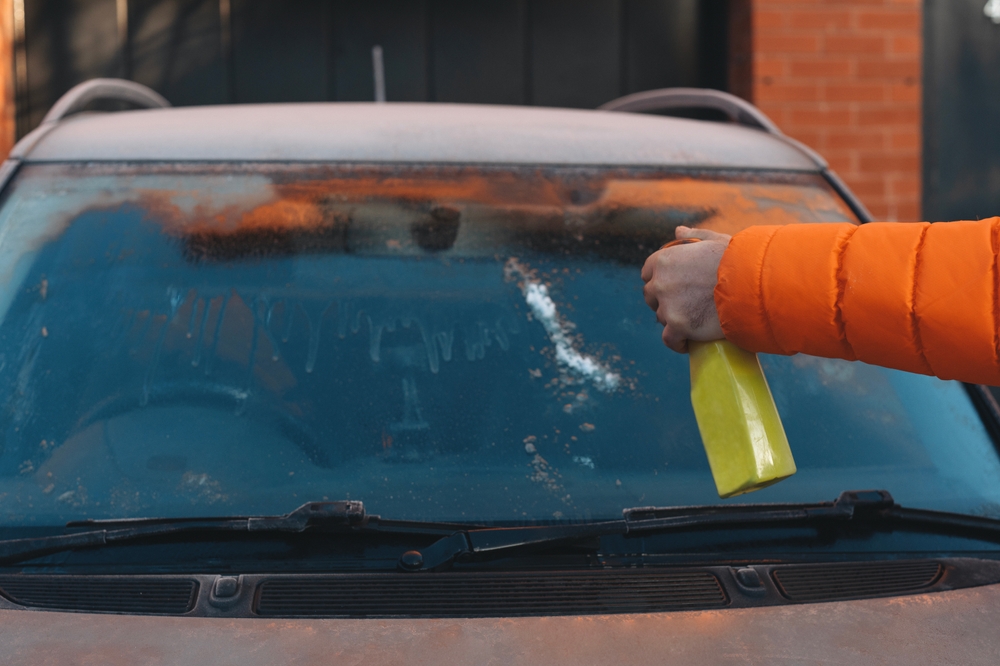
Anti-fog sprays sound helpful in winter. They claim clear glass in cold conditions. Most fail quickly when humidity changes. Temperature swings overpower the coating. Modern climate control systems handle fogging better. Proper defrost settings work consistently. Sprays also leave residue that smears. Night glare increases after repeated use. Drivers often reapply constantly. That creates a distraction. A clean windshield and correct airflow matter more. Anti-fog sprays are short-term fixes for problems caused by improper ventilation, not real winter solutions.
Battery Insulation Jackets
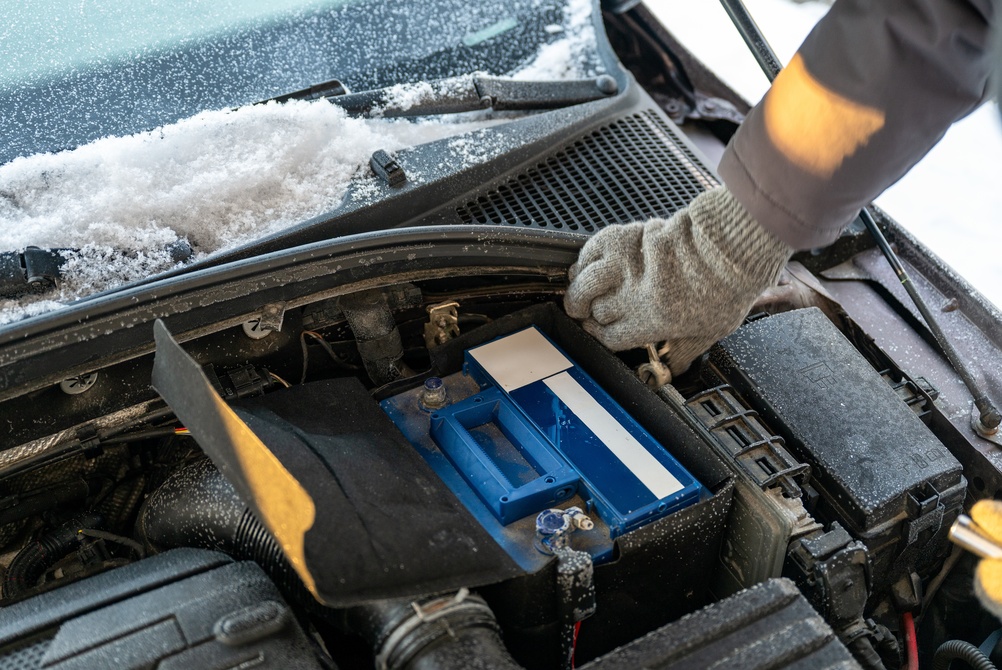
Battery blankets are marketed as winter savers. Modern engine bays already manage heat retention. Insulation rarely improves cold cranking power. Weak batteries fail regardless of insulation. Newer vehicles rely on electronics that need a stable voltage. Battery jackets can trap heat in warmer weather. That shortens battery life. They also complicate inspections. In most cases, replacing an aging battery is smarter. Cold weather exposes weakness, not lack of insulation. Jackets treat symptoms, not the real issue.
Emergency Candles for Snowstorms

Emergency candles sound practical during breakdowns. They provide minimal heat in vehicles. Modern cars are better sealed and insulated. Candles also pose fire risks. Carbon monoxide concerns increase in enclosed spaces. Safer options exist. Thermal blankets and proper winter clothing help more. Candles require supervision and ventilation. In real emergencies, drivers focus on visibility and communication. A phone charger and reflective gear matter more. Candles survive as a survival myth rather than a useful winter tool.
Magnetic Winter Grille Covers
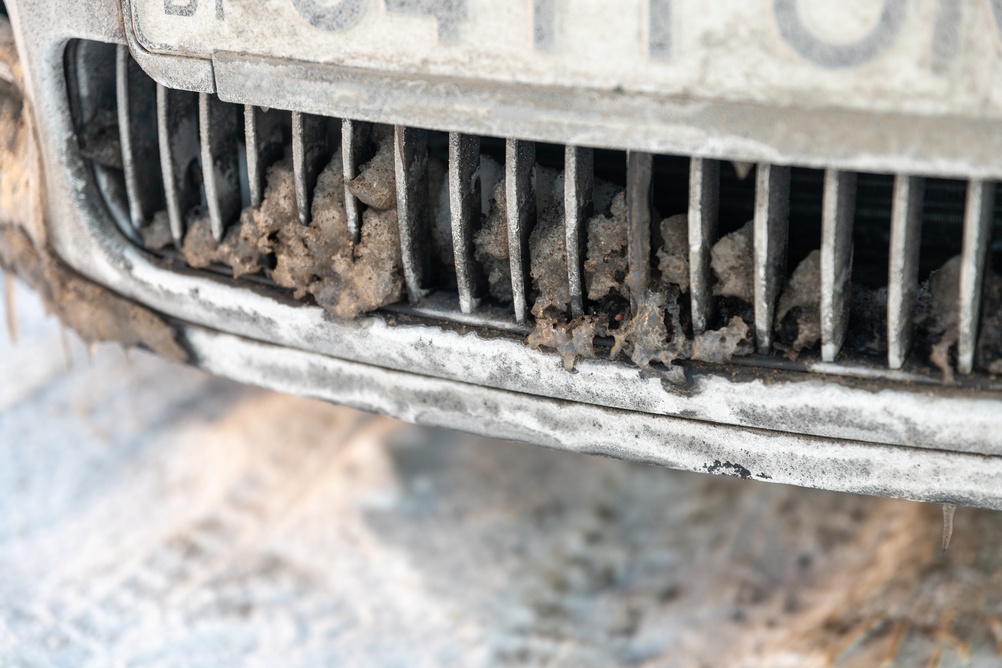
Magnetic grille covers aim to keep engines warm. Many modern vehicles manage airflow automatically. Blocking the grille can cause overheating during highway driving. Temperature sensors cannot always compensate. These covers also interfere with adaptive cruise sensors. Snow buildup becomes uneven. Inconsistent engine temperatures reduce efficiency. They were useful for older diesel trucks. For most cars, adding risk offers no benefit. Drivers install them, believing more warmth is better. Modern cooling systems already balance winter conditions effectively.
Ice-Proof Door Lock Sprays
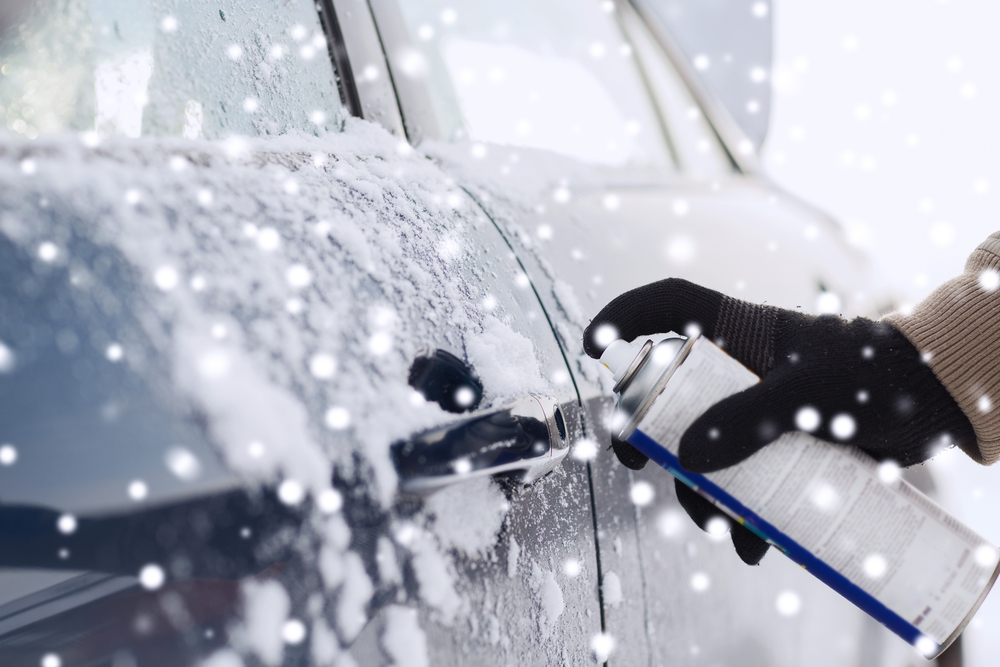
Door lock sprays promise to protect against frozen locks. Many modern vehicles lack external lock cylinders. Keyless entry systems dominate. Sprays also attract dirt. That leads to sticking over time. Locks freeze due to moisture, not lack of lubricant. Silicone sprays are temporary and rarely needed. Proper door seals matter more. Regular cleaning helps more than chemicals. This product survives because drivers remember older cars. Today, it solves a problem that rarely exists.
Steering Wheel Covers for Cold Protection
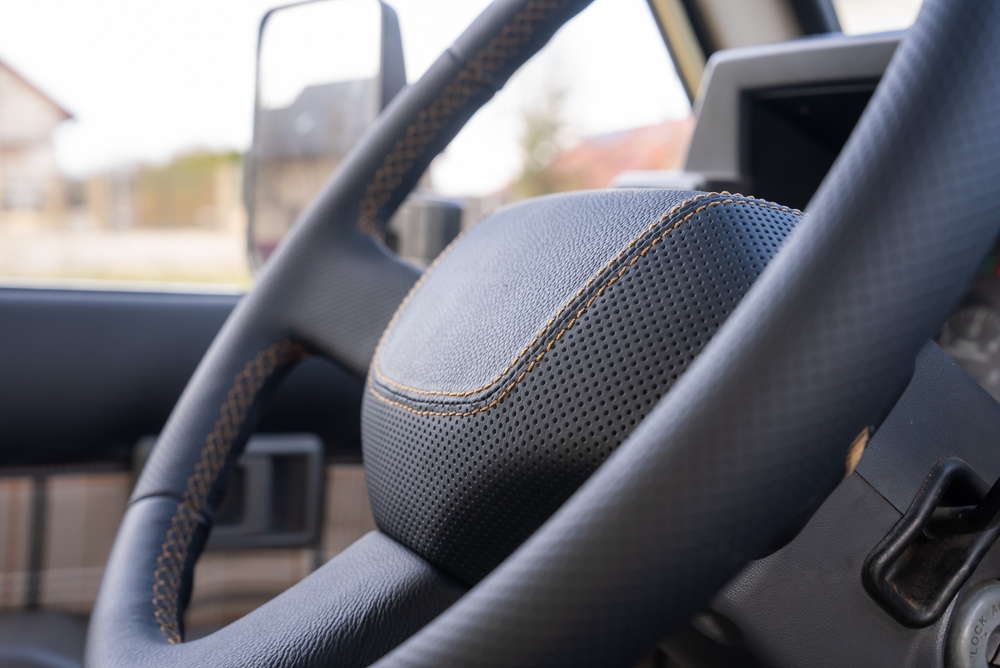
Steering wheel covers claim to block cold surfaces. Many reduce grip and steering feedback. Thick covers interfere with airbag deployment. They can slip during sudden maneuvers. Heated steering wheels are safer alternatives. Gloves also work well. Cheap covers crack in cold weather. They harden and lose flexibility. That makes driving less controlled. Many drivers keep them year-round. In winter, they add more risk than comfort.
Windshield Snow Shields
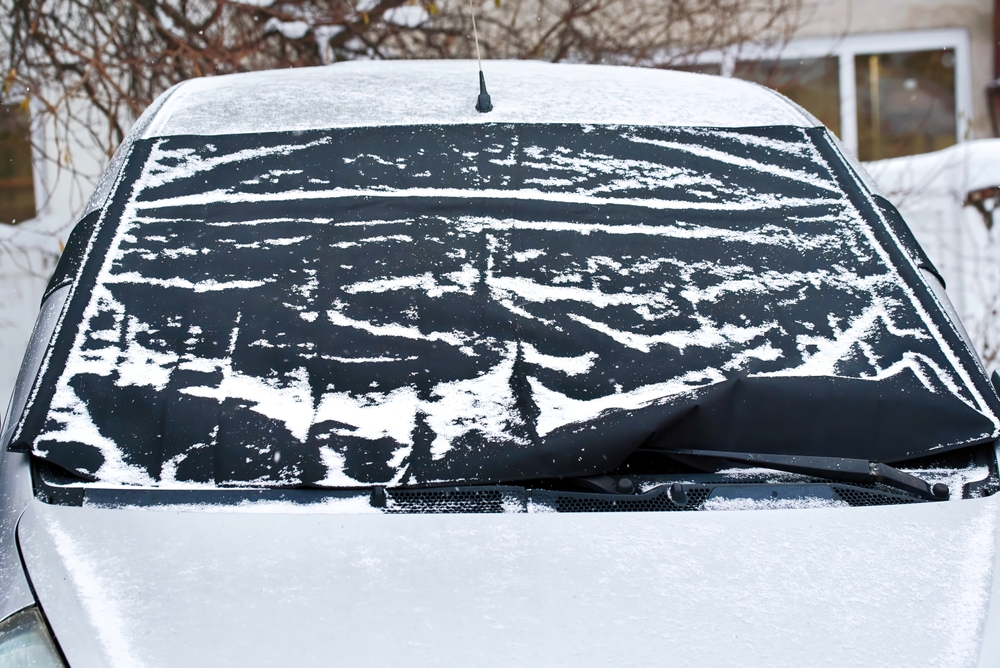
Windshield snow shields look like a shortcut on snowy mornings. In reality, wind often blows snow underneath them. Ice forms along the edges and bonds the shield to the glass. Removing it can take longer than scraping. Frozen fabric becomes stiff and awkward to fold. Wet shields drip inside the car and freeze again overnight. Many drivers struggle to secure them properly. Flapping material scratches paint and trim. Scrapers and snow brushes work faster and more reliably. Heated windshields already exist on many vehicles. Snow shields solve a problem that basic tools already handle.
Tire Pressure Caps with Indicators
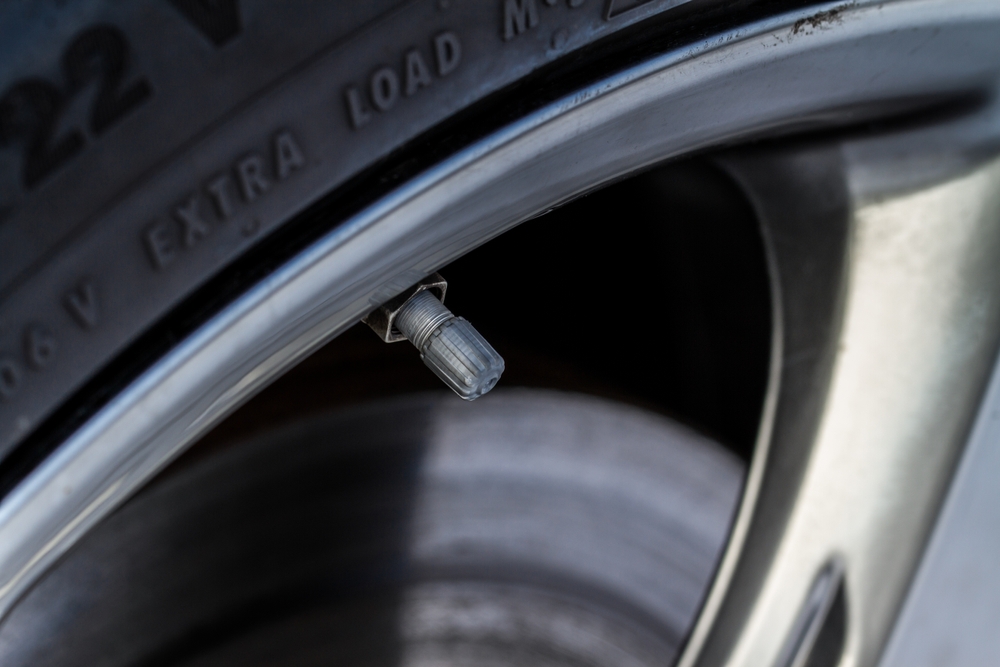
Tire pressure caps with color indicators promise quick checks without tools. Cold weather makes them unreliable. Tire pressure naturally drops as temperatures fall. These caps react to temperature changes, not real problems. Drivers see red warnings and assume danger. Many release small amounts of air, worsening pressure loss. Snow, ice, and road salt damage the springs inside. The readings rarely match the actual tire pressure. A basic gauge provides accurate results in seconds. Proper winter tire pressure checks should happen regularly. Indicator caps create confusion instead of clarity during the winter months.
Engine Oil Additives for Cold Starts
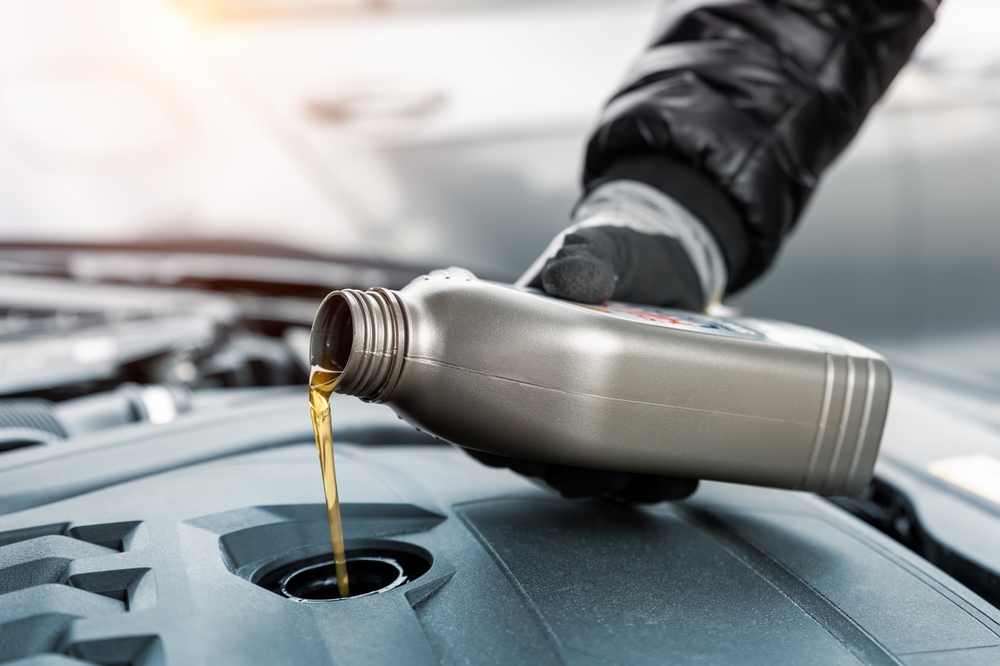
Engine oil additives are marketed as winter protection. Modern oils already contain advanced additives from manufacturers. Adding more rarely improves cold flow. Some products thicken oil at low temperatures. That increases resistance during cold starts. Vehicles are engineered for specific oil grades. Using the correct viscosity matters most. Additives can interfere with engine sensors and seals. They may also void warranties. Drivers buy them hoping for extra protection. Regular oil changes with winter-rated oil do more. Bottled promises cannot replace proper maintenance and manufacturer recommendations.
Trunk-Mounted Traction Mats for All Conditions
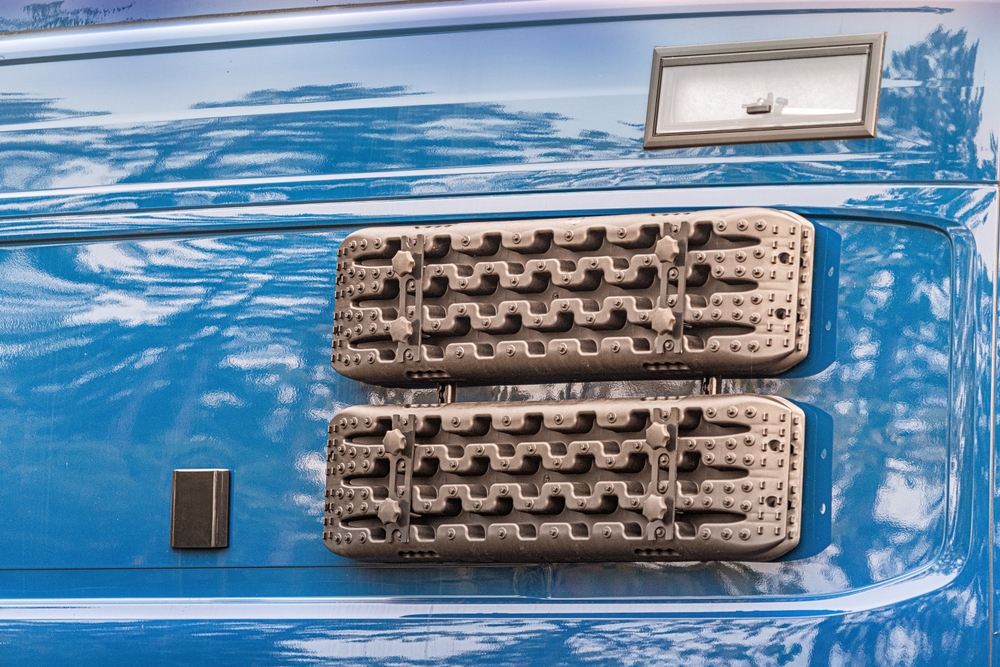
Traction mats are useful in specific emergencies. They help when a vehicle is already stuck. Many drivers treat them as everyday winter solutions. Mats do nothing during normal driving. They cannot improve braking or steering. Cheap versions crack in extreme cold. They slide around trunks and take up space. Drivers often forget how to use them properly. Real prevention comes from winter tires and careful driving. Mats addresses mistakes after they happen. Carrying them is fine, but relying on them for winter safety is misplaced confidence.
Cheap Portable Jump Starters
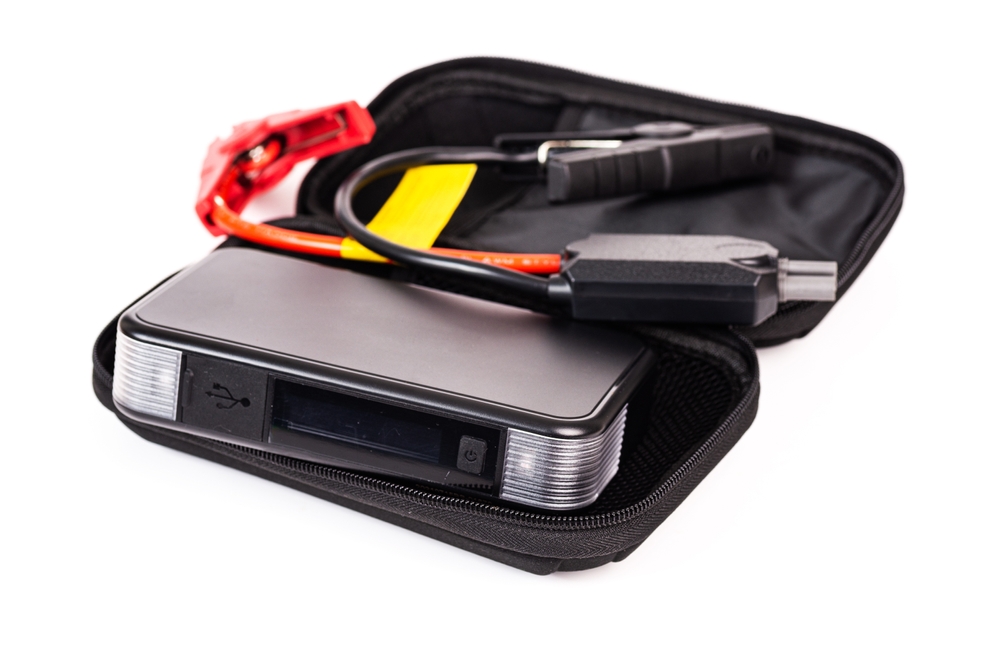
Portable jump starters sell well every winter. Cheap models struggle in cold temperatures. Battery capacity drops sharply below freezing. Many units cannot deliver the advertised power. Drivers rely on them and get stranded. Plastic cases crack in extreme cold. Cables stiffen and become hard to handle. Cheap electronics fail when needed most. Quality jump starters cost more but perform consistently. A failed booster creates more risk than no booster. Winter emergencies demand reliable equipment. Bargain jump starters offer comfort on the shelf, not dependability on the road.
Car Dehumidifier Bags
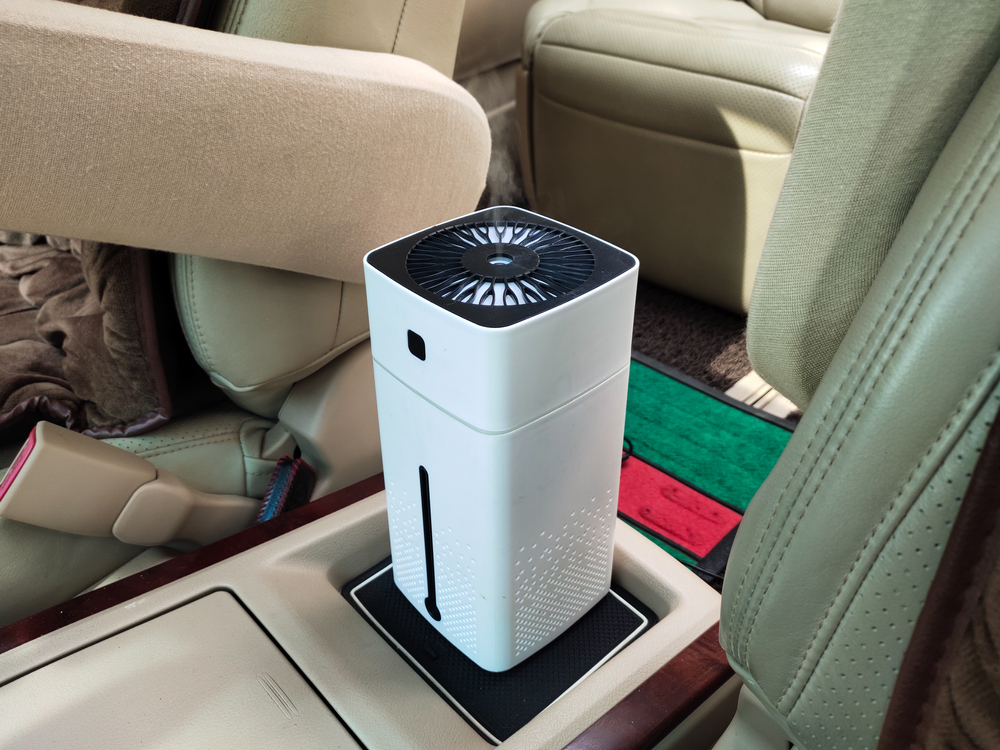
Car dehumidifier bags promise dry cabins in winter. Their moisture capacity is limited. Canadian winters overwhelm them quickly. Wet boots and melting snow add constant moisture. Bags need frequent drying to stay effective. Most drivers forget this step. Once saturated, they do nothing. HVAC systems already remove moisture efficiently. Clearing snow from footwear helps more. Foggy windows usually come from poor ventilation. Dehumidifier bags look clever but rarely make a noticeable difference. They treat symptoms briefly while ignoring the real source of interior moisture buildup.
Remote Start Range Extenders

Remote start range extenders promise convenience in winter. Their performance is inconsistent. Signal interference reduces range in urban areas. Weather and buildings weaken connections. Many drivers idle vehicles longer than needed. Modern engines warm faster when driven gently. Excessive idling wastes fuel and increases emissions. It also adds engine wear over time. Range extenders encourage unnecessary idling habits. They solve impatience more than cold-weather issues. Comfort improves briefly, but long-term benefits are minimal. Winter efficiency comes from proper maintenance, not extended idling from farther away.
Winter Car Covers for Daily Use
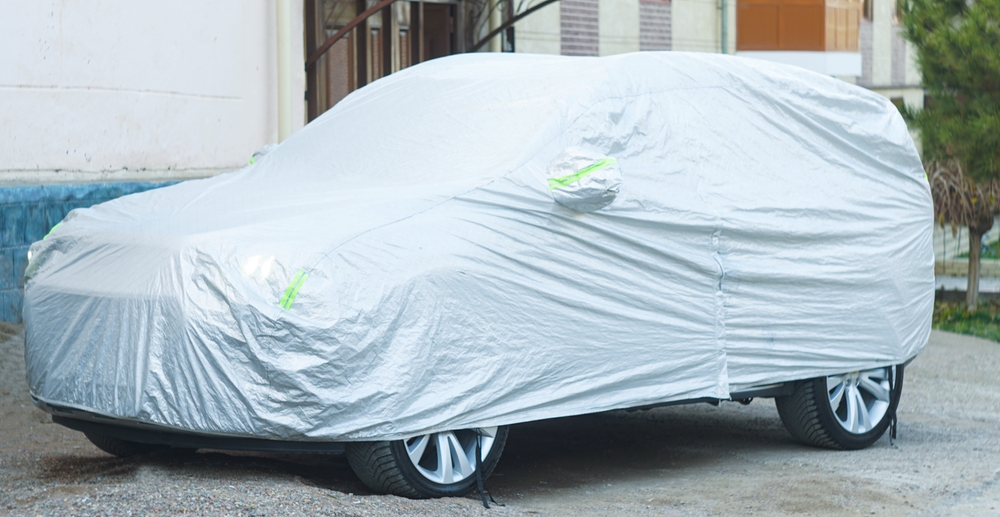
Winter car covers are designed for storage, not daily driving. Regular use traps moisture and road salt. Wind causes fabric to rub against paint. That leads to scratches and dull finishes. Ice bonds the cover to the vehicle overnight. Removing it becomes difficult and time-consuming. Wet covers freeze solid once stored. Many drivers struggle with bulky handling. Clearing snow manually is safer for paint. Car covers protect parked vehicles long-term. Using them daily during winter causes more damage than it protects against.
22 Groceries to Grab Now—Before another Price Shock Hits Canada

Food prices in Canada have been steadily climbing, and another spike could make your grocery bill feel like a mortgage payment. According to Statistics Canada, food inflation remains about 3.7% higher than last year, with essentials like bread, dairy, and fresh produce leading the surge. Some items are expected to rise even further due to transportation costs, droughts, and import tariffs. Here are 22 groceries to grab now before another price shock hits Canada.
22 Groceries to Grab Now—Before another Price Shock Hits Canada
This Options Discord Chat is The Real Deal
While the internet is scoured with trading chat rooms, many of which even charge upwards of thousands of dollars to join, this smaller options trading discord chatroom is the real deal and actually providing valuable trade setups, education, and community without the noise and spam of the larger more expensive rooms. With a incredibly low-cost monthly fee, Options Trading Club (click here to see their reviews) requires an application to join ensuring that every member is dedicated and serious about taking their trading to the next level. If you are looking for a change in your trading strategies, then click here to apply for a membership.