
35,000+ smart investors are already getting financial news, market signals, and macro shifts in the economy that could impact their money next with our FREE weekly newsletter. Get ahead of what the crowd finds out too late. Click Here to Subscribe for FREE.
Global oil markets shift quickly when new supply enters the picture. Venezuelan crude returning at scale would not stay contained to South America. Canada’s oil patch watches these signals closely because prices, transport routes, and investment react fast. Even distant barrels can reshape decisions in Alberta boardrooms and Ottawa policy rooms. Canadian producers already face pipeline limits, climate pressure, and volatile demand. Add heavy Venezuelan crude to the mix, and the ripple effects widen. Here are 13 ways Canada’s oil patch could change if Venezuelan crude floods the market.
Heavier Crude Competition Intensifies
13 Ways Canada’s Oil Patch Could Change If Venezuelan Crude Floods the Market
- Heavier Crude Competition Intensifies
- Price Volatility Becomes More Common
- Refinery Demand Patterns Shift
- Pressure on Pipeline Utilization
- Investment Becomes More Selective
- Oil Sands Innovation Slows
- Employment Patterns Adjust Gradually
- Provincial Revenues Face Uncertainty
- Canadian Crude Branding Gains Focus
- Climate Policy Debates Intensify
- Export Strategy Shifts East and West
- Smaller Producers Feel the Squeeze
- Long-Term Planning Turns Conservative
- 22 Groceries to Grab Now—Before another Price Shock Hits Canada

Venezuelan oil is heavy, similar to much of Canada’s oil sands output. When more heavy crude enters global markets, buyers gain bargaining power. Canadian barrels may face tighter discounts to stay attractive. Refineries designed for heavy blends could compare prices more aggressively. This affects Western Canadian Select pricing day to day. Producers might see narrower margins even if global oil prices stay stable. Smaller operators would feel pressure first. Large producers may adjust output to protect cash flow. Over time, competition could reshape which projects move forward. Investment committees would watch heavy crude spreads closely. Profit forecasts could grow more conservative.
Price Volatility Becomes More Common

Extra supply rarely enters markets smoothly. Venezuelan output swings can add uncertainty to oil prices. Canadian producers already manage volatile benchmarks. Added noise complicates hedging strategies. Companies may lock in prices earlier to reduce risk. Others might delay sales, hoping for rebounds. This volatility affects royalties collected by provinces. Provincial budgets could see sharper swings year to year. Workers may notice shifts in overtime and contract work. Service companies would also adjust schedules. Short planning cycles become common when prices jump unexpectedly. Stability becomes harder to predict across the oil patch.
Refinery Demand Patterns Shift
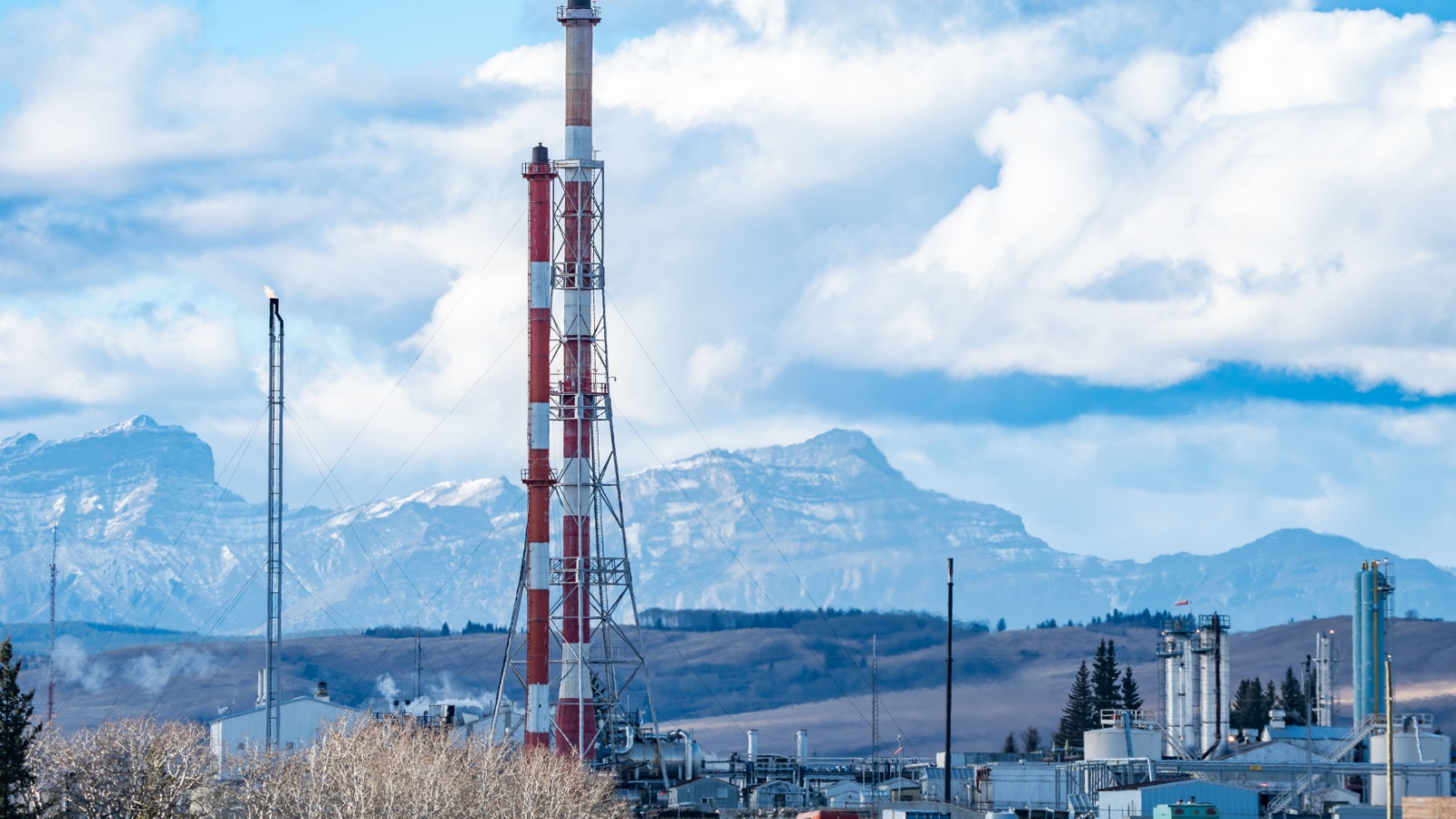
North American refineries buy based on price and compatibility. Venezuelan crude could replace some Canadian supply if cheaper. Gulf Coast refiners often switch sources quickly. Canadian producers reliant on U.S. buyers may face tougher negotiations. Rail shipments could decline if pipeline barrels lose ground. Eastern Canadian refineries might reassess import mixes, too. This creates uneven demand across regions. Western producers may need to court Asian buyers more actively. Marketing teams would work harder to secure contracts. Long-term supply deals become more valuable. Flexibility turns into a competitive advantage.
Pressure on Pipeline Utilization

Pipelines depend on steady volumes to stay profitable. If Canadian crude loses market share, utilization rates could soften. Lower volumes reduce toll revenue over time. This impacts future pipeline expansion plans. Investors may hesitate on new projects. Existing lines might prioritize long-term contracts. Smaller producers could struggle to secure space. Rail may again fill gaps despite higher costs. Transport decisions become more complex. Governments monitoring energy infrastructure would notice slower growth. The debate over new pipelines could shift tone. Utilization data would drive many policy discussions.
Investment Becomes More Selective

Capital follows returns. If Venezuelan crude weighs on prices, investors reassess risk. Canadian oil projects already face scrutiny. Added supply tightens funding further. Only projects with strong economics move ahead. Marginal developments may pause or cancel. Private equity becomes cautious. Public companies focus on debt reduction instead of expansion. Exploration budgets shrink first. This affects future production levels. Regions dependent on new projects may feel slowdowns. Job creation linked to construction could dip. Long-term planning favors efficiency over growth.
Oil Sands Innovation Slows

Innovation depends on cash flow and confidence. Lower margins reduce funds for experimentation. Oil sands operators may delay new extraction methods. Pilot projects could stretch timelines. Cost-cutting replaces research spending. This slows progress on emissions reduction technologies. Global competitors may advance faster. Over time, this affects Canada’s reputation for cleaner production. Government grants could partially offset cuts. Still, private investment matters most. Engineers may shift focus to optimization rather than breakthroughs. The pace of change becomes incremental. Long-term competitiveness faces quite pressure.
Employment Patterns Adjust Gradually

Oil patch jobs respond to market signals. Venezuelan crude entering markets would not cause sudden layoffs. Instead, hiring slows. Contract roles become shorter. Overtime declines before headcount changes. Service firms feel the impacts earlier than producers. Remote communities notice reduced economic activity. Younger workers may delay entering the sector. Training programs could shrink intake. Over time, workforce demographics shift. Experienced workers stay longer while new talent hesitates. This affects succession planning. Communities tied to oil employment watch trends closely. Change arrives quietly but steadily.
Provincial Revenues Face Uncertainty

Oil royalties fund many provincial programs. Price pressure from extra supply creates revenue swings. Budget forecasts become harder. Governments may adopt conservative assumptions. Spending plans face revision mid-year. Alberta would watch closely. Savings funds could see fewer deposits. Infrastructure projects may slow. Political debates around diversification grow louder. Tax policy discussions intensify. Voters notice when revenues fall short. Fiscal buffers become more important. Long-term planning leans toward caution. Energy dependence feels riskier under global supply shifts.
Canadian Crude Branding Gains Focus

When competition rises, branding matters. Canadian producers may highlight reliability and stability. Venezuelan supply carries political and operational risks. Canada can stress consistent delivery. Environmental standards become marketing points. Buyers may value predictability over price alone. Certification schemes gain attention. Traceability of barrels could matter more. This pushes companies to document practices carefully. Marketing teams work with policy teams. The goal is differentiation, not volume. Over time, perception influences contracts. Reputation becomes a quiet asset in negotiations.
Climate Policy Debates Intensify

Extra global supply complicates climate discussions. Critics question expanding Canadian production amid abundance. Supporters argue that Canadian barrels replace riskier sources. Venezuelan crude brings environmental concerns of its own. Policymakers debate which supply is preferable. Carbon pricing discussions gain urgency. Industry argues for measured transitions. Activists push for faster change. These debates influence permitting timelines. Regulatory certainty becomes harder. Companies seek clarity before investing. Political messaging grows sharper. Climate policy and oil markets collide more often.
Export Strategy Shifts East and West

If U.S. demand weakens, Canada looks elsewhere. Asian markets are becoming more important. Venezuelan crude may compete there, too. Shipping costs factor heavily. Producers weigh East Coast export options again. Infrastructure gaps resurface in discussions. Government trade missions focus on energy diplomacy. Long-term supply contracts gain appeal. Diversification reduces reliance on one buyer. This strategy requires patience and investment. Results appear over years, not months. Export maps slowly redraw under market pressure.
Smaller Producers Feel the Squeeze

Large firms can absorb price shocks. Smaller producers cannot. Venezuelan crude competition tightens margins unevenly. Financing costs rise for smaller players. Some may seek mergers. Others sell assets. Consolidation accelerates quietly. This reshapes the oil patch landscape. Fewer companies control more production. Decision-making centralizes. Communities tied to smaller operators feel change faster. Service contracts consolidate, too. Competition shifts from many players to a few. Market resilience changes. Scale becomes a survival tool.
Long-Term Planning Turns Conservative

Uncertainty shapes strategy. Venezuelan crude flooding markets adds another variable. Canadian firms extend planning horizons cautiously. Forecasts include wider price ranges. Capital discipline dominates board discussions. Growth targets soften. Shareholder returns take priority. Governments mirror caution in policy design. Everyone plans for multiple outcomes. Flexibility replaces optimism. This mindset spreads across the oil patch. Change feels less dramatic but more permanent. Stability becomes the goal. The sector adapts quietly to a crowded global market.
22 Groceries to Grab Now—Before another Price Shock Hits Canada
Food prices in Canada have been steadily climbing, and another spike could make your grocery bill feel like a mortgage payment. According to Statistics Canada, food inflation remains about 3.7% higher than last year, with essentials like bread, dairy, and fresh produce leading the surge. Some items are expected to rise even further due to transportation costs, droughts, and import tariffs. Here are 22 groceries to grab now before another price shock hits Canada.
22 Groceries to Grab Now—Before another Price Shock Hits Canada
This Options Discord Chat is The Real Deal
While the internet is scoured with trading chat rooms, many of which even charge upwards of thousands of dollars to join, this smaller options trading discord chatroom is the real deal and actually providing valuable trade setups, education, and community without the noise and spam of the larger more expensive rooms. With a incredibly low-cost monthly fee, Options Trading Club (click here to see their reviews) requires an application to join ensuring that every member is dedicated and serious about taking their trading to the next level. If you are looking for a change in your trading strategies, then click here to apply for a membership.