
35,000+ smart investors are already getting financial news, market signals, and macro shifts in the economy that could impact their money next with our FREE weekly newsletter. Get ahead of what the crowd finds out too late. Click Here to Subscribe for FREE.
Sanctions by the United States on Venezuela affect much more than Caracas and Washington. These measures, aimed at Venezuelan government officials and key state industries, disrupt trade flows. They influence global oil markets and financial networks. The momentum from these policies also alters diplomatic dynamics across the Western Hemisphere. Canadian firms, workers, and policymakers feel the fallout in unexpected places. Here are 20 surprising ways U.S. sanctions on Venezuela spill over into Canada.
Canadian Oil Producers Face New Competition
20 Surprising Ways U.S. Sanctions on Venezuela Spill Over into Canada
- Canadian Oil Producers Face New Competition
- Strained Canada-U.S. Energy Trade Talks
- Canadian Financial Sanctions Echo U.S. Measures
- Shipping and Logistical Costs Rise
- Travel Disruptions to the Caribbean
- Canadian Investors Watch Oil Prices Closely
- Banking Compliance Costs Increase
- Venezuela Migration Patterns Affect Canada
- Humanitarian Aid Coordination Challenges
- Supply Chain Risks for Canadian Businesses
- Diplomatic Relations Get Strained
- Insurance Premiums Go Up
- Corporate Legal Fees Rise
- Canadian Universities Expand Latin American Studies
- Retail Fuel Prices Fluctuate
- Bonds and Credit Markets Shift
- Import Tariffs Uncertainty
- Labor Markets Adjust
- Public Opinion Shifts
- Food and Commodity Prices Rise
- 22 Groceries to Grab Now—Before another Price Shock Hits Canada

U.S. sanctions have historically limited Venezuelan heavy crude supplies. If sanctions ease, more Venezuelan oil could reach U.S. refineries. That shift may displace some Canadian heavy oil exports into the same American processing facilities. Canada currently sends most of its crude exports to the U.S. Midwest and Gulf Coast markets. Increased Venezuelan competition could pressure Canadian producers’ pricing power. Analysts note that even modest Venezuelan output increases could ripple through North American crude markets. Canadian energy firms may need to rethink export strategies, market focus, and investment plans if Venezuelan supply returns.
Strained Canada-U.S. Energy Trade Talks

American sanctions and shifting Venezuela policies complicate Canada-U.S. energy dialogue. Ottawa has previously warned that U.S. reliance on foreign oil may rise if ties with Canada fray. A fragmented North American energy partnership could weaken joint market planning. Trade discussions that touch on tariffs and crude flows may stall as each country recalibrates. Canada fears losing long-term buyers if the U.S. looks elsewhere. Diplomatic tension can spill into broader trade negotiations under USMCA and other frameworks. Canadian officials now must juggle domestic industry interests amid evolving U.S. policy toward Venezuela and regional energy security.
Canadian Financial Sanctions Echo U.S. Measures

Canada often aligns its sanctions with U.S. policy when targeting Venezuelan officials. Ottawa freezes assets and bans transactions with listed individuals tied to human rights violations and corruption. Those rules affect Canadian companies and citizens who might otherwise transact with those parties. Banks, investment firms, and legal teams must track changing lists to avoid violations. Compliance costs rise as firms implement monitoring systems and update procedures. Even foreign subsidiaries face restrictions because of Canadian parent company obligations. This regulatory alignment shows how U.S. sanctions indirectly shape Canadian financial risk assessments and corporate policies.
Shipping and Logistical Costs Rise
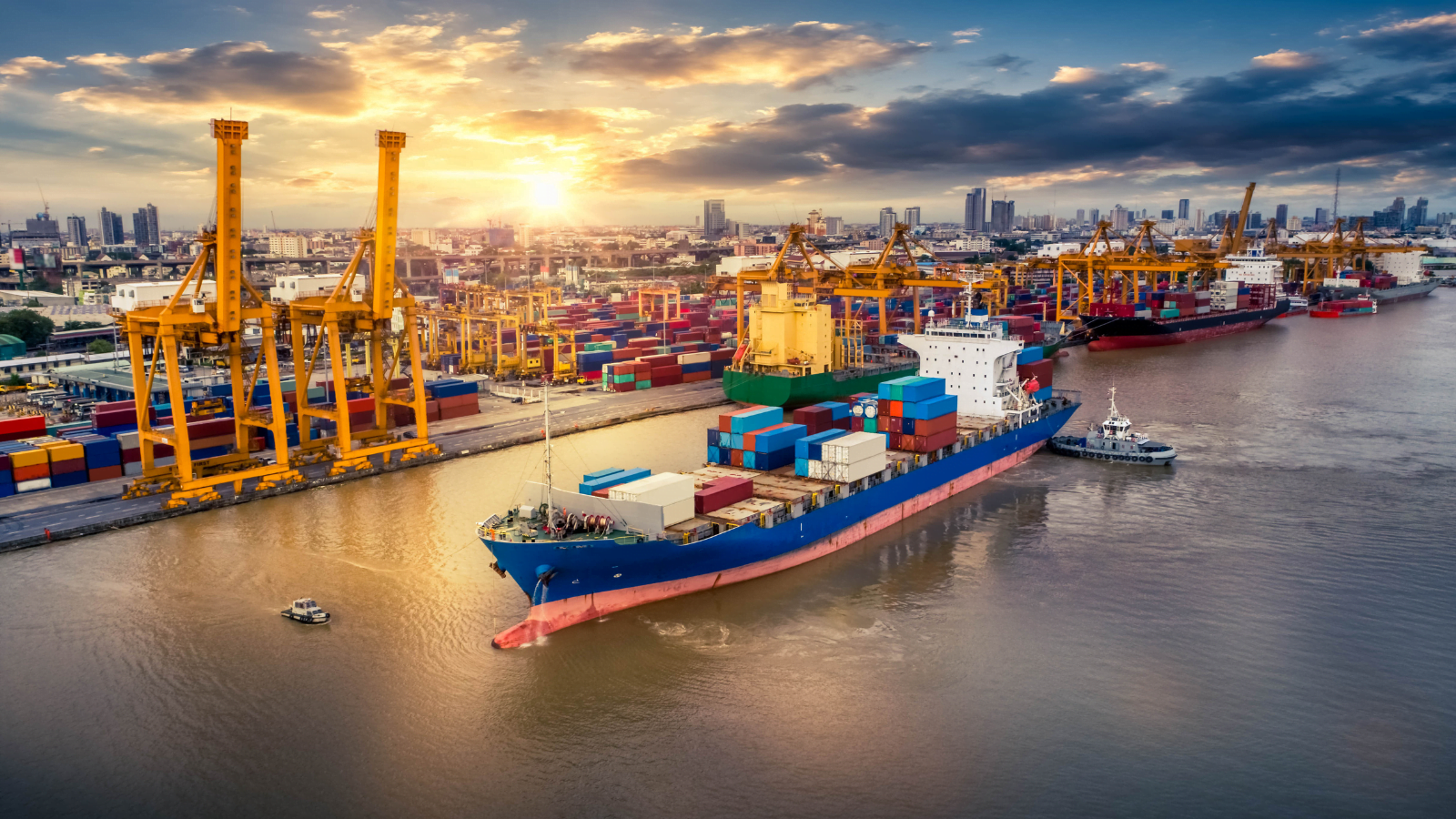
Heightened enforcement against sanctioned Venezuelan oil tankers adds friction to Caribbean shipping lanes. The U.S. Coast Guard pursues vessels said to be skirting sanctions. Such enforcement affects international maritime traffic patterns. Higher insurance premiums and longer detours increase costs for shippers serving the Americas. Canadian exporters using Caribbean transits for non-oil goods see freight rates rise. Delays affect delivery schedules and inventory planning for manufacturers and retailers. Logistics companies that operate in the region must adapt routing and timing estimates more frequently. These changes filter down to Canadian consumers through higher prices and longer delivery times.
Travel Disruptions to the Caribbean

Airspace restrictions around Venezuela, resulting from U.S. military and sanction enforcement activity, occasionally disrupt flight paths. Airlines reroute flights over the Caribbean to avoid risk zones. Canadian carriers and travelers can see delays, increased fuel use, and schedule changes. Travel to popular destinations like the Dominican Republic, Puerto Rico, and other islands is affected when U.S. airspace officials issue notices. Tour operators must revise itineraries and absorb extra costs. These changes can dampen seasonal tourism demand from Canada and complicate vacation planning for families and retirees alike.
Canadian Investors Watch Oil Prices Closely

Sanctions that tighten or loosen Venezuelan oil flows influence world crude prices. Heavy crude disruptions often push prices upward. Canadian energy investors and pension funds that hold oil sector equities respond quickly to such price swings. Portfolio managers adjust positions in oil producers and related services companies as sanctions news breaks. Even futures traders in Toronto and Calgary feel this volatility. These market moves can affect household-level investment accounts, including RRSPs and mutual funds with energy sector exposure. Because Canada’s economy remains tied to resource markets, Venezuelan policy shifts matter here.
Banking Compliance Costs Increase
Canadian banks must comply with both Canadian sanctions and U.S. sanctions when operating globally. That means extra compliance teams and screening systems to catch prohibited transactions tied to sanctioned Venezuelan entities. Smaller credit unions and financial firms face particular strain when updating software and training staff. Penalties for missteps can be steep and include fines and reputational damage. Because U.S. sanctions often set the global standard, Canadian institutions feel pressure to adopt equivalent internal controls even when not legally required under Canadian law. Overall compliance costs rise.
Venezuela Migration Patterns Affect Canada

Sanctions have contributed to Venezuela’s economic challenges, accelerating migration from the country. Larger Venezuelan diasporas form in the U.S. and Latin America. Some migrants seek opportunities further afield, including Canada. Canadian immigration services see new visa applications from Venezuelans escaping instability. University enrollments of Venezuelan students also rise as families seek stable environments. These patterns influence housing markets, community services, and labor supply in cities such as Toronto and Vancouver. Canada’s multicultural policy adapts gradually to changing migration flows.
Humanitarian Aid Coordination Challenges

Canada participates in humanitarian efforts linked to the Venezuela crisis. Ottawa has provided millions in aid to Venezuelan refugees and host communities in Latin America. Coordinating this aid often requires navigating complex sanction laws so that funds and supplies do not violate U.S. embargo rules. This legal balancing act can slow delivery of food, medical supplies, and shelter support to vulnerable populations. NGOs and government agencies in Canada work through these constraints to maintain compliance while trying to meet urgent needs. The result is often slower response times than donors prefer.
Supply Chain Risks for Canadian Businesses

Even non-energy Canadian companies can feel the effects indirectly. Sanction-related shipping disruptions in the Caribbean can delay imports from Latin American suppliers. Components, machinery, and agricultural products may transit routes affected by heightened enforcement. Delays ripple into manufacturing schedules in Ontario, Quebec, and other provinces. Exporters to Latin America also see extended transit times and higher freight bills. Supply chain planners must build in extra buffer time and costs when sanction news breaks. Those unpredictabilities add another layer of risk for Canadian exporters and importers alike.
Diplomatic Relations Get Strained

Canada’s foreign policy on Venezuela sometimes aligns with the U.S. and sometimes diverges. Ottawa has rejected the legitimacy of Venezuelan elections and imposed its own sanctions. But Canada also seeks multilateral solutions and humanitarian engagement. These differing approaches can strain diplomatic ties with the U.S. when policy priorities conflict. Ottawa must balance solidarity with allies and its own diplomatic strategy. Those tensions occasionally surface in G7, UN, and OAS meetings. The result is more diplomatic negotiation overhead and strategic recalibration for Canadian policymakers.
Insurance Premiums Go Up

With increased naval interdictions and volatile shipping lanes near Venezuela, marine insurers raise premiums for vessels in the region. Higher risk categories for transit through sanctioned zones push up the cost of insurance. Canadian importers and exporters who rely on bulk shipping routes must pay more to protect cargo. Those increased logistics costs are passed down to consumers and businesses in the form of higher prices. Shipping firms may require larger deposits or renegotiated contracts. Across industries that depend on international freight, this squeeze affects budgets and competitiveness.
Corporate Legal Fees Rise

Canadian companies that consider investment or trade that touches Venezuela must seek legal counsel. This is true even if the company’s ultimate business isn’t directly Venezuelan. Law firms in Canada now carry an extra workload advising on sanctions compliance and risk mitigation. Smaller businesses with limited legal budgets face barriers to entering certain Latin American markets. International law partners that specialize in U.S. and Canadian sanctions see increased demand for their expertise. These legal costs add a hidden expense that can deter globalization strategies.
Canadian Universities Expand Latin American Studies

Sanctions, migration shifts, and geopolitical tension spur academic interest. Canadian universities add courses and research on Latin American political economy. Students engage with topics ranging from sanctions law to energy geopolitics. Faculty publish papers on Venezuelan policy impacts and regional migration. These academic developments attract grants from government and private donors. Universities host public lectures and community talks that raise awareness. Over time, this shapes a new generation of Canadian scholars focused on Western Hemisphere relations and economic policy.
Retail Fuel Prices Fluctuate

Canadian retail gasoline and diesel prices track global crude benchmarks. If U.S. sanctions constrain Venezuelan output and tighten global supply, crude prices may increase. Those price shifts show up at Canadian fuel stations within weeks. Consumers notice faster changes in pump prices when sanctions news breaks. Trucking companies and fleets adjust budgets because of these swings. Long-distance travel becomes costlier for families and transport firms alike. While Canada is a major oil producer, global markets still influence local fuel costs.
Bonds and Credit Markets Shift

Canadian investors in sovereign and corporate bonds factor Venezuelan sanctions into risk pricing. Sanction-related instability can affect emerging market bond yields, including spillovers into Latin American credit instruments. Investors wary of contagion risk adjust portfolios toward perceived safer assets. That influences yields and liquidity in Canadian bond markets. Pension funds and institutional portfolios rebalance in response to volatility tied to Venezuela. Credit rating agencies may revisit risk profiles for regional investment exposure. These financial adjustments occur quietly but shape Canadian capital flows.
Import Tariffs Uncertainty

Proposals in U.S. tariff policy suggested potential levies on goods from nations importing Venezuelan oil. While not implemented fully, the spectre of such tariffs unsettles Canadian exporters. Exporters rely on stable tariff frameworks to price goods competitively. Uncertainty about future levies tied to sanction enforcement or energy policy complicates contracts and negotiations with U.S. partners. Canadian trade associations lobby against unpredictable tariff shifts that could harm market access. That adds another layer of complexity to cross-border commerce.
Labor Markets Adjust

Canadian energy sector workers may feel the effects if oil export patterns change. Competition from Venezuelan crude in U.S. markets could slow hiring or investment in Canadian resource regions. Conversely, if sanctions tighten Venezuelan output and leave markets short, Canadian producers could hire more workers to meet demand. Labor economists watch these swings closely. They influence unemployment statistics in Alberta, Saskatchewan, and other energy states. Workforce planners adjust training programs and recruitment to match evolving production outlooks.
Public Opinion Shifts

Canadians follow foreign policy debates about sanctions and human rights. Media coverage and grassroots groups influence public opinion on Canada’s stance toward Venezuela and the U.S. Some Canadians argue for harsher measures to support democracy. Others urge more humanitarian engagement and less alignment with U.S. pressure. These conversations appear in news opinion pages and social media. Politicians respond to constituent sentiment, shaping future election debates. Public opinion thus becomes a feedback loop influenced indirectly by sanctions policy beyond Canada’s borders.
Food and Commodity Prices Rise

Sanctions contribute to supply chain disruptions and higher transport costs across the region. That pushes up prices for certain imported foods and commodities. Caribbean and Latin American agricultural exporters face delays or higher shipping bills. Canadian buyers of these goods absorb some of that cost. In grocery stores and import-dependent manufacturing, end prices creep upward. Even small price changes matter to consumers on tight budgets. This indirect link shows how sanctions far from Canada ripple into everyday costs.
22 Groceries to Grab Now—Before another Price Shock Hits Canada

Food prices in Canada have been steadily climbing, and another spike could make your grocery bill feel like a mortgage payment. According to Statistics Canada, food inflation remains about 3.7% higher than last year, with essentials like bread, dairy, and fresh produce leading the surge. Some items are expected to rise even further due to transportation costs, droughts, and import tariffs. Here are 22 groceries to grab now before another price shock hits Canada.
22 Groceries to Grab Now—Before another Price Shock Hits Canada
This Options Discord Chat is The Real Deal
While the internet is scoured with trading chat rooms, many of which even charge upwards of thousands of dollars to join, this smaller options trading discord chatroom is the real deal and actually providing valuable trade setups, education, and community without the noise and spam of the larger more expensive rooms. With a incredibly low-cost monthly fee, Options Trading Club (click here to see their reviews) requires an application to join ensuring that every member is dedicated and serious about taking their trading to the next level. If you are looking for a change in your trading strategies, then click here to apply for a membership.