
35,000+ smart investors are already getting financial news, market signals, and macro shifts in the economy that could impact their money next with our FREE weekly newsletter. Get ahead of what the crowd finds out too late. Click Here to Subscribe for FREE.
Holiday shopping has a way of turning manageable credit-card habits into expensive ones. A few extra online orders, a last-minute gift, or the temptation to collect more rewards can push balances higher just as household budgets face travel, food, entertainment and year-end expenses.
That matters when credit-card borrowing remains one of the more expensive forms of consumer debt. Interest can quickly erase discounts and rewards when balances are carried beyond the grace period, while missed payments or high credit use can create longer-lasting financial consequences. Before seasonal spending accelerates, these 16 credit card habits Canadians should break can help keep December purchases from becoming bills that linger deep into the new year.
Carrying an Existing Balance Into Holiday Shopping
16 Credit Card Habits Canadians Should Break Before Holiday Shopping Starts
- Carrying an Existing Balance Into Holiday Shopping
- Chasing Rewards While Paying Interest
- Making Only the Minimum Payment
- Treating the Credit Limit Like a Holiday Budget
- Using Cash Advances for Seasonal Expenses
- Waiting Until the Due Date to Make the Payment
- Letting Credit Utilization Spike
- Paying an Annual Fee for Rewards That No Longer Fit
- Applying for Store Cards Just for the Checkout Discount
- Ignoring the Monthly Statement
- Ignoring Security Alerts and Basic Card Protection
- Letting Recurring Charges Disappear Into the Background
- Shopping Without a Firm Holiday Spending Ceiling
- Forgetting About Foreign-Currency Conversion Costs
- Using a Balance Transfer Without a Payoff Plan
- Treating a Payment Holiday as Free Money
- 16 Costco Canada Habits That Could Be Costing Shoppers More Than They Save

Starting holiday shopping with an unpaid credit-card balance creates an expensive head start. New gifts, travel bookings and seasonal meals are being added to debt that is already generating interest. Bank of Canada data showed that the interest rate on outstanding credit-card loans at chartered banks was 21.34% in June 2026, illustrating how costly revolving card debt can be compared with many other mainstream borrowing options.
A $1,000 purchase may feel manageable at checkout, but the economics change when it becomes part of a balance that takes months to eliminate. Interest charges consume money that could otherwise go toward groceries, savings or January expenses. Before making the first major holiday purchase, Canadians carrying balances may benefit from knowing exactly what is already owed and how quickly it can realistically be paid. Adding seasonal purchases without that calculation effectively means committing future income to expenses that have already happened.
Chasing Rewards While Paying Interest

Cash back, travel points and retailer rewards can make credit cards feel as though spending is producing a financial return. That logic works best when the balance is paid in full. The federal Office of Consumer Affairs specifically warns that interest and annual fees can outweigh the value of credit-card rewards when consumers carry balances from month to month.
Consider a card offering 2% back on a $1,000 holiday purchase. That produces $20 in rewards. If the purchase becomes part of a balance carrying an interest rate around 20%, the borrowing cost can quickly exceed the reward, especially when repayment stretches over several months. The mistake is focusing on what the transaction earns rather than what the debt costs. Rewards should be treated as a secondary benefit of purchases that already fit the household budget, not as a reason to buy more. A discounted purchase financed at high interest can ultimately become considerably more expensive than its original price.
Making Only the Minimum Payment

The minimum payment keeps an account from immediately becoming delinquent, but it is not designed to eliminate a large balance quickly. The Financial Consumer Agency of Canada warns that paying only the minimum means taking longer to repay the balance and paying more interest. Its examples show just how large that difference can become.
FCAC illustrates a $2,000 balance at 18% interest with a $60 monthly payment. Under that scenario, repayment takes about three years and 11 months and generates $793 in interest. Increasing the payment to $160 reduces the repayment period to about one year and two months, while interest falls to $231. Holiday balances can create the same trap. A minimum-payment mindset makes an expensive December look surprisingly affordable each month, while extending the cost far into the future. Canadians who cannot clear the full balance can still reduce the damage by paying materially more than the required minimum whenever their budget allows.
Treating the Credit Limit Like a Holiday Budget

A $10,000 credit limit does not mean a household can comfortably afford $10,000 in holiday purchases. A credit limit represents the maximum amount the issuer is prepared to lend under an account, not a personalized spending recommendation. FCAC advises consumers that credit-card spending should fit within their regular household budget because a credit card does not increase the amount of money a person actually has.
This distinction becomes especially important during the holidays, when spending occurs across many categories. A few hundred dollars for gifts may be joined by airfare, restaurant meals, decorations, groceries and entertainment. Individually, each transaction can look reasonable while the combined total becomes difficult to repay. Instead of asking how much room remains on the card, a healthier question is how much cash will be available to pay the statement. Credit should function primarily as a payment method for planned purchases rather than as permission to expand the holiday budget.
Using Cash Advances for Seasonal Expenses

Credit-card cash advances are fundamentally different from ordinary purchases. FCAC states that the interest-free grace period generally does not apply to cash advances, cash-like transactions and balance transfers. Interest can therefore begin accumulating from the transaction date rather than waiting until the statement payment deadline. Additional cash-advance fees may also apply depending on the card.
That makes withdrawing $500 for a cash-only holiday expense very different from charging a $500 purchase and paying the statement balance in full by its deadline. With the cash advance, borrowing costs may begin immediately. The same concern can apply to certain cash-like transactions defined by card agreements. Canadians facing a short-term holiday cash shortage should understand the exact cost before using a credit card as an ATM. When money is already tight enough to require borrowed cash, adding immediate interest and transaction fees can make the next month even harder. Cash advances are convenient, but convenience can be unusually expensive in this case.
Waiting Until the Due Date to Make the Payment

A payment made at the last possible moment leaves little room for processing delays, forgotten deadlines or an unexpected problem with the funding account. FCAC notes that different credit-card payment methods can take different amounts of time to process. It recommends knowing when the issuer considers a payment received so a payment intended to be on time does not accidentally arrive late.
The consequences can go beyond a one-time inconvenience. Missing the required minimum payment may lead to a higher interest rate, damage to a credit score or the loss of a promotional rate, depending on the account terms. Holiday schedules can make the habit riskier because travel, statutory holidays and disrupted routines make normal financial chores easier to overlook. Automatic payments, calendar reminders or paying several days ahead can create a useful buffer. The goal is not merely to remember that money is owed but to make sure the issuer receives the required amount within the applicable deadline.
Letting Credit Utilization Spike

Holiday spending can produce a temporary surge in credit-card balances even when the cardholder intends to pay everything off later. That matters because credit utilization—the amount of available revolving credit being used—is one of the factors lenders may consider when assessing credit behaviour. FCAC recommends trying to use less than 30% of total available credit and keeping monthly utilization low.
For example, a $4,000 balance on a card with a $5,000 limit represents 80% utilization on that account. A household may have enough cash coming later to clear the statement, but a large reported balance can still make credit use look stretched. FCAC notes that lenders may view consumers who regularly use a large share of available credit as higher risk, even when balances are ultimately paid. Spreading purchases over time, making an early payment during the billing cycle or simply keeping seasonal spending lower can prevent a temporary shopping surge from pushing available credit uncomfortably close to its limit.
Paying an Annual Fee for Rewards That No Longer Fit

Holiday shopping often renews interest in travel points, cash back and premium-card perks, but a card that looked attractive several years ago may no longer match current spending. FCAC recommends comparing credit-card interest rates, fees, rewards and benefits and specifically considering whether the benefits are worth the annual fee.
The calculation should be based on actual behaviour rather than the rewards advertised in the largest type. A household paying a $120 annual fee, for example, needs to receive enough genuine value from rewards and benefits to justify that cost. A travel card may be less useful when travel has declined, while a card offering category bonuses may disappoint if most household spending occurs elsewhere. Holiday shopping is a useful moment to review the arrangement because card use typically increases. Instead of assuming a long-held card remains the best choice, Canadians can compare the annual cost with rewards actually redeemed and benefits genuinely used during the year.
Applying for Store Cards Just for the Checkout Discount

A percentage discount at the register can make a new retail credit card seem like an effortless holiday saving. The longer-term impact deserves consideration. FCAC notes that credit inquiries associated with new applications can affect a credit score, and frequent applications for new credit may be viewed negatively. Opening several accounts can also make household finances more complicated to track.
A 10% discount on a $300 purchase saves $30. That may be worthwhile in some circumstances, but it should not automatically determine whether another credit account is needed. The decision also brings a new statement, another due date, another account agreement and potentially another balance to manage during the busiest shopping period of the year. Consumers who repeatedly accept checkout offers can finish the season with a collection of cards they never intended to maintain. A better test is whether the card would still make sense without the one-day incentive. If the answer is no, the discount may be encouraging a financial product decision rather than simply saving money.
Ignoring the Monthly Statement

Holiday spending creates a long list of transactions from unfamiliar retailers, online marketplaces, restaurants and delivery services. That makes statement review more important, not less. FCAC recommends checking credit-card statements regularly for errors and reporting transactions that were not made or approved as soon as possible.
Statement review also reveals ordinary spending mistakes that do not involve fraud. A restaurant charge may be higher than expected, a refund may not have appeared, or several small online purchases may add up to far more than the shopper remembers spending. Keeping receipts or digital order confirmations makes reconciliation easier. Canadians who look only at the minimum payment can miss the story hidden underneath the total balance. During the holiday season, a five-minute statement review can function as both a security check and a spending reality check. It confirms what happened, identifies anything unusual and shows whether seasonal purchasing is staying anywhere close to the original plan.
Ignoring Security Alerts and Basic Card Protection

More online shopping creates more opportunities for card information to be exposed through phishing, compromised accounts or careless handling. FCAC advises consumers to protect card numbers, PINs, security codes and online passwords. It also recommends enabling multi-factor authentication where available and reporting lost or stolen cards promptly.
Electronic alerts can provide another useful layer of awareness. Federally regulated banks have obligations to provide certain low-balance or low-available-credit alerts, with $100 serving as the default threshold when another amount has not been chosen. Card issuers may offer additional transaction and security notifications through their apps. Turning these warnings off because they feel inconvenient removes an early signal that something unusual may be happening. Holiday purchases already generate more notifications than usual, but that is precisely when attention matters most. A transaction alert from an unfamiliar retailer should not be dismissed automatically as another seasonal purchase. Quick review can distinguish forgotten spending from genuinely unauthorized activity.
Letting Recurring Charges Disappear Into the Background
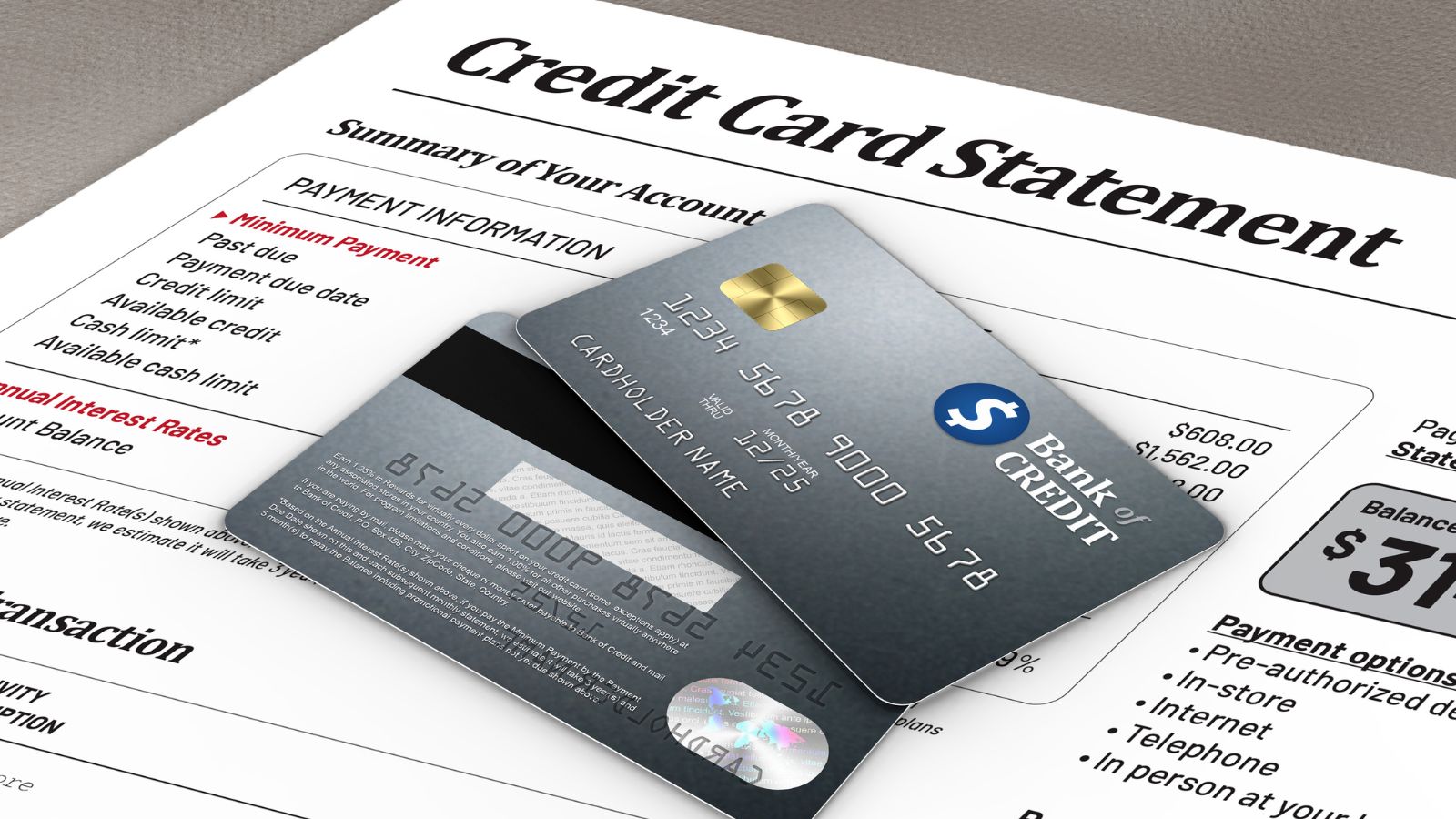
Streaming services, fitness memberships, software, delivery programs and other recurring charges can quietly occupy part of a credit-card balance before holiday shopping even begins. Because many are small individually, they are easy to overlook. FCAC notes that recurring transactions can continue to appear even after a cardholder closes a credit-card account unless the arrangement with the merchant is properly addressed.
A household with five forgotten subscriptions costing $15 each is spending $75 every month, or $900 over a year. The specific amounts vary, but the principle is straightforward: automatic charges deserve periodic scrutiny. Before seasonal expenses accelerate, reviewing several months of statements can uncover services that are rarely used or no longer needed. Cancelling unnecessary recurring charges creates genuine room in the household budget rather than simply creating additional available credit. It also reduces the chance that January’s statement combines December gift purchases with a collection of subscriptions that had faded from attention long ago.
Shopping Without a Firm Holiday Spending Ceiling

Credit cards make individual purchases easy, which can make the total holiday bill surprisingly difficult to see. FCAC describes a budget as a financial plan that tracks income, spending and saving, while its responsible-credit guidance emphasizes that credit-card purchases should remain within the regular household budget. Those principles become especially useful during periods of concentrated seasonal spending.
A household might decide it can spend $1,500 across gifts, food, travel and entertainment. Without a total ceiling, each category can expand independently: another $150 gift, a $200 restaurant outing and a $300 weekend trip all feel manageable by themselves. Together, they can push the card balance far beyond what January income can comfortably absorb. Setting a dollar figure before shopping begins turns the credit card back into a payment tool rather than an open-ended source of financing. The most useful holiday budget is not the amount the card will allow; it is the amount that can be repaid without sacrificing essential expenses or creating months of interest charges.
Forgetting About Foreign-Currency Conversion Costs

Canadian shoppers regularly encounter U.S. retailers online, particularly during Black Friday and pre-holiday promotions. A price displayed in U.S. dollars can look attractive until exchange rates and card charges are included. FCAC notes that financial institutions may apply both an exchange rate and a foreign-currency conversion charge when a credit card is used for purchases denominated in another currency.
Its illustrative example uses a €1,000 purchase converted at 1.45 Canadian dollars per euro with a 2.5% conversion charge. The base conversion produces $1,450, and the additional 2.5% charge adds $36.25, bringing the example total to $1,486.25. Actual rates and fees vary by card and transaction. For holiday shoppers, the lesson is to compare the final Canadian-dollar cost rather than the foreign sticker price alone. Shipping, duties and taxes may create additional costs outside the card fee itself. A dramatic online discount can shrink considerably by the time every conversion and delivery expense is included.
Using a Balance Transfer Without a Payoff Plan

A promotional balance transfer can reduce interest temporarily, but moving debt is not the same as eliminating it. FCAC notes that balance-transfer offers may provide a lower or even 0% introductory interest rate for a limited period, commonly six to 18 months. Transfer fees often apply, and missing a required payment may result in the promotional rate being lost.
The holiday risk appears when the transfer creates fresh room on the original card and that newly available credit is used for more shopping. The household can then finish the season with the transferred debt still outstanding plus a new balance on the old card. A transfer works best when paired with a repayment schedule. Someone moving $3,000 to a 12-month promotional arrangement, for example, would need to average roughly $250 of principal repayment per month to eliminate that amount within a year, before accounting for any applicable fee. Without that discipline, a temporary interest break can merely postpone the underlying problem.
Treating a Payment Holiday as Free Money

The phrase “payment holiday” can sound especially appealing during an expensive season, but skipping a required payment does not necessarily stop borrowing costs. FCAC says credit-card issuers may offer payment holidays that allow a payment to be skipped while interest continues to accrue. Federally regulated institutions must clearly disclose applicable interest when making such an offer.
That distinction matters because December cash-flow relief can become January debt growth. If a card already carries a substantial balance, another month of accrued interest increases the amount that eventually must be repaid even though no new purchase was made. A skipped payment may be useful during genuine financial hardship, but it should be evaluated as a financing decision rather than treated as a seasonal perk. Canadians receiving these offers can check the agreement for the interest implications and calculate what the balance will look like afterward. Holiday expenses already compete with future income; deliberately postponing repayment can make that competition even tougher once the decorations come down.
16 Costco Canada Habits That Could Be Costing Shoppers More Than They Save

The Executive Membership can feel like an obvious upgrade because the 2% annual reward sounds straightforward. For households that spend heavily at Costco Canada, the extra fee may be easy to justify. But the habit becomes costly when shoppers upgrade first and calculate later. A Gold Star Membership costs less, while Executive costs more and only pays off if eligible annual spending is high enough to offset the difference.
16 Costco Canada Habits That Could Be Costing Shoppers More Than They Save
This Options Discord Chat is The Real Deal
While the internet is scoured with trading chat rooms, many of which even charge upwards of thousands of dollars to join, this smaller options trading discord chatroom is the real deal and actually providing valuable trade setups, education, and community without the noise and spam of the larger more expensive rooms. With a incredibly low-cost monthly fee, Options Trading Club (click here to see their reviews) requires an application to join ensuring that every member is dedicated and serious about taking their trading to the next level. If you are looking for a change in your trading strategies, then click here to apply for a membership.