35,000+ smart investors are already getting financial news, market signals, and macro shifts in the economy that could impact their money next with our FREE weekly newsletter. Get ahead of what the crowd finds out too late. Click Here to Subscribe for FREE.
Fall can be an expensive stretch for Canadian households. Back-to-school purchases are barely finished before Thanksgiving groceries, home maintenance, winter clothing, travel plans, Halloween spending and early holiday shopping begin competing for the same paycheque. Much of that activity now moves through cards and digital banking products, giving financial institutions several opportunities to earn revenue.
That does not mean every dollar spent becomes bank profit. Banks also absorb funding costs, rewards, fraud losses, bad debts and operating expenses. Still, higher seasonal spending can increase interest income, transaction revenue and service fees when balances are carried or specialized banking products are used. These 15 ways Canadian banks profit from fall spending show how ordinary purchases can generate revenue long after the checkout screen disappears.
Credit-Card Balances Can Turn Shopping Into Months of Interest
15 Ways Canadian Banks Profit From Fall Spending
- Credit-Card Balances Can Turn Shopping Into Months of Interest
- Every Credit-Card Purchase Can Produce Interchange Revenue
- Rewards Programs Encourage Valuable Card Activity
- Annual Fees Create Revenue Before Much Spending Happens
- Installment Plans Monetize Big-Ticket Purchases Differently
- Cash Advances Can Start Charging Interest Immediately
- Balance Transfers Can Generate Fees From Existing Debt
- Missed Payments Can Push Borrowing Costs Higher
- Foreign-Currency Purchases Can Add Conversion Charges
- Overdraft Protection Turns a Shortfall Into Paid Credit
- NSF Fees Still Generate Revenue, Though Canada Has Capped Them
- Extra Transactions Can Push Some Accounts Beyond Their Allowance
- ATM Withdrawals Can Carry Several Layers of Fees
- Lines of Credit Turn Seasonal Purchases Into Interest-Bearing Debt
- Banks Can Earn on the Merchant Side of the Checkout Too
- 16 Costco Canada Habits That Could Be Costing Shoppers More Than They Save
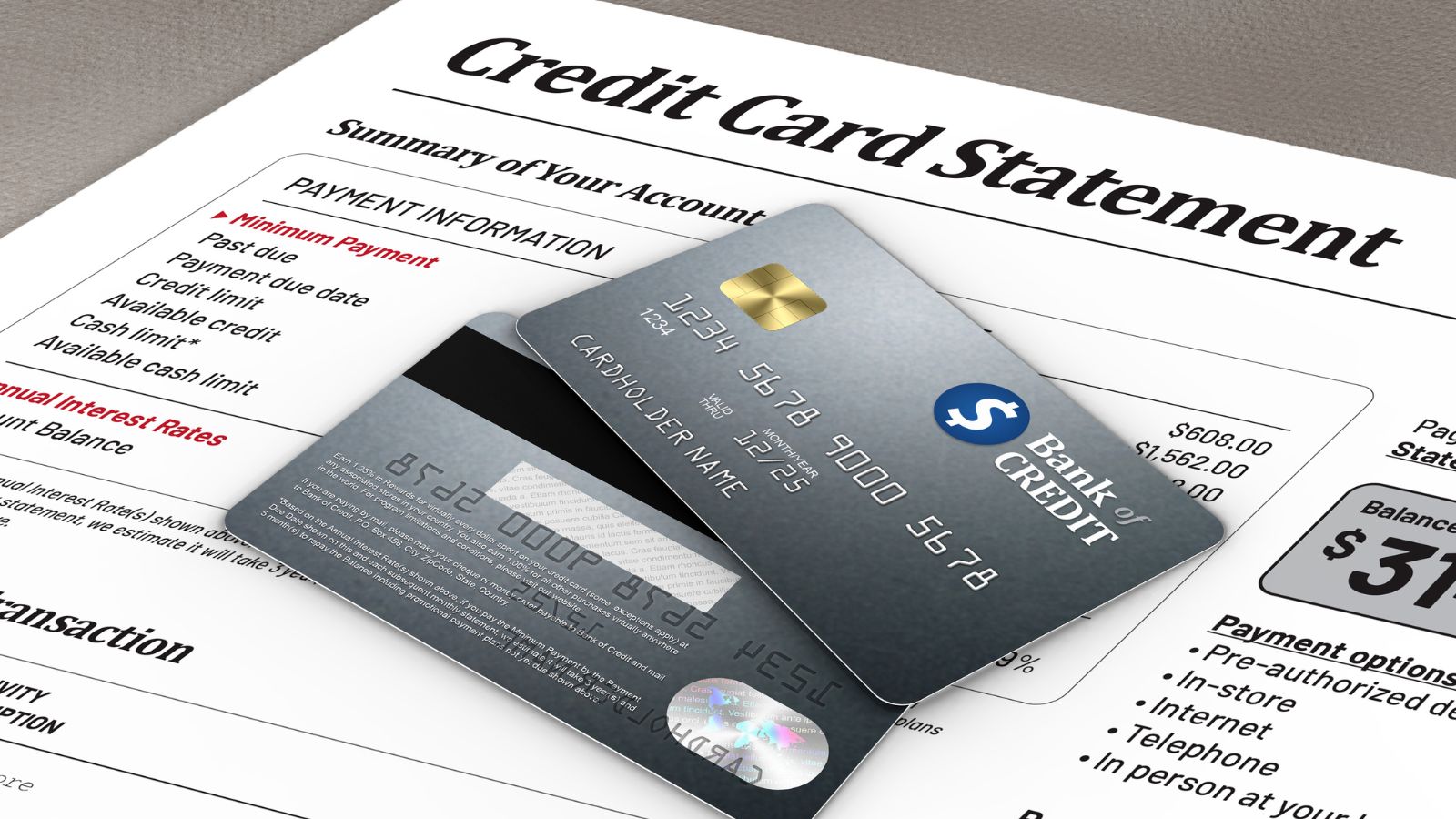
A credit card purchase does not automatically generate interest for the cardholder. Federally regulated issuers must provide an interest-free grace period of at least 21 days on purchases, and consumers who pay the statement balance in full can generally avoid purchase interest. The economics change when fall expenses become larger than the amount a household can repay. Once eligible balances are carried beyond the grace period, interest becomes one of the issuer’s most important revenue streams.
That matters because revolving balances are far from unusual. Payments Canada reported that 32% of Canadians carried a revolving credit-card balance after their monthly payments in 2024, with an average balance of $4,616 among those consumers. A family that puts school supplies, Thanksgiving groceries, winter tires and early Christmas purchases on the same card may therefore continue paying for part of the autumn spending well into winter. Higher balances do not guarantee higher bank profits because defaults and funding costs matter, but successfully repaid revolving debt creates recurring interest income.
Every Credit-Card Purchase Can Produce Interchange Revenue
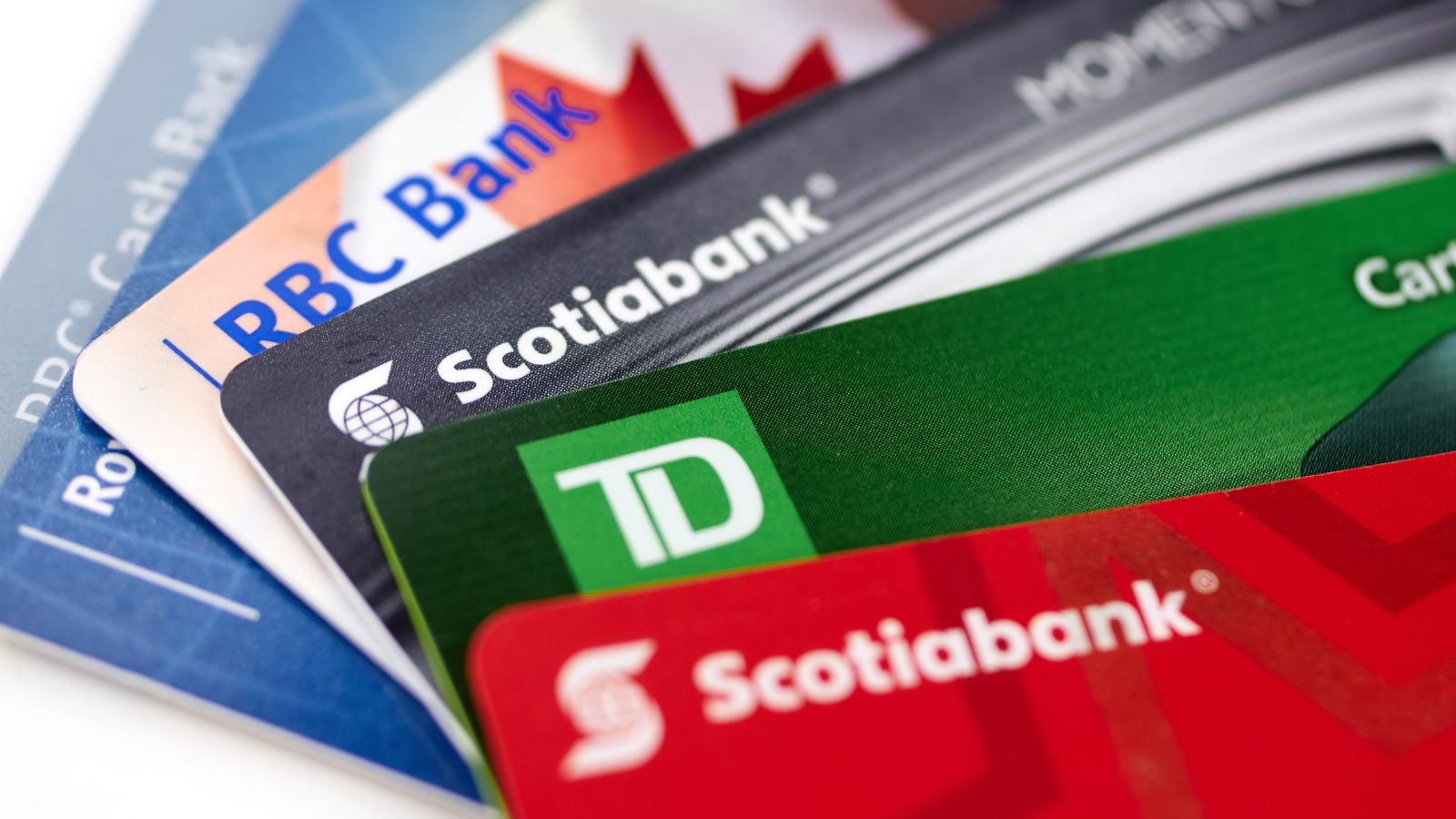
Even a cardholder who never pays a cent of interest can still generate revenue for the issuing bank. When a customer pays a Canadian merchant with a credit card, part of the merchant’s acceptance cost is an interchange fee paid to the financial institution that issued the card. That means a fully paid-off grocery purchase, winter jacket or restaurant bill can have economic value to the issuer without creating consumer debt.
Canada has reduced those costs for qualifying smaller merchants. Since October 19, 2024, qualifying Visa and Mastercard small businesses have benefited from lower domestic consumer-credit interchange rates, including an annual weighted average rate of 0.95% for qualifying in-store transactions. The federal government nevertheless describes interchange as the largest component of the fees businesses pay to process credit-card transactions. With Payments Canada recording 7.5 billion credit-card transactions in 2024, small percentages can operate across enormous transaction volumes. During a busy spending period, more card purchases can therefore mean more interchange revenue for card issuers.
Rewards Programs Encourage Valuable Card Activity
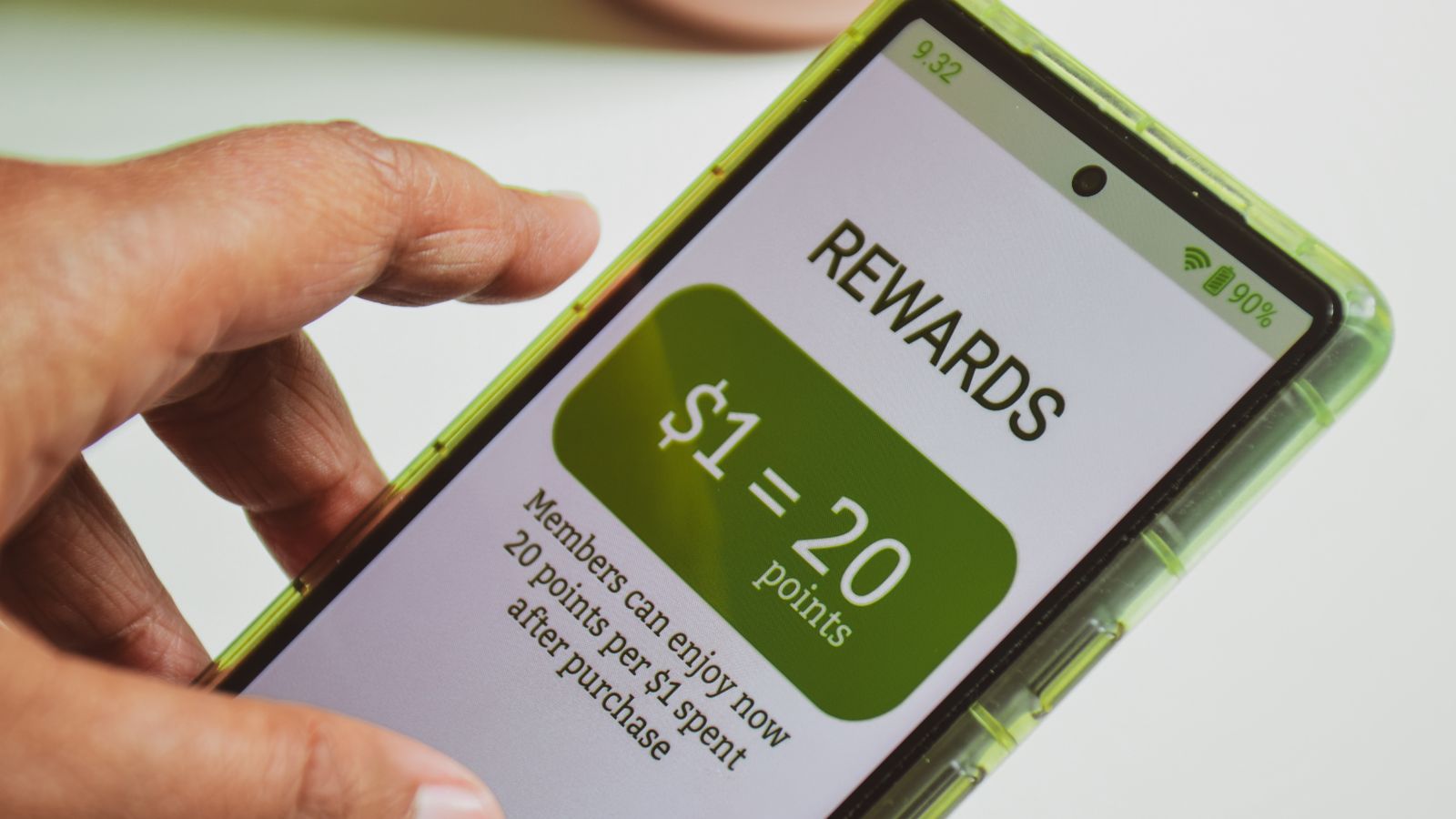
Cash back, travel points and other rewards make shoppers feel as though spending is producing something in return. From the bank’s perspective, the programs can also encourage cardholders to move more purchases onto a particular card, which creates more opportunities for interchange revenue and, when balances are carried, interest. Rewards are an expense to banks, so the economics depend on whether the additional revenue exceeds the cost of providing those benefits.
Research helps explain why issuers invest heavily in the strategy. A 2026 study in the Journal of Banking & Finance, based on data from a large U.S. financial institution, found that a 1% cash-back promotion increased credit-card spending by 32% and card debt by 8% among participating customers. Those percentages should not be treated as Canadian estimates, but they demonstrate the behavioural mechanism. Canadian research has also documented the relationship among merchant costs, consumer rewards and financial-institution fees. During fall promotions offering extra points for groceries, travel or shopping, the objective is not simply generosity—it is greater card engagement.
Annual Fees Create Revenue Before Much Spending Happens
Some rewards and premium credit cards charge annual fees in exchange for features such as travel rewards, insurance, lounge access, cash back or other benefits. Unlike interest income, that revenue does not depend on the cardholder carrying debt. A customer who pays every monthly statement in full can still be paying the issuer each year simply for continued access to the card and its benefits.
The Financial Consumer Agency of Canada advises consumers to compare annual fees alongside interest rates, rewards and other card features. It notes that cards carrying annual fees commonly provide additional rewards, benefits or sometimes lower interest rates, while no-fee alternatives also exist. Fall can make these premium cards especially attractive because households may be booking trips, buying expensive electronics, preparing for holiday purchases or trying to maximize bonus categories. The spending itself does not cause an annual fee to rise, but heavy seasonal use can strengthen the perceived value of keeping a fee-based card for another year, creating recurring account revenue for the issuer.
Installment Plans Monetize Big-Ticket Purchases Differently
Banks increasingly allow eligible credit-card purchases to be converted into fixed installment plans. That can be appealing in the fall when a household suddenly needs a laptop, appliance, furniture, winter equipment or expensive home repair. Instead of paying the purchase in full or letting it revolve at the card’s regular rate, the customer divides the cost into scheduled payments. The bank may collect a plan fee, a reduced interest rate, or another disclosed financing charge.
The exact structure varies considerably. TD, for example, currently illustrates eligible payment plans carrying 0% annual interest but plan fees that rise with longer terms, while Scotiabank advertises certain SelectPay plans with a stated installment interest rate and no installment-plan fee. These are product examples rather than industry-wide pricing. FCAC also confirms that credit-card providers may offer buy-now-pay-later-style installment options, sometimes at promotional rates as low as 0%. For issuers, installment features create another way to earn revenue from purchases that consumers might otherwise pay off immediately or finance elsewhere.
Cash Advances Can Start Charging Interest Immediately

When a household’s fall budget becomes especially tight, a credit card can be used to withdraw cash. That is very different from making an ordinary purchase. FCAC states that cash advances normally receive no interest-free grace period, meaning interest starts accumulating from the date the money is advanced and continues until the balance is repaid. The cash-advance interest rate may also be higher than the rate charged on regular purchases.
There can be a transaction fee on top of that interest. FCAC notes that cash-advance fees may be a fixed amount, a percentage of the withdrawal or a combination of both. Its consumer guidance gives an illustrative comparison in which ordinary purchases carry a 19% rate and cash advances carry a 22% rate, although actual card pricing varies. That makes an emergency withdrawal for a school activity, fall repair or weekend expense potentially much more valuable to the issuer than the same dollar amount paid as a regular card purchase and cleared within the grace period.
Balance Transfers Can Generate Fees From Existing Debt

After a heavy spending period, a lower-rate balance-transfer offer can look like an escape route. A customer moves debt from one card to another, often receiving a temporary promotional interest rate. For the receiving bank, the strategy can attract a new balance and possibly a new long-term customer. It can also produce an immediate transfer fee before meaningful interest revenue begins.
FCAC explains that balance-transfer fees are usually calculated as a percentage of the amount moved. Its example shows a $1,000 transfer carrying a 3% fee, which would add $30. Promotional rates also have expiry dates, and consumers may still owe interest depending on the agreement. Government guidance on debt consolidation says introductory balance-transfer periods commonly last for a limited period and that missing required payments may cause the promotional rate to disappear. Fall spending can therefore create a second revenue opportunity months later: first when purchases are made, and again when accumulated balances are transferred or refinanced.
Missed Payments Can Push Borrowing Costs Higher

Large seasonal bills do more than increase balances. They can make the minimum monthly payment harder to manage once several purchases appear on the same statement. Canadian cardholders are required to make at least their minimum payment by the due date. If that requirement is missed, the consequences can include a higher interest rate, loss of a promotional rate and damage to the borrower’s credit history.
FCAC states that credit-card issuers may increase rates following missed minimum payments and must disclose how those increases work. Its consumer guidance also notes that promotional rates can be lost after a late payment. That means the cost of a $1,500 fall balance can change even when no new purchases are added. For banks, higher rates can increase interest revenue when customers remain able to repay, although delinquency also raises the risk of charge-offs and collection expenses. The important distinction is that a stretched fall budget can change not just how much is owed, but the price charged for carrying that debt.
Foreign-Currency Purchases Can Add Conversion Charges

Autumn travel, U.S. shopping trips and purchases from foreign websites can create another layer of banking revenue. When a conventional Canadian credit card is used for a purchase denominated in another currency, the financial institution converts the transaction into Canadian dollars and may add a foreign-currency conversion charge. That cost is separate from movements in the underlying exchange rate.
FCAC uses an illustrative credit-card example involving a 2.5% conversion charge. In its example, a €1,000 purchase converted at C$1.45 per euro becomes C$1,450 before a C$36.25 conversion charge is added. Actual cards differ, and some Canadian products specifically advertise no foreign-transaction fee, so 2.5% should not be treated as universal. Still, the mechanism matters during fall vacation season and cross-border online shopping. A consumer may focus on the sticker price and exchange rate while overlooking an additional percentage applied by the card issuer when the transaction reaches the statement.
Overdraft Protection Turns a Shortfall Into Paid Credit

An ordinary chequing account can become a form of short-term borrowing when overdraft protection is activated. Imagine an account containing $200 when a $250 transaction arrives. If the bank covers it, the account drops to negative $50, and the customer has effectively borrowed the shortfall. During fall, several closely timed expenses—utilities, school costs, groceries and automatic payments—can make that situation more likely for households operating close to payday.
FCAC says financial institutions may charge both interest on the overdrawn amount and a fee for overdraft protection. Depending on the account, that may be a monthly charge or a pay-per-use fee. Its current guidance says monthly overdraft fees are often around $5 and annual interest rates are usually around 21% to 22%, although pricing differs among institutions. Because interest is calculated for the period the account remains overdrawn, even a relatively small cash-flow mismatch can create bank revenue beyond the original purchase amount.
NSF Fees Still Generate Revenue, Though Canada Has Capped Them
When an account lacks enough money to cover a payment and overdraft protection does not fill the gap, a non-sufficient funds charge can apply. For years, those fees could make a missed payment considerably more expensive. Canada changed the rules in 2026, significantly limiting how much federally regulated banks can collect from personal-account NSF charges.
Effective March 12, 2026, federal regulations cap an NSF fee at $10. Banks are also prohibited from charging an NSF fee when the resulting overdraft is less than $10 and cannot repeatedly charge the same personal account within a two-business-day period under the specified rules. The federal government estimated the change would save consumers hundreds of millions of dollars annually. The cap sharply reduces this revenue channel compared with the old system, but it does not eliminate it. A fall budget stretched by automatic bills, subscriptions and seasonal purchases can still produce a $10 charge when a qualifying payment reaches an underfunded account.
Extra Transactions Can Push Some Accounts Beyond Their Allowance

Not every Canadian chequing account includes unlimited activity. Some packages provide a defined number of monthly transactions and then charge customers for additional activity. FCAC says those transactions can include debit-card purchases, bill payments, transfers, cheques and pre-authorized debits. Once the number included in the monthly plan is exceeded, additional transactions may cost extra depending on the account agreement.
The federal framework has improved basic options. Since December 2025, participating federally regulated institutions have offered low-cost accounts priced at no more than $4 monthly, and those accounts must include at least 18 qualifying debit transactions per month. Many other account packages provide different limits or unlimited activity. Fall spending can matter because ordinary activity often becomes more intense: more shopping stops, more transfers to family, more bills and more event-related payments. Someone using a limited account may therefore cross a monthly threshold without noticing, turning a busy spending month into additional transaction-fee revenue for the financial institution.
ATM Withdrawals Can Carry Several Layers of Fees

Cash may be less dominant than it once was, but Canadians still withdraw it for festivals, school events, farmers’ markets, entertainment and businesses where cash remains convenient. The cost of getting that cash depends heavily on the machine being used. A withdrawal from the customer’s own bank network may be included in an account package, while using another institution’s machine can trigger additional charges.
FCAC identifies three possible categories: the regular account transaction fee, a network-access fee charged by the customer’s financial institution and a convenience fee charged by another institution or private ATM operator. Not every withdrawal produces all three, and part of the total may go to an operator rather than the customer’s bank. Even so, financial institutions can earn account or network-related fees when customers use certain machines. Fall travel can make this especially relevant because people are more likely to withdraw money away from their usual branch or ATM network, where the seemingly simple act of obtaining cash can become another paid banking transaction.
Lines of Credit Turn Seasonal Purchases Into Interest-Bearing Debt

Credit cards are not the only way Canadians borrow for major fall expenses. A line of credit can cover a furnace repair, tuition-related expense, home project, winter tires or a large household purchase. FCAC describes a line of credit as reusable borrowing up to a preset limit, with interest charged only on the amount actually borrowed. Unlike a credit-card purchase that may receive a grace period, line-of-credit interest generally starts from the day money is withdrawn.
That difference creates a straightforward revenue stream for the lender. The balance may carry a variable rate, meaning the amount of interest paid can change when the applicable benchmark or lender’s pricing changes. Some lines of credit may also involve administrative or other disclosed fees. A personal loan creates similar economics through scheduled principal and interest payments. For households, these products may carry lower rates than standard credit cards, but the bank still earns interest as long as a balance remains outstanding. A one-time autumn expense can consequently produce borrowing revenue for months or even years.
Banks Can Earn on the Merchant Side of the Checkout Too

Consumers are only one side of a fall purchase. Merchants also need terminals, e-commerce gateways, settlement services and card-processing infrastructure, and financial institutions participate in that market. TD Merchant Solutions, for example, provides merchant payment services with a schedule containing processor and payment-network-related charges. Other banks participate through partnerships, referrals or ownership interests in payment businesses.
A particularly Canadian example is Moneris, the payment processor created as a joint venture between RBC and BMO. In August 2026, the two banks announced an agreement to sell Moneris to Francisco Partners for about C$2 billion, subject to customary approvals and closing conditions, while establishing long-term referral arrangements. The broader point remains even as ownership structures change: card spending can generate revenue on more than the issuing side. Merchants pay for the infrastructure that accepts and processes electronic payments. When fall shopping volume rises, the financial system can therefore earn not only from consumer credit but from the commercial machinery that moves those purchases through checkout.
16 Costco Canada Habits That Could Be Costing Shoppers More Than They Save
The Executive Membership can feel like an obvious upgrade because the 2% annual reward sounds straightforward. For households that spend heavily at Costco Canada, the extra fee may be easy to justify. But the habit becomes costly when shoppers upgrade first and calculate later. A Gold Star Membership costs less, while Executive costs more and only pays off if eligible annual spending is high enough to offset the difference.
16 Costco Canada Habits That Could Be Costing Shoppers More Than They Save
This Options Discord Chat is The Real Deal
While the internet is scoured with trading chat rooms, many of which even charge upwards of thousands of dollars to join, this smaller options trading discord chatroom is the real deal and actually providing valuable trade setups, education, and community without the noise and spam of the larger more expensive rooms. With a incredibly low-cost monthly fee, Options Trading Club (click here to see their reviews) requires an application to join ensuring that every member is dedicated and serious about taking their trading to the next level. If you are looking for a change in your trading strategies, then click here to apply for a membership.