35,000+ smart investors are already getting financial news, market signals, and macro shifts in the economy that could impact their money next with our FREE weekly newsletter. Get ahead of what the crowd finds out too late. Click Here to Subscribe for FREE.
The first cool nights of fall often send Canadian heating systems back into service after months of sitting mostly idle. That seasonal change can expose neglected maintenance, inefficient habits and, in some cases, serious safety problems. A furnace may still produce warm air while struggling with a clogged filter, a heat pump may be operated like an old gas furnace, and a fireplace can look ready even when its chimney needs attention. Small mistakes also add up when heating represents a major share of household energy use. These 17 home heating mistakes Canadians make every fall range from simple efficiency losses to problems involving fire and carbon monoxide, making the beginning of heating season an important time for a careful household check.
Skipping a Pre-Season Heating Check
17 Home Heating Mistakes Canadians Make Every Fall
- Skipping a Pre-Season Heating Check
- Running the Season With a Dirty Filter
- Blocking Vents, Returns and Baseboard Heaters
- Ignoring Drafts Around Windows and Doors
- Letting Leaky Ducts Waste Heated Air
- Keeping the Thermostat High When Nobody Is Home
- Using Deep Temperature Setbacks With a Heat Pump
- Setting Backup Heat Too Close to the Heat-Pump Temperature
- Turning Off Ventilation to Keep the Heat Inside
- Over-Humidifying the House as Temperatures Fall
- Using the Fireplace Before Checking the Chimney
- Burning Damp Wood and Letting Fires Smoulder
- Putting Portable Heaters Too Close to Combustibles
- Treating Carbon Monoxide Alarms as Once-and-Forget Devices
- Letting Exterior Exhaust Vents Become Blocked
- Using Outdoor Fuel-Burning Equipment for Indoor Heat
- Allowing Snow or Ice to Choke a Heat Pump
- 16 Costco Canada Habits That Could Be Costing Shoppers More Than They Save
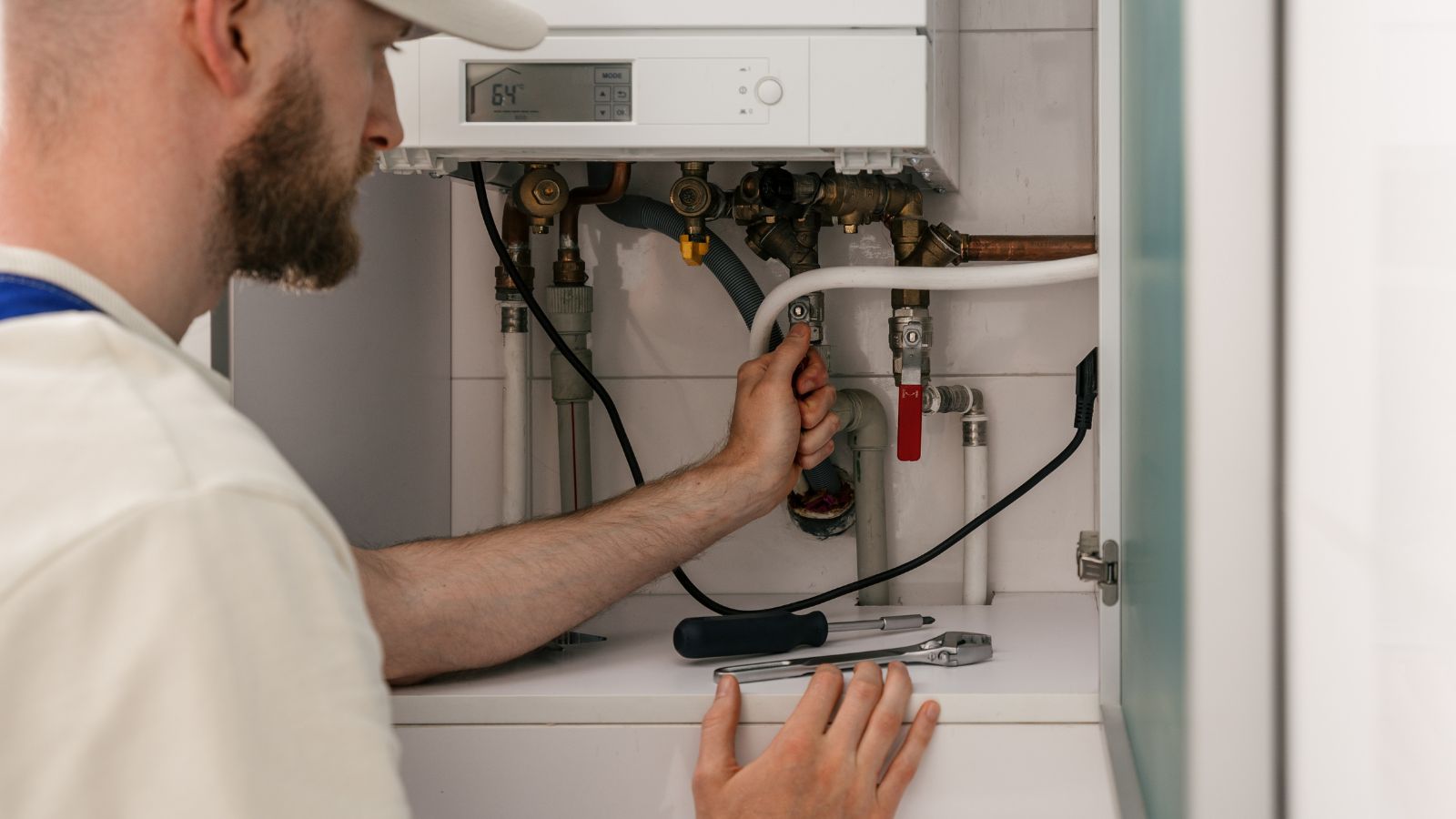
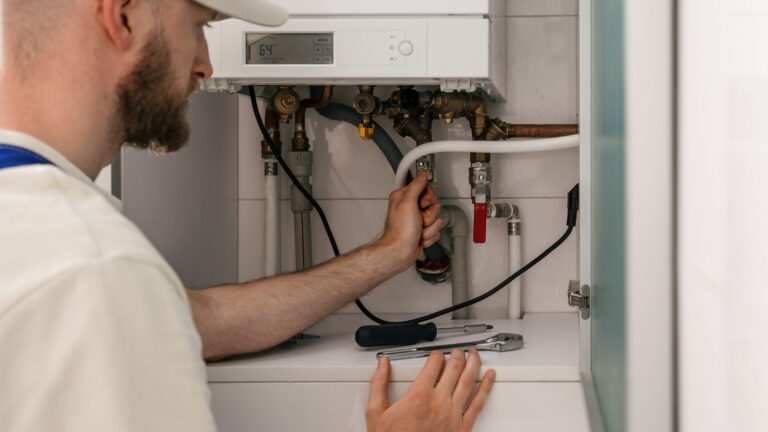
The first freezing evening is a poor time to discover that a furnace, boiler or heat pump has been quietly developing a problem. Yet many households wait until the equipment is already running hard before thinking about maintenance. Natural Resources Canada recommends regular servicing of heating and cooling equipment. Depending on the system, a professional can inspect burners, combustion, heat exchangers, gas or oil connections, controls, electrical components and airflow before sustained winter demand arrives.
A fall inspection is not simply about avoiding an inconvenient no-heat call. Poor combustion, worn components and restricted airflow can affect efficiency and, with fuel-burning equipment, potentially affect safety. An older furnace can still appear to be working while cycling longer than expected or producing uneven temperatures around the house. Scheduling appropriate maintenance before prolonged cold weather provides time to identify problems, order parts and make repairs without waiting until the equipment fails during one of the busiest periods for heating contractors.
Running the Season With a Dirty Filter
A furnace filter is easy to forget because it normally sits out of sight, but neglecting it can make an entire forced-air system work harder. Natural Resources Canada advises homeowners to inspect, clean or replace filters regularly in furnaces and heat pumps. Federal guidance warns that dirty filters can increase energy costs and potentially damage equipment, while replacement intervals should ultimately follow the equipment manufacturer’s instructions.
The first clues may be surprisingly ordinary. Bedrooms remain cooler than expected, airflow from registers seems weaker, or the furnace runs for long stretches despite a normal thermostat setting. Homes with pets, renovation dust or unusually heavy household activity may dirty a filter faster than a calendar-based schedule suggests. The mistake is treating a filter as something that gets changed once at the beginning of winter and then forgotten. A quick inspection throughout the heating season is far easier than asking a blower motor and heating system to push air through an increasingly restrictive layer of dust.
Blocking Vents, Returns and Baseboard Heaters
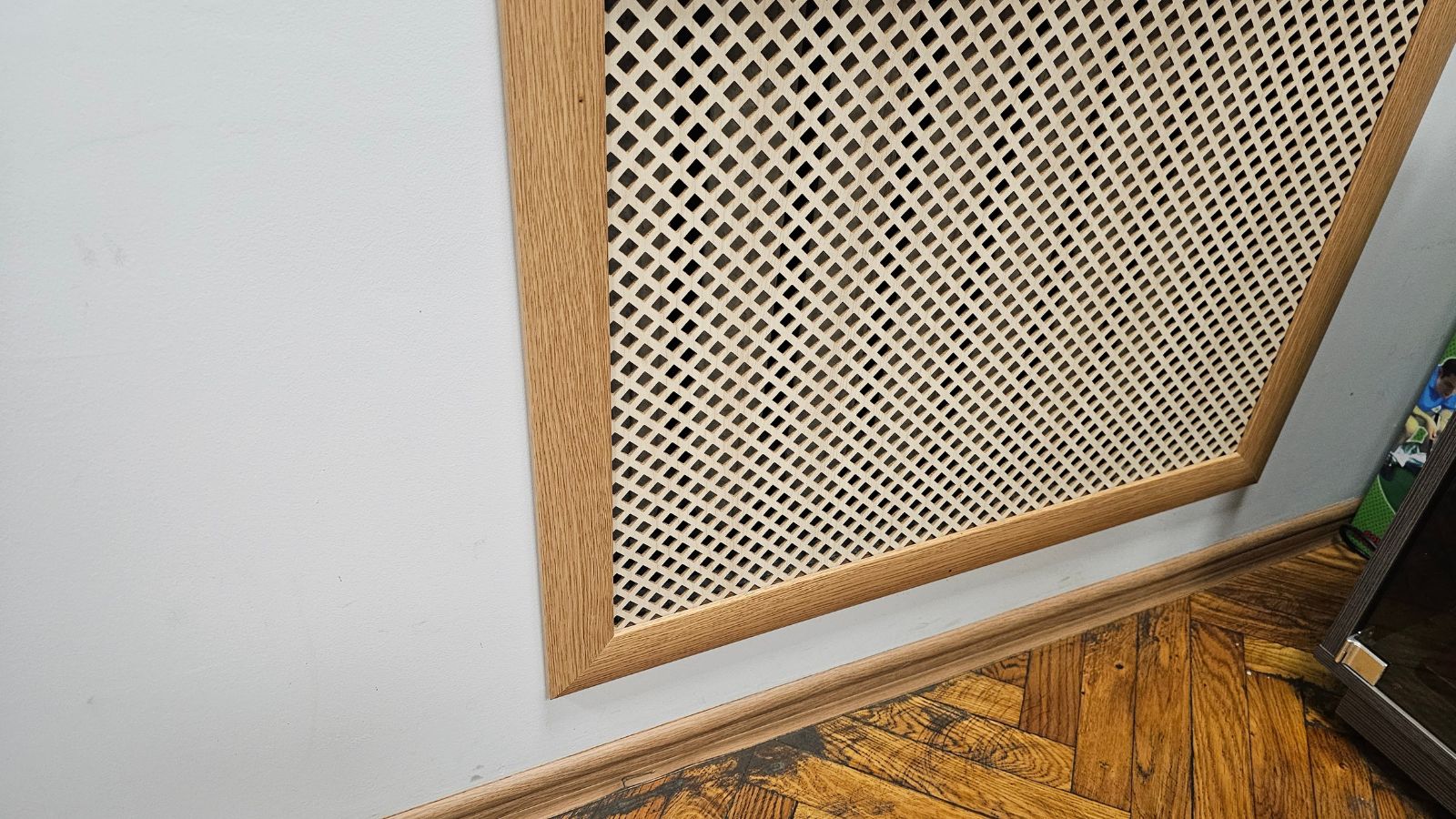
Fall furniture rearranging can unintentionally create a heating problem. A sofa pushed against a return grille, a rug placed over a floor register or long curtains hanging across an electric baseboard can interfere with normal heat distribution. Natural Resources Canada specifically recommends keeping vents, air grilles and baseboard heaters clear so heating and ventilation equipment can operate effectively and warm air can circulate through occupied spaces.
The result of restricted airflow is often subtle rather than dramatic. One room may stay uncomfortable while another becomes too warm, prompting someone to raise the thermostat for the entire house. That uses more energy without fixing the original problem. Restricted circulation around windows can also contribute to cold glass surfaces and condensation. Before assuming the furnace is undersized or the thermostat needs another degree, it is worth checking the physical layout of the rooms. Furniture, storage boxes, curtains and rugs can all become accidental barriers between the heating system and the people it is supposed to keep comfortable.
Ignoring Drafts Around Windows and Doors
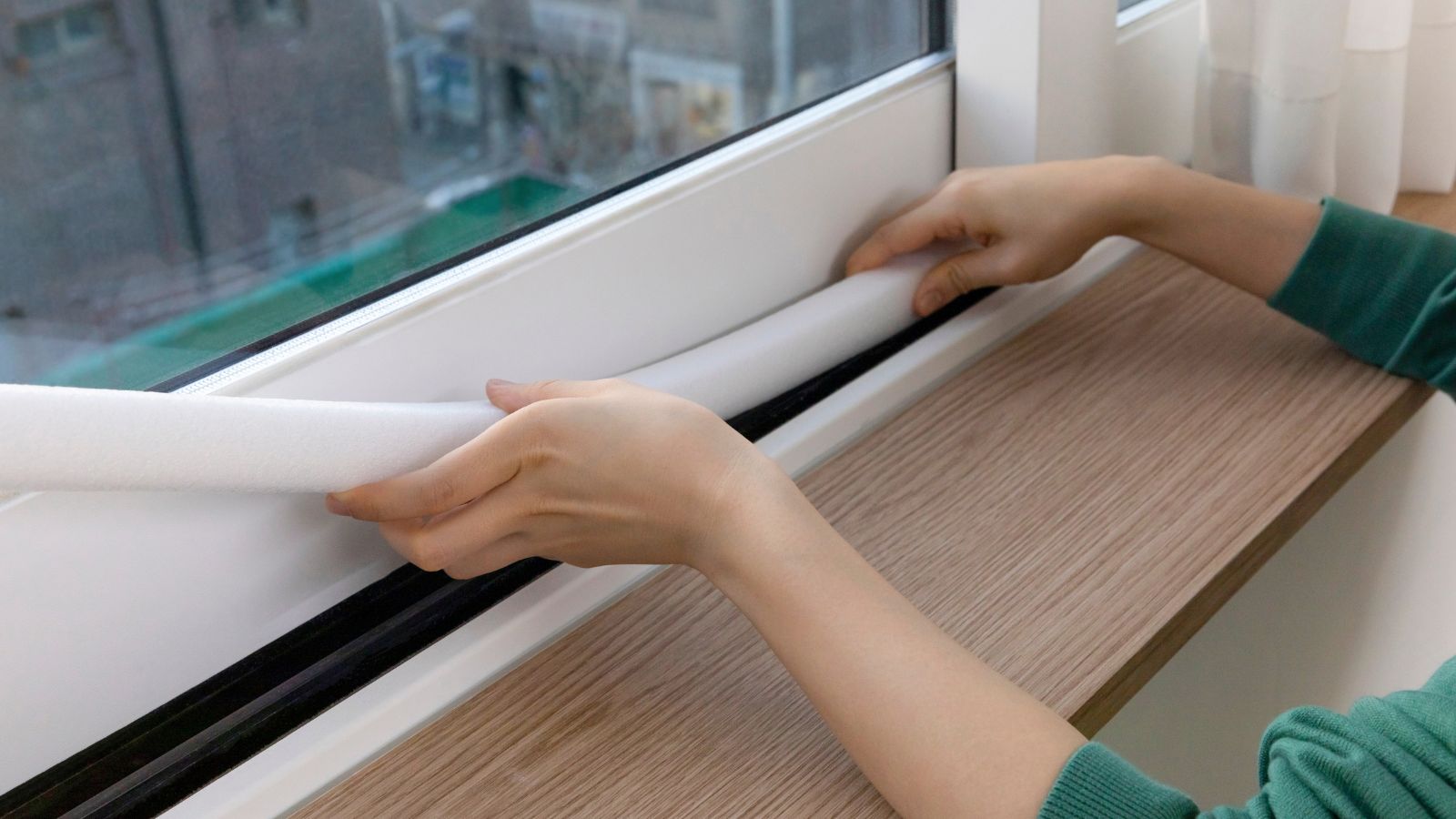
A thin stream of cool air around a door frame may seem insignificant during mild September weather, but drafts become far more noticeable once outdoor temperatures fall. Natural Resources Canada describes comprehensive air-leakage control as an important home-efficiency measure and recommends techniques such as weatherstripping, caulking, gaskets and appropriate sealing materials. Windows, doors and numerous small penetrations in the building envelope can become pathways for unwanted air movement.
The common mistake is compensating for that discomfort by turning the thermostat higher. The furnace produces more heat, yet the person sitting beside the drafty window may still feel cold. Worn weatherstripping, failed caulking, loose door sweeps and gaps around trim are especially easy to overlook after summer. Cool, windy fall days can actually make them easier to find. Correct sealing has to be done carefully, however, because tighter homes still require appropriate ventilation and combustion-air arrangements. Energy efficiency should come from controlling unwanted leaks, not from simply eliminating every source of fresh-air exchange.
Letting Leaky Ducts Waste Heated Air
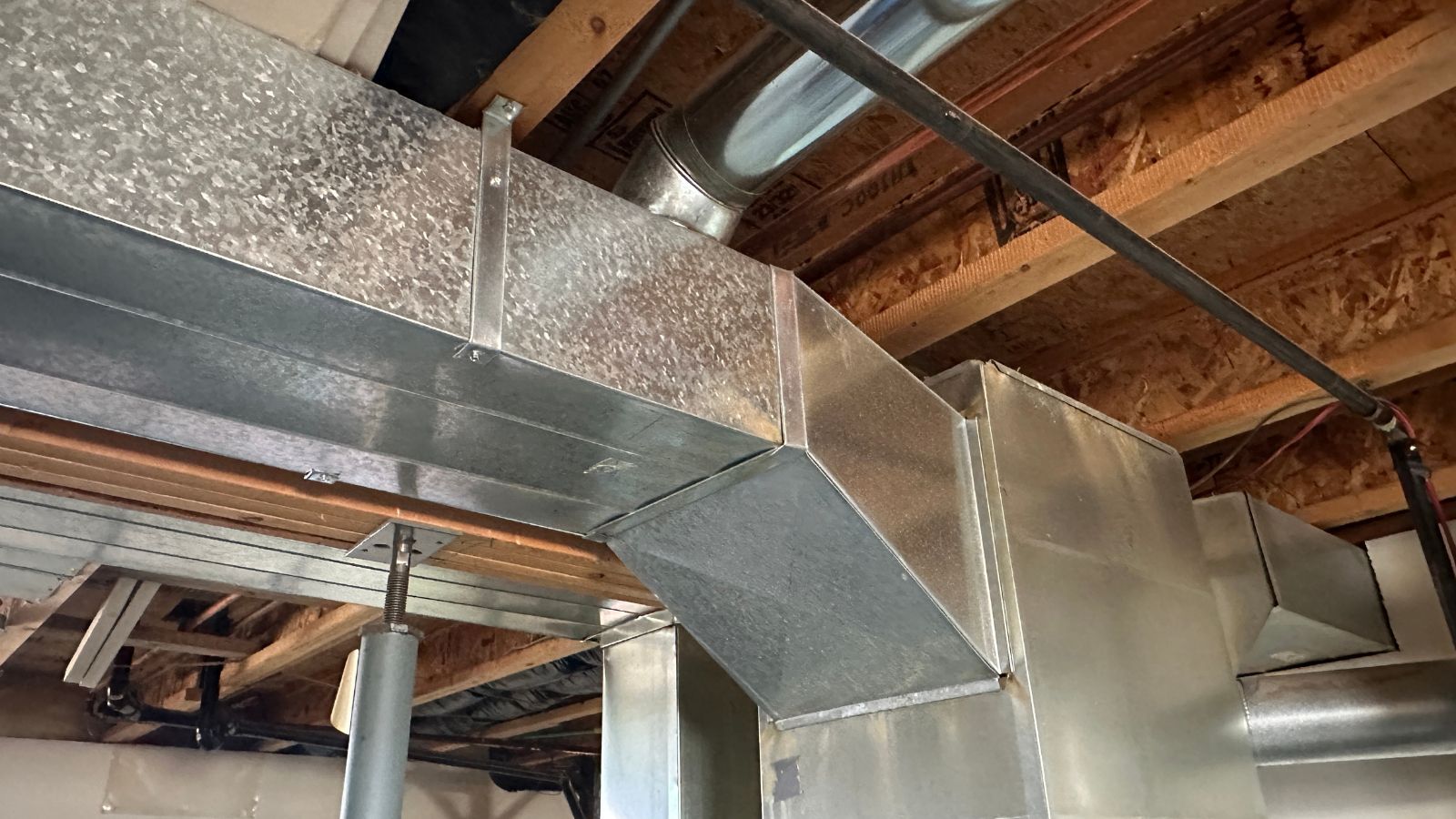
A furnace can be operating properly while some of its heated air never reaches the rooms that need it. Natural Resources Canada recommends sealing supply ductwork and paying particular attention to ducts passing through basements, crawl spaces, garages or unheated attics. Federal guidance also notes that leaking or undersized ducts and inadequate return-air grilles can contribute to uncomfortable rooms and higher heating costs.
A familiar symptom is the bedroom or basement room that has supposedly “always been cold.” The problem may not be the furnace itself. Heated air can escape through poorly fitted duct joints before reaching the register, while an inadequate return path can disrupt circulation. Simply raising the thermostat may make other rooms warmer without helping the problem area very much. Accessible duct joints can sometimes be sealed using approved foil products or duct mastic, while chronic airflow and balancing problems are better evaluated professionally. Ordinary household tape is not an appropriate substitute for products designed for HVAC duct sealing and temperature conditions.
Keeping the Thermostat High When Nobody Is Home

Conventional heating equipment usually does not need to maintain full occupied-room temperatures when a house will be empty for several hours. Natural Resources Canada says thermostat setbacks can reduce heating consumption for many systems, although heat pumps and certain hydronic systems require different strategies. Federal guidance estimates that lowering the temperature by 1 C for an eight-hour period can reduce heating-energy consumption by roughly 2 percent.
That does not mean the thermostat should be turned dramatically downward. Natural Resources Canada generally advises against ordinary setbacks below roughly 17 C because colder indoor conditions can increase the risk of moisture problems in exterior walls. A programmable or smart thermostat can make modest reductions during predictable periods such as working hours or overnight. The bigger lesson is that thermostat advice depends on the heating technology. A strategy that works well for a conventional furnace may be inappropriate for a heat pump, so households should understand the equipment they actually have before programming aggressive schedules.
Using Deep Temperature Setbacks With a Heat Pump
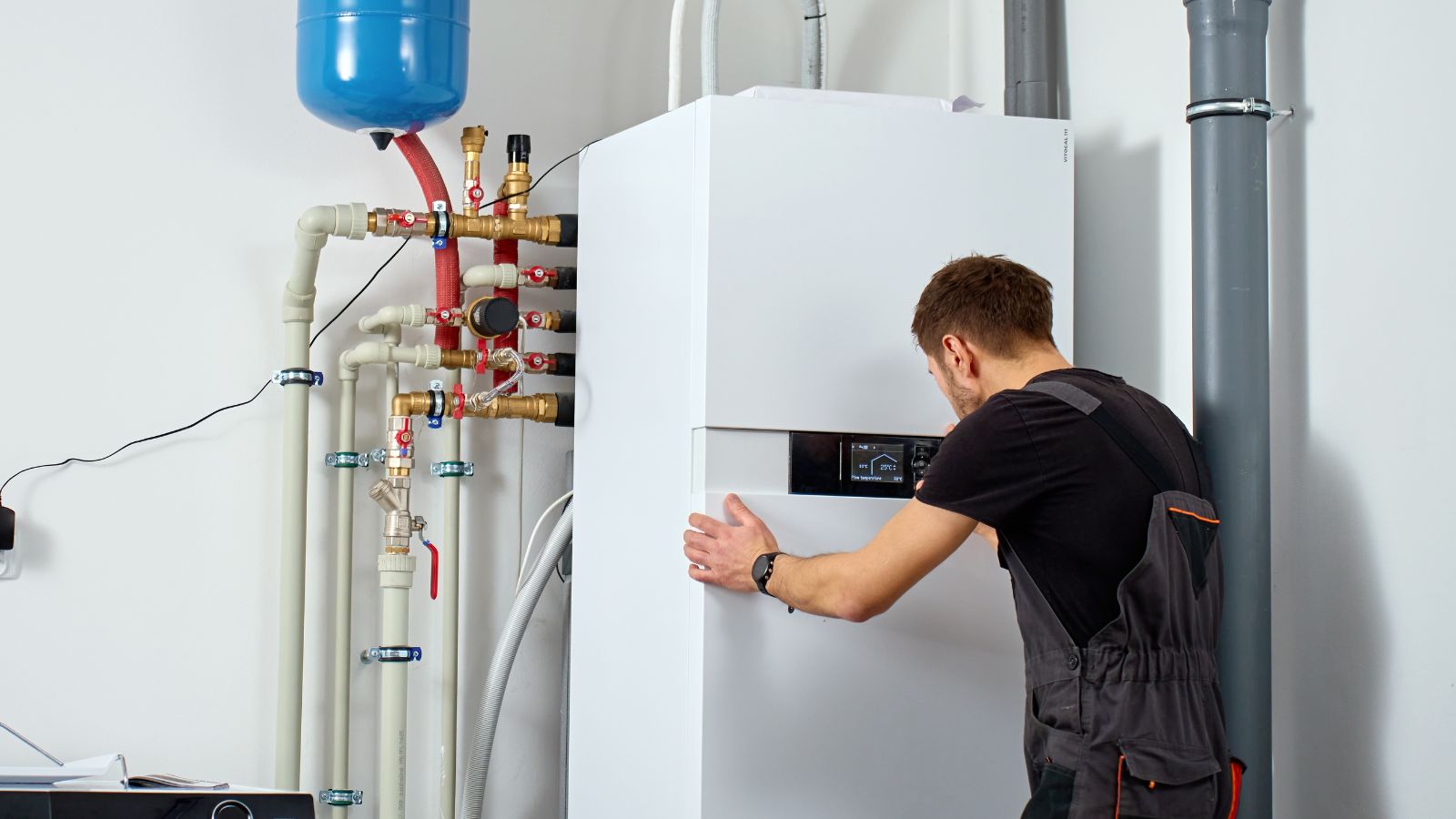
Heat pumps behave differently from conventional furnaces, particularly when they are asked to recover rapidly from a large temperature reduction. Natural Resources Canada recommends minimizing deep heat-pump setbacks because these systems generally respond more slowly. Its guidance suggests moderate reductions of no more than about 2 C unless controls are designed to anticipate recovery and bring the house back to temperature efficiently.
The mistake often appears after a household upgrades its heating system but keeps old thermostat habits. The temperature might be lowered significantly overnight and then raised several degrees at breakfast. Depending on the equipment and control configuration, the sudden demand can bring supplementary resistance heating into operation. That can undermine some of the energy savings the heat pump was intended to deliver. Heat pumps typically benefit from steadier operation rather than repeated large temperature swings. Because designs differ, the installer or manufacturer should ultimately determine the most appropriate settings, especially where a system combines a heat pump with electric, gas or other backup heat.
Setting Backup Heat Too Close to the Heat-Pump Temperature
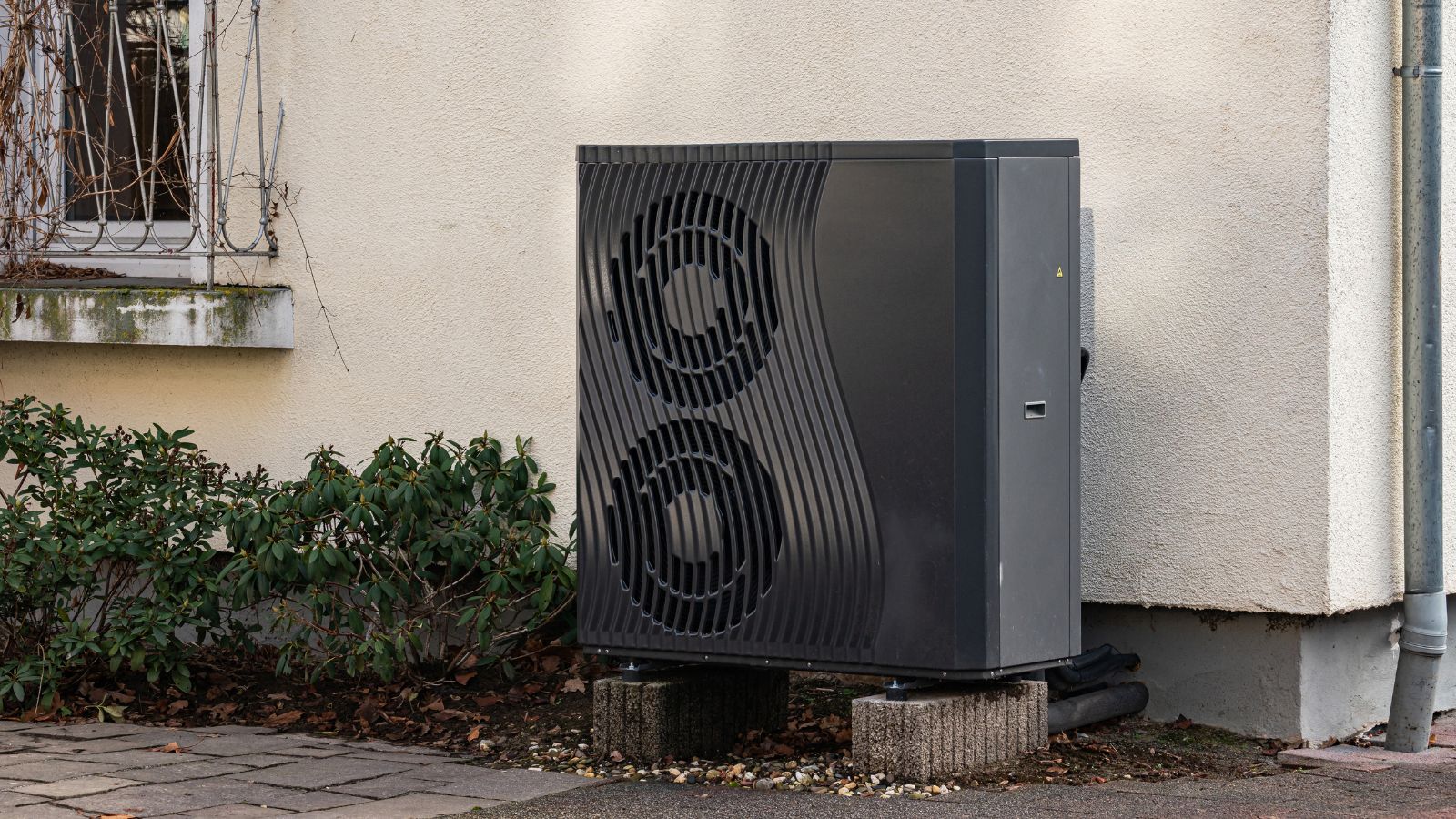
Many heat-pump installations include another source of heat, such as electric resistance elements, baseboards or a conventional furnace. The controls determine when that supplementary system joins or replaces the heat pump. When electric backup heating is set unnecessarily high, it can operate more frequently than intended. Natural Resources Canada recommends, for applicable electric supplementary systems, a setting roughly 2 C to 3 C below the main heat-pump set point.
The house may feel perfectly comfortable while this mistake is happening, which makes it easy to miss. The difference appears in how the heat is being produced. A heat pump transfers heat and can provide substantially greater heating output per unit of electricity than electric resistance equipment under suitable operating conditions. Homeowners with newly installed systems should therefore learn what each thermostat or control actually operates. Fall is a particularly useful time to review those settings because the system begins moving through mild-weather operation toward colder conditions when supplementary heat may genuinely become necessary.
Turning Off Ventilation to Keep the Heat Inside
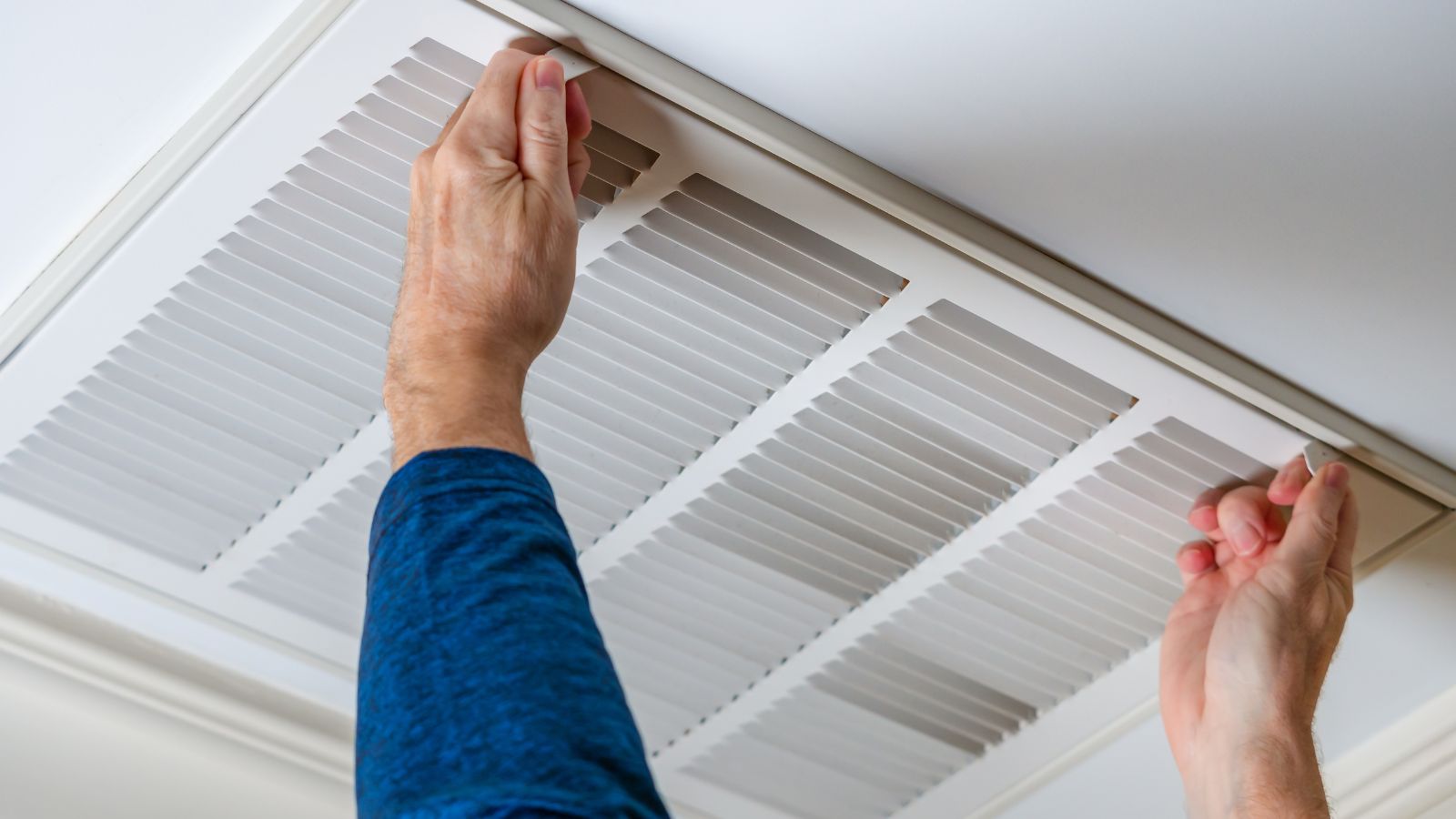
Closing windows for autumn should not mean shutting down intentional ventilation. Health Canada notes that mechanical ventilation is particularly important in airtight homes because it helps remove moisture and indoor pollutants while bringing outdoor air into the building. Heat-recovery ventilators and energy-recovery ventilators are specifically designed to exchange indoor and outdoor air while recovering energy that would otherwise be lost.
A homeowner may be tempted to turn an HRV off after feeling cool air coming through a supply grille, assuming that ventilation is throwing away expensive heat. Poor ventilation, however, can lead to rising humidity, lingering cooking odours, stuffiness and other indoor-air-quality problems once windows remain closed for months. Condensation can become another warning sign. Mechanical ventilation still needs to be operated correctly rather than indiscriminately at maximum output, and filters and components require maintenance. The better approach is to follow system controls and manufacturer recommendations instead of treating fresh-air exchange as something that should disappear whenever heating season begins.
Over-Humidifying the House as Temperatures Fall

Heating season can make indoor air feel dry, so furnace humidifiers often return to service when the first cool weather arrives. The mistake is assuming that adding more moisture is always beneficial. Health Canada generally recommends maintaining residential relative humidity between 30 and 50 percent. Natural Resources Canada notes that winter humidity may need to remain toward the lower end of that range as outdoor temperatures fall to limit condensation on cold building surfaces.
Windows often provide the first visible warning. Persistent droplets, damp frames or frost can indicate that indoor humidity is too high for the outdoor conditions and the home’s windows. Closed blinds, heavy curtains and blocked heaters can worsen the situation by limiting warm-air movement across the glass. An inexpensive hygrometer gives a better picture than adjusting a humidifier by feel. Humidity settings may need to change as the weather changes. Continually wet window sills and recurring condensation should not simply be wiped away and ignored because sustained moisture can contribute to mould and building deterioration.
Using the Fireplace Before Checking the Chimney

The first wood fire of autumn can feel like a harmless seasonal ritual, especially when the fireplace worked without obvious problems the previous winter. Health Canada nevertheless recommends proper maintenance of fuel-burning appliances and annual chimney cleaning for wood-burning fireplaces. Chimneys and flues have the important job of safely carrying combustion products away from occupied areas, so their condition matters before regular burning resumes.
Problems are not always visible from the living room. Debris, animal nesting material, creosote accumulation or deterioration can develop elsewhere in the venting system. Waiting until smoke spills into the house is therefore not a sensible inspection method. Fall preparation should include the fireplace, chimney and flue rather than concentrating only on buying or stacking firewood. A qualified inspection can also identify appliance or venting issues that an occupant may not recognize. In a home with any fuel-burning equipment, functioning carbon-monoxide protection remains another essential layer of safety rather than a substitute for proper maintenance.
Burning Damp Wood and Letting Fires Smoulder
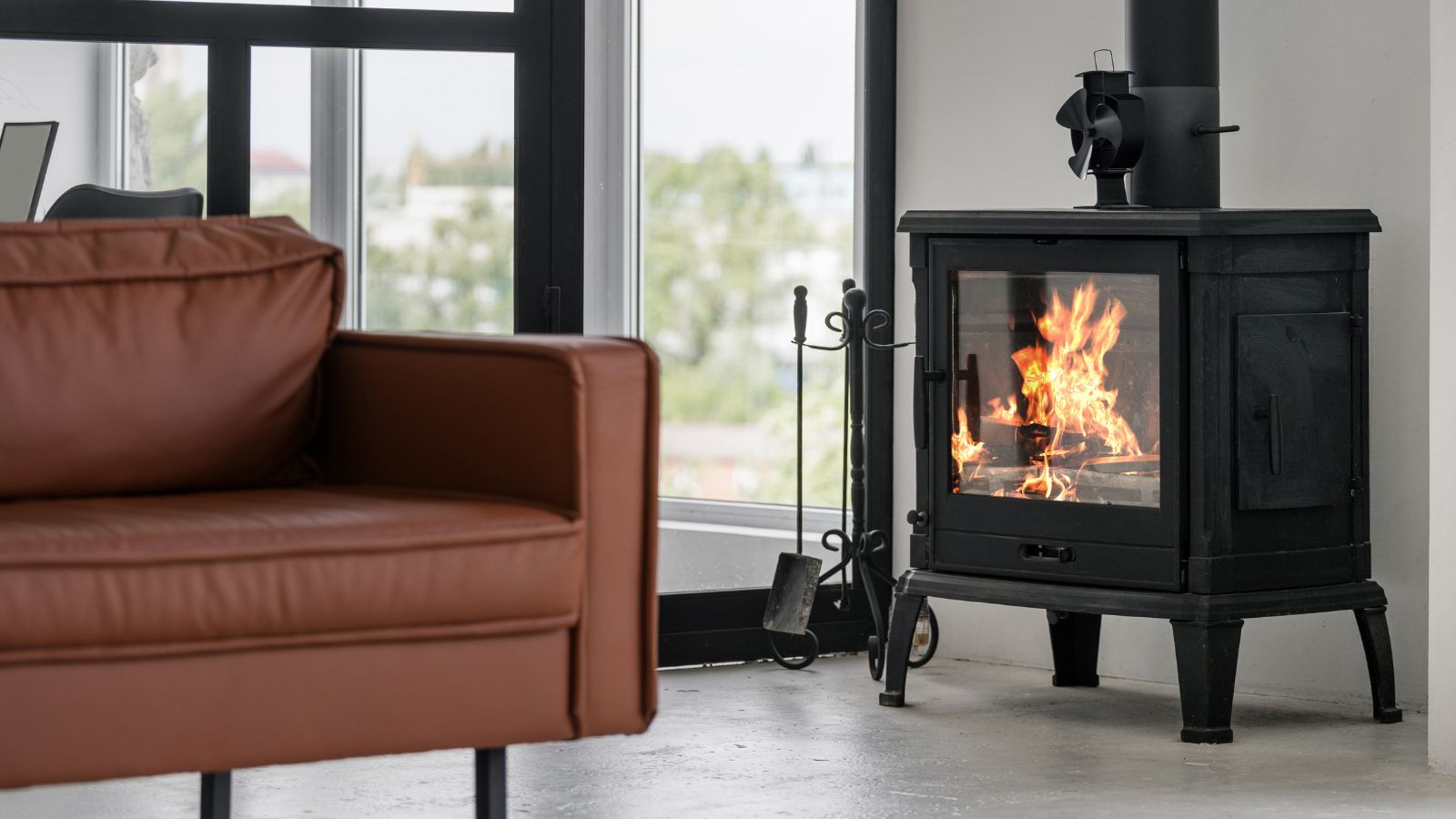
Not all firewood produces the same amount of useful heat or indoor and outdoor pollution. Health Canada recommends burning dry, seasoned wood and advises cutting, splitting and stacking wood in a dry location for at least six months before use. It also notes that smouldering combustion produces greater fine-particle emissions than a stable, hot fire, making burning technique important as well as the choice of fuel.
A common fall shortcut is assuming that recently cut wood is ready because its surface looks dry. Considerable moisture can remain inside. Damp fuel can be more difficult to ignite and sustain, encouraging smoky, low-temperature fires and repeated loading. Appropriate combustion air, seasoned fuel and a properly maintained appliance help wood burn more effectively. Health Canada also warns against burning household garbage, painted or chemically treated wood, plywood, particle board and other glued wood products. The fireplace may seem like a convenient disposal route, but those materials are not appropriate substitutes for properly prepared firewood.
Putting Portable Heaters Too Close to Combustibles
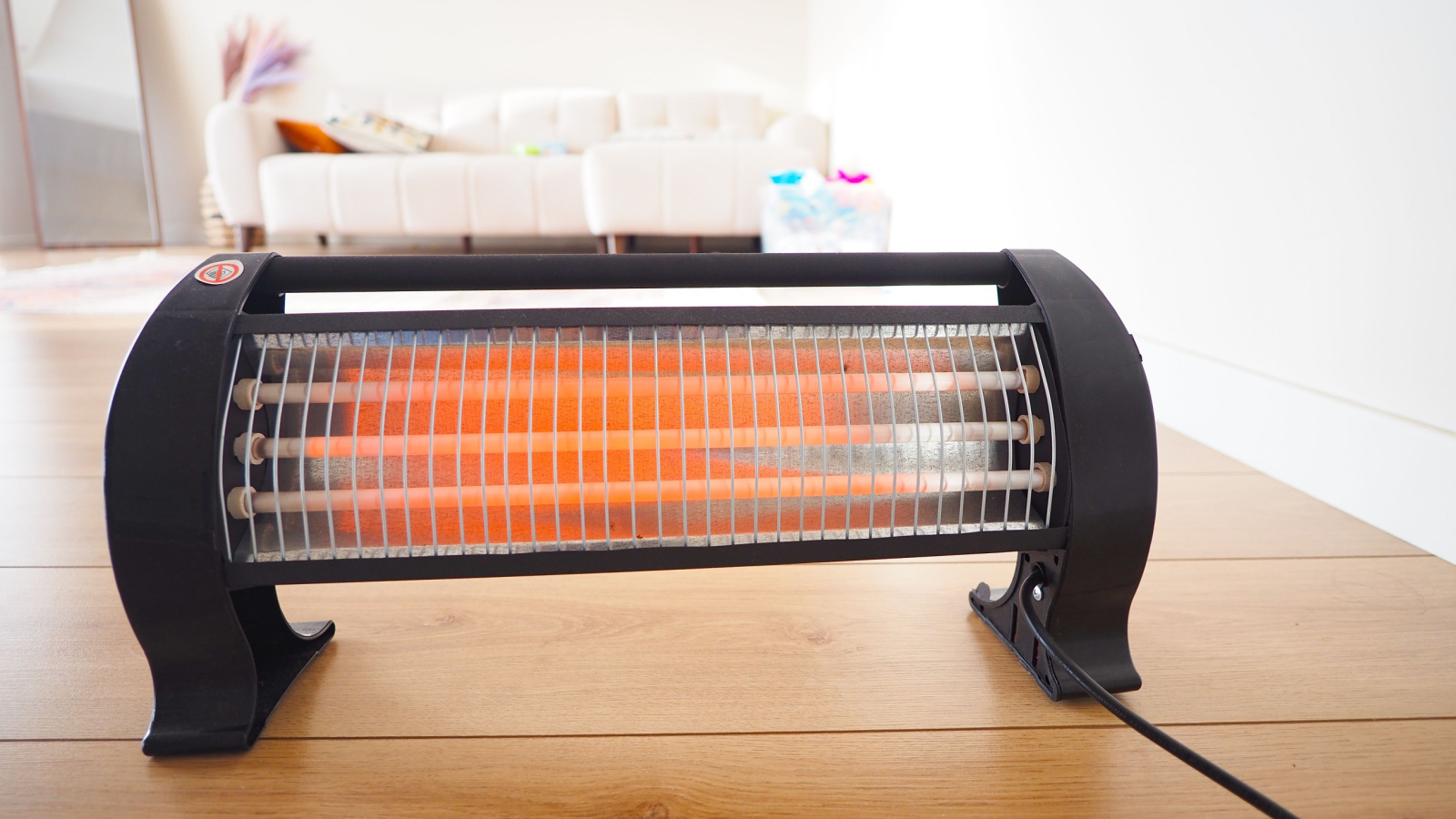
Portable electric heaters are useful when a home office, basement or bedroom feels cool before the main system is running regularly, but their location matters. Health Canada identifies overheating and nearby combustible materials as important hazards associated with portable electric heaters. Federal fire-safety guidance recommends keeping heaters at least three feet from materials such as bedding, furniture, curtains and drapes and warns against using them to dry clothing.
Modern tip-over switches and automatic shutoffs can create a false sense of security. Those features do not prevent paper, curtains or bedding from becoming dangerously hot when placed too close to the unit. Portable heaters are also commonly retrieved from storage each fall, making it sensible to check for damaged cords, housings or other signs of deterioration before use. Health Canada recorded hundreds of Canadian portable-heater incident reports between 2011 and 2023, including reported injuries and deaths. Supplemental warmth therefore deserves the same attention to placement and condition as larger permanent heating equipment.
Treating Carbon Monoxide Alarms as Once-and-Forget Devices
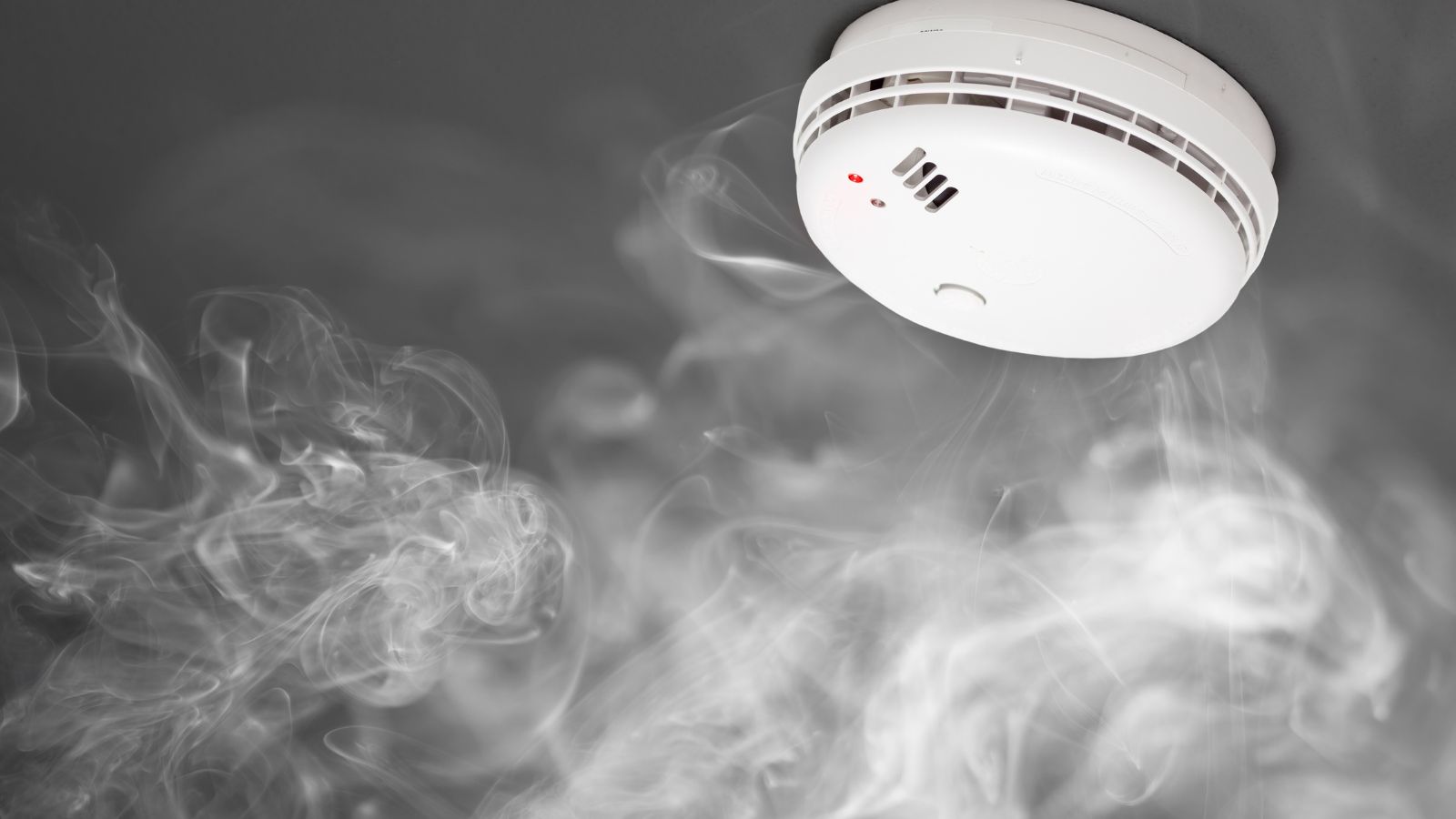
Carbon monoxide becomes especially relevant during colder months because many Canadian households rely on fuel-burning furnaces, boilers, fireplaces, stoves or other appliances. Health Canada says carbon monoxide cannot be reliably detected without an alarm and recommends at least one working CO alarm with battery backup when combustion appliances are used, with hallways outside sleeping areas being particularly important locations.
Installing the device is only the beginning. Alarm manufacturers provide instructions for testing, battery replacement and the service life of the unit itself, and those directions need to be followed. Carbon monoxide offers no dependable warning smell or colour, so occupants cannot wait for their senses to signal trouble when a furnace, fireplace or venting system malfunctions. That makes an alarm check a logical part of the same fall routine as furnace servicing and chimney maintenance. A carefully serviced heating appliance paired with an expired, disconnected or non-functioning alarm leaves an avoidable gap in household protection.
Letting Exterior Exhaust Vents Become Blocked
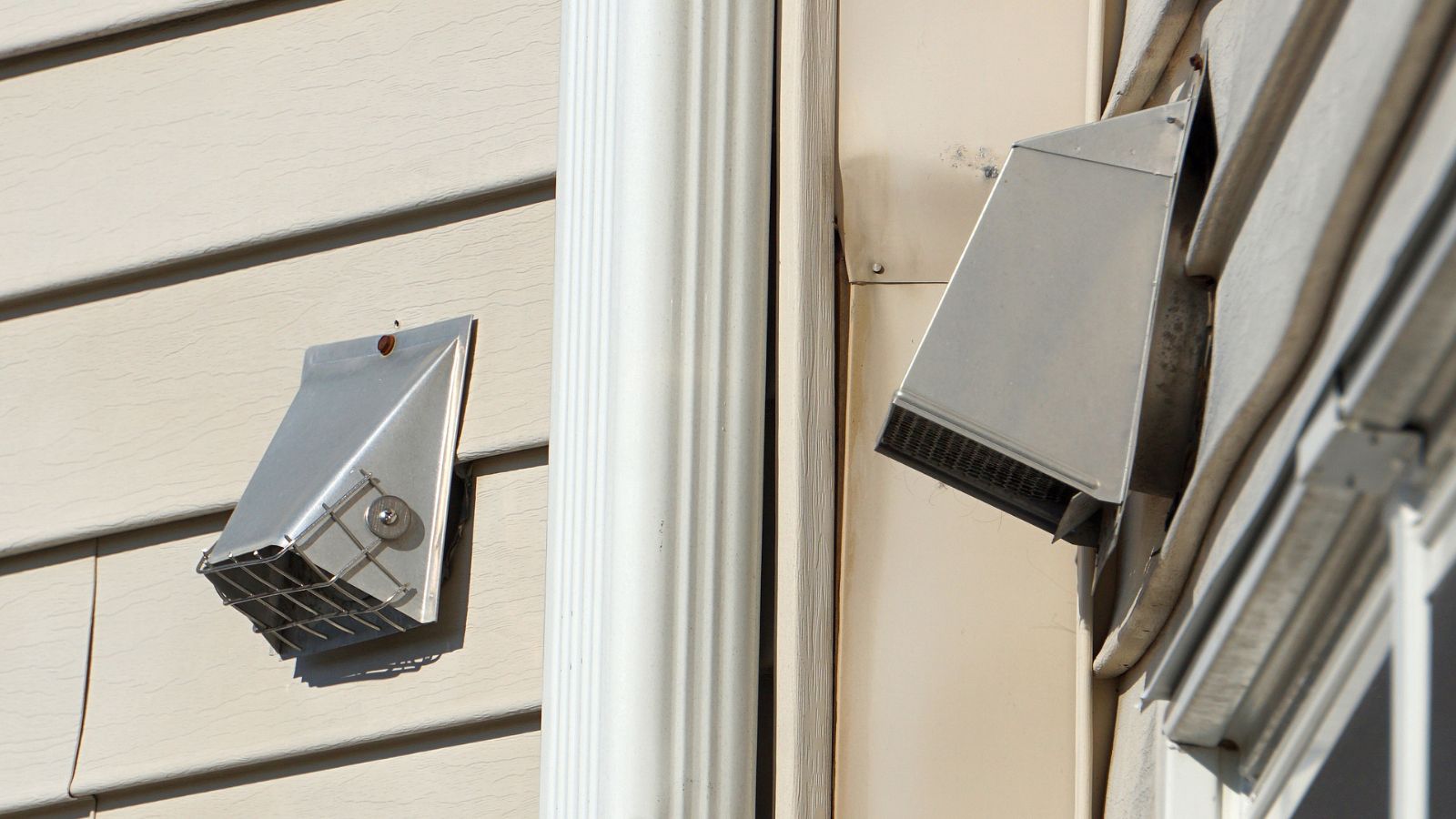
Furnaces, fireplaces and other fuel-burning appliances may rely on exterior intake and exhaust openings that are surprisingly easy to overlook. Health Canada recommends inspecting appliance exhaust vents and ensuring that they remain clear. Federal winter-emergency guidance specifically warns that snow and ice blocking fuel-burning appliance exhaust can allow dangerous carbon monoxide concentrations to accumulate inside a building.
Problems can start in autumn, well before the first major snowstorm. Fallen leaves, garden debris, overgrown shrubs or items moved into winter storage can obstruct the area around a sidewall vent. Later, drifting snow and ice add new hazards. Homeowners should identify the locations of combustion-air and exhaust openings while the yard is still clear and inspect them periodically as conditions change. The venting system itself should not be modified or improvised upon. Recurring icing, visible damage or unusual appliance behaviour calls for qualified service rather than an improvised cover or homemade alteration that could make safe exhaust more difficult.
Using Outdoor Fuel-Burning Equipment for Indoor Heat
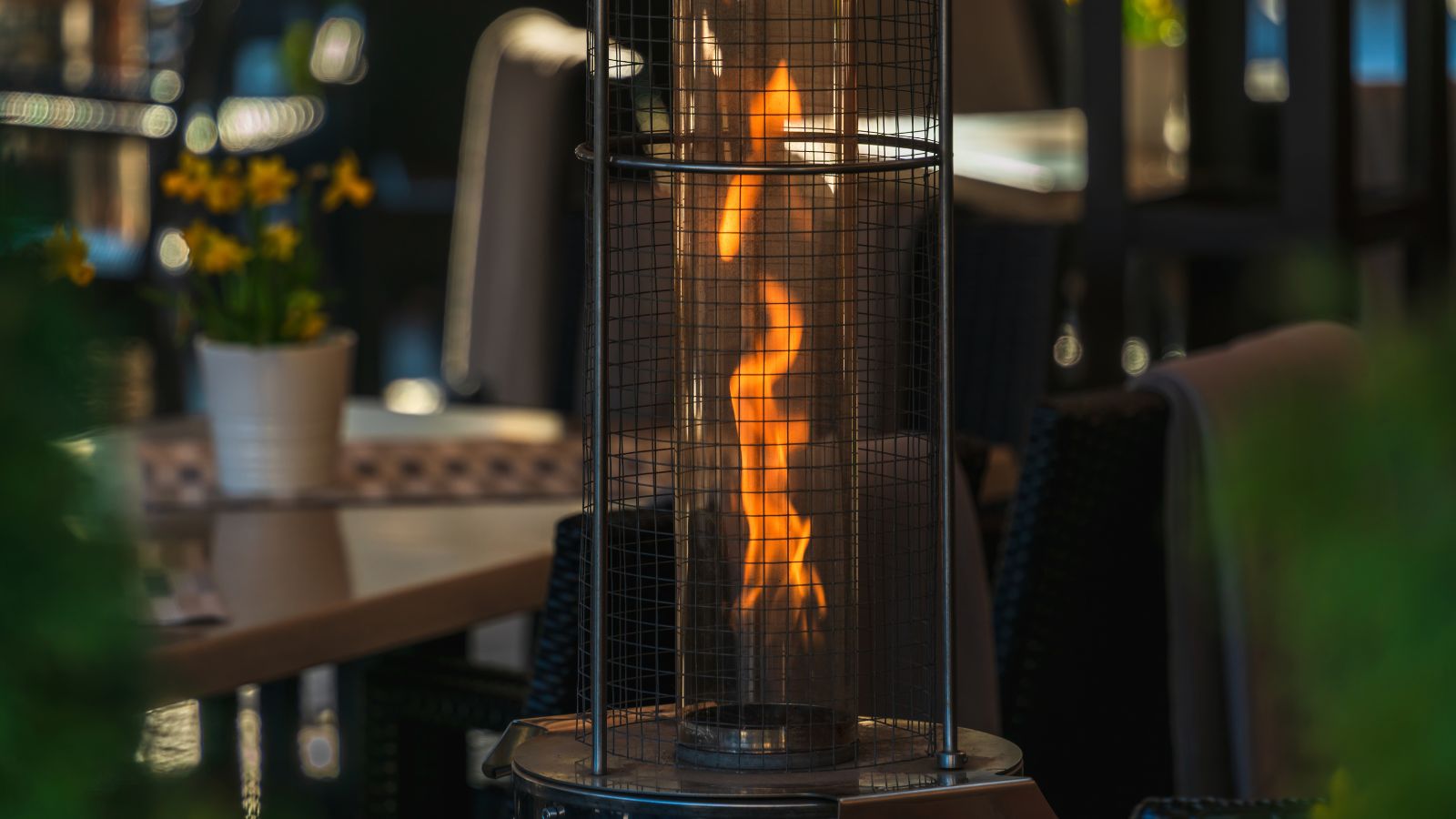
A failed furnace or power outage can make improvised heating seem reasonable, particularly when temperatures are falling quickly. Health Canada warns that outdoor equipment burning fuel, charcoal or wood should never be operated inside homes, garages, sheds or other enclosed spaces. It also advises against using propane, kerosene or oil space heaters in enclosed areas unless the appliance is specifically designed for indoor operation.
Carbon monoxide is the central danger. Fuel-burning equipment can produce the colourless gas during combustion, and enclosed or poorly ventilated spaces allow it to accumulate. A barbecue, camping appliance or generator may create immediate warmth, but that does not make it an indoor heating appliance. Garages are not safe alternatives simply because a large door is partly open. Emergency planning before cold weather is therefore important. Households should know what safe backup heat is available and where occupants could go during an extended outage rather than attempting to turn outdoor cooking or power equipment into an emergency furnace.
Allowing Snow or Ice to Choke a Heat Pump
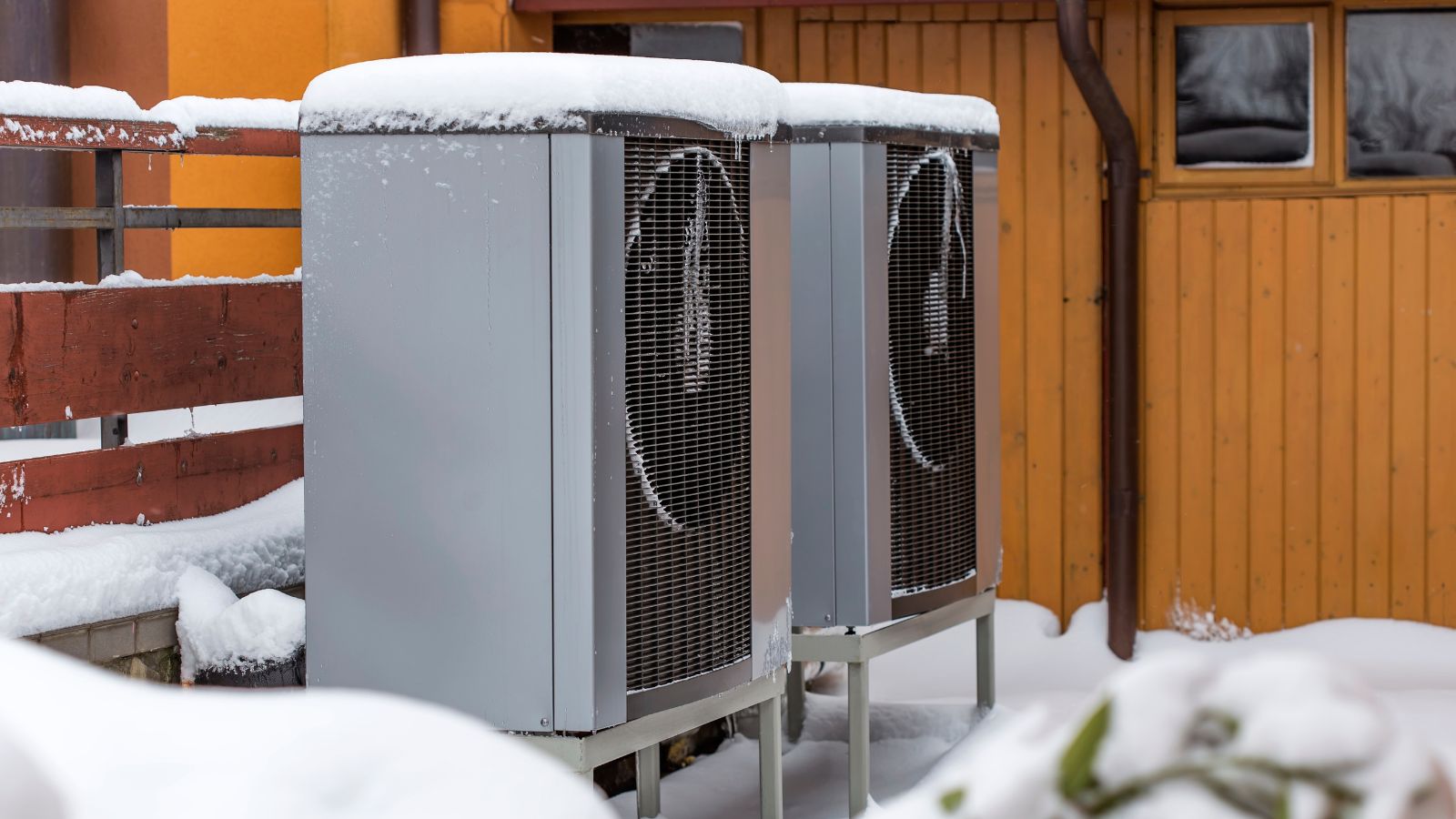
An air-source heat pump depends on moving outdoor air across its exterior coil, which makes the outdoor unit especially important once cold weather begins. Natural Resources Canada recommends checking for excessive snow and ice around heat pumps in winter and removing buildup that covers the equipment. It also advises keeping filters and coils clean and having qualified contractors inspect systems regularly.
Some frost on the outdoor coil is normal. Heat pumps are designed with a defrost cycle because moisture can freeze on the coil during cold-weather operation. The problem is allowing drifting snow, accumulated leaves or abnormal ice to physically obstruct airflow around the equipment. Fall debris can collect around the cabinet before the first snowfall and then become buried. Clearing should always follow manufacturer instructions so delicate components are not damaged. If thick ice repeatedly returns despite normal defrost operation, professional service is safer than attacking the coil with tools or attempting to disable controls that are part of the system’s normal operation.
16 Costco Canada Habits That Could Be Costing Shoppers More Than They Save

The Executive Membership can feel like an obvious upgrade because the 2% annual reward sounds straightforward. For households that spend heavily at Costco Canada, the extra fee may be easy to justify. But the habit becomes costly when shoppers upgrade first and calculate later. A Gold Star Membership costs less, while Executive costs more and only pays off if eligible annual spending is high enough to offset the difference.
16 Costco Canada Habits That Could Be Costing Shoppers More Than They Save
This Options Discord Chat is The Real Deal
While the internet is scoured with trading chat rooms, many of which even charge upwards of thousands of dollars to join, this smaller options trading discord chatroom is the real deal and actually providing valuable trade setups, education, and community without the noise and spam of the larger more expensive rooms. With a incredibly low-cost monthly fee, Options Trading Club (click here to see their reviews) requires an application to join ensuring that every member is dedicated and serious about taking their trading to the next level. If you are looking for a change in your trading strategies, then click here to apply for a membership.