
35,000+ smart investors are already getting financial news, market signals, and macro shifts in the economy that could impact their money next with our FREE weekly newsletter. Get ahead of what the crowd finds out too late. Click Here to Subscribe for FREE.
Cold-weather traction is one of those purchases that can feel straightforward until the sidewall markings, provincial rules, tread measurements and installation costs start adding up. In Canada, choosing winter tires is also about more than preparing for heavy snow. Tire compounds begin behaving differently as temperatures fall, while requirements can change dramatically from one province or highway to another.
Before spending hundreds or even thousands of dollars on a winter setup, several details deserve attention. These 19 things Canadians should know before buying winter tires cover performance markings, tread depth, tire age, provincial regulations, all-wheel drive, studded tires, pressure, insurance discounts and the hidden costs that can turn an apparently inexpensive set into a much larger purchase.
Temperature Matters Before the Snow Arrives
19 Things Canadians Should Know Before Buying Winter Tires
- Temperature Matters Before the Snow Arrives
- The Mountain-Snowflake Symbol Is Worth Finding
- Four Winter Tires Are Better Than Two
- All-Wheel Drive Does Not Replace Winter Tires
- Winter-Tire Laws Depend on Where the Vehicle Travels
- Tread Depth Can Matter Almost as Much as the Brand
- Used Winter Tires Need an Age Check Too
- Correct Size and Load Capacity Still Matter
- A Separate Set of Winter Wheels Can Change the Economics
- Cold Weather Can Quietly Lower Tire Pressure
- TPMS Sensors Can Add an Unexpected Cost
- Studded Tires Are Not Legal Everywhere
- All-Weather and All-Season Tires Are Not the Same Thing
- Winter Tires Do Not All Perform the Same Way
- The Daily Driving Environment Should Shape the Choice
- Buying Early Can Prevent a Last-Minute Scramble
- Winter Tires May Reduce an Ontario Insurance Bill
- Winter Tires Should Come Off When Warm Weather Returns
- The Real Price Is More Than Four Tire Stickers
- 16 Costco Canada Habits That Could Be Costing Shoppers More Than They Save

One of the biggest mistakes in winter-tire shopping is treating snow as the trigger. Transport Canada says all-season and summer tires begin losing elasticity when temperatures fall below about 7°C. Winter compounds are formulated to remain flexible at substantially lower temperatures, helping maintain grip even when the pavement is completely dry.
That distinction matters during Canadian shoulder seasons. A chilly November morning in Toronto, Calgary or Halifax may have no snow on the road, yet temperatures can already be low enough for an all-season tire to provide less traction than it would in warmer weather. CAA likewise recommends thinking about the seasonal switch once daytime temperatures are consistently near or below 7°C rather than waiting for the first major storm. For shoppers, that means winter tires should be evaluated as cold-weather equipment, not merely snow equipment. Waiting until a forecast suddenly calls for 20 centimetres can also leave drivers competing for installation appointments at exactly the same time as everyone else.
The Mountain-Snowflake Symbol Is Worth Finding

A tire sidewall can contain a confusing collection of letters and symbols, but Canadian buyers should pay particular attention to the three-peak mountain snowflake, commonly abbreviated as 3PMSF. Transport Canada says tires carrying the symbol have met specific snow-traction performance requirements intended for severe snow conditions.
That should not be confused with an M+S, or Mud and Snow, marking. M+S can appear on many all-season tires and is not equivalent to the severe-snow performance test represented by the mountain-snowflake symbol. There is an important legal wrinkle, however. British Columbia recognizes both M+S and 3PMSF tires as meeting its minimum definition of a winter tire on designated passenger-vehicle routes, provided tread-depth requirements are also satisfied. The province nevertheless recommends mountain-snowflake tires for people routinely travelling in severe winter conditions. In other words, a tire can satisfy a legal minimum without necessarily being the strongest choice for demanding snow and ice.
Four Winter Tires Are Better Than Two
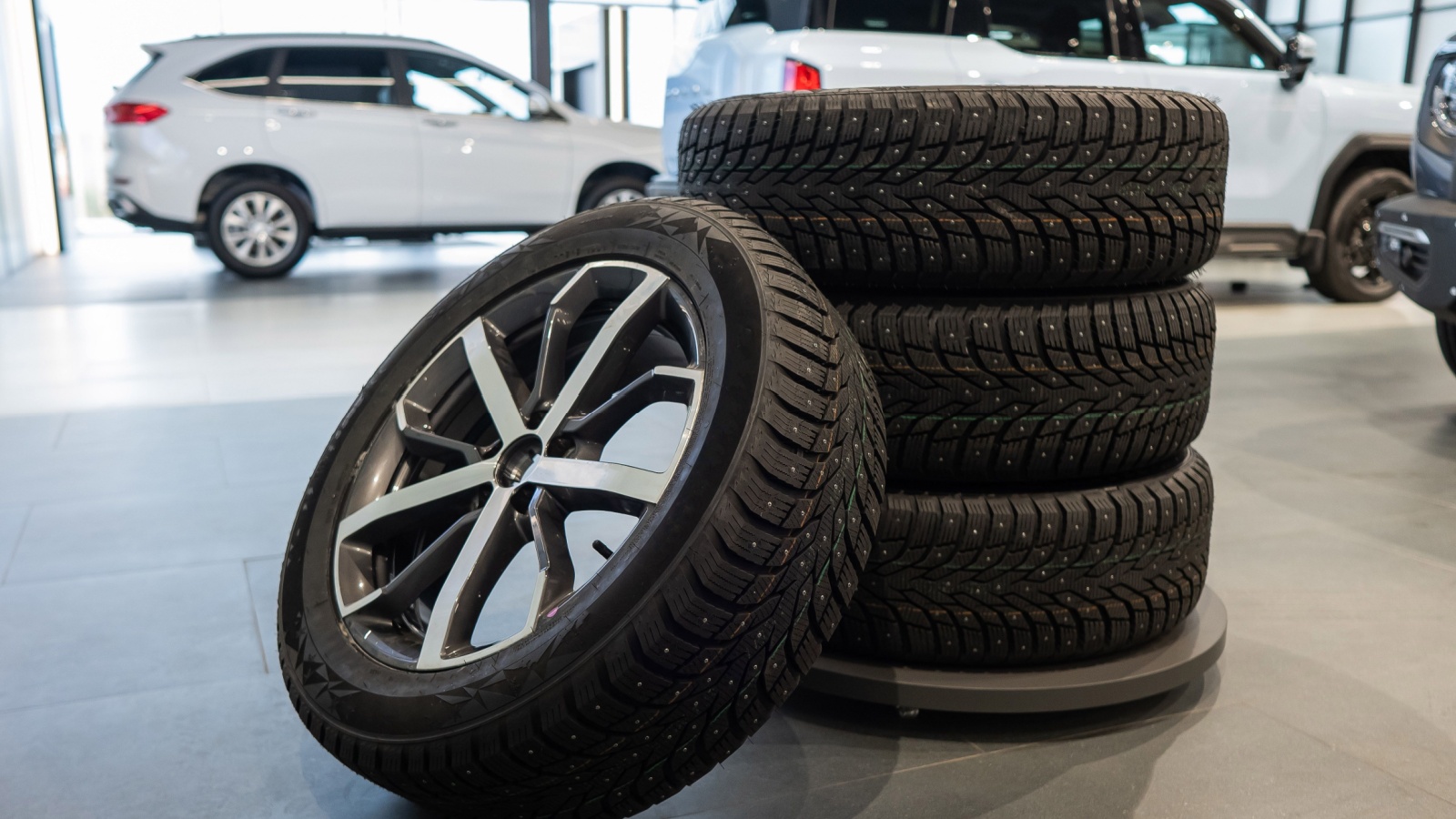
Buying only two winter tires may appear to cut the bill in half, but Canadian road-safety guidance strongly discourages that approach. Transport Canada recommends installing winter tires in sets of four and says tires of the same type, size, speed rating and load index improve stability and vehicle handling.
The reason becomes obvious when traction changes unexpectedly. Installing high-grip winter tires on one axle while leaving lower-grip all-season tires on the other can create a major difference in how each end of the vehicle reacts during braking or cornering. A driver may feel confident accelerating from an intersection, only to discover that the other axle wants to slide when entering a bend or making an emergency manoeuvre. CAA similarly recommends four matching winter tires rather than mixing winter and non-winter rubber. For families trying to reduce the initial purchase cost, a less expensive but reputable matched set is generally a more sensible starting point than splitting the vehicle between two very different tire types.
All-Wheel Drive Does Not Replace Winter Tires

The AWD badge on the back of an SUV can create a powerful sense of confidence after the first snowfall. All-wheel drive can indeed make it easier to accelerate when traction is limited because power can be distributed to more wheels. What it cannot do is manufacture additional tire grip.
Stopping and turning are where the distinction becomes especially important. AWD and four-wheel-drive vehicles still rely on the small contact patches between four tires and the roadway when braking or changing direction. Traction-control, stability-control and anti-lock braking systems also depend on the tires having enough grip to work effectively. That is why Transport Canada recommends winter tires on all wheels for cold, snowy and icy conditions regardless of drivetrain. A crossover that launches cleanly from a snowy traffic light can still struggle to stop on an icy approach to the next intersection. Buyers choosing between spending extra money on vehicle technology and maintaining good winter rubber should understand that the two systems perform different jobs.
Winter-Tire Laws Depend on Where the Vehicle Travels
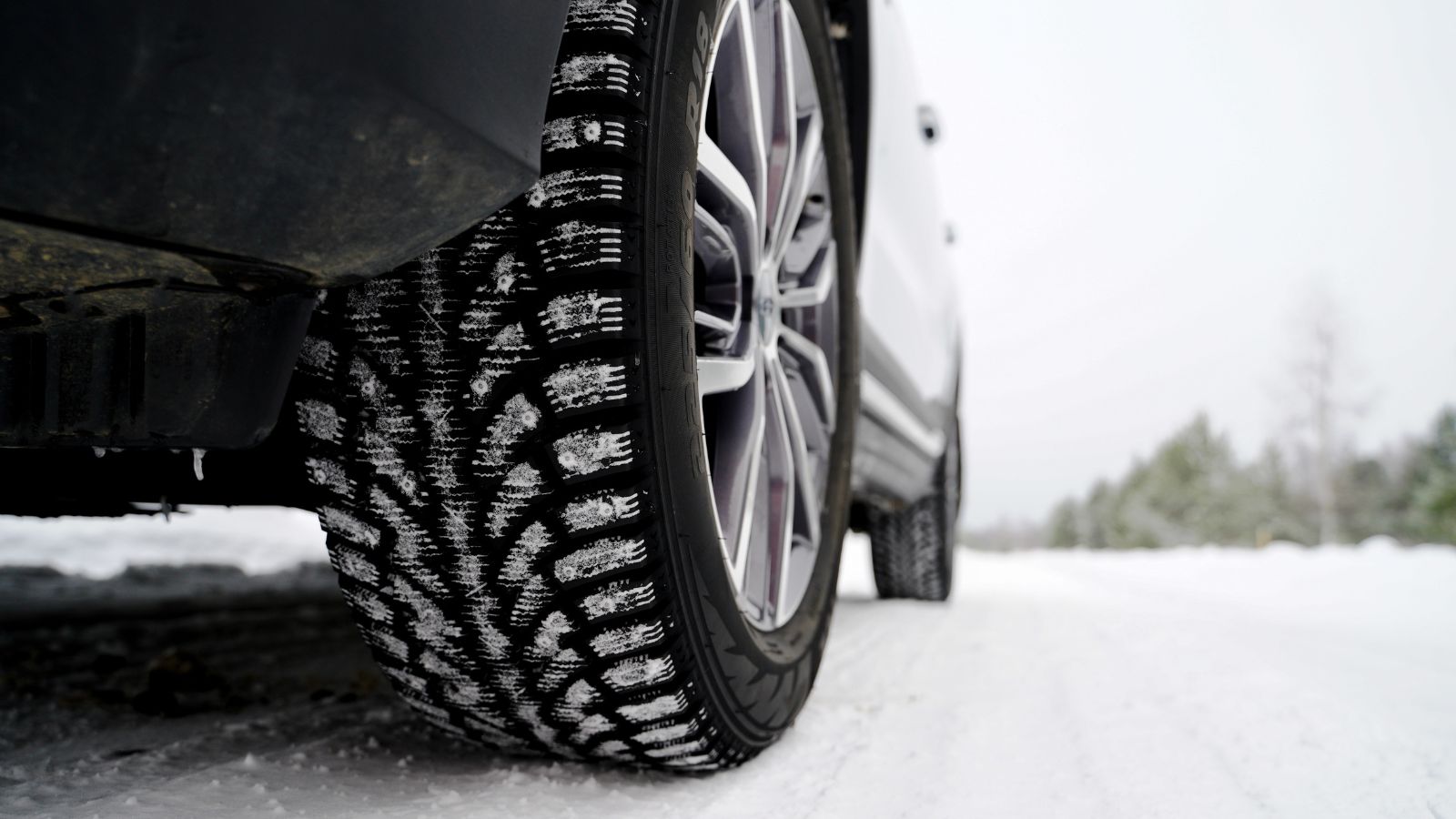
There is no single Canada-wide calendar telling every passenger-vehicle owner when winter tires must be installed. Provincial rules and route-specific requirements make location an important part of the buying decision.
Quebec has one of the clearest requirements. Most motorized road vehicles registered in the province must have four compliant winter tires from December 1 through March 15 inclusive, subject to specified exemptions. Drivers without them can face a $200-to-$300 fine plus costs. British Columbia takes a route-based approach. Winter tires or chains are required on most designated routes from October 1 through April 30, although the requirement ends March 31 on certain highways outside mountain-pass and high-snowfall areas. Ontario does not use the same province-wide winter-tire mandate for ordinary passenger vehicles, but it has separate rules governing studded tires. Canadians who travel between provinces should therefore check the rules for the roads they will actually use, not simply the rules at their home address.
Tread Depth Can Matter Almost as Much as the Brand

A winter tire does not retain its original performance indefinitely. As tread wears away, its ability to manage snow and slush declines. Transport Canada advises against using tires with less than 4 mm of tread depth in severe snow conditions and warns that traction falls as tires wear.
Legal requirements can be different from safety recommendations. On designated winter routes in British Columbia, a passenger-vehicle tire qualifying under the province’s winter rules must have at least 3.5 mm of tread. That difference is useful when evaluating an older set advertised online. A tire with enough tread to be technically legal somewhere may still be near the point at which Transport Canada recommends replacing it for winter use. Measuring tread depth before paying is therefore more meaningful than judging a tire from a photograph. Deep-looking grooves around the shoulders do not guarantee that the centre of the tread is equally healthy, and uneven wear can reduce the practical life remaining in an otherwise expensive set.
Used Winter Tires Need an Age Check Too
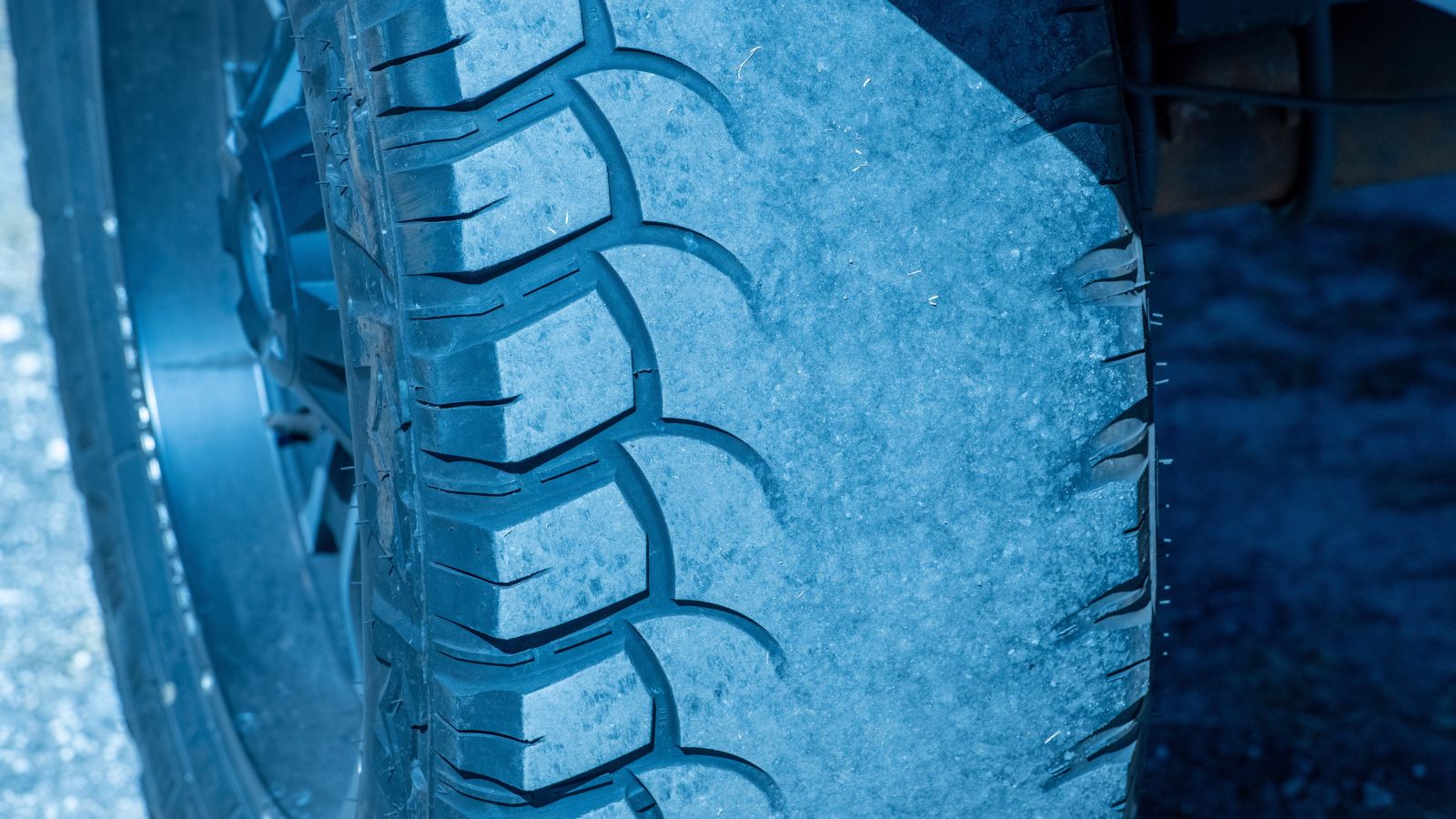
Tread depth is only half the story when shopping second-hand. Rubber changes as it ages, even if a tire has spent relatively little time rolling on pavement. Ontario’s official driver handbook warns that tires deteriorate with age, can lose traction, develop cracking and become more vulnerable to failure. It advises that tires should not be more than 10 years old.
That makes an apparently pristine used tire worth examining carefully. A low-mileage set stored for many seasons in a garage may have plenty of visible tread yet still be significantly older than expected. Sidewall cracking, bulges, exposed cords, previous repairs and irregular wear are all reasons for caution. Buyers should also identify the tire’s manufacturing information rather than accepting a seller’s estimate of its age. Used winter tires can make financial sense when their history, condition and remaining tread are known, but an unusually low price is less impressive if the set is approaching the end of its useful service life. The purchase price should be judged against how many safe winters remain.
Correct Size and Load Capacity Still Matter
The fact that a tire physically fits a wheel does not automatically make it suitable for a vehicle. Transport Canada recommends matching winter tires by type, size, speed rating and load index across all four positions. The vehicle’s tire-information placard, commonly found on the driver’s door opening, provides important manufacturer specifications.
Load capacity deserves particular attention on SUVs, pickups, vans and heavier electric vehicles. A tire is expected to support a defined amount of weight, so selecting a replacement based only on diameter and width can overlook an important specification. Winter tire packages sometimes use a different approved wheel diameter from the summer setup, but alternative sizing should be confirmed against vehicle-manufacturer guidance rather than guessed from what appears to fit. The same principle applies when a retailer proposes a different speed rating for a winter application. A knowledgeable installer should be able to explain why the specification is appropriate. Bargain hunting becomes much less attractive when a tire’s basic specifications do not match the vehicle carrying it.
A Separate Set of Winter Wheels Can Change the Economics
Winter tires can be mounted on the vehicle’s existing wheels every autumn and removed again in spring, but many Canadian drivers purchase a second wheel set instead. The Automobile Protection Association notes that inexpensive winter wheels can reduce the repeated expense and handling involved in mounting and dismounting tires every season.
There are other practical reasons. Keeping winter tires permanently mounted can simplify changeovers and help protect more expensive alloy wheels from winter road salt and cosmetic damage. However, the upfront price rises because four wheels must be purchased along with the tires. Newer vehicles can add another expense if the winter wheels require compatible tire-pressure sensors. Wheel dimensions also need to provide adequate clearance for brakes and other components. The cheapest-looking online wheel-and-tire package is therefore not automatically a bargain. Buyers planning to keep a vehicle for many winters may benefit more from a separate setup than someone returning a leased vehicle next year, so the calculation should consider ownership length as well as this season’s invoice.
Cold Weather Can Quietly Lower Tire Pressure
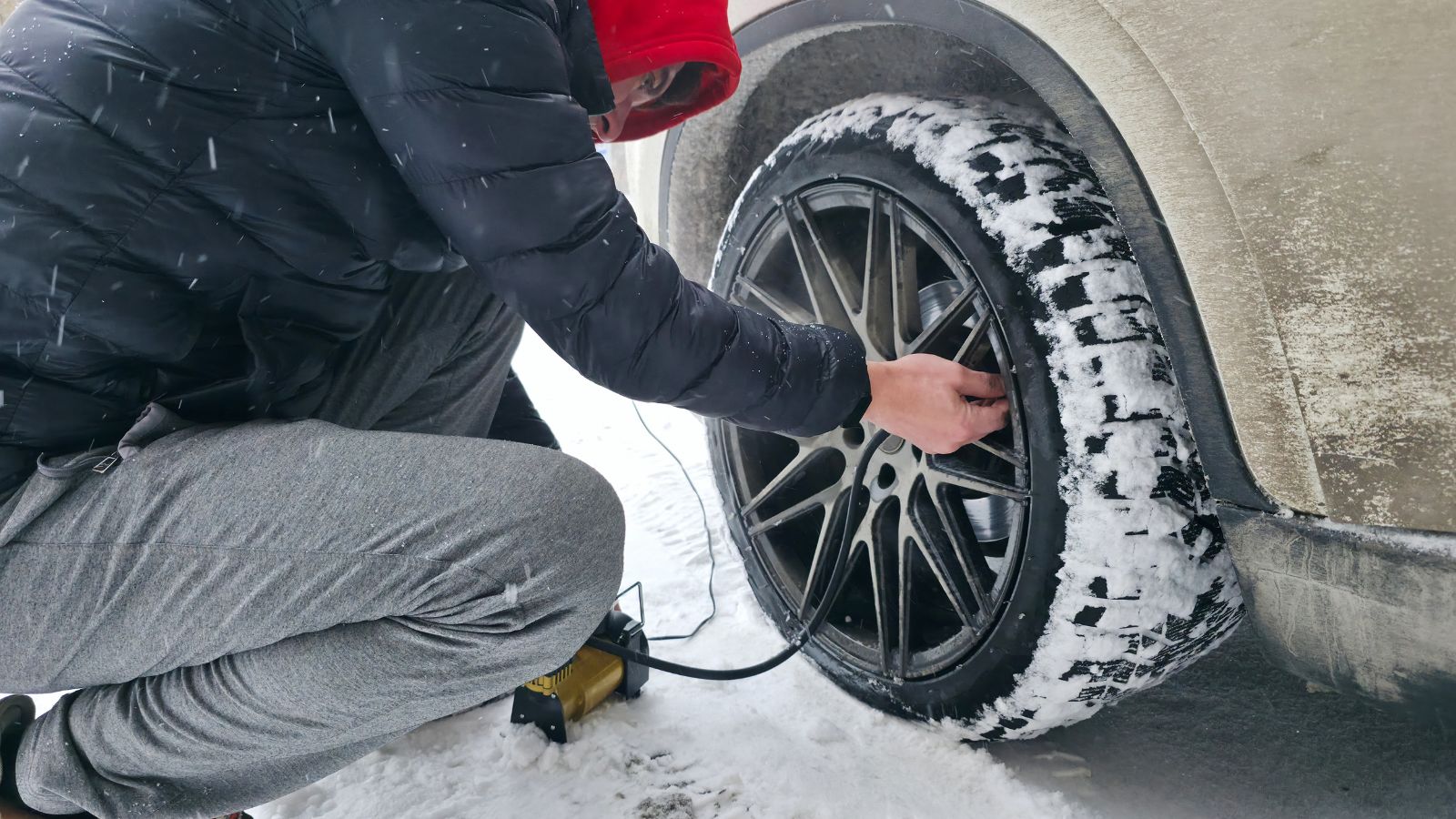
A fresh set of winter tires still needs regular attention after installation. Transport Canada warns that tire pressure falls as outside temperatures drop and recommends checking pressure when the tires are cold. British Columbia similarly advises checking at least monthly during winter.
Drivers should use the pressure specified by the vehicle manufacturer, normally shown on the driver’s-door placard or in the owner’s manual. The maximum number moulded into a tire’s sidewall is not necessarily the correct everyday inflation pressure for that vehicle. This becomes particularly noticeable when tires are installed in a relatively warm shop and the temperature later plunges during a cold snap. A pressure that looked appropriate indoors can be lower once the vehicle has been sitting outside overnight. Underinflation can affect handling, tire wear and fuel consumption, which means maintenance influences both safety and the eventual cost of the purchase. A basic pressure gauge can be one of the least expensive additions to a new winter-tire setup.
TPMS Sensors Can Add an Unexpected Cost
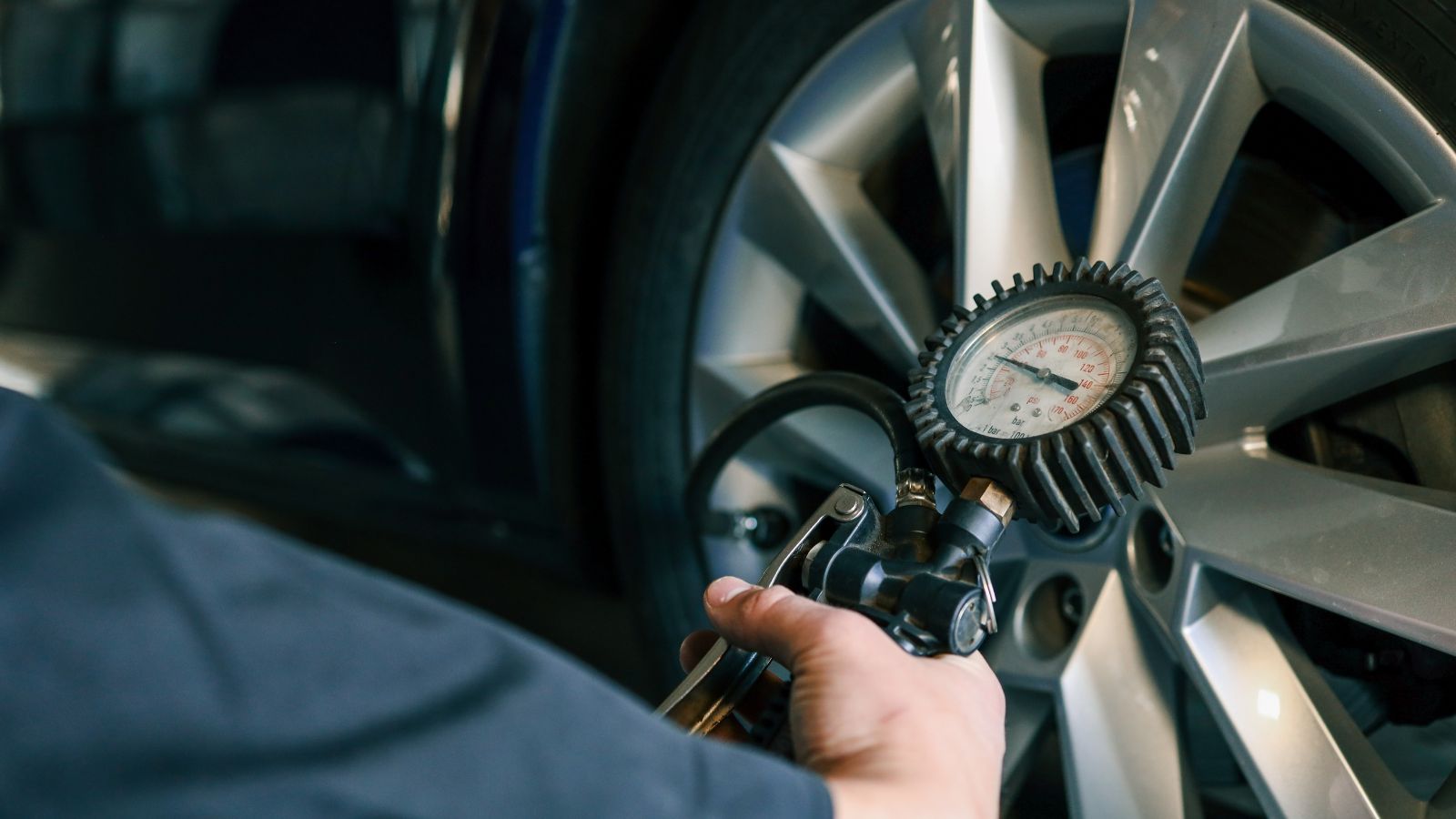
Modern vehicles increasingly complicate the once-simple process of buying a second set of wheels. Transport Canada identifies two broad forms of tire-pressure monitoring: systems that infer pressure changes through wheel-speed data and systems that use pressure sensors mounted directly at the wheels.
For vehicles using direct sensors, winter wheels may require compatible hardware if the owner wants the monitoring system to function normally. Transport Canada specifically advises checking that the correct type of sensor is installed when fitting winter tires and ensuring new rims are compatible with the sensors. Some systems also need to be reset after tires or wheels are changed. That creates a potential hidden cost in online tire packages that advertise an attractive wheel-and-tire price without sensors, programming or installation. A driver may otherwise discover a warning light immediately after leaving the shop. The owner’s manual can identify the type of system fitted to a particular vehicle, making TPMS compatibility worth checking before placing the order rather than after everything has been mounted.
Studded Tires Are Not Legal Everywhere
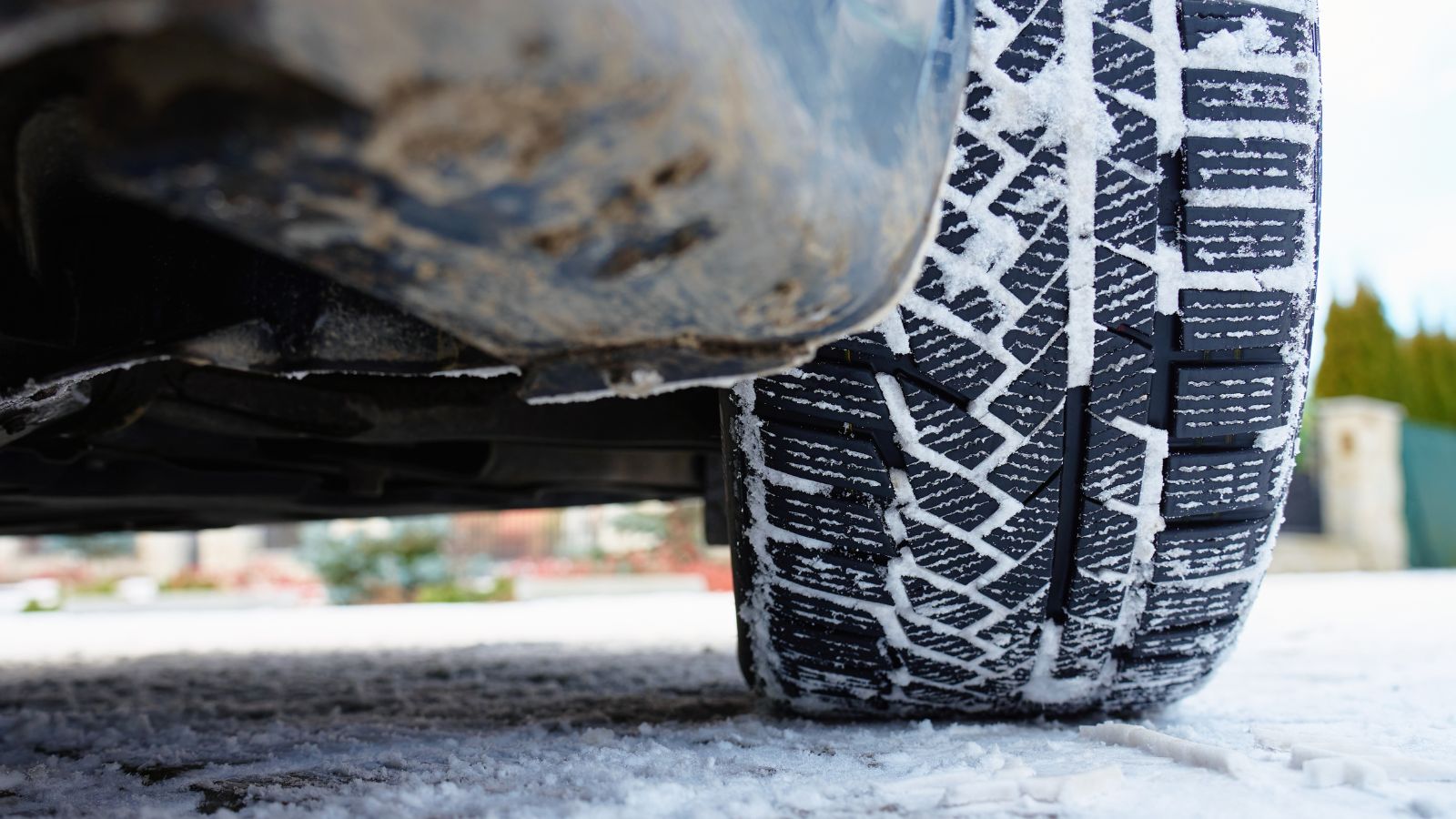
Studded winter tires can provide additional traction in certain icy environments, but Canadian buyers cannot assume they are permitted everywhere. Rules vary substantially by province and sometimes by region within a province.
British Columbia allows studded tires on highways from October 1 through April 30, subject to provincial specifications. Ontario is more restrictive. Studded tires are generally permitted for vehicles registered in Northern Ontario under prescribed conditions and during the October 1-to-April 30 period, while their use is restricted in Southern Ontario except in circumstances allowed by regulation, including certain visiting out-of-province vehicles. Ontario also requires studs on all wheels for qualifying lighter vehicles. These rules make studded tires a poor impulse purchase, especially for someone who regularly travels across provincial boundaries. They may be useful for a driver facing persistent icy roads in an area where they are allowed, but a conventional studless winter tire avoids many of the legal complications. Provincial regulations should be checked before ordering.
All-Weather and All-Season Tires Are Not the Same Thing

The terminology surrounding year-round tires can be particularly confusing. Traditional all-season tires should not automatically be treated as winter tires. All-weather tires form a separate category and commonly carry the three-peak mountain snowflake symbol, allowing qualifying models to satisfy severe-snow marking requirements while remaining designed for year-round use.
That convenience involves trade-offs. The Automobile Protection Association notes that all-weather tires combine characteristics needed for winter qualification with compounds durable enough for warmer seasons. However, the current severe-snow standard represented by the mountain-snowflake symbol focuses on snow traction and does not provide a complete measure of ice performance. APA has found that some all-weather models perform impressively while others cannot match strong dedicated winter tires in demanding icy conditions. That makes all-weather tires potentially practical for some motorists—particularly those facing milder winters or trying to avoid seasonal changeovers—but not an automatic replacement for a dedicated set in every Canadian climate. The exact model matters more than the broad marketing category.
Winter Tires Do Not All Perform the Same Way

Finding the mountain-snowflake symbol is a useful starting point, not the end of the shopping process. Quebec’s road-safety authority explicitly warns that winter tires do not all handle snow and ice in the same way and advises motorists to evaluate their driving needs before choosing a set.
That difference helps explain why Canadian tire comparisons can produce very different recommendations for a commuter car, a three-row SUV and a pickup. Some buyers spend most of the winter on plowed urban streets where ice, wet pavement and slush are common. Others routinely climb unplowed rural roads or cross mountain passes where deep snow traction carries more weight. Current Automobile Protection Association recommendations also show sizable price differences among winter tires available for common Canadian vehicles, including economy and premium options. Price alone does not describe how a tire behaves on a particular surface. Drivers who regularly encounter freezing rain may prioritize ice braking, while someone travelling through heavy accumulated snow may care more about snow evacuation and traction.
The Daily Driving Environment Should Shape the Choice

Canada does not have one uniform version of winter. A Vancouver commuter dealing mostly with rain, occasional snow and mountain trips faces a different problem from a Winnipeg driver experiencing prolonged deep cold or a rural Quebec motorist using roads that may remain snow-covered longer.
That is why winter-tire shopping should begin with an honest description of where the vehicle spends its time. Quebec’s SAAQ advises motorists to consider their driving habits and needs because winter tires can perform differently on ice and snow. British Columbia makes a similar distinction in its guidance, recommending the mountain-snowflake designation particularly for drivers who regularly use severe-winter highways even though M+S tires can meet the legal minimum on designated routes. Vehicle type matters as well. A tire suited to a lightweight compact is not automatically the best choice for a heavily loaded SUV. A salesperson asking about mileage, highway use, elevation, road clearing and typical winter conditions is therefore gathering information that can materially change the recommendation rather than simply making conversation.
Buying Early Can Prevent a Last-Minute Scramble
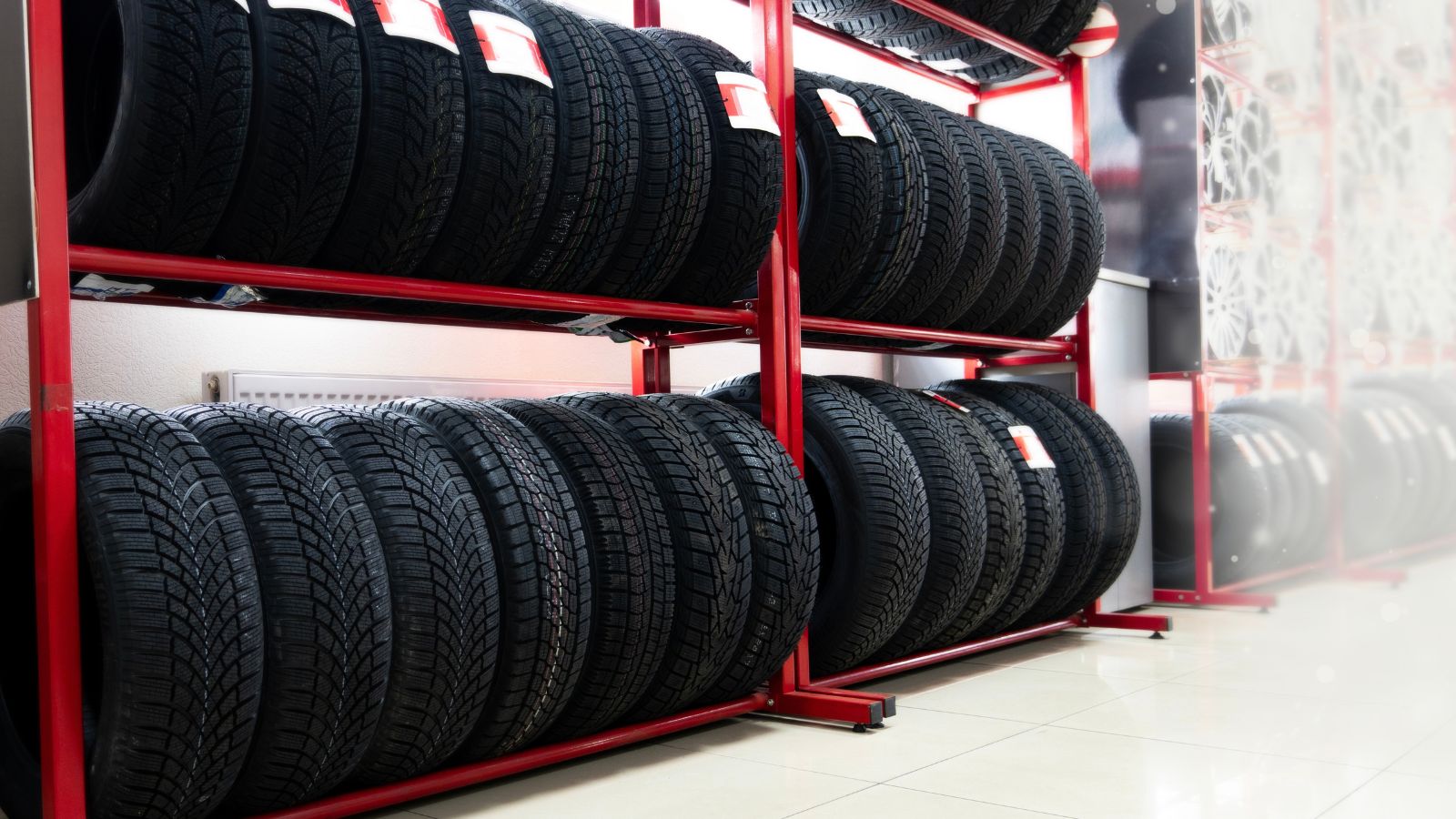
Legal deadlines are useful, but they are not weather forecasts. Quebec requires compliant winter tires from December 1 through March 15, yet the SAAQ specifically warns that winter conditions can arrive before the December deadline. CAA’s temperature-based guidance similarly points toward installation when daytime temperatures regularly approach 7°C.
For shoppers, there is another practical reason not to wait until the first major storm. Demand for installation appointments tends to become concentrated when cold weather arrives, and the exact tire size or model wanted may not always be sitting in a retailer’s local inventory. Planning earlier creates more time to compare models, inspect existing tires and decide whether new wheels or TPMS sensors are necessary. It also reduces the pressure to accept whatever happens to be available after a sudden snowfall. The ideal installation date will vary between Vancouver, Edmonton, Toronto and St. John’s, but the underlying principle is the same: weather and consistent temperature trends are more useful than waiting for snow to accumulate in the driveway.
Winter Tires May Reduce an Ontario Insurance Bill

Safety is the main reason to buy winter tires, but there can also be a direct insurance benefit. Ontario’s Financial Services Regulatory Authority says every auto insurer in the province must offer a winter-tire discount to customers who qualify.
The exact discount and qualification requirements can differ among insurers, which is why owners should check the details rather than assuming the savings will appear automatically. An insurer may have requirements covering the number of tires installed or the dates during which they remain on the vehicle. Proof such as a purchase or installation receipt may also be useful depending on company procedures. Over several winters, even a modest annual discount can offset part of the cost of maintaining a dedicated tire set. Canadians outside Ontario can ask their own insurer whether a winter-tire incentive exists, but the mandatory Ontario rule should not be assumed to apply nationally. Insurance savings also should not justify purchasing an unsuitable tire merely to qualify for a discount; correct specifications and winter performance remain the more important considerations.
Winter Tires Should Come Off When Warm Weather Returns

Winter tires are engineered for cold conditions, which means leaving them on through a hot Canadian summer is generally not the ideal way to maximize their life. Quebec road-safety guidance recommends returning to summer or all-season tires when mild weather returns and notes that winter compounds can wear more quickly in warm temperatures.
Proper storage matters once the tires are removed. Transport Canada recommends keeping tires in a clean indoor location away from sunlight, strong artificial light, heat, ozone sources such as electrical motors and hydrocarbons. That is worth considering before purchase because four tires occupy more space than many shoppers expect. Condo residents and households without garages may need to budget for seasonal storage at a retailer. People storing tires themselves should also mark their wheel positions if appropriate and inspect them before the next winter season. Buying winter tires is therefore a two-season commitment: the purchase solves a cold-weather problem, but spring creates a storage and changeover task that should be factored into the plan from the beginning.
The Real Price Is More Than Four Tire Stickers
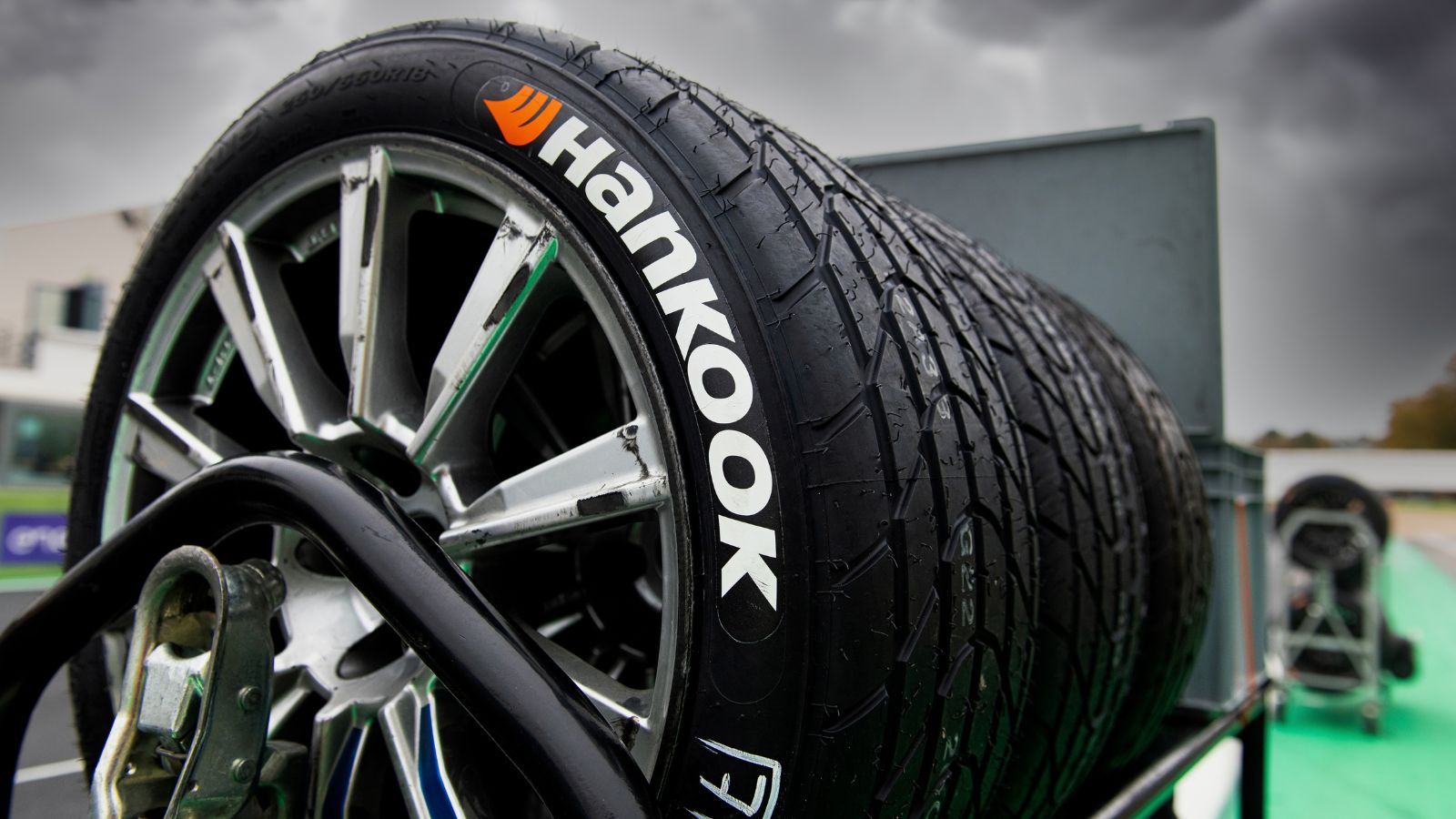
Comparing four advertised tire prices does not necessarily reveal what a winter setup will actually cost. Mounting, balancing, seasonal installation, wheels, TPMS sensors, storage and future changeovers can all alter the total. A separate wheel set costs more initially but may reduce repeated mounting and dismounting over several seasons.
Cost pressure is already influencing Canadian decisions. The Tire and Rubber Association of Canada’s 2025 study found that 80% of surveyed Canadian drivers reported using winter tires, but 32% said rising living costs made them less likely to purchase them that season. That tension makes careful shopping especially important. The least expensive tire is not necessarily the lowest-cost option if it wears quickly, performs poorly for the intended conditions or needs replacement sooner. At the same time, a premium model is unnecessary if a reputable mid-priced tire meets the vehicle’s needs. Buyers are better served by comparing the complete multi-year ownership cost—and the remaining service life of the tires—rather than focusing only on the number printed beside each tire online.
16 Costco Canada Habits That Could Be Costing Shoppers More Than They Save

The Executive Membership can feel like an obvious upgrade because the 2% annual reward sounds straightforward. For households that spend heavily at Costco Canada, the extra fee may be easy to justify. But the habit becomes costly when shoppers upgrade first and calculate later. A Gold Star Membership costs less, while Executive costs more and only pays off if eligible annual spending is high enough to offset the difference.
16 Costco Canada Habits That Could Be Costing Shoppers More Than They Save
This Options Discord Chat is The Real Deal
While the internet is scoured with trading chat rooms, many of which even charge upwards of thousands of dollars to join, this smaller options trading discord chatroom is the real deal and actually providing valuable trade setups, education, and community without the noise and spam of the larger more expensive rooms. With a incredibly low-cost monthly fee, Options Trading Club (click here to see their reviews) requires an application to join ensuring that every member is dedicated and serious about taking their trading to the next level. If you are looking for a change in your trading strategies, then click here to apply for a membership.