
35,000+ smart investors are already getting financial news, market signals, and macro shifts in the economy that could impact their money next with our FREE weekly newsletter. Get ahead of what the crowd finds out too late. Click Here to Subscribe for FREE.
Holiday spending has a habit of arriving before the decorations do. Gifts, travel, entertaining and higher seasonal grocery bills can quickly compete with expenses that have been quietly draining household accounts all year. With affordability still a major concern across Canada, the weeks before the holiday rush offer a useful opportunity to examine recurring charges before adding new purchases to the budget.
These 21 expenses are not necessarily bad products or services. The problem begins when they are forgotten, duplicated, oversized or no longer providing enough value to justify their cost. Cancelling even a handful can free up money without requiring dramatic lifestyle changes, making the holiday budget easier to manage before December bills begin arriving.
Unused Streaming Services
21 Things Canadians Should Stop Paying for Before the Holidays Begin
- Unused Streaming Services
- Premium Streaming Tiers That Barely Get Used
- Duplicate Music and Podcast Subscriptions
- Forgotten App Subscriptions and Expired Free Trials
- Oversized or Duplicate Cloud Storage
- Mobile Plans With Far More Data Than Necessary
- Internet Speeds the Household Does Not Need
- Traditional TV Packages That Duplicate Streaming
- Chequing Account Monthly Fees
- Overdraft Protection That Is Rarely Used
- Credit Card Annual Fees That No Longer Pay for Themselves
- Credit Card Interest That Can Be Avoided
- Buy-Now-Pay-Later Charges and Promotional Financing
- Food-Delivery Memberships and App Fees
- Grocery-Delivery Subscriptions That Have Outlived Their Purpose
- Gym and Fitness Memberships That Went Dormant
- Subscription Boxes and Automatic Product Shipments
- Paid Credit Monitoring Used Only to View a Credit Report
- Extended Warranties That Duplicate Existing Protection
- Credit Card Balance Protection Insurance That Is Redundant
- Retail and Warehouse Memberships That Rarely Get Used
- 16 Costco Canada Habits That Could Be Costing Shoppers More Than They Save

Streaming has become such an ordinary household expense that subscriptions can disappear into the background. A household might keep several services active because each once carried one favourite program, even though months may pass between uses. Canada’s broadcasting market is increasingly shifting toward online viewing, which makes it easier than ever for several small monthly charges to accumulate alongside one another.
Before the holiday season, Canadians can look at what was actually watched during the previous two or three months. A service that costs a hypothetical $15 monthly but is opened only twice represents $180 over a full year. Cancelling does not have to mean giving it up forever. Streaming platforms can often be rotated: one service stays active while a particular series is being watched, then another replaces it later. That approach preserves entertainment while turning several simultaneous subscriptions into one or two deliberate expenses.
Premium Streaming Tiers That Barely Get Used

Cancelling an entire streaming service may be unnecessary when the real expense is the tier attached to it. Premium packages can include higher-resolution video, additional simultaneous streams, downloads or fewer advertisements. Those benefits can be worthwhile for some households, but they provide little financial value when nobody regularly uses the features that distinguish the premium package.
This is particularly relevant because high-definition and 4K video are major contributors to home internet traffic. A family watching frequently on large televisions may appreciate the upgrade, while someone mainly viewing on a tablet might not notice much practical difference. Even a hypothetical $6 monthly gap between two tiers adds up to $72 annually. Reviewing the feature list rather than automatically renewing the most expensive option can therefore produce savings without eliminating the service itself. Before holiday spending ramps up, downgrading is often an easier compromise than cancelling entertainment completely.
Duplicate Music and Podcast Subscriptions

Music subscriptions can become surprisingly repetitive within a household. One person may have an individual plan while another account includes similar music access through a family, telecom or retail membership. Paid podcast services, audiobook packages and premium audio apps can create additional overlap. Statistics Canada now specifically tracks household spending on digital streaming services, reflecting how established these recurring costs have become.
The simplest test is whether each subscription provides something genuinely different. If two people are individually paying a hypothetical $12 per month for substantially similar access when an existing household option could cover both, the duplicate expense can exceed $140 per person annually. Canadians should also check whether podcast subscriptions are supporting programs that are still heard regularly. A subscription originally started to access a limited series may quietly renew long after the episodes are finished. Small audio charges are easy to overlook precisely because each one seems inexpensive on its own.
Forgotten App Subscriptions and Expired Free Trials

Smartphone app stores can hide a remarkable amount of recurring spending. Photo editors, meditation programs, language apps, games, productivity tools and fitness programs frequently use subscriptions rather than one-time purchases. The charge may appear small enough to ignore, particularly after a free or discounted introductory period has converted into regular billing.
Canadian consumer authorities specifically warn about subscription traps and automatic renewals that consumers may overlook. A $9.99 monthly app costs almost $120 over twelve months, even if it has not been opened since February. Before the holidays, Canadians can review the subscription-management section of their Apple or Google accounts rather than relying solely on memory. Credit card statements provide another useful check. Any unfamiliar recurring charge deserves investigation. The goal is not to eliminate useful software, but to stop paying indefinitely for an app simply because cancelling it was never added to the to-do list.
Oversized or Duplicate Cloud Storage

Cloud storage is another expense that can multiply quietly. A household may be paying separately for photo storage, device backups, email storage and a productivity suite that already includes additional online capacity. Some consumers also continue paying for larger storage plans after deleting old devices or moving photographs elsewhere.
Online data-storage services have been part of Statistics Canada’s measurement of Canadian digital spending for years, demonstrating how common these products have become. The savings decision should begin with actual storage use. Someone paying for two terabytes while using 150 gigabytes may have plenty of room to downgrade. Likewise, two competing cloud platforms may be backing up substantially the same files. A hypothetical $5 monthly reduction produces $60 annually—hardly transformative alone, but meaningful when combined with several other cuts. Families should confirm that important photographs and documents are safely backed up before cancelling anything, rather than deleting storage first and discovering the mistake later.
Mobile Plans With Far More Data Than Necessary

Canadian wireless plans increasingly advertise enormous data allowances, but bigger is not automatically better. CRTC data show that consumers have steadily moved toward larger packages, while average monthly mobile data use remains far below some of the highest allowances commonly marketed. That creates room for households to compare what they pay for with what their phones actually consume.
Most smartphones display monthly cellular-data usage, and providers usually provide similar information through account portals. A customer consistently using 10 or 15 GB has little reason to treat 100 GB as essential unless travel, tethering or changing circumstances justify it. Importantly, 2026 CRTC changes have also increased flexibility around switching and modifying internet and cellphone plans by eliminating several fees that previously acted as barriers. A $10 monthly reduction would put $120 back into the annual budget. Checking actual usage before the holiday rush can turn an invisible telecom expense into immediate breathing room.
Internet Speeds the Household Does Not Need

Internet providers understandably promote faster service, but many households eventually end up paying for speeds far beyond what their daily activities require. Someone browsing, video calling and watching a few simultaneous streams may not benefit noticeably from the most expensive gigabit-level package. The appropriate speed depends on household size, equipment, gaming, remote work and the number of concurrent users.
More than 87% of Canadian high-speed subscriptions in the latest CRTC data are at or above the regulator’s 50/10 Mbps benchmark, and gigabit service has become widely available. Availability, however, is different from necessity. The CRTC also introduced stronger rules in September 2026 requiring clearer information from major providers about expected busy-period speeds and post-promotion pricing. Canadians approaching a renewal can therefore compare the performance they genuinely need instead of automatically accepting another upgrade. Even a $15 monthly downgrade represents $180 a year that could instead remain available for seasonal expenses.
Traditional TV Packages That Duplicate Streaming

Some households are paying simultaneously for a large television package and several streaming platforms even though viewing habits have moved overwhelmingly toward only one side of that combination. Traditional television remains important for many Canadians, particularly for live sports, news and specialty channels, but paying for dozens of channels nobody watches deserves a second look.
The CRTC’s latest current-trends data show traditional television-provider subscriptions continuing to decline while audiovisual streaming hours are rising. That does not mean cable should automatically disappear; it means households should compare the two bills together. If several streaming subscriptions were originally added to supplement television but have since replaced most of it, a smaller TV package may work. Conversely, a strong television bundle could make several streaming subscriptions unnecessary. A hypothetical $25 monthly reduction would save $300 annually. The expensive option is often not one service or the other, but maintaining two overlapping entertainment systems indefinitely.
Chequing Account Monthly Fees

Bank fees can feel unavoidable because they are charged automatically and often appear modest beside rent, mortgages and groceries. Yet Canadians have more options than many account holders realize. Since December 2025, participating federally regulated institutions have offered modernized low-cost chequing accounts costing no more than $4 per month, while certain eligible groups can receive qualifying accounts without a monthly fee.
That makes a $15- or $20-per-month account worth reviewing when its premium features are rarely used. Some customers genuinely benefit from unlimited transactions, bundled credit-card rebates or other perks, so switching solely to chase the lowest fee can backfire. The useful calculation is the net cost after benefits. If a $16 monthly account provides nothing the household actually uses, it represents $192 annually. Canadians can compare account features, transaction limits and minimum-balance requirements before the holiday season rather than treating a long-standing bank package as a permanent fixture that can never be changed.
Overdraft Protection That Is Rarely Used

Overdraft protection can be valuable for someone whose account occasionally falls short before payday, but paying every month for a feature that is never used makes less sense. The Financial Consumer Agency of Canada explains that basic overdraft plans may charge a monthly fee or a pay-per-use charge, in addition to interest when money is actually borrowed.
FCAC notes that monthly overdraft fees are commonly around $5, while interest rates are often roughly 21% to 22% annually on overdrawn amounts. Five dollars does not sound alarming, but twelve unused months equal $60 before any interest is considered. Someone who rarely enters overdraft may be better suited to another fee structure, while a frequent user could find a monthly option cheaper than repeated transaction charges. The appropriate decision depends on actual history. Reviewing the previous year of bank statements before holiday spending begins can show whether overdraft protection is providing real insurance against fees or merely collecting a recurring premium for nothing.
Credit Card Annual Fees That No Longer Pay for Themselves
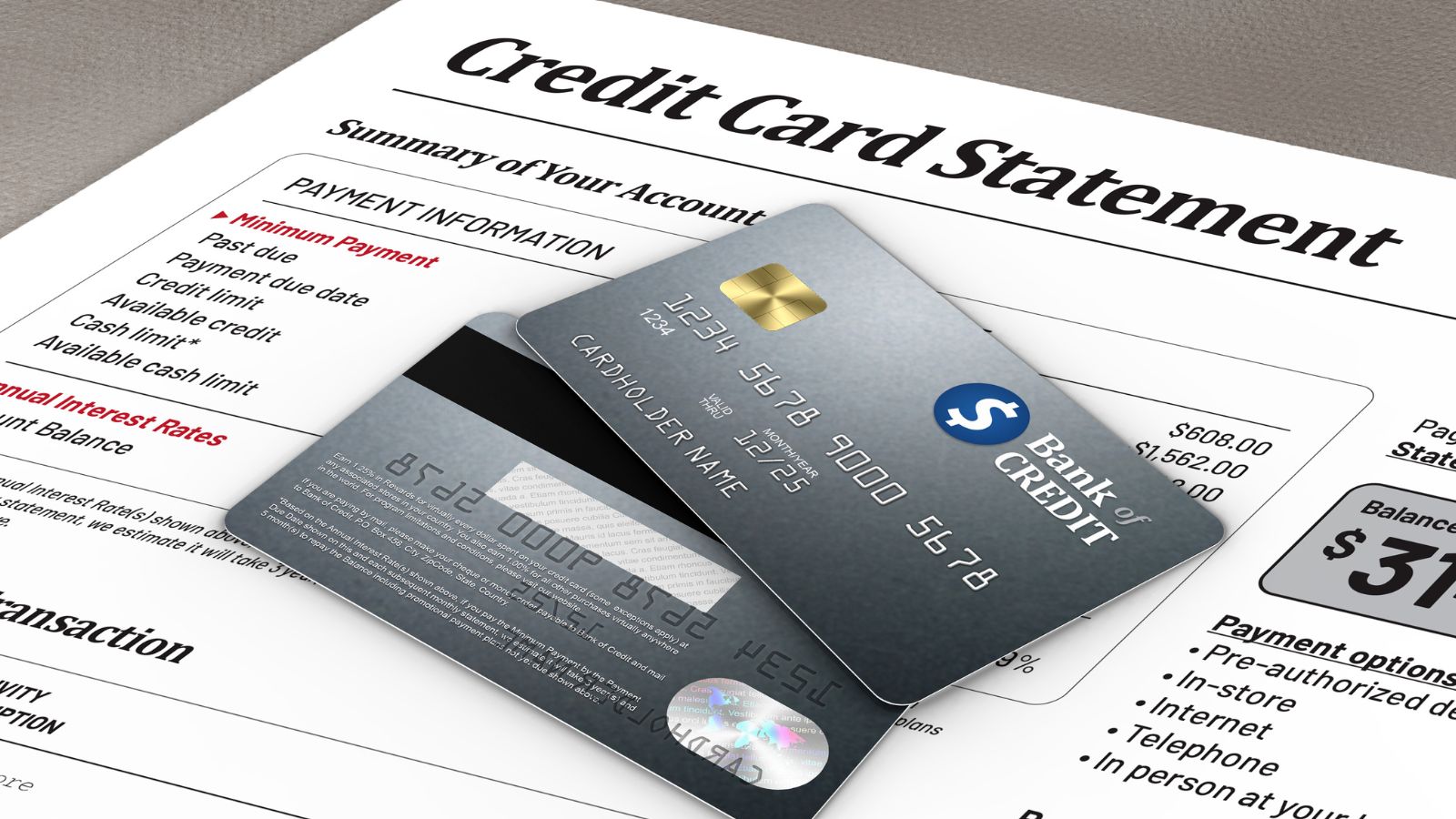
Premium credit cards can earn rewards, provide travel insurance, waive baggage charges or deliver airport benefits that more than justify an annual fee. Problems arise when spending habits change but the card does not. Someone who once travelled regularly might still be renewing a premium travel card despite taking few flights and earning too little in rewards to offset the cost.
FCAC specifically recommends comparing a card’s rewards and benefits with its annual fee and considering whether a no-fee alternative offers enough of the same value. The calculation should be concrete. If a card costs $120 annually but produces only $60 in useful rewards and benefits, the household is effectively paying $60 for the privilege of keeping it. Canadians should check whether accumulated rewards need to be redeemed before switching or cancelling and consider potential effects on their broader credit arrangements. A fee should remain only when the benefits consistently exceed what is being paid.
Credit Card Interest That Can Be Avoided

Of all the expenses worth reducing before holiday shopping, high credit-card interest can have one of the largest consequences. FCAC notes that purchase interest rates can be around 19% on some cards, with cash advances often carrying still higher rates. Carrying holiday purchases into another year can therefore turn a temporary seasonal expense into a much longer financial obligation.
FCAC provides an illustrative example involving a $2,000 balance at 18% interest. Paying only $60 a month takes three years and eleven months and produces $793 in interest, while increasing the payment to $160 reduces the repayment period to fourteen months and interest to $231. The numbers demonstrate why freeing money from subscriptions and unnecessary fees can matter: those savings can be directed toward expensive debt instead. Canadians expecting heavier spending later in the year may benefit more from reducing an existing card balance now than from building a slightly larger shopping budget.
Buy-Now-Pay-Later Charges and Promotional Financing

Installment plans make expensive purchases appear smaller by dividing them into manageable payments. That can be useful when the terms are genuinely interest-free and the buyer has already budgeted for every installment. The danger appears when several plans overlap or promotional financing changes after a missed payment or deadline.
FCAC warns that some retail credit arrangements advertise promotional rates as low as 0%, but failing to meet the agreement’s terms can result in dramatically higher interest. Its consumer guidance includes an example where a promotional rate could rise from 0% to 35% after a missed minimum payment. Before adding holiday purchases to an installment plan, Canadians should therefore look at existing obligations first. Paying off smaller plans can simplify December cash flow and reduce the risk of forgotten payments. A gift does not become cheaper because its price has been divided into four pieces; it simply becomes easier for the total cost to disappear among future bills.
Food-Delivery Memberships and App Fees

Food delivery can be extremely useful during busy weeks, illness or bad weather, but convenience costs become harder to notice when a membership makes ordering feel routine. Restaurant spending already occupies a meaningful share of household food budgets: Statistics Canada found average household spending on restaurant food reached $3,351 in 2023.
Delivery can add another layer. The Competition Bureau has taken legal action alleging that DoorDash displayed prices that did not reflect mandatory service, delivery and other fees added later in transactions. The allegations remain before the courts, but the case demonstrates why consumers should examine the final checkout total rather than focusing only on menu prices or advertised discounts. A delivery membership is valuable only when the savings genuinely exceed its fee and do not encourage additional ordering. Canadians who order infrequently may find that cancelling a monthly membership and paying for occasional delivery is cheaper overall—particularly when holiday gatherings already increase restaurant and takeout spending.
Grocery-Delivery Subscriptions That Have Outlived Their Purpose

Grocery delivery became an important service for many Canadians during the pandemic, and some households have understandably kept it. Statistics Canada reported that 5% of Canadians were receiving groceries through online physical-goods subscriptions in 2020. The convenience can still be worthwhile for people with mobility challenges, demanding schedules or limited transportation.
For others, however, a delivery subscription may have become an automatic expense after shopping habits returned to stores. That deserves attention as grocery spending remains substantial. Canadian households spent an average of $8,659 on food purchased from stores in 2023. A household paying a monthly subscription while placing only one or two orders every few months should compare membership fees with the cost of paying per delivery. The decision does not need to be permanent. Cancelling during periods of low use and restarting when circumstances change may be more economical than keeping a service active all year simply because it remains attached to a credit card.
Gym and Fitness Memberships That Went Dormant

A gym membership is a good expense when it is actually supporting regular exercise. The financial problem is the membership that survives long after the routine disappears. Statistics Canada reported that fitness and recreational sports centres generated $5.0 billion in operating revenue in 2023, evidence of how significant the fitness business has become across Canada.
A hypothetical $45 monthly membership represents $540 over twelve months. Someone attending ten times a month is paying roughly $4.50 per visit before considering other benefits. Someone who has attended twice since spring is paying something very different. Canadians should check cancellation terms before acting because health-club contract rules, including cooling-off protections, vary by province and territory. Freezing a membership may also be available for someone expecting to return shortly. The useful question before the holidays is not whether exercise is worthwhile—it clearly can be—but whether the current membership is still the way exercise is actually happening.
Subscription Boxes and Automatic Product Shipments

Meal kits, cosmetics, pet supplies, coffee, clothing and hobby boxes can be enjoyable because they remove purchasing decisions from the calendar. That same automation can become expensive when boxes continue arriving after enthusiasm fades. Statistics Canada found that 16% of Canadians purchased physical goods through online subscriptions in 2020, including meal kits, groceries and other recurring products.
Automatic shipments deserve particular attention because unwanted inventory is evidence that spending has become disconnected from actual consumption. Three unopened boxes of razors, supplements or specialty snacks in a cupboard may represent several months of future needs already purchased. Canadian consumer authorities also warn that free or low-cost trials can sometimes transition into recurring subscriptions that are difficult to stop. Before holiday parcels begin piling up, households can inspect recurring shipments and skip, pause or cancel anything accumulating faster than it is used. Preventing the next unnecessary package is usually cheaper than finding somewhere to store it.
Paid Credit Monitoring Used Only to View a Credit Report

Credit monitoring can be valuable for people who want active alerts about changes or who face elevated fraud concerns. Paying simply to obtain a basic credit report, however, is increasingly difficult to justify. The Financial Consumer Agency of Canada states that Canadians can access their credit reports online for free from both Equifax and TransUnion, with information updated monthly.
FCAC also notes that credit monitoring services commonly charge fees, although some financial institutions provide monitoring or scores at no cost in particular circumstances. A consumer paying $20 each month mainly to look at a report could therefore spend $240 annually for access that may partly duplicate free options. The important distinction is between a free report and a more comprehensive monitoring service: they are not identical products. Before cancelling, Canadians should identify which alerts or identity-protection features they actually use. If the paid service provides nothing beyond information already available free, the holiday season is a logical time to end the recurring charge.
Extended Warranties That Duplicate Existing Protection

Extended warranties are frequently offered at the moment when buyers are already excited about a new television, appliance or electronic device. The extra payment can feel like inexpensive protection against a future disaster. Yet Canada’s Office of Consumer Affairs notes that manufacturer warranties are typically included in the purchase price and that some credit cards provide additional warranty coverage when eligible purchases are made with the card.
That means consumers can sometimes pay twice for overlapping protection. The federal consumer guidance specifically recommends comparing the cost of an extended warranty with likely repair or replacement expenses and checking existing card benefits first. Suppose a $100 protection plan is offered on a relatively inexpensive appliance that already carries manufacturer coverage and an additional card warranty. The extra policy may add far less value than its sales pitch suggests. Before holiday electronics shopping begins, Canadians can locate existing credit-card benefit documents and learn what is already covered rather than buying another warranty automatically at checkout.
Credit Card Balance Protection Insurance That Is Redundant

Balance protection insurance is one of the easiest financial products to overlook because its premium can appear as another line on a credit card statement. The coverage is optional and may make payments or reduce a balance after events such as disability, critical illness, job loss or death. FCAC also emphasizes that consumers do not need this insurance to qualify for a credit card.
The important question is whether the policy duplicates protection already provided through savings, life insurance, disability coverage or an employer plan. FCAC describes credit card balance insurance as expensive and provides an example in which a premium of $0.95 per $100 of average daily balance produces a monthly cost of $27.27 on an average balance of about $2,871—almost $330 annually before tax if the balance stays similar. Canadians should not cancel necessary insurance casually, but they should understand exclusions, benefits and existing coverage. An unnoticed premium deserves scrutiny before money becomes tighter during the holidays.
Retail and Warehouse Memberships That Rarely Get Used

Paid retail memberships can be valuable for households that regularly use their discounts, shipping, grocery prices or other benefits. Statistics Canada explicitly treats online, wholesale and retail memberships as a household-spending category, including programs such as Costco and Amazon Prime. The mistake is assuming that because membership once saved money, it must continue doing so indefinitely.
Current Canadian pricing illustrates why usage matters. Costco’s standard Gold Star membership is $65 annually before applicable taxes, while Amazon lists Prime at $99 annually or $9.99 monthly before applicable taxes. Those costs can be recovered quickly by a household using the services heavily, but occasional shoppers should calculate savings rather than relying on habit. Canadians can look through the previous year’s orders, rewards and visits before renewal. If the membership mostly encourages purchases that would not otherwise have happened, the “savings” become harder to defend. Cancelling one underused membership can also make room for holiday spending without cutting anything essential.
16 Costco Canada Habits That Could Be Costing Shoppers More Than They Save

The Executive Membership can feel like an obvious upgrade because the 2% annual reward sounds straightforward. For households that spend heavily at Costco Canada, the extra fee may be easy to justify. But the habit becomes costly when shoppers upgrade first and calculate later. A Gold Star Membership costs less, while Executive costs more and only pays off if eligible annual spending is high enough to offset the difference.
16 Costco Canada Habits That Could Be Costing Shoppers More Than They Save
This Options Discord Chat is The Real Deal
While the internet is scoured with trading chat rooms, many of which even charge upwards of thousands of dollars to join, this smaller options trading discord chatroom is the real deal and actually providing valuable trade setups, education, and community without the noise and spam of the larger more expensive rooms. With a incredibly low-cost monthly fee, Options Trading Club (click here to see their reviews) requires an application to join ensuring that every member is dedicated and serious about taking their trading to the next level. If you are looking for a change in your trading strategies, then click here to apply for a membership.