35,000+ smart investors are already getting financial news, market signals, and macro shifts in the economy that could impact their money next with our FREE weekly newsletter. Get ahead of what the crowd finds out too late. Click Here to Subscribe for FREE.
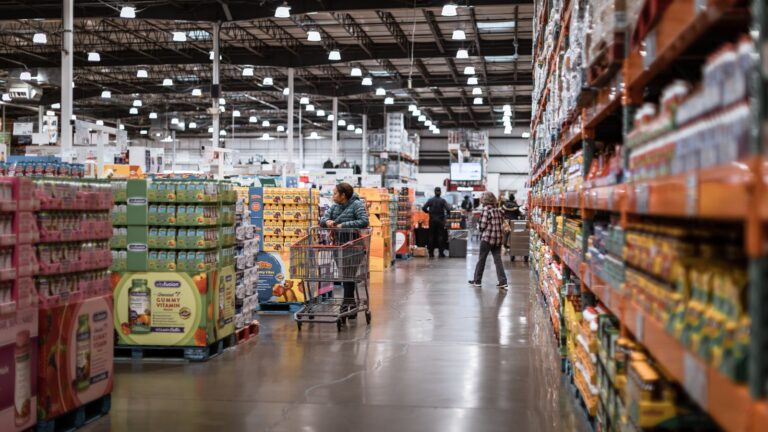
Thanksgiving grocery shopping has a way of turning a carefully planned dinner into a surprisingly expensive cart. That matters even more after several years of steep food-price increases in Canada: the Competition Bureau reported in September 2026 that grocery prices had risen 22% from 2022 to 2025, compared with 13% for other consumer prices.
Not every higher bill comes from higher shelf prices. Store layouts, promotional formats, loyalty programs and packaging can all affect what shoppers notice, how much they buy and what feels like a bargain. Many of these practices are legitimate and can deliver real savings when used carefully. The trouble comes when the perceived deal leads to a larger total purchase. These 16 common grocery-retail strategies help explain why a Thanksgiving run can cost more than expected.
Seasonal Endcaps Turn a List Into a Browse
16 Ways Canadian Grocery Stores Make Thanksgiving Shopping Cost More
- Seasonal Endcaps Turn a List Into a Browse
- Multi-Buy Deals Raise the Quantity Bar
- Loyalty Rewards Encourage One-Store Shopping
- Personalized App Offers Target the Basket
- Spend-Threshold Promotions Tempt “Just One More Item”
- Loss Leaders Get Shoppers Through the Door
- Complementary Foods Are Placed Together
- Eye-Level Space Favors What Gets Noticed
- Store Layout Keeps Shoppers Exposed to More Offers
- Unit Pricing Is Still Uneven Across Canada
- Shrinkflation Hides the Cost Per Serving
- Premium Store-Brand Tiers Create an Upsell Ladder
- “Regular Price” Anchors Make Sales Look Bigger
- Checkout Zones Capture the Last-Minute Add-On
- Prepared Holiday Foods Charge for Convenience
- Limited-Time Holiday Merchandising Creates Urgency
- 16 Costco Canada Habits That Could Be Costing Shoppers More Than They Save
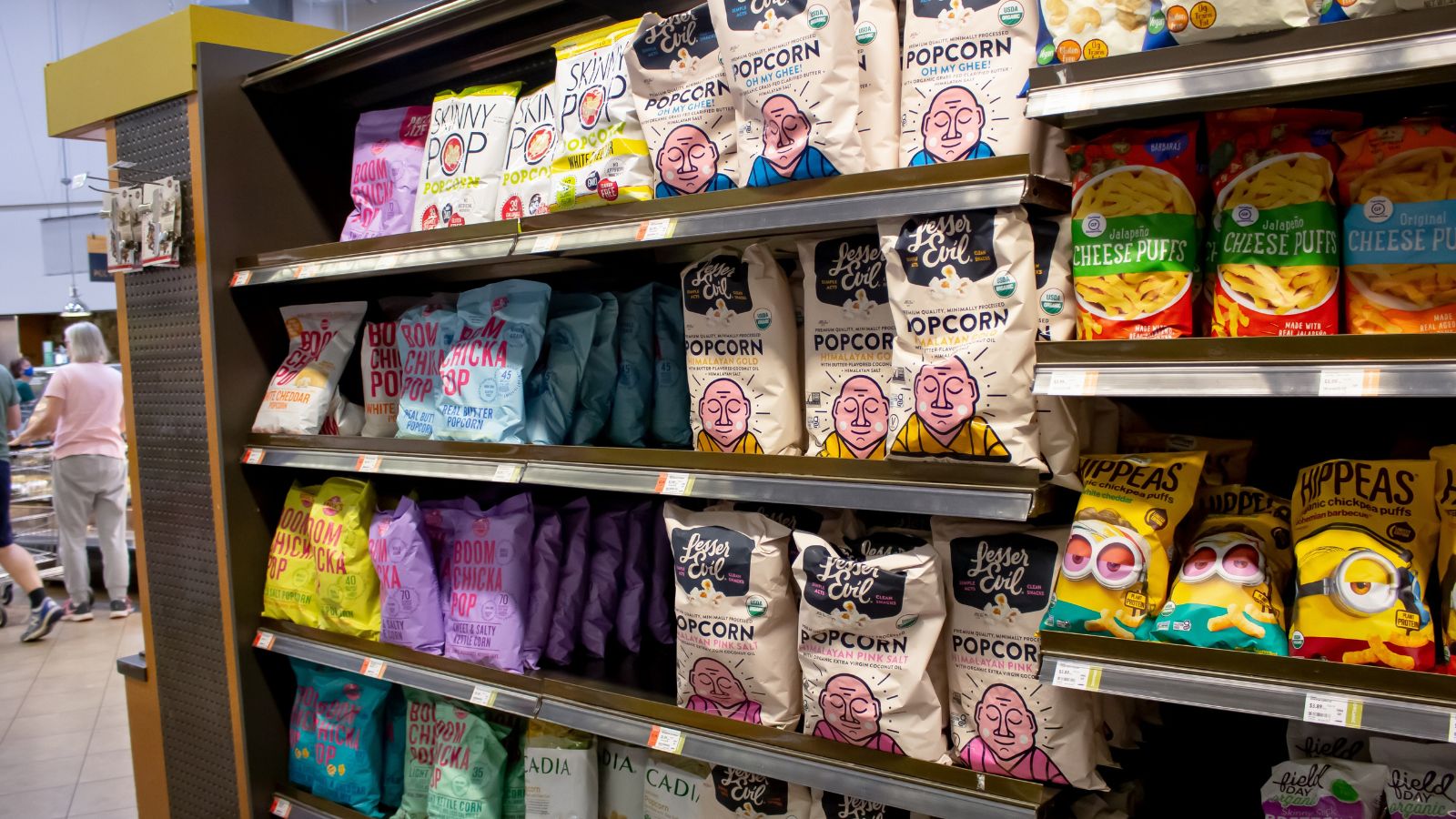
Thanksgiving arrives in grocery stores long before dinner reaches the table. End-of-aisle displays can suddenly fill with stuffing, canned pumpkin, gravy, cranberry sauce, baking supplies and other seasonal products. Their location matters because shoppers do not need to enter the aisle or search for the product; the merchandise is placed directly in their path. That visibility can transform something that was not on the original list into an apparently sensible addition to the holiday meal.
Retail research shows just how powerful these placements can be. One supermarket field study examining endcaps found substantial sales increases, with rear endcaps producing an average 416% sales uplift and front endcaps producing 346% in the experiment. Other field research has found that attention and involvement help explain why enhanced endcap displays increase sales. Thanksgiving creates an especially natural setting for the tactic because shoppers are already assembling unusually large baskets. A jar of gravy or package of cookies may seem insignificant beside a turkey, but repeated additions can quietly push the final bill higher.
Multi-Buy Deals Raise the Quantity Bar

“Two for $6” sounds more attractive than “$3 each,” even when the mathematics is identical. That is partly because the number in a multi-buy promotion can function as a suggested purchasing quantity. Thanksgiving shoppers are particularly vulnerable to that effect because buying extra already feels reasonable. Two bags of potatoes, several cartons of broth or an extra package of rolls can easily be justified when relatives are coming for dinner.
The effect has been demonstrated outside the laboratory. A 2025 field experiment involving 43,246 vegetable purchases at eight supermarkets found that multi-unit offers generated 19.5% more unit sales than economically equivalent single-unit discounts. Earlier Journal of Retailing research similarly found that promotions such as “5 for $5” can increase intended purchase quantities, with larger promotional quantities acting as anchors. Buying more is not automatically wasteful when a household genuinely needs it, but Thanksgiving makes estimating portions difficult. A shopper who intended to buy one package can leave with two or three because the promotion subtly changes what feels like the normal amount.
Loyalty Rewards Encourage One-Store Shopping

Canadian grocery loyalty programs can produce genuine savings, particularly when points are redeemed on purchases that would have happened anyway. Their business purpose, however, extends beyond giving discounts. Loyalty programs are designed to encourage repeat visits, strengthen customer retention and influence where spending occurs. During a Thanksgiving shop, that can make the familiar points-earning store feel like the natural place to buy everything, even when another retailer has a lower price on particular ingredients.
The Competition Bureau found loyalty programs have a significant influence on Canadian grocery behaviour. In its grocery-market research, roughly 61% of Canadians surveyed said they were more likely to shop at a grocery store where they could earn rewards points. The Bureau has separately explained that loyalty programs are intended to attract and retain shoppers and encourage spending. That does not make rewards a bad deal. The risk appears when earning another few thousand points becomes more important than the actual dollars leaving the household budget. A Thanksgiving cart costing $15 more is still $15 more, even when the purchase generates an appealing points balance afterward.
Personalized App Offers Target the Basket
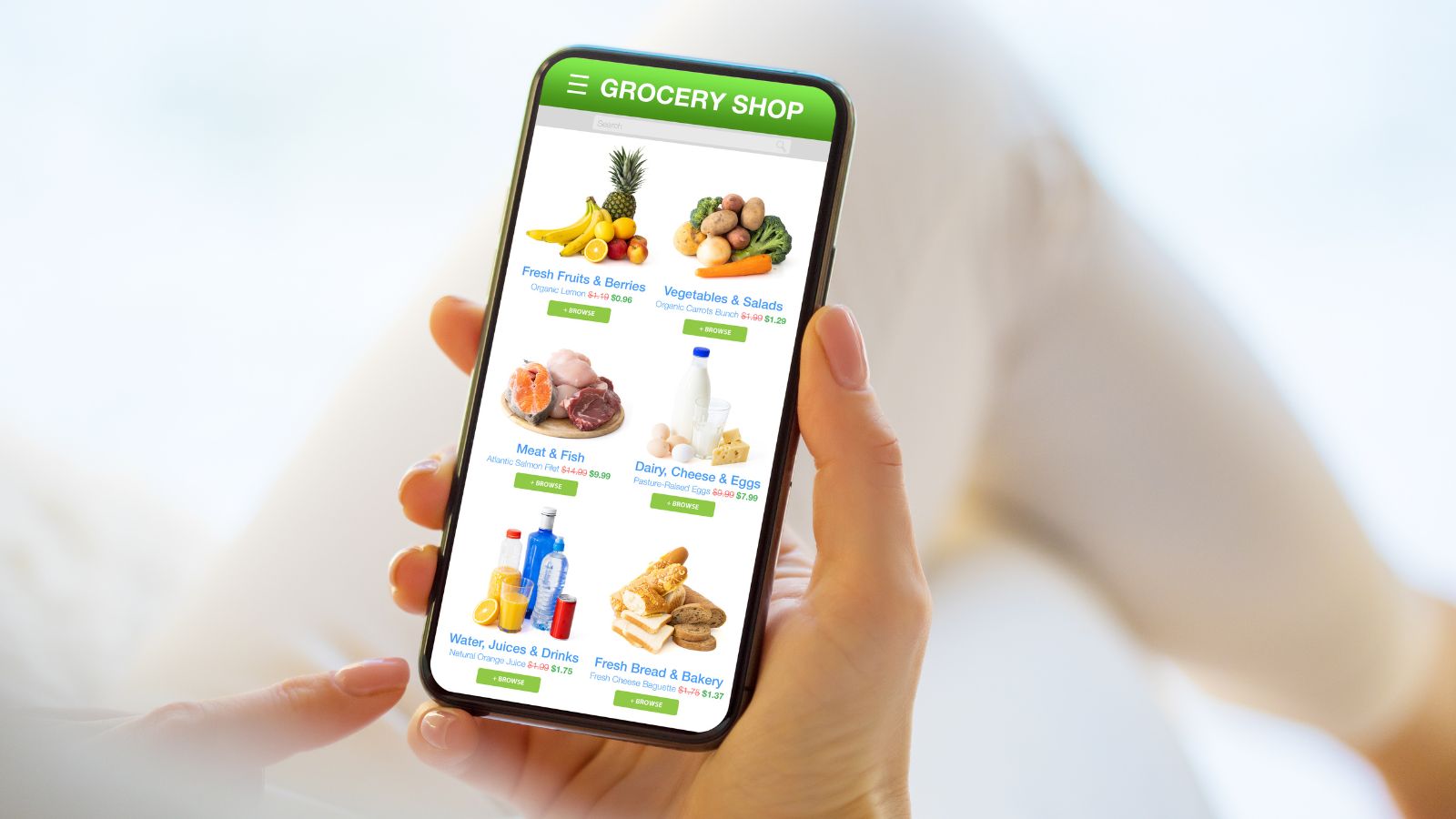
Modern grocery apps do considerably more than replace paper coupons. Loyalty histories can help retailers determine what customers buy, how often they shop and which promotions might change their behaviour. That can make the weekly offer page feel remarkably relevant. A household that frequently buys cheese, for example, may receive a cheese promotion just as holiday entertaining approaches, while another customer could see targeted offers involving desserts, drinks or household supplies.
Canadian retail experts have described personalized grocery promotions as tools capable of influencing shopping frequency, basket size and willingness to try unfamiliar products. The Competition Bureau has also noted that loyalty-card use provides retailers with information about purchases and spending habits that can be used for targeted advertising. A personalized discount can absolutely save money when it applies to something already needed. Thanksgiving creates the danger of reversing that logic: instead of applying an offer to the shopping list, the offer begins expanding the list. Saving $2 on a product that otherwise would have stayed on the shelf still increases the bill by the remaining purchase price.
Spend-Threshold Promotions Tempt “Just One More Item”
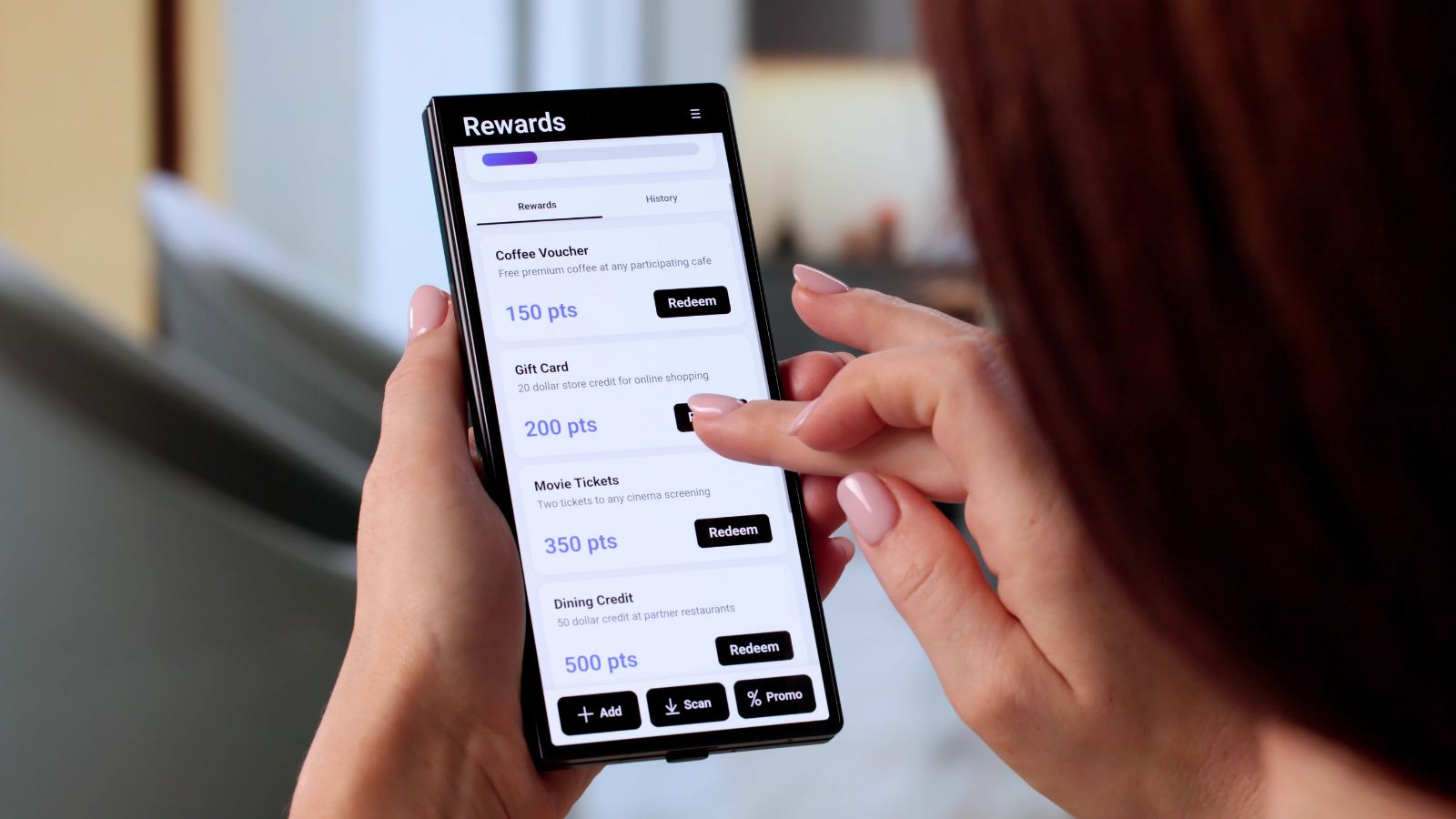
Holiday shopping creates ideal conditions for promotions that unlock a reward only after a spending threshold is reached. An offer might promise bonus points, a dollar discount or another benefit once the basket exceeds a specified amount. When a Thanksgiving cart is already sitting at $93 and the reward begins at $100, adding another package of cookies or a bottle of juice can feel financially responsible rather than like additional spending.
Research on conditional promotions shows why this works. Studies have found that minimum-purchase requirements can induce some consumers to spend more in order to qualify for the promised discount. More recent research on threshold promotions similarly shows that the structure of the offer changes purchase decisions and conversion behaviour. The important calculation is the net result. Spending $12 unnecessarily to trigger a reward worth $10 leaves the household behind, even though the checkout receipt celebrates the bonus. Thanksgiving baskets make these thresholds especially easy to chase because they contain so many legitimate necessities that the last few dollars can disappear among seemingly harmless extras.
Loss Leaders Get Shoppers Through the Door
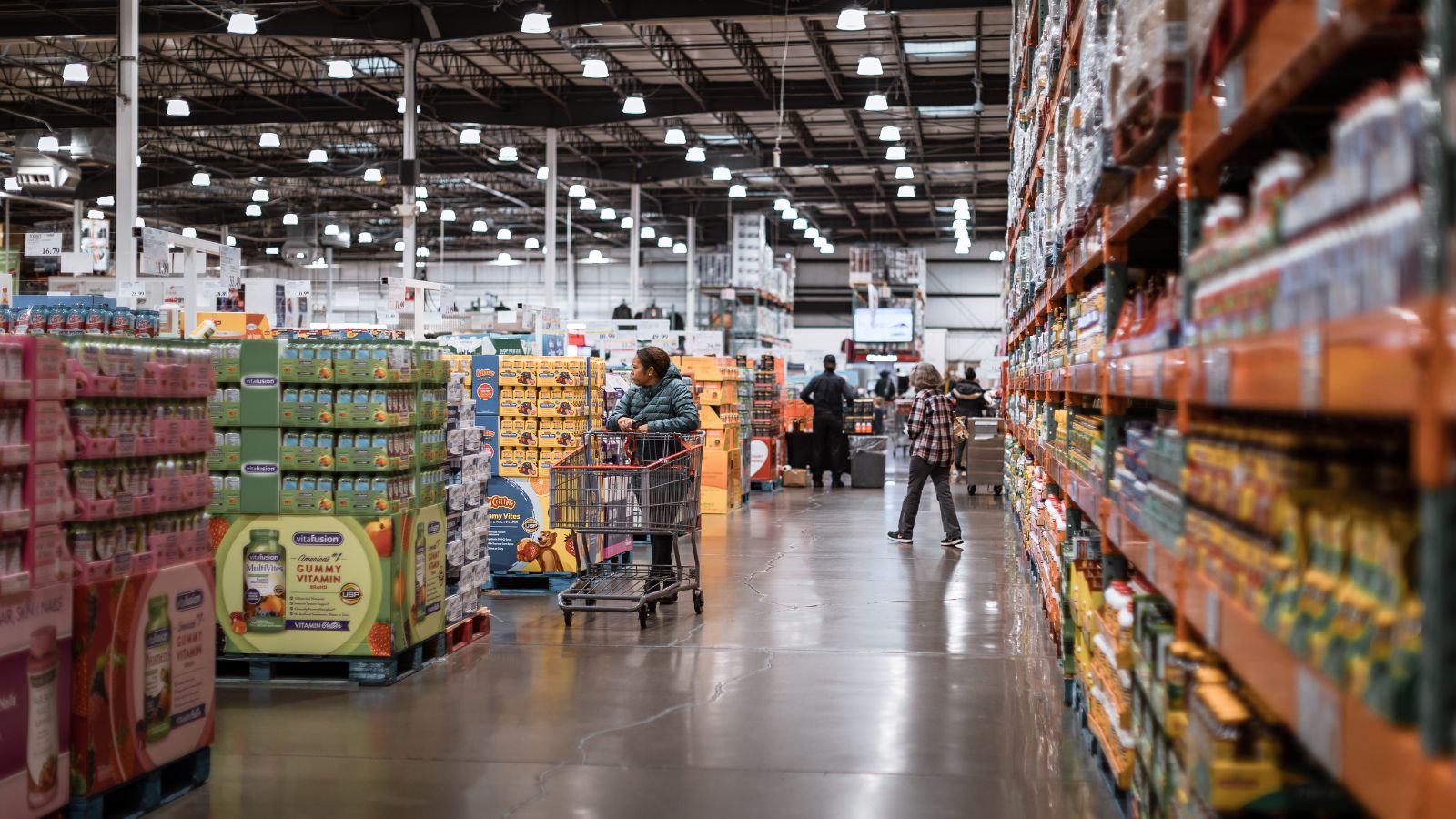
A dramatically discounted Thanksgiving staple can determine where an entire holiday shop happens. Grocery retailers have long used deeply discounted, heavily promoted products to attract store traffic. In retail terminology, these are commonly called loss leaders when the item is priced extremely aggressively so that customers enter the store, where the retailer has opportunities to earn revenue from the remainder of the basket.
Academic supermarket research has found that loss-leader promotions can affect store traffic, although their profitability and broader effects vary depending on the category and promotion. Other research has examined how retailers balance discounts across categories rather than looking at each product in isolation. That distinction matters for Thanksgiving shoppers. A bargain turkey might genuinely be the cheapest available, but savings on the centrepiece can vanish if stuffing, vegetables, butter, dessert ingredients and drinks all cost more at the same location. The advertised bargain should therefore be treated as one price comparison, not evidence that the entire Thanksgiving basket is inexpensive.
Complementary Foods Are Placed Together
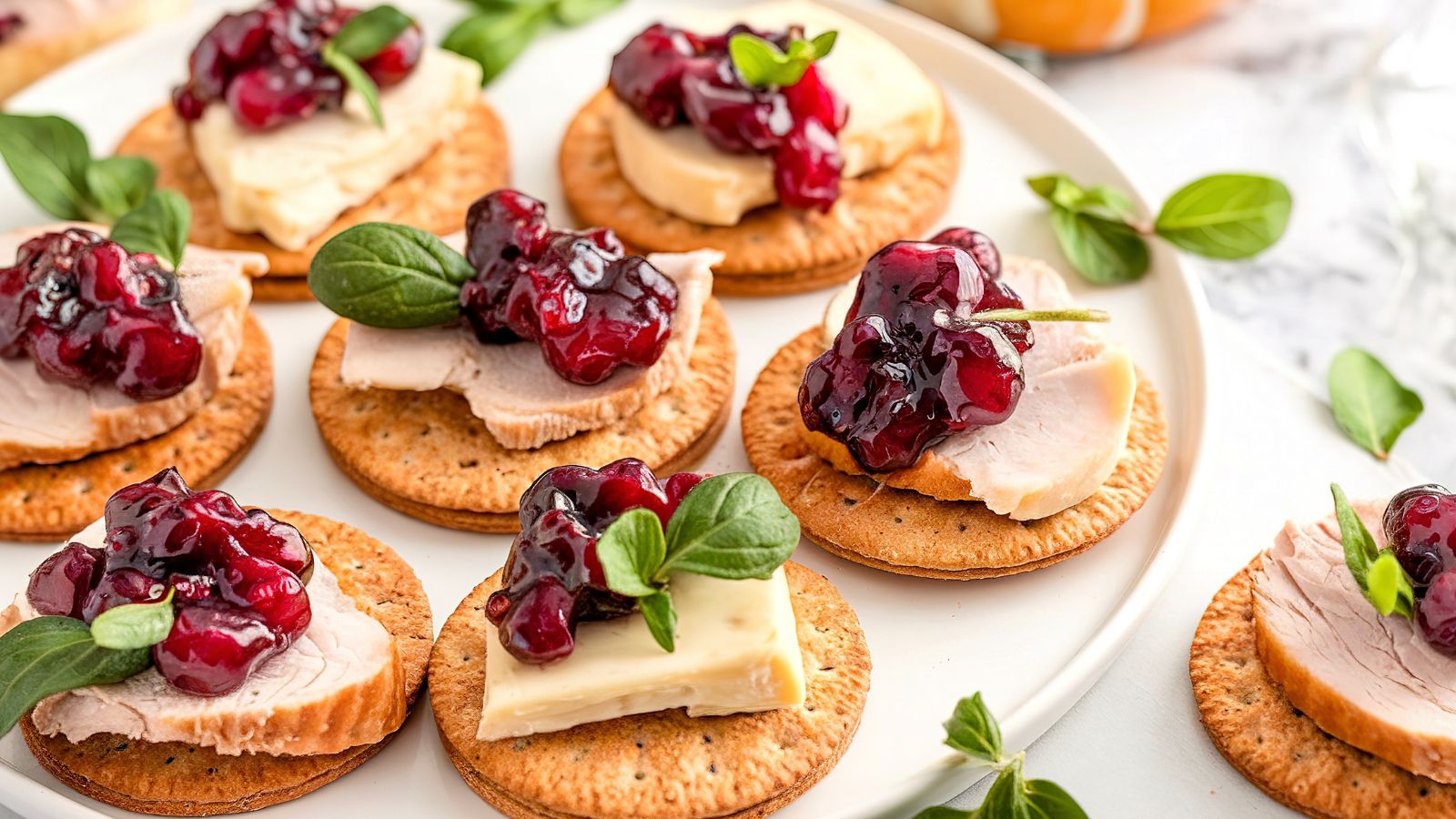
Thanksgiving dishes naturally come in groups, and retailers can merchandise them that way. Stuffing belongs with broth and seasoning. Pie filling suggests pastry shells and whipped cream. Crackers can sit beside cheese, while gravy products appear near ingredients commonly used for a roast dinner. The arrangement reduces search time, which is useful for busy shoppers, but it also creates reminders of products that were not necessarily part of the original plan.
Research into complementary product displays has found that placing associated products near one another can transfer attention to a focal item and increase the likelihood that shoppers choose it. Studies of cross-category promotions have likewise documented relationships between sales of complementary categories, such as cake mix and frosting or pasta and sauce. Thanksgiving offers a particularly powerful version of this effect because shoppers are mentally building a complete meal while moving through the store. A display does not need to persuade anyone to buy an obviously unnecessary product. It only needs to suggest one more finishing touch—specialty butter, another sauce or an extra appetizer—and the basket rises a few dollars at a time.
Eye-Level Space Favors What Gets Noticed
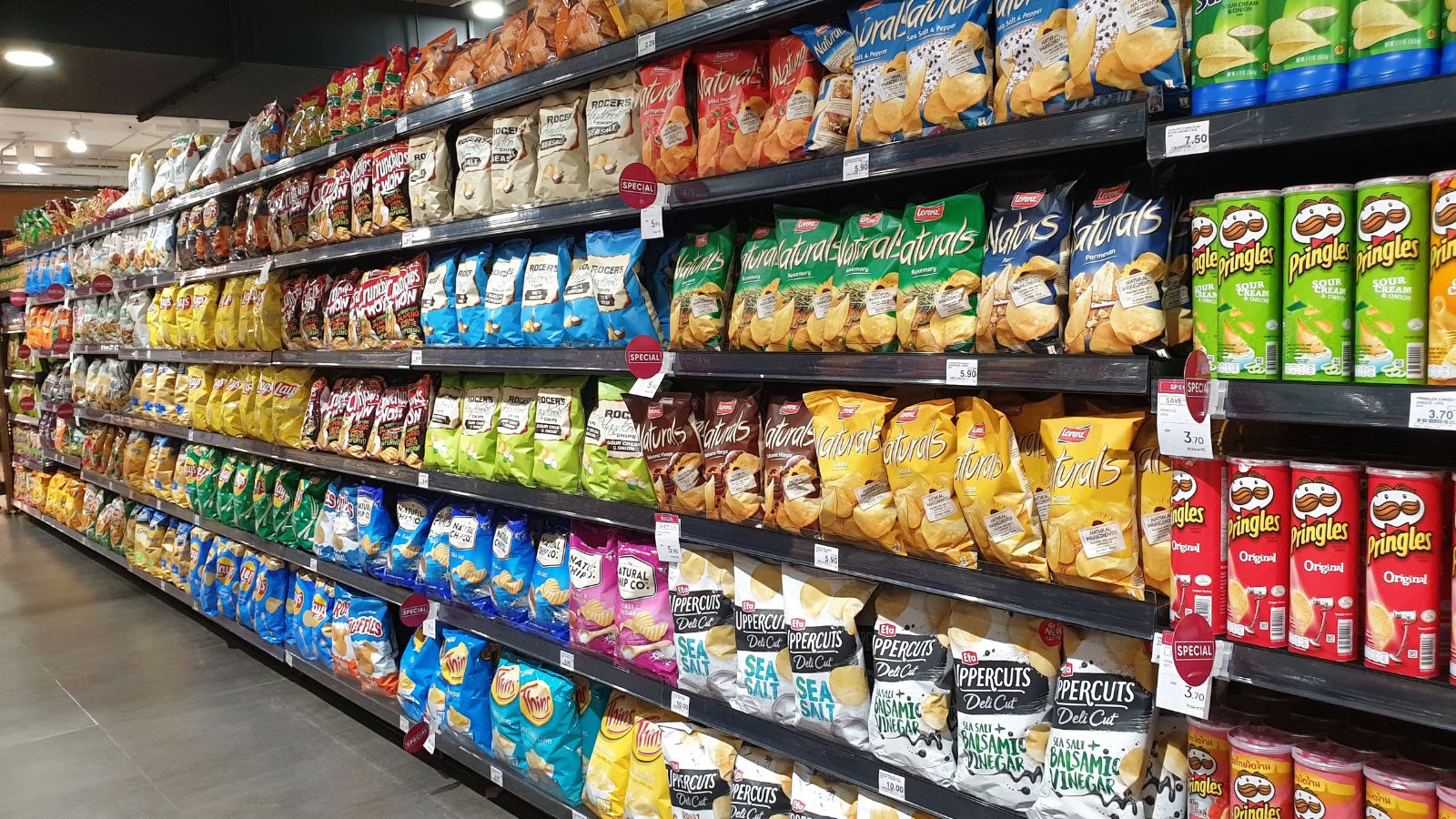
Shelf position is valuable retail real estate. Products located where shoppers naturally look require less effort to notice than packages near the floor or on a high shelf. During Thanksgiving, when shoppers may be moving quickly through crowded aisles and checking off unusually long lists, the easiest product to see can become the easiest product to buy. That does not necessarily mean it is the cheapest option.
A field experiment conducted across six retail stores found that products placed at eye level generated, on average, 13.8% higher sales than products at stoop level and 8.5% higher sales than those at stretch level. Supermarket eye-tracking research also demonstrates that brand and product placement influence attention and choice. The practical consequence is simple: the first cranberry sauce, broth, baking chocolate or spice that catches the eye may win without a real price comparison. Lower-priced store brands or differently sized packages can be several shelves away. Thanksgiving time pressure magnifies the effect because convenience becomes increasingly valuable as the cart fills and the shopping list gets longer.
Store Layout Keeps Shoppers Exposed to More Offers
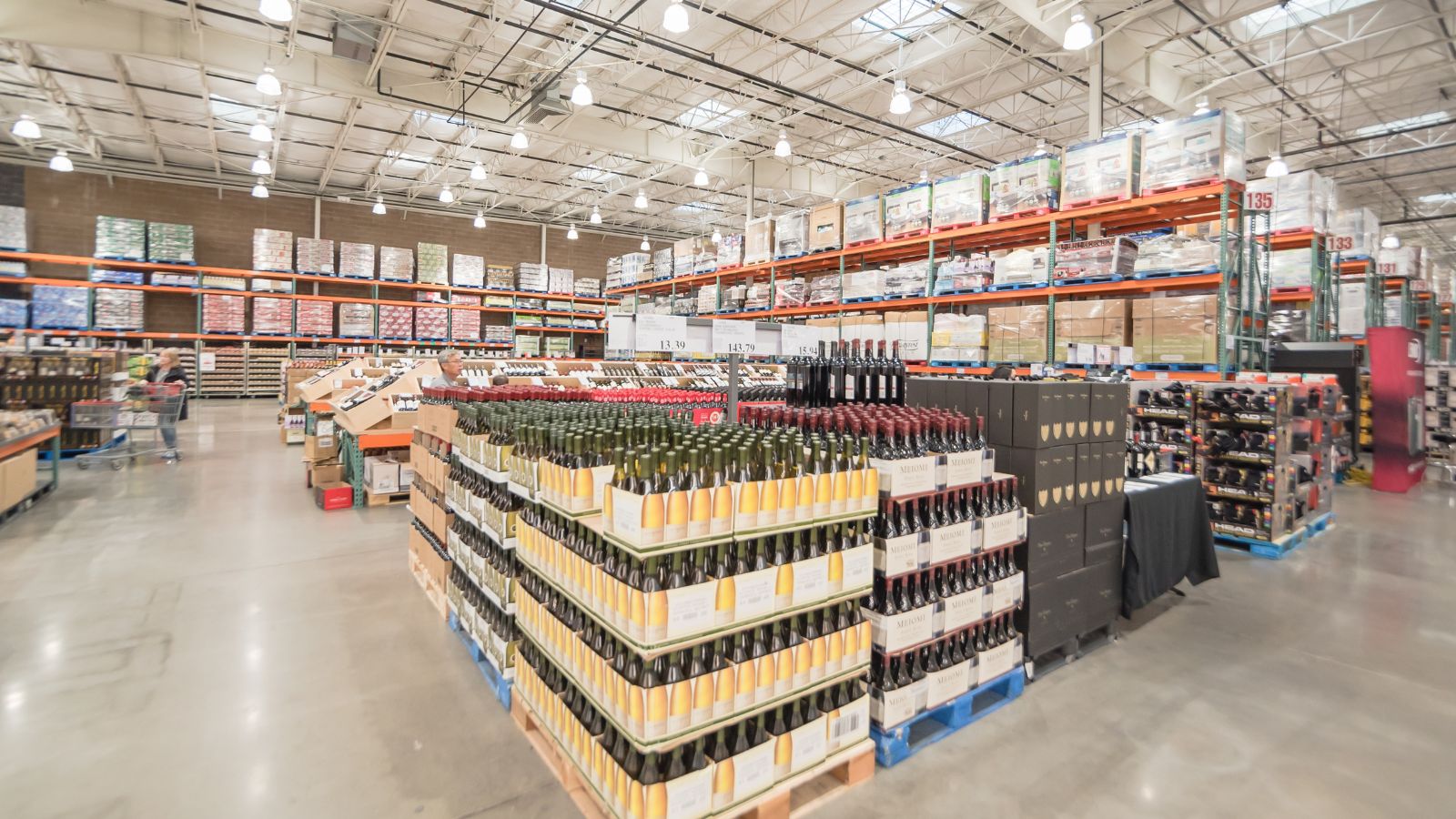
A grocery store is not simply a warehouse organized alphabetically by ingredient. Layout influences shopper movement, which determines how many products, displays and promotions are encountered before checkout. Research reviews identify layout, product placement, advertising and other environmental features as meaningful influences on supermarket behaviour. Another supermarket study comparing different aisle layouts specifically examined changes in basket size, spending, shopping duration and interaction with endcap promotions.
Thanksgiving can amplify those effects because the required ingredients are spread across many departments. Produce may be followed by meat, bakery goods, dairy, canned products, frozen food and household supplies. Every additional section creates another opportunity to encounter something appealing that was not written down. The store does not need to force anyone into an impulse purchase; repeated exposure does much of the work. A shopper who enters for 14 planned products might pass dozens of seasonal promotions before reaching the register. That is why a detailed list—and a willingness to skip entire aisles—can matter almost as much as checking flyer prices.
Unit Pricing Is Still Uneven Across Canada
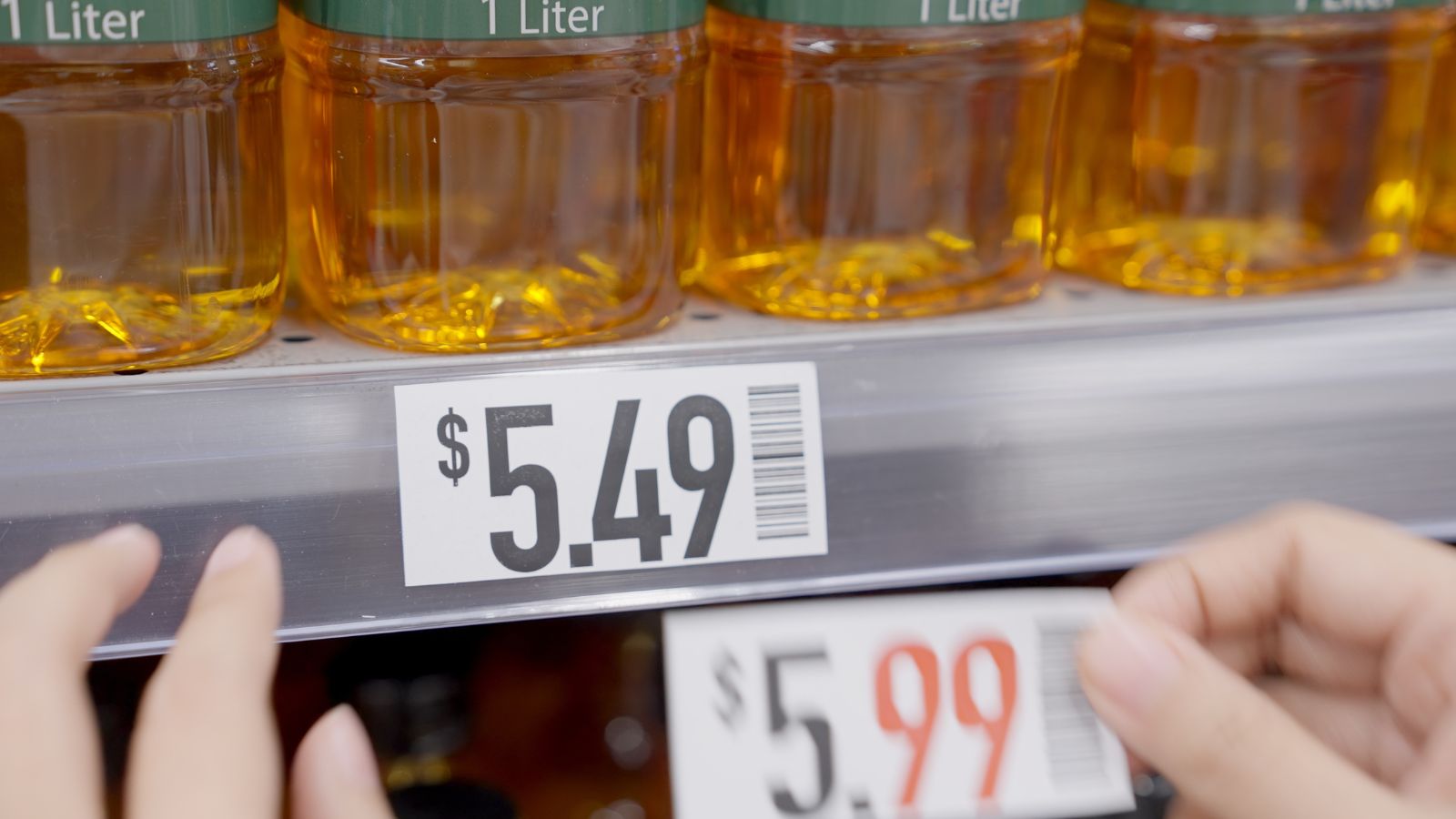
Package sizes make grocery comparisons deceptively difficult. One container may hold 650 grams, another 800 grams and a third 1.1 kilograms, while their shelf prices differ by only a few dollars. The cheapest sticker price may therefore be the most expensive choice by weight. Unit pricing solves the problem by showing comparable measures such as price per 100 grams or per litre, but Canada still does not have one consistently applied nationwide standard.
Quebec has long had unit-pricing requirements and has strengthened them, while the federal Competition Bureau continues to encourage provinces and territories to adopt clear, consistent unit-pricing rules. The Bureau specifically describes unit pricing as a way to empower consumers to compare prices more easily. Thanksgiving shopping is full of size comparisons: cheese, butter, flour, broth, crackers, frozen vegetables and baking ingredients often appear in multiple formats. When unit information is missing, inconsistent or simply overlooked, shoppers have to do the arithmetic themselves. A larger “holiday” or “family” package should never automatically be assumed to offer the lowest cost per serving.
Shrinkflation Hides the Cost Per Serving
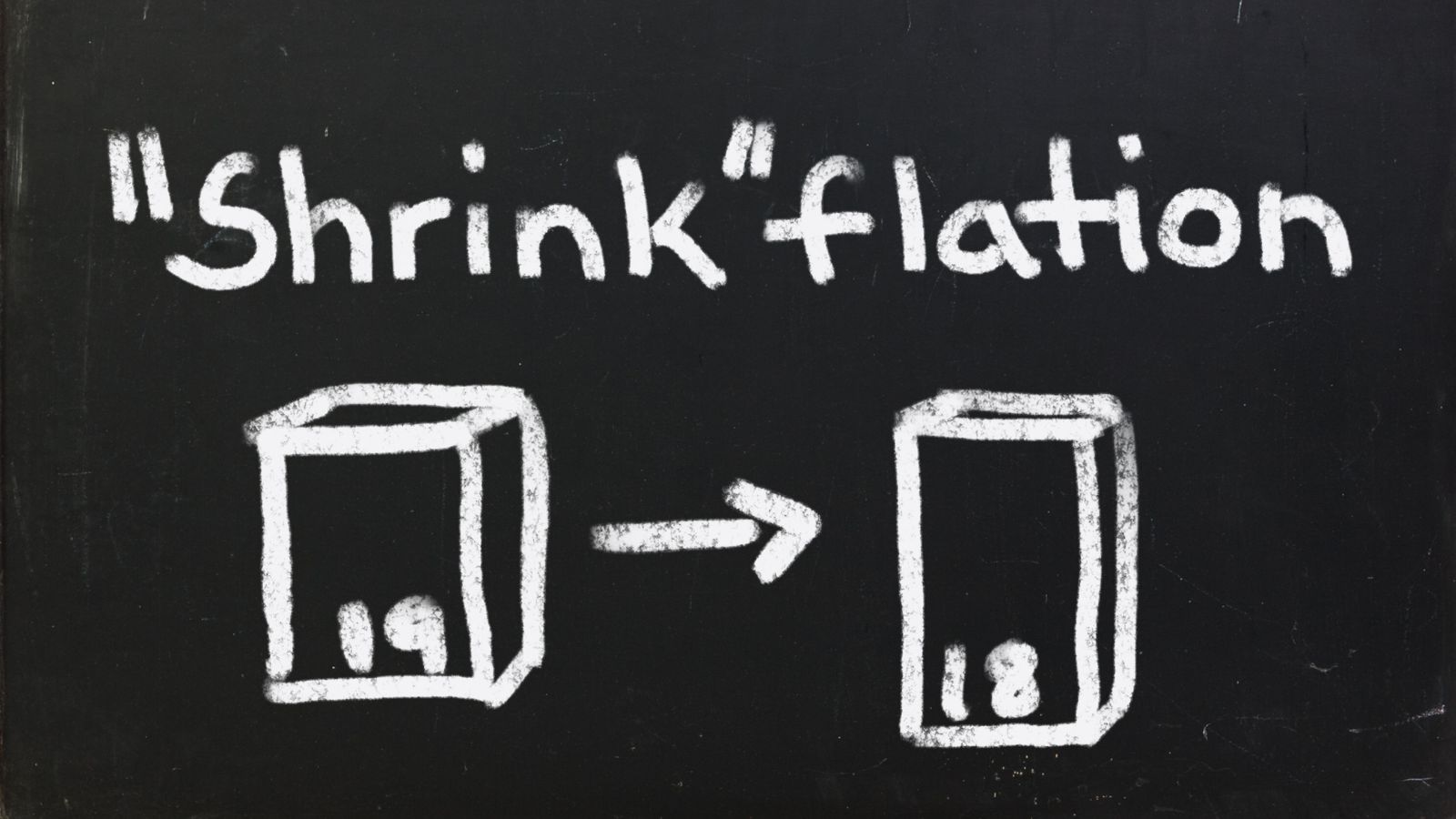
A familiar Thanksgiving ingredient can look reassuringly unchanged on the shelf even when less food is inside the package. Shrinkflation occurs when the quantity or package size falls while the price does not fall proportionately. The checkout total may therefore appear stable even though the household is paying more for each gram, millilitre or serving. That difference becomes especially noticeable when a recipe written years ago assumes an older package size.
Statistics Canada has documented how significant this issue became during the recent inflation cycle. Between 2021 and 2023, 29.6% of eligible grocery items tracked in the Consumer Price Index experienced shrinkflation. Statistics Canada treats a same-price package reduction as a real price increase when calculating the CPI because consumers must effectively pay more to obtain the previous quantity. Thanksgiving exposes the practical inconvenience. One package of cheese that once covered a casserole may no longer be enough, or a smaller box of crackers may require buying a second. The price change appears not as a larger sticker but as another product entering the cart.
Premium Store-Brand Tiers Create an Upsell Ladder

Store brands once carried a straightforward message: skip the famous logo and pay less. Modern private-label strategies are far more sophisticated. Retailers can offer economy, mainstream and premium store-brand tiers within the same category, giving shoppers a ladder of price and quality cues. Around Thanksgiving, premium packaging and holiday-oriented flavours can make the upper tier particularly tempting because the meal feels like an occasion when ordinary ingredients should be upgraded.
Retail research has documented the rise of multi-tier private-label portfolios and found that premium private labels occupy a distinct position from traditional value brands. Other research notes that premium private labels can use packaging, naming and advertising to signal higher quality and may be priced at levels comparable with, or even above, national brands. Canadian grocers have also emphasized the importance of their control-brand portfolios. None of that means premium products are poor value; some shoppers may genuinely prefer them. The costly assumption is that a store brand must automatically be the budget choice. At Thanksgiving, comparing the actual price rather than the logo or premium-looking package can prevent an accidental upgrade.
“Regular Price” Anchors Make Sales Look Bigger
A discount is rarely presented in isolation. Sale signs often pair the current price with a higher regular or reference price, allowing shoppers to see the supposed savings immediately. Marketing research has repeatedly found that reference prices can influence perceived savings and internal judgments about what an item normally costs. That makes a $4.99 Thanksgiving product beside a crossed-out $7.99 price feel much more compelling than the same $4.99 displayed alone.
Canadian law places important limits on this practice. The Competition Bureau says businesses cannot invent an inflated regular price simply to make a discount look larger. Retailers must be able to substantiate ordinary selling-price claims under tests involving actual sales or the amount of time the product genuinely sold at the stated price. The legal protection is important, but even a completely legitimate sale can influence spending through anchoring. A shopper may focus on the claimed $3 saving rather than asking whether the product was needed, whether another brand costs $4.49 every day, or whether the Thanksgiving recipe requires it at all.
Checkout Zones Capture the Last-Minute Add-On
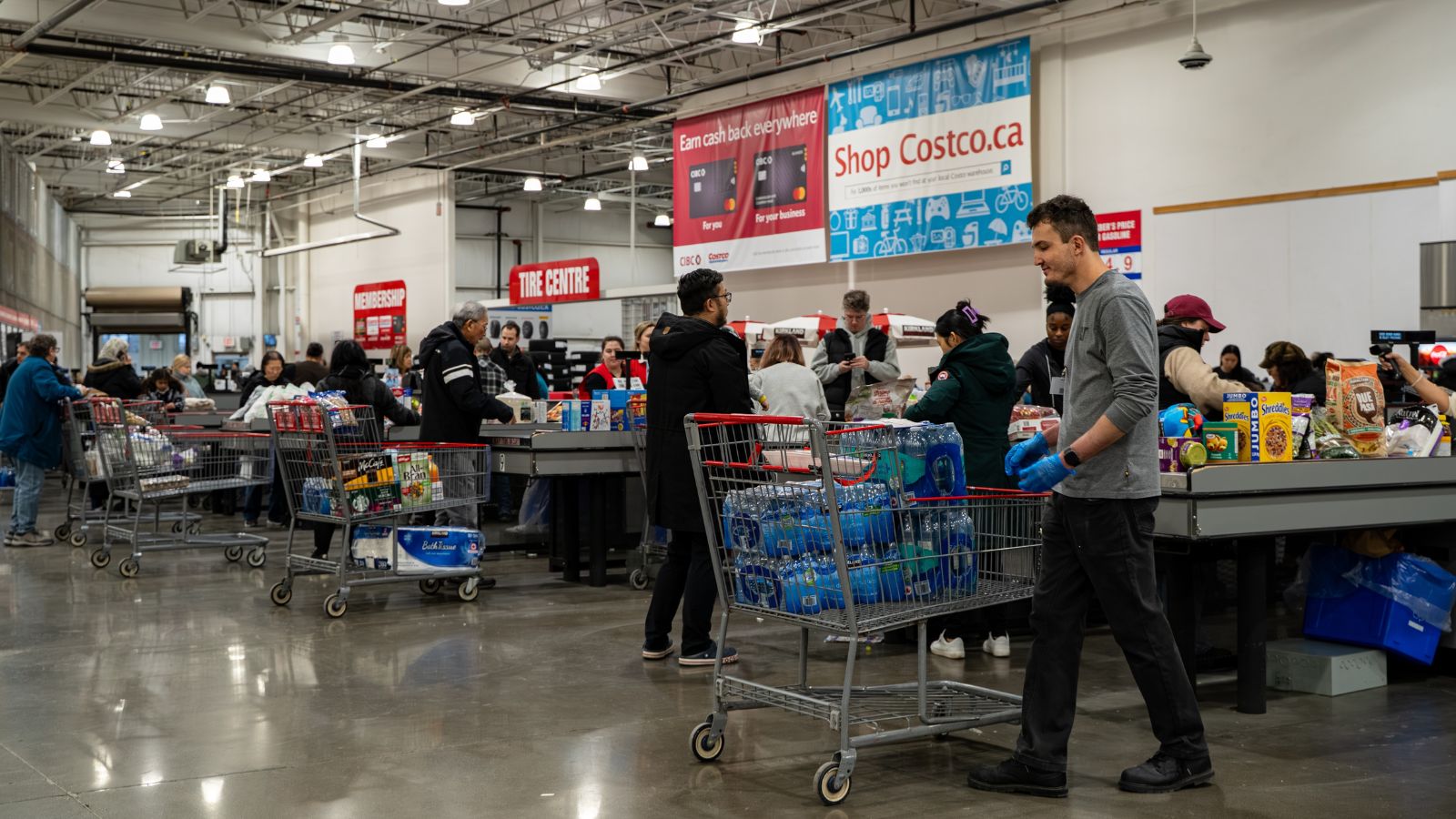
By the time a Thanksgiving shopper reaches the checkout, most major buying decisions have supposedly been made. Retailers still have one final opportunity to capture attention. Checkout areas commonly display small, easily added products that require little deliberation. Research into checkout merchandising has documented extensive placement of confectionery and other impulse-oriented foods near registers, while broader reviews of impulse buying identify shelf placement, displays and in-store promotions as important marketing triggers.
The dollar amount of each decision can seem trivial beside a Thanksgiving basket filled with meat, produce and baking supplies. That is precisely why the last-minute add-on can slip through. A chocolate bar, magazine, seasonal snack or small beverage does not feel like a meaningful budget decision when the cart may already total well over $100. Families shopping with children can face additional pressure when small treats are within view and reach. One checkout purchase will not ruin a holiday budget, but the broader lesson matters: the final total is often built from many decisions too small to feel important individually.
Prepared Holiday Foods Charge for Convenience
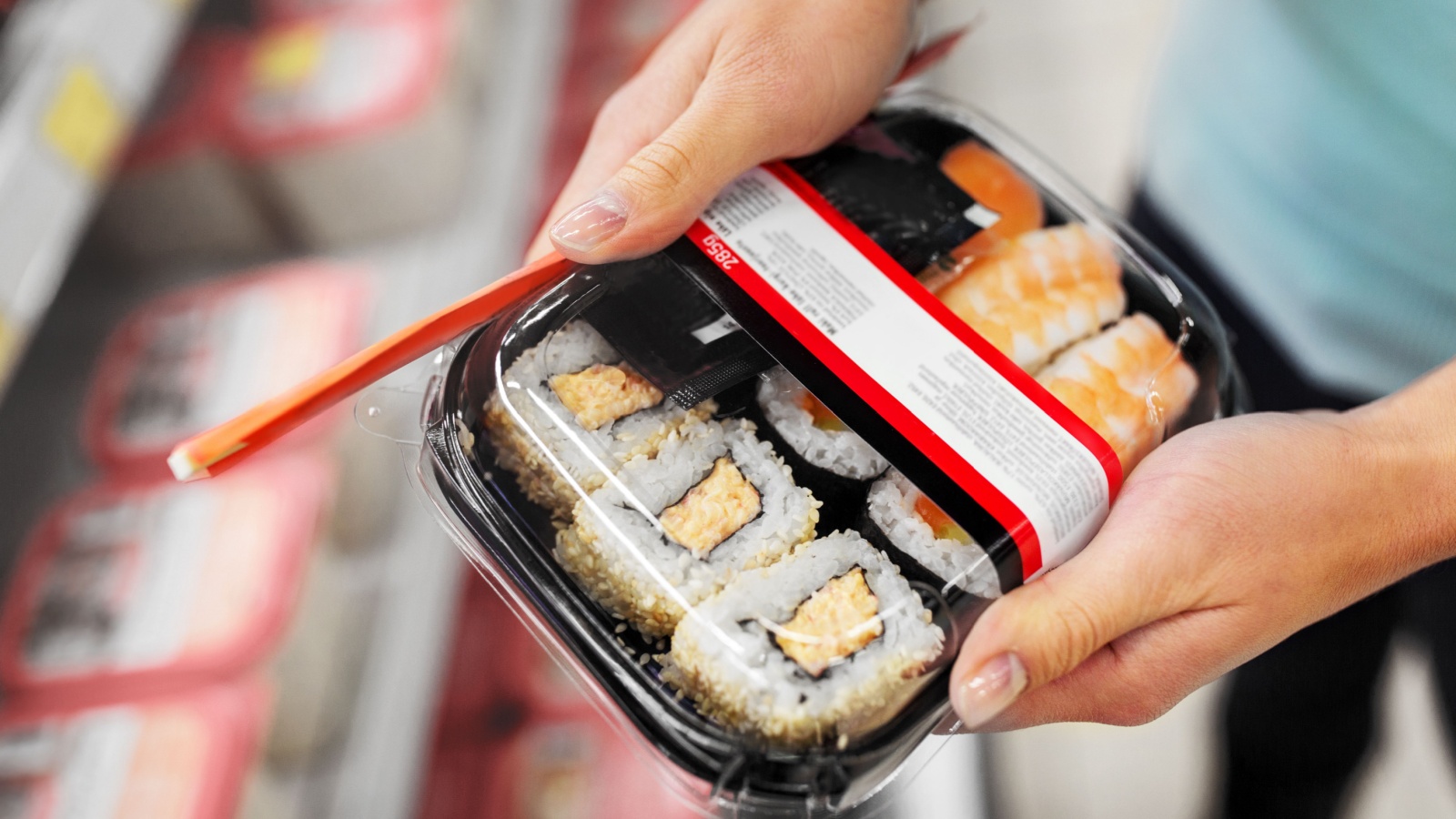
The closer Thanksgiving gets, the more valuable time becomes. Grocery stores increasingly compete not just as ingredient sellers but as meal providers, offering ready-to-eat dishes, prepared vegetables and other convenience foods. Research published in 2025 found consumers were willing to pay a 13% premium for semi-prepared food when its convenience and waste-reduction benefits were highlighted. Canadian market data also show strong demand for ready meals, including premium options sold at higher price points.
That convenience can be entirely rational. Paying extra for chopped vegetables, prepared side dishes or a ready-made dessert may be worth it for a household facing limited kitchen space, mobility constraints or an overloaded schedule. The Thanksgiving cost trap appears when convenience purchases accumulate without being treated as upgrades. A pre-cut vegetable tray here, prepared mashed potatoes there and a bakery dessert can move a meal away from raw-ingredient pricing surprisingly quickly. Comparing a prepared option with its basic ingredients makes the trade-off visible. Sometimes the extra money buys valuable time; other times, a simple preparation step would have saved far more than expected.
Limited-Time Holiday Merchandising Creates Urgency
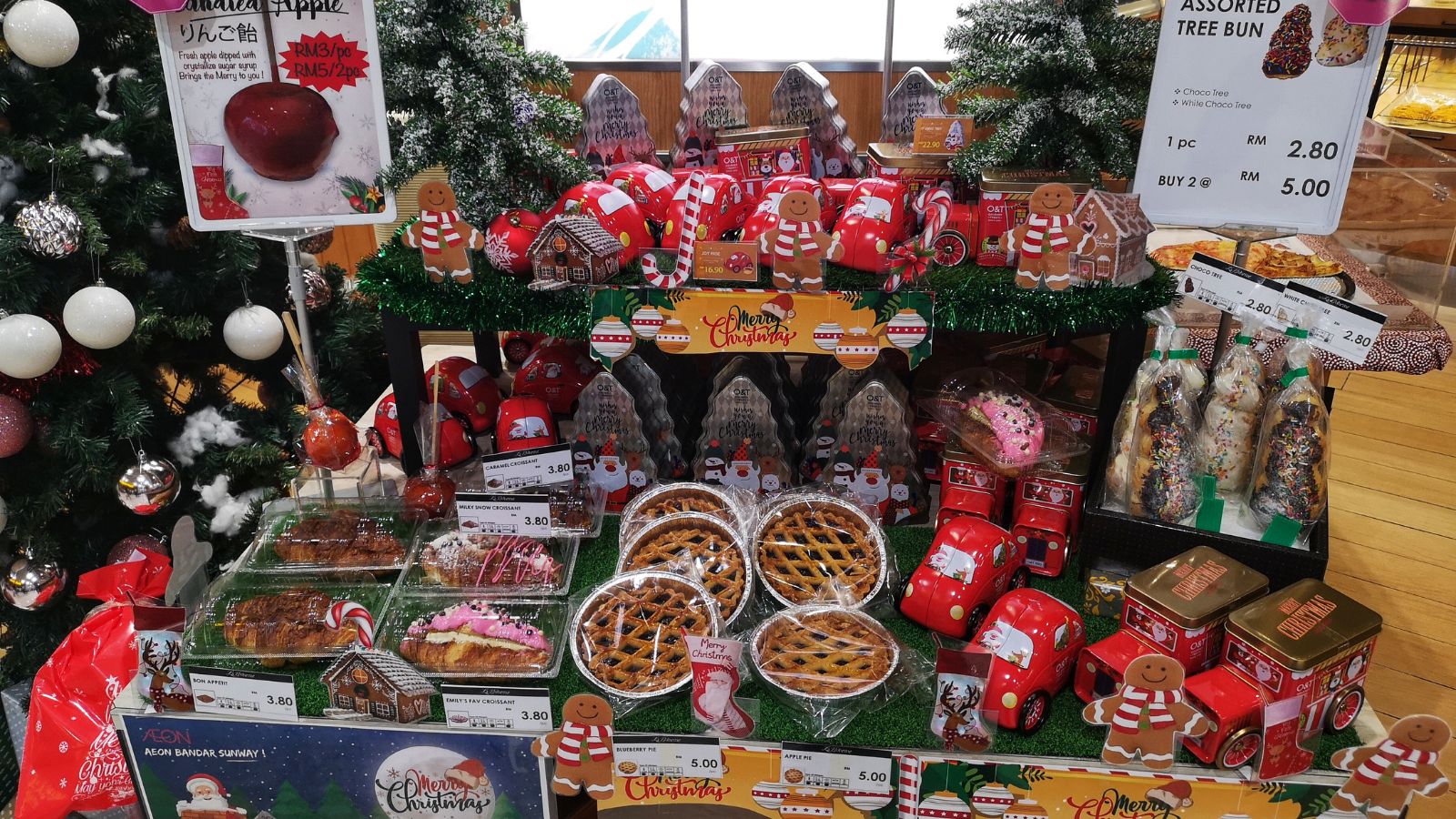
Thanksgiving products have a built-in deadline. Seasonal flavours, special desserts, decorative baking products and holiday meal promotions appear for a relatively short period, naturally creating a sense that the buying decision cannot be postponed. Marketing research covering more than 100 studies has found that scarcity cues can increase perceived value, desirability and purchase intentions, although the strength of the effect varies by the type of scarcity and product involved.
There is an important distinction between genuine seasonality and manufactured pressure. Canadian competition rules prohibit false or misleading urgency cues, such as claiming an offer is ending when it repeatedly remains available. Real Thanksgiving merchandise, however, can legitimately be seasonal, and that alone encourages faster decisions. A shopper who believes a special pie, stuffing flavour or holiday package may disappear can be less inclined to compare alternatives or ask whether it is necessary. The most expensive Thanksgiving purchase is sometimes not an overpriced staple but an extra seasonal product bought simply because the calendar made leaving it behind feel risky.
16 Costco Canada Habits That Could Be Costing Shoppers More Than They Save
The Executive Membership can feel like an obvious upgrade because the 2% annual reward sounds straightforward. For households that spend heavily at Costco Canada, the extra fee may be easy to justify. But the habit becomes costly when shoppers upgrade first and calculate later. A Gold Star Membership costs less, while Executive costs more and only pays off if eligible annual spending is high enough to offset the difference.
16 Costco Canada Habits That Could Be Costing Shoppers More Than They Save
This Options Discord Chat is The Real Deal
While the internet is scoured with trading chat rooms, many of which even charge upwards of thousands of dollars to join, this smaller options trading discord chatroom is the real deal and actually providing valuable trade setups, education, and community without the noise and spam of the larger more expensive rooms. With a incredibly low-cost monthly fee, Options Trading Club (click here to see their reviews) requires an application to join ensuring that every member is dedicated and serious about taking their trading to the next level. If you are looking for a change in your trading strategies, then click here to apply for a membership.