
35,000+ smart investors are already getting financial news, market signals, and macro shifts in the economy that could impact their money next with our FREE weekly newsletter. Get ahead of what the crowd finds out too late. Click Here to Subscribe for FREE.
Fall can be an unforgiving time to discover that a rental agreement is not quite what it appeared to be. Heating costs begin climbing, daylight gets shorter, university markets remain busy, and small problems such as drafty windows or unreliable parking can become much more noticeable once colder weather arrives.
Canadian renters also face a complicated patchwork of provincial rules. A deposit that is perfectly normal in Alberta may be prohibited in Quebec, while a pet restriction that is ineffective in many Ontario rentals may be valid elsewhere. Before committing to a new home, these 18 checks can help renters understand the real cost, condition and obligations attached to a fall lease.
Verify Who Is Actually Renting Out the Unit
18 Things Canadian Renters Should Check Before Signing a Fall Lease
- Verify Who Is Actually Renting Out the Unit
- Make Sure the Right Lease Form Is Being Used
- Confirm the Real Monthly Rent and How It Must Be Paid
- Check Every Deposit and Upfront Charge
- Understand What Happens When the Fixed Term Ends
- Find Out How Future Rent Increases Could Work
- Spell Out Exactly Who Pays the Utilities
- Create a Detailed Move-In Condition Record
- Test the Heating System and Look for Drafts
- Search Carefully for Water Damage, Mould and Pests
- Test the Appliances, Plumbing and Basic Fixtures
- Put Every Promised Repair in Writing
- Review the Rules on Landlord Entry and Privacy
- Clarify Snow, Ice, Yard and Seasonal Maintenance Duties
- Confirm Parking, Storage, Amenities and Condo Rules
- Read the Pet, Smoking and Cannabis Clauses Carefully
- Understand the Tenant Insurance Requirement
- Know the Rules for Roommates, Occupants, Assignments and Sublets
- 16 Costco Canada Habits That Could Be Costing Shoppers More Than They Save

Before money changes hands, renters should confirm the legal name and contact information of the landlord or authorized property manager. The information should match the person or company identified in the tenancy agreement, and the payment instructions should make sense in relation to that identity. A professional-looking listing, electronic lease and convincing set of photographs are not proof that the person collecting a deposit actually controls the property.
Rental scams often exploit urgency. Canadian police have warned about schemes in which a supposed landlord demands a deposit before allowing a prospective tenant to view the property. A common story involves an owner who is conveniently travelling, working elsewhere or otherwise unavailable. A renter who cannot visit personally might arrange for a trusted local person to view the unit, confirm the address independently and question any request to transfer money immediately. A fall rental that appears unusually cheap and requires payment within an hour deserves considerably more checking, not less.
Make Sure the Right Lease Form Is Being Used

A lease should not simply be treated as paperwork that must be signed quickly before someone else takes the unit. Provincial requirements differ considerably. Ontario requires its standard lease for most private residential tenancies, while Quebec has a mandatory residential lease form. British Columbia requires landlords to prepare written tenancy agreements containing prescribed information. Alberta allows written, verbal or implied arrangements, although the provincial government strongly recommends putting the agreement in writing because it provides evidence if a disagreement develops.
The form also matters because an impressive-looking additional clause does not automatically override tenancy legislation. Ontario, B.C. and Alberta all recognize statutory rights that cannot simply be signed away through conflicting lease language. Renters should therefore read both the main agreement and every schedule or addendum attached to it. For example, an Ontario lease could contain an additional condition that looks official but is legally ineffective because it attempts to transfer a responsibility that provincial law places on the landlord. Signing a document does not necessarily make every sentence enforceable.
Confirm the Real Monthly Rent and How It Must Be Paid

The advertised rent is only useful when it matches the amount written into the agreement. Before signing, renters should check the base rent, due date, acceptable payment methods and every recurring charge connected with the unit. Parking, storage, air conditioning or other services can sometimes be charged separately, so a $2,000 listing can become a noticeably more expensive monthly commitment once the complete agreement is examined.
Ontario’s standard lease specifically identifies the lawful rent and separate charges for services such as parking or storage. B.C. requires tenancy agreements to specify the rent, due date, preferred payment method and included services or additional fees. Alberta similarly recommends stating where, when and how rent is paid. Proof of payment is also valuable. Quebec’s housing tribunal advises tenants to retain evidence of rent payments and notes that tenants can request receipts. A recurring e-transfer with clear payment descriptions can create a much stronger record than handing over cash without documentation every month.
Check Every Deposit and Upfront Charge

Deposit rules are one of the clearest examples of why Canadian renters should never assume the rules are the same nationwide. In British Columbia, a security deposit can generally be no more than half of one month’s rent, and a permitted pet damage deposit can also be capped at half a month’s rent. Alberta allows a security deposit of up to one month’s rent. Ontario generally permits a rent deposit but not an ordinary damage deposit, with the rent deposit limited to one rent period or one month, whichever is less.
Quebec is substantially different. A lessor generally cannot demand a security deposit, key deposit or furniture deposit and cannot require more than the first payment period of rent in advance, up to one month. That means a demand that sounds routine elsewhere could be a warning sign in Montreal or Quebec City. Renters should identify exactly what each upfront payment is for, determine whether provincial law permits it, obtain proof of payment and question vague labels such as “administration,” “reservation” or “protection” deposits.
Understand What Happens When the Fixed Term Ends

The end date printed on a lease does not have the same practical effect everywhere. In Alberta, a true fixed-term residential tenancy ends on the date specified in the agreement without either party having to provide notice. The parties can subsequently agree to continue the tenancy, but renters should not assume that continuation happens automatically under the same arrangements.
Ontario works differently. When an ordinary fixed-term residential tenancy reaches its end without being properly terminated, it generally continues as a monthly tenancy under the same terms, subject to lawful rent increases. Quebec residential leases also generally renew automatically unless the appropriate process is followed. These distinctions can become expensive for a renter who signs a September-to-August lease expecting to stay for several years. Before signing, the renter should know whether the agreement automatically continues, whether a new agreement will be required, how much notice is needed to leave and whether the landlord has made any promises about renewal. The printed end date should never be interpreted without checking the applicable provincial rules.
Find Out How Future Rent Increases Could Work

The starting rent is only part of the affordability calculation. A renter planning to remain in the property for several years should investigate the rules governing later increases and whether the particular unit qualifies for rent control. In Ontario, for example, the 2026 guideline is 2.1% and the announced 2027 guideline is 1.9% for most covered units. However, many units first occupied for residential purposes after November 15, 2018 are exempt from the guideline.
British Columbia’s 2026 annual rent increase limit is 2.3%, with increases generally limited to once every 12 months and requiring proper notice. Alberta has no percentage ceiling on ordinary rent increases, although at least 365 days must generally pass after the tenancy begins or the previous increase, and rent cannot be raised during a fixed term. Quebec uses a different system involving renewal notices and rent-fixing rules. Asking about the building’s age, applicable exemption and previous increase practices before signing can reveal future affordability risks that the initial monthly price hides.
Spell Out Exactly Who Pays the Utilities

A fall lease can become much more expensive once heating season begins. Electricity, natural gas, water and hot-water costs should therefore be identified explicitly rather than discussed casually during a viewing. Renters should determine whether each utility is included in the rent, separately metered, allocated among several units or billed through a sub-metering arrangement. Where historical bills are available, reviewing winter rather than summer costs gives a more realistic picture.
Alberta’s tenancy guidance recommends that agreements clearly specify whether utilities are provided and at whose expense. Its Utilities Consumer Advocate also notes that arrangements vary considerably: tenants may pay providers directly, reimburse landlords, share costs or have utilities incorporated into rent. Alberta requires separate sub-meter charging to be addressed in tenancy arrangements rather than simply appearing unexpectedly. Ontario’s standard lease likewise has a dedicated section establishing who pays electricity, heat and water. For a basement apartment or converted house with shared meters, renters should ask exactly how their portion is calculated. “Utilities extra” is not detailed enough when a January cold snap arrives.
Create a Detailed Move-In Condition Record

A careful walk-through can prevent an old scratch, stain or broken fixture from becoming the new tenant’s problem months later. Every room should be inspected under good lighting, with dated photographs or video showing floors, walls, windows, countertops, doors and fixtures. Existing damage should be written into the inspection record before possessions are moved in wherever possible.
Some provinces attach particular legal importance to these inspections. Alberta requires move-in and move-out inspection reports, and landlords can lose the ability to deduct damage or cleaning costs from a security deposit if the inspection requirements are not followed. British Columbia also has formal move-in inspection requirements tied closely to deposit rights. Its guidance recommends checking locks, water damage, plumbing, cabinets and appliances during the walk-through. Even where the local process is less prescriptive, the logic remains powerful. If a renter photographs a cracked refrigerator shelf and stained carpet on September 1 and immediately emails the images to the landlord, there is far less room for confusion when the tenancy ends.
Test the Heating System and Look for Drafts

A unit that feels comfortable during an early-September viewing can tell a different story in November. Renters should identify the heating system, determine who controls the thermostat and ask whether every bedroom and living area receives adequate heat. Windows should close completely, exterior doors should latch properly and obvious drafts or damaged seals deserve attention before the lease is signed.
Ontario’s maintenance framework requires residential heating equipment capable of maintaining prescribed minimum temperatures, with provincial guidance referring to 20°C and noting that local municipal requirements can be stricter. British Columbia also identifies heating as a basic feature landlords are responsible for maintaining and treats failure of the primary heating system as a potential emergency repair. The practical lesson goes beyond legal minimums. A poorly sealed older apartment heated by electricity can cost substantially more to occupy than a similarly priced unit with efficient heating. Asking how the property performed during the previous winter and getting known heating problems addressed in writing can prevent a chilly and expensive surprise.
Search Carefully for Water Damage, Mould and Pests
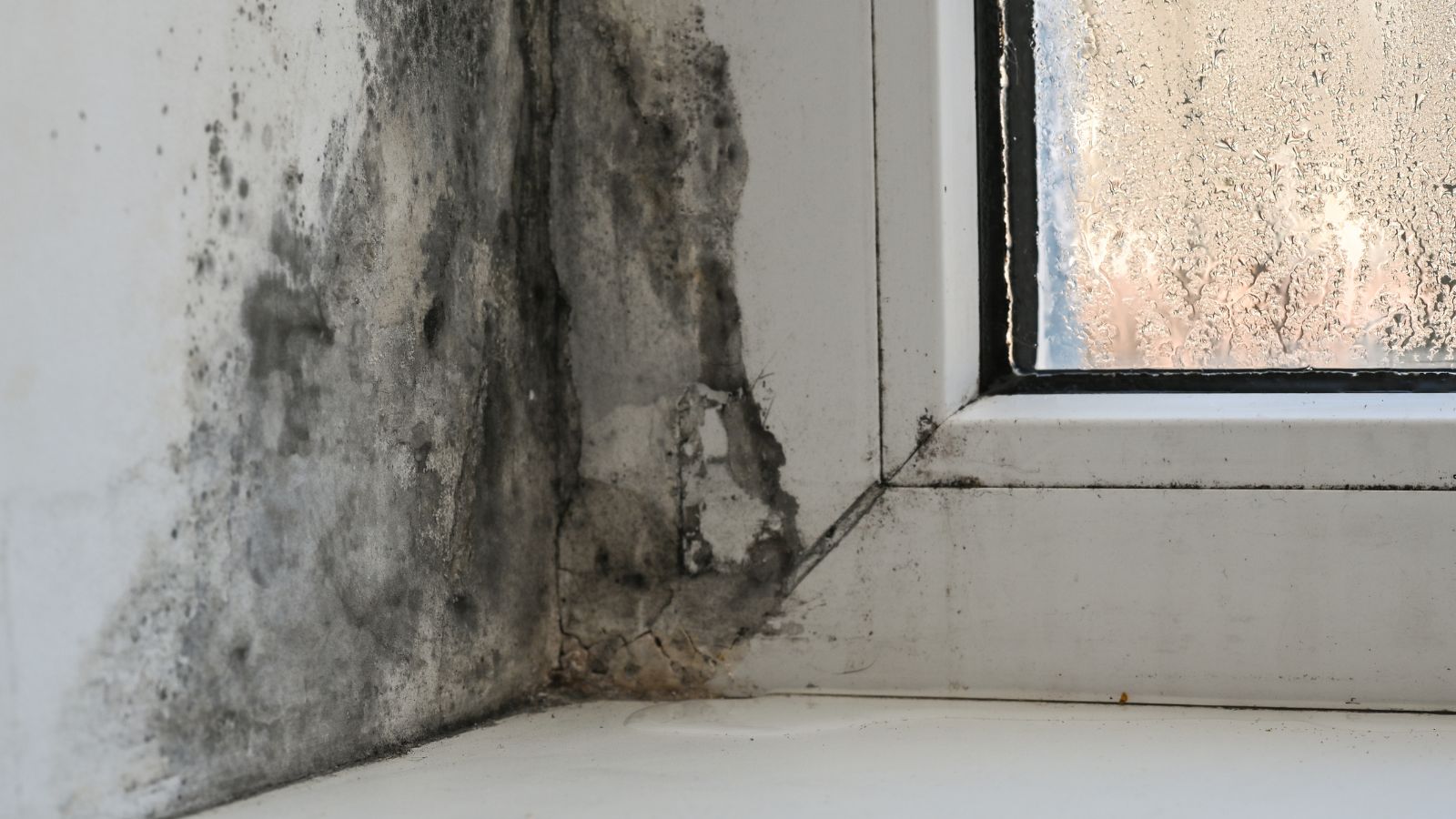
Fresh paint can make an apartment look impressive while concealing the history of a leak. Renters should look around window frames, under sinks, beneath bathroom vanities and along ceilings for staining, swelling, peeling finishes or persistent musty odours. Cabinets can reveal insect activity, while mattresses or upholstered furniture in furnished rentals deserve particular attention. Questions about previous leaks or infestations are worth asking directly.
British Columbia’s official move-in guidance specifically recommends checking ceilings, walls, floors and windows for mould and water damage. The province also states that landlords are generally responsible for controlling insect infestations such as bedbugs, while responsibility for some other pest problems can depend on municipal standards and circumstances. Quebec tribunal decisions similarly illustrate how persistent mice, rats, bedbugs and other conditions can become significant tenancy disputes. A verbal promise that “the exterminator already dealt with it” provides little protection. If evidence of a problem exists, renters should request details about the treatment performed and any outstanding repairs before committing to the property.
Test the Appliances, Plumbing and Basic Fixtures

A refrigerator that hums during a viewing is not necessarily working properly, and a dishwasher that looks new may not have been used in months. Where possible, renters should test included appliances, turn on faucets, flush toilets, check shower pressure and confirm that drains empty normally. Windows and locks should operate smoothly, and damaged electrical receptacles or exposed wiring should be raised immediately rather than added to a post-move wish list.
British Columbia’s move-in inspection guidance specifically advises testing sinks, showers, bathtubs and appliances. The province also states that landlords are responsible for maintaining appliances and services specifically included in the tenancy agreement. Ontario similarly places general repair obligations on landlords and requires residential complexes to meet applicable health, safety, housing and maintenance standards. The lease should identify which appliances actually form part of the rental. A washer sitting in the basement is less useful if the landlord later says it was left by a previous tenant and was never included. Written descriptions reduce that ambiguity and establish a clearer expectation when something stops working.
Put Every Promised Repair in Writing

Statements such as “that will be fixed before move-in” are easy to make during a showing. They are much harder to prove after the lease is signed and the landlord remembers the conversation differently. If the unit needs new flooring, a repaired window, painting, plumbing work or replacement appliances, the agreement or a written addendum should identify the work and, preferably, when it will be completed.
Quebec’s official lease guidance recognizes that a landlord and tenant may agree on work to be completed and a timetable, while maintaining certain basic obligations concerning cleanliness and habitability. B.C. advises landlords and tenants to communicate clearly in writing, and changes to a tenancy agreement generally require written agreement from both sides except in circumstances permitted by law. Ontario’s standard lease also states that agreed changes should be put in writing. The practical difference is substantial. “Landlord will replace the broken bedroom window by October 1” creates a clearer record than “window to be looked at.” Renters should save emails, signed addenda and photographs alongside the lease for the entire tenancy.
Review the Rules on Landlord Entry and Privacy

Signing a lease does not ordinarily mean agreeing to unrestricted landlord access. Renters should examine any clauses describing inspections, maintenance visits and showings, especially language suggesting that management can enter “at any time.” Provincial statutes generally establish circumstances and notice requirements that contractual wording cannot simply erase.
Ontario usually requires at least 24 hours’ written notice for many permitted entries, with specified exceptions such as emergencies or consent at the time. British Columbia generally requires at least 24 hours’ written notice and sets rules governing the purpose and timing of entry. Alberta likewise generally requires at least 24 hours’ written notice for non-consensual entry for authorized reasons. Quebec requires 24 hours’ notice for various inspections and repair visits, subject to emergencies and other specific rules. A renter working from home may care about this particularly strongly. Asking how management normally schedules inspections and repairs can reveal whether the building’s everyday practices match the legal framework written on paper.
Clarify Snow, Ice, Yard and Seasonal Maintenance Duties

Fall renters should find out who handles the jobs that will become unavoidable a few weeks after move-in. In a large apartment tower, snow removal and exterior maintenance are usually clearly managed. In a duplex, basement apartment or rented house, responsibilities can feel much less obvious. The agreement should explain expectations for exterior areas, lawns, garbage, common entrances and any other routine chores connected with the property.
Provincial guidance reinforces the importance of defining maintenance responsibilities rather than improvising later. Alberta recommends that tenancy agreements identify care, maintenance and repair duties. Ontario’s standard lease distinguishes the landlord’s statutory repair responsibilities from the tenant’s obligation to maintain ordinary cleanliness, while B.C. similarly separates basic tenant upkeep from most landlord repairs. Exact legal responsibility can depend on the province, property type and specific task, so renters should not assume a handwritten “tenant does all maintenance” clause resolves every question. A clear discussion before the first snowstorm is preferable to discovering in January that two households each believed the other was responsible for an icy walkway.
Confirm Parking, Storage, Amenities and Condo Rules

Parking can become surprisingly valuable once street restrictions, snow routes and winter weather arrive. The lease should identify the exact parking space, whether it is indoor or outdoor, what it costs and whether electricity for a block heater or EV charging is included. Storage lockers, bicycle rooms, gyms and other amenities should receive the same treatment. A verbal statement that a locker “comes with the place” can be difficult to enforce if it never appears in the agreement.
Ontario’s standard lease specifically provides space to identify parking and included services. It also requires condominium rentals to be identified, with renters agreeing to follow condo declarations, bylaws and rules supplied by the landlord. Ontario’s Condominium Act requires owners leasing units to provide tenants with the corporation’s declaration, bylaws and rules. B.C. tenancy guidance likewise treats parking and storage listed in the tenancy agreement as services the landlord must maintain. Before signing, condominium and strata renters should therefore read the building rules themselves, particularly restrictions involving parking, moving hours, bicycles, balconies, pets and amenity use.
Read the Pet, Smoking and Cannabis Clauses Carefully

Pet and smoking rules are another area where assumptions imported from another province can cause trouble. In Ontario, ordinary “no pet” clauses in residential leases are generally void, although condominium rules and other legal circumstances can still restrict animals. British Columbia, by contrast, allows tenancy agreements to prohibit or restrict pets and permits a regulated pet damage deposit when a pet is allowed.
Quebec also generally recognizes lease clauses prohibiting animals, although individual cases involving disability-related needs can raise additional considerations. Smoking rules deserve equal attention. Ontario’s standard lease allows landlords and tenants to agree to rules about smoking inside the rental unit, while provincial law restricts smoking in indoor common areas. Quebec lessors can include lease clauses prohibiting cannabis smoking, and interference with neighbours’ enjoyment can create additional issues even where smoking would otherwise be allowed. Renters should disclose pets honestly and read every building rule before signing. Moving in first and arguing about a restriction later can turn a manageable housing search into a serious tenancy dispute.
Understand the Tenant Insurance Requirement

A building owner’s insurance policy should not be confused with insurance protecting the renter’s possessions or personal liability. Before signing, renters should determine whether the lease requires tenant insurance, what type of coverage is expected and whether proof must be supplied annually. Those costs belong in the housing budget alongside utilities, parking and internet.
Ontario’s standard lease contains a specific tenant-insurance section allowing landlord and tenant to agree that liability insurance is required. British Columbia’s guidance for strata tenants notes that strata corporation and landlord insurance do not cover a tenant’s household contents or many tenant-specific expenses. Tenant policies can provide coverage for personal property, liability and additional living expenses after an insured loss, depending on the policy. Alberta also recommends that any insurance requirements be clearly stated in the tenancy agreement. A renter with expensive computers, bicycles or musical equipment should examine policy limits and exclusions rather than assuming a basic package covers everything. The cheapest policy is not necessarily the one that best matches the household’s actual risks.
Know the Rules for Roommates, Occupants, Assignments and Sublets

Life can change significantly during a one-year lease. A student may leave school, a couple may separate, a job may move to another city or a roommate may decide to move out early. Before signing, renters should understand who is formally named as a tenant, whether additional occupants are restricted and what options exist for assigning or subletting the unit.
Ontario’s standard lease notes that where multiple tenants sign, each can be responsible for the tenancy obligations, including the full rent. Quebec’s housing tribunal recommends that joint tenants consider a separate written roommate agreement covering expenses, furniture, chores and departure arrangements. Assignment and subletting rules also differ by province. Alberta generally requires the landlord’s written consent and gives landlords 14 days to provide reasons for refusing a written request. B.C. requires written consent and restricts unreasonable refusal in certain longer fixed-term situations. Ontario also regulates landlord consent to assignments and sublets. Checking these rules before signing provides something valuable that is easy to overlook during a competitive fall housing search: an exit plan.
16 Costco Canada Habits That Could Be Costing Shoppers More Than They Save

The Executive Membership can feel like an obvious upgrade because the 2% annual reward sounds straightforward. For households that spend heavily at Costco Canada, the extra fee may be easy to justify. But the habit becomes costly when shoppers upgrade first and calculate later. A Gold Star Membership costs less, while Executive costs more and only pays off if eligible annual spending is high enough to offset the difference.
16 Costco Canada Habits That Could Be Costing Shoppers More Than They Save
This Options Discord Chat is The Real Deal
While the internet is scoured with trading chat rooms, many of which even charge upwards of thousands of dollars to join, this smaller options trading discord chatroom is the real deal and actually providing valuable trade setups, education, and community without the noise and spam of the larger more expensive rooms. With a incredibly low-cost monthly fee, Options Trading Club (click here to see their reviews) requires an application to join ensuring that every member is dedicated and serious about taking their trading to the next level. If you are looking for a change in your trading strategies, then click here to apply for a membership.