35,000+ smart investors are already getting financial news, market signals, and macro shifts in the economy that could impact their money next with our FREE weekly newsletter. Get ahead of what the crowd finds out too late. Click Here to Subscribe for FREE.
Autumn gives Canadian homeowners a short but valuable window to fix problems that become harder, riskier, or more expensive once snow and freezing temperatures arrive. A loose shingle can become a winter leak, a poorly drained window well can fill with meltwater, and a forgotten outdoor tap can expose plumbing to freezing conditions. The priorities vary somewhat between rainy coastal regions, freeze-thaw zones, and places that face prolonged deep cold, but the principle is the same: water, air leakage, heating and exterior safety deserve attention before winter settles in. These 19 fall home repairs focus on vulnerable parts of the house where modest work in September, October, or early November can help prevent uncomfortable surprises in the coldest months.
Repair Damaged Shingles and Loose Flashing
19 Fall Home Repairs Canadians Should Not Put Off Until Winter
- Repair Damaged Shingles and Loose Flashing
- Fix Leaking Eavestroughs and Misaligned Downspouts
- Seal Foundation Cracks Before Snowmelt Finds Them
- Correct Ground That Slopes Toward the House
- Repair Leaky Basement Windows and Window Wells
- Repair Damaged Siding and Open Exterior Joints
- Re-Caulk Windows, Doors and Exterior Penetrations
- Replace Worn Weatherstripping and Door Sweeps
- Service a Heating System That Is Already Showing Trouble
- Clean and Repair Chimneys and Fireplace Components
- Repair and Drain Outdoor Faucets Before the Freeze
- Insulate Vulnerable Pipes and Fix Stubborn Shutoff Valves
- Repair Sump Pumps and Service Backwater Valves
- Fix Attic Air Leaks, Insulation Gaps and Blocked Ventilation
- Repair Cracked Walkways, Loose Steps and Wobbly Railings
- Repair Loose Deck Boards and Unstable Railings
- Remove Dead or Dangerous Branches Near the House
- Replace Faulty Smoke and Carbon-Monoxide Alarms
- Find and Fix Moisture Problems Before They Become Mould Problems
- 16 Costco Canada Habits That Could Be Costing Shoppers More Than They Save

A roof does not need an obvious leak to be asking for repairs. Missing, curled or damaged shingles, lifted flashing around chimneys and plumbing vents, and deteriorated seals around skylights can all create openings for water. Fall is a practical time to have those defects corrected because snow and ice can hide the roof surface for months. Canadian home-inspection guidance recommends checking roofs for damaged or missing material and paying particular attention to flashing around penetrations, where leaks commonly begin.
A homeowner might notice only one shingle sitting on the lawn after a windstorm and assume the problem is minor. That missing piece, however, can leave the layers beneath more exposed to rain, melting snow and wind-driven moisture. Roof inspections are generally safer from the ground with binoculars, while actual repairs are often better handled by a roofer. The important point is not to wait for a ceiling stain in January to confirm that a September defect mattered.
Fix Leaking Eavestroughs and Misaligned Downspouts
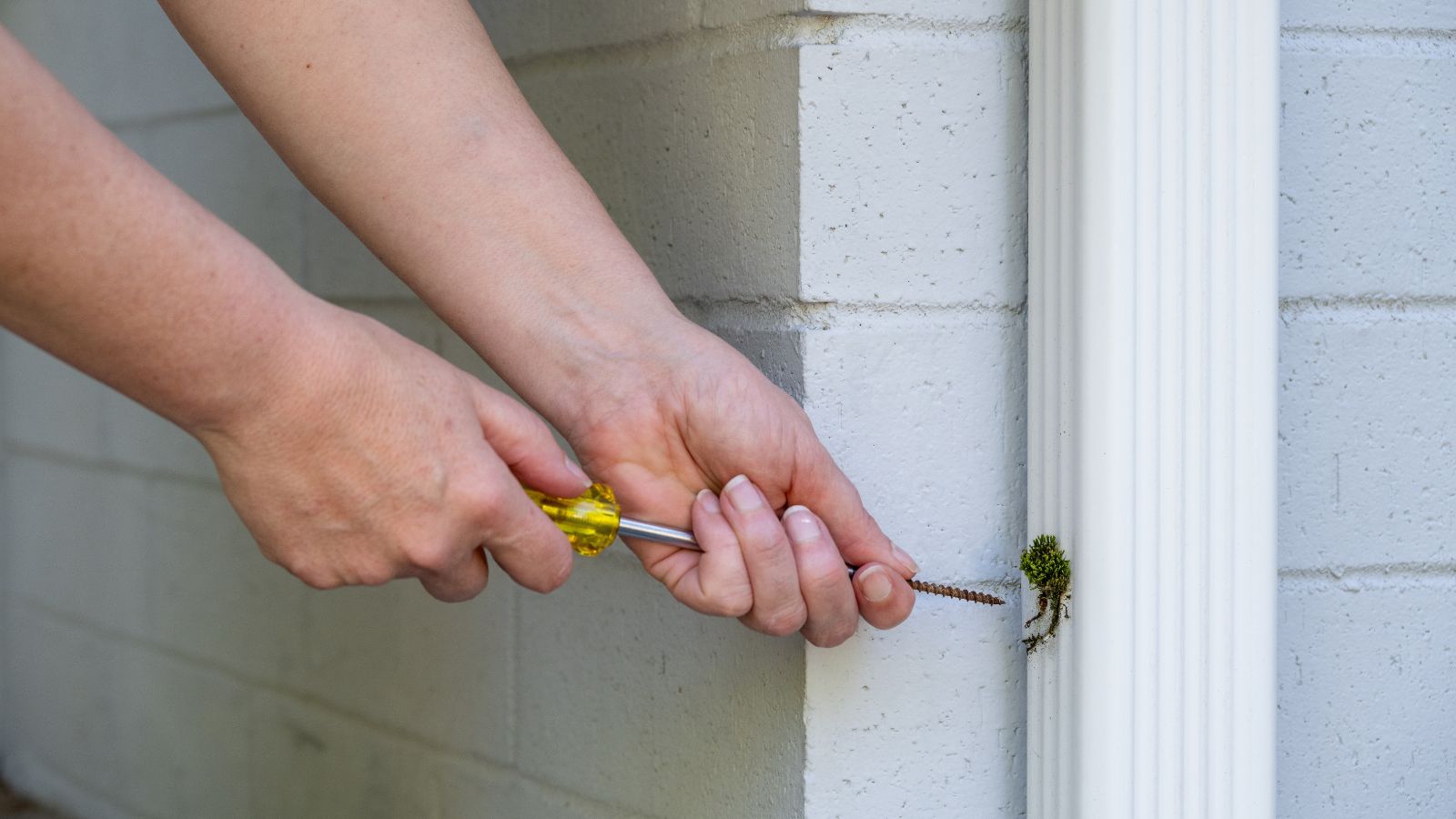
Leaves, needles and roof debris can turn an otherwise functional eavestrough into an overflowing channel by late fall. The federal government’s flood-prevention guidance recommends checking eavestroughs and downspouts at least twice each year, particularly in spring and fall. Small cracks can be sealed, loose sections secured, and downspouts corrected so roof water is carried away rather than dumped beside the basement wall.
Distance matters as much as cleanliness. Federal emergency-preparedness guidance recommends directing downspout discharge at least two metres away from the foundation where appropriate. Consider a house where one downspout has been kicked sideways during summer landscaping: every autumn rain may now be depositing water beside the wall instead of across the yard. Once temperatures fluctuate around freezing, that same drainage problem can contribute to ice buildup. Clearing debris is maintenance; repairing sagging joints, leaks, missing extensions or poor alignment is the part worth completing before winter.
Seal Foundation Cracks Before Snowmelt Finds Them
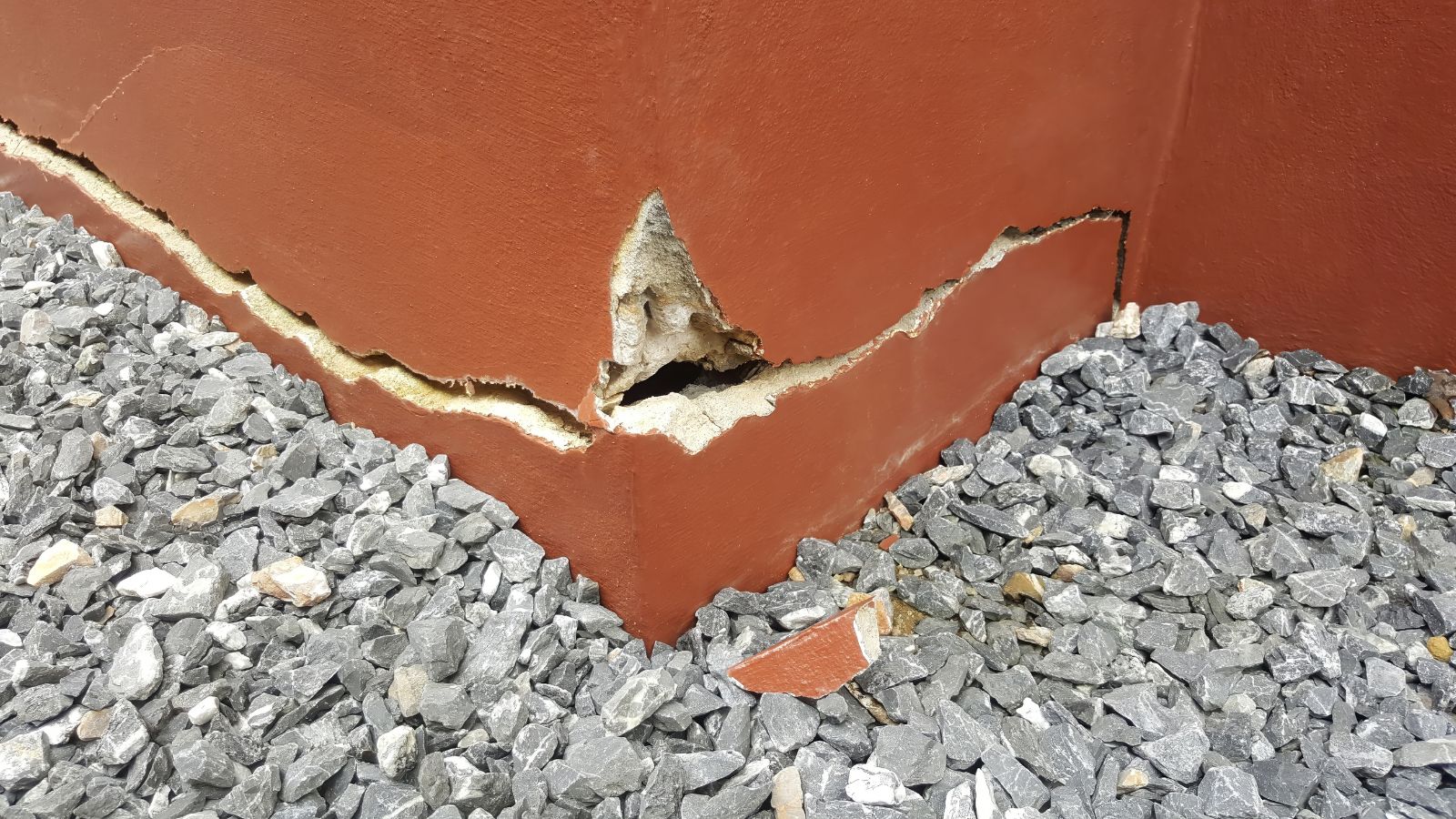
A narrow crack in exposed concrete can look harmless during a dry September afternoon. The concern is what happens when rain, groundwater, ice and eventually snowmelt encounter that opening. Public Safety Canada’s flood-resilience guidance recommends inspecting foundations at least annually and watching cracks for both moisture and changes in size or direction. Openings around pipes, vents, windows and doors set into the foundation deserve attention as well.
Minor cracks may sometimes be sealed with an appropriate concrete-compatible product, but widening cracks, extensive cracking or persistent water infiltration warrant professional assessment. The cause matters: simply covering a symptom does not correct settlement, drainage problems or other underlying issues. A useful fall inspection includes both sides of an accessible foundation wall. Damp spots, bubbling finishes, peeling paint or staining in the basement can help identify an exterior problem that is easy to overlook. Repairing the water-entry route before frozen ground limits access is considerably more practical than chasing a leak during a midwinter thaw.
Correct Ground That Slopes Toward the House

Not every basement-water problem starts with a broken pipe or failed foundation. Sometimes the yard itself is directing water toward the building. Federal flood guidance recommends checking property grading in both spring and fall, looking for low spots, erosion and places where rainwater pools close to the house. Proper grading sends water away from the foundation rather than increasing the load on drainage systems below ground.
Government guidance identifies a roughly 5% slope as an ideal target in many situations—about an eight-centimetre drop over 1.5 metres—with 2% often considered a minimum, although paved areas and unusual properties can require professional design. Imagine a flower bed that has slowly settled over several seasons until it forms a shallow basin beside the basement wall. Autumn rain and spring meltwater now have an easy place to collect. Adding suitable soil or correcting drainage before freezing temperatures can restore the intended slope. Significant regrading, however, should account for neighbouring properties, drainage swales and local rules.
Repair Leaky Basement Windows and Window Wells
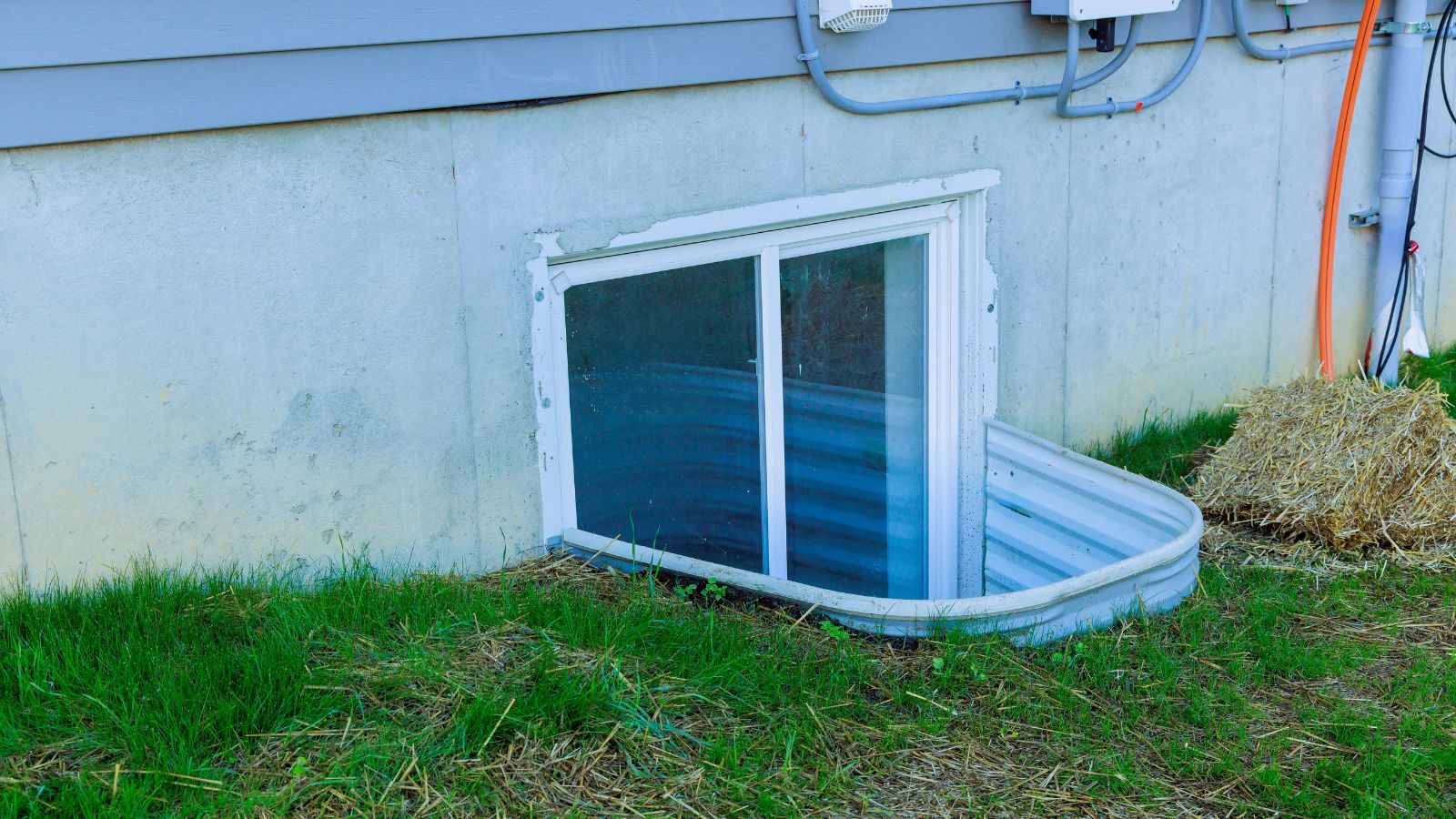
Basement windows sit in one of the most vulnerable parts of a house: close to ground level, where runoff, snow and debris tend to accumulate. Canada’s flood-prevention guidance describes cracked or improperly sealed basement windows and neglected window wells as potential weak points for water entry. Fall is therefore a good time to replace damaged glass, renew failed exterior seals and investigate water staining around frames.
Window wells deserve equal attention. Their below-grade design naturally makes them collection points for leaves, dirt, rain, ice and snow. Debris can interfere with drainage, allowing water to build against a window that was never intended to withstand a small pond. A typical warning sign is a well filled with leaves after an autumn storm, especially when the gravel underneath can no longer drain freely. Clearing the blockage helps, but loose well edges, cracked seals and defective covers should also be repaired. Egress windows require particular care because any cover or alteration must preserve safe emergency escape.
Repair Damaged Siding and Open Exterior Joints
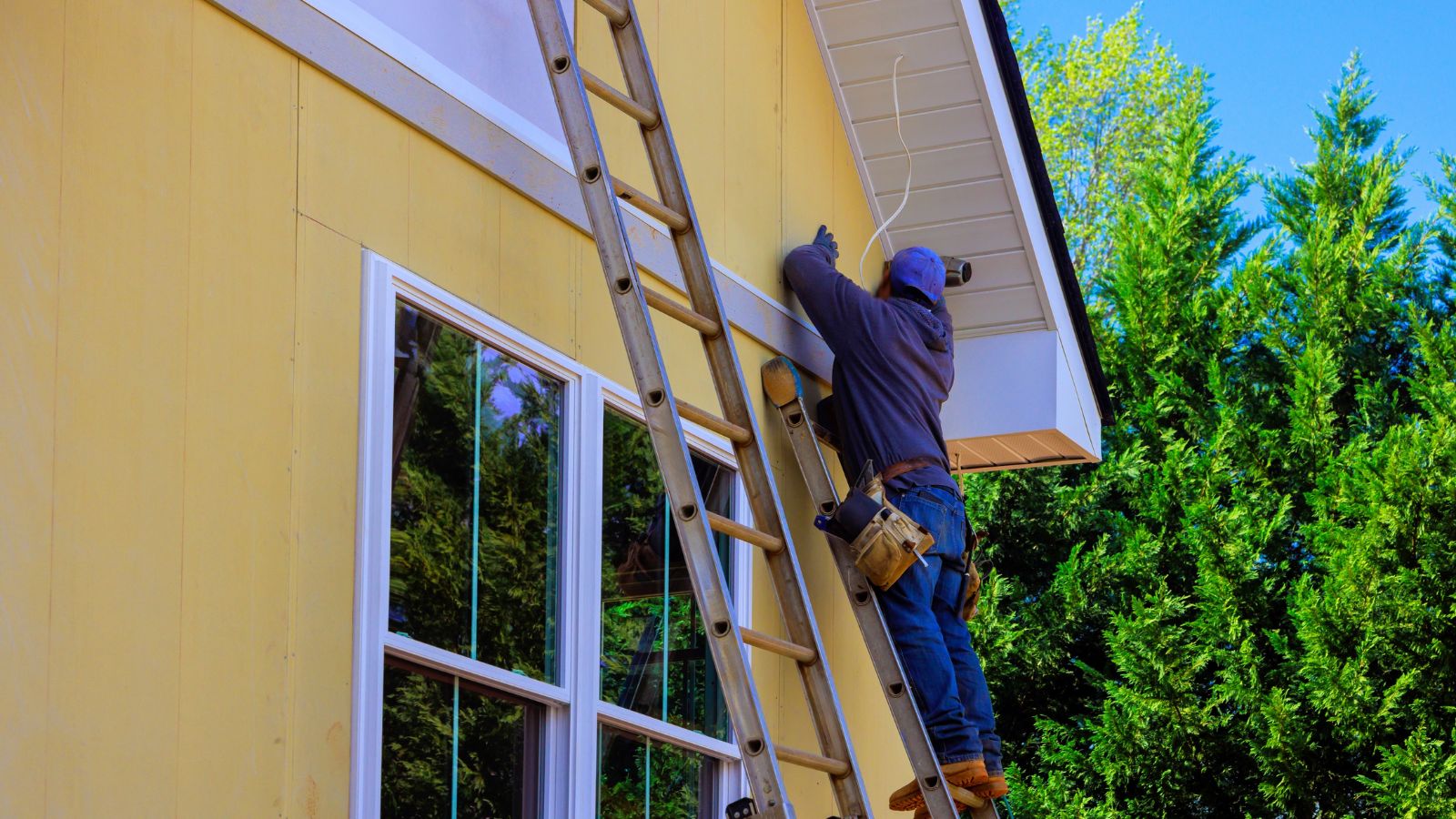
Loose siding, deteriorated stucco, damaged masonry and open joints are easy to postpone because they may appear cosmetic. The exterior wall assembly, however, is part of the home’s water-management system. Natural Resources Canada emphasizes the importance of drainage planes and weather barriers behind exterior finishes so rain and moisture can be managed without damaging the wall structure. Openings that allow uncontrolled water entry deserve attention before winter.
Fall inspection is especially useful after a summer of thunderstorms, heat and construction activity. A loose siding panel near a corner, for example, may move more dramatically during winter winds. Cracked sealant around an exterior penetration can also provide a route for moisture. NRCan has estimated that exterior walls can account for roughly 20% of heat loss in a home, although insulation, air leakage and construction type determine the actual figure. Repairs should preserve the wall’s intended drainage and drying paths rather than simply sealing every visible gap. Complex masonry, stucco or recurring moisture problems are good candidates for professional diagnosis.
Re-Caulk Windows, Doors and Exterior Penetrations

A thin crack in old caulking may be only a few millimetres wide, yet hundreds of similar gaps can make a house noticeably draftier. Natural Resources Canada identifies comprehensive air-leakage control as a major retrofit priority and recommends sealing appropriate gaps around windows, doors, wall penetrations and other parts of the building envelope. Fall weather often makes these defects easier to spot because windy days reveal drafts before severe cold arrives.
Caulking also has to be applied in the right location. Exterior sealant is only one part of good water management; flashing and drainage details remain essential. Homeowners should look for brittle, separated or missing sealant around frames, utility penetrations and other joints that are intended to be sealed. Consider a basement cable opening where the old bead has pulled away from the concrete: that opening may admit both air and moisture. Removing failed material and installing a compatible sealant can be straightforward, while recurring leakage indicates that the actual problem may be flashing or drainage rather than caulking alone.
Replace Worn Weatherstripping and Door Sweeps

Weatherstripping works quietly until it stops working. Flattened foam, torn rubber, missing door sweeps and seals that have hardened with age can leave obvious cold-air paths around otherwise serviceable windows and doors. Natural Resources Canada notes that windows, doors and skylights together can account for up to 35% of total house heat loss, making poorly sealed openings particularly noticeable during the heating season.
The repair can be modest. A front door that closes securely in summer may leave a visible gap along the threshold when temperatures fall and materials shift. Replacing the bottom seal or adjusting the hardware may solve the problem without replacing the entire door. NRCan recommends periodically checking weatherstripping for wear and choosing material appropriate to the gap and type of opening. Operable windows should still open smoothly after repair, and bedroom egress requirements must never be compromised by permanently sealing a required escape opening. Completing this work in fall makes it much easier to judge results when the first cold, windy days arrive.
Service a Heating System That Is Already Showing Trouble

The first truly cold night is a bad time to discover a furnace that cycles erratically, a boiler that will not hold pressure, or a heating system that has been making unusual noises since spring. Natural Resources Canada recommends preventive heating-system maintenance and advises homeowners to clean or replace forced-air filters regularly. NRCan consumer guidance also recommends annual servicing for furnaces and heat- or energy-recovery ventilators to help keep systems operating effectively.
Fall repairs should go beyond simply changing a filter when there are signs of malfunction. Uneven heat, repeated shutdowns, unusual smells, new noises or ignition problems justify professional attention before the system is working continuously. Fuel-burning equipment adds a safety dimension because improper combustion or venting can create carbon-monoxide hazards. A family might tolerate one cool bedroom in October, only to find the imbalance far more serious at -20°C. Scheduling qualified service before winter gives technicians an opportunity to address failing components, blocked airflow or control problems while the household still has comfortable alternatives.
Clean and Repair Chimneys and Fireplace Components

Fireplaces and wood stoves often sit unused through summer, which makes autumn the moment when hidden problems finally matter. Health Canada recommends keeping fuel-burning appliances well maintained and having them professionally inspected at least annually or according to manufacturer instructions. For wood-burning fireplaces, Health Canada specifically advises having the chimney cleaned every year. Chimneys should also be checked for obstructions and damaged venting.
Problems can range from accumulated deposits to damaged components, disconnected vent pipes or debris that has entered during warmer months. Even a nest or other obstruction can interfere with proper exhaust. Carbon monoxide is especially dangerous because people cannot see, smell or taste it. Before lighting the first fire of the season, homeowners should therefore treat cracked firebrick, deteriorated chimney caps, loose connections and questionable draft performance as repair issues rather than winter projects. Someone who discovers smoke entering the room instead of rising cleanly through the flue should stop using the appliance and arrange professional inspection rather than continuing to experiment.
Repair and Drain Outdoor Faucets Before the Freeze
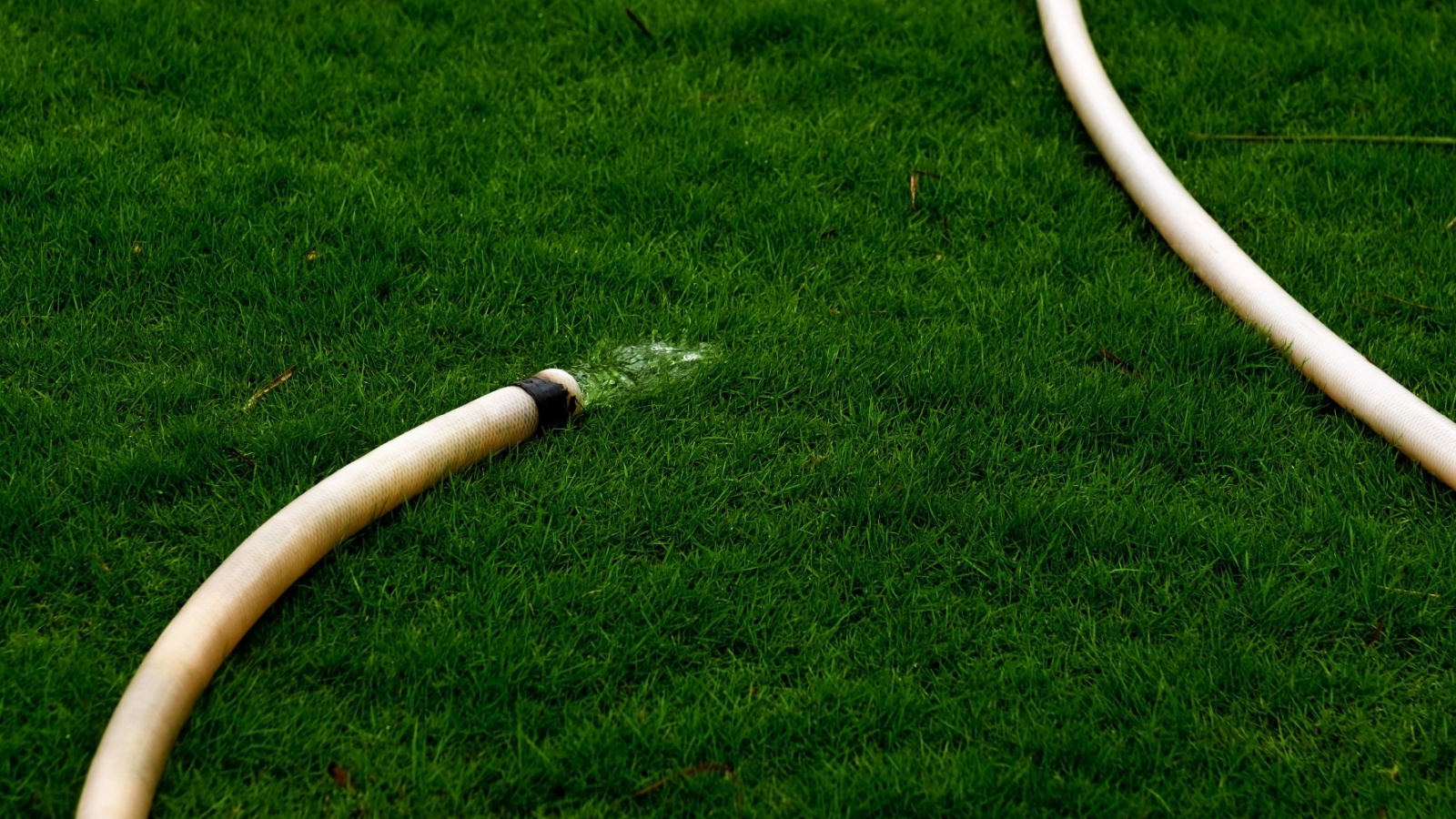
A garden hose left attached to an outdoor faucet can easily remain forgotten after the final lawn watering. Canadian housing guidance recommends draining and storing outdoor hoses, closing the valve serving the exterior connection where applicable, and draining the hose bib unless the house is equipped with a frost-proof design. Current Canadian seasonal-maintenance guidance similarly recommends shutting down outdoor taps before freezing weather arrives.
Fall is also the time to repair faucets that drip, valves that will not close completely or connections that have leaked during summer. A defective interior shutoff defeats much of the winterizing process if water cannot actually be isolated. Homes differ significantly: some have frost-free sillcocks, some have interior valves with drain ports, and older properties may have less protected plumbing. The goal is to prevent water from remaining where freezing could cause trouble. Discovering a seized valve in October gives a plumber time to replace it; discovering the same problem during an extreme-cold warning makes the job more urgent and disruptive.
Insulate Vulnerable Pipes and Fix Stubborn Shutoff Valves
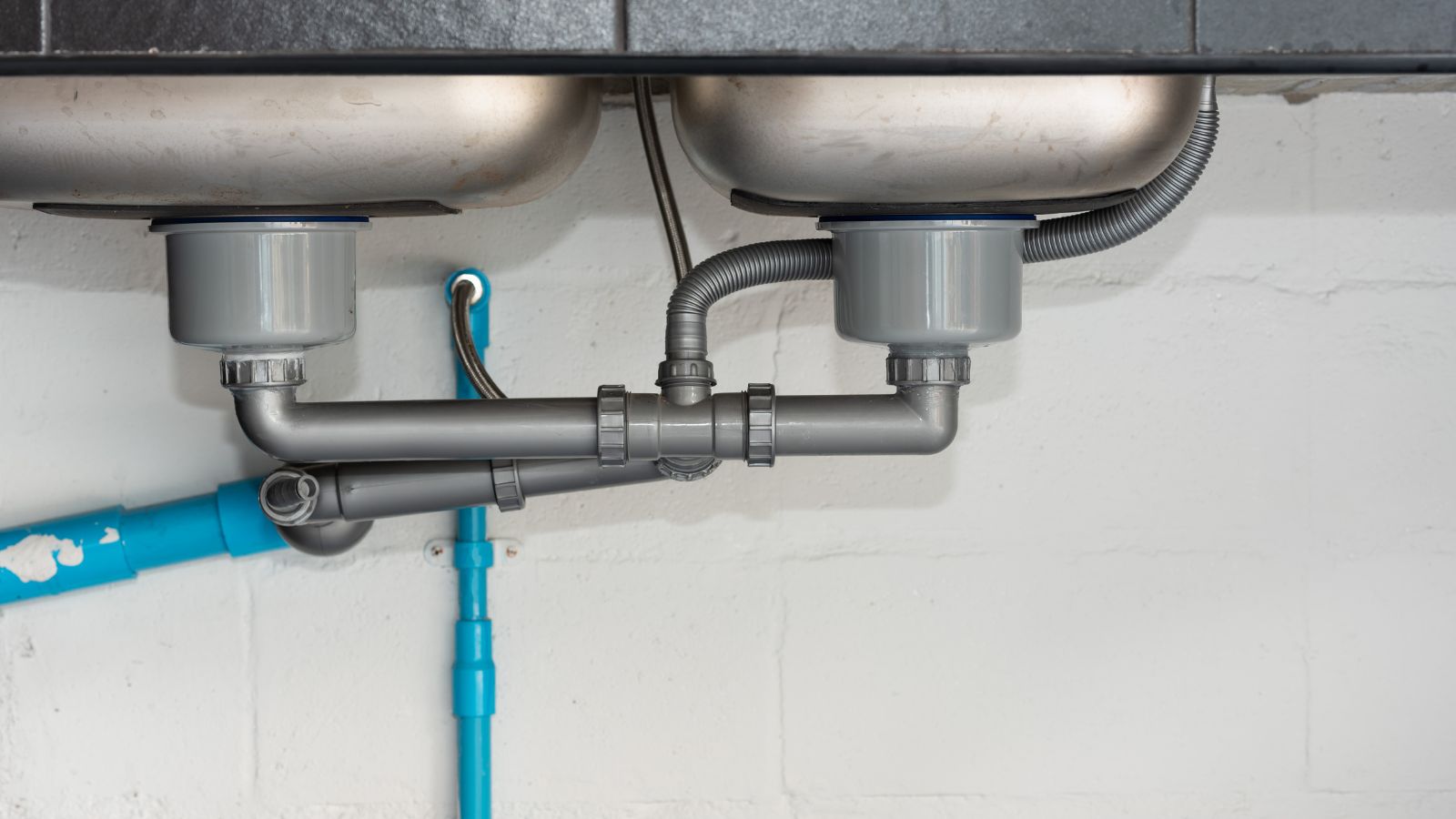
Plumbing that runs through unheated crawlspaces, near exterior walls or in other cold locations deserves attention before prolonged freezing weather. Insurance Bureau of Canada recommends fitting exposed pipes with insulation sleeves or wrapping to help reduce freezing risk. It also advises homeowners to know where plumbing shutoff valves are located so water can be stopped quickly if a pipe freezes and bursts.
Fall repairs might include securing loose pipe insulation, insulating an exposed section that was missed during an earlier renovation, or replacing a main shutoff that no longer operates properly. A valve that has not moved in years can appear reassuring until an emergency proves otherwise. The same principle applies to localized shutoffs under sinks or around utility equipment. Pipe insulation is not a substitute for adequate heat or proper plumbing design, but it can provide additional protection in vulnerable locations. If pipes have frozen repeatedly in previous winters, the underlying placement, insulation or air-leakage problem should be investigated rather than treating each freeze as an isolated incident.
Repair Sump Pumps and Service Backwater Valves
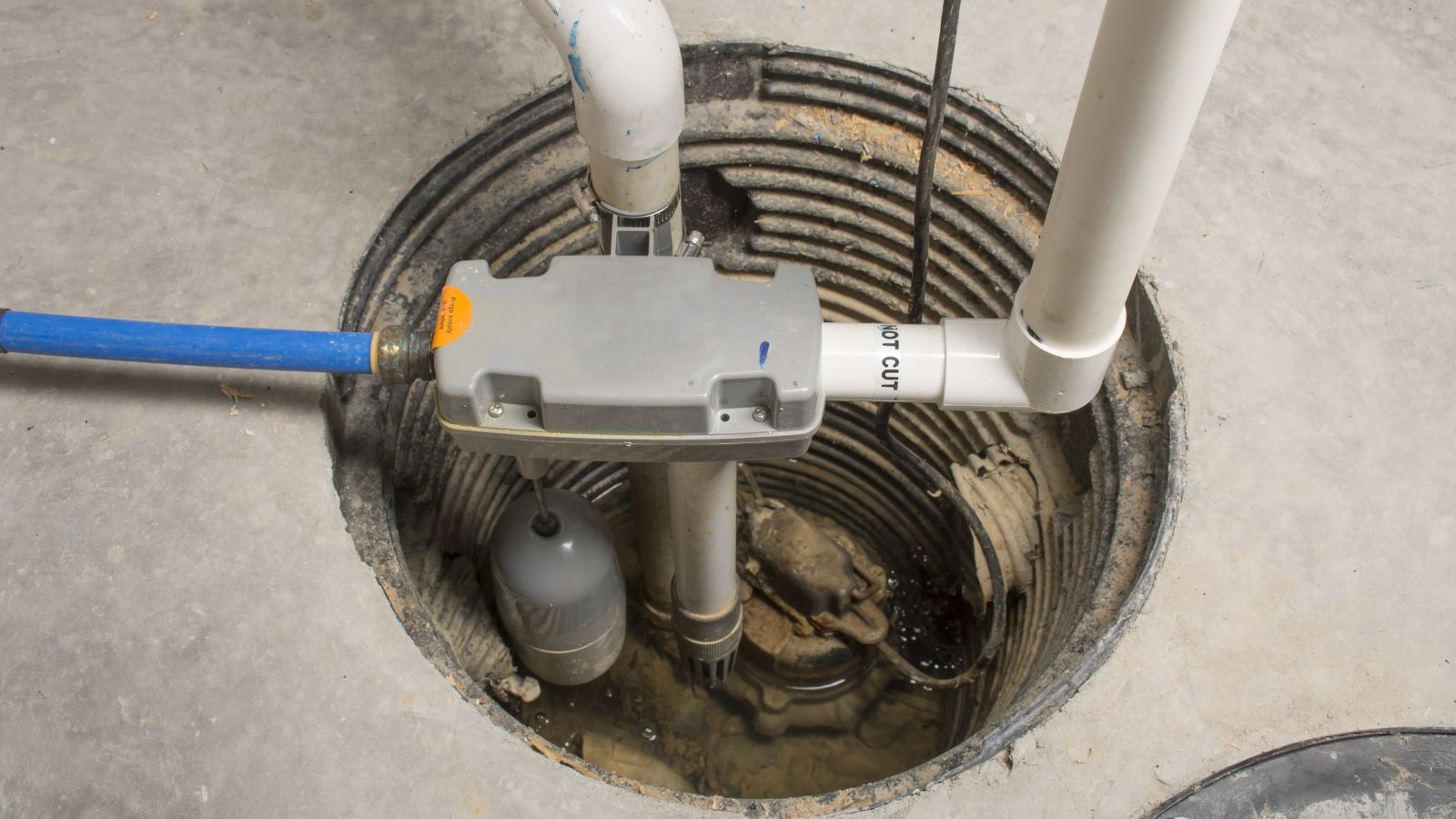
A sump pump can sit quietly for months before suddenly becoming essential during heavy rain or rapid snowmelt. Canada’s flood-prevention program recommends testing sump pumps at least annually and treating them as part of a home’s broader drainage system. Backwater valves also require inspection and maintenance so their gates, flaps, seals and access components continue to work as designed.
The financial stakes can be substantial. Federal guidance notes that the average cost of repairing a flooded basement can exceed $40,000. That makes a pump that hums but fails to move water, a jammed float, a damaged discharge line or a backwater valve clogged with debris worth addressing before winter. Backup pumps and battery-supported systems can add resilience where outages are a concern. Backwater-valve work often requires a plumber because installation, access and municipal requirements vary. The practical fall test is simple: determine whether each protection device will actually operate when needed rather than assuming that equipment installed years ago is still functioning correctly.
Fix Attic Air Leaks, Insulation Gaps and Blocked Ventilation
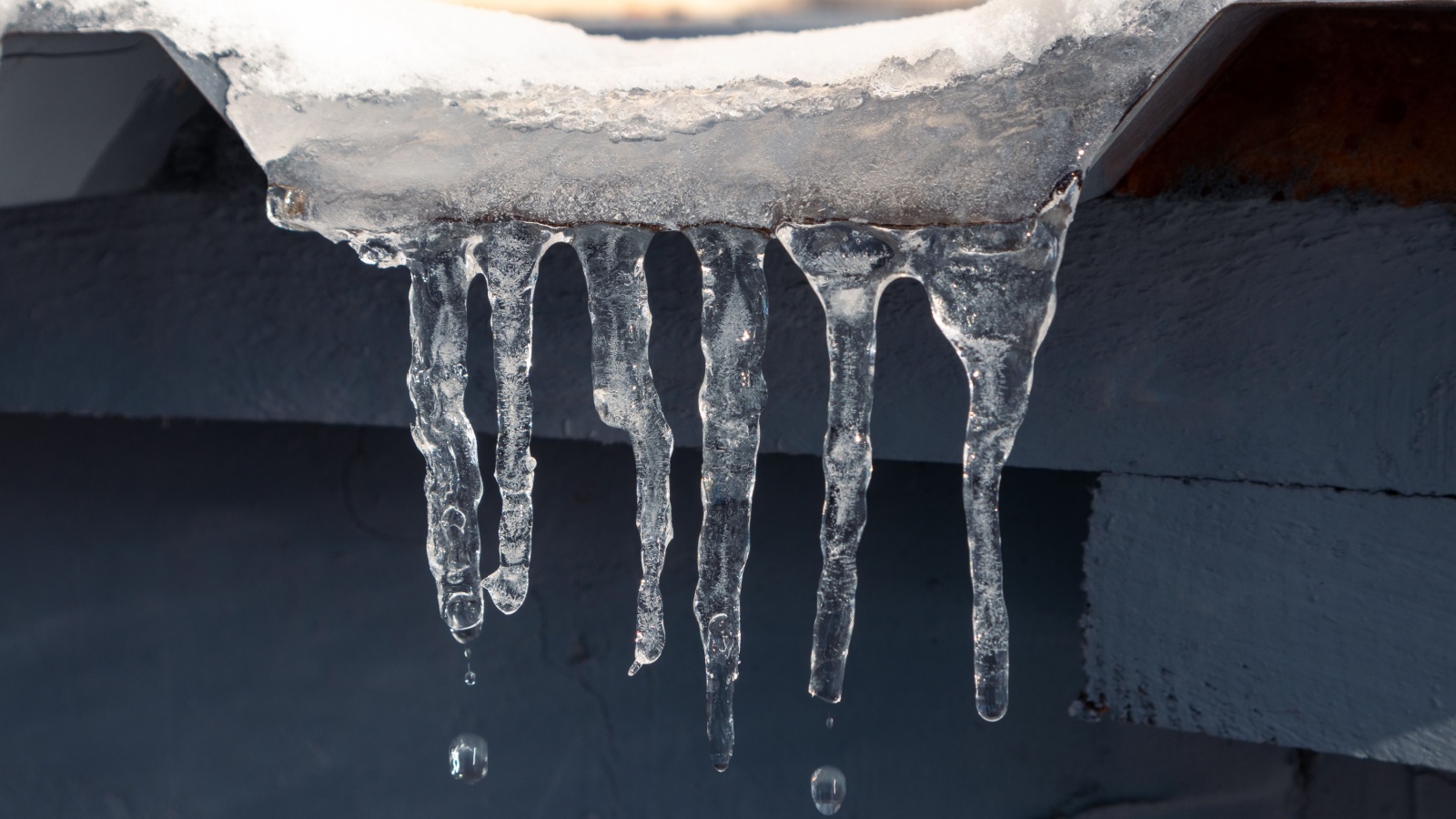
Ice dams are a winter roof problem whose causes often begin inside the house. Natural Resources Canada explains that warm air leaking into an attic can heat the roof deck, melting snow that later refreezes near colder eaves. A well-sealed and properly insulated attic helps keep the roof colder and reduces the conditions that encourage this cycle. Existing vents also need to remain unobstructed so the attic assembly functions as designed.
Fall is the right time to investigate staining, damp insulation, obvious gaps around penetrations, poorly sealed attic hatches and blocked soffit vents. NRCan notes that particularly heavy attic frost—around 10 millimetres or more—can signal a need to examine air sealing and ventilation. An old bathroom duct leaking warm, moist air into the attic is one example of a small defect with larger consequences. Adding insulation without correcting air leakage or existing moisture problems can make matters worse, so signs of rot, mould or recurring ice dams warrant a building-science approach rather than simply piling on more insulation.
Repair Cracked Walkways, Loose Steps and Wobbly Railings
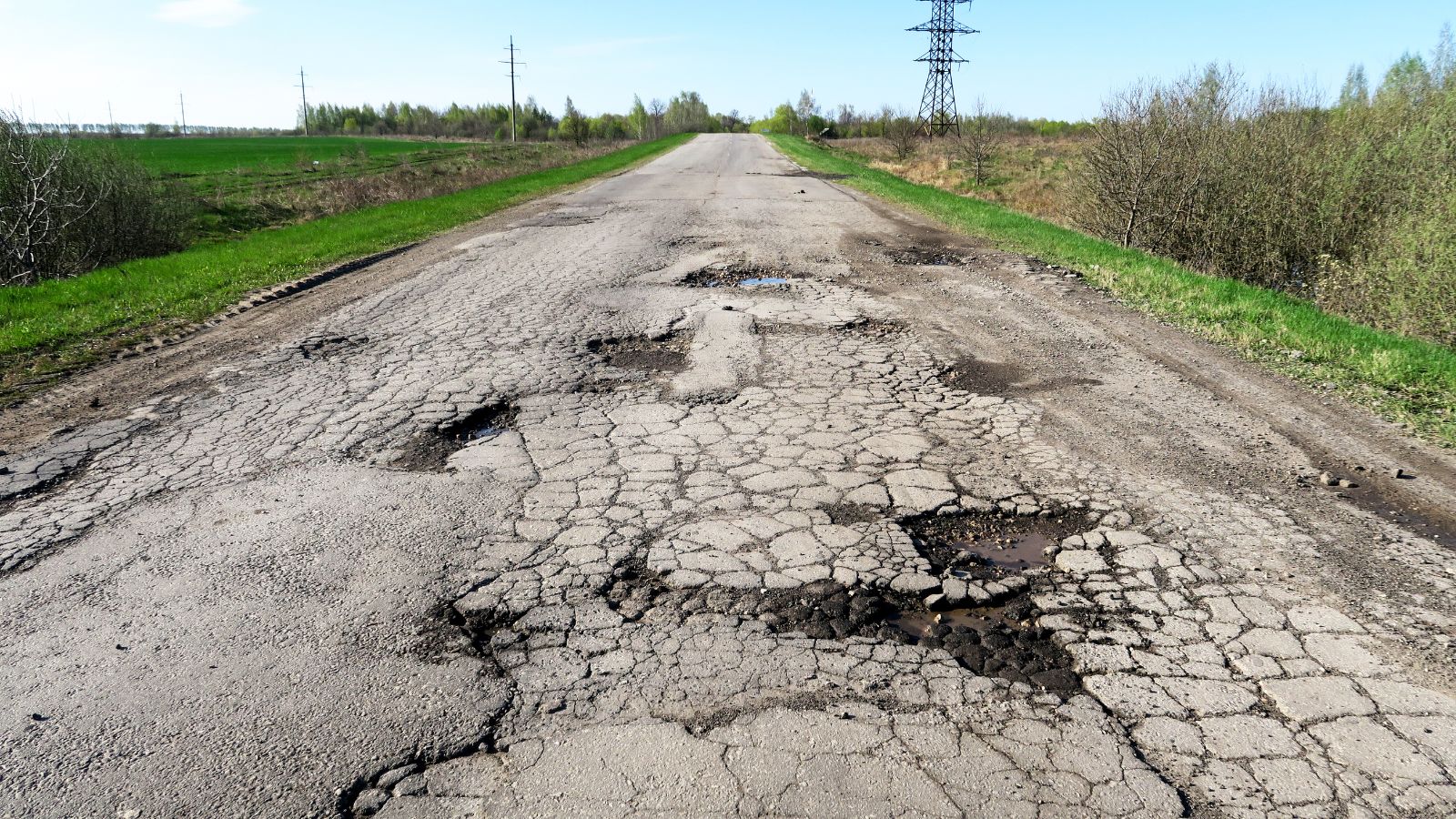
A slightly raised walkway slab is easy to see on a dry October afternoon. After it disappears beneath packed snow, the same uneven surface becomes much harder to recognize. Canadian seasonal-maintenance guidance specifically includes repairing driveways and walkways before winter, while winter-safety guidance emphasizes keeping walking surfaces clear and properly maintained when snow and ice arrive.
Fall repairs should focus on hazards that will become less visible or more difficult to correct in freezing weather. Loose stair treads, unstable handrails, crumbling concrete edges and rocking pavers all deserve attention. Drainage matters too: a depression that repeatedly holds rainwater in fall may become an icy patch once temperatures fall below freezing. Not every crack requires complete replacement, but movement, significant deterioration or loose structural components should be assessed. For many households, the front steps are crossed several times every day, including by children, delivery workers and visitors, making a secure rail or level tread a practical safety repair rather than a cosmetic improvement.
Repair Loose Deck Boards and Unstable Railings
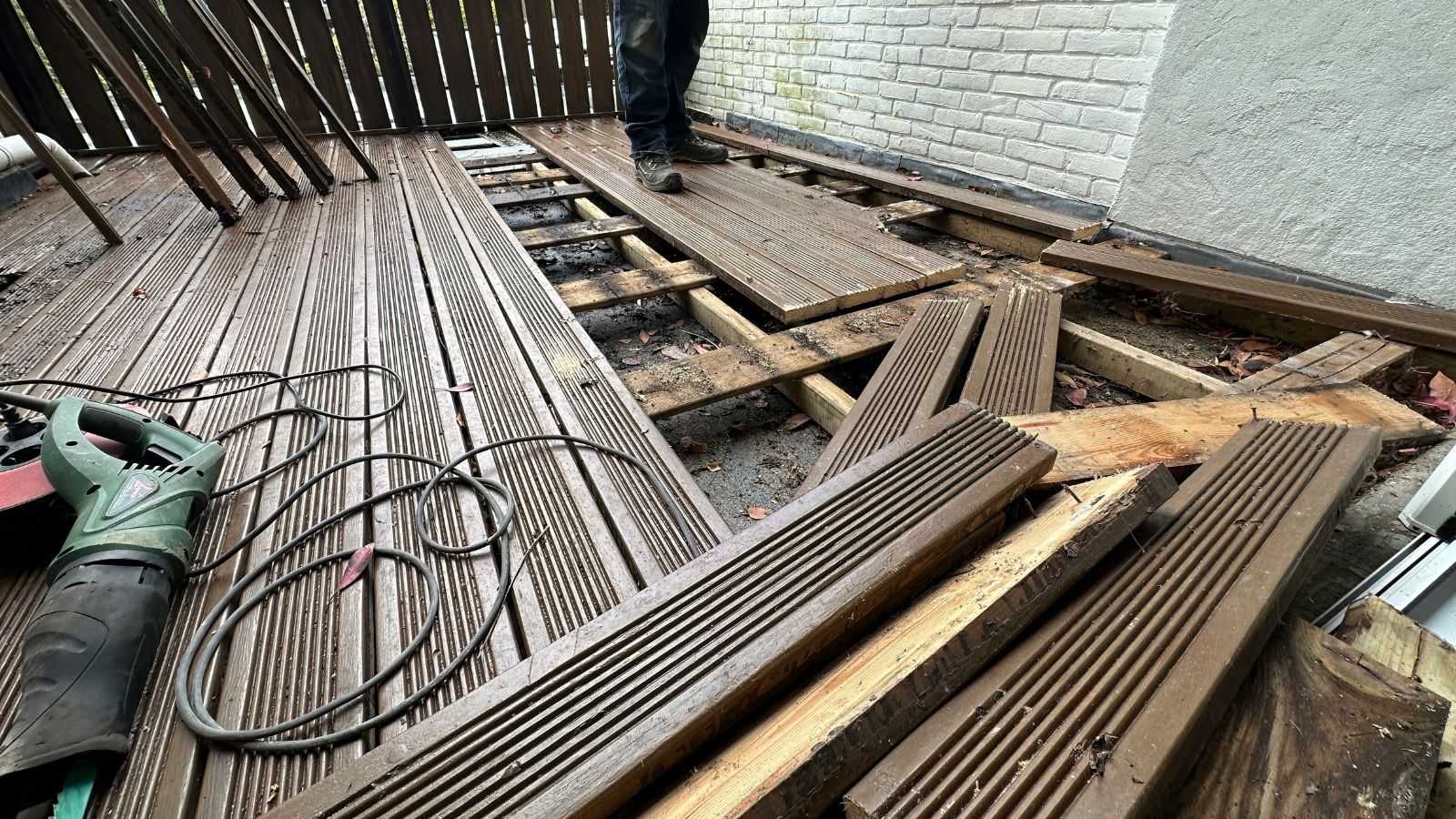
Decks may receive less use once barbecue season ends, but that makes fall a useful time to notice problems without furniture and summer activity getting in the way. Canadian seasonal home-maintenance guidance recommends inspecting and sealing decks before winter. Loose boards, missing fasteners, soft areas and unstable railings are common warning signs that should be repaired rather than buried under snow for several months.
A board that flexes underfoot may indicate a simple fastener problem, or it may point to deterioration beneath the surface. Likewise, tightening one screw on a wobbly railing will not solve decay at a post connection. Snow and repeated wetting can keep exterior wood damp for long periods, so autumn inspection should include the visible structure as well as the walking surface. Clearing leaves and debris also makes defects easier to see. Structural concerns around ledger boards, posts or major framing deserve professional attention. Winter is a poor season to discover that the handrail beside a snowy set of deck stairs was already loose in October.
Remove Dead or Dangerous Branches Near the House
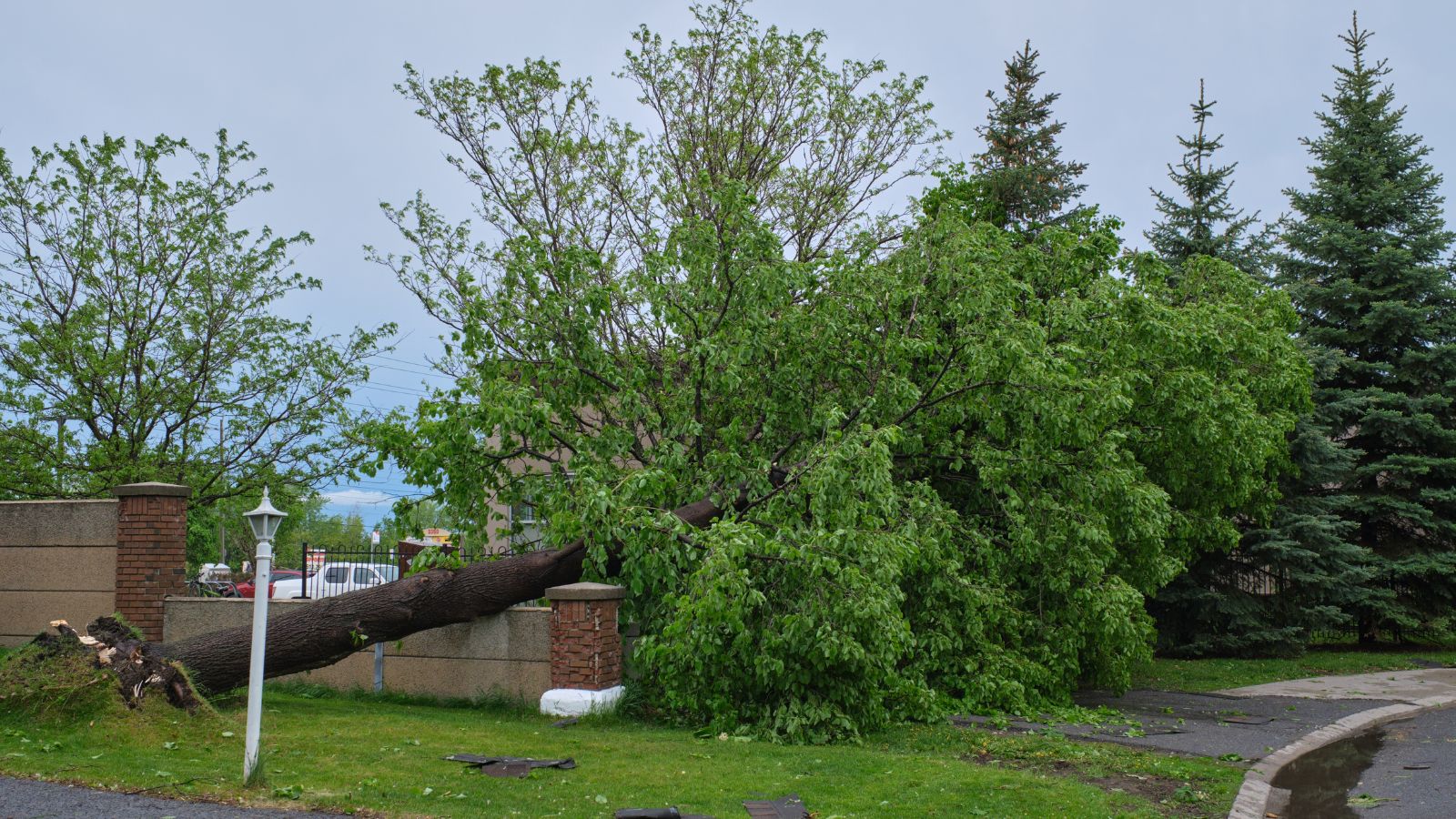
Trees provide shade and character, but damaged limbs close to a roof, driveway or utility line can turn into property hazards during wind, ice or heavy snow. Insurance Bureau of Canada recommends trimming branches away from homes and electrical wires as part of property-risk management. Federal severe-weather guidance likewise encourages removal of dead or vulnerable trees and branches that may be susceptible to high winds.
Fall often reveals problems that were hidden by summer foliage. A cracked limb hanging over a garage, for example, may be easier to identify once leaves drop. Smaller, safely accessible pruning jobs may be manageable, but large branches, trees near power lines and visibly unstable trunks call for qualified professionals. IBC notes that standard home policies generally cover certain damage caused by wind or lightning, including some incidents involving fallen trees, but preventing avoidable damage remains preferable to making a claim. A branch already rubbing shingles or siding should be treated as an existing maintenance problem rather than left for the first winter storm to resolve.
Replace Faulty Smoke and Carbon-Monoxide Alarms
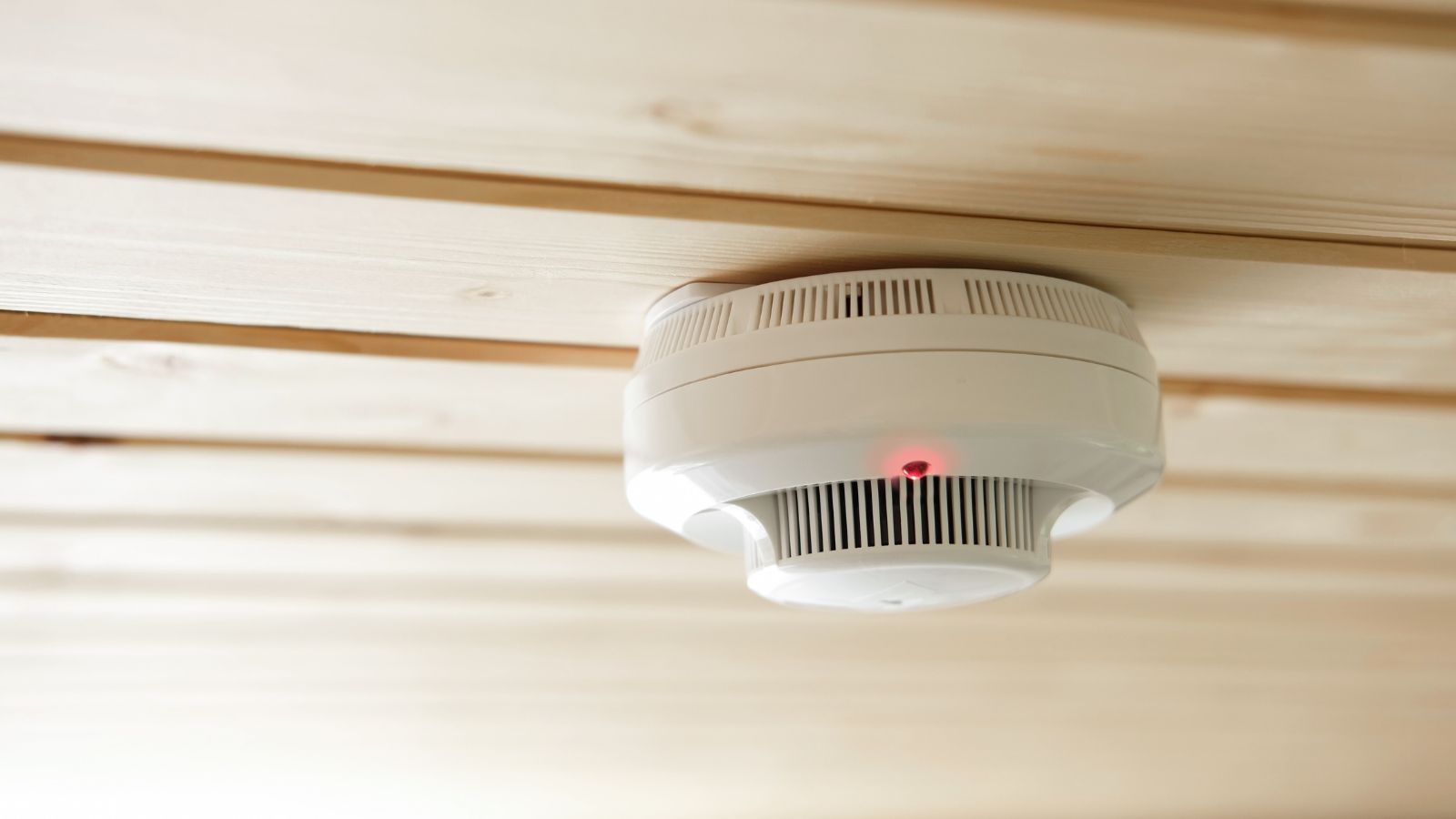
Fall heating season brings fireplaces, furnaces and other combustion equipment back into regular use, making working alarms particularly important. Health Canada states that carbon monoxide has no colour, smell or taste and can only be reliably detected with a carbon-monoxide alarm. Homes using combustion equipment should have certified CO protection with battery backup, including protection near sleeping areas, while smoke alarms serve the separate job of warning occupants about fire.
Alarms should be tested according to manufacturer instructions, with batteries and entire units replaced when required. An alarm that has reached its expiry date, gives repeated fault signals or fails a test should not be left as a winter project. Insurance Bureau of Canada also includes testing and maintaining smoke and CO alarms among its winterization recommendations. The repair may take only minutes, but the consequence of neglect can be severe. Replacing an expired detector while servicing the furnace or preparing the fireplace is an easy way to connect mechanical maintenance with household safety.
Find and Fix Moisture Problems Before They Become Mould Problems
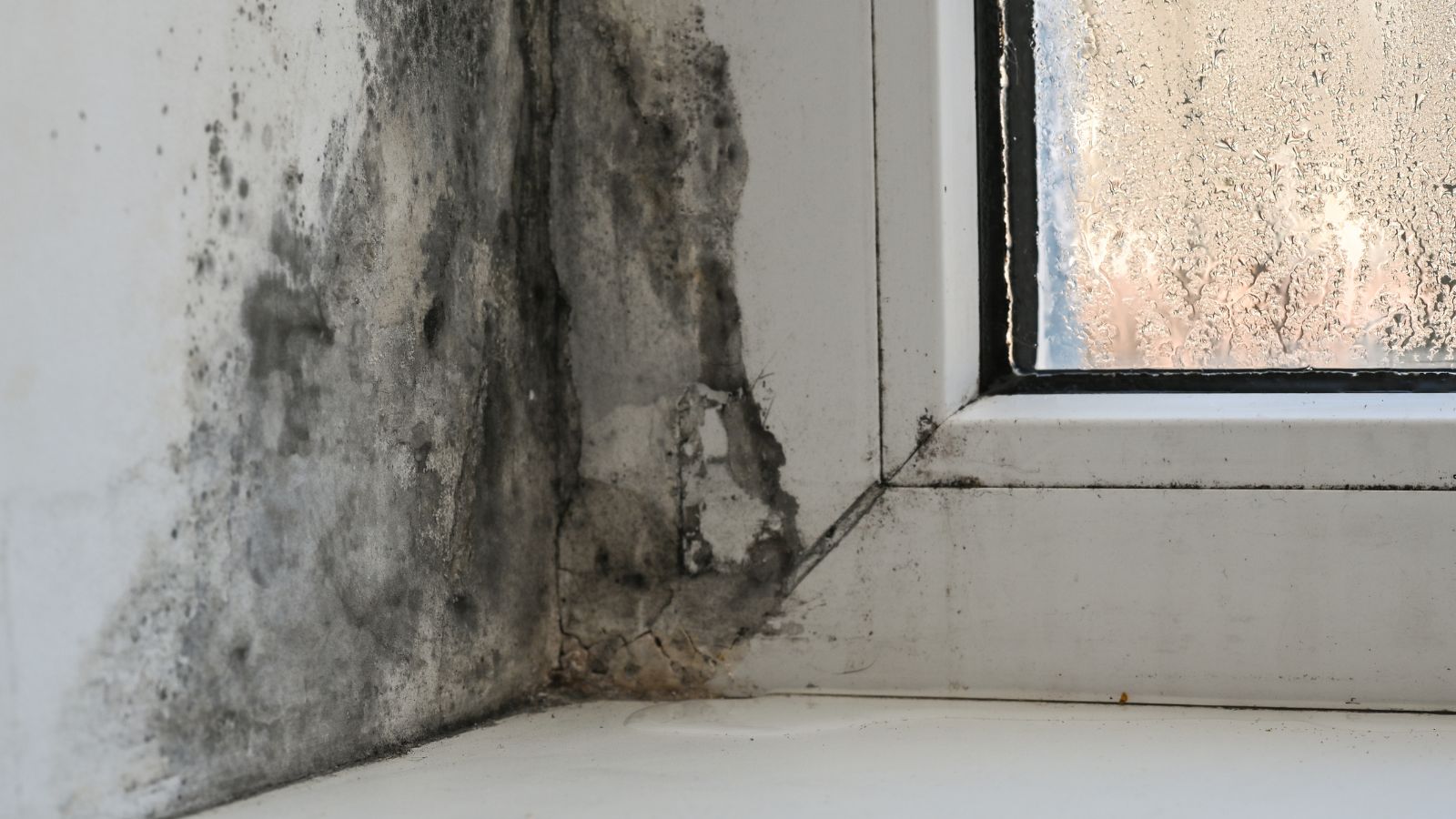
A musty basement smell, peeling paint near a window or recurring dampness around a plumbing fixture should not be dismissed simply because the visible damage appears small. Health Canada explains that indoor mould generally grows where moisture is present and identifies foundation leaks, roof leaks, plumbing failures, poorly sealed openings, flooding and condensation among common sources. The durable repair is therefore to remove the moisture source, not simply cover the stain.
Fall is particularly useful for detective work because autumn rain can expose drainage and envelope problems before the house is sealed up for winter. A dark patch under a basement window after every storm, for example, may trace back to a failed seal or clogged window well. Moisture around a ceiling could indicate roofing, plumbing or condensation issues. Health Canada advises considering professional help when musty odours persist without an obvious source because mould can be hidden inside walls or cavities. Fixing the leak first prevents repeated cosmetic repairs and gives damp materials a chance to dry properly.
16 Costco Canada Habits That Could Be Costing Shoppers More Than They Save

The Executive Membership can feel like an obvious upgrade because the 2% annual reward sounds straightforward. For households that spend heavily at Costco Canada, the extra fee may be easy to justify. But the habit becomes costly when shoppers upgrade first and calculate later. A Gold Star Membership costs less, while Executive costs more and only pays off if eligible annual spending is high enough to offset the difference.
16 Costco Canada Habits That Could Be Costing Shoppers More Than They Save
This Options Discord Chat is The Real Deal
While the internet is scoured with trading chat rooms, many of which even charge upwards of thousands of dollars to join, this smaller options trading discord chatroom is the real deal and actually providing valuable trade setups, education, and community without the noise and spam of the larger more expensive rooms. With a incredibly low-cost monthly fee, Options Trading Club (click here to see their reviews) requires an application to join ensuring that every member is dedicated and serious about taking their trading to the next level. If you are looking for a change in your trading strategies, then click here to apply for a membership.