35,000+ smart investors are already getting financial news, market signals, and macro shifts in the economy that could impact their money next with our FREE weekly newsletter. Get ahead of what the crowd finds out too late. Click Here to Subscribe for FREE.
A renewal notice can look routine until a higher premium, altered deductible, or missing benefit turns it into an expensive surprise. Canadian auto insurance is regulated provincially, so the protections, pricing systems, and renewal procedures facing drivers in Ontario may differ considerably from those in British Columbia, Quebec, Manitoba, or Alberta. Even so, the same practical concerns appear across the country: accurate policy information, appropriate liability limits, realistic deductibles, and coverage that reflects how a vehicle is actually used.
These 21 considerations can help Canadian drivers examine a renewal as a new financial decision rather than an automatic continuation of last year’s policy. A careful review may uncover incorrect information, expired discounts, unnecessary extras, or important protection gaps before the next term begins.
Open the Renewal Package as Soon as It Arrives
21 Things Canadian Drivers Should Know Before Their Insurance Renewal
- Open the Renewal Package as Soon as It Arrives
- Compare More Than One Insurer’s Offer
- Ask What Actually Caused the Premium Change
- Confirm the Home and Garaging Address
- Update Annual Kilometres and Commuting Details
- Make Sure Every Regular Driver Is Listed
- Disclose Delivery, Ridesharing, and Business Use
- Review the Insurance History on File
- Understand How Convictions Affect Pricing
- Revisit Previous Fault Decisions and Accident Forgiveness
- Check the Vehicle’s Claims Rating
- Ask About Theft Surcharges and Security Requirements
- Verify the Winter-Tire Discount Conditions
- Decide Whether Telematics Fits the Household
- Choose a Deductible That Is Actually Affordable
- Reassess Collision and Comprehensive Coverage
- Examine the Third-Party Liability Limit
- Review Accident Benefits and Income Protection
- Inspect Every Endorsement and Optional Add-On
- Reprice Bundles and Multi-Vehicle Discounts
- Avoid a Lapse While Switching or Disputing the Renewal
- 19 Things Canadians Don’t Realize the CRA Can See About Their Online Income
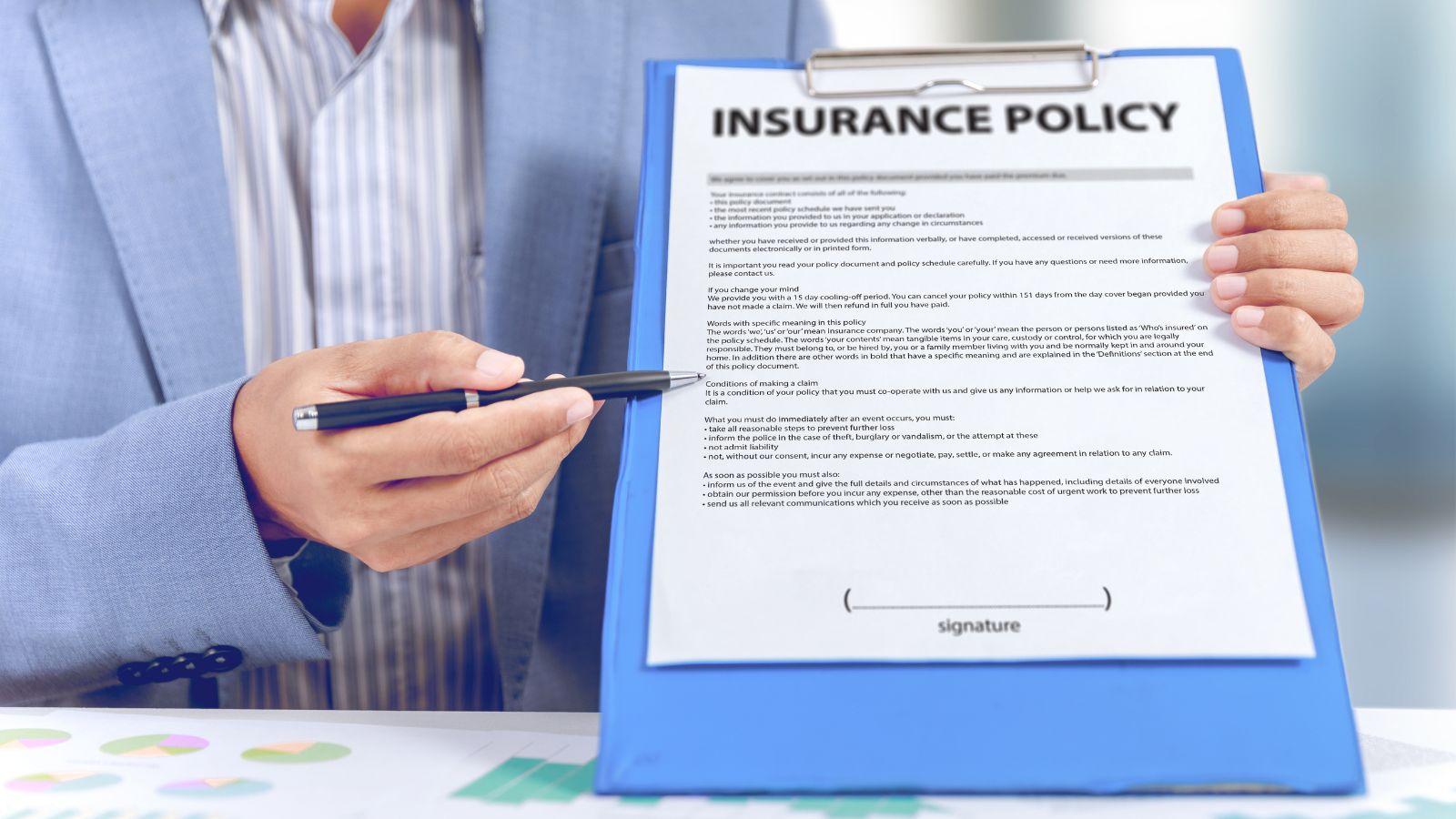
A renewal notice deserves attention long before the expiry date printed on the insurance card. Ontario’s regulator says policyholders generally receive renewal documents approximately 30 days before expiry, providing time to examine changes or seek alternatives. Other provinces have different processes. British Columbia renewal reminders, for example, separate mandatory Basic Autoplan coverage from optional protection, while Manitoba drivers may need to visit an Autopac agent to complete certain renewals before coverage lapses.
That lead time matters because a proper comparison requires more than checking the new annual premium. The declarations page should be reviewed for the insured vehicle, named drivers, deductibles, liability limits, endorsements, discounts, payment schedule, and effective dates. A family that waits until the final afternoon may discover that a comparison quote requires additional documents or that an insurer needs clarification about a recent move. Beginning early creates room to correct errors without risking an uninsured period or accepting unsuitable terms simply because the deadline has arrived.
Compare More Than One Insurer’s Offer

Auto insurance premiums can differ substantially among insurers because each company uses its own approved pricing models, underwriting rules, claims experience, and discount structure. The Financial Consumer Agency of Canada advises drivers to shop around and compare quotes, while Alberta’s government similarly encourages consumers in its competitive market to explore multiple options. Remaining with the same company may be convenient, but loyalty alone does not guarantee the best available combination of coverage and cost.
Every quote should be built on matching information. A $1,900 offer with a $2,000 deductible, reduced liability protection, and no rental-vehicle coverage is not directly comparable with a $2,100 offer containing a $500 deductible and broader endorsements. Drivers should ask for written summaries showing annual premiums, taxes or fees, deductibles, coverage limits, discounts, and payment terms. In provinces with public basic insurance, the comparison may focus on optional protection rather than the mandatory portion. The useful question is not merely which quote is cheapest, but which provides the strongest protection for each dollar spent.
Ask What Actually Caused the Premium Change

A clean driving record does not guarantee an unchanged premium. Insurers consider personal factors, but they also estimate the future cost of claims. Repair labour, replacement parts, vehicle technology, towing, rental vehicles, bodily injury claims, fraud, severe weather, and theft can all influence pricing. A windshield containing cameras and rain sensors, for example, is more expensive to replace and recalibrate than an older piece of plain glass.
Insurance Bureau of Canada reported that national auto-theft claims reached a record $1.5 billion in 2023, an increase of 254 per cent from 2018. Although theft trends improved afterward, the earlier claims still illustrate how losses across an insurer’s portfolio can affect renewal pricing beyond an individual driver’s history. When a premium rises, drivers should request a clear explanation separating broad rate changes from personal changes such as a conviction, claim, new vehicle, altered territory, or removed discount. Ontario drivers can also consult FSRA’s database of approved insurer rate changes instead of assuming every increase was caused by something they personally did.
Confirm the Home and Garaging Address

Postal codes are not merely contact information on an auto policy. Where a vehicle is normally kept can influence premiums because insurers consider local collision frequency, theft, vandalism, traffic density, repair costs, and other territorial risks. Insurance Bureau of Canada and the federal government both identify location as a factor that may be considered when premiums are calculated.
Drivers who moved during the policy term should verify that the renewal shows the correct residence and the place where the vehicle is usually parked overnight. A car kept in a secured suburban garage presents a different risk profile from the same car parked on a downtown street. Using a relative’s lower-priced address while actually living elsewhere can create a serious misrepresentation issue, particularly when a claim investigation reveals the true location. Even an innocent mistake should be corrected before renewal. Apartment numbers, postal codes, mailing addresses, and garaging locations should all be checked, especially after a move, separation, temporary relocation, or change involving a student who keeps the vehicle in another city.
Update Annual Kilometres and Commuting Details

Driving habits can change significantly within one policy year. A worker who moved from daily office attendance to a hybrid schedule may now travel thousands fewer kilometres. Another driver may have accepted a job with a longer commute or begun making frequent intercity trips. Insurers may consider annual distance, commuting distance, frequency of use, and whether a vehicle is used personally or commercially when calculating a premium.
The renewal should therefore reflect present-day use rather than an estimate supplied several years ago. British Columbia even allows eligible drivers to submit odometer readings for usage-based discounts, with two readings required to establish the distance driven. In private markets, reduced mileage does not automatically guarantee a large saving, but it can affect eligibility for low-mileage programs or produce a more accurate risk assessment. Drivers should keep a current odometer photograph and estimate routine weekly travel before contacting their representative. Understating kilometres to obtain a cheaper premium can create problems, while leaving an outdated high estimate uncorrected may mean paying for a driving pattern that no longer exists.
Make Sure Every Regular Driver Is Listed

Insurance generally follows the vehicle, meaning the policy may be affected when another person drives it. The federal government advises policyholders to list additional drivers, including household members who may use the vehicle for work or school. IBC also notes that someone cannot regularly use another person’s vehicle without being appropriately named on the policy.
This becomes particularly important when a teenager receives a licence, an adult child moves home, spouses begin sharing vehicles, or a caregiver regularly runs errands in the insured car. A once-a-year emergency driver is different from someone using the vehicle every Friday or commuting several times a week. The driving record of an additional operator may affect the premium, but leaving a regular driver undisclosed can create a far more serious coverage dispute. The renewal is also a chance to remove former household members who no longer have access to the vehicle. Drivers should ask how occasional, principal, secondary, excluded, and household operators are defined rather than assuming every insurer treats these categories identically.
Disclose Delivery, Ridesharing, and Business Use

A vehicle that started the year as ordinary personal transportation may now be earning money. Food delivery, parcel delivery, ridesharing, client visits, paid passenger service, or regular business errands can change the insurance risk. IBC explains that personal auto policies generally do not cover business activities such as ridesharing or deliveries unless suitable protection has been arranged.
Coverage can also change depending on whether a commercial app is on, a passenger has been accepted, or the driver is travelling between assignments. Ontario’s regulator maintains a list of approved insurance products for specific ridesharing, carsharing, and delivery companies, illustrating why drivers cannot assume every platform provides identical protection. A teacher occasionally carrying classroom materials is not necessarily in the same category as someone completing paid deliveries every evening, but both should describe their activities accurately. Before renewal, drivers should disclose any income-producing use, identify the platforms involved, and ask when personal, fleet, platform, or commercial insurance applies. A modest premium adjustment is preferable to discovering after a collision that an undeclared activity falls outside the policy.
Review the Insurance History on File

Insurers may rely on industry databases containing policy and claims information when preparing a quote. Insurance Bureau of Canada’s Driver and Auto Search History system, commonly called DASH, provides participating insurers with information about policies, claims, and other details relevant to underwriting. Consumers can request their own DASH driver report, which includes claims where they were policyholders or third-party drivers, as well as a record of organizations that accessed the report.
An incorrect claim classification, unfamiliar policy, wrong driver association, or duplicate entry could affect a renewal or competing quote. For example, two household members with similar names might discover that a loss was connected to the wrong person, or a claim initially recorded as unresolved may not show its final outcome. Drivers should request corrections through the appropriate dispute process rather than merely explaining the error verbally to each insurer. Reviewing the record is especially useful after changing brokers, moving provinces, separating from a spouse, or resolving a disputed collision. A renewal price is difficult to evaluate confidently when the underlying history has never been checked.
Understand How Convictions Affect Pricing

A conviction may influence insurance even when it did not result in a collision. Insurers may consider driving history, including convictions and claims, along with licence class and years of experience. The precise effect depends on the offence, insurer, provincial rules, underwriting model, and the driver’s broader record. Several minor incidents close together may therefore be treated differently from one isolated event after many claim-free years.
The renewal should be checked for changes following speeding, distracted-driving, licence, or other traffic convictions. Drivers should not assume a ticket disappeared simply because the fine was paid, nor should they assume a charge automatically produces the same insurance result everywhere. In Ontario, police charges and insurance fault findings are separate matters: a driver may be found at fault without receiving a charge, or charged without automatically receiving the same fault assessment. Asking the insurer which conviction or record item affected the premium can prevent speculation. It also allows the policyholder to verify that dates, drivers, and offences have not been entered incorrectly.
Revisit Previous Fault Decisions and Accident Forgiveness

Fault can continue to matter at renewal long after the damaged vehicle has been repaired. Ontario insurers apply statutory Fault Determination Rules containing diagrams for more than 40 collision situations and may assign responsibility from zero to 100 per cent. Other provinces use their own legislation and claims systems, so a driver should ask exactly how the applicable insurer or public plan assessed the event.
A collision involving another person driving the insured vehicle can still affect the owner’s policy. Ontario’s regulator notes that if a person borrowing the vehicle is found at least 50 per cent responsible, the accident can be recorded against the policy. Drivers should review claim letters, fault percentages, deductibles, and any premium protection before renewal. Accident-forgiveness endorsements may prevent the first qualifying at-fault collision from increasing the premium with the current insurer, but they do not erase the event from the underlying claims history or necessarily protect a quote from another company. Anyone disputing a decision should ask which rule was applied and use the insurer’s complaint process before simply accepting the renewal impact.
Check the Vehicle’s Claims Rating

Two drivers with similar records can receive different premiums because their vehicles produce different insurance losses. Make, model, model year, value, repair complexity, theft frequency, safety equipment, and claims severity may all influence pricing. A model with expensive lighting assemblies or limited parts availability may cost more to insure even when its purchase price seems reasonable.
In 2026, IBC launched an updated How Cars Measure Up tool using actual claims information collected from most Canadian auto insurers. The tool covers eligible models from 1997 through 2025, with each listed model having at least 1,500 insured vehicles in the 2019–2024 data period. Drivers facing a surprising renewal can use such information to understand whether their vehicle performs poorly for collision, comprehensive, theft, or other losses. This is especially valuable before replacing a car, because a monthly loan estimate says nothing about insurance. A slightly more expensive vehicle with lower claim frequency and repair costs could ultimately be easier to insure than a seemingly affordable model with an unfavourable loss record.
Ask About Theft Surcharges and Security Requirements

Vehicle theft can now produce model-specific surcharges, security-device requirements, or discount opportunities. In 2023, Canadian insurers paid approximately $1.5 billion in vehicle-theft claims. National theft numbers improved in 2024, but regulators and insurers continued to treat high-risk models as a major pricing concern. Ontario’s regulator has specifically advised drivers to ask about incentives, rebates, and approved anti-theft measures.
A steering-wheel bar, factory immobilizer, aftermarket immobilizer, tracking system, diagnostic-port lock, or professionally installed device may not receive the same treatment from every insurer. Some measures focus on preventing the vehicle from moving, while trackers primarily assist recovery after theft. Before spending hundreds of dollars, drivers should obtain the insurer’s approved-device requirements in writing and ask whether installation removes a surcharge, earns a discount, or simply improves eligibility. Receipts, installation certificates, serial numbers, and photographs should be retained. A device installed after the renewal was calculated may not be credited automatically, and an unapproved product may provide security without producing the expected premium reduction.
Verify the Winter-Tire Discount Conditions
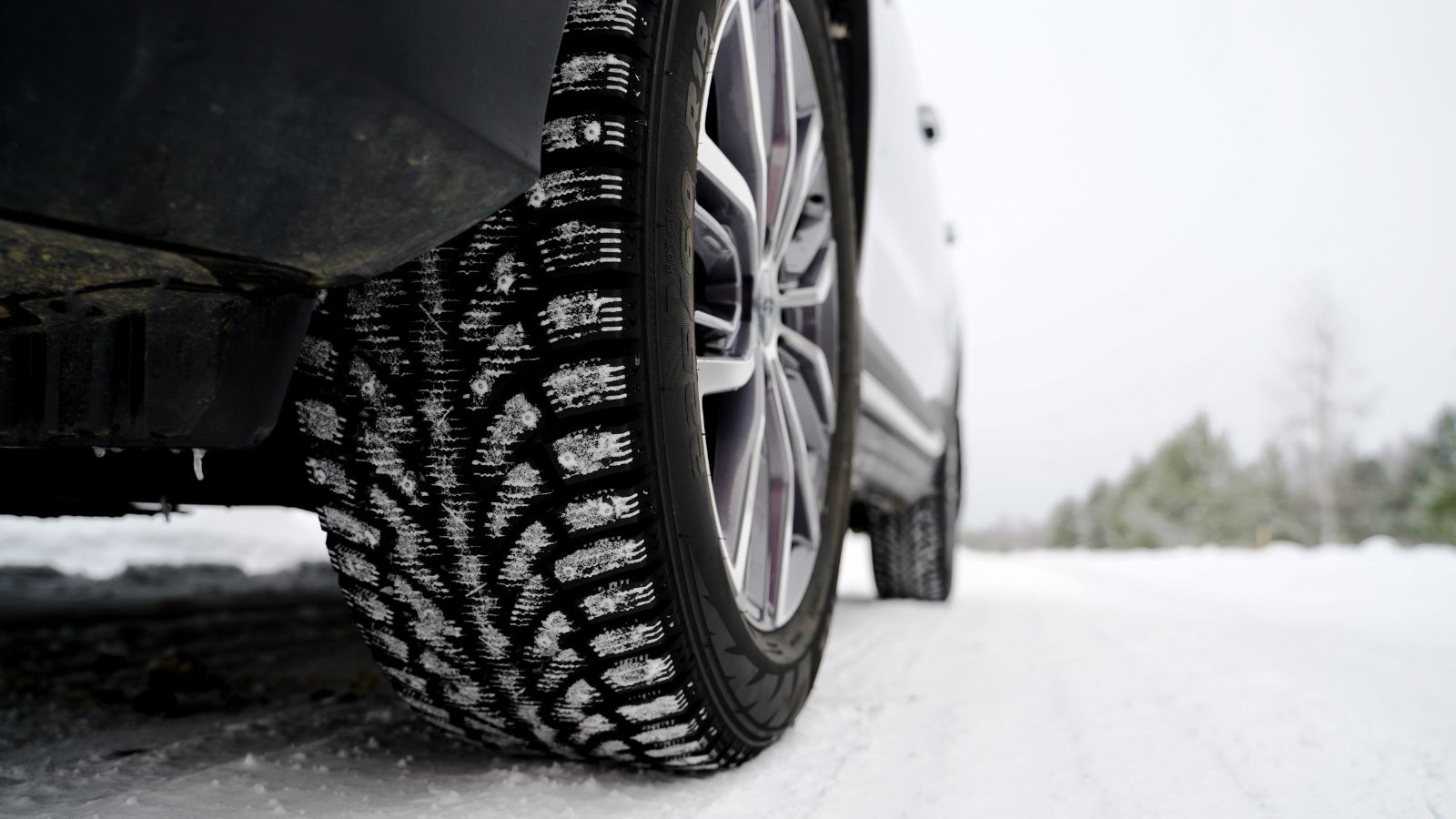
Ontario insurers have been required to offer a winter-tire discount since January 1, 2016. Discounts may also be available voluntarily from insurers elsewhere, although eligibility rules and amounts differ. The renewal should show whether the discount remains applied rather than assuming it continues indefinitely.
The definition of compliant winter-tire use may include installation on all four wheels and specific seasonal dates established by the insurer. Those dates can differ from the dates a driver personally considers “winter.” A motorist who installs tires late, removes them early, or replaces them with all-season tires should inform the insurer if those actions conflict with the discount declaration. Documentation can be useful when eligibility is questioned, so receipts, tire specifications, and installation records should be retained. The savings may appear modest beside the full annual premium, but the declaration still forms part of the information used to price the policy. Renewal is the appropriate time to confirm the required tire type, installation window, proof needed, and exact value of the discount.
Decide Whether Telematics Fits the Household

Usage-based insurance programs can personalize premiums using information collected through a mobile application, plug-in device, or connected vehicle. Depending on the program, data may include distance, time of day, braking, acceleration, speed patterns, phone interaction, and other driving behaviour. IBC says telematics may help some drivers save, while Ontario’s regulator has supported programs such as pay-as-you-go and pay-per-kilometre insurance.
The discount should be evaluated alongside the data arrangement. FSRA has noted that usage-based programs can collect detailed information about where, how, and when vehicles are driven. A cautious commuter may be comfortable with that exchange; a household sharing one vehicle among several drivers may find the resulting score harder to control. Before enrolling or continuing at renewal, drivers should ask what data is collected, how long it is retained, who receives it, whether a poor score can increase the premium, and what happens when the app fails. They should also confirm whether every household driver must participate and whether withdrawing from the program removes only the discount or produces additional consequences.
Choose a Deductible That Is Actually Affordable

A higher deductible generally lowers the premium because the policyholder agrees to absorb more of each covered loss. That trade-off can be reasonable for someone with substantial emergency savings and a low likelihood of filing small claims. It can be damaging for a household that could not produce $2,000 after a collision, theft, or vandalism event.
Public plans also demonstrate how strongly deductible choices affect costs. Manitoba’s Basic deductible for most private passenger vehicles became $1,000 for policies taking effect after April 1, 2026, while optional coverage can reduce it to $750, $500, $300, or $200 for an additional premium. Saskatchewan’s basic vehicle coverage commonly carries a $700 deductible. The appropriate choice depends on provincial coverage, claim type, vehicle value, financing obligations, and household cash reserves. Drivers should compare the exact annual saving from raising the deductible with the extra amount they would owe after a loss. Saving $90 annually is less attractive when it creates another $1,000 of immediate exposure.
Reassess Collision and Comprehensive Coverage

Collision generally covers damage to the insured vehicle from hitting another vehicle or object. Comprehensive ordinarily addresses non-collision losses such as theft, vandalism, windshield damage, and certain weather events. These protections may be optional in private markets, although public plans can package physical-damage coverage differently. A lender or leasing company may also require broader protection until the financing obligation ends.
Owners of older vehicles sometimes drop collision when the premium and deductible become large relative to the vehicle’s market value. The federal government and IBC both identify this as a possible cost-saving measure. However, the decision should be based on the settlement likely available immediately before a loss, not the amount originally paid for the car. An insurer may declare a vehicle a total loss when repair costs exceed its pre-accident value and then deduct the applicable deductible. A paid-off car worth $5,000 may still be essential for commuting. Removing coverage makes sense only when the owner could realistically repair or replace it without insurance assistance.
Examine the Third-Party Liability Limit

Third-party liability protects against certain claims for injury, death, or property damage caused to others. If a covered loss exceeds the policy limit, the driver may be personally responsible for the remaining amount. Minimum limits differ across Canada, and the basic amount should not automatically be treated as the appropriate amount for every household.
Manitoba’s Basic Autopac, for example, provides $500,000 in third-party liability, with options to increase protection to $1 million, $2 million, or $5 million. Saskatchewan’s basic plate insurance includes $200,000, while additional coverage is available. Drivers who regularly travel outside their home province, enter the United States, transport valuable equipment, or have significant personal assets may want to discuss higher limits with a licensed representative. The additional premium for greater liability protection can be relatively small compared with the financial consequences of a severe crash. Renewal documents should show the exact limit, not merely use broad wording such as “standard coverage.”
Review Accident Benefits and Income Protection

Accident benefits can provide medical, rehabilitation, attendant-care, income-replacement, caregiver, funeral, or death benefits, depending on the province and coverage selected. These benefits should be compared with employment insurance, workplace disability plans, private health insurance, savings, and the financial needs of dependants. A self-employed driver with limited disability protection may face a different risk from a salaried worker with comprehensive workplace benefits.
Ontario introduced a major change on July 1, 2026. Medical, rehabilitation, and attendant-care benefits remain mandatory, while several other accident benefits that were previously standard became optional for policies affected by the reform. Ontario drivers should not allow a lower-looking renewal premium to pass without checking which benefits were selected or removed. Other provinces operate under different public, no-fault, tort, or hybrid systems. Quebec’s public plan, for instance, compensates residents for traffic-related bodily injury regardless of responsibility, while private insurance remains relevant for property damage. The benefit package must therefore be evaluated through the rules of the driver’s home province.
Inspect Every Endorsement and Optional Add-On

Endorsements amend or expand the standard policy. Common examples include transportation replacement while a vehicle is repaired, rental-vehicle damage coverage, accident forgiveness, family protection, limited depreciation, replacement cost, and coverage for leased vehicles. These additions can be valuable, but their names do not reveal every condition or exclusion.
Replacement-cost or depreciation-waiver coverage deserves particular attention as a vehicle ages. It may apply only to eligible newer vehicles and only for a limited number of years. Manitoba’s New Vehicle Protection, for example, can cover qualifying vehicles for up to two years and has deadlines for purchasing the protection. Rental or loss-of-use coverage should also be tested against real costs: a daily limit that once paid for a compact car may no longer cover a comparable family vehicle during a lengthy repair. Drivers should ask for the individual price of every endorsement and confirm whether it duplicates credit-card, manufacturer, roadside-assistance, employer, or other insurance benefits. An add-on should remain because it fills a defined risk, not because it has quietly renewed for years.
Reprice Bundles and Multi-Vehicle Discounts

Combining home and auto insurance or placing several vehicles with one company may produce multi-policy or multi-vehicle discounts. The federal government and IBC both recommend asking about these savings. Bundling can also simplify billing and claims communication, particularly after an event such as a storm that damages both a home and a parked vehicle.
The discount percentage, however, should not be mistaken for proof that the total package is competitive. One insurer might reduce the auto premium while charging considerably more for home coverage or offering narrower water-damage protection. A household should compare the combined annual cost and coverage of all policies, including deductibles and endorsements. Drivers should also ask what happens if a vehicle is sold, a child obtains separate insurance, or the home policy moves elsewhere. Losing one component can remove the discount from the remaining policy. Loyalty, group, alumni, employer, professional-association, retiree, and multi-policy discounts should be confirmed individually because eligibility can expire or change without the customer noticing.
Avoid a Lapse While Switching or Disputing the Renewal
Stopping payments is not the same as properly declining a renewal. Ontario’s regulator warns that non-payment can lead to cancellation and may place a driver in a higher-risk category for future insurance. It also advises consumers switching insurers mid-term to check for cancellation penalties and, where practical, arrange the new policy to begin when the existing term expires. Manitoba similarly tells drivers to complete the renewal process before coverage lapses.
A replacement policy should be confirmed in writing before the old one is cancelled. The effective dates and times must connect without a gap, and financed or leased vehicles may require proof of continuing coverage. When a premium, claim, or underwriting decision appears wrong, drivers should continue meeting valid payment obligations while using the complaint process. The usual path begins with the insurer’s complaint officer or ombuds service, followed where appropriate by an external ombuds service or provincial regulator. Keeping renewal notices, quotes, emails, payment receipts, claim letters, and call notes creates a reliable record if the disagreement must be escalated.
19 Things Canadians Don’t Realize the CRA Can See About Their Online Income

Earning money online feels simple and informal for many Canadians. Freelancing, selling products, and digital services often start as side projects. The problem appears at tax time. Many people underestimate how much information the CRA can access. Online platforms, banks, and payment processors create detailed records automatically. These records do not disappear once money hits an account. Small gaps in reporting add up quickly.
Here are 19 things Canadians don’t realize the CRA can see about their online income.
This Options Discord Chat is The Real Deal
While the internet is scoured with trading chat rooms, many of which even charge upwards of thousands of dollars to join, this smaller options trading discord chatroom is the real deal and actually providing valuable trade setups, education, and community without the noise and spam of the larger more expensive rooms. With a incredibly low-cost monthly fee, Options Trading Club (click here to see their reviews) requires an application to join ensuring that every member is dedicated and serious about taking their trading to the next level. If you are looking for a change in your trading strategies, then click here to apply for a membership.