
35,000+ smart investors are already getting financial news, market signals, and macro shifts in the economy that could impact their money next with our FREE weekly newsletter. Get ahead of what the crowd finds out too late. Click Here to Subscribe for FREE.
Canada’s best-known tourist towns often look simple on a map: book a room, arrive, and start exploring. The real bill is usually more complicated. Peak demand, layered taxes, limited parking, reservation systems, transportation gaps, and activity add-ons can turn an ordinary weekend into a surprisingly expensive escape. Some charges are obvious only at checkout, while others appear after plans change or a vehicle, pet, or extra guest is added.
These 22 hidden costs explain why destinations such as Banff, Niagara Falls, Tofino, Québec City, and Whistler can cost more than their headline prices suggest. None makes a trip automatically poor value, but each deserves a place in the budget before the reservation button is pressed.
Peak-Season Room Rates
22 Hidden Costs of Visiting Tourist Towns in Canada
- Peak-Season Room Rates
- Minimum Stays and Non-Refundable Rates
- Municipal Accommodation Taxes
- Sales Tax on the Full Stay
- Resort, Destination, and Management Fees
- Short-Term Rental Cleaning and Service Fees
- Extra-Guest and Family Add-Ons
- Hotel and Downtown Parking
- National Park Admission
- Reservation and Booking Fees
- Provincial Park Day-Use Permits
- Shuttle and Local Transit Fares
- Ferry Fares and Vehicle Charges
- Rental-Car Add-Ons
- Restaurant Price Pressure
- Tips and Automatic Service Charges
- Grocery and Convenience Costs
- Gear, Lockers, and Rental Extras
- Camping Add-Ons
- Pet Surcharges
- EV Charging, Parking, and Idle Fees
- Weather and Wildfire Cancellation Losses
- 19 Things Canadians Don’t Realize the CRA Can See About Their Online Income

Tourist towns have a limited number of rooms and an unusually concentrated rush of visitors. Destination Canada reported national hotel occupancy of 80.7% in August 2025, the highest August level since 2014. That kind of demand gives properties less reason to discount, especially on summer weekends, during festivals, or when weather conditions make a destination briefly irresistible.
The hidden cost is not merely a higher nightly quote. It is the loss of cheaper choices. A family that waits until July to book a mountain town may find that budget motels, smaller rooms, and properties with kitchens have disappeared first. The remaining inventory can require a larger room, a premium view, or a stay farther away. Even when the final room is pleasant, part of the bill may reflect scarcity rather than comfort. Booking shoulder-season days earlier can restore better options without changing the destination or sacrificing the main experience.
Minimum Stays and Non-Refundable Rates

A two-night getaway can quietly become a three-night purchase. Major booking platforms allow hosts to set minimum stays and even create different minimum-night rules for particular check-in days. In a busy destination, a Friday arrival may therefore require more nights than a midweek booking, regardless of how long the traveller actually plans to remain.
The cheaper-looking rate can also carry stricter cancellation terms. Refunds on short-term rental platforms depend on the property’s policy and the timing of cancellation, while optional extended-cancellation protection may add another charge. A couple attending a Saturday event may pay for Sunday night simply to unlock the reservation, then choose a non-refundable rate to keep the total manageable. The trip still lasts one weekend, but the accommodation bill behaves like a longer holiday. Checking several arrival dates often reveals that shifting the trip by one night removes a minimum-stay rule or unlocks a more flexible rate.
Municipal Accommodation Taxes

The room rate is rarely the full accommodation price. Many Canadian destinations use municipal or regional levies to support tourism marketing, infrastructure, or major events. In British Columbia, short-term accommodation is generally subject to 8% provincial sales tax, plus a municipal and regional district tax of up to 3% in participating areas.
Vancouver shows how quickly the layers can accumulate. Its temporary Major Events Municipal and Regional District Tax adds another 2.5% through January 31, 2030. The province’s own example turns a $200 room into $238.35 after provincial, municipal, major-event, and federal tax calculations. Tourist towns outside British Columbia use different systems, but the lesson is the same: a quoted nightly rate can understate the real stay by a meaningful amount before parking or breakfast enters the picture. Travellers comparing towns should therefore calculate the final taxed total, because identical room rates can produce noticeably different checkout amounts.
Sales Tax on the Full Stay

Travellers often estimate tax by applying a provincial rate to the advertised room price. The actual taxable base can be broader. The Canada Revenue Agency treats most short-term accommodation as taxable, and platform bookings may apply GST, HST, or QST to more than the nightly amount.
On Airbnb bookings in Canada, applicable sales taxes can be calculated on the nightly price, cleaning fee, and guest service fee. That means a $100 cleaning charge does not simply add $100; it can also enlarge the tax bill. In some jurisdictions, provincial accommodation levies are themselves included in the amount on which GST is calculated. The arithmetic is legal and disclosed at checkout, but it can feel unexpected because several modest percentages are applied to a growing subtotal rather than to the first price displayed. Saving the price breakdown makes it easier to identify taxable fees and compare properties accurately before finally committing.
Resort, Destination, and Management Fees
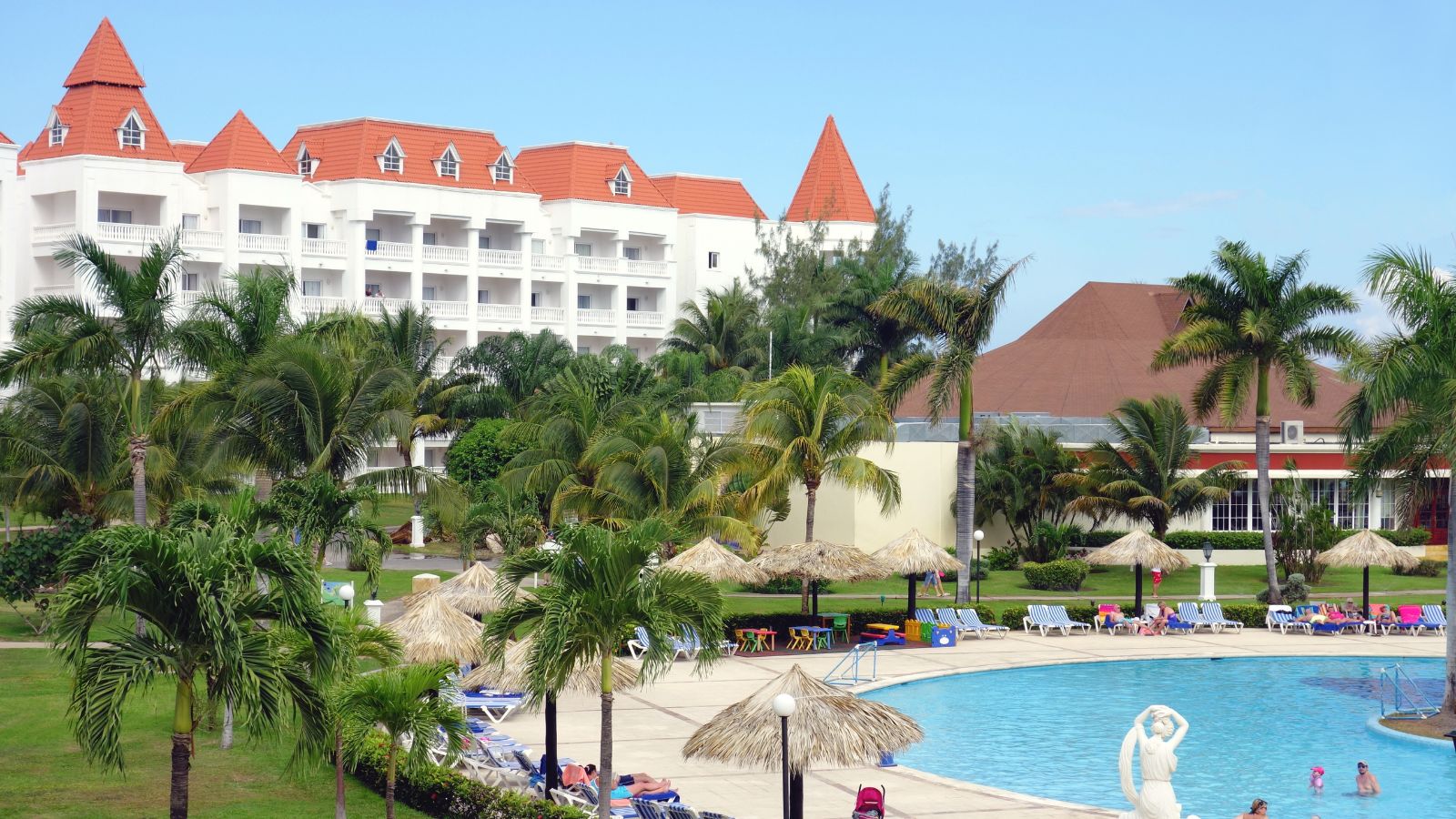
A room described as $249 can become a different product once mandatory property fees appear. Hotels and vacation rentals may use labels such as resort fee, destination fee, community fee, linen fee, or management fee. These charges can fund amenities, administration, or services, but the guest may owe them even when the pool, shuttle, or fitness room goes unused.
Canada’s Competition Bureau calls it drip pricing when mandatory non-government charges are revealed after an unattainable headline price. The law requires mandatory fixed fees to be included in the advertised price, although taxes and genuinely optional charges can still appear separately. Enforcement has made pricing clearer in many sectors, yet travellers still need to compare the payable total, not the largest number on a search page. The most expensive “amenity” can be one nobody planned to use. The best defence is comparing final totals for identical dates, occupancy, and cancellation terms.
Short-Term Rental Cleaning and Service Fees

Short-term rentals can look economical because the nightly rate is divided across a family or group. The checkout screen may tell a different story. Airbnb explains that the guest total can include the nightly price, a guest service fee, and a cleaning fee, with taxes added where required.
Cleaning fees hurt short visits most because they are usually charged once per stay rather than per night. A $150 fee spread over a week adds about $21 a night; over two nights, it adds $75. Service fees can further narrow the gap between a rental and a hotel. A kitchen and laundry may still create genuine savings, but only when the comparison uses the complete trip total. The cottage advertised at a lower nightly rate is not necessarily the less expensive place to sleep. Longer stays dilute fixed charges, while short stays magnify them and can erase the apparent advantage quickly.
Extra-Guest and Family Add-Ons

A property may sleep six, but the listed price may cover only two. Short-term rental hosts can add extra-guest charges, and transportation or attractions frequently price every seat separately. The result is that the same room or itinerary becomes progressively more expensive as children, grandparents, or friends join.
Banff’s 2026 Parks Canada shuttle fares illustrate the multiplication effect: adults are listed at $12.75, seniors at $6, and youth at $4, before the reservation fee. Those amounts are modest individually, yet a multigenerational group buying round-trip transport, meals, and admissions can see the budget rise quickly. “Family-sized” therefore describes capacity, not necessarily inclusive pricing. The safest comparison is a full-party total that includes every person, every direction, and every day. Before booking, the organizer should enter the exact ages and number of guests everywhere, rather than assuming children ride free or that room capacity includes breakfast, transportation, activities, or admissions.
Hotel and Downtown Parking

Driving to a tourist town does not guarantee a free place to leave the vehicle. Hotels may charge nightly parking, while municipalities use paid zones to manage congested centres. Banff charges visitors $12 an hour in its downtown core from May through October, although it also provides three free nine-hour lots.
Banff also warns that a Parks Canada pass and town parking are separate obligations. A traveller can legally enter the national park and still owe the municipality for a downtown space. This double layer surprises visitors who assume one pass covers the day. A four-hour lunch-and-shopping stop at the peak-season rate reaches $48, enough to change the economics of staying outside town. Free lots, hotel shuttles, and walking can help, but only when their locations and time limits are checked in advance. Edge-of-town properties may become substantially better value when parking is free and reliable local transit remains convenient.
National Park Admission

Several famous Canadian tourist towns sit inside or beside national parks, so ordinary sightseeing can involve federal entry charges. Parks Canada is offering free admission from June 19 to September 7, 2026, under the Canada Strong Pass, but that is a temporary promotion rather than a permanent elimination of park fees.
Outside promotional periods, admission can be charged per person or by family or group, and it is distinct from camping, shuttles, parking, guided activities, and reservations. Youth admission is generally free at Parks Canada places, but adults still need to price the applicable pass. A visitor focused on the hotel and restaurant budget may overlook this cost because it is paid at a gate, kiosk, or online portal rather than during accommodation checkout. The park pass opens the destination; it does not include every service inside it. Travel dates matter because temporary promotions can make current prices appear permanent.
Reservation and Booking Fees

Popular places increasingly require reservations not only for rooms, but also for campsites, shuttles, trails, and timed activities. The reservation itself may carry a non-refundable transaction charge. Parks Canada lists an online camping reservation fee of $11.50 and a telephone fee of $13.50, paid in addition to the campsite.
Changing plans can trigger the same fee again. Parks Canada charges $11.50 online or $13.50 by phone to change or cancel many completed reservations, with other penalties sometimes added. The Lake Louise and Moraine Lake shuttle uses smaller reservation charges, but they remain non-refundable. None of these amounts destroys a holiday budget alone. The problem is repetition: several booked activities, two changes, and one cancellation can create a stack of administrative costs without adding a single hour of travel. Building a consolidated itinerary before buying tickets can reduce changes and prevent several small non-refundable charges from accumulating.
Provincial Park Day-Use Permits

Not every scenic beach, waterfall, or hiking area is covered by a national park pass. Provincial parks operate their own entry and vehicle systems. Ontario’s 2026 daily vehicle permits range from $12.25 to $21, depending on the park category, and advance permits may be needed at high-demand locations.
Even a seasonal permit does not always guarantee entry when capacity controls apply. That matters in tourist regions where the park is the main reason for the trip. A family can pay for lodging nearby and still discover that the desired beach or trailhead is full. Cancellation rules can also be strict; Ontario Parks notes that after a short grace period, permit fees may be forfeited. The hidden cost is therefore both financial and practical: money spent on access may be lost, while substitute activities create new driving, parking, or admission expenses. Secure park access before paying for nearby overnight lodging.
Shuttle and Local Transit Fares

Leaving the car at the hotel can solve one problem and create another line in the budget. In mountain destinations, shuttles are often the most reliable or only practical way to reach heavily visited sites. Parks Canada’s 2026 Lake Louise and Moraine Lake shuttle lists an adult fare of $12.75, plus a non-refundable reservation fee.
Regional transit can cost more than urban bus riders expect. Roam Transit’s Route 8X between Banff and Lake Louise lists an adult fare of $12.50 one way, or $25 return. For two adults, a simple day trip can therefore reach $50 before local connections. Transit may still beat parking stress and vehicle restrictions, but it should be treated as an attraction-access cost, not merely as ordinary bus fare. Families should also check whether tickets include transfers, returns, or admission; these are often separate products. Compare the full daily transport total, not one ticket.
Ferry Fares and Vehicle Charges

Coastal tourist towns can make the ferry feel like part of the road, but the crossing is a purchased service. BC Ferries advertises discounted Saver fares on selected sailings, yet the lowest price depends on route, date, demand, and booking conditions. Popular times may require advance planning to avoid long waits or more expensive choices.
Vehicle dimensions matter as well. BC Ferries classifies vehicles over 7 feet high or 20 feet long as oversized on many routes, which can affect the fare. Roof boxes, bicycles, trailers, and camper conversions can push a vehicle into a different category. Reservation changes or cancellations may also involve a non-refundable reservation component, including a $20 fee under some fare conditions. A road-trip budget that counts only fuel can therefore miss one of its largest transportation charges before the destination is even reached. Measure the fully loaded vehicle before booking to prevent costly terminal surprises.
Rental-Car Add-Ons

The rental counter is where a low daily rate can unravel. Airport or location fees, additional-driver charges, optional insurance, fuel plans, child seats, toll products, and vehicle upgrades can all move the total. Some are useful; others duplicate coverage already provided by a credit card or personal auto policy.
The Competition Bureau has repeatedly challenged rental-car advertising that excluded unavoidable charges. In one industry review, mandatory fees were found to increase advertised prices by amounts ranging from about 5% to 138%, depending on location and vehicle. That history is a warning to compare the final payable estimate and inspect what is included. A compact car can also become unavailable, leaving a larger model with higher fuel consumption. The hidden cost is not one universal surcharge, but a chain of decisions made when luggage is waiting and alternatives feel scarce. Reading coverage documents beforehand helps travellers reject unnecessary counter products confidently.
Restaurant Price Pressure

Dining is part of the appeal of many tourist towns, yet restaurant budgets based on older trips can be misleading. Statistics Canada reported that prices for food purchased from restaurants rose by an annual average of 2.6% in 2025. Menu inflation compounds with local rent, labour, transportation, and seasonal demand.
The cost also grows through frequency. A couple spending $25 each on breakfast, $35 each on lunch, and $60 each on dinner reaches $240 before tax, tips, drinks, or snacks. Multiply that by a long weekend and food can rival the room. Tourist-town restaurants are not necessarily overcharging; many operate with short seasons and high operating costs. The practical trap is assuming meals remain a secondary expense. One reserved dinner may be memorable, while every unplanned meal can quietly become the expensive default. Breakfast supplies and a picnic can protect budgets without removing the meals that make destinations memorable.
Tips and Automatic Service Charges

The menu price is not always the amount left on the table. Canadian diners commonly tip for table service, and a 2025 Research Co. poll found that 15% to 19% was the preferred range for good restaurant service among many respondents. In a destination with multiple restaurant meals, that percentage becomes a substantial trip category.
Groups should also inspect the bill for an automatic gratuity or service charge before adding another tip. The Canada Revenue Agency distinguishes freely given tips from mandatory charges: an imposed service charge forms part of the taxable consideration and is subject to GST or HST. Its example applies tax to a banquet total after a 15% mandatory gratuity is added. A party that overlooks the printed charge may tip twice, then pay tax on the compulsory amount as well. Careful bill reading is worth more than awkward guesswork. The detailed receipt should be checked first.
Grocery and Convenience Costs

A kitchen is often presented as the cure for expensive restaurant meals, but groceries are not immune to travel inflation. Statistics Canada reported that grocery prices were 3.9% higher in June 2026 than a year earlier, and grocery inflation had outpaced headline consumer inflation for 17 consecutive months.
The tourist-town version of the problem is timing. Travellers arrive hungry, buy small packages, choose prepared foods, and shop at the closest open store rather than the cheapest one. A few drinks, breakfast items, fruit, ice, and trail snacks can become a surprisingly large basket. Self-catering still helps, particularly for families, but the savings are strongest when staples are bought before entering the destination. Otherwise, the “cheap meal at the rental” may include several convenience purchases that would never enter a normal weekly shop. A shopping list and cooler can prevent repeated small stops that turn convenience into an expensive habit.
Gear, Lockers, and Rental Extras

Outdoor destinations sell access to scenery, but enjoying it may require equipment. Bikes, canoes, paddleboards, skis, helmets, towels, swimsuits, and lockers can all sit outside the admission price. Parks Canada lists equipment-rental services at several sites, while Banff Upper Hot Springs includes a locker token but charges separately for towel and swimsuit rentals.
The pattern matters more than any single fee. A family that arrives without rain gear, bear-resistant storage, life jackets, or suitable footwear may rent or buy items at destination prices. Ski and bike rental packages can include basic equipment while charging for premium models or add-on services. Waivers do not necessarily eliminate responsibility for damaged gear. A low-cost activity can therefore acquire a second price layer: the tools required to participate safely and comfortably. Packing decisions are financial decisions in an outdoor town. An activity checklist should separate admission, required equipment, optional upgrades, storage, and damage responsibility.
Camping Add-Ons

Camping is usually cheaper than a hotel, but the campsite rate is only the base. Parks Canada charges a separate reservation fee, and Banff lists daily fire permits of $12 at many campgrounds and $17 along the Lake Louise and Icefields Parkway corridor. Serviced sites also cost more than unserviced ones.
Other expenses arrive through firewood, showers, dumping stations, ice, propane, laundry, food storage, and equipment. Some facilities include particular services, while others charge separately or do not provide them at all. A camper who chooses a lower nightly rate may spend the difference driving to supplies or paying for missing amenities. The most accurate comparison includes the entire setup: site, reservation, park access outside promotions, fire permit, fuel, gear, and any vehicle-related charge. A tent is inexpensive; operating a temporary household in a busy park is not always so. Campground amenity lists deserve the same attention as hotel inclusions.
Pet Surcharges

Bringing a pet can save kennel costs, but it can also shrink the accommodation pool and add fees. Airbnb permits hosts to charge a pet fee, and its Canadian guidance says that fee can be as high as the listing’s nightly base price, subject to platform rules. Hotels may use their own per-night or per-stay policies.
The surcharge is only the first layer. Pet-friendly rooms may be limited, making the cheapest inventory unavailable, and some properties restrict size, breed, or number of animals. Parks, beaches, shuttles, and attractions can also have leash or access rules that force a change of plan. A couple may book a more expensive ground-floor room, pay the pet fee, then spend on day care for an activity that does not admit animals. “Pet-friendly” means permitted under conditions, not necessarily included at no extra cost. Confirming the complete pet policy in writing can prevent last-minute relocation.
EV Charging, Parking, and Idle Fees

Electric driving can reduce fuel spending, but public charging is not one simple price. FLO’s Canadian terms state that stations may bill by time, energy, fixed session, or a combination. Taxes can apply, and parking fees may be charged separately by the property or municipality.
Time-based billing creates another risk: charges can continue until the connector is removed and returned, even after the battery reaches its preset level. Roaming fees may be added when another network is involved, and FLO charges $2 when a driver activates a station by telephone. In a crowded tourist town, a slower vehicle, a queue, or a charger located inside paid parking can erode the expected savings. The best comparison includes kilowatt-hours, time, parking, network fees, and the value of waiting—not merely the posted electricity rate. Drivers should inspect the charging app and parking signs before connecting, then move the vehicle promptly when finished.
Weather and Wildfire Cancellation Losses
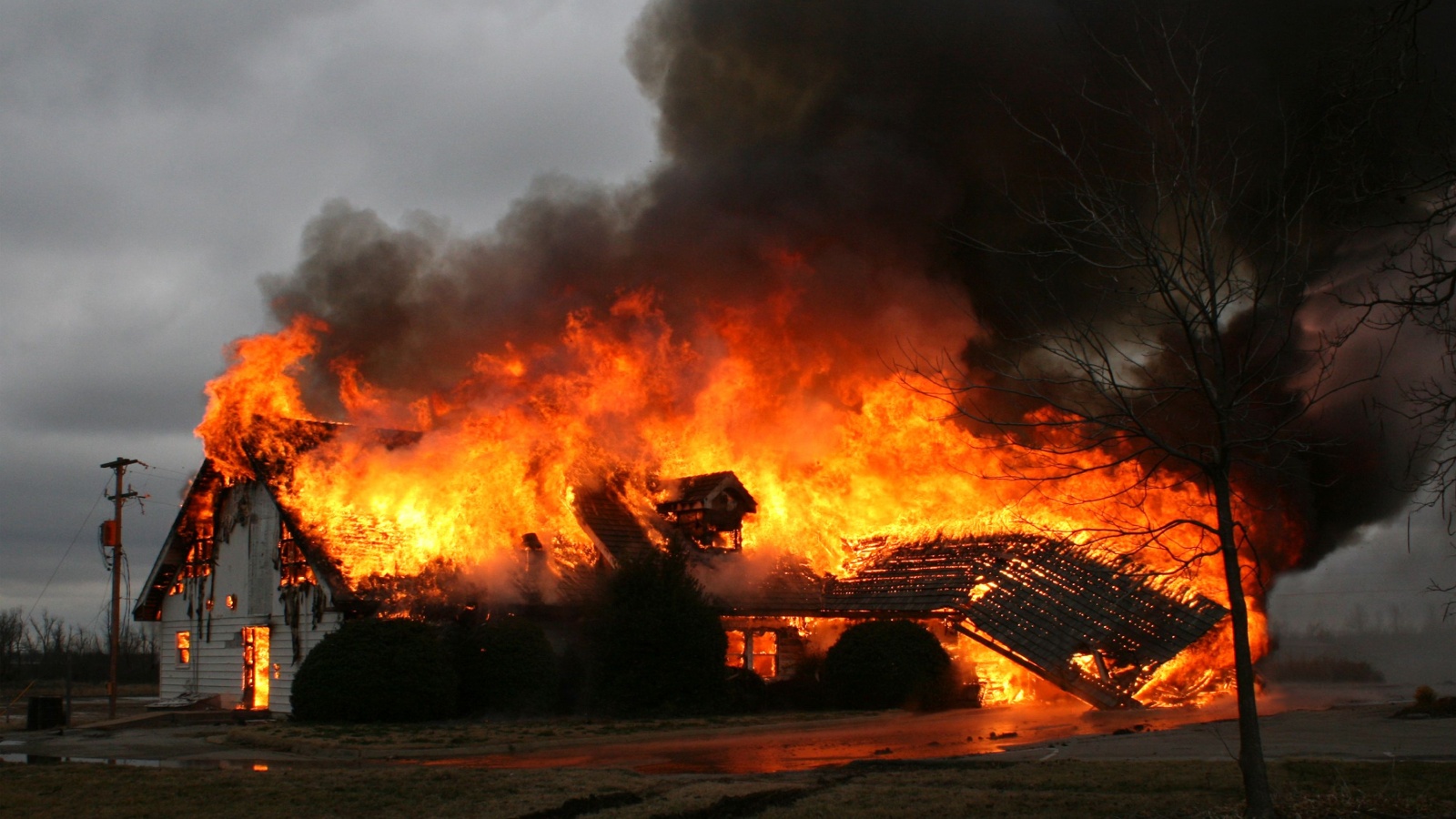
Mountain, forest, and coastal destinations are exposed to smoke, wildfire, storms, flooding, and road closures. Even when the disruption is beyond a traveller’s control, every prepaid booking does not automatically become fully refundable. Parks Canada’s policies retain original reservation and cancellation fees, and late campground cancellations can also lose the first night.
Platform protections have limits as well. Airbnb’s Major Disruptive Events policy can override a listing’s normal cancellation terms for qualifying events, but ordinary weather that is common or foreseeable may remain subject to the host’s policy. Jasper’s reduced camping capacity after the 2024 wildfire shows how one disaster can affect availability beyond the immediate emergency. The hidden cost is risk concentration: one road closure can affect a room, ferry, activity, and restaurant reservation at once. Flexible rates and carefully read insurance exclusions buy resilience, not just convenience. Keeping major bookings refundable can limit the costly financial domino effect.
19 Things Canadians Don’t Realize the CRA Can See About Their Online Income

Earning money online feels simple and informal for many Canadians. Freelancing, selling products, and digital services often start as side projects. The problem appears at tax time. Many people underestimate how much information the CRA can access. Online platforms, banks, and payment processors create detailed records automatically. These records do not disappear once money hits an account. Small gaps in reporting add up quickly.
Here are 19 things Canadians don’t realize the CRA can see about their online income.
This Options Discord Chat is The Real Deal
While the internet is scoured with trading chat rooms, many of which even charge upwards of thousands of dollars to join, this smaller options trading discord chatroom is the real deal and actually providing valuable trade setups, education, and community without the noise and spam of the larger more expensive rooms. With a incredibly low-cost monthly fee, Options Trading Club (click here to see their reviews) requires an application to join ensuring that every member is dedicated and serious about taking their trading to the next level. If you are looking for a change in your trading strategies, then click here to apply for a membership.