
35,000+ smart investors are already getting financial news, market signals, and macro shifts in the economy that could impact their money next with our FREE weekly newsletter. Get ahead of what the crowd finds out too late. Click Here to Subscribe for FREE.
Summer spending creates an unusually busy season for rewards accounts. Flights, hotels, fuel, groceries, attractions and restaurant bills can generate thousands of points, yet the same rush can make those points easier to waste. Peak travel pricing, foreign-currency charges, expiring offers and unfamiliar redemption screens all complicate what appears to be free value.
These 16 money-losing habits show how Canadian collectors can end a costly summer with fewer rewards than expected—or with points used far below their practical value. The strongest strategy is not simply collecting more. It is comparing points with cash, checking fees and eligibility rules, and treating every redemption as a financial decision rather than a vacation bonus.
Redeeming at the Peak Without Doing the Math
16 Ways Canadians Lose Money on Rewards Points in Summer
- Redeeming at the Peak Without Doing the Math
- Assuming Every Redemption Has the Same Value
- Paying Credit-Card Interest to Earn Rewards
- Spending Extra to Reach a Bonus
- Keeping a Premium Card for Benefits That Go Unused
- Using a Fee-Charging Card in Foreign Currency
- Paying a Surcharge That Costs More Than the Points
- Booking Hotels Through an Ineligible Channel
- Forgetting to Load Personalized Offers
- Skipping the Online Shopping Portal
- Letting an Account Drift Toward Inactivity
- Treating Points Like a Savings Account
- Buying Points Before a Redemption Is Ready
- Redeeming Points for Fees Without Checking the Rate
- Ignoring Change and Cancellation Costs
- Using Points When Cash Is the Better Deal
- 19 Things Canadians Don’t Realize the CRA Can See About Their Online Income

Summer reward prices can climb when families are most eager to travel. Aeroplan states that high-demand Air Canada rewards may cost more points than the normal ranges shown in its chart. That means a familiar route can deliver very different value in July than in a quieter month, even when the seat and cabin are identical.
A simple calculation exposes the difference: subtract unavoidable cash charges from the cash fare, then divide the remaining dollar value by the points required. A $450 ticket requiring 45,000 points produces about one cent per point. If the fare falls to $300 while the reward remains 45,000 points, the value drops to roughly two-thirds of a cent. Canadians who book first and calculate later may receive about $150 less value from one seat. For a family of four, that weak redemption can quietly consume value that could support another future summer trip for everyone.
Assuming Every Redemption Has the Same Value
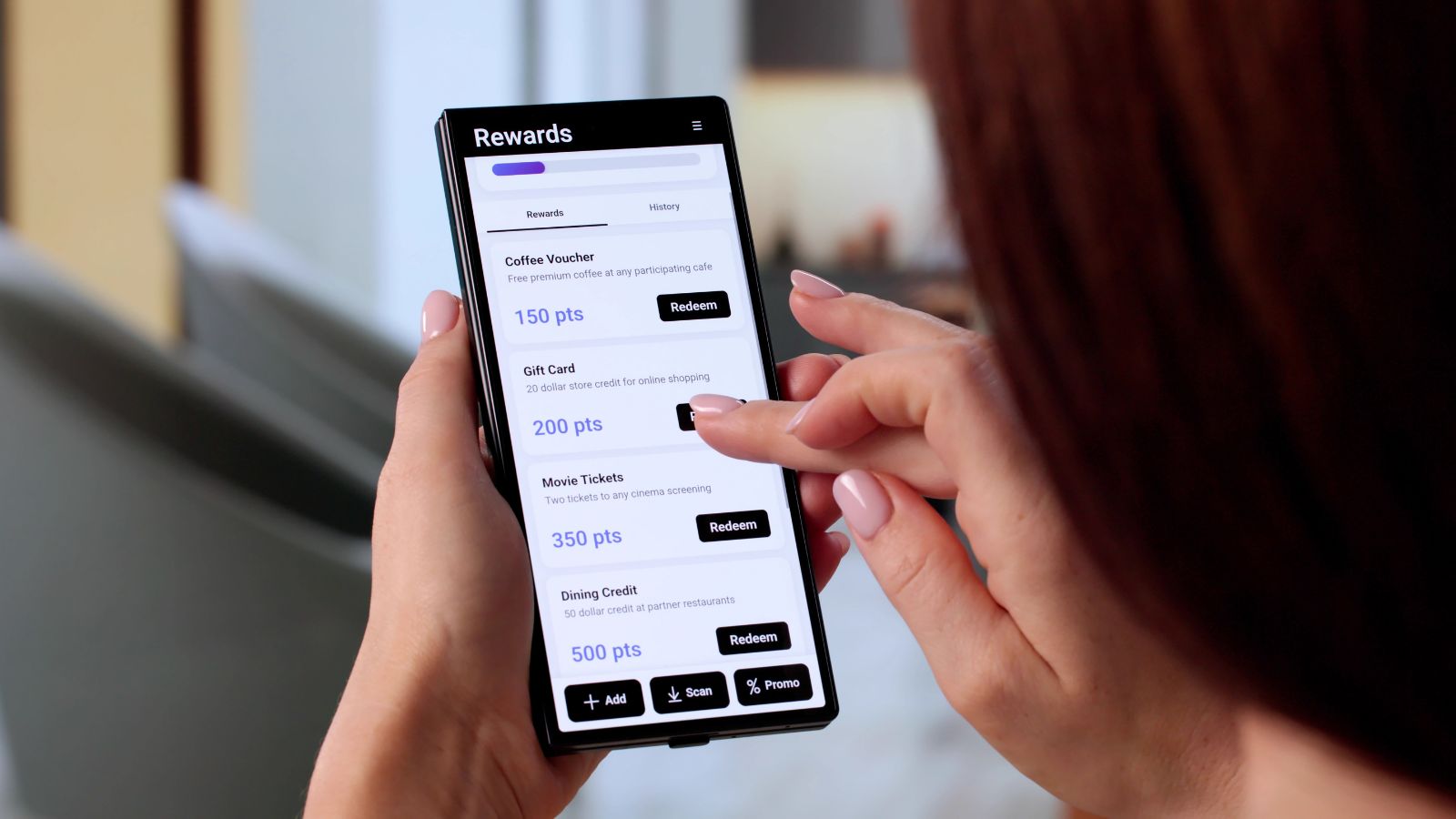
Points may look like a single currency inside an app, but redemption values can vary sharply by program and reward. Scene+ commonly uses 100 points for $1 toward eligible travel and 1,000 points for $10 in groceries. PC Optimum uses 10,000 points for $10, while Blue Rewards lists 1,500 points for $10 on participating in-store redemptions.
The mistake is comparing only the number of points, not the dollars received. WestJet, for example, advertises flight savings beginning at 2,500 points for $25, yet its Skip redemption page lists 12,400 points for a $100 credit. Those examples produce different values per point. A collector who automatically chooses merchandise, food delivery or a gift card may surrender value that could have covered more travel. Before redeeming, Canadians can write down three options, calculate dollars per 1,000 points, and choose the reward that supports an actual summer expense rather than the flashiest catalogue item.
Paying Credit-Card Interest to Earn Rewards

Rewards rarely survive contact with revolving credit-card interest. The Financial Consumer Agency of Canada advises consumers to consider the impact of carrying a monthly balance before choosing a card for rewards or benefits. Points are valuable only when the underlying purchases would have happened anyway and the statement can be paid without borrowing.
Consider a hypothetical card earning 2% on summer purchases. A $1,000 balance generates $20 in rewards. At a hypothetical 20% annual interest rate, one month of interest is about $16.67; a little more time can erase the entire reward. The math becomes worse when a vacation balance remains unpaid for several months. Families sometimes remember the airport lounge visit or free checked bag while overlooking the interest line on the next statement. The rule is blunt: when a balance must be carried, the lower-rate payment option generally matters more than the points multiplier attached to the purchase.
Spending Extra to Reach a Bonus

Welcome bonuses and targets can make unnecessary spending feel productive. Canada’s Competition Bureau notes that loyalty programs are designed to retain customers and entice them to spend more. Academic research also suggests consumers can treat points more abstractly than money, explaining why a reward threshold may feel less costly than the purchases required to reach it.
A bonus is not a bargain when the final dollars are forced. Suppose a card promises rewards worth $300 after a household spends $4,000, but normal summer expenses would total only $3,600. Buying $400 of unplanned patio furniture, clothing or restaurant meals creates a net loss even if the bonus posts successfully. The better approach is to map predictable bills—insurance, groceries, camps, fuel and utilities—before accepting a target. Canadians should also exclude purchases that carry surcharges or cannot be returned. A bonus should reward spending, not become permission to manufacture new spending.
Keeping a Premium Card for Benefits That Go Unused

Annual fees can turn a rewards card into an expensive membership. The Financial Consumer Agency of Canada recommends weighing a card’s fee against how often its benefits will actually be used. Marketing emphasizes lounge access, baggage allowances, travel credits and insurance, but the value depends on real trips and eligible bookings.
A household paying a $150 annual fee but using only $60 in benefits is $90 behind before counting a single point. Even a strong earn rate may not close that gap if most purchases fall outside bonus categories. An honest review uses the previous twelve months, not optimistic plans for the next twelve. Canadians can total redeemed credits, bags that would have been purchased, lounge visits they would have paid for and cash value of points earned above a no-fee alternative. Pleasant benefits should not be priced at full retail. Summer is especially useful because travel habits show clearly.
Using a Fee-Charging Card in Foreign Currency

A summer trip outside Canada can produce points while losing money on every purchase. The Financial Consumer Agency of Canada shows a foreign-currency conversion charge of 2.5%: on a converted purchase of $1,450, the added fee is $36.25. Card agreements differ, so the exact charge must be checked before departure.
That fee can exceed the reward rate. A card earning 1% would return $14.50 on that purchase while charging $36.25, leaving the traveller $21 behind before exchange-rate movements. Even a 2% return would not fully offset a 2.5% fee. Canadians sometimes choose the card with the highest advertised travel multiplier without checking whether it waives foreign transaction charges. A better comparison includes the earn rate, conversion fee, annual fee and travel protections together. Paying in Canadian dollars at a foreign terminal may also involve merchant-set conversion, so the displayed convenience should not replace a review of the exchange rate and charges. Fees can overwhelm rewards.
Paying a Surcharge That Costs More Than the Points

Canadian merchants may add a surcharge for credit-card payments, although Quebec is an exception under federal consumer guidance. Summer rentals, campgrounds, tour operators and small attractions may use service or convenience fees. A rewards card is not necessarily the cheapest payment method when an extra charge appears at checkout.
The calculation is simple. A 2% surcharge on a $1,500 cottage deposit costs $30. A card earning 1% returns only $15, creating a $15 loss. Even with a higher reward rate, the gain may be too small to justify using credit instead of debit, bank transfer or another method. Canadians should ask whether the fee is a true credit-card surcharge, whether another payment method is free and whether travel insurance requires the booking to be charged to a particular card. The answer may vary, but ignoring the fee guarantees that points receive more attention than the final price. That comparison protects the budget.
Booking Hotels Through an Ineligible Channel
Third-party travel sites can offer summer rates, but hotel loyalty programs may restrict earnings on those bookings. Marriott Bonvoy says stays booked through online travel engines such as Expedia, Priceline or Agoda are not eligible to earn points. A cheaper rate can mean lost points, elite-night credit or member benefits.
Compare the all-in value of each channel. Imagine a four-night stay priced at $250 per night. A third-party offer that saves $40 total may still be weaker if a direct booking would earn points, advance status, include member Wi-Fi or qualify for a promotion. The reverse may be true when the third-party discount is large and status is irrelevant. Canadians lose money when they assume “hotel stay” automatically means “hotel points.” Before paying, they should check qualifying-rate rules, add the loyalty number, confirm the rate earns points and save booking terms. A booking-channel decision can affect several layers of value.
Forgetting to Load Personalized Offers

Many retail bonuses are not automatic. PC Optimum’s terms state that personalized offers must be loaded to the member’s account online or through the app. The program promotes new personalized offers digitally. A card can be scanned correctly and still earn only the base amount when the relevant offer was never activated.
Summer creates this mistake: barbecue groceries, sunscreen, garden supplies, road-trip snacks and back-to-school purchases often arrive in large baskets. A household may spend $150 expecting a spend-threshold bonus, then discover the offer remained untouched in the app. The loss is not just the missing points; it may also encourage buying at a higher-priced store because the shopper believed a promotion would close the gap. Canadians should load offers before leaving home, check product and date restrictions, and keep the receipt until the points post. A quick review can matter more than choosing between two nearly identical rewards cards.
Skipping the Online Shopping Portal

Online loyalty portals can add extra rewards to purchases that would happen anyway. Aeroplan says its eStore includes more than 200 brands, and its materials explain that members may earn through the eStore while also earning from an Aeroplan credit card used at checkout. Going directly to the retailer can forfeit the portal portion.
This happens during summer sales, when shoppers click an email, search result or bookmark instead of beginning inside the loyalty portal. A $900 laptop, luggage set or patio purchase at a temporary five-points-per-dollar rate could represent 4,500 portal points before card rewards. Tracking rules and exclusions still matter, so screenshots, order confirmations and the retailer’s terms should be saved. Aeroplan provides a process for requesting missing eStore points, which shows why recordkeeping is useful. Canadians should never buy something solely for portal points, but ignoring an available portal on a planned purchase leaves measurable value behind.
Letting an Account Drift Toward Inactivity

Points may disappear when an account remains inactive long enough. Aeroplan’s standard policy uses an 18-month activity window, although expiry is temporarily paused until November 30, 2026. Blue Rewards says an account remains active when points have been earned or redeemed within the past 24 months. Timelines differ, so one calendar reminder cannot cover every account.
Summer suits balance audits because travel and retail activity is easy to generate. An eligible purchase, redemption or partner transaction may reset the inactivity clock, depending on the program. The danger is assuming opening an app, updating a profile or holding a co-branded card always counts; only qualifying activity under terms matters. Canadians with dormant accounts should record the last posted transaction, the inactivity rule and a legitimate way to create activity. Holding 30,000 points for a future trip is pointless if the account quietly expires before the booking window arrives. Reminders preserve balances.
Treating Points Like a Savings Account

Program rules control points; they are not protected like cash in a deposit account. Aeroplan’s June 2026 reward-chart update included increases and decreases, with some long-distance premium-cabin awards rising by tens of thousands of points. Blue Rewards also replaced the AIR MILES structure in summer 2026, moving members into a unified system and new redemption menu.
This does not mean every balance should be emptied immediately. It means “saving forever” carries risk. A collector holding points for a vague dream trip may discover that the target moves faster than the balance grows. Canadians can reduce that risk by setting a specific redemption goal, checking the program regularly and using points when they deliver solid value for real needs. A family that repeatedly delays a 60,000-point redemption while waiting for perfection could face a higher future price or changed partner availability. Treat loyalty points as a tool with uncertain purchasing power.
Buying Points Before a Redemption Is Ready

Programs sell points directly, and Aeroplan allows members to buy points to top up balances. Purchased points can be useful when a traveller is slightly short for a confirmed, high-value reward. They are risky when bought speculatively because a large bonus percentage sounds like a sale.
What matters is the total Canadian-dollar cost after tax, not the size of the promotional bonus. A traveller considering 20,000 purchased points should compare that cost with the cash fare, reward taxes and fees, cancellation terms and the value of points already owned. Availability may disappear during processing, and program pricing can change later. Purchased Aeroplan points do not create elite status on their own. Canadians should locate the exact flight or hotel, confirm flexible dates and calculate the completed redemption before buying. Points bought without a near-term use are an unsecured bet on availability, rules and travel plans—major variables collectors cannot control.
Redeeming Points for Fees Without Checking the Rate

Using points to erase taxes, baggage charges, seat selection or upgrades feels convenient, especially after an expensive summer booking. WestJet now allows points to cover taxes, fees and extras, but its terms state that the value per point there may be dynamic and can change. Convenience therefore does not guarantee the same value offered on the base trip.
Suppose 10,000 points can remove $100 from a flight but only $80 from a bundle of extras. Applying them to the extras sacrifices $20 of potential value. Numbers vary, yet the comparison remains essential. Canadians should price the flight and each add-on separately, then use points where the dollar reduction per 1,000 points is strongest. Also check whether paying certain taxes or fees with a credit card is required to trigger insurance coverage. One-click redemption can simplify the bill while quietly reducing the power of the balance that took months to earn.
Ignoring Change and Cancellation Costs

Reward travel is not automatically flexible. Aeroplan says flight-reward changes and cancellations may carry non-refundable fees by fare option, and changes can require additional points when the new itinerary costs more. Cancellations are allowed up to two hours before departure, with unused points and eligible cash charges returned, but the fee can still reduce the value of the trip.
Summer plans are vulnerable to schedule changes, illness, wildfire disruptions and family conflicts. Booking the lowest-point option without reading rules can be false economy. A family of four may face the same fee multiple times because charges are often assessed per ticket or reservation condition. Compare flexible and non-flexible reward options, confirm insurance coverage and estimate the cost of one likely change before booking. Paying more points initially buys useful protection; sometimes a cash fare with better terms is safer. A reward is truly cheapest only when travel proceeds as planned.
Using Points When Cash Is the Better Deal

A reward booking costs more than the points removed from the account. Aeroplan’s 2026 earning rules award points on paid Air Canada flights based on base fare and carrier surcharges, while members travelling on flight rewards are not eligible to earn points or status credit. A cash booking can therefore generate value unavailable on a reward ticket.
It matters when summer seat sales push fares down but point requirements remain elevated. Imagine a $220 paid fare or a 30,000-point reward with $60 in charges. The reward saves only $160, or about 0.53 cents per point, before forgone points and status credit. Paying cash and preserving the balance may be stronger. Compare cash saved, points required, earnings lost, cancellation rules and card insurance. Redeeming points is satisfying, but the goal is not to make the balance reach zero. The goal is to use it when it replaces the greatest real expense.
19 Things Canadians Don’t Realize the CRA Can See About Their Online Income

Earning money online feels simple and informal for many Canadians. Freelancing, selling products, and digital services often start as side projects. The problem appears at tax time. Many people underestimate how much information the CRA can access. Online platforms, banks, and payment processors create detailed records automatically. These records do not disappear once money hits an account. Small gaps in reporting add up quickly.
Here are 19 things Canadians don’t realize the CRA can see about their online income.
This Options Discord Chat is The Real Deal
While the internet is scoured with trading chat rooms, many of which even charge upwards of thousands of dollars to join, this smaller options trading discord chatroom is the real deal and actually providing valuable trade setups, education, and community without the noise and spam of the larger more expensive rooms. With a incredibly low-cost monthly fee, Options Trading Club (click here to see their reviews) requires an application to join ensuring that every member is dedicated and serious about taking their trading to the next level. If you are looking for a change in your trading strategies, then click here to apply for a membership.