
35,000+ smart investors are already getting financial news, market signals, and macro shifts in the economy that could impact their money next with our FREE weekly newsletter. Get ahead of what the crowd finds out too late. Click Here to Subscribe for FREE.
Back-to-school season rarely arrives as one neat shopping trip. It tends to unfold in waves: supply lists in July, shoes and clothing in August, activity fees in September, and replacement purchases once routines begin. That pattern matters in Canada, where recent polling found many parents reporting higher school-supply costs and significant pressure on household budgets. At the same time, groceries, technology, child care, transportation, and organized activities can each add a separate layer of spending.
These 17 back-to-school costs deserve attention now because the most expensive items are not always the most obvious. Planning early can reveal which purchases are essential, which can wait for confirmed school instructions, and which may qualify for school, community, provincial, or charitable support.
School Supplies and Classroom Basics
17 Back-to-School Costs Canadian Parents Should Start Watching Now
- School Supplies and Classroom Basics
- Backpacks, Lunch Bags, and Reusable Containers
- Everyday Clothing and Uniform Pieces
- Footwear, Indoor Shoes, and Seasonal Boots
- Laptops, Tablets, and Computer Accessories
- Internet, Software, Printing, and Digital Subscriptions
- School, Course, and Program Fees
- Transportation, Transit, and Daily Driving
- Packed Lunches, Snacks, and Drinks
- Before and After School Care
- Clubs, Lessons, and Activity Registration
- Sports Equipment, Team Travel, and Tournament Costs
- Music, Art, and Specialty Program Gear
- Field Trips, Fundraising, and Special Events
- Tutoring and Learning Support
- Vision, Eyewear, and Personal-Care Needs
- Lost Items and Mid-Year Restocking
- 19 Things Canadians Don’t Realize the CRA Can See About Their Online Income

Pens, pencils, notebooks, binders, calculators, and art materials can look inexpensive until a full list is multiplied by several children. Statistics Canada’s latest available monthly table showed prices for school textbooks and supplies 2.7% higher year over year in May 2026. A 2025 Leger poll also found that 60% of Canadian parents believed school-supply expenses had increased from the previous year, including 21% who said they were much higher.
The practical risk is buying too much before teachers confirm what will actually be used. One classroom may require colour-coded folders, while another supplies most materials centrally. Families can inventory leftovers first, compare the school’s current list with last year’s, and hold back duplicate items. Leger found that 34% of parents planned to reuse supplies from previous years or older children, showing that a household audit can turn a long list into a shorter, more manageable shopping trip before classes begin.
Backpacks, Lunch Bags, and Reusable Containers

A backpack and lunch kit often sit outside the official supply list, yet they can become some of the season’s most visible purchases. Children may request a new design even when last year’s bag still works, while parents may prioritize stronger zippers, padded straps, insulation, or leak-resistant containers. The Retail Council of Canada reported that school supplies were the most common back-to-school spending category in its 2024 survey, selected by 64% of shoppers.
Durability matters because one failed zipper or cracked water bottle can trigger a second purchase before winter. A realistic budget should include the bag, lunch box, ice packs, reusable bottles, food containers, and replacement lids. Checking seams, washing instructions, warranty terms, and whether the item fits a locker can prevent expensive mismatches. Some families save by replacing only worn accessories rather than the entire set, especially when a neutral backpack can remain usable across several school years.
Everyday Clothing and Uniform Pieces

Back-to-school clothing is rarely limited to one first-day outfit. Growing children may need trousers, shirts, sweaters, socks, outer layers, and weather-appropriate pieces within weeks of returning. In the Retail Council of Canada’s 2024 research, clothing was the second-most common planned spending category, chosen by 57% of shoppers, behind school supplies. Uniform families may face fewer style decisions, but required colours, logos, or approved suppliers can reduce bargain-hunting options.
The cost can rise when parents buy for September weather and then immediately need warmer layers. A staged approach often works better: purchase enough for the opening weeks, then assess growth, classroom temperature, and laundry frequency. Second-hand uniform exchanges, community resale groups, and hand-me-downs can lower the total, while labels may help clothing return home. Parents should also check whether gym days, spirit days, or outdoor programs require separate garments that are missing from the ordinary September clothing budget for the term.
Footwear, Indoor Shoes, and Seasonal Boots

Footwear creates a separate back-to-school bill because many schools expect indoor shoes in addition to everyday footwear. A child may also need running shoes for physical education, waterproof shoes for wet mornings, and winter boots soon after the term begins. Statistics Canada tracks footwear as its own part of the clothing and footwear component of the Consumer Price Index, reflecting how shoe spending behaves differently from general apparel.
Sizing makes the category difficult. Buying too early can produce a poor fit by September, while waiting too long may leave fewer sizes during promotions. Parents can measure both feet, confirm whether gym shoes must be non-marking, and ask whether indoor shoes remain at school. One sturdy pair may serve both classroom and physical-education needs in some schools, but not all. Families with children should also inspect soles, heel wear, and fasteners before assuming a hand-me-down pair is safe for the year.
Laptops, Tablets, and Computer Accessories

Technology can turn a routine school return into a major capital purchase. Some students need a laptop or tablet for assignments, while others can use school-issued devices but still require headphones, a mouse, a charger, a protective case, or extra storage. Electronics appeared among the leading Canadian back-to-school categories in Retail Council research, with 20% of shoppers planning purchases in 2024.
Current price movement also deserves attention. Statistics Canada reported that computer equipment, software, and supplies were 3.9% more expensive year over year in May 2026, after declining slightly the previous month. Before buying, families should confirm the school’s operating-system, browser, memory, and software requirements. A discounted device is not a bargain if it cannot run required programs. Refurbished models, extended warranties, accidental-damage coverage, and replacement-charger prices should be included when calculating the true first-year cost of ownership, rather than treated as afterthoughts, along with likely repair or replacement costs.
Internet, Software, Printing, and Digital Subscriptions

The device is only the beginning of the digital school bill. Reliable home internet, cloud storage, printer ink, paper, educational apps, and software subscriptions can create recurring costs long after September. The CRTC’s 2026 telecommunications report found that internet prices were generally stable through much of 2024 and 2025, yet broadband consumed a larger share of resources for lower-income households than for higher-income households.
Families should check which digital tools are provided by the school board before purchasing personal licences. Microsoft 365, Google Workspace, learning platforms, antivirus tools, and accessibility software may already be available through a student account. Printing needs are also easy to underestimate: low-cost printers can require costly cartridges, while a nearby library or school printing service may be cheaper. Reviewing internet data limits, equipment-rental fees, promotional expiry dates, and cancellation terms can expose monthly charges that eventually exceed the original back-to-school purchase over a full year.
School, Course, and Program Fees

Public elementary education is generally free for Canadian citizens and permanent residents, but that does not mean every school-related item carries no charge. Provincial rules, school-board policies, and individual programs determine whether families may be asked to pay for optional enhancements, specialty courses, student agendas, consumable materials, or personal-use equipment. EduCanada advises families to contact the local board because expected fees and costs vary.
The distinction between required and optional items is important. Ontario’s Ministry of Education says schools cannot charge for learning materials required to complete the curriculum, while British Columbia boards may charge for certain goods, services, specialty programs, musical instruments, and optional events. Parents should read fee notices carefully, ask what is mandatory, and request information about hardship waivers before paying. A modest charge repeated across technology, art, athletics, and graduation activities can become a substantial annual bill, particularly for families with more than one enrolled student.
Transportation, Transit, and Daily Driving
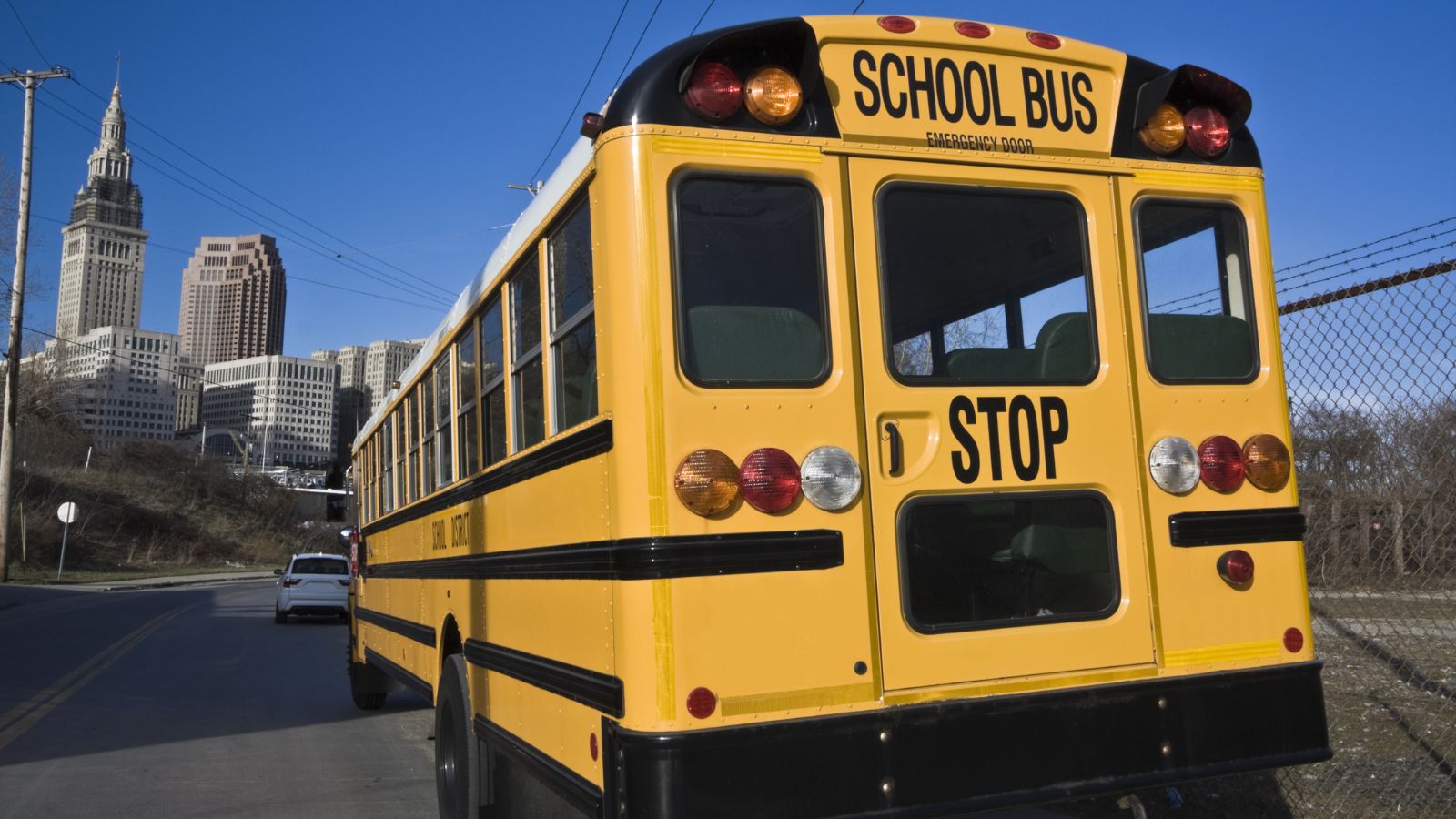
Getting a child to school can carry costs even when tuition does not. Depending on location and eligibility, families may face school-bus fees, public-transit passes, fuel, parking, ride-sharing, or child-care time around transportation schedules. Ontario settlement guidance notes that transportation and textbooks are often free in public schools, but older students may need to pay public-transit fares. Alberta also revised its school transportation framework for the 2025–26 year.
The expensive part is often the routine rather than a single payment. A longer school choice, split household, extracurricular practice, or missed bus can add kilometres and time every week. Parents can compare bus eligibility, transit student discounts, walking-school-bus programs, and carpool arrangements before classes begin. When driving is unavoidable, the realistic calculation should include fuel, maintenance, parking, and the value of repeated trips—not merely the price at the pump. One extra pickup each weekday can quietly become a major monthly commitment.
Packed Lunches, Snacks, and Drinks

School food costs arrive five days a week, making them more persistent than one-time purchases. Statistics Canada reported that grocery prices rose 3.5% on average in 2025, faster than in 2024. By May 2026, food purchased from stores was 4.3% more expensive than a year earlier, and fresh vegetable prices were up 9.0%. Those changes are felt quickly in fruit, sandwich fillings, dairy products, and snack staples.
A child who rejects packed food or repeatedly forgets a lunch container can increase waste as well as spending. Families may reduce surprises by planning a rotating menu, checking school allergy rules, and comparing homemade portions with cafeteria or meal-program prices. Reusable bottles and containers can help, but only when they regularly return home. It is also worth budgeting for occasional pizza days, hot-lunch orders, and emergency cafeteria purchases, which often sit outside the grocery total and can make spending look deceptively low.
Before and After School Care

Child care does not disappear when a child enters school. Statistics Canada reported that 40% of Canadian children aged four to 12 who attended school used some form of before or after school care in spring 2022. School-based programs were the most common arrangement, but families also relied on relatives and home-based care. Availability, hours, registration rules, and subsidies vary considerably across communities.
The back-to-school cost may include monthly fees, deposits, late-pickup penalties, professional-development days, and care during school holidays. Parents who secure a classroom schedule but not a care space can face last-minute private arrangements at a higher price. Registration should therefore be checked early, especially when a program has limited capacity. Families should also confirm whether fees cover snacks, transportation, and full-day care on non-instructional days. The lowest advertised monthly rate may not be the lowest annual cost once closures, add-on days, and alternate arrangements enter the calculation properly.
Clubs, Lessons, and Activity Registration

September brings another wave of invoices for dance, coding, language classes, scouts, school clubs, and community recreation. Registration fees may be the entry point; uniforms, books, performance tickets, memberships, and volunteer commitments can follow. Canadian Tire Jumpstart has repeatedly identified rising costs as a barrier to youth participation; a 2026 announcement said nearly half of young people considered sport too expensive.
Parents can protect the household budget by separating trial interest from long-term commitment. A child who enjoys one introductory class may not need a full-year package, branded kit, or private lesson right away. Asking about cancellation policies, sibling discounts, equipment loans, and financial-assistance funds is worthwhile before registration closes. Activity schedules should be tested against transportation and child-care needs. Two affordable programs on paper can become expensive when they require evening drives, weekend travel, or missed work. The complete cost is the fee plus everything needed to participate consistently.
Sports Equipment, Team Travel, and Tournament Costs

Organized sport can produce a wide cost range. Recreational soccer may require registration, cleats, shin guards, and a ball, while hockey can add skates, protective equipment, ice fees, travel, and frequent replacement as children grow. Associated Press reporting on youth sport in Canada and the United States found that families often struggle with league fees, gear, and travel, particularly in hockey.
The first team invoice rarely captures the full season. Tournament hotels, meals, fuel, fundraising quotas, photographs, team clothing, and private training may appear later. Parents should request a complete fee schedule and ask how many out-of-town events are expected before accepting a roster spot. Used-equipment programs can reduce costs, but helmets, skates, and protective gear still require careful fit and safety checks. For younger children, borrowing or renting equipment can be sensible until interest and growth patterns become clearer. The goal is participation without an open-ended household sports bill.
Music, Art, and Specialty Program Gear

Specialty programs introduce costs absent from a standard classroom list. Instrument rental, reeds, strings, valve oil, sketchbooks, portfolios, lab coats, safety footwear, culinary supplies, and trades tools may all be required depending on the course. Provincial policy matters: Ontario says curriculum-required learning materials, including musical instruments and art or science supplies, should not be charged to families, while British Columbia permits certain instrument and personal-use fees.
That makes exact school wording essential. A basic instrument needed for curriculum may be provided, while an upgraded model, take-home rental, or optional ensemble could carry a charge. Consumable materials may also be treated differently from reusable school property. Parents should ask whether equipment can be borrowed, rented by term, purchased used, or shared. Waiting for teacher guidance can prevent buying the wrong size, brand, or specification. Specialty programs are rewarding, but their recurring purchases can rival the original course fee over the year.
Field Trips, Fundraising, and Special Events

Field trips often arrive after families believe back-to-school spending is finished. Museums, outdoor education, theatre visits, graduation activities, and overnight travel may involve transportation, admission, meals, or accommodation. British Columbia school guidance allows fees for optional field trips and special events, while individual boards are expected to maintain financial-hardship policies. School fundraising can also accompany these costs through donations, product sales, raffles, or tickets.
The cost is unpredictable because notices may arrive with short payment deadlines. Setting aside a reserve can prevent every permission form from becoming a budget emergency. Parents should ask whether participation is optional, whether lower-cost alternatives exist, and whether fundraising reduces the family’s payment or supports the school program. “Voluntary” campaigns can still create social pressure, especially when several children bring home catalogue sales or donation requests at once. A household limit helps families support the school without turning every campaign into an unplanned personal expense.
Tutoring and Learning Support

Tutoring can become a cost before report cards appear, especially when families anticipate difficulty in mathematics, reading, languages, or exams. An earlier national survey reported that one in three Canadian parents had hired a tutor for a child. Costs now range from group programs and online subscriptions to private hourly instruction.
The key question is whether paid support is necessary immediately. Schools, libraries, community organizations, and provincial platforms may offer homework help, peer tutoring, or online resources at no charge. Parents can first ask the teacher what skill needs attention and how progress will be measured. A vague package promising general improvement may cost more than targeted short-term help. When private tutoring is chosen, the budget should include assessment fees, materials, missed-session policies, and the expected number of weeks. Clear goals can prevent an open-ended arrangement from becoming a permanent monthly expense without clear measurable evidence that it is helping.
Vision, Eyewear, and Personal-Care Needs

A child who cannot see the board clearly may need more than new notebooks. The Canadian Association of Optometrists advises yearly eye examinations for children aged five to 19 because young people may not recognize or report a vision problem. Depending on the province, exam coverage and eyewear support differ, leaving families to budget for frames, lenses, repairs, or replacement glasses.
Back-to-school personal care can also include prescription refills, menstrual products, deodorant, sunscreen, lip balm, hand sanitizer, hair supplies, and a small emergency kit. These purchases are modest individually but repeat throughout the year. Parents should check provincial health coverage, workplace benefits, school support programs, and charitable eyewear options before paying the full amount. Durable cases, backup glasses, and clearly labelled medication may reduce emergencies, although school rules govern how medicine is stored and administered. Health-related costs deserve early attention because they affect attendance, comfort, and learning rather than appearance.
Lost Items and Mid-Year Restocking

The final back-to-school cost is the one that appears after the first shopping trip: replacing what is lost, broken, consumed, or outgrown. Leger’s 2025 survey found that 39% of parents preferred to spread supply purchases through the year rather than buy everything at once. That approach may reflect practicality, but it also means the September budget is only the beginning.
Schools may charge for the repair or replacement of lost loaned property, including textbooks, library books, music materials, or science equipment, as long as policies allow it. Families should label high-risk items, photograph device serial numbers, and keep a small reserve for notebooks, pencils, chargers, lunch containers, and seasonal clothing. A monthly restocking amount can be more realistic than assuming all needs are settled in August. Children grow, classes change, and supplies disappear. Planning for that normal churn keeps an ordinary replacement from becoming a costly credit-card surprise later on.
19 Things Canadians Don’t Realize the CRA Can See About Their Online Income

Earning money online feels simple and informal for many Canadians. Freelancing, selling products, and digital services often start as side projects. The problem appears at tax time. Many people underestimate how much information the CRA can access. Online platforms, banks, and payment processors create detailed records automatically. These records do not disappear once money hits an account. Small gaps in reporting add up quickly.
Here are 19 things Canadians don’t realize the CRA can see about their online income.
This Options Discord Chat is The Real Deal
While the internet is scoured with trading chat rooms, many of which even charge upwards of thousands of dollars to join, this smaller options trading discord chatroom is the real deal and actually providing valuable trade setups, education, and community without the noise and spam of the larger more expensive rooms. With a incredibly low-cost monthly fee, Options Trading Club (click here to see their reviews) requires an application to join ensuring that every member is dedicated and serious about taking their trading to the next level. If you are looking for a change in your trading strategies, then click here to apply for a membership.