35,000+ smart investors are already getting financial news, market signals, and macro shifts in the economy that could impact their money next with our FREE weekly newsletter. Get ahead of what the crowd finds out too late. Click Here to Subscribe for FREE.
Autopay can turn a crowded household budget into something that feels almost effortless, but summer has a habit of changing the numbers behind familiar withdrawals. Air conditioning, travel, seasonal memberships, insurance renewals, property-tax instalments and forgotten digital subscriptions can all make a routine payment less predictable than it appeared in spring.
Across Canada, billing rules and schedules vary by province, municipality and provider, so the safest approach is to review the amount, timing, contract terms and cancellation conditions before money leaves the account. These 18 summer bills deserve a closer look before autopay runs, especially when a promotional rate is ending, usage has shifted or a once-useful service is quietly renewing.
Electricity Bills
18 Summer Bills Canadians Should Check Before They Autopay
- Electricity Bills
- Natural Gas Equal-Payment Plans
- Water and Sewer Bills
- Home Insurance Renewals
- Auto Insurance Renewals
- Mobile Phone Plans
- Home Internet Bills
- Streaming Subscriptions
- App and Cloud-Storage Renewals
- Gym and Fitness Memberships
- Credit Card Autopay Settings
- Lines of Credit and HELOC Payments
- Buy Now, Pay Later Instalments
- Property Tax Instalments
- Condo Fees and Special Assessments
- Summer Camp and Childcare Payments
- Transit Passes and Auto-Reload Accounts
- Seasonal Home-Service Contracts
- 19 Things Canadians Don’t Realize the CRA Can See About Their Online Income

Summer electricity charges can move sharply even when the thermostat setting barely changes. Air conditioners, dehumidifiers, pool pumps and extra refrigeration all run longer during hot spells. In Ontario, time-of-use summer periods run from May 1 through October 31, with weekday on-peak hours concentrated around the hottest part of the afternoon. Ontario’s tiered-price threshold for residential customers is also lower in summer—600 kilowatt-hours rather than the winter threshold of 1,000—so households on tiered pricing may reach the higher tier sooner.
Before autopay, the bill should be checked against the same month last year, recent weather and any new equipment. A family that added a portable air conditioner to an upstairs bedroom may see a real increase, while an unexplained jump could point to a failing appliance or estimated meter reading. Equal-billing customers should also compare the fixed withdrawal with actual accumulated usage, because a smooth monthly payment can still produce a reconciliation adjustment later.
Natural Gas Equal-Payment Plans
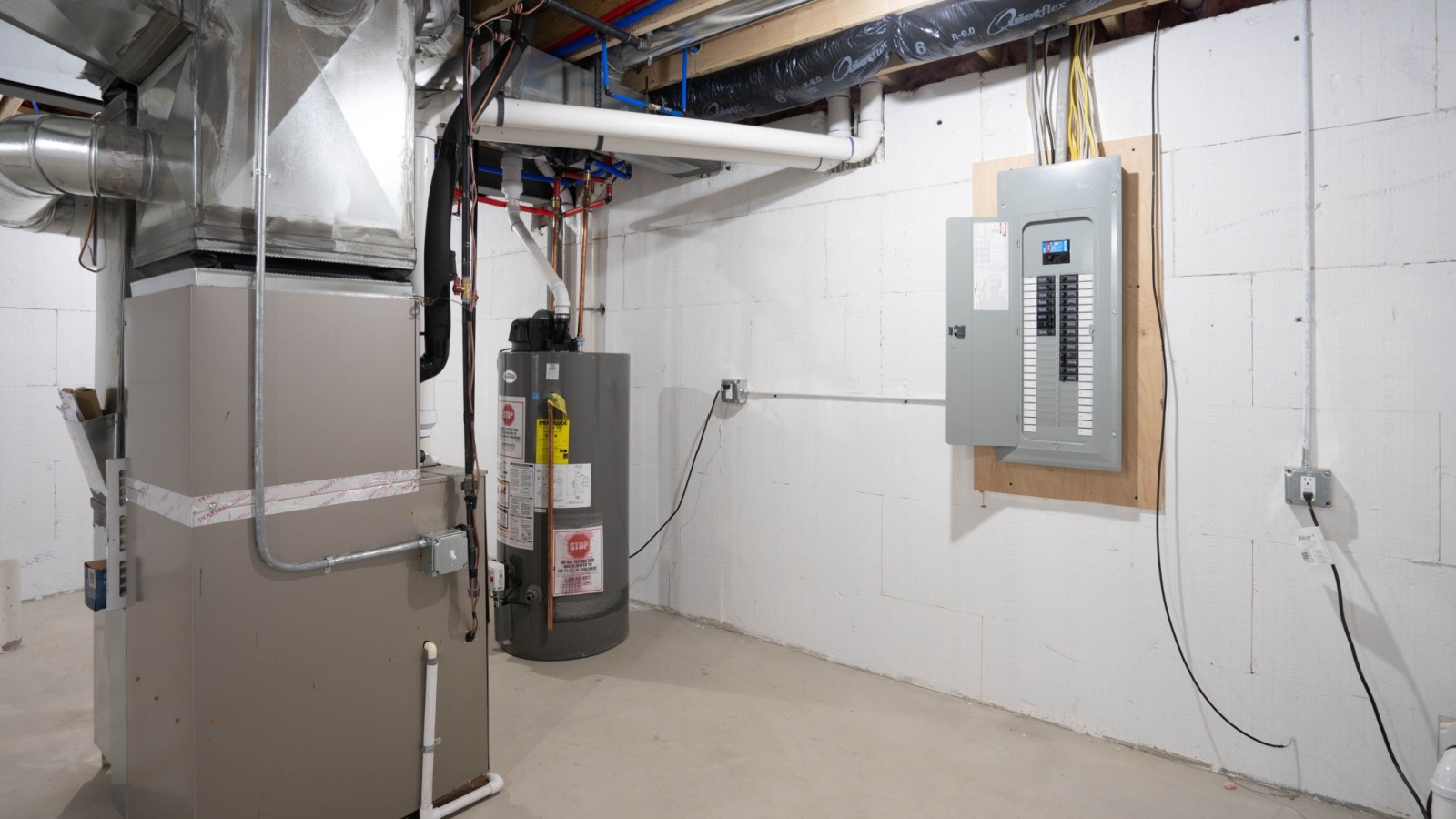
A low summer natural-gas bill can be misleading when the account uses an equal-payment plan. Enbridge Gas, for example, spreads forecast annual costs across 12 monthly instalments using past consumption, expected rates and weather forecasts. That means a household may keep paying a relatively substantial amount in July even though the furnace is barely running. The instalment is designed to smooth seasonal costs, not to match that month’s actual use.
Before autopay, check both the withdrawal and the running difference between estimated payments and real consumption. Enbridge allows customers to compare actual usage with their monthly instalments and review usage over the previous 13 months. A family that replaced a furnace, added a gas water heater or moved into a larger home may find the estimate no longer reflects reality. Fixed customer charges can also keep a summer bill from falling as far as expected. The useful question is not simply whether gas use is low, but whether the payment plan is still tracking the household’s annual pattern accurately.
Water and Sewer Bills

Summer watering, pools, outdoor cleaning and visiting relatives can raise water use, but a sudden increase deserves more than a shrug. Toronto notes that property owners are billed for water recorded by the meter and that unexplained high consumption may result from leaks. Its MyWaterToronto guidance says a three-person household used an average of about 230 cubic metres in 2020—roughly 630 litres a day—while the city also estimates bathrooms account for about half of indoor water use.
Before autopay, households should compare daily or weekly consumption and check toilets, irrigation lines, outdoor taps and pool equipment. A toilet flapper that never fully seals can run quietly for weeks, making the bill look like ordinary summer usage. Municipal adjustment policies vary, and utilities may not automatically forgive charges caused by private plumbing leaks. Reviewing the meter before a withdrawal also helps distinguish a genuine consumption spike from an estimated reading or billing error, leaving time to investigate before the amount is taken.
Home Insurance Renewals

Home insurance often renews quietly, but the premium and coverage may not remain identical. Insurance Bureau of Canada guidance says customers should receive renewal terms at least 30 days before a policy expires under normal circumstances. That notice deserves careful reading because deductibles, limits, endorsements and monthly instalments can change even when the insurer continues the policy automatically. Renovations, home-based work, a rented room or a newly installed pool can also alter the risk that should be disclosed.
A summer review is especially useful before storm and vacation season. The cheapest premium is not automatically the best value if water-damage limits, sewer-backup protection or additional living expenses have been reduced. IBC recommends shopping around, asking about multi-policy discounts and choosing a deductible that remains affordable after a loss. For example, raising a deductible may lower the premium, but it can create a painful cash requirement after a burst pipe. Autopay should proceed only after the renewal amount and coverage still make sense together.
Auto Insurance Renewals

Auto insurance withdrawals can continue without interruption even when the household’s driving pattern or provincial coverage options have changed. Insurance Bureau of Canada advises customers to keep policy information accurate and review coverage with an insurance representative. Ontario renewals deserve particular attention in summer 2026: as of July 1, several accident benefits became optional, while medical, rehabilitation and attendant-care benefits remained standard. Existing customers generally keep their current coverage unless they agree in writing to changes.
Summer also alters everyday risk. A teenager may start driving, a commuter may work mostly from home, or a vehicle may be used for towing, ridesharing or repeated cottage trips. A family that removed a long commute but never updated annual kilometres could be paying for an outdated profile; another that added a new driver without notifying the insurer may create a coverage problem. Before autopay, confirm the premium, payment schedule, listed drivers, vehicle use, deductibles and optional benefits rather than assuming renewal means everything stayed the same.
Mobile Phone Plans

A mobile bill can look familiar while hiding device financing, roaming add-ons or plan changes. The CRTC’s Wireless Code requires providers to disclose the total monthly charge, one-time fees and key contract terms in a Critical Information Summary. Providers generally cannot change key terms of a postpaid contract during the commitment period without informed, express consent, and device-financing arrangements sold with service receive Wireless Code protections. These details matter when a phone upgrade made the bill appear only slightly higher.
Summer travel adds another layer. A daily roaming feature used on a two-week trip can produce repeated charges, while family-plan overages may be approved by an authorized user. Before autopay, compare the invoice with the contract summary and check whether a promotional credit, device payment or protection plan has ended or changed. A customer whose phone is fully paid may discover the monthly service price did not fall automatically. That is a good moment to compare bring-your-own-device plans rather than continuing the old withdrawal unquestioned.
Home Internet Bills
Internet promotions often expire while autopay keeps running. Under the CRTC’s Internet Code, a provider must notify a customer on a fixed-term contract at least 90 days before the initial commitment period ends. The notice must state the expiry date, explain whether the contract will continue month to month and identify the proposed new minimum monthly charge when the same terms will not continue. That information can be buried in an email that looks routine.
A household should compare the newest invoice with the original agreement, especially after a discounted first year. A $20 promotional credit disappearing does not look dramatic on one line, but it adds $240 over 12 months. Summer may also change needs: students leave home, a cottage connection is activated, or remote work pauses during travel. Before autopay, review speed, data limits, equipment rental, mesh-network charges and bundled services. Cancelling unused television or phone components may affect the bundle price, so the full post-change total should be confirmed before making a switch.
Streaming Subscriptions

Streaming services are easy to start and surprisingly easy to forget, particularly when a free trial becomes a paid monthly plan. Canada’s Competition Bureau warns about subscription traps and recommends keeping trial documents, watching statements for recurring or unfamiliar charges and contacting the card issuer or consumer-protection authorities when cancellation becomes difficult. Legitimate services can still create waste when several platforms renew during a season spent mostly outdoors or away from home.
Before autopay, list every video, music, sports and audiobook service charging the household. Then check whether each is monthly or annual, whether the price has changed and whether the same content is available through another bundle. A family may carry three services for one summer series, then keep paying after the finale. Sports subscriptions deserve special attention because seasonal packages can renew into a new term. Cancelling usually preserves access until the paid period ends, but policies vary. The goal is not to eliminate entertainment; it is to make every recurring charge an intentional choice.
App and Cloud-Storage Renewals

Small app charges can accumulate across phones, tablets and family accounts. Apple and Google both provide subscription-management pages, but an important detail is often missed: Google states that uninstalling an app does not cancel its subscription. Cloud storage also requires care because cancelling or downgrading may leave an account above the new storage limit, affecting syncing or backups. A charge that appears under a platform name may therefore represent a service nobody immediately recognizes.
Before autopay, review subscriptions under every Apple ID or Google account used by the household, including children’s accounts and old devices. Look for photo editors, language apps, games, password managers, fitness tools and storage upgrades. A seven-day trial started before a vacation can become an annual plan while everyone is away. Check the renewal date, billing frequency and data consequences before cancelling. Where storage is involved, download or delete excess files first. The safest review matches each charge to an active user and a clear purpose rather than relying on memory.
Gym and Fitness Memberships

Gym memberships can become poor-value summer bills when travel, outdoor exercise or seasonal sports replace indoor workouts. Contract protections vary by province. In Ontario, for example, consumers have a 10-day cooling-off period for certain fitness agreements, and government guidance says gyms must provide renewal notice before some contracts expire. Those rules do not make every cancellation automatic, and a stopped bank withdrawal does not necessarily end the underlying membership agreement.
Before autopay, check the commitment period, freeze options, cancellation method and notice deadline. A member leaving for six weeks may save more by pausing than cancelling, while another may discover that a low monthly rate is tied to a full-year obligation. Also review annual facility fees, which can be charged separately from monthly dues and may land in summer. A hypothetical $60 annual fee plus two unused $45 payments turns a forgotten membership into a $150 seasonal expense. Written cancellation confirmation is valuable because it creates a record if withdrawals continue after the contract should have ended.
Credit Card Autopay Settings

Credit-card autopay is not one single setting. It may withdraw the minimum payment, a fixed amount or the full statement balance, and the difference has major consequences. The Financial Consumer Agency of Canada says federally regulated institutions must provide at least a 21-day interest-free grace period on new purchases, but that benefit generally depends on paying the statement balance by the due date. Paying only the minimum keeps the account from being immediately past due but allows interest to continue.
Summer spending can make an old autopay setting risky. Flights, hotels, camps and home repairs may push the statement far above the usual amount, leaving too little cash in the chequing account if full-balance autopay runs. The opposite problem occurs when a minimum-payment setting quietly carries expensive debt. Before the withdrawal, confirm the statement balance, payment option, due date and available funds. A practical review also separates purchases from cash advances and balance transfers, which generally do not receive the same grace-period treatment.
Lines of Credit and HELOC Payments

Many lines of credit use variable interest rates, so a familiar automatic payment may cover less principal when rates rise. The Financial Consumer Agency of Canada explains that interest on a line of credit is generally charged from the day money is borrowed until the balance is repaid. Home equity lines of credit are commonly tied to a lender’s prime rate, often expressed as prime plus or minus a stated margin. The required payment may therefore change even when no new money is borrowed.
Before autopay, check the current rate, outstanding balance, minimum payment and principal reduction. A fixed $300 transfer that once reduced debt steadily may become mostly interest after a rate increase or additional summer borrowing. Cottage repairs, tuition deposits and travel can also cause several withdrawals from the same credit line without a clear repayment plan. Review whether the payment is merely satisfying the minimum or actually shrinking the balance. Borrowers should also verify that the linked account contains enough funds, because an unsuccessful debit can create fees and further interest.
Buy Now, Pay Later Instalments

Buy now, pay later plans can scatter several small withdrawals across the summer calendar. FCAC describes these arrangements as credit and notes that pre-authorized payments may trigger both provider fees and bank NSF fees when funds are unavailable. Its research found that fewer than 10 per cent of Canadians reported using BNPL in 2021; among users, about one in ten had difficulty understanding how payments would be made. The amounts may be small individually but confusing in combination.
Before autopay, create a single list showing every purchase, provider, instalment date and remaining balance. A patio set, concert tickets and airfare booked through three different plans can produce overlapping withdrawals on the same payday. Promotional rates also require attention: FCAC warns that missed payments can lead to fees, loss of a promotional rate or much higher interest under some retail-credit arrangements. Review the original agreement rather than relying on the retailer’s checkout summary. The key question is whether the total scheduled debt still fits the account balance and broader summer budget.
Property Tax Instalments

Property-tax autopay can create one of the largest summer withdrawals, and schedules differ widely by municipality. Toronto offers two-, six- and 11-instalment pre-authorized plans. For 2026, its six-instalment schedule includes final-bill withdrawals in July, August and September, while the two-instalment plan takes the final amount in July. That example shows why a homeowner cannot assume every month will look like the last one.
Before autopay, open the final tax bill and compare it with the instalment schedule, especially after a reassessment, supplementary bill, ownership change or enrolment switch. Homeowners whose mortgage lender pays taxes should also make sure they are not separately enrolled with the municipality. A household expecting an ordinary monthly debit could otherwise face a much larger summer charge or duplicate payment. Municipalities may impose penalties for missed instalments, so simply blocking an unfamiliar withdrawal is not a safe response. Confirm the account number, due date, plan type and amount with the local tax office before making changes.
Condo Fees and Special Assessments

Monthly condo fees may rise with a new annual budget, and special assessments can arrive outside the normal payment pattern. The Condominium Authority of Ontario defines a special assessment as an extra one-time charge added to owners’ common expenses to cover a budget shortfall or major event. It notes that assessments are generally allocated using the same percentage as regular common expenses and that past assessments in some corporations have reached thousands or even tens of thousands of dollars.
Before autopay, owners should read board notices, budgets and management correspondence rather than judging the withdrawal by last month’s fee. A summer roof repair, insurance deductible or unexpected litigation expense can change the corporation’s cash needs. An owner who misses an assessment notice while travelling may return to arrears, interest or collection steps. Check whether the charge is a permanent fee increase, a one-time assessment or a series of instalments. Renters who reimburse owners for certain utilities should also verify which costs belong to the lease and which remain the owner’s responsibility.
Summer Camp and Childcare Payments

Camp and childcare accounts often use deposits followed by scheduled instalments, making cancellation terms as important as the withdrawal itself. FCAC’s pre-authorized-debit guidance explains that cancelling a PAD does not cancel the contract or erase money owed; it only changes the payment method. That distinction matters when a child’s plans change because of illness, travel, a schedule conflict or a move to another program. Refund rules usually depend on the provider’s written agreement.
Before autopay, confirm attendance dates, sibling discounts, meal or transportation add-ons, late-pickup charges and the final cancellation deadline. A family may have registered for two overlapping weeks while waiting for work schedules, assuming one could be dropped later. If the refund window has passed, stopping the debit could create a debt rather than a refund. Written communication is essential: ask the provider to confirm any cancellation, credit or transfer to another session. Also check that the card or bank account on file is current, because a failed instalment can jeopardize a reserved place.
Transit Passes and Auto-Reload Accounts

Transit auto-reload is convenient, but it can keep drawing money after commuting habits change. PRESTO explains that Autoload adds funds when the card balance falls below a chosen minimum, while Autorenew can place a new pass on the card. A rider working remotely, cycling in summer or travelling for several weeks may trigger fewer fares yet still carry a pass renewal that no longer offers value. Family members may also have separate cards linked to one payment method.
Before autopay, review the minimum balance, reload amount, pass type and cards attached to the account. A student switching schools or an employee changing offices may need a different fare product. Lost or replaced cards should be checked to ensure old settings were transferred or removed correctly. The same principle applies to parking apps and toll accounts: inspect stored vehicles, licence plates, automatic top-ups and expired credit cards. A recurring mobility payment should reflect actual summer travel, not the routine that existed in February.
Seasonal Home-Service Contracts

Lawn care, pool maintenance, pest control, alarm monitoring and HVAC service plans often begin with a seasonal package and then renew or bill in instalments. Consumer-contract rules vary by province, but Ontario guidance says many agreements for goods or services costing more than $50 must be in writing. FCAC also stresses that cancelling a pre-authorized debit does not cancel the underlying contract. Blocking the payment without ending the agreement can therefore leave the customer owing money.
Before autopay, compare the service schedule with work actually completed. A pool company may have included weekly visits, chemical charges and opening or closing services; a lawn plan may price fertilizing, weed control and aeration separately. Check renewal language, cancellation notice, weather-delay policies and extra-material charges. A homeowner who moves in August or decides to maintain the yard personally should obtain written confirmation that the contract has ended. Photographs, invoices and service dates can help resolve disputes when a provider bills for a visit that appears to have been missed.
19 Things Canadians Don’t Realize the CRA Can See About Their Online Income

Earning money online feels simple and informal for many Canadians. Freelancing, selling products, and digital services often start as side projects. The problem appears at tax time. Many people underestimate how much information the CRA can access. Online platforms, banks, and payment processors create detailed records automatically. These records do not disappear once money hits an account. Small gaps in reporting add up quickly.
Here are 19 things Canadians don’t realize the CRA can see about their online income.
This Options Discord Chat is The Real Deal
While the internet is scoured with trading chat rooms, many of which even charge upwards of thousands of dollars to join, this smaller options trading discord chatroom is the real deal and actually providing valuable trade setups, education, and community without the noise and spam of the larger more expensive rooms. With a incredibly low-cost monthly fee, Options Trading Club (click here to see their reviews) requires an application to join ensuring that every member is dedicated and serious about taking their trading to the next level. If you are looking for a change in your trading strategies, then click here to apply for a membership.