
35,000+ smart investors are already getting financial news, market signals, and macro shifts in the economy that could impact their money next with our FREE weekly newsletter. Get ahead of what the crowd finds out too late. Click Here to Subscribe for FREE.
The first Monday in August falls on August 3 in 2026, but the holiday’s name, legal status, and operating schedules differ across Canada. That variation can turn a seemingly simple three-day break into a tangle of sold-out campsites, delayed ferries, road closures, fire restrictions, and unexpected business hours. A little preparation protects both the budget and the mood of the weekend.
These 21 practical steps cover the checks that matter most before departure, from vehicle readiness and weather alerts to food safety, border documents, pets, and home security. The goal is not to overplan every hour. It is to remove the preventable problems that can consume valuable time once highways, parks, beaches, and tourist towns become noticeably busier.
Confirm What the Holiday Actually Changes
21 Things Canadians Should Do Before the August Long Weekend
- Confirm What the Holiday Actually Changes
- Recheck Campsite and Accommodation Reservations
- Inspect Roadwork, Closures, and Ferry Plans
- Give the Vehicle a Real Pre-Trip Check
- Map Fuel Stops or Charging Stops
- Build an Emergency Kit for the Actual Trip
- Review Insurance and Roadside Coverage
- Monitor Official Weather Alerts
- Check Wildfire Smoke and the AQHI
- Verify Fire Bans and Local Restrictions
- Make a Sober and Rested Driving Plan
- Recheck Child Seats, Seat Belts, and Cargo
- Pack Food With Temperature Control in Mind
- Prepare the Boat Before Reaching the Ramp
- Create a Serious Water-Safety Plan
- Plan for Heat, Hydration, and UV Exposure
- Pack Tick and Insect Protection
- Organize Border Documents and Declarations
- Make a Safe, Practical Pet Plan
- Secure the Home and Keep Absence Details Private
- Reconfirm Bookings and Watch for Payment Scams
- 19 Things Canadians Don’t Realize the CRA Can See About Their Online Income
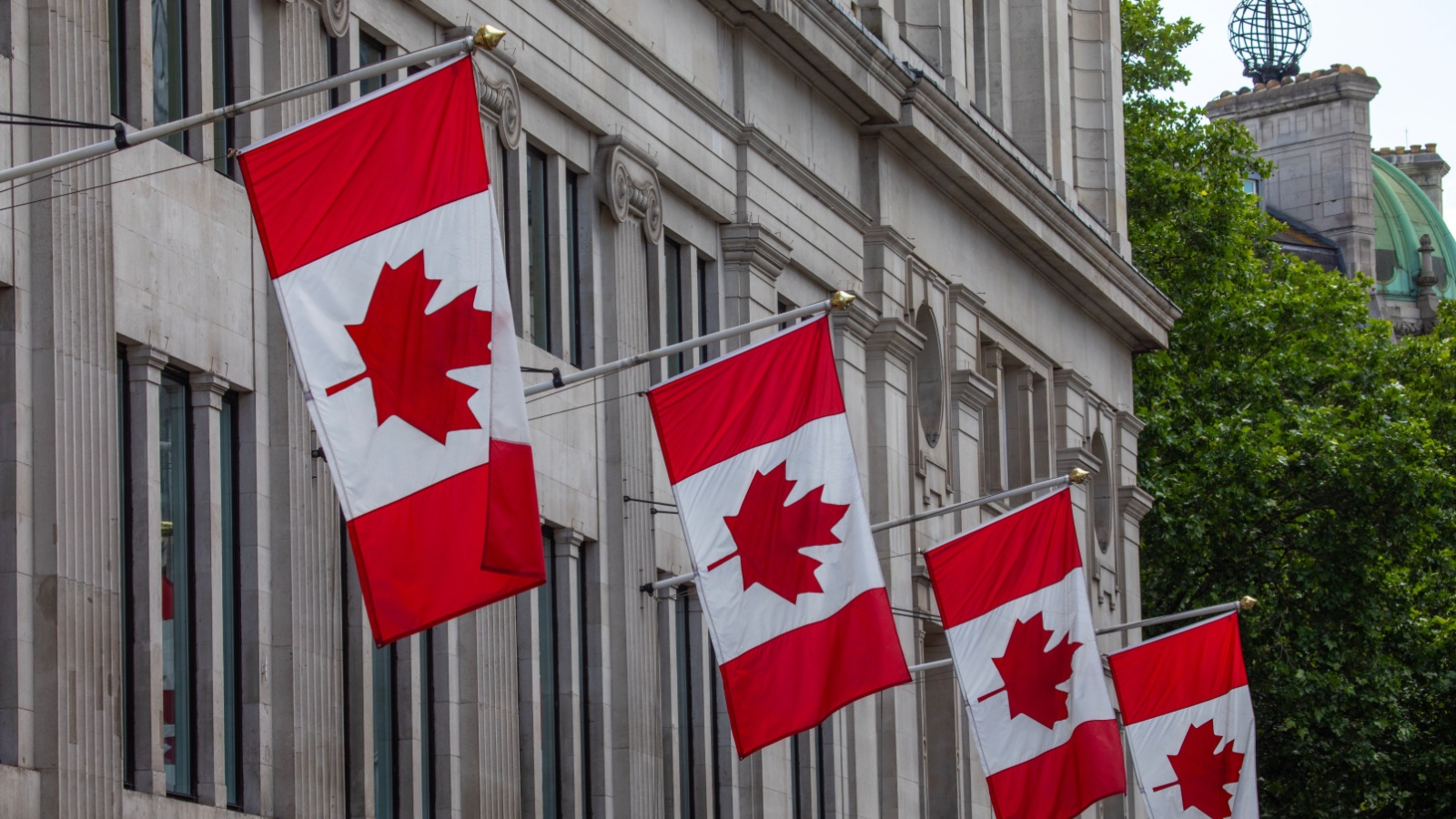
The August long weekend is not administered uniformly across Canada. In 2026, the first Monday falls on August 3, yet the day’s name and legal treatment vary by province, territory, municipality, and employer. Federal listings identify the Civic Holiday on that date while noting an exception for Quebec. Local governments may also use names such as Heritage Day, Natal Day, or a provincial civic holiday, and not every workplace closes.
Before making errands part of the getaway, check the exact hours for pharmacies, grocery stores, banks, liquor retailers, municipal facilities, waste collection, and attractions. A family counting on a Monday prescription refill or a final propane purchase can lose hours discovering that the nearest option is closed. Confirming schedules on official websites—and calling small businesses when information looks outdated—creates a realistic plan rather than relying on what happened last year or assuming every community follows the same official holiday calendar.
Recheck Campsite and Accommodation Reservations

Popular campgrounds, cottages, hotels, and cabins can fill well before the August weekend. Parks Canada accepts reservations online and by telephone, while availability and operating models differ by location; some sites are reservable and others may remain first-come, first-served. A confirmation number alone is not enough. Reopen the booking and verify the park, campground loop, arrival date, number of nights, party size, vehicle information, and check-in window.
This is also the moment to review cancellation rules, quiet hours, generator limits, pet policies, firewood restrictions, and whether bedding or cooking equipment is supplied. One common holiday mistake is arriving at a rustic cabin expecting hotel-style linens, or reaching a campground after the gate office has closed. Save the confirmation offline and take a screenshot of directions because cellular service can weaken near parks. A five-minute review can prevent an expensive, stressful last-minute search for another suitable, genuinely available place to sleep.
Inspect Roadwork, Closures, and Ferry Plans
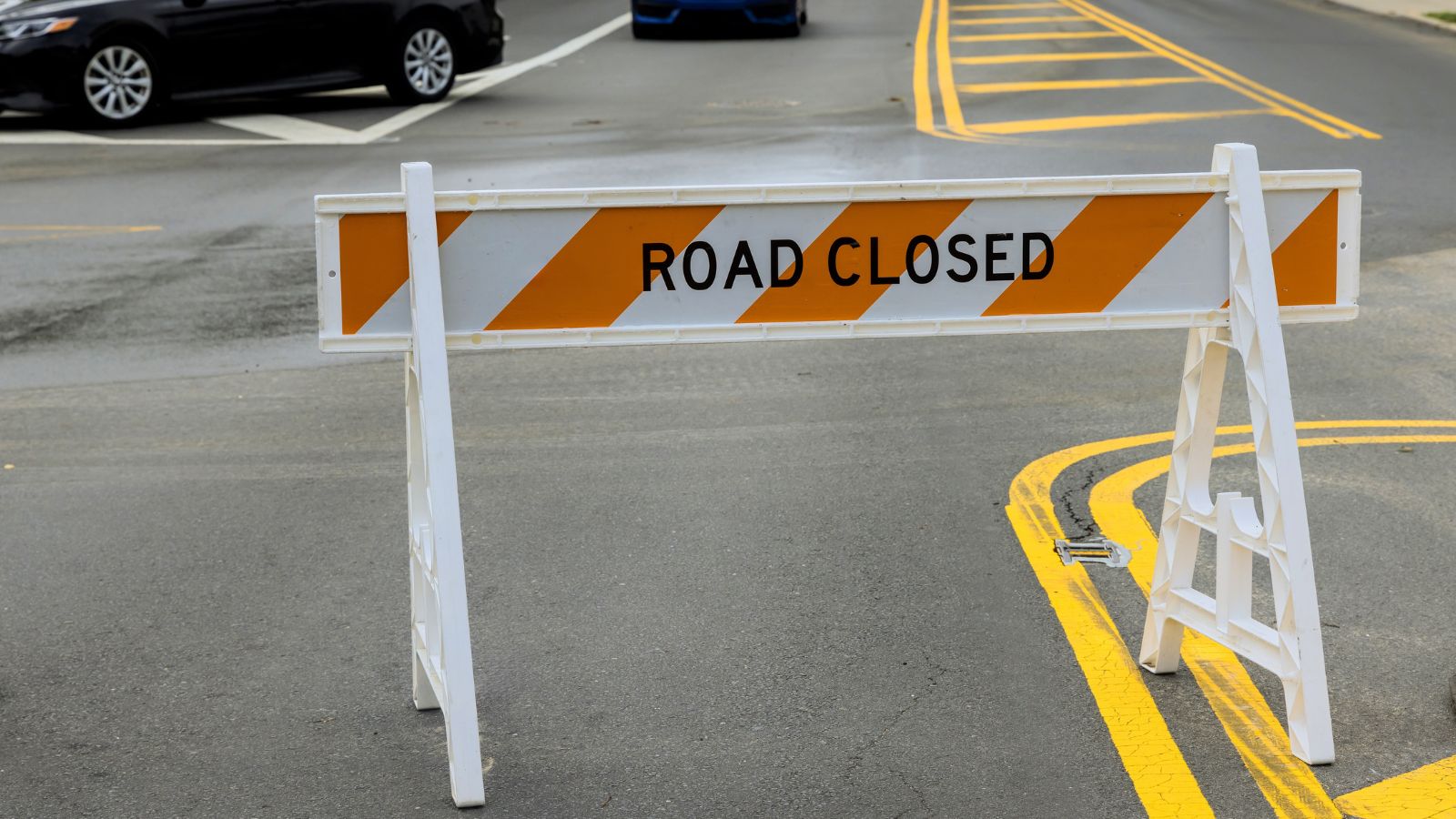
Long-weekend traffic becomes harder to manage when construction, collisions, ferry queues, or seasonal road closures remove the usual margin for error. Provincial services such as Ontario 511 publish construction, incidents, closures, cameras, and rest-area information. Travellers should check the official road service for every jurisdiction on the route, not only a navigation app, because government feeds may contain closure details or restrictions that a general map has not yet reflected.
Build at least one practical alternate route and identify safe places to stop before departure. Ferry users should confirm reservation rules, terminal arrival times, vehicle dimensions, and whether a missed sailing forfeits priority. A route that normally takes three hours can become much longer when traffic converges on cottage-country highways Friday afternoon. Download maps, screenshot key advisories, and share the route with someone at home. The purpose is not to predict every delay, but to avoid being trapped without fuel, food, or a workable detour.
Give the Vehicle a Real Pre-Trip Check

A highway trip exposes small maintenance problems that short urban drives can hide. Transport Canada advises checking tire pressure regularly when tires are cold, including the spare. Before the weekend, inspect tread, sidewalls, fluid levels, wiper blades, lights, battery condition, and any warning lamps. Confirm that the spare tire, inflator, wheel-lock key, and jack are present and usable rather than assuming they remained in the vehicle after the last service.
Pay attention to changes that have become familiar: a slow crank, vibration at speed, soft brake pedal, coolant smell, or tire that repeatedly loses pressure. Those clues deserve attention before a fully loaded vehicle enters remote highway stretches. Canada recorded 1,964 road fatalities in 2023, a reminder that road readiness is not merely about avoiding inconvenience. A mechanic may not be available on the holiday Monday, so completing repairs early can be the difference between an uneventful drive and a costly tow from a crowded roadside.
Map Fuel Stops or Charging Stops

Fuel and charging plans matter most when traffic, distance, heat, or towing increases energy use. Natural Resources Canada maintains a charging and alternative-fuelling station locator, and its zero-emission corridor work focuses on enabling longer intercity trips. EV drivers should map primary and backup chargers, note connector type and charging speed, and avoid planning to arrive with almost no remaining range. Remote stations may be occupied, temporarily unavailable, or located behind limited business hours.
Gasoline and diesel drivers also benefit from identifying reliable stops, especially in northern, rural, or park routes where stations can be widely separated. Fill up before the busiest departure period and reconsider expected range when carrying bicycles, a roof box, trailer, or heavy camping gear. A family that normally refuels “when the light comes on” may discover that the next open station is far beyond the detour. Saving locations offline and allowing a sensible reserve turns an energy stop into a planned break instead of an emergency.
Build an Emergency Kit for the Actual Trip
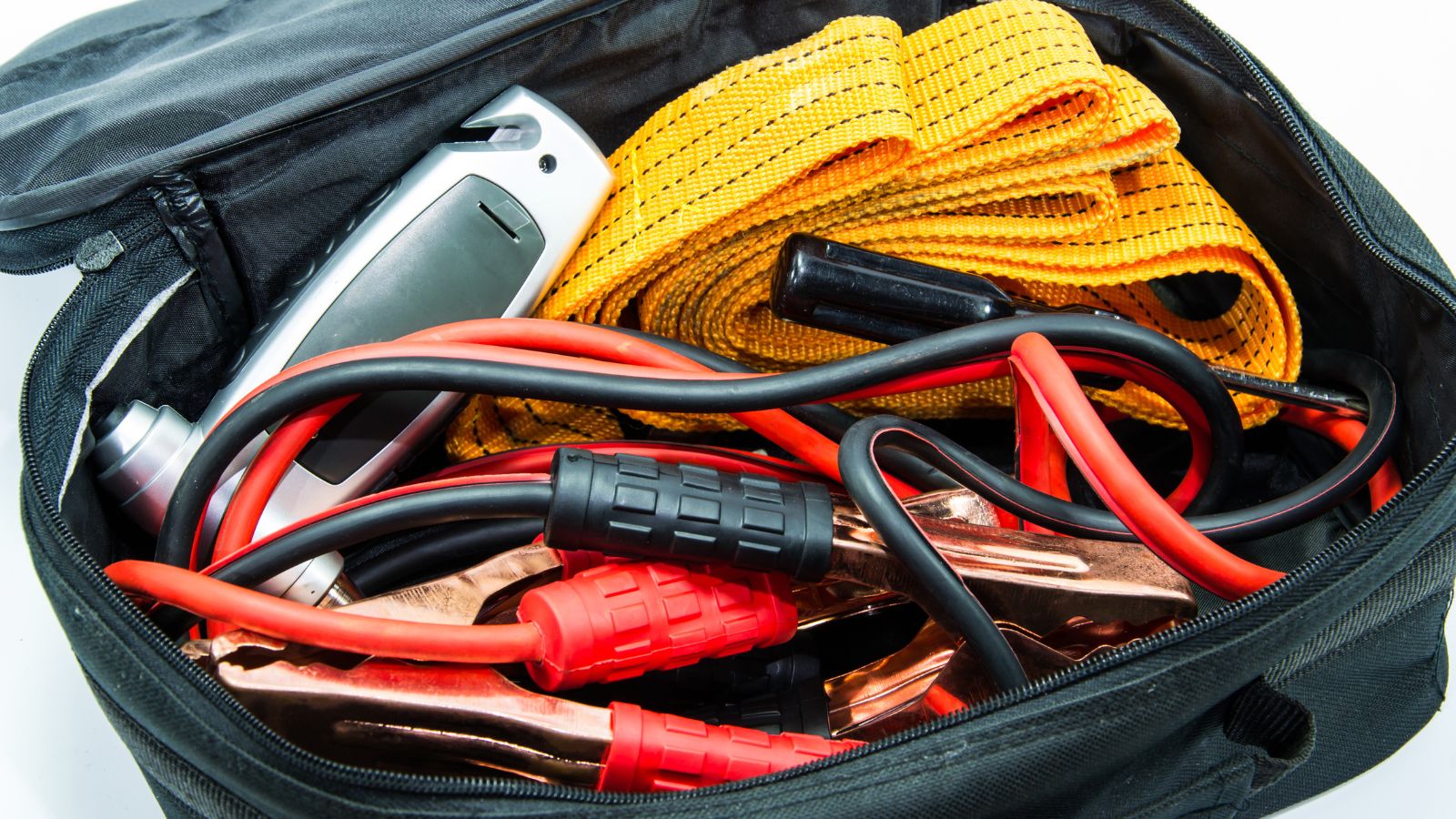
Public Safety Canada recommends keeping emergency supplies in the vehicle, including water, non-perishable food, a blanket, extra clothing, a first-aid kit, a flashlight, and tools such as a seat-belt cutter. The August weekend may be warm, but a breakdown after dark, a mountain temperature drop, or a long closure can still leave occupants cold and isolated. Add medications, charging cables, a power bank, paper maps, sunscreen, and supplies appropriate for children or pets.
The kit should match the route rather than remain a forgotten winter box in the trunk. Remote travel may justify more water, a tire inflator, reflective triangles, work gloves, and insect protection; urban travel may place greater value on transit alternatives and roadside-assistance details. Check expiry dates and test the flashlight. Keep essential items accessible instead of buried beneath luggage. When a collision closes a highway for several hours, the useful kit is the one that can be reached safely without unloading the entire vehicle beside moving traffic.
Review Insurance and Roadside Coverage

Insurance details are easiest to understand before a claim. The Insurance Bureau of Canada notes that vehicle owners must carry required auto insurance, while optional protections and policy conditions vary. Review the policy for collision and comprehensive coverage, deductibles, rental-vehicle provisions, roadside assistance, and rules for occasional drivers. Anyone towing a trailer, carrying expensive sports equipment, or crossing a border should ask whether additional limits or endorsements apply.
Store the insurer’s claims number, policy number, and roadside-assistance contact in both a phone and an offline note. Photograph the vehicle before departure, especially when using a rental, and know where the registration and proof of insurance are kept. A cracked windshield, parking-lot scrape, or disabled vehicle feels more chaotic when nobody knows whom to call. Clarifying coverage also prevents a false assumption that a credit card, manufacturer program, or travel policy automatically covers every expense. Questions should go to the insurer or broker before offices reduce holiday hours.
Monitor Official Weather Alerts

Summer weather can change a weekend plan faster than traffic. Environment and Climate Change Canada publishes watches, warnings, statements, radar, and other official weather information. Check both the destination and the route several days before travel, then check again on departure morning. A sunny forecast for the cottage means little if severe thunderstorms are expected along the highway, or if strong winds make a lake crossing unsafe later in the day.
Treat an alert as information for a decision, not background noise. Outdoor weddings may need a shelter plan; campers should know the nearest sturdy building; hikers may need an earlier turnaround time. Download alerts or forecasts where service is unreliable, and make sure at least one adult receives notifications overnight. A short storm can create fallen trees, flash flooding, power outages, and dangerous lightning even when the rest of the weekend remains pleasant. Flexible timing is often more valuable than insisting on the original itinerary.
Check Wildfire Smoke and the AQHI
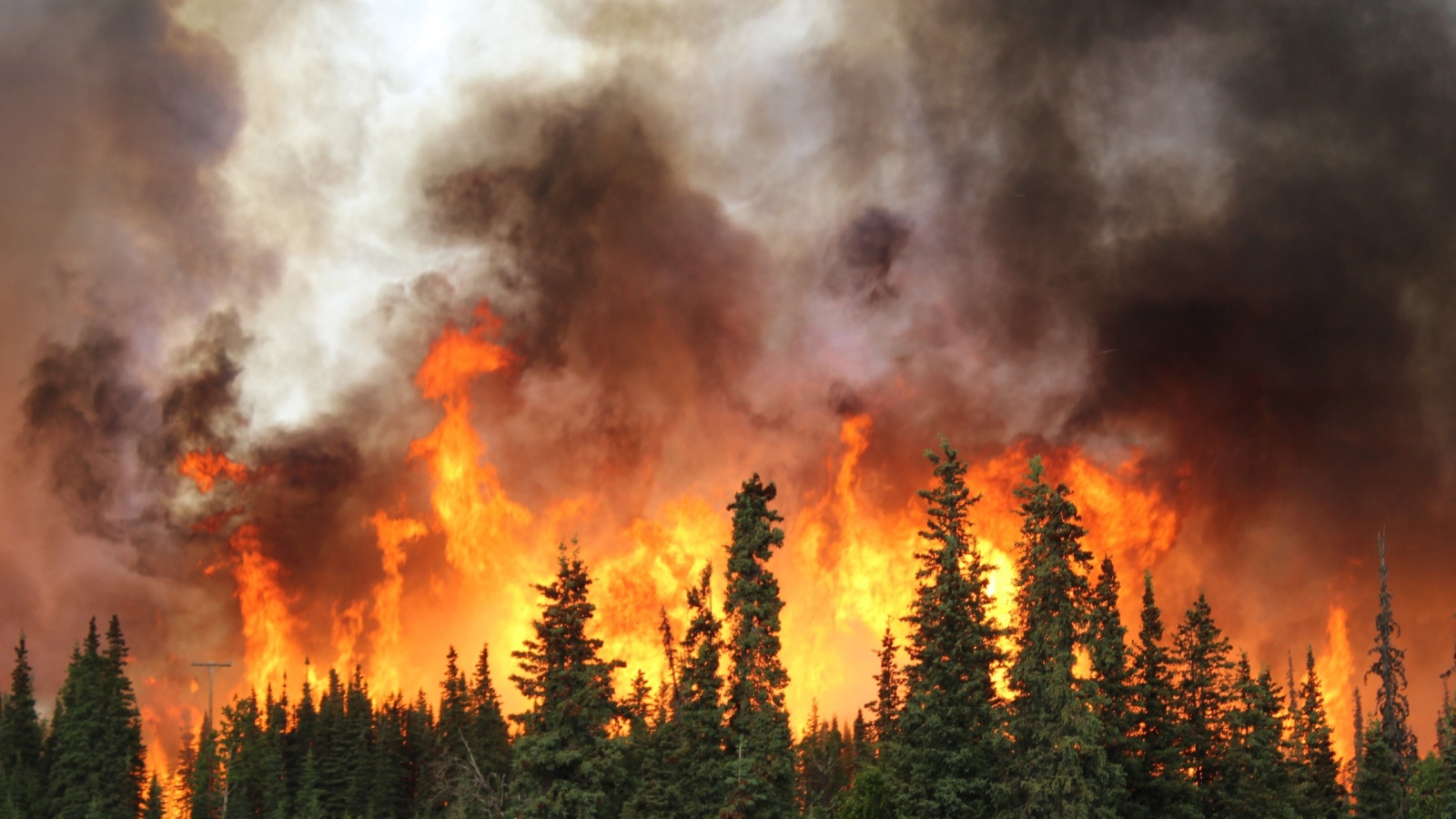
A clear-looking morning does not guarantee healthy air later. Canada’s Air Quality Health Index uses a scale from 1 to 10+, and official forecasts can extend up to 72 hours in many locations. Wildfire smoke contains fine particles that can travel far from the fire itself. People with asthma, heart or lung disease, older adults, pregnant people, and young children may be more affected, but heavy smoke can reduce comfort and performance for anyone outdoors.
Check the AQHI for the destination and nearby communities, especially before strenuous hiking, cycling, or children’s sports. Build an indoor alternative and carry required medication. When values rise, reduce or reschedule intense outdoor activity according to public-health advice rather than judging conditions only by smell. Closing windows and using cleaner indoor air may help during smoke episodes, but plans should account for buildings without effective cooling. A campsite can remain technically open while the air makes the intended activities unreasonable, so cancellation flexibility has real value.
Verify Fire Bans and Local Restrictions
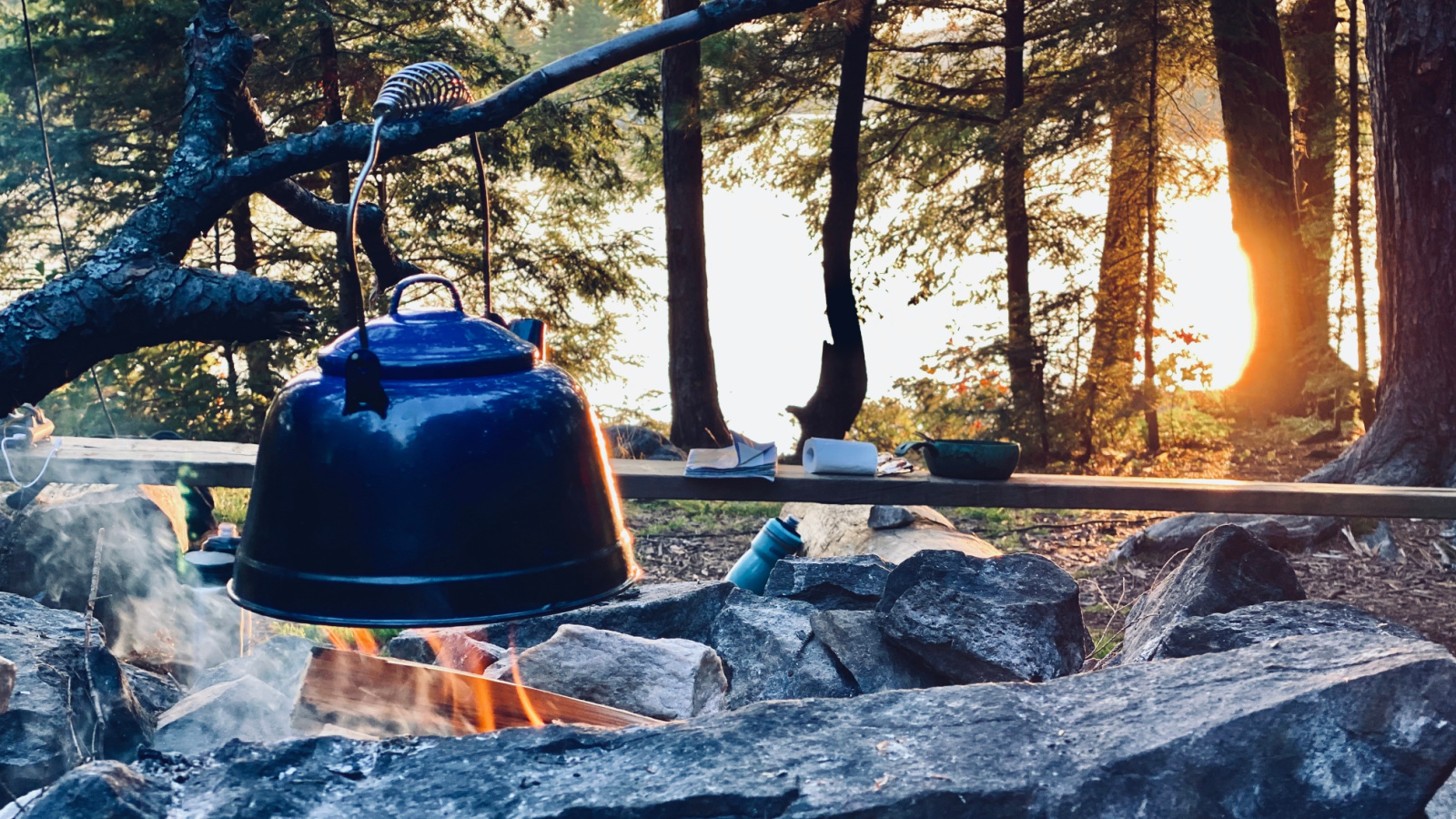
Campfire rules can change quickly during hot, dry periods. Parks Canada explains that bans are based on local fire danger, weather forecasts, vegetation moisture, regional wildfire conditions, and available response resources. Restrictions may apply even after rain at home, because the destination’s conditions can be entirely different. Check the park, municipality, province, or territory on the day of departure and again after arrival; do not rely on an old social-media post.
Confirm whether the restriction covers wood fires, charcoal, portable fire pits, stoves, or smoking in specific areas. In national parks, illegal burning can carry serious penalties; Gulf Islands National Park Reserve states that a violation during a fire ban can lead to a fine of up to $25,000. Use only designated facilities when fires are allowed, keep flames attended, and extinguish them completely. A meal plan that depends entirely on a campfire should always have a legal, safe backup.
Make a Sober and Rested Driving Plan

Holiday gatherings often combine long drives, late nights, and alcohol. Federal impaired-driving information notes that up to four people are killed on average each day in Canada in crashes involving alcohol or drugs. Decide before the event who will drive, how guests will return, and whether anyone will stay overnight. Taxis, transit, designated drivers, and a booked room are safer than negotiating after drinks have already been served.
Rest matters as well. Share driving when possible, schedule breaks, and avoid beginning a long trip after a full workday if fatigue is already obvious. Coffee, fresh air, or an open window may create a temporary feeling of alertness, but they do not replace sleep or sobriety. Keep keys away from anyone impaired and allow enough time the next morning before driving. The most successful long-weekend plan is the one that gets everyone home without turning a celebration into a preventable emergency.
Recheck Child Seats, Seat Belts, and Cargo
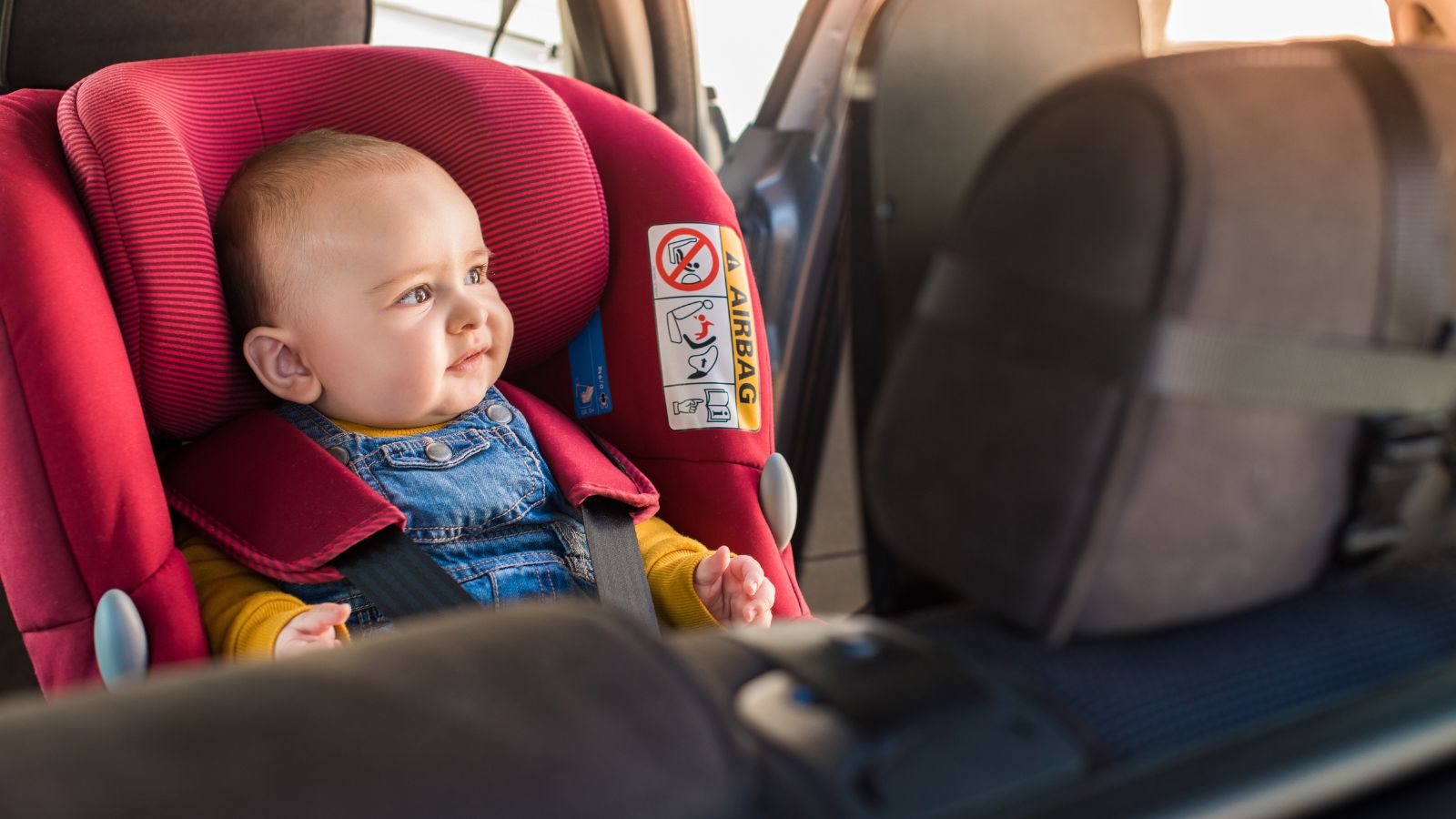
A child restraint that was installed months ago can loosen after repeated use or be outgrown without anyone noticing. Transport Canada advises placing rear-facing seats in the back seat and installing them tightly according to the vehicle and seat instructions. Check the child’s height and weight against the seat limits, confirm that the harness lies flat, and make sure the chest clip and straps are positioned correctly. Provincial and territorial rules differ, so local requirements still apply.
Every occupant should have a working seat belt, and every loose object should be secured. Transport Canada reported that 32.6 per cent of fatally injured drivers in 2023 were not wearing seat belts. Coolers, tools, folding chairs, and luggage can also become dangerous projectiles during sudden braking. Pack heavy items low and against the seatbacks, keep the driver’s view clear, and never place cargo where it interferes with air bags. A final five-minute cabin check protects passengers more effectively than squeezing in one last bag at the door.
Pack Food With Temperature Control in Mind

Picnic and camping food can become unsafe when a cooler is treated like ordinary luggage. Health Canada advises keeping cold foods at or below 4°C and limiting the time perishable food remains at room temperature; on very hot days, the safe window may be only about one hour. Chill food before packing, use plenty of ice or frozen packs, keep raw meat sealed away from ready-to-eat items, and place the cooler out of direct sun.
A separate drink cooler is useful because it can be opened frequently without warming meat, dairy, salads, or leftovers. Bring clean utensils, hand-cleaning supplies, and a food thermometer if cooking burgers, poultry, or other meats. The familiar bowl of potato salad is not the only concern: cut fruit, deli meats, cooked rice, and creamy desserts also need temperature control. When in doubt about how long food has been warm, discard it. Replacing lunch costs less than losing the weekend to foodborne illness.
Prepare the Boat Before Reaching the Ramp
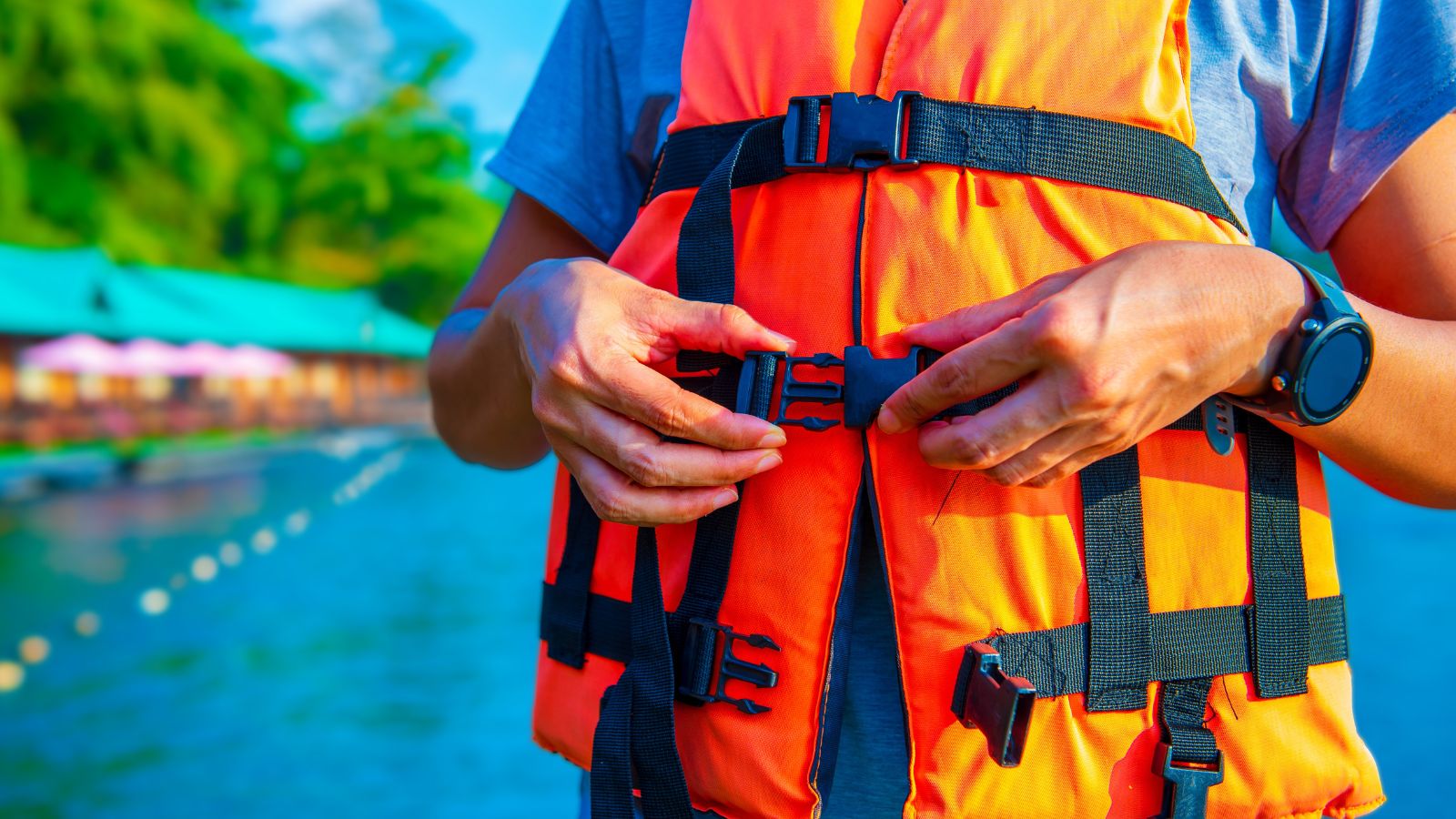
Transport Canada requires operators of powered recreational boats to carry proof of competency, such as a Pleasure Craft Operator Card, in most circumstances. The vessel must also carry required safety equipment, including enough properly fitted, approved lifejackets or personal flotation devices for everyone aboard. Check the equipment before leaving home, not while other boaters wait at a crowded launch. Inspect fuel, battery, drain plug, navigation lights, lines, anchor, and communication devices.
File a trip plan with a responsible person, check marine weather, and confirm where the boat can be launched and parked. Children’s lifejackets should be tested for fit because last summer’s size may no longer be suitable. A calm shoreline can hide stronger wind and waves farther out, particularly later in the afternoon. Keep alcohol separate from operating decisions and know the local rules for towing, speed, and restricted areas. Good preparation shortens ramp delays and leaves more attention for changing conditions on the water.
Create a Serious Water-Safety Plan

Canada records roughly 500 preventable water-related deaths in a typical year, according to Lifesaving Society reporting. Long weekends bring people to beaches, lakes, rivers, pools, and docks where supervision can become diluted among several adults. Assign a specific, sober water watcher for children rather than assuming “everyone is watching.” Non-swimmers and weak swimmers should wear properly fitted lifejackets near open water, not only once they enter a boat.
Check depth, current, drop-offs, water temperature, and local warnings before swimming. Avoid diving into unfamiliar water and keep reaching or throwing equipment nearby at cottages and pools. Cold water can impair movement even on a hot day, while rivers may run faster than they appear from shore. Establish a buddy system and clear boundaries for children. The quietest emergency often begins without shouting or dramatic splashing, which is why active, close supervision matters far more than occasional glances from a nearby chair.
Plan for Heat, Hydration, and UV Exposure

Extreme heat deserves the same planning as a storm. British Columbia’s 2021 heat event was associated with 619 heat-related deaths, demonstrating that dangerous heat can become a major public-health emergency in Canada. Pack water, schedule shade and cooling breaks, and reduce strenuous activity during the hottest part of the day. Check on older relatives, young children, and anyone with health conditions or medications that may affect heat tolerance.
Ultraviolet exposure is a separate risk even when the air feels cool. Health Canada advises extra protection when the UV Index is high, including seeking shade, covering skin, wearing a hat and sunglasses, and applying broad-spectrum sunscreen. Reapply sunscreen regularly, particularly after swimming or sweating. Build shade into beach and campsite setups before people become overheated, and never leave anyone in a parked vehicle. Headache, dizziness, weakness, confusion, or unusually hot skin should trigger immediate action rather than a plan to “push through” one more activity.
Pack Tick and Insect Protection
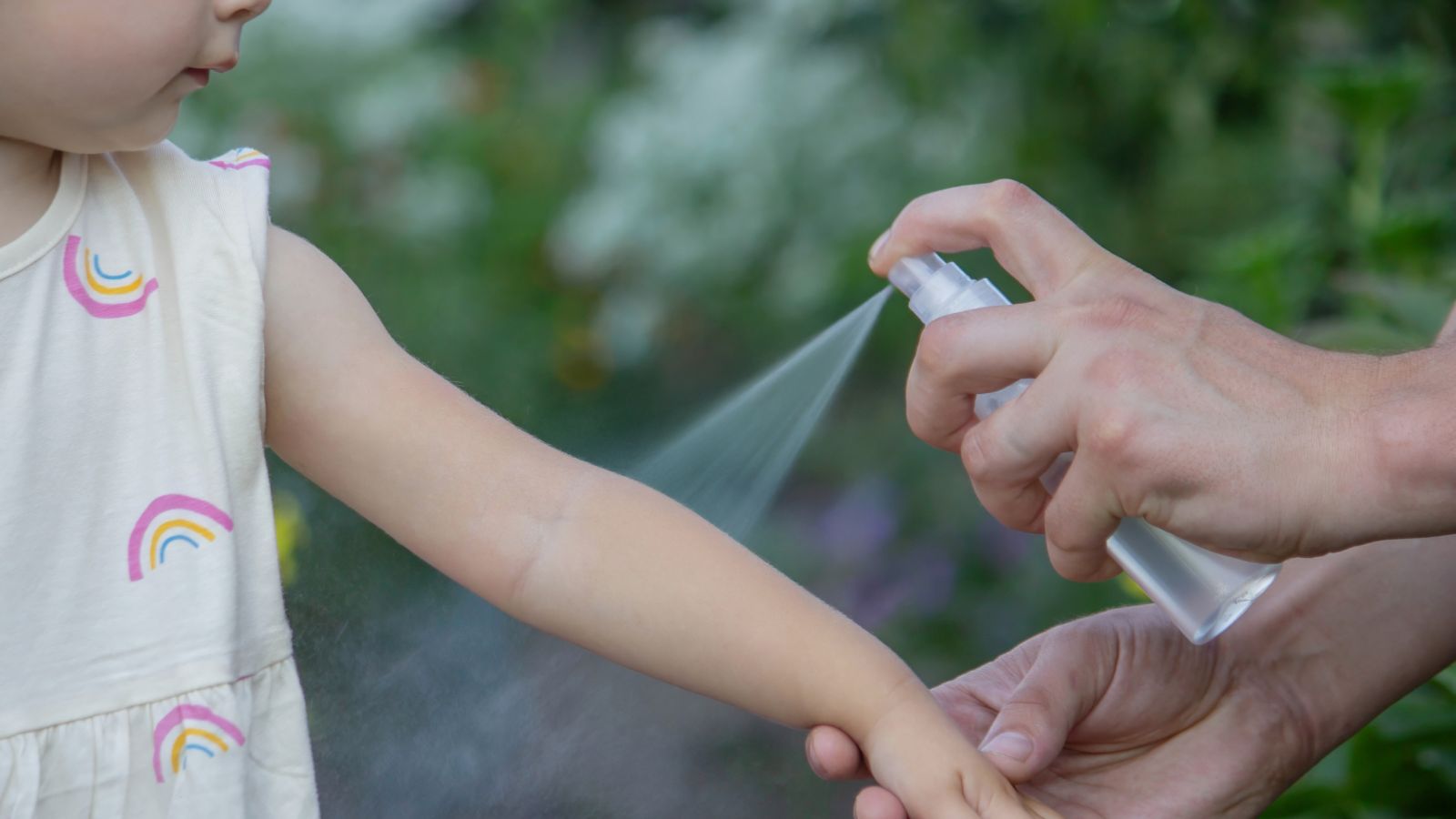
Ticks and biting insects can turn a woodland weekend into a health concern. Health Canada recommends approved repellents and provides age-specific guidance for products containing ingredients such as DEET. When sunscreen and insect repellent are both needed, sunscreen should generally be applied first, followed by repellent. Light-coloured clothing, closed footwear, long sleeves, and tucked pant legs make ticks easier to spot and reduce exposed skin.
After hiking, gardening, or sitting in tall grass, perform a full tick check on adults, children, gear, and pets. Pay attention to the scalp, behind the ears, underarms, waist, groin, and behind the knees. Showering and changing clothes soon after returning can help reveal hitchhikers. Lyme disease symptoms can include fever, fatigue, headache, and a skin rash, but presentation varies. Remove an attached tick promptly with fine-tipped tweezers, save it when local guidance recommends doing so, and follow provincial public-health advice about identification, testing, or medical assessment.
Organize Border Documents and Declarations
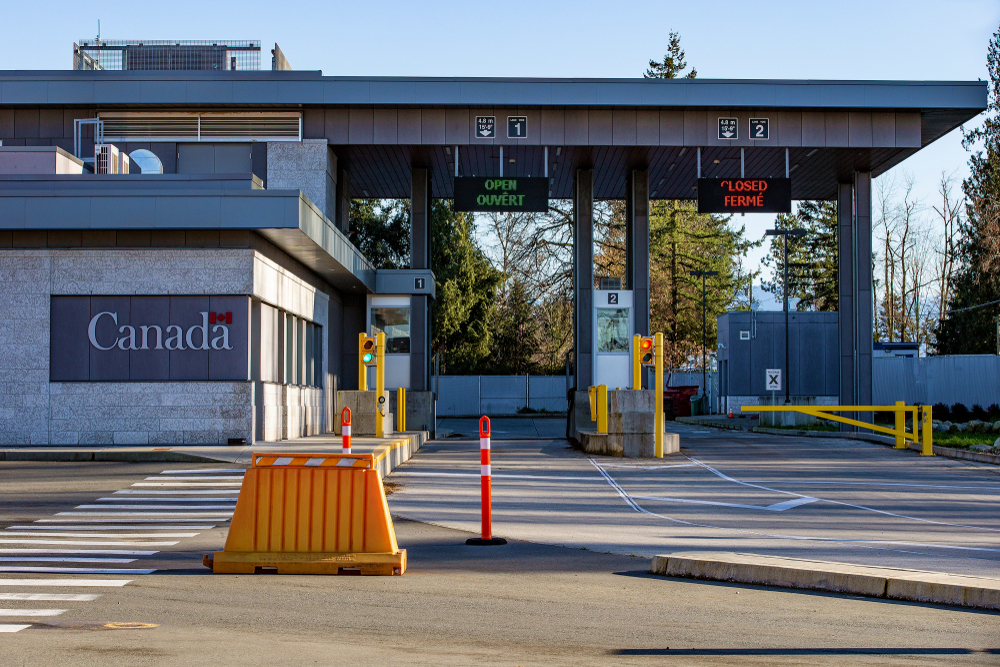
Cross-border travellers should verify documents, port hours, and wait times before joining a holiday queue. The Canada Border Services Agency provides border wait-time information and advises travellers to prepare declarations. Adults should carry appropriate travel documents, while children travelling without both parents may benefit from a consent letter. Keep reservation details and the address of the destination available in case an officer asks for the itinerary.
Review restrictions on food, plants, animals, weapons, and purchased goods, and declare items honestly. Cannabis is a particularly costly misunderstanding: taking it across Canada’s international border remains illegal without the required authorization, even when travel begins or ends in a place where possession is legal. Empty vehicles of forgotten products before departure, including edibles or other cannabis products. A truthful declaration may lead to questions or inspection; failing to declare can lead to seizure, penalties, and delays that overwhelm any time saved by guessing.
Make a Safe, Practical Pet Plan

Pets need more than a bowl in the back seat. Confirm that the accommodation, campground, beach, and planned stops permit animals, then pack identification, vaccination information, medication, food, water, waste bags, a leash, and familiar bedding. The BC SPCA recommends securing pets in the rear seating or cargo area rather than allowing them to roam. A pre-trip veterinary discussion is sensible for animals with anxiety, motion sickness, or medical needs.
Never leave a pet in a parked vehicle while “running in for a minute.” Animal-welfare and police guidance warns that interior temperatures can rise rapidly and serious injury can occur in a short period. Plan meals and washroom breaks around pet-friendly stops, and carry a recent photo in case the animal escapes. At camp, protect wildlife by controlling pets and storing food properly. A dog that enjoys the family cottage may still react badly to fireworks, unfamiliar guests, boats, or crowded trails, so include a quiet retreat and an emergency contact.
Secure the Home and Keep Absence Details Private

A rushed departure can leave simple vulnerabilities behind. Close and lock doors, windows, garages, sheds, and accessible gates; move spare keys from obvious hiding places; and test alarms or cameras. RCMP safety guidance also recommends preventing unattended mail from accumulating, including arranging a Canada Post hold when appropriate. Ask a trusted neighbour to collect parcels, move bins, and notice leaks, power failures, or unusual activity.
Avoid publishing exact travel dates, live location updates, or photos that reveal an empty home until after returning. Use timers or smart controls sensibly, but do not advertise expensive technology through public posts. Shut off unnecessary appliances, remove perishable garbage, and consider turning off the main water supply when suitable for the property. Leave emergency contact information with the person checking the home. The objective is not to make the house look occupied every minute; it is to remove easy clues and ensure that a small problem is discovered before it becomes a major insurance claim.
Reconfirm Bookings and Watch for Payment Scams
Before departure, contact accommodations, tours, rentals, and event operators through the official platform or a verified phone number. Confirm dates, balances, check-in instructions, deposits, and cancellation deadlines, then save receipts and confirmation messages offline. Be cautious if a supposed host suddenly changes the payment method, requests an urgent transfer outside the booking platform, or offers a dramatic discount for immediate action. Those are common warning signs in rental and marketplace scams.
Carry a second payment method and a modest amount of cash for legitimate outages or businesses with limited connectivity, but protect cards and identification. If a booking appears fraudulent, stop communicating, contact the financial institution or platform, preserve messages and receipts, and report the incident to police and the Canadian Anti-Fraud Centre. A final confirmation call may feel unnecessary when the reservation was made months earlier, yet it can expose a cancelled tour, ownership change, wrong date, or fake listing before the vehicle is packed.
19 Things Canadians Don’t Realize the CRA Can See About Their Online Income

Earning money online feels simple and informal for many Canadians. Freelancing, selling products, and digital services often start as side projects. The problem appears at tax time. Many people underestimate how much information the CRA can access. Online platforms, banks, and payment processors create detailed records automatically. These records do not disappear once money hits an account. Small gaps in reporting add up quickly.
Here are 19 things Canadians don’t realize the CRA can see about their online income.
This Options Discord Chat is The Real Deal
While the internet is scoured with trading chat rooms, many of which even charge upwards of thousands of dollars to join, this smaller options trading discord chatroom is the real deal and actually providing valuable trade setups, education, and community without the noise and spam of the larger more expensive rooms. With a incredibly low-cost monthly fee, Options Trading Club (click here to see their reviews) requires an application to join ensuring that every member is dedicated and serious about taking their trading to the next level. If you are looking for a change in your trading strategies, then click here to apply for a membership.