35,000+ smart investors are already getting financial news, market signals, and macro shifts in the economy that could impact their money next with our FREE weekly newsletter. Get ahead of what the crowd finds out too late. Click Here to Subscribe for FREE.
Summer has a way of making a home feel easier to live in, but it also brings risks that many households only notice after damage is already done. Heavy rain, hail, heat waves, wildfires, backyard gatherings, renovations, and travel can all expose small gaps in a policy that looked complete in January. For Canadians, the challenge is not simply having home insurance, but knowing where summer conditions can change the fine print.
These 15 summer home insurance gaps show how ordinary seasonal choices can create unexpected costs, denied claims, or lower-than-expected payouts. A checked policy, a few timely updates, and clear conversations with an insurance representative can make the difference between a manageable inconvenience and a very expensive surprise.
Overland Flooding That Is Treated Differently Than a Burst Pipe
15 Summer Home Insurance Gaps Canadians Don’t Think About
- Overland Flooding That Is Treated Differently Than a Burst Pipe
- Sewer Backup Coverage Missing From Summer Storm Planning
- Sump Pump Failure During a Power Outage
- Wildfire Evacuation Costs That Depend on the Order
- Hail Damage Limits, Deductibles, and Older Roof Questions
- Detached Garages, Sheds, Fences, and Gazebos Underinsured
- Landscaping, Trees, and Garden Upgrades With Small Limits
- Backyard Pools and Trampolines Increasing Liability Exposure
- BBQ, Fire Pit, and Deck Fire Assumptions
- Short-Term Rental Use During Vacation Season
- Renovations That Change the Value or Occupancy of the Home
- Leaving the Home Unoccupied for Extended Summer Travel
- Food Spoilage After Storm-Related Power Outages
- Personal Property Stored Outdoors or Away From Home
- Mould, Seepage, and Gradual Leaks After Humid Weather
- 19 Things Canadians Don’t Realize the CRA Can See About Their Online Income
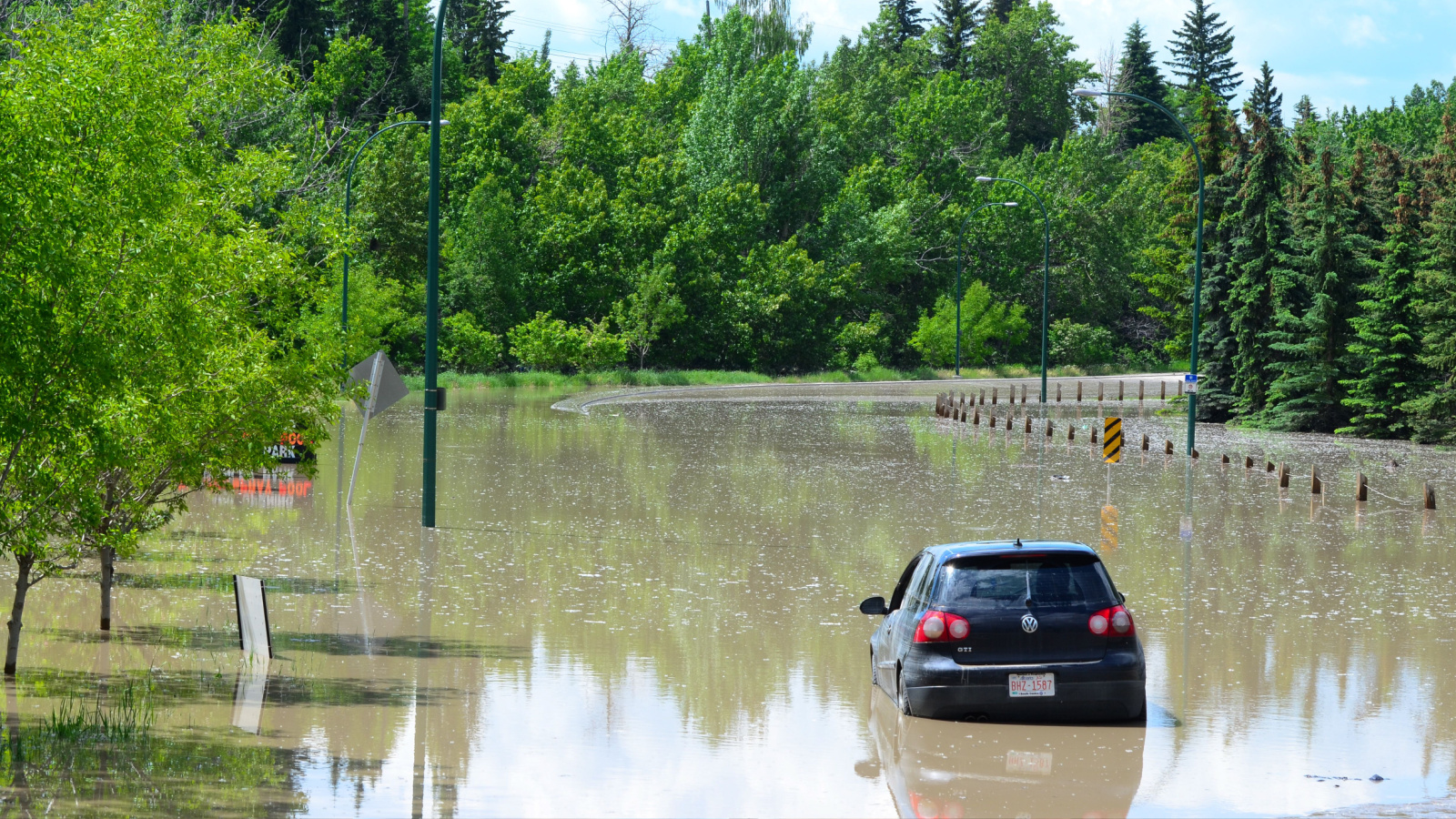
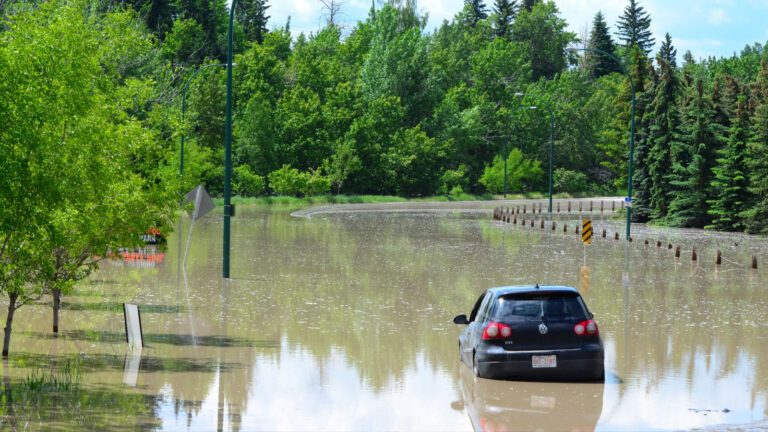
Many homeowners assume that “water damage” means any water entering the house is covered. Summer storms prove otherwise. A burst pipe inside the wall is usually treated differently from surface water flowing through a window well, basement door, or foundation opening after a heavy downpour. That distinction matters because overland flooding is often optional, separate, or subject to eligibility rules.
A family in southern Ontario might discover this after a street drain backs up during an intense storm and water pours toward basement windows. The damage may look similar to a plumbing leak once the carpet is soaked, but insurers may classify the source very differently. The safest move is to ask whether the policy includes overland water, what triggers it, and whether limits apply to basements, finished rooms, stored belongings, and cleanup.
Sewer Backup Coverage Missing From Summer Storm Planning
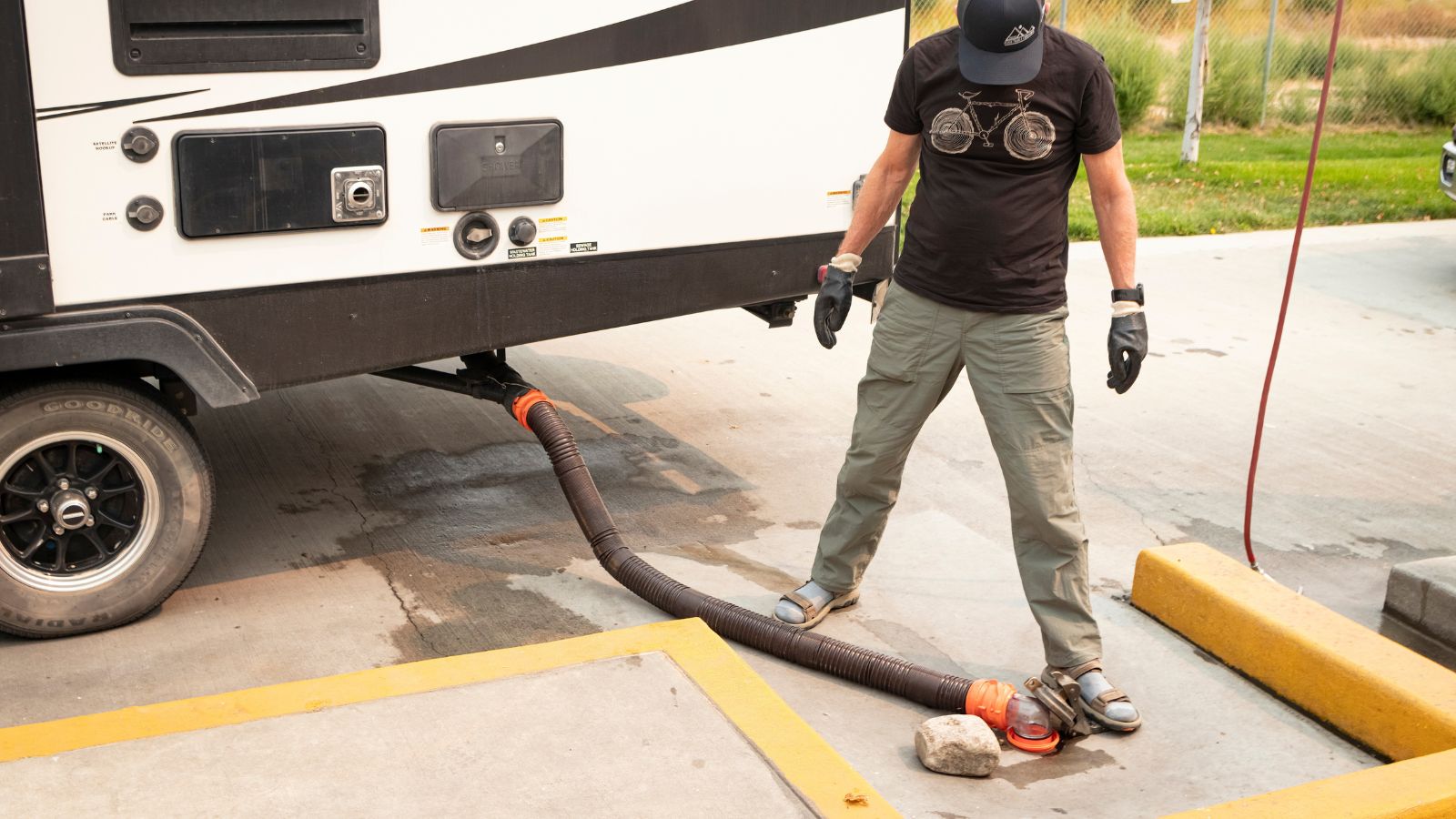
Sewer backup is one of those phrases many homeowners skim past until it becomes the centre of a claim. During severe rainfall, municipal systems can be overwhelmed, pushing contaminated water back through floor drains, toilets, laundry tubs, or basement showers. Standard home insurance may not automatically cover this kind of loss unless sewer backup coverage has been added.
The financial shock is not just wet flooring. Cleanup can involve contaminated materials, drywall removal, disinfection, damaged furniture, and sometimes temporary relocation. A finished basement used as a rec room, office, or guest space can turn one summer storm into weeks of disruption. Backwater valves, sump pump maintenance, and stored-item planning help reduce exposure, but the insurance question still needs a direct answer: is sewer backup included, optional, capped, or excluded?
Sump Pump Failure During a Power Outage
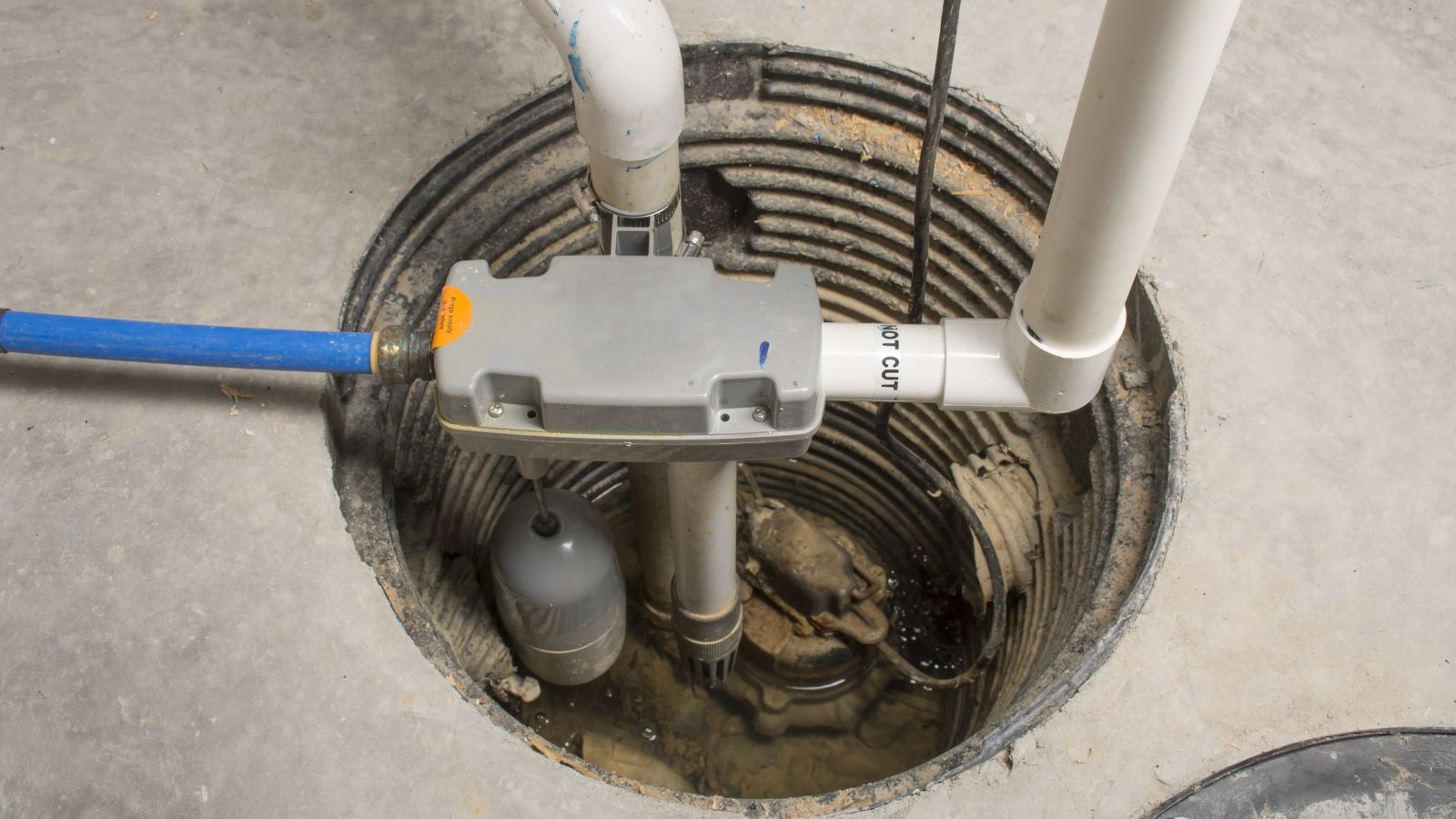
A sump pump feels reassuring until the power goes out at the exact moment rain is falling hardest. Many Canadian basements depend on pumps to move groundwater away from the foundation, yet insurance treatment can vary when the failure comes from mechanical breakdown, power interruption, clogged discharge lines, or missing backup systems. The result can be a messy surprise.
Imagine a cottage-country homeowner returning after a long weekend to find the basement damp, boxes soaked, and the pump silent. The claim may turn on whether water backup coverage, sump pump failure coverage, or broader water endorsements were purchased. Some households add battery backups or water alarms but forget to check whether the policy rewards or requires those safeguards. Summer storm season makes that small technical detail worth reviewing before the first big rainfall.
Wildfire Evacuation Costs That Depend on the Order

Wildfire damage itself is commonly understood as a home insurance risk, but evacuation expenses can be less clear. In many policies, additional living expense coverage is tied to a mandatory evacuation order or a home being unlivable because of insured damage. Leaving early out of caution may feel sensible, but it may not trigger the same reimbursement rules.
This gap matters in provinces where smoke, heat, and fire alerts can shift quickly. A household may pay for hotels, fuel, pet boarding, and meals before realizing those costs fall outside the policy conditions. Families near forested areas should ask how mass evacuation coverage works, whether there is a time limit, whether receipts are required, and how the policy treats voluntary evacuation compared with a formal government order.
Hail Damage Limits, Deductibles, and Older Roof Questions

Hail can look like a brief summer inconvenience until it leaves bruised shingles, cracked vents, damaged siding, and hidden roof problems. Many policies cover hail, but the payout can still be shaped by deductibles, depreciation, roof age, cosmetic-damage wording, and whether a full replacement is considered necessary. In hail-prone regions, the fine print deserves more attention than the weather forecast.
The Calgary hailstorm in 2024 showed how quickly hail can become a major insurance event, with losses reaching into the billions. For an individual homeowner, the problem may be subtler: a roof that looks mostly fine from the driveway but has impact damage that later causes leaks. Prompt photos, professional inspection, and policy details on roof settlement can be crucial when a summer storm turns into a claim.
Detached Garages, Sheds, Fences, and Gazebos Underinsured
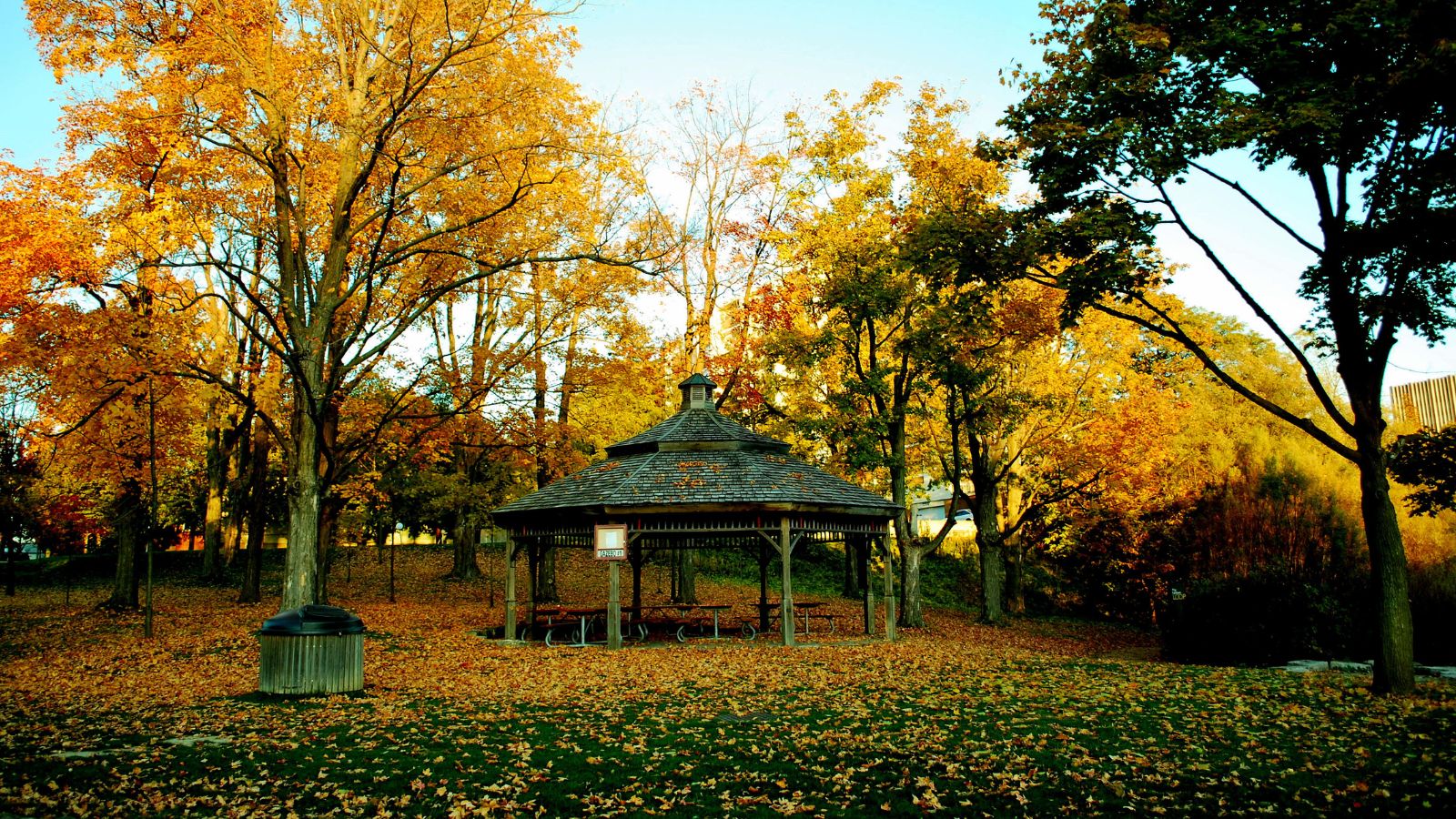
Backyards often become more valuable in summer, with sheds full of tools, gazebos over patios, detached garages storing bikes, and fences protecting pools or gardens. Yet these structures may fall under “other structures” coverage, which can have limits tied to the insured value of the main dwelling. That limit may be too low after years of upgrades.
A homeowner might spend heavily on a new fence, pergola, or custom shed and never mention it to the insurer. After wind, hail, fire, or a fallen tree, the payout may not match replacement cost. The gap is especially easy to miss because these structures feel like part of the property, not separate assets. Summer is a good time to compare actual replacement costs with the policy’s detached-structure limit.
Landscaping, Trees, and Garden Upgrades With Small Limits

A mature tree, privacy hedge, irrigation system, or professionally designed garden can add real value to a property, but landscaping coverage is often narrower than homeowners expect. Policies may set special limits for trees, shrubs, plants, or outdoor features, and coverage usually depends on the cause of loss. Storm damage and fire may be treated differently from disease, neglect, pests, or gradual decline.
This gap often appears after a windstorm snaps branches, crushes a fence, or destroys a carefully planted yard. The house may be insured for hundreds of thousands of dollars, while a prized tree or row of shrubs is subject to a much smaller sublimit. Homeowners who have recently invested in landscaping should document the work, keep receipts, and ask what outdoor property is actually protected.
Backyard Pools and Trampolines Increasing Liability Exposure

Pools, trampolines, playsets, and hot tubs can change the risk profile of a home. The issue is not only whether the object itself is covered if damaged, but whether the liability limit is high enough if a guest, neighbour’s child, or visitor is injured. Some insurers may require disclosure, fencing, locking gates, safety nets, or other precautions.
Summer gatherings make this gap more than theoretical. A child slipping near a pool or a teenager injured on a trampoline can lead to medical costs, legal expenses, and liability questions. A standard liability limit may be enough for small incidents, but serious injuries can escalate quickly. Households that host often, especially around pools, should ask whether an umbrella liability policy makes sense.
BBQ, Fire Pit, and Deck Fire Assumptions

A grill on a deck feels like a normal part of summer, but fire claims can become complicated when rules are ignored. Home insurance commonly treats fire as a covered peril, yet coverage can be affected by negligence, condo bylaws, municipal fire rules, propane storage, balcony restrictions, or unsafe placement near siding and railings. The gap is usually discovered after flames spread.
A simple example is a barbecue pushed too close to vinyl siding during a family dinner. Heat warps the exterior, smoke stains the wall, and a neighbour’s patio furniture is damaged. The claim may involve property coverage and liability coverage at once. Before summer entertaining begins, homeowners should check building rules, keep grills away from structures, and confirm how the policy treats outdoor cooking accidents.
Short-Term Rental Use During Vacation Season

Summer is prime time for listing a home, basement suite, cottage, or condo on a short-term rental platform. The insurance problem is that a standard homeowner policy is usually priced for personal residential use, not repeated paying guests. Damage, theft, injury, or liability involving short-term renters may require added coverage or a separate policy.
This gap can be easy to underestimate because booking platforms may advertise host protections. Those programs are not always a substitute for a Canadian home insurance policy, and they may contain exclusions, limits, or claims procedures that differ from a homeowner’s expectations. Anyone renting even occasionally should tell the insurer before accepting guests, especially if the property will be unattended between bookings.
Renovations That Change the Value or Occupancy of the Home

Summer is renovation season, but insurance policies are not automatically updated when walls come down, kitchens are removed, or contractors start working. A major renovation can increase replacement cost, introduce construction risks, involve temporary vacancy, or require a course-of-construction policy. Failing to notify the insurer can leave a gap at the worst moment.
A homeowner replacing a deck or finishing a basement may think the work is too ordinary to mention. But if the project changes square footage, electrical systems, plumbing, structural elements, or the home’s occupancy, the insurer may need to know. Receipts, permits, contractor insurance, and updated replacement values all matter. The goal is not to complicate a renovation, but to avoid discovering after a fire or water loss that the policy no longer matches the home.
Leaving the Home Unoccupied for Extended Summer Travel

Vacations, cottage stays, and long family visits can leave a home empty during thunderstorms, heat waves, break-ins, or plumbing failures. Many policies distinguish between a home that is temporarily unoccupied and one that is vacant, and some require regular checks after a certain number of days. Missing those requirements can weaken a claim.
The risk is especially high with water damage. A slow leak under a sink can run for days before anyone notices, turning a small repair into flooring, drywall, and mould concerns. Homeowners planning extended travel should ask how often the property must be checked, whether the check must be documented, and whether water should be shut off. A neighbour’s quick visit may not be enough if the policy requires specific monitoring.
Food Spoilage After Storm-Related Power Outages

Summer outages can turn a full freezer into a costly mess. Some policies include limited food spoilage coverage, while others apply deductibles, sublimits, or conditions based on the cause of the outage. If the spoiled food is worth less than the deductible, filing a claim may not make financial sense even when coverage technically exists.
This gap hits hardest after grocery stocking, bulk meat purchases, or cottage weekends where freezers are left unattended. A household may assume hundreds of dollars in spoiled food will be reimbursed, only to learn the limit is low or documentation is required. Photos, receipts, appliance temperature records, and utility outage notices can help, but the smarter step is knowing the limit before summer storm season begins.
Personal Property Stored Outdoors or Away From Home

Summer pulls belongings outside: bicycles, patio furniture, paddleboards, lawn equipment, camping gear, and tools. Home insurance may cover personal property, but outdoor theft, off-premises storage, business-use equipment, and high-value sporting items can come with limits or exclusions. A garage, shed, dock, campsite, or vehicle may not be treated the same way as the living room.
The gap often appears when a bike disappears from a yard or expensive tools are stolen from a shed. The homeowner may expect full replacement, while the policy applies a special limit, depreciation, or a deductible that reduces the payout. Keeping serial numbers, photos, receipts, and appraisals can make claims easier. High-value bikes, tools, and recreational gear may need scheduled coverage.
Mould, Seepage, and Gradual Leaks After Humid Weather
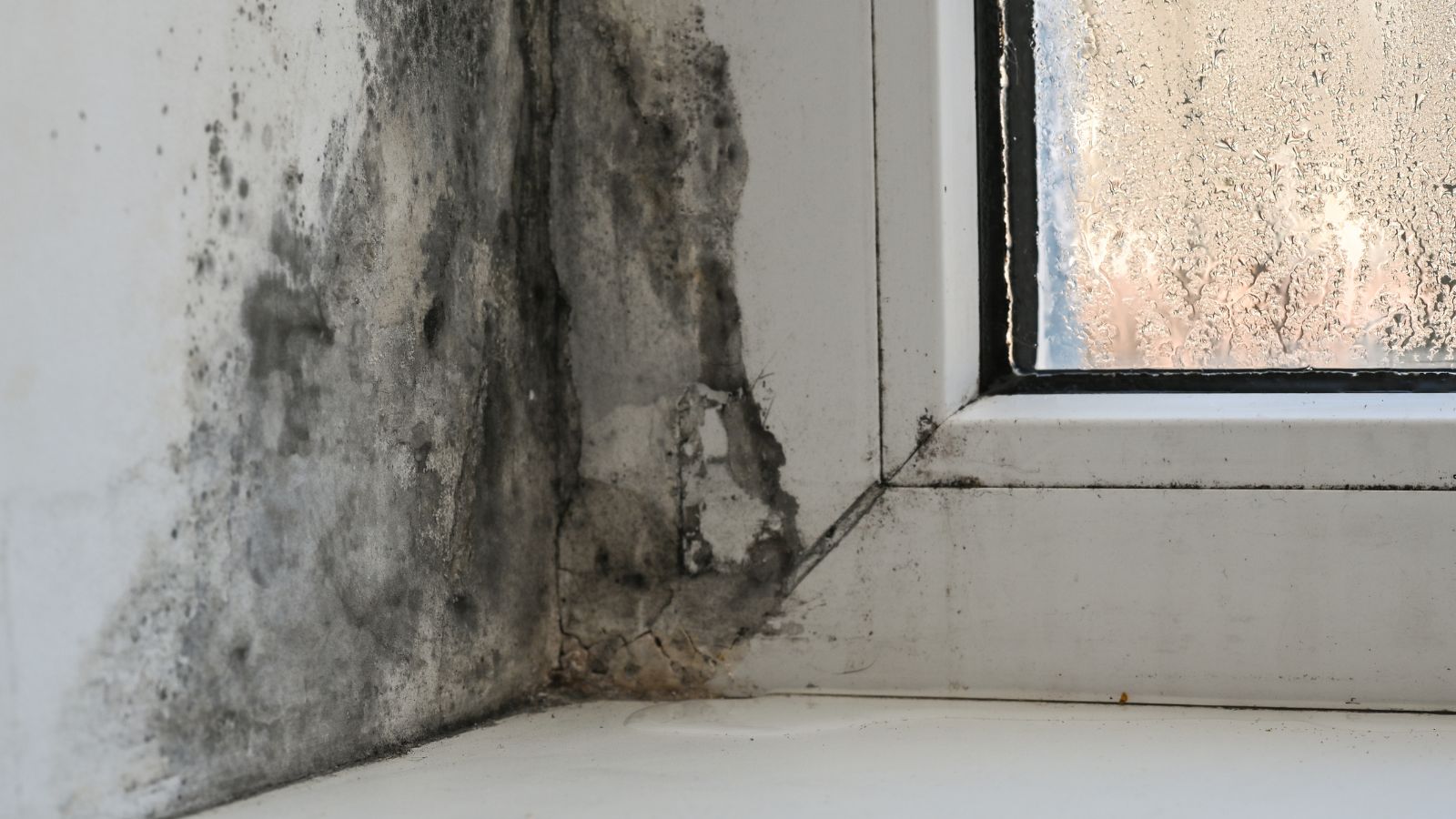
Summer humidity can turn a small leak into a mould problem, especially in basements, crawl spaces, cottages, and older homes. Insurance generally responds better to sudden and accidental damage than to gradual seepage, long-term leaks, poor ventilation, or maintenance issues. That difference can leave homeowners paying for cleanup themselves.
A slow foundation seep after repeated rains may not look urgent at first. Weeks later, a musty smell, warped baseboards, or stained drywall reveals a larger issue. The insurer may ask when the problem started, whether maintenance was neglected, and whether the water source was sudden. Dehumidifiers, inspections, prompt repairs, and clear records can help, but insurance should not be treated as a substitute for moisture control.
19 Things Canadians Don’t Realize the CRA Can See About Their Online Income

Earning money online feels simple and informal for many Canadians. Freelancing, selling products, and digital services often start as side projects. The problem appears at tax time. Many people underestimate how much information the CRA can access. Online platforms, banks, and payment processors create detailed records automatically. These records do not disappear once money hits an account. Small gaps in reporting add up quickly.
Here are 19 things Canadians don’t realize the CRA can see about their online income.
This Options Discord Chat is The Real Deal
While the internet is scoured with trading chat rooms, many of which even charge upwards of thousands of dollars to join, this smaller options trading discord chatroom is the real deal and actually providing valuable trade setups, education, and community without the noise and spam of the larger more expensive rooms. With a incredibly low-cost monthly fee, Options Trading Club (click here to see their reviews) requires an application to join ensuring that every member is dedicated and serious about taking their trading to the next level. If you are looking for a change in your trading strategies, then click here to apply for a membership.