
35,000+ smart investors are already getting financial news, market signals, and macro shifts in the economy that could impact their money next with our FREE weekly newsletter. Get ahead of what the crowd finds out too late. Click Here to Subscribe for FREE.
Cold mornings, dashboard lights, strange rattles, and repair bills have a way of arriving at the worst possible time. For Canadians, a trip to the mechanic can involve more than simply handing over the keys, especially with harsh winters, road salt, rising parts costs, and provincial consumer rules shaping the experience.
These 18 things Canadians should know before taking their car to the mechanic cover estimates, warranties, diagnostics, recalls, seasonal wear, repair records, and the small decisions that can affect both safety and cost. A little preparation can make the visit less stressful, help avoid confusion at the counter, and create a clearer path if the repair does not go as expected.
Written Estimates Can Protect the Final Bill
18 Things Canadians Should Know Before Taking Their Car to the Mechanic
- Written Estimates Can Protect the Final Bill
- Diagnostic Fees Are Not Always a Scam
- The Cheapest Quote Is Not Always the Best Repair
- Provincial Rules Can Change the Repair Experience
- Repair Warranties Should Be Understood Before Leaving
- Recalls Should Be Checked Before Paying for Certain Repairs
- Maintenance Records Can Protect Warranty Claims
- Severe Canadian Driving Conditions May Mean Shorter Service Intervals
- Road Salt Can Turn Small Repairs Into Bigger Ones
- Battery Testing Matters More in Cold Weather
- Warning Lights Need Context, Not Panic
- Parts Quality Can Change Price and Longevity
- Labour Time Is Often Based on Flat-Rate Guides
- Dealerships and Independent Shops Have Different Strengths
- Authorizing Extra Work Should Never Be Casual
- Keeping Old Parts Can Clarify What Was Replaced
- Tire and Brake Issues Deserve Seasonal Attention
- Disputes Are Easier With Paperwork
- 19 Things Canadians Don’t Realize the CRA Can See About Their Online Income

A written estimate is one of the most useful tools a driver can ask for before repairs begin. In Ontario, repair shops generally must provide a written estimate before charging for work unless the customer declines it and agrees to a maximum amount instead. That matters because the final charge generally cannot exceed the estimate by more than 10 percent. A vague verbal quote in a busy service bay can be hard to challenge later, especially when the vehicle is already apart.
This becomes especially important when a repair starts with one obvious problem and uncovers another. A driver who brings in a car for noisy brakes may end up hearing about seized calipers, worn rotors, or damaged brake lines. Those may be legitimate repairs, but authorization should still be clear. Asking for the estimate in writing, with labour, parts, taxes, shop supplies, and diagnostic fees separated, gives both sides a shared reference point.
Diagnostic Fees Are Not Always a Scam

Many drivers feel irritated when a shop charges a diagnostic fee before any repair is completed. That reaction is understandable, especially when a dashboard warning light seems like something a quick scan should explain. Modern vehicles, however, often require more than pulling a code. A single check-engine code can point toward several possible causes, including sensors, wiring, leaks, software issues, or mechanical faults. The fee may cover the technician’s time, test equipment, and interpretation.
The key is to ask what the diagnostic fee includes and whether it will be credited toward the repair. Some shops apply it to the final bill; others treat it as a separate service. A clear explanation helps avoid the common disappointment of paying for “nothing” when the real result was a confirmed problem path. For example, replacing an oxygen sensor without testing first can cost more than the original diagnostic if the true issue was an exhaust leak or wiring fault.
The Cheapest Quote Is Not Always the Best Repair

A low estimate can be tempting, especially when the vehicle is older or the repair feels unexpected. But repair quotes can differ because shops use different parts, labour times, warranty terms, and diagnostic approaches. One quote may include premium parts and an alignment, while another may cover only the most visible component. Without comparing the details, a cheaper number can hide missing work that becomes necessary later.
Canadians should pay close attention to what is included rather than focusing only on the total. A suspension repair, for instance, may sound identical at two shops, but one may include both sides of the axle while another replaces only the failed side. A brake job may include pads only, or pads, rotors, hardware, cleaning, and lubrication. Asking “what exactly is included?” often reveals whether the quote is lean, complete, or padded.
Provincial Rules Can Change the Repair Experience

Consumer protections for vehicle repairs are not identical across Canada. Ontario, Alberta, Manitoba, and Quebec each have their own rules or guidance around estimates, authorization, invoices, and warranties. In Alberta, for example, licensed repair businesses cannot exceed an estimate by more than 10 percent, and that extra amount cannot be more than $100. In Quebec, garages must provide a detailed bill and warranty when repair costs exceed a set threshold.
This means advice from a friend in another province may not apply perfectly. A driver in Toronto, Calgary, Winnipeg, or Montreal may have different rights when disputing a bill or requesting documentation. Before approving expensive work, it is worth checking the provincial consumer protection office. A shop that operates professionally should not be surprised when a customer asks about estimates, invoices, or authorization rules. Those questions are part of a normal repair transaction.
Repair Warranties Should Be Understood Before Leaving

A warranty on parts and labour can make a major difference if the same problem returns. Ontario’s consumer guidance states that parts and labour generally carry a minimum warranty of 90 days or 5,000 kilometres, whichever comes first. That does not mean every future issue is covered, but it does mean the original invoice should clearly describe what was repaired, which parts were used, and what warranty applies.
The practical step is simple: keep the invoice and ask what happens if the symptom comes back. For example, if a shop replaces a starter and the car still intermittently fails to crank, the difference between a failed part, a wiring issue, and a battery problem becomes important. The invoice helps establish what was authorized and performed. A warranty is much harder to use when the paperwork says only “electrical repair” with no parts, labour details, or mileage.
Recalls Should Be Checked Before Paying for Certain Repairs
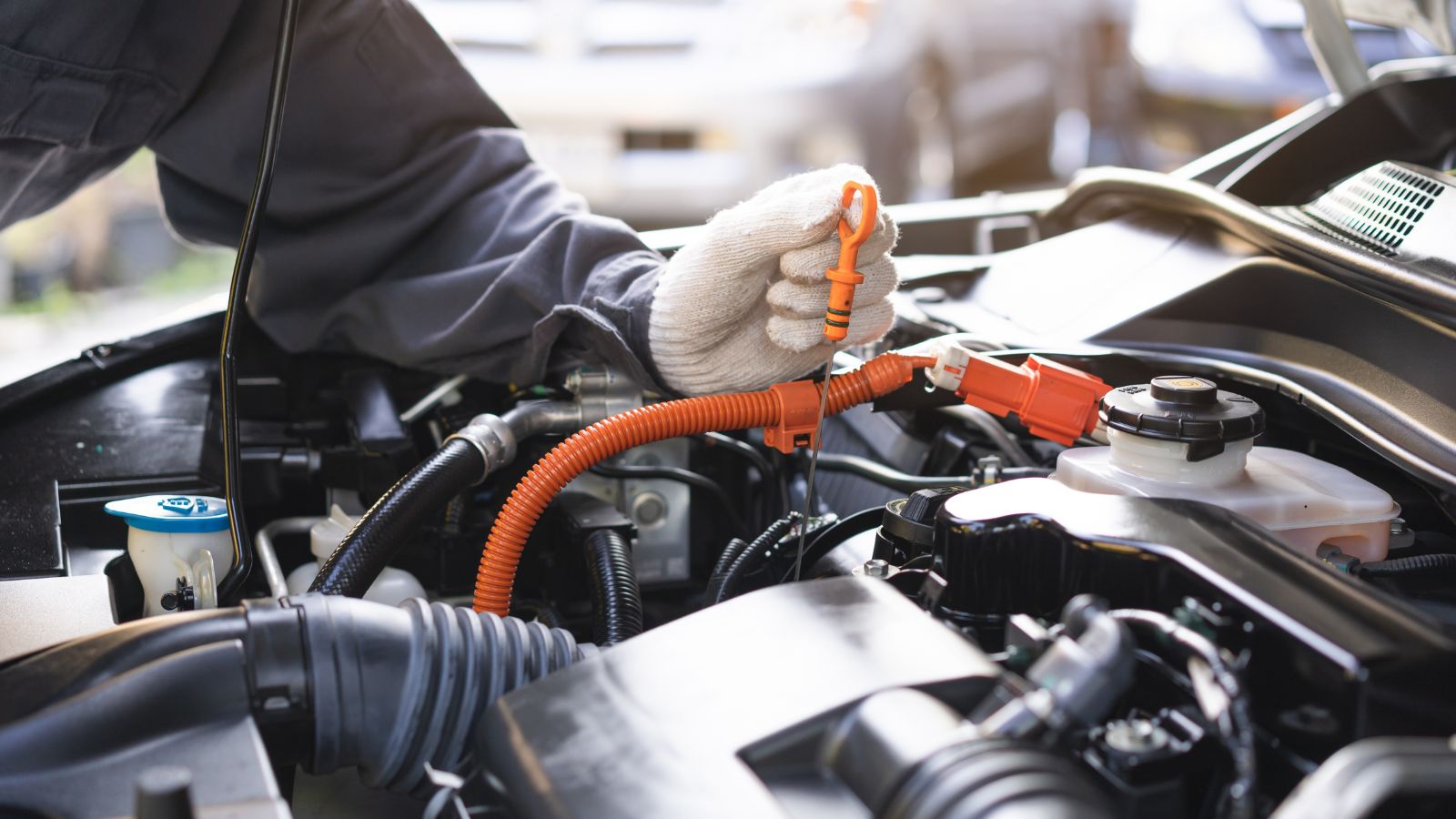
A recall can turn a costly repair into a manufacturer-handled safety fix. Transport Canada maintains recall information for vehicles, tires, and child car seats, and drivers can search for recalls by vehicle identification number. This is especially useful before paying for repairs involving airbags, seat belts, fuel systems, steering, braking components, or electrical defects. A recall does not cover every complaint, but it should be ruled out before opening a wallet.
This step is particularly important for used vehicles. A second or third owner may never receive the original recall notice, especially after moving provinces or buying privately. A driver might arrive at a mechanic with a warning light and assume it is ordinary wear, only to find an open recall connected to the same system. Checking the VIN before authorizing work gives the shop useful information and may direct the repair to a dealer instead.
Maintenance Records Can Protect Warranty Claims
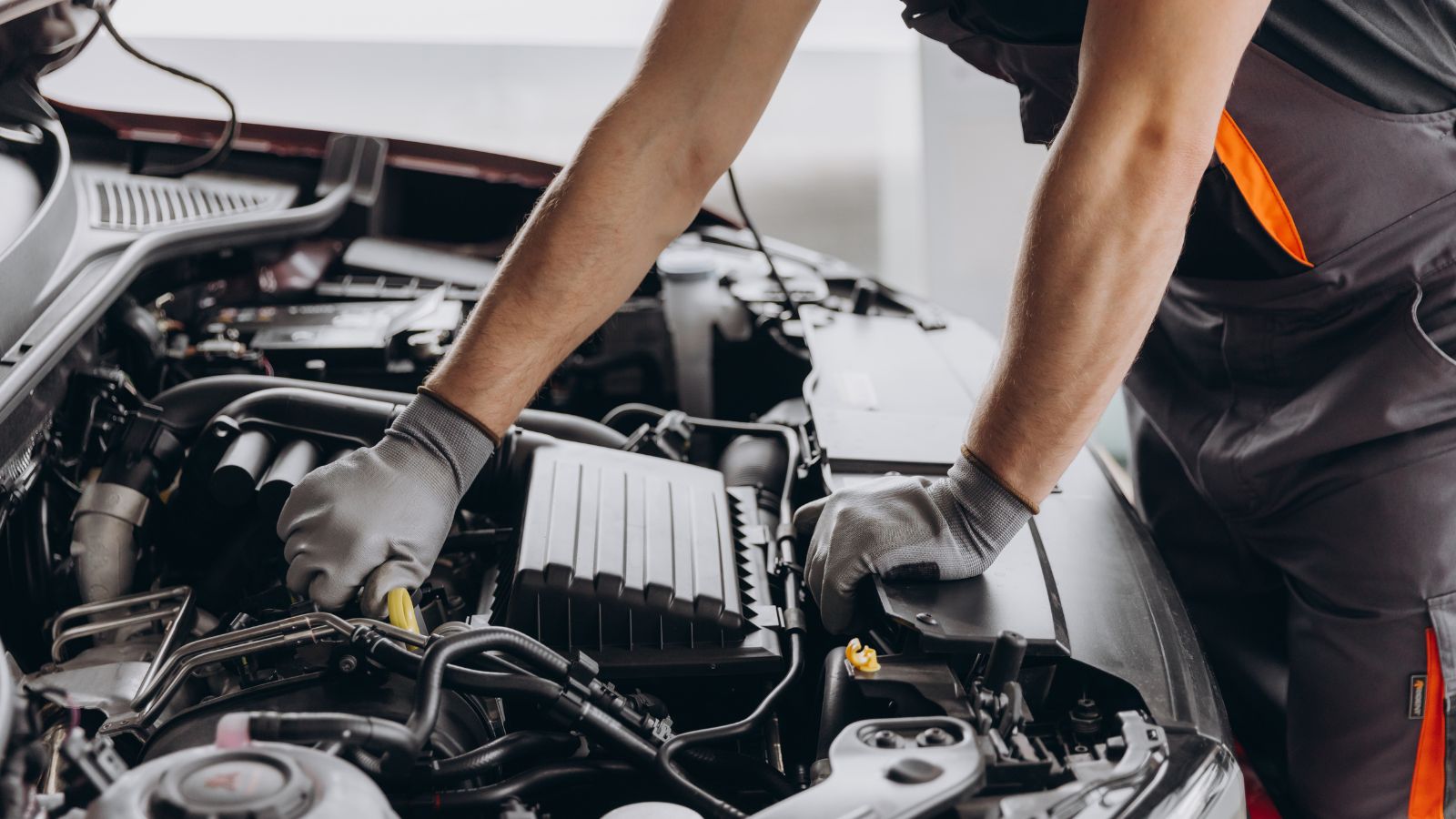
Maintenance records are not just for resale value. Manufacturer warranty guides often remind owners to follow the maintenance schedule and keep records of service. This matters because a denied warranty claim can hinge on whether oil changes, inspections, and required services were done at the right intervals. A glovebox full of faded receipts may not feel important until an engine, transmission, or hybrid component becomes the subject of a costly dispute.
A simple folder or digital file can solve the problem. Each entry should show the date, mileage, shop name, services performed, and parts or fluids used. For example, if an engine develops oil-related damage, proof of regular oil changes can become crucial. Even when a vehicle is out of warranty, records help a mechanic understand what has already been replaced. That can prevent duplicate work and shorten diagnostic time.
Severe Canadian Driving Conditions May Mean Shorter Service Intervals

Many manufacturer maintenance schedules distinguish between normal and severe driving. In Canada, severe conditions can include short trips in cold weather, rough roads, road salt, towing, dusty routes, heavy traffic, or repeated stop-and-go driving. That means a driver who technically follows the “normal” schedule may still be under-maintaining the vehicle for real-world conditions. The owner’s manual usually explains which schedule applies.
This is easy to miss because severe service sounds extreme, but it can describe ordinary Canadian life. A commuter who drives five kilometres to work in freezing temperatures may never fully warm the engine. A family SUV used for cottage roads, ski trips, or trailer towing may place extra strain on brakes, suspension, cooling systems, and fluids. Before visiting the mechanic, checking the maintenance schedule helps separate necessary work from upselling and overlooked service from harmless delay.
Road Salt Can Turn Small Repairs Into Bigger Ones

Road salt is a quiet reason Canadian repairs can become more complicated. Brake hardware, suspension bolts, exhaust fasteners, fuel lines, and underbody components can corrode after repeated winter exposure. A job that looks simple on paper may take longer if bolts snap, parts seize, or extra components need replacement. This is why two vehicles of the same age can produce very different repair bills depending on where and how they were driven.
Drivers should mention heavy winter use, coastal exposure, or long periods parked outdoors. A mechanic inspecting a noisy brake or loose suspension part may need to check surrounding components, not just the obvious failure. After winter, many road-safety groups recommend inspecting brakes, fluids, tires, wipers, lights, and the underbody. Catching corrosion early may prevent a modest repair from becoming a safety issue or a labour-heavy removal job later.
Battery Testing Matters More in Cold Weather
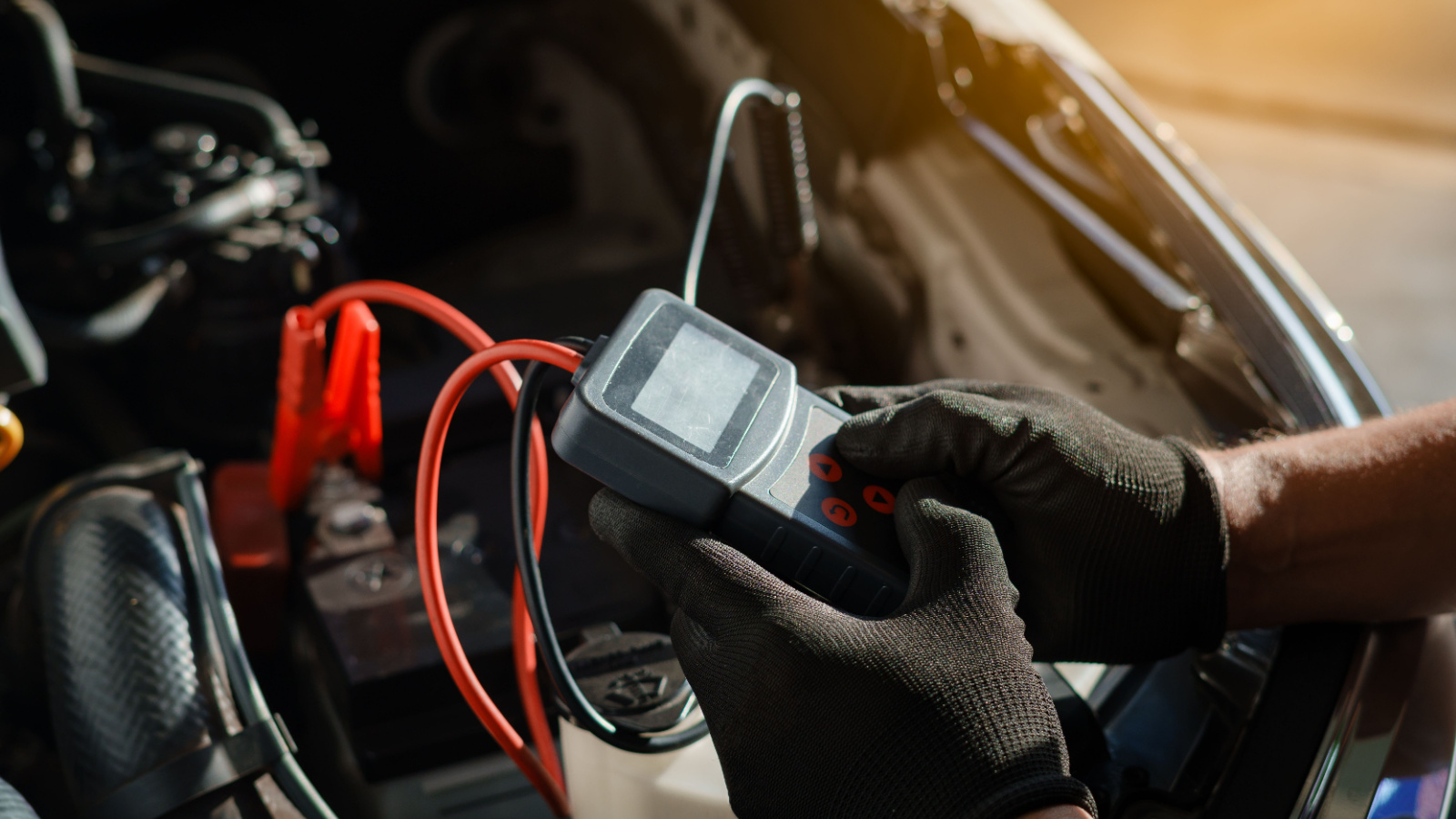
Cold weather is hard on batteries, and a weak one can leave a vehicle stranded even if it seemed fine in autumn. CAA’s winter car care guidance notes that batteries work harder in cold temperatures and that batteries between three and five years old are more likely to fail. A mechanic can perform a load test, check charging output, inspect terminals, and confirm whether the problem is the battery, alternator, starter, or a parasitic electrical draw.
This matters because many symptoms overlap. Slow cranking, dim lights, warning messages, and intermittent starting can all point in different directions. Replacing a battery without testing may solve the problem, but it can also hide an alternator issue that returns a week later. Before approving electrical repairs, drivers should ask what was tested and what the readings showed. A printed battery report or clear explanation can prevent guesswork.
Warning Lights Need Context, Not Panic

A dashboard warning light is information, not a full diagnosis. The colour, flashing pattern, driving symptoms, and timing all matter. A flashing check-engine light usually deserves more urgency than a steady one because it may indicate a misfire that can damage the catalytic converter. ABS, airbag, oil pressure, coolant temperature, and charging-system lights each point toward different levels of risk. The owner’s manual remains the best first reference.
Before visiting the shop, a driver can write down when the light appeared, whether the vehicle shook, smelled unusual, overheated, lost power, or made noise. That short description can save diagnostic time. A warning light that appears only after refuelling may suggest a different path than one that appears during highway acceleration. The mechanic is not just reading codes; the customer’s timeline often helps connect the code to the actual failure.
Parts Quality Can Change Price and Longevity

Not all replacement parts are equal. A repair estimate may use original equipment manufacturer parts, aftermarket parts, remanufactured parts, rebuilt components, or used parts. Each option can make sense in different situations. A newer vehicle under warranty may justify original parts, while an older commuter car may be safely repaired with a reputable aftermarket component. The important part is knowing what is being installed before approving the job.
Drivers should ask about brand, warranty, availability, and whether the part meets the vehicle’s requirements. For example, a cheap suspension component may fit properly but wear faster on rough roads. A remanufactured alternator may be a reasonable choice if it carries a solid warranty. A used electronic module may save money but create programming or compatibility concerns. The invoice should identify parts clearly enough that future shops can understand what was replaced.
Labour Time Is Often Based on Flat-Rate Guides

A repair bill may show more labour hours than the driver expected, even when the vehicle was not physically in the bay for that exact amount of time. Many shops use flat-rate labour guides that estimate how long a trained technician should take to complete a specific job. This can create confusion when a repair seems quick, but the charge reflects standard labour time, diagnostic skill, equipment use, and business overhead.
The best response is to ask how labour was calculated. Some shops charge by actual time, some use flat-rate times, and some combine diagnostic time with repair labour. A timing belt, wheel bearing, or heater core replacement may involve hidden access work that is not obvious to a customer. Clear labour descriptions reduce suspicion. If the estimate only says “labour” with no detail, asking for a breakdown is reasonable.
Dealerships and Independent Shops Have Different Strengths

Dealerships and independent mechanics both have advantages. Dealerships often have brand-specific training, software updates, technical service bulletins, proprietary tools, and direct access to warranty processes. Independent shops may offer lower overhead, broader used-vehicle experience, flexible parts options, and long-term relationships with customers. The best choice depends on the vehicle, the problem, warranty status, and the type of repair.
A newer car with a complex software issue, recall, or warranty concern may belong at the dealer. An older vehicle needing brakes, suspension, exhaust, tires, or routine maintenance may be well served by a trusted independent shop. The line is not always clear. A driver might use the dealer for a hybrid system fault and an independent shop for seasonal maintenance. What matters is matching the problem to the shop’s equipment, training, and accountability.
Authorizing Extra Work Should Never Be Casual

Extra work is common once a vehicle is inspected, but it should not happen without approval. A shop may discover worn tie rods during an alignment, leaking brake fluid during a pad replacement, or a cracked belt during an oil change. Those findings may be legitimate and important. Still, the customer should receive a clear explanation, price, urgency level, and authorization request before the repair proceeds.
A useful question is: “Is this safety-related, maintenance-related, or optional right now?” That separates urgent repairs from future planning. A leaking brake line is not the same as a cabin air filter. A mechanic who explains the difference builds trust, while a rushed phone call filled with technical terms can leave the customer feeling cornered. Asking for photos, measurements, or old parts can also help confirm why the work is being recommended.
Keeping Old Parts Can Clarify What Was Replaced

In many situations, asking to see the old parts can help a driver understand the repair. Worn brake pads, cracked belts, leaking shocks, damaged tires, and corroded exhaust sections are often easy to recognize once shown. This does not mean every customer needs to inspect parts like a technician. It simply adds transparency and turns a mysterious bill into a visible explanation.
There are limits. Some parts must be returned to suppliers as “cores,” especially alternators, starters, calipers, and remanufactured components. In those cases, the shop may still be able to show the part before returning it or provide photos. The request should be made before the repair begins, not after the parts have been discarded. A reputable shop should be comfortable explaining what failed, why it mattered, and what was installed in its place.
Tire and Brake Issues Deserve Seasonal Attention
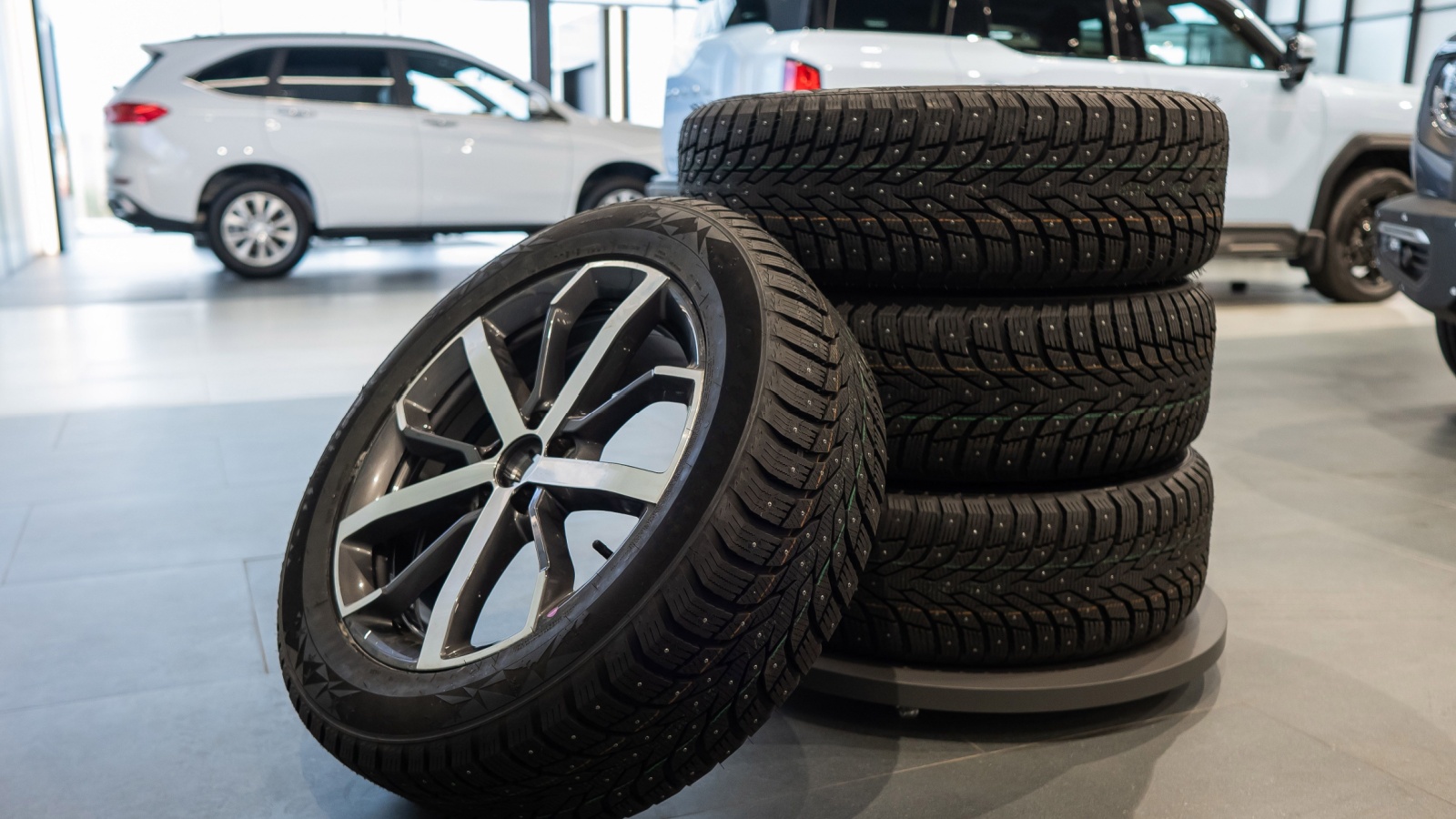
Tires and brakes carry extra importance in Canada because weather changes can be severe. Transport Canada advises drivers to check tire pressure often and notes that properly inflated winter tires in good condition improve traction and fuel efficiency. CAA and regional auto clubs also emphasize brake checks after winter because road salt, moisture, and cold conditions can accelerate wear or corrosion around braking components.
Before visiting the mechanic, drivers should note pulling, vibration, squealing, grinding, longer stopping distances, or uneven tire wear. These symptoms help narrow the inspection. A vibration at highway speed may suggest wheel balance, tire damage, or suspension wear. A grinding noise while braking may indicate worn pads or rotor damage. Seasonal inspections are not just upsells when they focus on measurable wear, tread depth, brake thickness, leaks, and visible corrosion.
Disputes Are Easier With Paperwork

Most repair visits end without conflict, but paperwork matters when something goes wrong. A detailed invoice should show the customer’s complaint, authorized work, labour, parts, mileage, taxes, warranty, and any recommendations declined. If a dispute arises, vague notes make it harder to prove what was requested or promised. Provincial consumer protection offices often rely on documents when reviewing complaints.
Drivers should keep estimates, texts, emails, invoices, diagnostic reports, and photos together. If the problem continues, the first step is usually returning to the shop calmly with the paperwork and explaining the symptom. If that fails, provincial consumer agencies, industry associations, or small claims processes may be options depending on the situation. For manufacturer warranty disputes involving defects, Canada also has arbitration options through CAMVAP.
19 Things Canadians Don’t Realize the CRA Can See About Their Online Income

Earning money online feels simple and informal for many Canadians. Freelancing, selling products, and digital services often start as side projects. The problem appears at tax time. Many people underestimate how much information the CRA can access. Online platforms, banks, and payment processors create detailed records automatically. These records do not disappear once money hits an account. Small gaps in reporting add up quickly.
Here are 19 things Canadians don’t realize the CRA can see about their online income.
This Options Discord Chat is The Real Deal
While the internet is scoured with trading chat rooms, many of which even charge upwards of thousands of dollars to join, this smaller options trading discord chatroom is the real deal and actually providing valuable trade setups, education, and community without the noise and spam of the larger more expensive rooms. With a incredibly low-cost monthly fee, Options Trading Club (click here to see their reviews) requires an application to join ensuring that every member is dedicated and serious about taking their trading to the next level. If you are looking for a change in your trading strategies, then click here to apply for a membership.