
35,000+ smart investors are already getting financial news, market signals, and macro shifts in the economy that could impact their money next with our FREE weekly newsletter. Get ahead of what the crowd finds out too late. Click Here to Subscribe for FREE.
Canadian households rarely feel a single dramatic jump all at once. More often, the squeeze arrives through a renewal notice, a slightly higher pre-authorized payment, a new line item, or a familiar bill that no longer matches last year’s budget. In 2026, that quiet pressure is showing up across housing, transportation, utilities, insurance, food, subscriptions, and everyday services.
These 18 Canadian bills reflect the kinds of costs that can rise without much ceremony: monthly payments, household essentials, public fees, and services that many families consider unavoidable. Some increases are tied to inflation, energy markets, infrastructure costs, climate risk, mortgage renewals, or shifting business models. Others are small on their own but noticeable when stacked together across a household budget.
Rent Payments
18 Canadian Bills That Quietly Got More Expensive in 2026
- Rent Payments
- Mortgage Renewal Payments
- Home Insurance Premiums
- Auto Insurance Premiums
- Electricity Bills
- Natural Gas and Heating Bills
- Water, Sewer, and Waste Collection Fees
- Property Tax Bills
- Condo and Strata Fees
- Grocery Bills
- Gasoline and Fuel Bills
- Public Transit Fares
- Internet Service Bills
- Mobile Phone Bills
- Streaming and Digital Subscription Bills
- Banking and Account Fees
- Postage and Mailing Costs
- Child Care and School-Related Fees
- Vehicle Maintenance and Repair Bills
- 19 Things Canadians Don’t Realize the CRA Can See About Their Online Income

Rent remains one of the clearest examples of a bill that can rise even when the market feels less frantic than it did a year earlier. National rent inflation slowed in early 2026, but slowing does not mean falling. Statistics Canada reported that rent prices were still up year over year in April 2026, and rents had risen sharply compared with five years earlier. For many tenants, that means the renewal notice may look modest compared with the worst pandemic-era jumps, yet still stretch a paycheque.
The human impact is often felt in ordinary compromises. A renter who once absorbed a $75 increase by trimming takeout may now be juggling higher food, transit, and insurance costs at the same time. Even provinces with rent controls can leave tenants exposed when moving, changing units, or facing above-guideline increases tied to repairs. Rent has become less of a background expense and more of a recurring affordability test.
Mortgage Renewal Payments

Many homeowners entered 2026 with a difficult reminder: the mortgage payment is not fixed forever. Borrowers who locked in unusually low pandemic-era rates have been renewing into a higher-rate world, and Bank of Canada analysis has indicated that many renewals in 2025 and 2026 would still bring higher monthly payments. Even when rate cuts or lower fixed-rate offers soften the blow, renewal arithmetic can still push household budgets upward.
The increase often appears quietly because it arrives through paperwork rather than a dramatic purchase. A family may keep the same home, the same lender, and the same routine, but the payment changes after renewal. CMHC has also noted that arrears pressures were expected to rise moderately in some markets, even if the system as a whole remained stable. For households already managing groceries, insurance, and utilities, a few hundred dollars more per month can reshape nearly every other bill.
Home Insurance Premiums

Home insurance has become one of the less predictable household bills in Canada. Premiums are being influenced by replacement costs, repair labour, rebuilding materials, and increasingly severe weather losses. Statistics Canada’s April 2026 CPI tables showed homeowners’ home and mortgage insurance rising year over year, while insurance industry commentary has continued to point to weather-related claims as a major pressure on pricing.
This is not just a coastal or wildfire-zone issue. A homeowner in an older neighbourhood may see a premium increase because the roof is aging, the sewer backup risk is higher, or the insurer has repriced an entire postal code. The bill may arrive as a renewal envelope with a higher annual amount and a larger monthly withdrawal. Many households discover that reducing the premium often means accepting a higher deductible, trimming coverage, or investing in upgrades first.
Auto Insurance Premiums

Car insurance remains another bill where Canadians can feel punished even without changing vehicles or making a claim. Repair costs, vehicle technology, parts prices, theft risk, injury claims, and provincial insurance rules all influence premiums. Statistics Canada has examined how rising claims and repair costs have affected personal auto insurance, and industry groups have highlighted similar pressures across the market.
The frustration is that the increase often feels detached from personal behaviour. A driver with a clean record may still see a higher renewal because newer vehicles carry expensive sensors, cameras, and calibration requirements after even minor collisions. In cities where theft risk has been high, some models have become especially costly to insure. The monthly payment can rise quietly through automatic billing, only becoming obvious when a household compares the new premium with last year’s policy.
Electricity Bills
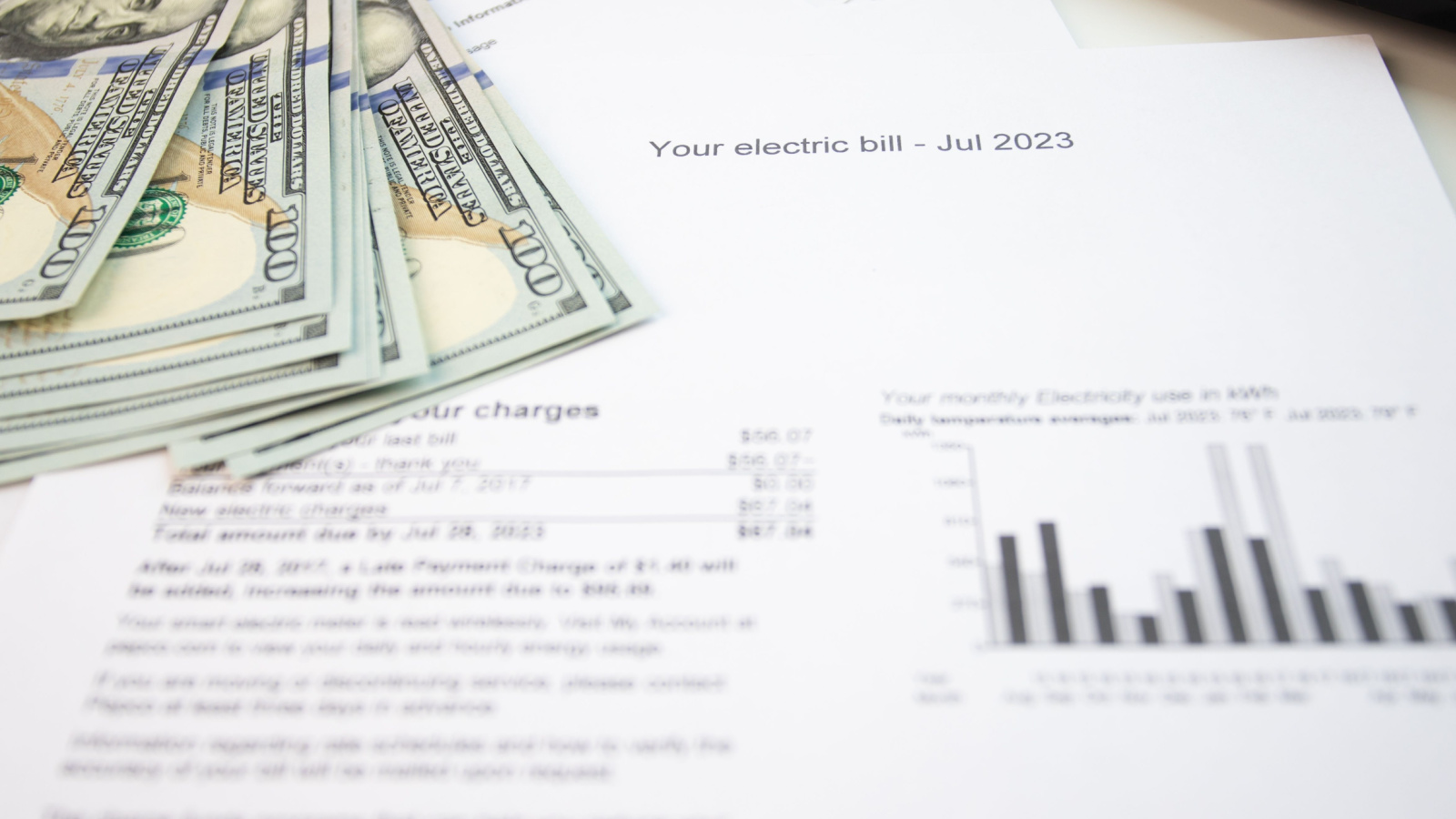
Electricity bills are being nudged upward in many parts of the country by infrastructure needs, grid upgrades, local rate decisions, and broader energy cost pressures. Statistics Canada’s shelter-related CPI data showed water, fuel, and electricity rising year over year in April 2026. Even when provincial regulators phase increases gradually, households usually experience them as a slightly higher delivery charge, usage charge, or monthly equal-billing amount.
The change can feel especially sharp for homes that rely heavily on electric heat, air conditioning, electric water heating, or electric vehicle charging. A family may use the same appliances and habits as last year, but a colder month or higher delivery fee can make the bill look unfamiliar. Electricity is also difficult to cut beyond a certain point. Lights, refrigeration, laundry, work-from-home equipment, and device charging are no longer optional in a modern household.
Natural Gas and Heating Bills

Heating bills can rise in ways that are easy to miss until winter usage arrives. Natural gas prices, delivery costs, storage charges, carbon-related systems, and weather patterns can all affect the final amount. In 2026, broader energy volatility has been part of the inflation story, and Canadian energy outlooks have continued to emphasize uncertainty around global oil and gas prices. The result is that heating costs can change even when a household’s thermostat habits do not.
This bill is especially sensitive because it combines price and weather. A colder stretch can magnify even a small rate increase, while an older furnace or drafty windows can turn a modest bill into a seasonal shock. Apartment dwellers may not always see gas directly, but heating costs can show up indirectly through rent, condo fees, or building operating costs. In detached homes, it is often one of the most noticeable winter expenses.
Water, Sewer, and Waste Collection Fees

Municipal utility bills are quietly becoming more expensive in many communities because aging infrastructure is not cheap to maintain. Water mains, wastewater systems, storm sewers, treatment plants, and solid-waste programs all require capital spending, and cities often recover those costs through user fees. Vancouver, for example, approved average utility fee increases for 2026 tied to solid waste, water, sewer, infrastructure replacement, and regional levies.
These increases rarely attract the same attention as income taxes or grocery prices, but they are steady and difficult to avoid. A household may notice a higher flat fee, a new stormwater charge, or a larger quarterly bill even with similar water use. The increase is often explained as necessary maintenance rather than a discretionary tax hike. For residents, however, the distinction matters less than the final number due before the payment deadline.
Property Tax Bills

Property taxes are another bill that can rise quietly because the increase often arrives once a year, wrapped in municipal budget language. Cities face higher labour costs, infrastructure needs, policing expenses, transit pressures, and debt costs. Some municipalities approved moderate increases for 2026, while others relied on reserves, new revenues, or targeted utility increases to reduce the headline property-tax hit.
For homeowners, the impact depends on both the tax rate and assessed value. A seemingly small percentage increase can still translate into a noticeable annual payment, especially in expensive housing markets. Even renters can feel property-tax pressure indirectly if landlords build higher operating costs into future rent decisions where rules allow. The local nature of property taxes also makes them uneven: one household may see a modest rise, while another in a nearby municipality faces a much larger increase.
Condo and Strata Fees

Condo and strata fees are often where several rising bills merge into one monthly payment. Insurance, utilities, elevator maintenance, cleaning contracts, reserve-fund contributions, landscaping, security, waste removal, and repair costs all feed into the fee. As building components age and insurers reprice risk, boards may have little choice but to raise monthly contributions or issue special assessments.
The increase can be frustrating because it does not always come with a visible improvement. Residents may pay more simply to keep the building operating at the same standard. A new roof reserve, higher water bill, or insurance deductible requirement can add pressure even if the lobby looks unchanged. For first-time condo owners who budgeted mainly for mortgage and property tax, a fee increase can be the bill that makes ownership feel less predictable than expected.
Grocery Bills

Grocery bills remained one of the most visible affordability pressures in 2026. Statistics Canada’s April 2026 CPI data showed food prices up year over year, and Canada’s Food Price Report projected another annual increase in food costs for the year. Even when inflation moderates, prices usually do not return to old levels; they simply rise more slowly.
The quiet part is how the increase shows up. A basket that once held meat, fruit, cereal, coffee, and lunch snacks may cost more even after switching brands or buying fewer treats. Families often notice the change at the checkout, not in a formal notice. Grocery inflation also affects other bills indirectly, because restaurants, school lunches, workplace meals, and convenience purchases rise alongside store prices. The monthly food total can climb even when the household feels it has already cut back.
Gasoline and Fuel Bills

Gasoline became a major inflation driver in spring 2026, with Statistics Canada reporting a sharp year-over-year increase in April. Fuel bills can change quickly because they are linked to crude oil prices, refining margins, taxes, currency movements, and geopolitical disruption. For commuters, delivery drivers, tradespeople, and rural households, the change can be felt almost immediately.
The bill is rarely framed as one monthly statement, but it behaves like one. A driver who fills up twice a week may not notice the full damage until reviewing card transactions at the end of the month. Higher fuel prices can also travel through the economy by raising freight and delivery costs. Even households without a car may feel the effect through grocery prices, service calls, ride-hailing fares, or delivery fees.
Public Transit Fares

Public transit is often treated as the cheaper alternative to driving, but fare increases can still add up for regular riders. Several Canadian transit systems have faced budget pressures from ridership changes, operating costs, labour expenses, and capital needs. In Metro Vancouver, TransLink fare increases for 2026 were reported as part of its funding approach, while other regions have also debated or approved fare adjustments.
The increase can be especially noticeable for people who buy monthly passes. A few extra dollars per pass may sound minor, but for a household with multiple commuters or students, the annual cost becomes meaningful. Riders also tend to feel fare increases more sharply when service reliability, crowding, or frequency does not improve at the same pace. The bill rises, but the daily experience may look much the same.
Internet Service Bills

Internet costs are complicated in 2026 because the broad long-term trend has included price declines in some telecom measures, yet individual households can still face higher bills when promotions expire or packages change. Statistics Canada reported a year-over-year increase in the internet access services price index in March 2026, while the CRTC has also noted longer-term affordability improvements and efforts to expand competition.
This creates a familiar household problem: the advertised market may look competitive, but the actual bill depends on the plan, bundle, address, modem rental, speed tier, and discount period. A customer who signed up at a promotional rate may see the regular price return after 12 or 24 months. Because internet is essential for work, school, banking, healthcare portals, and entertainment, many households pay the increase rather than risk switching or losing service during a busy week.
Mobile Phone Bills

Mobile phone prices have fallen significantly over the longer term in Canada, but that does not mean every wireless bill is lower in 2026. Customers can still pay more when financing a device, adding data, losing a promotion, roaming, or moving into a higher plan tier. The CRTC’s 2026 market reporting pointed to long-term declines in mobile service pricing, yet households often experience bills through individual contracts rather than national averages.
A parent adding a teenager’s first phone line may see the family bill jump even if per-gigabyte prices are better than years ago. A worker who travels between provinces or crosses the U.S. border may be hit by roaming or travel-pass charges. The cost of the handset also matters. A premium phone spread over 24 months can make the monthly bill feel less like a service charge and more like a small loan payment.
Streaming and Digital Subscription Bills

Streaming and digital subscriptions have become a modern version of the cable bill: split across several smaller payments that are easy to underestimate. Netflix price increases in 2026 were reported across multiple tiers, and Canada’s broadcast regulator has also continued reshaping the financial obligations of large streaming platforms operating in the country. Even when a single increase is only a few dollars, the household total can creep higher across video, music, cloud storage, gaming, fitness, and news subscriptions.
The quietness comes from automatic renewals. A family may not receive a paper bill or make an active purchase; the charge simply appears on a credit card. Over time, ad-free tiers, password-sharing rules, premium sports add-ons, and annual renewals can raise the true cost of entertainment. Many households discover the increase only when several small charges combine into a surprisingly large monthly total.
Banking and Account Fees

Banking fees can rise through monthly account charges, transaction limits, paper statements, overdraft fees, ATM charges, and service packages. Canada’s financial consumer regulator announced modernized low-cost and no-cost account commitments in late 2025, giving consumers access to accounts costing no more than $4 per month at participating institutions. That helps, but many customers remain in regular chequing packages with higher monthly fees or minimum-balance requirements.
The bill is often invisible because it is deducted inside the account rather than mailed separately. A customer may not notice a monthly fee unless reviewing statements closely. Paper statement charges, e-transfer limits, and non-bank ATM withdrawals can also turn small habits into recurring costs. For households living close to the edge, even modest bank fees feel irritating because they are paid for access to one’s own money.
Postage and Mailing Costs

Postage is no longer a daily concern for every household, but it still matters for small businesses, seniors, legal paperwork, greeting cards, returns, invoices, and official forms. Canada Post’s posted stamp prices show the cost of standard domestic mail, while 2026 commercial mail changes took effect in March. For people who send only a few letters a year, the increase may feel minor; for businesses sending invoices, notices, or marketing mail, it can add up quickly.
This bill is easy to overlook because mailing has become occasional for many households. The surprise arrives at the counter, when a small envelope, oversized card, or parcel costs more than expected. Online sellers also feel the pressure through packaging, labels, and shipping charges. Customers may blame the seller for delivery fees, but postage and logistics costs are often a real part of the final price.
Child Care and School-Related Fees

Child care costs have been heavily shaped by public affordability programs, but not every family sees the same benefit. Fees can vary by province, licensed space availability, age group, extended hours, meals, transportation, and whether a provider participates in reduced-fee programs. Families unable to secure a subsidized spot may still face high monthly bills, while school-related costs such as lunches, supplies, activities, uniforms, and transportation can rise alongside food and service inflation.
The pressure is often seasonal. September brings supply lists and activity fees; summer brings camps; winter brings indoor programs and care gaps during school breaks. Parents may not describe these as one formal bill, but the household budget experiences them that way. Even modest fee increases can be difficult because care is tied directly to work schedules. When child care becomes more expensive or less available, earning income can become more complicated.
Vehicle Maintenance and Repair Bills

Vehicle maintenance is one of the bills that many Canadians underestimate until something breaks. Parts, labour, diagnostics, tires, fluids, and advanced electronics have made repairs more expensive. Statistics Canada’s work on auto insurance pressures has pointed to the rising cost of repairs and vehicle parts, while broader CPI and industry data continue to show transportation as a major affordability category in 2026.
The modern repair bill often reflects technology as much as mechanics. A cracked bumper may involve sensors; a windshield replacement may require camera calibration; a minor collision can become a multi-part repair order. Even routine maintenance can cost more when synthetic fluids, larger tires, and dealership diagnostics are involved. For households trying to keep an older vehicle on the road to avoid a new car payment, repair bills can quietly become the substitute monthly payment.
19 Things Canadians Don’t Realize the CRA Can See About Their Online Income

Earning money online feels simple and informal for many Canadians. Freelancing, selling products, and digital services often start as side projects. The problem appears at tax time. Many people underestimate how much information the CRA can access. Online platforms, banks, and payment processors create detailed records automatically. These records do not disappear once money hits an account. Small gaps in reporting add up quickly.
Here are 19 things Canadians don’t realize the CRA can see about their online income.
This Options Discord Chat is The Real Deal
While the internet is scoured with trading chat rooms, many of which even charge upwards of thousands of dollars to join, this smaller options trading discord chatroom is the real deal and actually providing valuable trade setups, education, and community without the noise and spam of the larger more expensive rooms. With a incredibly low-cost monthly fee, Options Trading Club (click here to see their reviews) requires an application to join ensuring that every member is dedicated and serious about taking their trading to the next level. If you are looking for a change in your trading strategies, then click here to apply for a membership.