
35,000+ smart investors are already getting financial news, market signals, and macro shifts in the economy that could impact their money next with our FREE weekly newsletter. Get ahead of what the crowd finds out too late. Click Here to Subscribe for FREE.
Household patience is wearing thin. Across Canada, recurring bills that once felt like fixed facts of life are being questioned more closely, compared more aggressively, and challenged more often. The pressure is not coming from one category alone: shelter, utilities, banking, insurance, groceries, telecom, and travel costs have all become part of a larger affordability conversation.
These 14 bills are the ones many Canadians are finally starting to push back on, not always by cancelling outright, but by negotiating, switching providers, downsizing plans, scrutinizing fees, delaying upgrades, or demanding clearer rules. The common thread is simple: when every monthly charge rises at once, even small add-ons begin to feel like a test of household tolerance.
Cellphone Plan Fees
14 Bills Canadians Are Finally Starting to Push Back On
- Cellphone Plan Fees
- Home Internet Bills
- Cable and TV Package Charges
- Streaming Subscription Stacks
- Grocery Bills
- Rent Increases
- Mortgage Renewal Payments
- Property Tax Bills
- Electricity Bills
- Natural Gas and Home Heating Bills
- Auto Insurance Premiums
- Home Insurance Premiums
- Banking and NSF Fees
- Airline and Travel Add-On Fees
- 19 Things Canadians Don’t Realize the CRA Can See About Their Online Income

Cellphone bills have become one of the most visible places where Canadians are pushing back, partly because the charges are easy to compare and frustratingly familiar. Activation fees, plan-change fees, roaming add-ons, financing balances, and small monthly device charges can make a plan feel more expensive than the advertised price. Families with several lines often notice the pressure first, because one increase can multiply across every phone in the household.
The pushback is becoming more formal, too. Canada’s telecom regulator has moved to prohibit certain fees that discourage people from switching, changing, or cancelling cellphone and internet plans. That matters because the ability to leave a plan without being penalized changes the negotiating power at the kitchen table. More Canadians are learning to call retention departments, compare flanker brands, refuse unnecessary add-ons, and wait for seasonal deals instead of accepting the renewal price as final.
Home Internet Bills

Home internet has shifted from a convenience to a household essential, which is why rising monthly charges land so heavily. Remote work, streaming, online school portals, cloud storage, and smart-home devices have made households more dependent on fast and reliable connections. Yet many customers still find themselves paying for speeds they may not fully use, modem rentals they forgot about, or promotional discounts that quietly disappear after 12 or 24 months.
Canadians are pushing back by treating internet like an annual negotiation rather than a permanent contract. Some are switching to smaller providers, asking for loyalty credits, downgrading from premium speeds, or bundling only when the math is genuinely better. Regulatory efforts to make switching easier have added momentum. When a household realizes that a lower-tier plan can still handle video calls, streaming, and everyday browsing, the old assumption that “faster is always worth it” begins to weaken.
Cable and TV Package Charges

Traditional cable bills are facing a different kind of resistance: not just complaints about price, but questions about relevance. Many households still pay for channel bundles built around legacy habits, sports packages, set-top box rentals, theme packs, and specialty channels that rarely get watched. A bill that once felt normal can look bloated when compared with a few targeted streaming services or a digital antenna for local channels.
The pushback often starts with a simple audit. People look at what they actually watch, then compare that against the full monthly television charge. Seniors, sports fans, and multilingual households may still find value in specific packages, but the “everything bundle” is losing its automatic appeal. The result is more cord-cutting, slimmer packages, and pressure on providers to justify each extra box, theme pack, and promotional bundle after the discount period ends.
Streaming Subscription Stacks

Streaming was supposed to be the cheaper alternative to cable, but Canadians are increasingly questioning the total cost of stacked subscriptions. One service for movies, another for sports, another for kids, another for prestige dramas, plus music, cloud storage, gaming, and news can quietly recreate the size of an old cable bill. Password-sharing limits and ad-supported tiers have made the value calculation feel even more complicated for some households.
The pushback is less dramatic than cancelling everything at once. Many people are rotating services month by month, keeping only one or two active at a time, or choosing ad-supported plans when the savings are meaningful. The behaviour has become a form of subscription hygiene. A household may subscribe for a specific series, cancel after finishing it, then return later. The old habit of letting every digital service auto-renew indefinitely is starting to look expensive.
Grocery Bills

Grocery bills are not technically a monthly invoice, but they behave like one because households cannot opt out of food. Canadians have been pushing back through discount banners, flyer apps, loyalty points, private-label products, bulk buying, and more careful meal planning. Even modest price increases can feel dramatic when they hit staples such as produce, bread, dairy, meat, and pantry items that appear in the cart every week.
The frustration is also tied to trust. Grocery pricing has become a national affordability issue, with public attention on competition, shrinkflation, and the difference between advertised deals and checkout totals. Families are increasingly comparing unit prices, splitting purchases across stores, and skipping premium brands unless they are on sale. The pushback is practical rather than symbolic: more Canadians are voting with their carts, and retailers are responding with larger discount-store footprints and sharper promotions.
Rent Increases

Rent is the bill many Canadians have the least room to challenge, but pushback is growing where tenants have leverage. In tighter years, renters often felt forced to absorb increases or move farther from work, school, and family. Now, in some markets where vacancy has improved and rent growth has cooled, tenants are more willing to negotiate, question above-guideline increases, or compare nearby listings before signing another lease.
The pressure is especially visible among renters who stayed put through sharp increases and now see newer listings softening in certain cities. Rent-control rules vary widely by province, which makes education part of the pushback. Tenants are checking notice periods, legal increase limits, maintenance obligations, and whether a proposed increase follows provincial rules. Even when rent remains painfully high, the idea that every increase must be accepted without scrutiny is losing ground.
Mortgage Renewal Payments

Mortgage payments are one of the most emotionally charged bills because renewal shocks can arrive after years of predictable budgeting. Many Canadians who locked in low rates earlier in the decade have been renewing into a different interest-rate environment. Even when rates ease from their peaks, a household moving from an older fixed rate to a current one can still face a larger payment, especially if the original mortgage was stretched.
The pushback looks like shopping around before renewal instead of signing the first offer from the existing lender. Borrowers are asking about shorter terms, longer amortizations where available, prepayment privileges, variable versus fixed options, and broker comparisons. Some are making lump-sum payments before renewal; others are cutting discretionary spending to preserve housing stability. The key shift is psychological: the renewal letter is no longer treated as a routine notice, but as a major financial negotiation.
Property Tax Bills

Property tax bills are getting more scrutiny because homeowners can see the charge arrive as a single, unavoidable number. Municipalities point to infrastructure, transit, emergency services, housing, and inflationary pressures. Homeowners, meanwhile, see the increase alongside higher insurance, mortgage, utilities, and maintenance costs. In cities where reassessments or provincial education portions rise, the final bill can feel disconnected from household income growth.
Pushback often happens through budget consultations, councillor emails, local petitions, and close reading of how much of the bill is municipal versus provincial or education-related. Some owners are also appealing assessments when they believe their property has been valued incorrectly. Even when taxpayers support better services, the appetite for vague explanations is shrinking. People want to know whether increases are funding visible improvements, catching up on deferred maintenance, or simply becoming another permanent layer of cost.
Electricity Bills
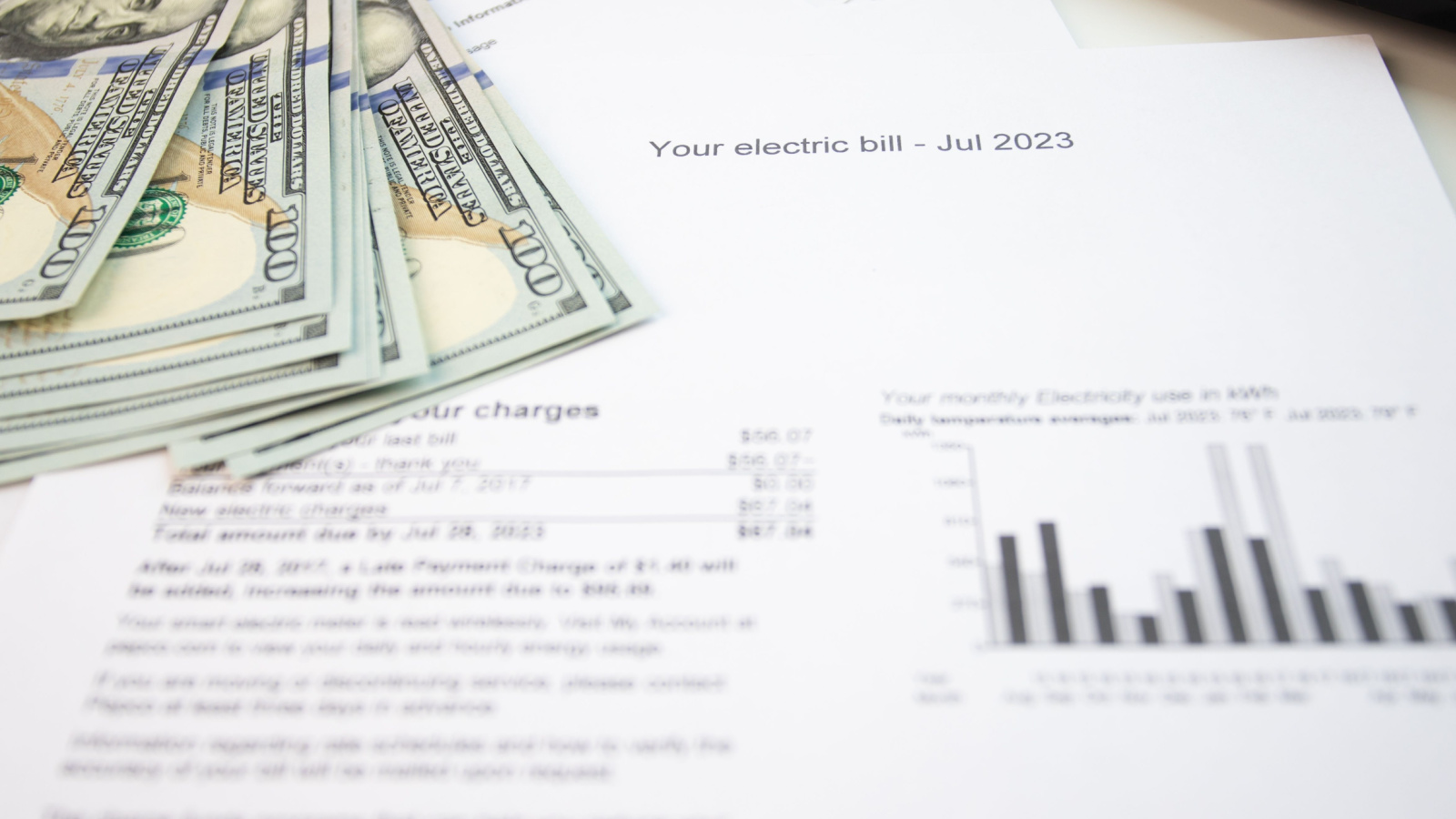
Electricity bills are frustrating because the total often feels harder to understand than the rate itself. Delivery charges, tiered pricing, time-of-use periods, rebates, taxes, and local utility structures can make two households with similar usage face different monthly totals. As more Canadians add heat pumps, electric vehicles, air conditioning, and home office equipment, electricity is becoming a larger part of household planning.
The pushback is increasingly technical. Households are shifting laundry and charging to off-peak hours where time-of-use pricing applies, replacing old appliances, sealing drafts, and questioning whether equal billing plans are helping or hiding usage patterns. Some are also challenging estimated bills or asking utilities to explain sudden spikes. The goal is not simply to use less power; it is to understand which part of the bill can actually be controlled and which part is fixed by the local system.
Natural Gas and Home Heating Bills

Heating bills can feel seasonal, but they shape household budgets for much of the year in colder parts of Canada. Natural gas, furnace oil, propane, and district heating costs vary by province and by home type, but the pain is often the same: a cold snap can turn a manageable bill into a budget problem. Older homes with poor insulation feel the increase most sharply.
Canadians are pushing back by treating heating as a home-efficiency issue rather than just a utility bill. That means smart thermostats, furnace maintenance, weather stripping, attic insulation, heat-pump comparisons, and careful review of fixed versus variable charges. Some households are also questioning rental contracts for water heaters or HVAC equipment that add recurring monthly costs. A winter bill is no longer seen as something to sigh over and pay; it is becoming a prompt to investigate the house itself.
Auto Insurance Premiums

Auto insurance has become a frequent target of consumer frustration, especially in provinces where theft, repair costs, parts prices, and vehicle technology have pushed premiums higher. A minor collision can now involve sensors, cameras, calibration, and expensive bodywork, making claims more costly than they were for older vehicles. Drivers who have never filed a claim can still see increases because insurers price risk across broader pools.
The pushback is showing up in comparison shopping, higher deductibles, telematics programs, bundling decisions, and vehicle choice. Some Canadians are realizing that the cost of insuring a vehicle matters almost as much as the monthly payment. Before buying, more drivers are checking insurance quotes for specific models, especially SUVs, trucks, hybrids, and theft-prone vehicles. The old habit of renewing automatically is fading because even a clean driving record no longer guarantees a comfortable premium.
Home Insurance Premiums

Home insurance bills are also getting harder to ignore. Severe weather, flooding, wildfire risk, hail damage, rebuilding costs, and higher labour and material prices have all changed the economics of property coverage. Homeowners may see higher premiums, larger deductibles, or more detailed questions about roofs, plumbing, electrical systems, and proximity to risk zones. In some cases, the coverage language matters as much as the price.
Canadians are pushing back by asking what is actually covered, not just what the annual premium costs. Overland flood coverage, sewer backup, replacement-cost limits, and wildfire mitigation are becoming part of ordinary household conversations. Some owners are bundling policies; others are raising deductibles or investing in sump pumps, backwater valves, roof upgrades, and defensible space. The key change is that home insurance is no longer treated as a sleepy renewal document. It is being read line by line.
Banking and NSF Fees

Banking fees have become a symbol of nickel-and-diming because they often hit when people are already under pressure. Monthly account fees, overdraft charges, e-transfer limits, ATM fees, credit-card interest, and non-sufficient funds penalties can turn small shortfalls into larger problems. The frustration is especially strong when a missed payment or timing mismatch triggers a fee that feels disproportionate to the original issue.
Pushback has become more visible because regulators and governments have started focusing on “junk fees” in everyday banking. The federal move to cap NSF fees at federally regulated banks reflects the argument many consumers have made for years: a small shortage should not create a large penalty. Canadians are also moving to no-fee digital banks, asking for account-fee waivers, consolidating accounts, and setting alerts before payments leave. Banking loyalty is becoming easier to break.
Airline and Travel Add-On Fees

Air travel bills rarely stop at the base fare. Seat selection, checked bags, carry-ons on some fare classes, change fees, cancellation limits, food, priority boarding, and airport transportation can make the final cost feel much higher than the first number displayed. For families, the add-ons multiply quickly. For people in smaller or remote communities, limited route competition can make the pushback even harder.
Canadians are responding by comparing total trip cost rather than headline fares. Some are packing lighter, avoiding basic fares with restrictive rules, using points more strategically, or choosing alternate airports when possible. The Competition Bureau’s airline market work reflects a broader concern that limited competition can affect price, service, and choice. Travellers may not be able to control fuel prices or airport fees, but they are increasingly refusing to treat every add-on as unavoidable.
19 Things Canadians Don’t Realize the CRA Can See About Their Online Income

Earning money online feels simple and informal for many Canadians. Freelancing, selling products, and digital services often start as side projects. The problem appears at tax time. Many people underestimate how much information the CRA can access. Online platforms, banks, and payment processors create detailed records automatically. These records do not disappear once money hits an account. Small gaps in reporting add up quickly.
Here are 19 things Canadians don’t realize the CRA can see about their online income.
This Options Discord Chat is The Real Deal
While the internet is scoured with trading chat rooms, many of which even charge upwards of thousands of dollars to join, this smaller options trading discord chatroom is the real deal and actually providing valuable trade setups, education, and community without the noise and spam of the larger more expensive rooms. With a incredibly low-cost monthly fee, Options Trading Club (click here to see their reviews) requires an application to join ensuring that every member is dedicated and serious about taking their trading to the next level. If you are looking for a change in your trading strategies, then click here to apply for a membership.