
35,000+ smart investors are already getting financial news, market signals, and macro shifts in the economy that could impact their money next with our FREE weekly newsletter. Get ahead of what the crowd finds out too late. Click Here to Subscribe for FREE.
Canadian shopping habits have become more deliberate. Items that once slipped into carts, online orders, weekend plans, and monthly budgets without much debate now face a second look. Higher grocery bills, elevated shelter costs, fluctuating fuel prices, and growing subscription fatigue have changed what feels “normal” at checkout.
These 18 everyday purchases show how Canadians are rethinking value, convenience, and habit. The shift is not always about giving something up entirely. More often, it is about trading down, waiting for a sale, buying less often, or asking whether the old automatic purchase still makes sense.
Brand-Name Groceries
18 Things Canadians Used to Buy Without Thinking Twice — But Now Don’t
- Brand-Name Groceries
- Beef and Premium Cuts of Meat
- Fresh Produce That Spoils Quickly
- Coffee for Home and Café Stops
- Restaurant Meals
- Takeout and Delivery Fees
- Snack Foods and Treats
- Gas Fill-Ups
- New Vehicles
- Auto Insurance
- Streaming Services
- Cellphone Upgrades
- Clothing Basics
- Flights
- Hotels and Weekend Getaways
- Concerts, Sports, and Live Events
- Alcohol for Home or Nights Out
- Furniture and Home Décor
- Beauty, Grooming, and Personal-Care Extras
- 19 Things Canadians Don’t Realize the CRA Can See About Their Online Income
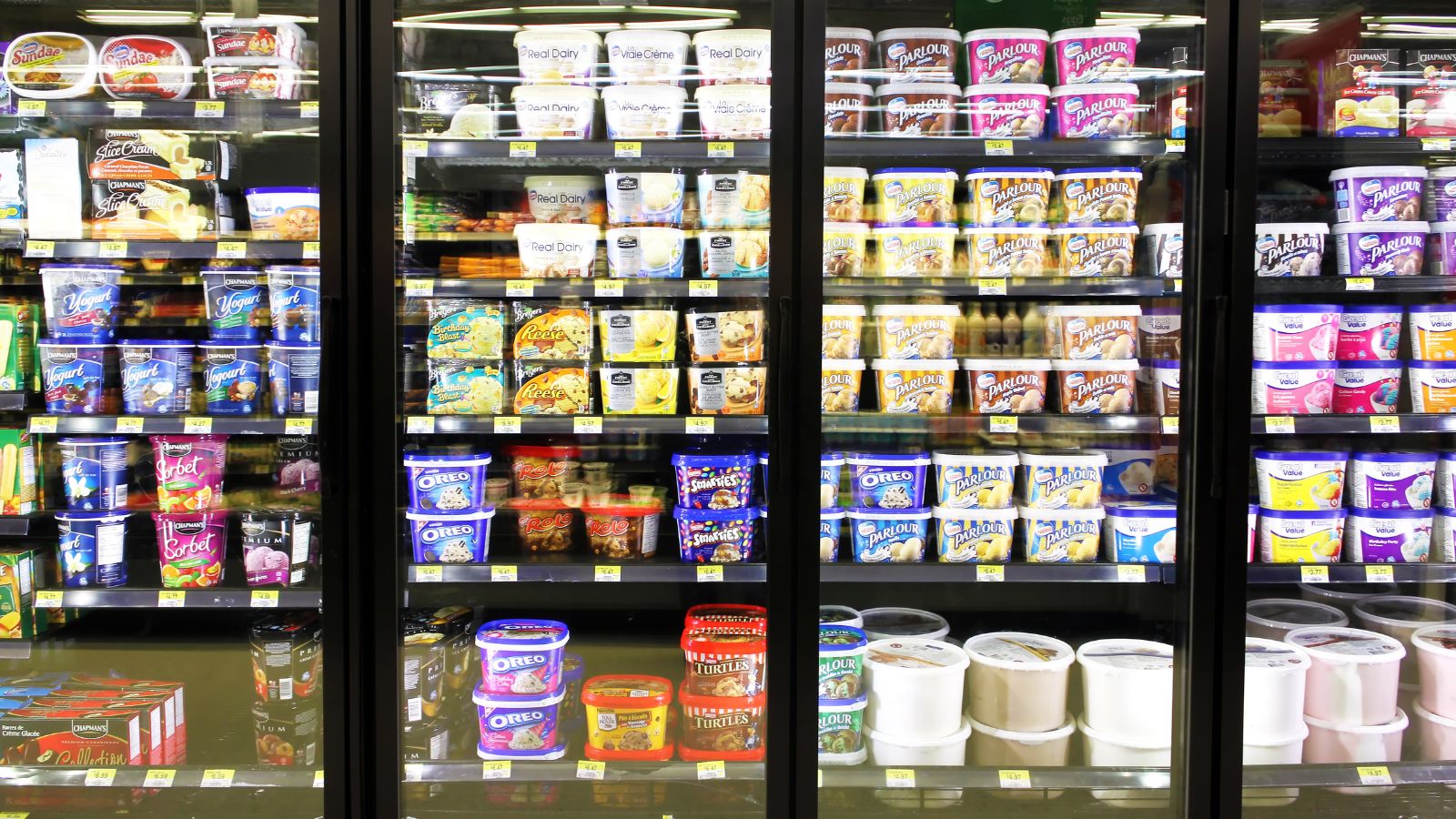
For years, many Canadians reached for familiar cereal, pasta sauce, yogurt, crackers, and pantry staples without comparing the shelf beside them. Brand loyalty felt harmless when the gap between national labels and store brands was only a few cents. Now, that gap feels more visible because grocery inflation has compounded across multiple shopping trips, making small weekly differences feel much larger by month’s end.
The change can be seen in ordinary store behavior: carts with more private-label products, shoppers scanning unit prices, and families choosing one premium item instead of several. The decision is less about rejecting favourite brands and more about making the grocery bill predictable. A box of cereal or jar of sauce that once went in automatically now has to justify its place against a cheaper substitute.
Beef and Premium Cuts of Meat
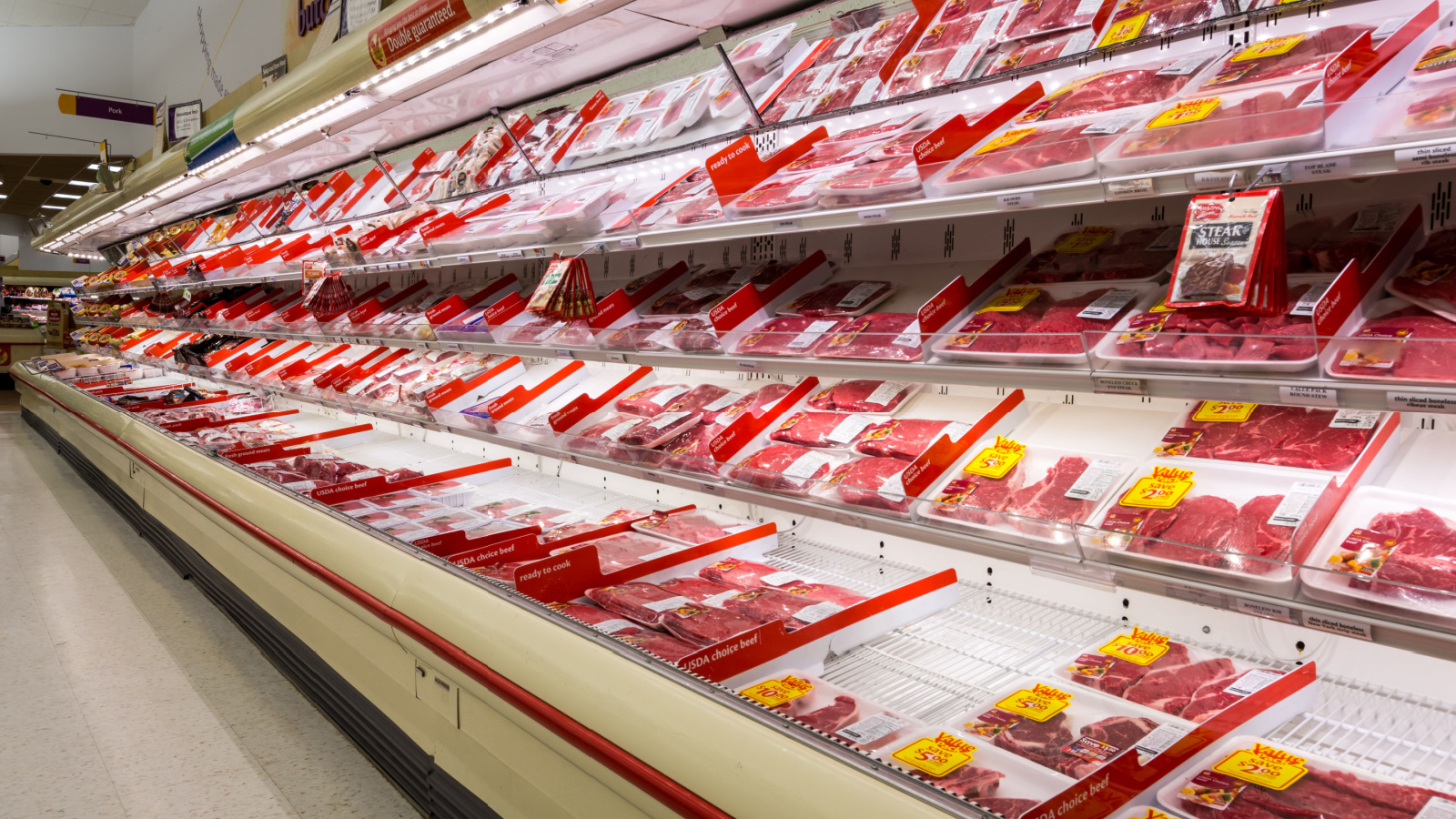
Steaks, roasts, deli meats, and even everyday ground beef have become purchases many households plan around instead of buying casually. Meat prices have been one of the more noticeable pressure points in food inflation, especially because they sit at the centre of so many familiar meals. A weeknight dinner that once started with “pick up some beef” may now start with checking flyers first.
Many Canadians have adapted by stretching meat further, switching to chicken or pork, buying family packs only when discounted, or adding more beans, lentils, eggs, and frozen vegetables to meals. The psychological shift matters. Meat has not disappeared from the table, but premium cuts increasingly feel like weekend or occasion purchases rather than default weekday choices.
Fresh Produce That Spoils Quickly

Fresh berries, salad greens, herbs, cucumbers, peppers, and pre-cut vegetables used to symbolize convenience and healthy intention. They still do, but shoppers have become more cautious when the price is high and the risk of spoilage is immediate. Produce feels especially frustrating because a single bad container of berries or wilted bag of greens can turn a healthy purchase into wasted money.
That has pushed more Canadians toward frozen vegetables, longer-lasting produce, and tighter meal planning. A family may still buy strawberries, but only when they are in season, on sale, or likely to be eaten the same day. The new calculation is practical: freshness is valuable, but so is avoiding the guilt of throwing out food that cost too much to waste.
Coffee for Home and Café Stops

Coffee used to be one of the small comforts people rarely questioned. Whether it was a bag of beans for home, pods for a machine, or a quick café stop before work, the purchase felt routine. Recent price increases have made that ritual more noticeable, especially for households that buy coffee every week or rely on daily takeout cups.
The response has been uneven but clear. Some Canadians still treat café coffee as a daily necessity, while others have shifted to home brewing, loyalty apps, bulk purchases, or fewer specialty drinks. A latte that once felt like pocket change can feel different when paired with higher grocery bills and commuting costs. Coffee has become less automatic and more like a small budget decision repeated many times.
Restaurant Meals

Dining out once served as an easy answer to busy evenings, birthdays, work lunches, and low-energy weekends. It still plays that role, but menu prices, tipping expectations, delivery markups, and taxes have made the final bill harder to ignore. A casual meal for two can now feel closer to a planned expense than a spontaneous break from cooking.
Canadians are not abandoning restaurants altogether. Instead, many are becoming more selective: fewer appetizers, fewer drinks, more lunch specials, more shared plates, or more attention to the total before saying yes. Restaurants remain important social spaces, but the casual “let’s just go out” habit has lost some of its old ease.
Takeout and Delivery Fees
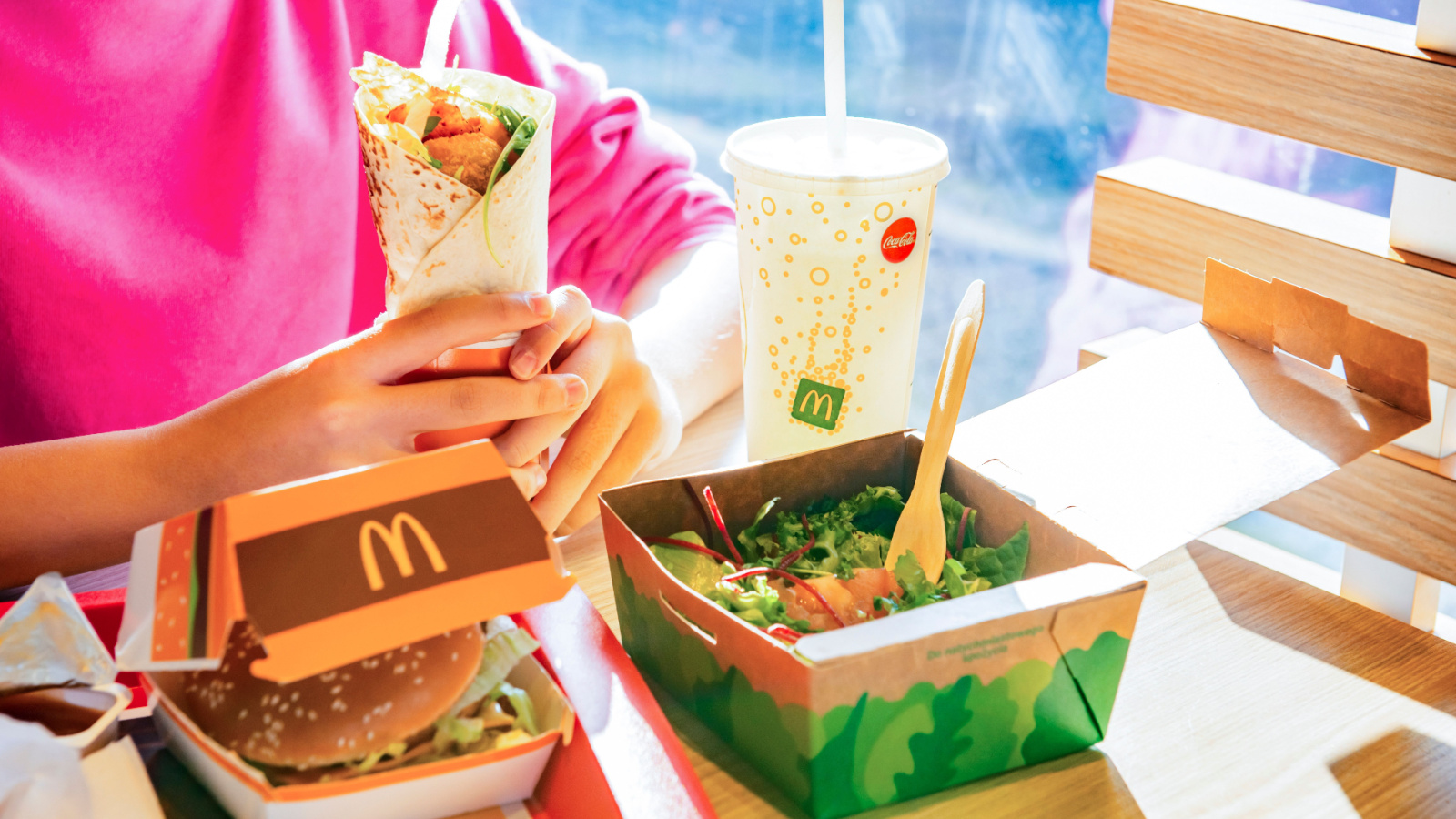
Takeout once felt like a cheaper alternative to dining in, and delivery apps made convenience feel almost frictionless. That perception has changed. Service fees, delivery fees, menu markups, driver tips, and small-order charges can make a simple meal feel surprisingly expensive by the time the payment screen appears. The convenience is still real, but so is the premium.
Many households now reserve delivery for nights when convenience genuinely matters, while choosing pickup, frozen meals, or simple groceries on other evenings. The habit has become more intentional. A $20 meal can quickly become much more after fees, turning what used to be an easy weeknight shortcut into a purchase people pause over.
Snack Foods and Treats

Chips, chocolate, cookies, ice cream, and other treats were once the classic “why not?” additions to a grocery cart. They were small rewards and easy impulse buys. Now, shoppers often notice that the package is smaller, the price is higher, or the sale requires buying multiples. That combination has made snack aisles feel less carefree.
The shift is especially visible in family shopping. Parents may still buy treats, but fewer varieties at once, more store-brand options, or only items on promotion. The treat has not disappeared; it has become rationed, rotated, or tied to a deal. What used to be a casual add-on now competes with basics like bread, eggs, fruit, and meat.
Gas Fill-Ups

Gasoline has always been a highly visible price because drivers see it posted on large roadside signs. Still, many Canadians once filled up without much strategy, especially when commuting, school runs, or errands made driving unavoidable. With fuel prices swinging sharply at times, filling the tank now feels like a moment of calculation.
Drivers increasingly combine errands, use price-comparison apps, delay non-essential trips, or fill only part of the tank when prices spike. In rural areas and suburbs with limited transit, the pressure can be harder to avoid. Gas remains a necessity for many households, but the days of treating every fill-up as a routine background cost have faded.
New Vehicles

A new vehicle once represented reliability, warranty protection, and a predictable upgrade path. For many Canadians, it now represents a much bigger monthly commitment. Higher purchase prices, financing costs, insurance premiums, and repair complexity have made the decision feel heavier, especially when household budgets are already stretched.
The result is a more cautious car-buying culture. Buyers are comparing trims more carefully, extending the life of older vehicles, considering used options, or walking away from dealer add-ons that once seemed minor. A new vehicle can still be the right choice, but it is no longer the casual “trade in every few years” decision it was for many households.
Auto Insurance

Auto insurance is not optional for drivers, but the way Canadians approach it has changed. Premium increases have made renewal notices feel less like paperwork and more like a financial event. Even people who once renewed automatically are now more likely to compare quotes, adjust deductibles, review coverage, or ask whether a second vehicle is worth keeping.
The frustration comes from the lack of excitement attached to the purchase. Insurance is essential protection, but it does not feel like getting something new. When premiums rise alongside vehicle prices and repair costs, drivers feel squeezed by a bill they cannot simply drop. That makes auto insurance one of the least glamorous purchases Canadians now scrutinize closely.
Streaming Services

Streaming subscriptions once looked like the affordable answer to cable. One or two platforms offered enough entertainment to feel like a bargain. Over time, exclusive content, price increases, ad-supported tiers, password-sharing restrictions, and scattered sports rights have made the total cost harder to ignore. The monthly bill can creep up quietly across several services.
Canadians are increasingly rotating subscriptions instead of keeping everything active. A household may subscribe for a specific series, cancel afterward, and wait before joining again. The new habit is less about rejecting streaming and more about refusing to let small recurring charges pile up unnoticed. Entertainment still matters, but automatic renewals face more scrutiny.
Cellphone Upgrades

A new phone once felt like an exciting and fairly routine upgrade. Now, many Canadians are holding devices longer because the latest model often brings incremental improvements while costing hundreds or even thousands of dollars. The monthly financing option can soften the shock, but it also turns a phone into another long-term bill.
Consumers are asking more practical questions: Is the battery still fine? Does the camera already do enough? Can a refurbished model work? Is the plan more expensive than necessary? With cellular service prices not always moving in the same direction as device costs, the handset itself has become the bigger pause point. The upgrade cycle has lost some of its automatic pull.
Clothing Basics

Socks, jeans, children’s clothes, winter layers, and workwear used to be easy replenishment purchases. If something wore out, many shoppers replaced it without much comparison. Now, clothing basics are more likely to be bought during sales, at discount retailers, second-hand, or after a longer delay. Even modest price increases matter when multiple family members need seasonal items.
The change is not only about price. Shoppers are also paying closer attention to durability. A cheaper shirt that loses shape quickly may no longer feel like a deal, while a better-made coat might be worth waiting for during a promotion. Clothing has become a category where Canadians increasingly balance immediate cost against how long an item will actually last.
Flights

Air travel has become a more deliberate purchase, even when headline fares appear attractive. Add-ons for seat selection, baggage, itinerary changes, airport transportation, and travel insurance can change the true cost of a trip. Canadians who once booked quick getaways more casually now tend to compare dates, airports, and baggage rules more closely.
Travel demand remains strong, but the buying process has become more tactical. A family trip may involve packing lighter, flying midweek, using points, or choosing a closer destination. The plane ticket is still the emotional doorway to a vacation, but it is no longer judged by base fare alone. The total trip cost now arrives earlier in the decision.
Hotels and Weekend Getaways

The classic weekend escape has become harder to justify on impulse. Hotels, short-term rentals, parking, meals, fuel, attraction tickets, and taxes can turn a two-night trip into a surprisingly large expense. Even when room rates fall in some markets or seasons, the full getaway budget can still feel heavy.
Many Canadians now plan shorter trips, choose off-peak dates, stay with relatives, look for kitchenettes, or turn day trips into substitutes for overnight travel. The desire to get away remains strong, especially after years of disrupted travel patterns. But the casual “book a room and go” mindset has been replaced by more comparison shopping and more attention to hidden costs.
Concerts, Sports, and Live Events

Live entertainment used to be an easier splurge: buy the ticket, meet friends, enjoy the night. Now, dynamic pricing, service fees, resale markets, parking, food, drinks, and transportation can make the final cost feel far removed from the advertised price. A family outing to a game or a pair of concert tickets can become a major budget item.
That does not mean Canadians have lost interest in shared experiences. In many cases, they are simply choosing fewer events and making them count. A major concert may replace several smaller nights out. A sports game may become a birthday gift rather than a routine outing. Live events still carry emotional value, but the purchase now demands more planning.
Alcohol for Home or Nights Out

Beer, wine, spirits, and cocktails once fit easily into many social routines, from backyard gatherings to restaurant dinners. Rising menu prices, taxes, and general budget pressure have made alcohol a more noticeable line item. A bottle added to groceries or a round of drinks with dinner can shift the total bill quickly.
Some Canadians are responding by buying less, choosing lower-priced options, hosting at home, or skipping drinks when dining out. Younger consumers have also shown growing interest in low- and no-alcohol options, which changes the social role of the purchase. Alcohol has not vanished from Canadian spending, but the automatic add-on drink or extra bottle is less automatic than it used to be.
Furniture and Home Décor

A new chair, rug, lamp, small appliance, or decorative update once felt like an accessible way to refresh a home. Now, many households are more cautious, especially with rent, mortgage payments, utilities, and insurance absorbing more income. Home purchases that are not urgent often move to wish lists instead of checkout carts.
The category has also become more value-driven. Canadians compare materials, read reviews, wait for seasonal promotions, or buy second-hand through local marketplaces. A decorative impulse purchase can feel less appealing when essential household costs are rising. People still want comfortable homes, but the “small upgrade” now has to compete with a longer list of financial priorities.
Beauty, Grooming, and Personal-Care Extras

Personal-care basics remain essential, but extras such as premium skincare, salon services, cosmetics, fragrances, razors, and specialty grooming products face more scrutiny. These purchases often sit in the emotional middle: not frivolous, but not always urgent. When budgets tighten, consumers may stretch products longer, switch brands, or reduce appointment frequency.
The human side of this shift is important. Personal care can affect confidence, routine, and identity, so Canadians are not simply cutting it out. Instead, many are distinguishing between what genuinely helps and what was purchased out of habit. A favourite moisturizer may stay, while a drawer full of experiments becomes harder to justify.
19 Things Canadians Don’t Realize the CRA Can See About Their Online Income

Earning money online feels simple and informal for many Canadians. Freelancing, selling products, and digital services often start as side projects. The problem appears at tax time. Many people underestimate how much information the CRA can access. Online platforms, banks, and payment processors create detailed records automatically. These records do not disappear once money hits an account. Small gaps in reporting add up quickly.
Here are 19 things Canadians don’t realize the CRA can see about their online income.
This Options Discord Chat is The Real Deal
While the internet is scoured with trading chat rooms, many of which even charge upwards of thousands of dollars to join, this smaller options trading discord chatroom is the real deal and actually providing valuable trade setups, education, and community without the noise and spam of the larger more expensive rooms. With a incredibly low-cost monthly fee, Options Trading Club (click here to see their reviews) requires an application to join ensuring that every member is dedicated and serious about taking their trading to the next level. If you are looking for a change in your trading strategies, then click here to apply for a membership.