
35,000+ smart investors are already getting financial news, market signals, and macro shifts in the economy that could impact their money next with our FREE weekly newsletter. Get ahead of what the crowd finds out too late. Click Here to Subscribe for FREE.
Summer used to feel like Canada’s built-in reward: lake weekends, patio dinners, campground mornings, road trips, festivals, ball games, and backyard meals that stretched late into the evening. Lately, many of those familiar plans have become harder to price at a glance. Fuel, food, lodging, travel demand, service fees, equipment, and local add-ons can turn modest plans into surprisingly expensive outings.
These 19 Canadian summer plans show where costs now tend to climb faster than expected, especially when a family is trying to keep the season active without letting every weekend become a budget event.
Backyard Barbecues That Used to Feel Cheap
19 Canadian Summer Plans That Now Cost Way More Than People Expect
- Backyard Barbecues That Used to Feel Cheap
- Road Trips That Start With “It’s Only a Few Hours Away”
- Camping Weekends That No Longer Feel Bare-Bones
- Cottage Rentals That Look Reasonable Until Fees Appear
- Patio Dinners That Turn Into Premium Outings
- Domestic Flights That Still Carry Travel Sticker Shock
- Festival Weekends With Hidden Add-Ons
- Beach Days That Are Not Always Free
- Summer Sports Leagues and Kids’ Activities
- Amusement Parks and Water Parks
- Hotel Stays for “Just One Night”
- Car Rentals for Weekend Getaways
- Farmers’ Market Mornings That Become Gourmet Trips
- Backyard Upgrades Before Guests Arrive
- Weddings, Showers, and Summer Celebrations
- Golf Days and Outdoor Recreation
- Visiting Major Attractions With the Whole Family
- Long-Weekend Getaways That Compress Peak Pricing
- Cross-Border Shopping and U.S. Getaways
- Last-Minute “Staycations” That Still Cost Money
- 19 Things Canadians Don’t Realize the CRA Can See About Their Online Income

A backyard barbecue still sounds like the affordable alternative to eating out, but the grocery cart can tell a different story. Burgers, chicken, buns, vegetables, condiments, drinks, propane, charcoal, ice, and disposable plates add up quickly, especially when the guest list grows by a few people. A simple Saturday gathering can move from casual to costly before anyone even considers desserts or extra seating.
Food-price pressure makes this more noticeable. Canada’s Food Price Report projected another year of grocery increases in 2026, with meat remaining one of the categories families watch closely. The quiet trap is that barbecues feel inexpensive because they happen at home. In reality, hosting shifts the restaurant bill into several smaller purchases spread across the week, making the total harder to notice until the receipts pile up.
Road Trips That Start With “It’s Only a Few Hours Away”
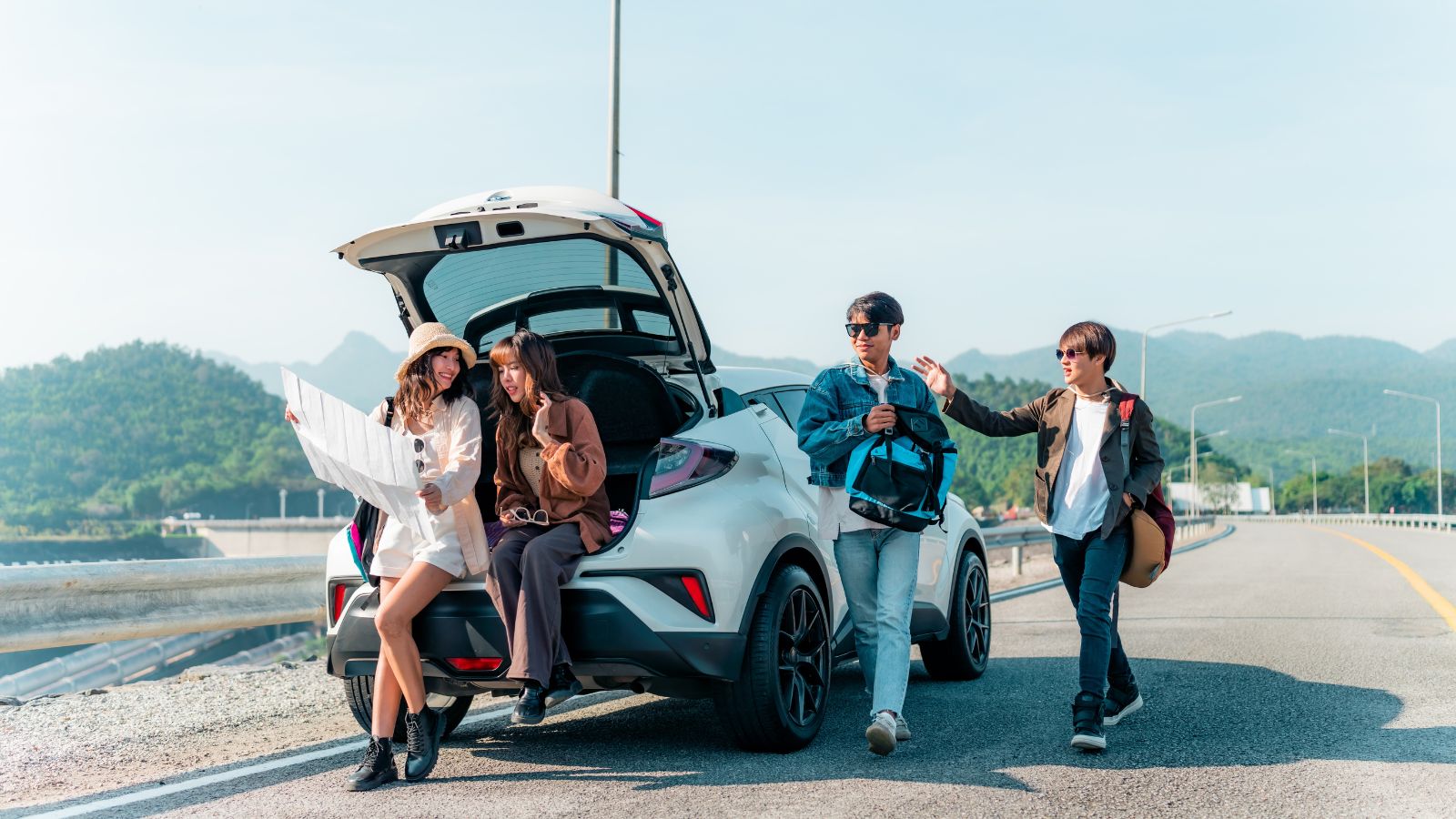
Road trips remain one of Canada’s favourite summer traditions because they feel flexible and familiar. A drive to the cottage, a provincial park, or a small-town festival sounds cheaper than flying, but fuel can reshape the math fast. Add highway snacks, coffee stops, parking, tolls, vehicle wear, and an overnight stay, and the “simple drive” can become a full travel expense.
Gasoline is the cost most people notice first, but it is not the only one. Longer drives also increase the chance of needing maintenance, roadside supplies, or last-minute meals at higher prices. Families travelling with kids often stop more often, which turns a tank of gas into a chain of convenience purchases. The result is a summer plan that feels spontaneous at the kitchen table but expensive by the time the car gets home.
Camping Weekends That No Longer Feel Bare-Bones

Camping still carries an image of thrift: a tent, a cooler, a firepit, and a few quiet nights under the trees. The modern version can be much pricier. Reservation fees, serviced sites, firewood, park passes, bug spray, air mattresses, batteries, tarps, camp kitchen supplies, and upgraded coolers can all become part of the weekend budget. Families starting from scratch may spend hundreds before reaching the site.
Even where national park admission or seasonal discounts reduce some costs, camping is rarely free once the full setup is counted. Popular parks also create pressure to book early, sometimes nudging travellers toward premium sites or longer stays than planned. A weekend that was meant to replace a hotel stay can still involve a hotel-like total when gear, food, fuel, and booking charges are included.
Cottage Rentals That Look Reasonable Until Fees Appear

A cottage rental often looks affordable when the nightly rate is the first number shown. The problem is the final price. Cleaning fees, platform charges, taxes, pet fees, linen fees, hot tub charges, extra-guest costs, security deposits, and minimum-stay rules can change the total dramatically. A listing that seems manageable on Monday can look much different at checkout.
Demand also matters. Domestic travel has stayed strong in Canada, and popular lake regions can price accordingly during July and August. Families who once relied on a cottage as the cheaper alternative to a resort may find that the gap has narrowed. The budget surprise is not always the headline rent. It is the way three nights turn into five, a cleaning charge becomes mandatory, and every nearby grocery stop costs more because the cottage is far from discount stores.
Patio Dinners That Turn Into Premium Outings

A patio meal has become one of the most symbolic Canadian summer pleasures, especially after a long winter. But the bill can climb quickly when drinks, appetizers, tax, tip, parking, and weekend pricing are added. A couple of entrées may not shock anyone, yet a relaxed evening with cocktails or craft beer can end up costing far more than expected.
Restaurant food has remained a pressure point in household budgets because labour, rent, ingredients, and operating costs flow into menu prices. Patios also encourage lingering, which often means extra rounds or dessert. The emotional logic is simple: summer feels short, so one more drink feels justified. The financial result is also simple: one casual dinner can rival the cost of several homemade meals.
Domestic Flights That Still Carry Travel Sticker Shock

Flying within Canada can surprise even seasoned travellers. A short domestic flight may seem like a practical way to save time, but base fares are only part of the picture. Seat selection, checked bags, carry-on rules, airport transportation, food, travel insurance, and schedule changes can push the real cost higher than expected. For families, every fee multiplies by seat.
Tourism data has shown continued strength in passenger air transport spending, which reflects both demand and price pressure in travel planning. Summer routes to popular destinations often become more expensive as departure dates approach. The pain point is especially clear when a traveller compares a cheap-looking fare with the final checkout amount. The trip may still be worth it, but the price rarely feels as simple as the first search result suggested.
Festival Weekends With Hidden Add-Ons

Music festivals, food festivals, cultural weekends, and summer fairs can look affordable when admission is modest or even free. The spending usually happens inside the gates. Food trucks, drinks, merchandise, ride tickets, transit, parking, sunscreen, water bottles, and convenience fees can all build a much larger total. Parents often feel this most at family-friendly events where every extra activity has its own price.
The modern festival economy relies on add-ons. A visitor may not mind one snack, one souvenir, or one paid attraction, but the combination adds up across a long afternoon. Some events also use cashless systems, making spending feel less immediate. A plan that started as “just walking around for a couple of hours” can become one of the more expensive Saturdays of the month.
Beach Days That Are Not Always Free
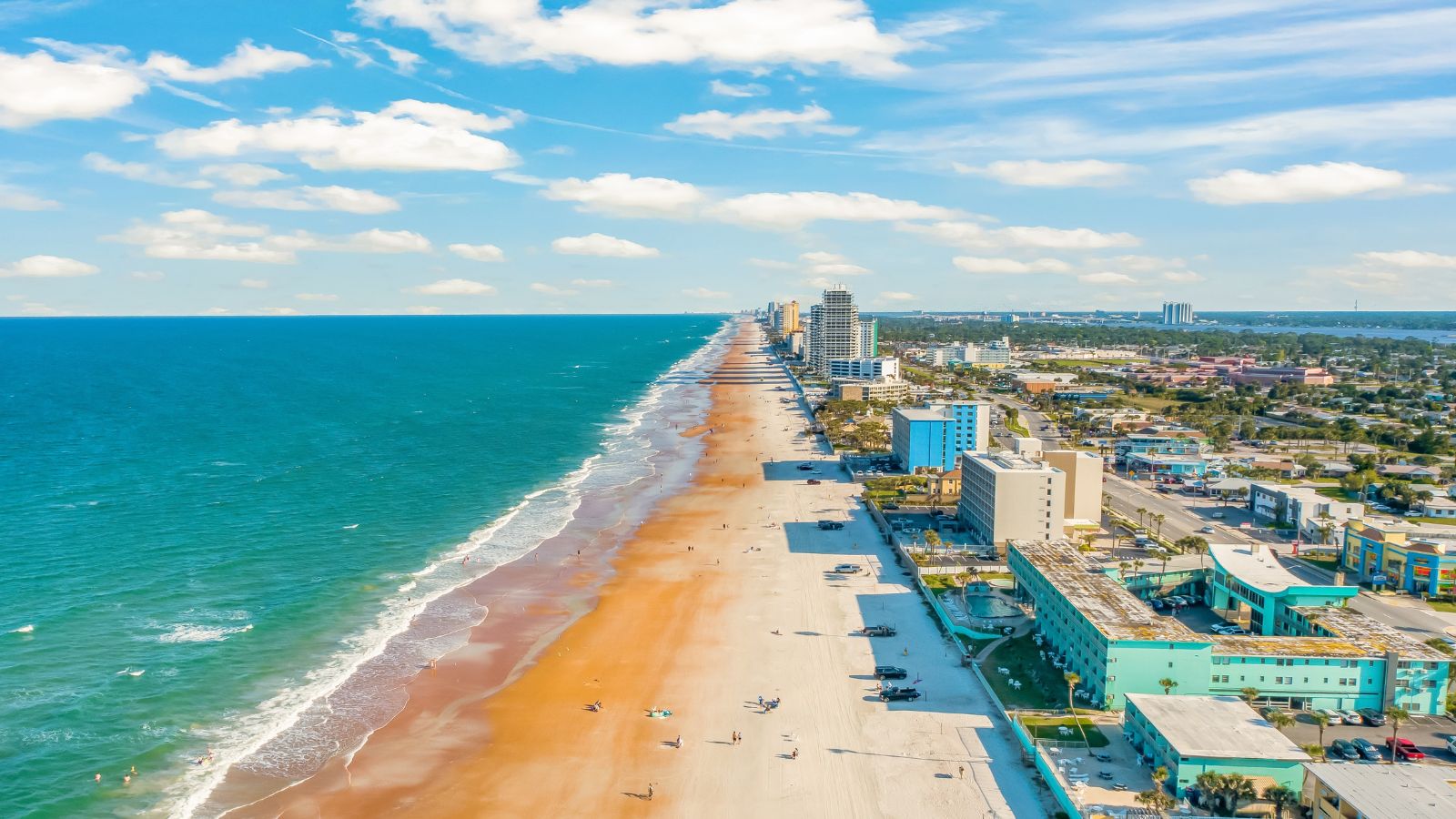
Canada has countless beaches that feel like low-cost summer escapes, but many beach days now include more than towels and sandwiches. Parking fees, day-use permits, cooler supplies, ice, sunscreen, beach toys, gas, snacks, and paid showers can add up. In busy areas, families may pay more just to park close enough to avoid carrying gear across long distances.
Food is another quiet budget breaker. A packed cooler can save money, but last-minute convenience-store stops often replace careful planning. A hot day also encourages impulse purchases: cold drinks, ice cream, fries, or an emergency hat. The beach itself may still be free, yet the surrounding logistics rarely are. The farther the beach is from home, the more the day begins to resemble a small road trip.
Summer Sports Leagues and Kids’ Activities

Summer soccer, baseball, swimming, tennis, dance camps, and specialty clinics can look manageable when the registration fee is listed upfront. Then come uniforms, equipment, photos, tournament fees, travel, snacks, water bottles, late pickup charges, and replacement gear. For households with more than one child, the costs can stack up quickly across July and August.
The schedule also creates secondary expenses. Parents may buy takeout after evening games, drive more often, or pay for child care between activities. A community league may still be far cheaper than private lessons, but it is not cost-free once the season starts. The emotional challenge is that families rarely want to cut the activity that gives children structure, friendship, and outdoor time, so the extras tend to be absorbed quietly.
Amusement Parks and Water Parks

Amusement parks and water parks sell the promise of a full day of fun, but the entry ticket is only the beginning. Parking, locker rentals, meal deals, souvenir cups, fast passes, towels, sunscreen, arcade games, photos, and gift-shop stops can easily expand the bill. A family of four can face a total that feels closer to a mini-vacation than a day trip.
Food policies matter too. Some venues limit outside food or make re-entry inconvenient, which pushes visitors toward on-site meals. Water parks create their own add-ons because guests may need lockers, sandals, swim diapers, or extra towels. The budget surprise comes from the pace of small purchases. Nobody wants to interrupt a rare summer outing over every snack, so the total becomes visible only at the end.
Hotel Stays for “Just One Night”

A one-night hotel stay can seem harmless, especially for weddings, concerts, tournaments, or a quick city break. But summer rates in popular Canadian destinations often rise with demand. Taxes, destination fees, parking, breakfast, pet charges, and early check-in or late-checkout fees can push the total well above the advertised nightly rate.
Accommodation strength has been a major part of Canada’s tourism recovery, and busy weekends can leave travellers with fewer budget options. A hotel that was affordable in the off-season may look very different during long weekends or festival dates. The hardest part is that one night rarely stands alone. Dinner, fuel, coffee, transit, and entertainment attach themselves to the stay, making a short escape more expensive than expected.
Car Rentals for Weekend Getaways

Car rentals can make sense for city dwellers who do not own vehicles, but summer pricing can be unpredictable. The quoted daily rate may not include insurance, taxes, airport surcharges, extra drivers, young-driver fees, child seats, fuel plans, mileage limits, or upgrade pressure at the counter. A two-day rental can become much more expensive than the initial booking confirmation suggests.
Inventory and location also matter. Rentals near airports or tourist centres can cost more during peak periods, while smaller communities may have limited supply. Some travellers also underestimate fuel costs because the rental itself feels like the main expense. By the time the vehicle is returned full, washed of sand, and checked for damage, the weekend can feel less like a convenience and more like a major line item.
Farmers’ Market Mornings That Become Gourmet Trips

Farmers’ markets can be wonderful places to support local growers and food makers, but they are not always cheaper than supermarkets. Fresh berries, artisanal bread, flowers, cheese, preserves, coffee, baked goods, and ready-to-eat lunches can turn a morning stroll into a premium grocery run. The experience is part of the appeal, and that often encourages extra spending.
This does not make markets a bad choice. Many offer better freshness, seasonal variety, and direct support for producers. The budget issue is expectation. People may arrive thinking they are buying produce and leave with a tote bag full of specialty items. When food prices are already elevated, the difference between a planned shop and a browsing trip matters. A market works best when treated as both grocery stop and entertainment expense.
Backyard Upgrades Before Guests Arrive

Summer hosting often triggers a wave of small home upgrades: patio lights, planters, cushions, outdoor rugs, mosquito control, folding chairs, coolers, umbrellas, and a better grill tool set. Each item can feel reasonable alone. Together, they can become a seasonal renovation budget disguised as preparation for a few gatherings.
Retailers understand this pattern and display outdoor living items just as Canadians start imagining warmer evenings. The spending feels practical because it supports home use rather than travel. Still, many purchases are driven by pressure to make a deck or yard look “ready.” A household may skip a vacation to save money, then spend heavily on the backyard version of one. The comfort can be worth it, but only when the total is planned rather than discovered later.
Weddings, Showers, and Summer Celebrations

Summer social calendars can become expensive even when the event itself is joyful. Weddings, bridal showers, baby showers, graduations, and milestone birthdays often involve gifts, outfits, transportation, hotel rooms, childcare, hair appointments, and time off work. A single wedding weekend can cost hundreds before the envelope or registry gift is counted.
The challenge is that these costs are socially sensitive. Guests may not want to appear ungenerous or absent, especially when the event involves close friends or family. Travel adds another layer in a country where people often live far apart. What looks like one invitation can become a full weekend away, complete with meals and accommodation. Summer celebrations are meaningful, but they can quietly crowd out other plans if several land in the same season.
Golf Days and Outdoor Recreation

A round of golf, a paddleboard rental, a guided hike, a bike park day, or a kayaking trip can look like a healthy outdoor plan. The price often grows through rentals, booking fees, cart charges, lessons, clubhouses, parking, equipment, and post-activity meals. Even activities that are technically simple can become expensive when gear is not already owned.
Recreation spending is often justified because it feels better than passive entertainment. That logic is fair, but it does not erase the cost. A person who rents equipment several weekends in a row may spend enough to reconsider ownership, while ownership brings storage and maintenance costs. Summer encourages people to say yes quickly because the season feels short. That urgency can make outdoor fun one of the least tracked budget categories.
Visiting Major Attractions With the Whole Family

Aquariums, museums, zoos, observation decks, historic sites, science centres, and special exhibits can fill a rainy or tourist-heavy summer day. Admission may be reasonable for one adult, but the family total can rise sharply with multiple tickets. Add parking, food, gift-shop purchases, timed-entry fees, and special exhibits, and the outing can cost far more than expected.
Some public programs and seasonal passes can reduce the burden, especially for families who plan ahead. The problem is last-minute decision-making. A hot or rainy day can send everyone searching for indoor plans at the same time, leaving fewer discounts and longer lines. The attraction may deliver real educational value, but the budget works best when admission is treated as only one part of the day’s total cost.
Long-Weekend Getaways That Compress Peak Pricing

Long weekends are when many Canadians try to squeeze the most from summer, which is exactly why prices often rise. Hotels, cottages, flights, ferries, restaurants, gas stations, and attractions all face heavier demand. A trip that looks affordable on an ordinary weekend may cost much more during Canada Day, Civic Holiday, Labour Day, or a local festival weekend.
The calendar creates pressure. People feel that a three-day break should be used, and waiting too long often means paying for whatever is left. Minimum stays are common in high-demand areas, and last-minute bookings can force travellers into larger rooms or less convenient locations. Long weekends can still be memorable, but they are rarely the bargain version of summer travel. They are peak-season spending concentrated into a few intense days.
Cross-Border Shopping and U.S. Getaways

Cross-border shopping and short U.S. trips once felt like easy summer savings for many Canadians near the border. The equation is less automatic now. Exchange rates, travel insurance, roaming, fuel, hotel costs, border wait times, and import limits can reduce or erase the savings. A cheaper sticker price in U.S. dollars does not always mean a cheaper final purchase.
Travel patterns have also shifted, with more Canadians reconsidering U.S. trips and more interest in domestic alternatives. That can push demand back into Canadian destinations, while those still crossing the border must calculate more carefully. The key mistake is comparing prices without converting everything. Once currency, taxes, duties, meals, and transportation are included, the “quick deal run” can become a surprisingly expensive summer outing.
Last-Minute “Staycations” That Still Cost Money

A staycation sounds like the budget-friendly solution: no flights, no hotel, no complicated itinerary. But staying local does not automatically mean spending little. Brunches, takeout, local attractions, rideshares, movie nights, day passes, spa visits, parking, and impulse shopping can turn a week at home into a chain of paid activities. Without a plan, the money leaks out slowly.
The appeal is understandable. After months of routine, people want summer to feel different even if they stay in their own city. Local tourism can be valuable and less stressful than travel, but it still needs a ceiling. A staycation works best when free or low-cost anchors—parks, libraries, trails, beaches, community events—balance paid experiences. Otherwise, it can become a vacation without the suitcase but with many of the same expenses.
19 Things Canadians Don’t Realize the CRA Can See About Their Online Income

Earning money online feels simple and informal for many Canadians. Freelancing, selling products, and digital services often start as side projects. The problem appears at tax time. Many people underestimate how much information the CRA can access. Online platforms, banks, and payment processors create detailed records automatically. These records do not disappear once money hits an account. Small gaps in reporting add up quickly.
Here are 19 things Canadians don’t realize the CRA can see about their online income.
This Options Discord Chat is The Real Deal
While the internet is scoured with trading chat rooms, many of which even charge upwards of thousands of dollars to join, this smaller options trading discord chatroom is the real deal and actually providing valuable trade setups, education, and community without the noise and spam of the larger more expensive rooms. With a incredibly low-cost monthly fee, Options Trading Club (click here to see their reviews) requires an application to join ensuring that every member is dedicated and serious about taking their trading to the next level. If you are looking for a change in your trading strategies, then click here to apply for a membership.