
35,000+ smart investors are already getting financial news, market signals, and macro shifts in the economy that could impact their money next with our FREE weekly newsletter. Get ahead of what the crowd finds out too late. Click Here to Subscribe for FREE.
Canadian budgets rarely collapse from one dramatic purchase. More often, the damage comes from ordinary shopping habits that feel harmless in the moment: a few extra grocery items, a delivery fee, a “limited-time” deal, or a credit card balance left for later. With food prices, e-commerce, loyalty programs, and flexible payment options all shaping how households spend, small choices can become surprisingly expensive. These 16 shopping habits show how everyday buying decisions can quietly stretch a Canadian budget long before the monthly statement arrives.
Shopping Without Checking the Unit Price
16 Shopping Habits That Quietly Blow Up a Canadian Budget
- Shopping Without Checking the Unit Price
- Treating Sale Prices as Permission to Buy
- Adding Extras to Reach Free Shipping
- Using Buy Now, Pay Later Like a Budget Tool
- Letting Loyalty Points Drive the Basket
- Grocery Shopping Without a Meal Plan
- Buying Bulk Without Tracking What Gets Used
- Shopping Too Often for Small Top-Ups
- Ignoring Return Costs and Restocking Rules
- Paying Credit Card Interest on Everyday Purchases
- Letting App Deals Replace Price Comparison
- Buying Seasonal Items at the Peak Moment
- Treating Small Convenience Purchases as Too Minor to Track
- Mistaking Cheap Items for Low-Cost Habits
- Grocery Shopping While Hungry or Rushed
- Keeping Substitutions Instead of Reassessing the Purchase
- Shopping to Soothe Stress Without Naming It
- 19 Things Canadians Don’t Realize the CRA Can See About Their Online Income

A sale tag can look convincing until the unit price tells a different story. In Canadian grocery aisles, two packages of pasta, coffee, detergent, or cereal may look comparable on the shelf while carrying very different costs per 100 grams, litre, or load. Larger packages are often cheaper per unit, but not always. Smaller “convenience” sizes, seasonal packaging, and multipack promotions can make the math harder to spot during a rushed shop.
This habit matters because groceries remain one of the most visible pressure points in household budgets. When food purchased from stores rises faster than many paycheques, small comparison errors repeat week after week. A family buying snacks, coffee, pet food, and cleaning supplies without checking unit prices may not notice the difference on one receipt, but the annual effect can be meaningful. The quiet budget leak is not buying expensive items once; it is repeatedly choosing the more expensive format because the shelf label feels easier than the calculator.
Treating Sale Prices as Permission to Buy

A discount is only useful when it lowers the cost of something already needed. Many shoppers blur that line. A two-for-one offer on chips, a weekend flash deal on clothing, or a red sticker on small appliances can turn a planned purchase into a larger basket. Retailers know urgency works, especially when “limited time,” “while quantities last,” or “today only” cues create the feeling that waiting means losing.
The budget problem is simple: saving 30% on an unnecessary purchase still means spending 70% more than planned. Canadian consumers face this pressure both in stores and online, where promotions appear through email, apps, search ads, and loyalty offers. A household may feel disciplined because every item was “on sale,” even as the total checkout climbs past the budget. The most expensive sale habits usually do not look reckless. They look practical, organized, and bargain-conscious until the monthly spending total reveals otherwise.
Adding Extras to Reach Free Shipping

Free shipping thresholds are designed to change behaviour. A shopper might add a $14 candle, pair of socks, kitchen gadget, or beauty product to avoid paying an $8 delivery charge. The decision feels rational because shipping feels like wasted money while a product feels like value. Yet the budget math often goes the other way when the extra item was not needed in the first place.
This habit has grown more relevant as online shopping becomes a normal part of Canadian retail life. E-commerce makes comparison shopping easier, but it also removes many of the pauses that happen in a physical store. The cart is private, fast, and frictionless. A person can move from “just replacing headphones” to “qualifying for free shipping” in a few clicks. Over a year, repeated threshold chasing can create a drawer full of small add-ons and a credit card statement full of purchases that were never part of the original plan.
Using Buy Now, Pay Later Like a Budget Tool

Buy now, pay later plans can make a purchase feel smaller by dividing it into instalments. A $240 order becomes four payments of $60, which may seem manageable beside rent, groceries, fuel, and utilities. The danger is that the shopper sees only the first instalment, not the stack of future obligations. Several small plans across clothing, electronics, furniture, and gifts can collide in the same pay period.
In Canada, financial consumer guidance treats these plans as credit because the shopper is financing a purchase over time. That distinction matters. If a household uses instalments for occasional, planned purchases, the risk may be manageable. If instalments become a way to make normal spending feel affordable, the budget gets distorted. The monthly plan can look balanced while future payments are already spoken for. The habit quietly shifts shopping from “Can this be afforded today?” to “Can the first payment be absorbed today?”
Letting Loyalty Points Drive the Basket

Loyalty programs can reduce costs when used carefully, especially for groceries, fuel, pharmacy items, and household basics. The trouble begins when points start making the shopping list. A shopper may buy a pricier brand, larger quantity, or extra product because the app offers bonus points. The reward feels like money earned, even if the purchase itself costs more than a cheaper alternative.
Canadian retailers increasingly use loyalty programs to personalize offers and encourage repeat visits. That can be helpful when the offer matches a real need, but it can also narrow a shopper’s attention. Instead of comparing total price across stores or brands, the decision becomes about maximizing points inside one ecosystem. A household might feel rewarded while spending more overall. The points balance grows, but so does the receipt. The strongest budget approach treats loyalty rewards as a discount after the decision, not as the reason for the decision.
Grocery Shopping Without a Meal Plan
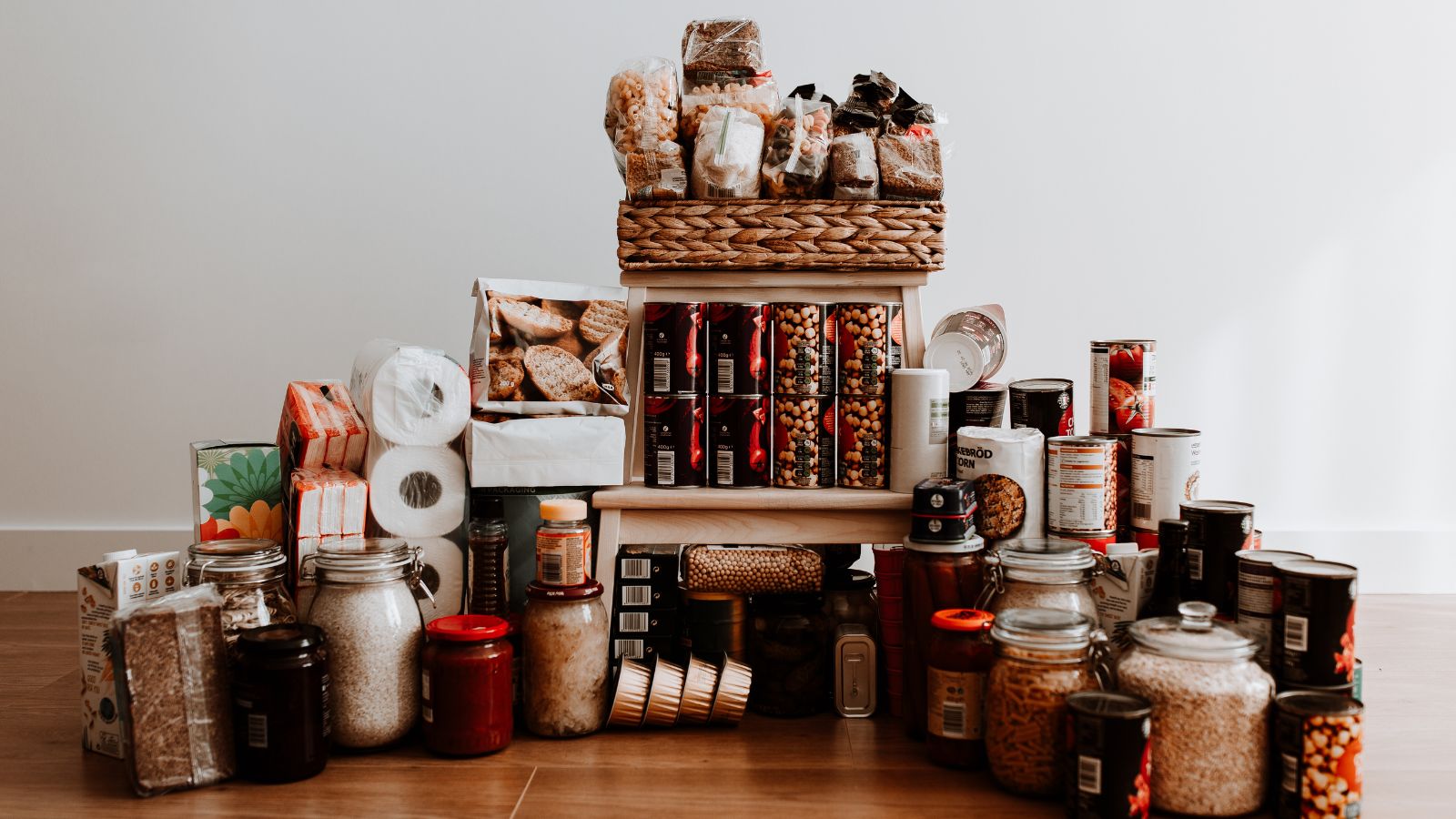
A grocery trip without a meal plan often produces a familiar result: plenty of food, but not enough meals. The cart may include fresh produce, meat, snacks, sauces, and prepared items, yet still require another stop two days later because key ingredients are missing. This is how households end up with duplicate condiments, forgotten vegetables, and takeout on nights when the fridge technically looks full.
The cost becomes sharper when grocery prices are already elevated. Food waste, repeat trips, and convenience purchases all pull from the same budget line. A simple plan does not need to be rigid; even three or four planned dinners can reduce random spending. The habit that blows up the budget is not buying groceries. It is buying ingredients without a clear purpose, then paying again for ready-made food when the pieces do not turn into meals. The receipt says “groceries,” but the budget absorbs both groceries and backup meals.
Buying Bulk Without Tracking What Gets Used
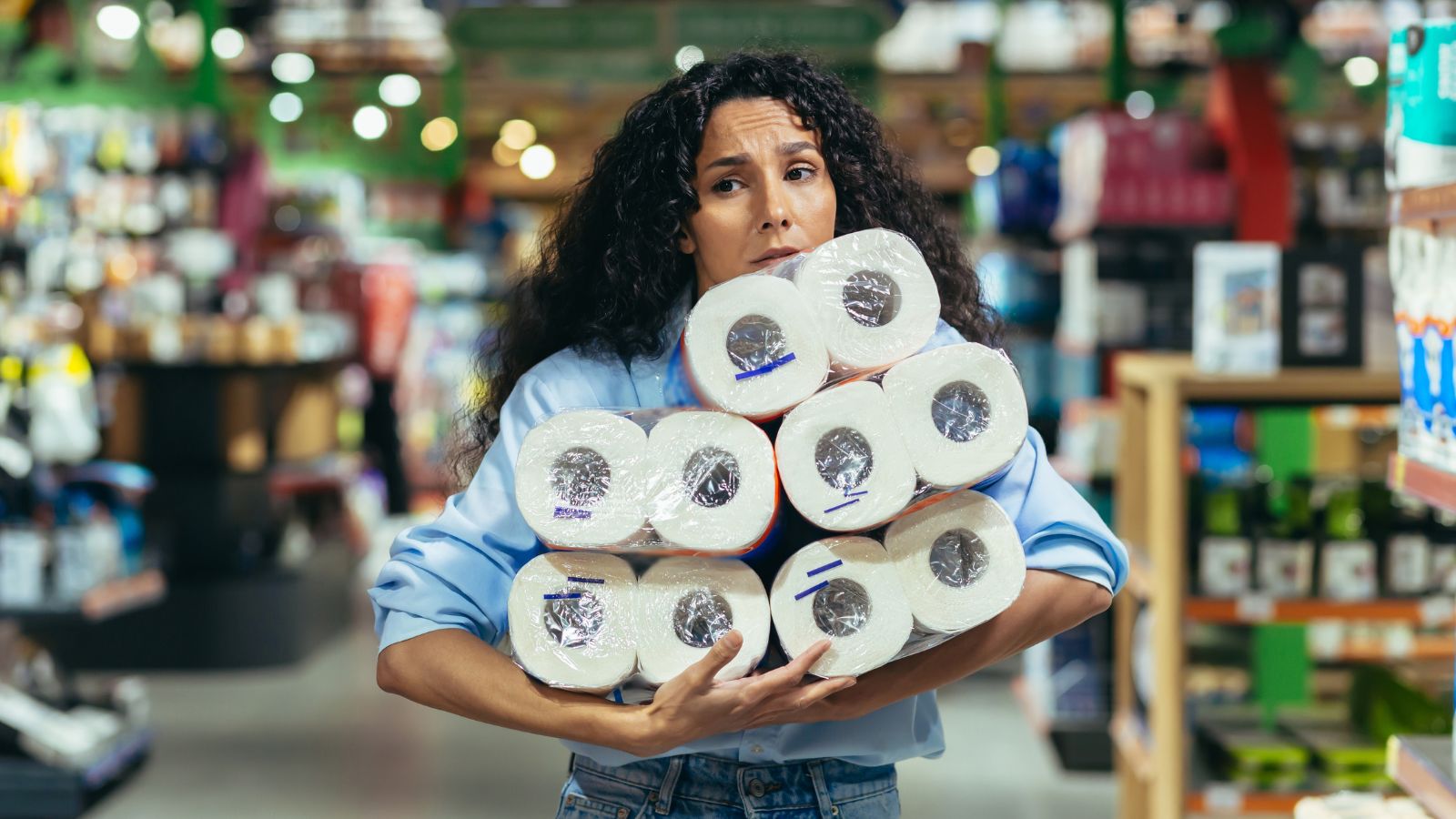
Bulk buying can be smart in Canada, especially for households with storage space and predictable needs. Rice, toilet paper, frozen vegetables, detergent, and school snacks can cost less per unit when purchased in larger formats. The mistake is assuming every bulk purchase is automatically economical. Perishable food, oversized condiments, trendy snacks, and warehouse-club impulse items can become expensive clutter.
The hidden cost appears when unused goods expire, freezer space fills up, or a family gets tired of eating the same product. A giant container of salad greens is only cheaper if it gets finished. A large pack of batteries is useful if the household actually uses that type. Bulk buying also encourages bigger checkout totals, which can crowd out cash needed for the rest of the month. The better test is not “Is this cheaper per unit?” but “Will this be used fully before it spoils, breaks, or becomes unwanted?”
Shopping Too Often for Small Top-Ups

Quick top-up trips feel harmless because each receipt is small. A litre of milk, a loaf of bread, a snack, and a prepared dinner may not look like a major budget event. The trouble is frequency. Three or four small trips per week can create more impulse exposure than one planned shop. Every visit adds chances to grab a drink, bakery item, seasonal display, or discounted treat near the checkout.
This habit is especially costly when convenience stores, drugstores, and premium grocers fill the gap between larger grocery runs. The same pantry item may cost more when bought in a hurry at the closest location. A household that tracks only big grocery trips may underestimate how much the “little shops” contribute to monthly food spending. The budget leak hides in fragmentation. It is not one large overspend but many minor transactions that never feel worth questioning until they are added together.
Ignoring Return Costs and Restocking Rules

Online shopping can make returns feel risk-free, especially for clothing, shoes, home décor, and electronics accessories. The purchase seems reversible: order two sizes, compare colours, send back what does not work. But return policies have become more important as retailers face high return volumes and shipping costs. Some returns involve fees, shorter windows, store-credit-only refunds, packaging rules, or inconvenient drop-off requirements.
The budget hit is both direct and indirect. A shopper may lose money on return shipping, miss the deadline, or keep an unwanted item because the process feels annoying. Even when the refund arrives, the original purchase may have tied up cash or credit for weeks. For Canadian shoppers ordering across provinces or from international sellers, return friction can be even higher. The expensive habit is assuming “returnable” means “costless.” A careful shopper reads the return policy before checkout, not after the box disappoints.
Paying Credit Card Interest on Everyday Purchases
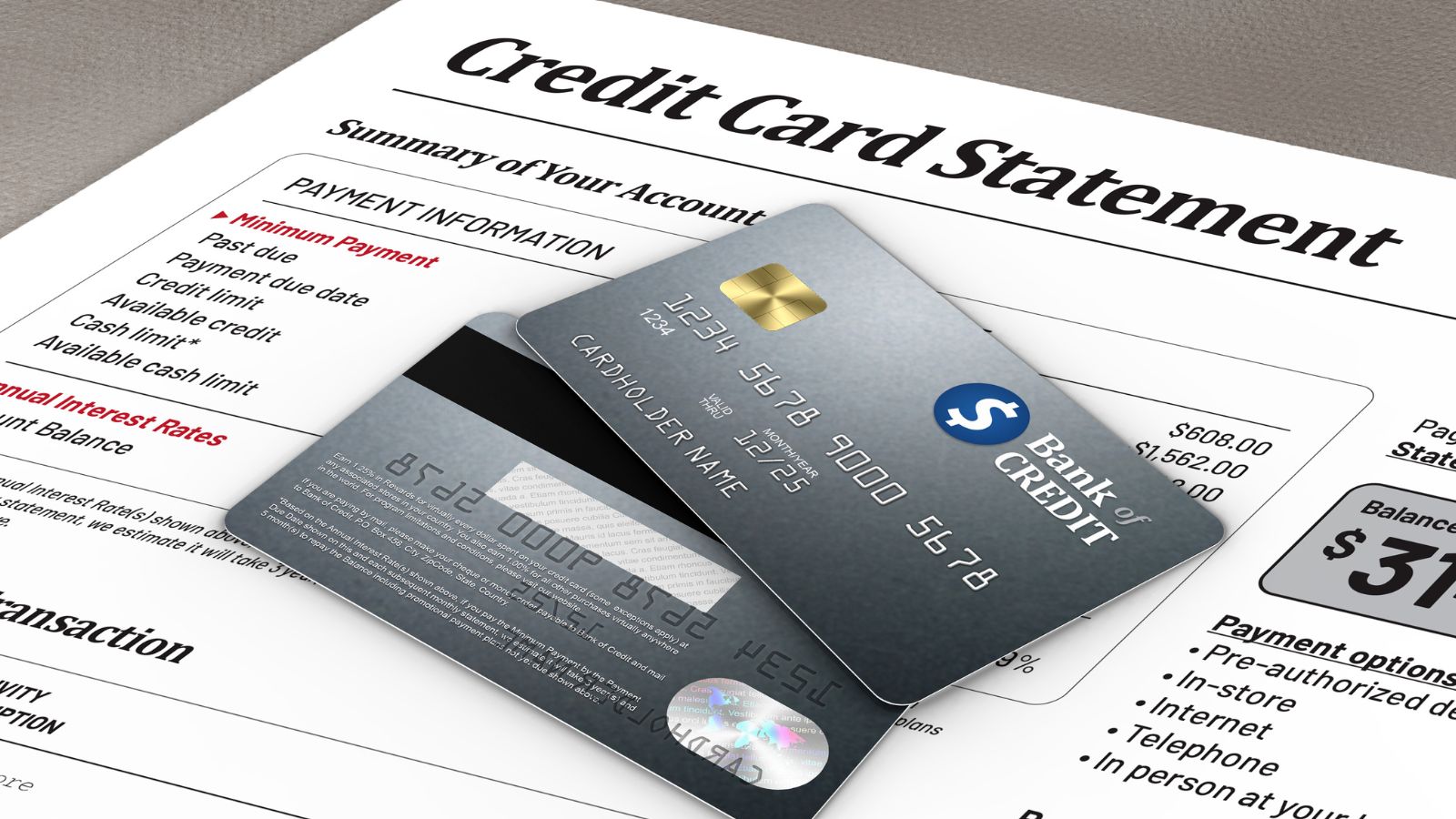
Credit cards can be useful for convenience, fraud protection, and rewards. They become expensive when everyday purchases roll into interest-bearing balances. Groceries, gas, children’s clothing, cosmetics, and household supplies are consumed quickly, but the debt can remain for months. Paying interest on items that are already eaten, used, or forgotten makes the original price much higher than the receipt showed.
Minimum payments make this habit easier to sustain because they keep the account current while leaving most of the balance in place. A shopper may feel responsible for making payments on time, yet still carry debt that grows through interest charges. In a tight Canadian household budget, the problem compounds when next month’s necessities go onto the same card. Credit turns from a payment tool into a pressure valve. The quiet damage is not one emergency purchase; it is routine spending that never gets fully paid off.
Letting App Deals Replace Price Comparison

Retail apps can be useful for flyers, coupons, receipts, and digital offers. The problem starts when the app becomes the whole shopping strategy. A personalized deal may look attractive, but it might still be more expensive than a competing store brand, a different retailer, or a larger package elsewhere. The phone shows savings relative to one retailer’s regular price, not necessarily the lowest available price in the market.
This is especially easy to miss with groceries and household essentials. A shopper may load offers before leaving home and feel prepared, while the actual basket remains shaped by one store’s ecosystem. Apps also create a sense of urgency through expiring deals, bonus points, and personalized reminders. The budget risk is subtle because the shopper feels informed. Real comparison requires looking beyond the app: unit prices, alternative stores, pantry needs, and whether the item would have been bought without the offer.
Buying Seasonal Items at the Peak Moment

Seasonal shopping often punishes procrastination. Patio furniture in late spring, air conditioners during the first heat wave, winter tires after the first snowfall, and school supplies in the final week before classes can all become more expensive or harder to find. When demand spikes, households may accept higher prices, fewer choices, rush delivery, or substitute products that do not fit as well.
In Canada, seasonality affects both needs and emotions. A sunny long weekend makes outdoor gear feel urgent. A cold snap makes winter clothing feel non-negotiable. A holiday display can make decorations, food, and gifts feel tied to a deadline. The budget blow-up happens when seasonal purchases are treated as surprises even though they arrive every year. Buying earlier, waiting for off-season clearance, or setting a sinking fund can turn predictable seasonal pressure into planned spending rather than last-minute damage control.
Treating Small Convenience Purchases as Too Minor to Track

Small convenience purchases are easy to dismiss because none of them feel like the reason a budget fails. A coffee, bottled drink, delivery fee, checkout snack, ride-share upgrade, or prepared lunch can seem too minor to record. Yet these purchases often happen on busy days, which means they repeat. The habit becomes a lifestyle expense disguised as a series of exceptions.
The issue is not that every convenience purchase is irresponsible. Convenience has value, especially for workers, parents, students, caregivers, and commuters. The budget problem appears when the spending is invisible. A household may carefully compare cellphone plans or insurance premiums while losing the same amount through untracked daily extras. Tracking does not require guilt; it creates clarity. When the total is visible, convenience can be planned honestly instead of quietly absorbing money meant for savings, debt repayment, or bigger priorities.
Mistaking Cheap Items for Low-Cost Habits

Dollar-store finds, clearance bins, fast-fashion basics, and marketplace gadgets can feel too cheap to question. A $4 organizer, $7 shirt, or $12 kitchen tool does not seem capable of damaging a budget. The issue is repetition and durability. Cheap items that break, shrink, duplicate something already owned, or serve no lasting purpose can cost more than buying fewer, better-chosen items.
This habit often shows up during “just browsing” trips. The shopper leaves with several low-cost items and no sense of overspending because each one looked reasonable alone. Over time, the home fills with products that need storage, replacement, donation, or disposal. The financial cost is joined by clutter and decision fatigue. A cheap item is only a good buy if it solves a real problem at a fair total cost. Otherwise, the low price simply lowers resistance to buying things that were never needed.
Grocery Shopping While Hungry or Rushed
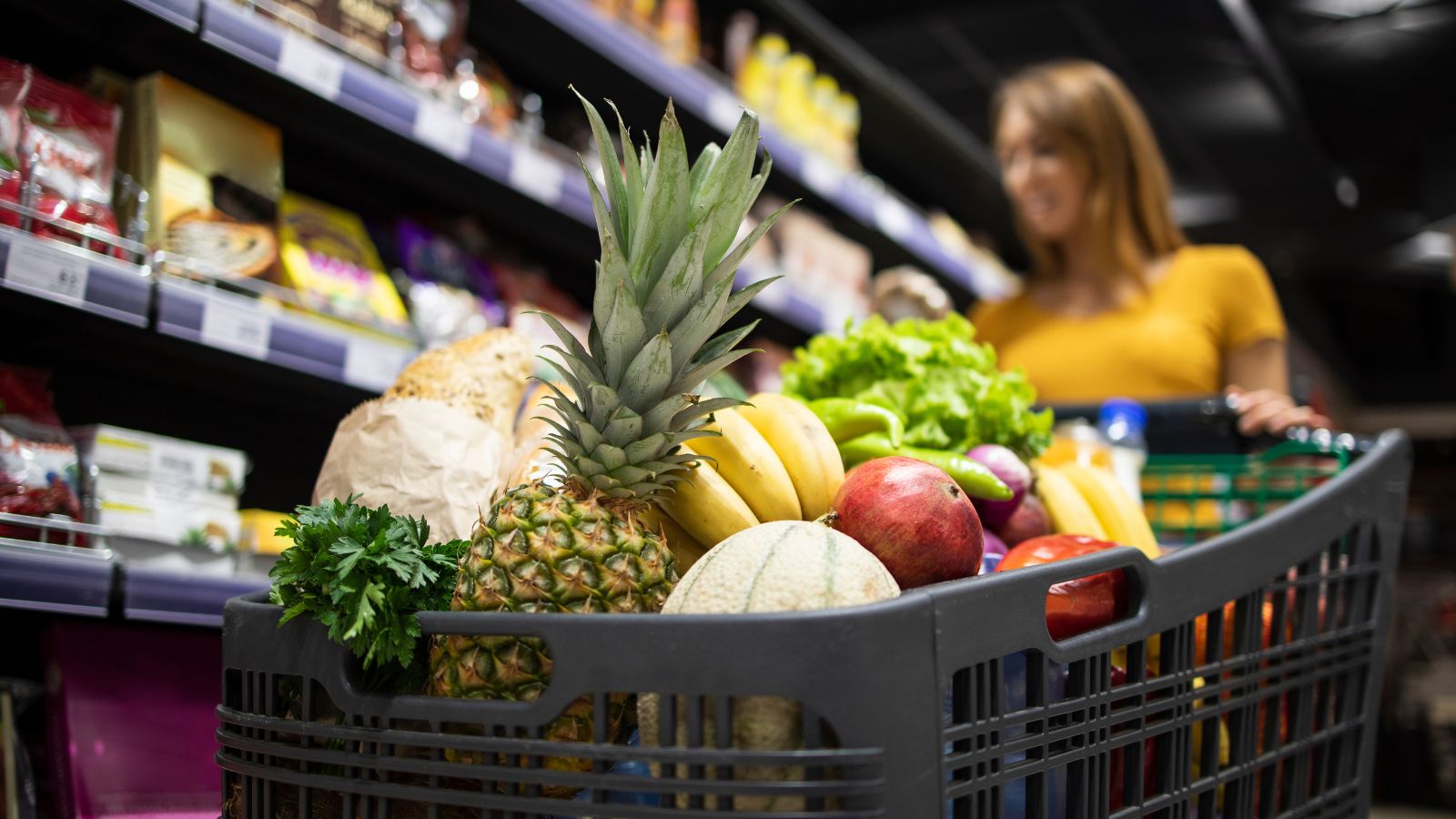
Hunger and time pressure are terrible shopping companions. A hungry shopper is more likely to add ready-to-eat foods, snacks, bakery items, and comfort purchases. A rushed shopper is less likely to compare prices, check flyers, notice unit costs, or remember what is already at home. The cart becomes a response to the moment rather than a plan for the week.
The Canadian grocery environment makes this habit especially expensive because food prices have remained a major household concern. A single rushed trip may only add a prepared meal, premium snack, or duplicate item. Repeated weekly, those choices become a pattern. Stores are also designed to make quick decisions easy: end-cap promotions, checkout displays, and prepared sections all solve immediate cravings. Eating before shopping and using a short list can sound basic, but they protect the budget from decisions made when energy and patience are low.
Keeping Substitutions Instead of Reassessing the Purchase
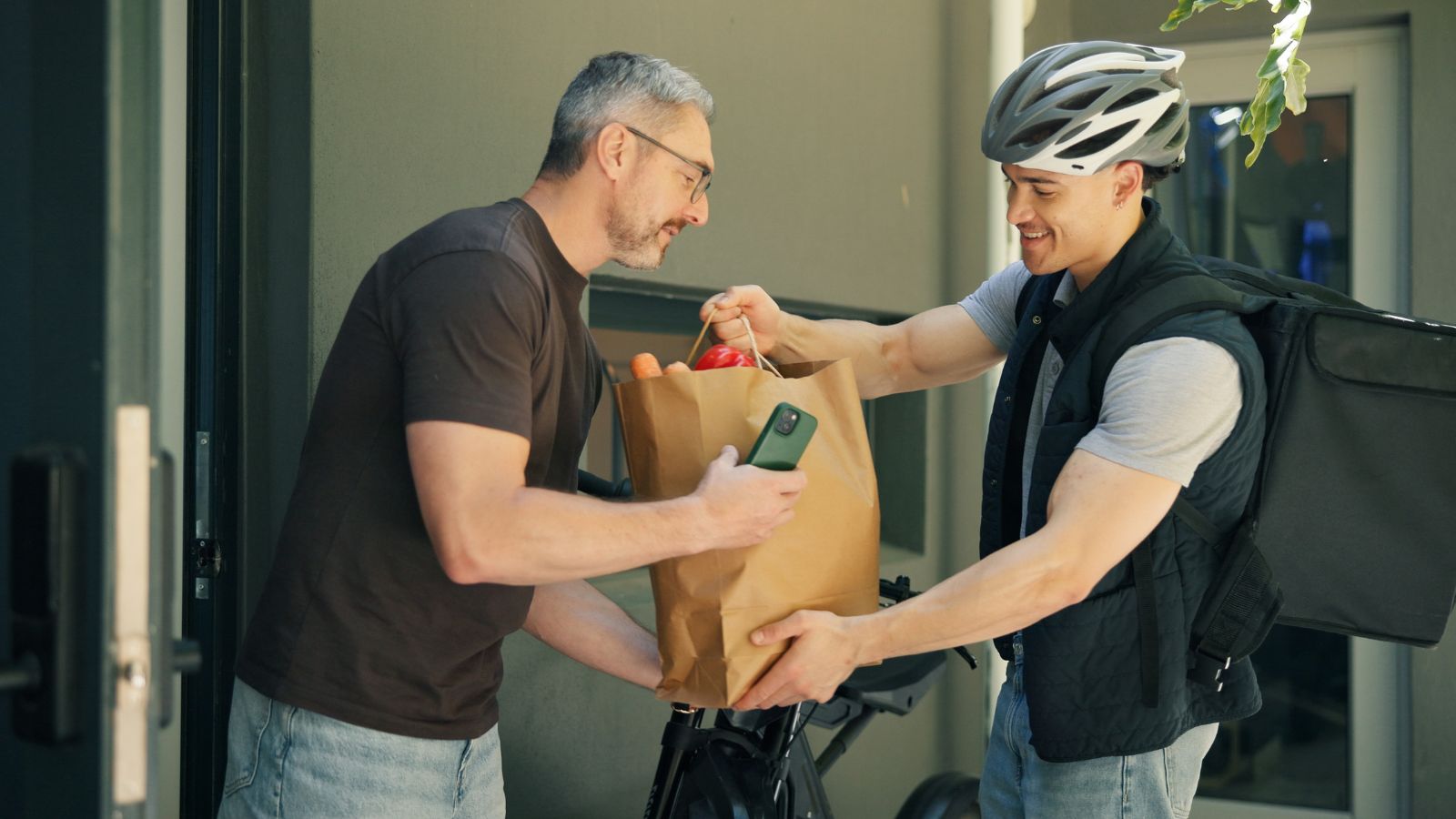
Online grocery and delivery orders often involve substitutions. A lower-priced item may be unavailable, and the replacement may be larger, pricier, a premium brand, or less useful. In stores, substitutions happen mentally: the planned item is out of stock, so the shopper grabs whatever seems closest. The budget issue appears when substitutions are accepted automatically rather than reconsidered.
This habit matters because Canadian grocery prices can vary widely by brand, format, and store. A substitution can turn a budget meal into a more expensive one or create food waste if the replacement does not fit the recipe. The same pattern applies beyond groceries: buying a pricier charger, coat, or household item because the preferred option is unavailable. Sometimes substitution is necessary. Often, waiting, choosing a different meal, or checking another retailer would cost less. The key question is whether the replacement still serves the original need at a price that makes sense.
Shopping to Soothe Stress Without Naming It

Emotional spending rarely announces itself as emotional spending. It looks like replacing a hard day with a small treat, browsing after bad news, buying something for the home to feel more organized, or ordering takeout because cooking feels like one more task. These purchases can be understandable and human. The budget problem begins when shopping becomes the default response to stress.
This habit is powerful because the reward is immediate while the cost arrives later. A package notification, new outfit, or upgraded dinner can create a short burst of relief. The statement balance, however, may add pressure to the same household stress that triggered the spending. Naming the pattern helps. A planned personal spending category can allow room for treats without pretending they are necessities. The goal is not to remove comfort from a budget. It is to stop stress from quietly making spending decisions that the household would not choose in a calmer moment.
19 Things Canadians Don’t Realize the CRA Can See About Their Online Income

Earning money online feels simple and informal for many Canadians. Freelancing, selling products, and digital services often start as side projects. The problem appears at tax time. Many people underestimate how much information the CRA can access. Online platforms, banks, and payment processors create detailed records automatically. These records do not disappear once money hits an account. Small gaps in reporting add up quickly.
Here are 19 things Canadians don’t realize the CRA can see about their online income.
This Options Discord Chat is The Real Deal
While the internet is scoured with trading chat rooms, many of which even charge upwards of thousands of dollars to join, this smaller options trading discord chatroom is the real deal and actually providing valuable trade setups, education, and community without the noise and spam of the larger more expensive rooms. With a incredibly low-cost monthly fee, Options Trading Club (click here to see their reviews) requires an application to join ensuring that every member is dedicated and serious about taking their trading to the next level. If you are looking for a change in your trading strategies, then click here to apply for a membership.