
35,000+ smart investors are already getting financial news, market signals, and macro shifts in the economy that could impact their money next with our FREE weekly newsletter. Get ahead of what the crowd finds out too late. Click Here to Subscribe for FREE.
Summer travel has a way of making costs feel smaller than they are. A few dollars for a seat, a modest charge for a bag, a “facility fee” at the rental counter, a daily roaming charge while checking maps — each one can seem harmless until the final statement arrives. For Canadians planning trips across the country, across the border, or overseas, these charges often hide in checkout screens, confirmation emails, and fine print.
Here are 19 summer travel fees that Canadians keep paying without always realizing how quickly they can change the real price of a trip.
Checked-Bag Charges That Keep Climbing
19 Summer Travel Fees Canadians Keep Paying Without Realizing It
- Checked-Bag Charges That Keep Climbing
- Carry-On Fees on the Lowest Fares
- Seat Selection Fees for Sitting Together
- Airport Check-In and Counter-Service Fees
- Overweight and Oversized Baggage Fees
- Flight Change and Cancellation Fees
- Hotel Resort and Destination Fees
- Short-Term Rental Cleaning and Service Fees
- Car Rental Airport Concession Fees
- Rental Car Insurance Add-Ons
- Additional Driver and Young Driver Charges
- Prepaid Fuel and Refuelling Fees
- Roaming Fees That Restart Every Day
- Foreign Transaction Fees on Card Purchases
- Dynamic Currency Conversion at Checkout
- ATM Withdrawal and Cash Advance Fees
- Customs Duties and Taxes After Shopping Abroad
- Campground Reservation and Cancellation Fees
- Ferry Reservation and Change Fees
- Attraction, Ticketing, and Online Booking Fees
- Travel Agency and Advisor Service Fees
- 19 Things Canadians Don’t Realize the CRA Can See About Their Online Income

Checked-bag fees are one of the easiest costs to underestimate because many travellers still remember when a suitcase felt like a normal part of a ticket. On many Canadian routes, the base fare now covers transportation, not necessarily luggage. A family heading from Toronto to Calgary with two checked bags each can see the fare jump meaningfully before anyone has bought snacks, chosen seats, or paid for airport parking.
The fee becomes more noticeable in summer because longer trips often require bulkier packing: hiking shoes, beach gear, formal clothes for weddings, or equipment for kids. Airlines also vary by fare class, route, and timing. Paying at the airport can cost more than prepaying online, and a second checked bag usually costs more than the first. The surprise is not that baggage costs money; it is how often the cheapest fare only looks cheap until luggage is added.
Carry-On Fees on the Lowest Fares

Carry-on baggage used to feel untouchable, but basic and ultra-low fares have changed the expectations. Some entry-level fares now include only a small personal item that fits under the seat. A roller bag, duffel, or large backpack can trigger an added fee, especially when the fare is designed to compete on the lowest headline price.
This creates a common summer trap. A traveller books a weekend fare to Vancouver or Halifax, assumes a standard carry-on is included, and only discovers the rule while checking in. At that point, the choice may be to pay the fee, repack into a smaller bag, or check luggage instead. The issue is especially frustrating for short trips, where people deliberately avoid checked bags to save time. The lowest fare can still make sense, but only when the personal-item limit is realistic.
Seat Selection Fees for Sitting Together

Seat selection fees often look optional, but they can feel mandatory when families, couples, or nervous flyers are involved. Airlines may assign seats at check-in, yet passengers who want more control often pay extra. In summer, when flights are fuller, leaving seat assignment to chance can mean middle seats, split groups, or less desirable rows near the back.
Families with young children have some protections in Canada, but paying for preferred seats or changing assigned seats can still add costs. The emotional pressure is what makes this fee powerful. A parent booking for two adults and two kids may not want to gamble on seat assignments, even if the airline has obligations around seating children nearby. A small per-seat charge quickly multiplies across four passengers and two flight directions, turning a simple booking into a more expensive one.
Airport Check-In and Counter-Service Fees

Some carriers charge more when passengers rely on airport staff for services that could have been completed online. That can include printing boarding passes, checking in at the counter, adding baggage late, or making changes at the airport. These fees are easy to miss because they do not always appear during the first fare search.
The summer version is familiar: a traveller arrives early, finds a long line, then learns that a bag or check-in step costs more in person. The fee may be avoidable, but only if the passenger knows the airline’s rules before leaving home. It hits older travellers, infrequent flyers, and families managing multiple passports particularly hard. What looks like a service desk can function more like a paid convenience point, especially on unbundled fares.
Overweight and Oversized Baggage Fees

Overweight and oversized baggage fees can be harsher than standard bag charges. A suitcase that is only a few kilograms over the limit may trigger a fee that feels out of proportion to the mistake. Summer travel increases the odds because people pack for multiple climates, weddings, camping, sports, or cruises where one bag tries to do too many jobs.
The airport scale becomes the moment of truth. A traveller may save money by checking one bag instead of two, only to pay more when that bag exceeds the airline’s weight limit. Sports equipment, strollers, coolers, golf clubs, and surf gear can also fall into special handling categories. The smartest travellers weigh bags before leaving home, but many only learn the rule at the counter, when the choice is to pay, repack publicly, or abandon items.
Flight Change and Cancellation Fees
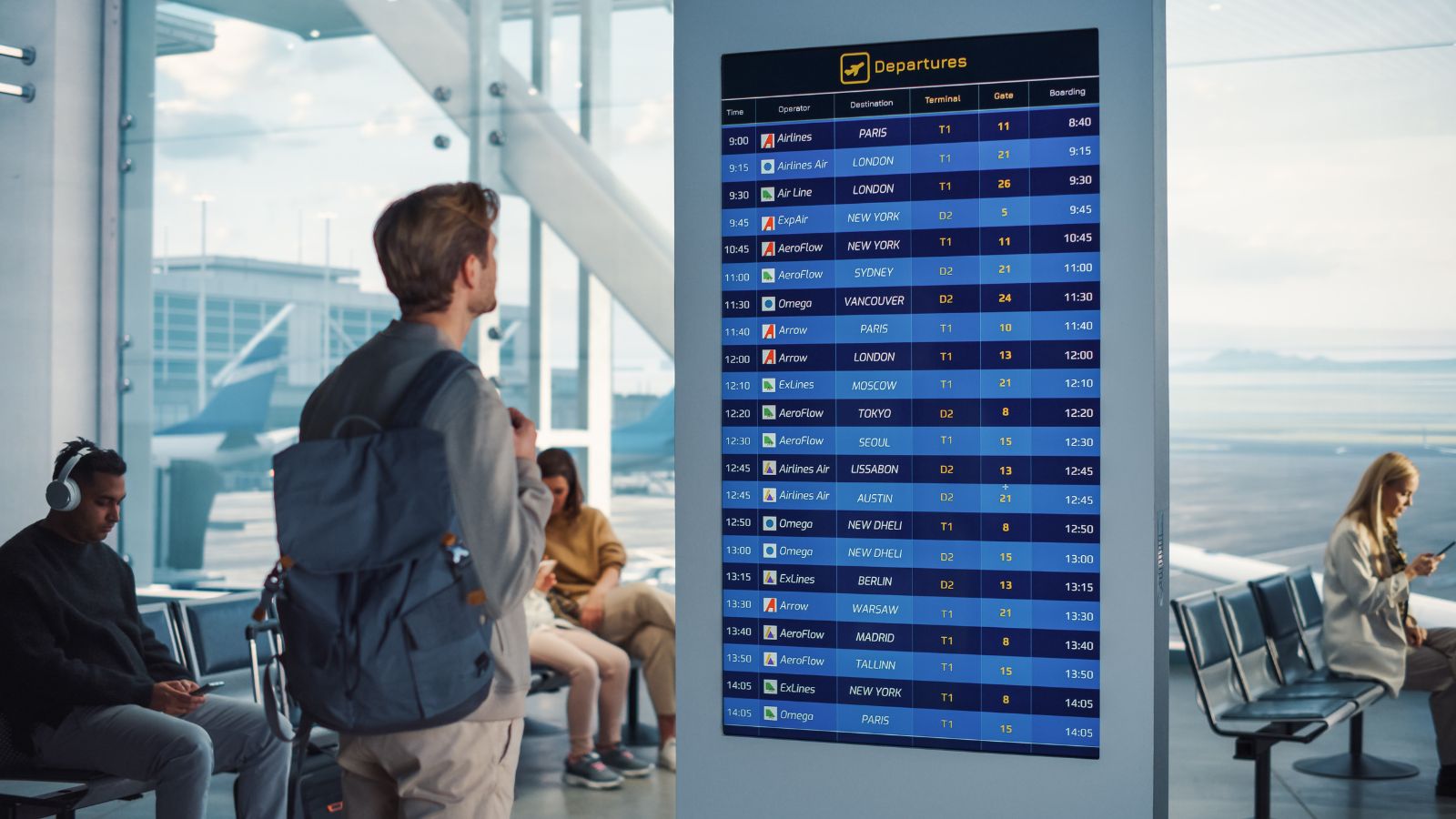
Summer plans are vulnerable to shifting work schedules, weather, family events, and wildfire smoke disruptions. Yet many cheap fares remain restrictive. A ticket that looks flexible in casual language may still come with fare differences, change fees, cancellation limits, or credit-only refunds. The cost is often hidden in the gap between “can be changed” and “can be changed cheaply.”
This fee matters because travel decisions are often made months before departure. A couple may book a low fare in March for an August wedding, then discover that changing the return date costs nearly as much as a new ticket. Even when an airline allows changes, the new fare may be higher by summer. The result is not always a line-item fee; sometimes it is the painful difference between the original fare and the available replacement.
Hotel Resort and Destination Fees

Hotel resort fees, destination fees, amenity fees, and marketing fees can make a nightly rate look lower than the final bill. These charges may cover Wi-Fi, gym access, local calls, bottled water, pool towels, or vague “destination” benefits. Even when mandatory fees are disclosed before purchase, travellers often anchor on the first nightly price they see.
The fee is especially common in busy tourist zones where hotels compete on search results. A room advertised at a tempting rate can become less attractive after taxes and mandatory extras are added. In Canada, competition authorities have warned against drip pricing, where the advertised price is not actually attainable because required charges appear later. For travellers, the practical lesson is simple: the booking page’s final total matters more than the nightly teaser price.
Short-Term Rental Cleaning and Service Fees

Short-term rentals can look cheaper than hotels until cleaning fees, service fees, local taxes, and host charges appear. A cabin listed at a reasonable nightly price may become expensive for a two-night stay because the cleaning fee is fixed, not spread over a longer visit. Summer weekends near beaches, lakes, and national parks often magnify the effect.
This fee changes the math for families and groups. A rental with a kitchen may still save money on meals, but the checkout total can surprise anyone comparing only nightly prices. Cleaning fees are particularly noticeable for short stays, while platform service fees can add another percentage-based charge. The human example is common: a group books a “$220 per night” cottage for two nights, then sees the final total climb after cleaning, service, and tax lines are included.
Car Rental Airport Concession Fees

Airport car rentals are convenient, but convenience often carries extra charges. Rental companies may pass along airport-related costs through concession recovery fees, customer facility charges, vehicle licensing recovery fees, and other surcharges. These can sit below the headline daily rate, making the initial quote feel cleaner than the contract signed at pickup.
The fee matters most in summer, when road-trip demand pushes rental prices higher and airport counters are crowded. A visitor landing in Calgary for Banff or Vancouver for the Island may accept the airport pickup without comparing off-airport locations. Sometimes the airport option is still worth it, especially when taxis or rideshares erase the savings. But the surprise comes when a “$55 per day” vehicle becomes much more after facility charges, taxes, insurance decisions, and fuel options.
Rental Car Insurance Add-Ons

Rental car insurance is one of the most stressful travel fees because it is usually offered at the counter, when people are tired and worried about liability. Collision damage waivers, loss damage waivers, personal accident insurance, and roadside plans can add a significant daily cost. Some travellers already have coverage through their personal auto policy or credit card, but not everyone knows the limits.
The expensive part is uncertainty. A traveller may pay for duplicate coverage simply to avoid a debate after a long flight. Others decline coverage without realizing their card excludes certain vehicles, countries, rental lengths, or off-road use. The fee itself is not always unnecessary, but it is often poorly understood. Before summer travel, checking the exact credit card certificate and provincial auto policy can prevent a rushed decision at the counter.
Additional Driver and Young Driver Charges

Adding another driver can seem like a minor formality, but rental companies often charge daily fees for authorized additional drivers. Younger renters may face an under-25 surcharge as well. On a week-long summer trip, those charges can become a meaningful part of the total rental cost, especially when multiple people expect to share driving.
The fee often appears when plans become practical. A couple renting a car for a long drive through the Maritimes may decide both people should be listed for safety. A group of friends under 25 may find that the cheapest driver on paper is not the cheapest once age fees apply. Some companies waive certain additional-driver fees for spouses, partners, loyalty members, or corporate bookings, but the rules vary. The contract matters because unlisted drivers can create insurance problems after an accident.
Prepaid Fuel and Refuelling Fees

Prepaid fuel sounds convenient: pay upfront, return the car without stopping for gas. The catch is that it usually only pays off when the tank is nearly empty at return. Many travellers bring cars back with fuel still in the tank, effectively donating unused gasoline to the rental company. The alternative — returning short of full — can trigger a refuelling charge higher than local pump prices.
Summer itineraries make this fee tempting. Travellers rushing to catch flights after traffic delays may accept prepaid fuel for peace of mind. Others forget to refuel near unfamiliar airports and pay the return charge. The issue is less about the fuel itself than the lack of time at the end of a trip. A simple habit helps: search for gas stations near the airport before departure day, not while racing to the terminal.
Roaming Fees That Restart Every Day

Roaming fees can feel invisible because the phone simply works. Canadian carriers often offer daily roaming options that let travellers use domestic talk, text, and data while abroad. The convenience is real, but so is the math. A daily fee for one phone may be manageable; several phones across a week or two can become a large post-trip bill.
This fee catches families and couples crossing into the United States, visiting Europe, or taking cruises. A quick map check, text message, voicemail, or Wi-Fi calling action can trigger a daily charge depending on the provider and plan. Canada’s telecom regulator has highlighted roaming bill shock and requires protections, but travellers still need to understand their own plan. For some trips, a travel pass or eSIM may be cheaper than letting daily roaming activate repeatedly.
Foreign Transaction Fees on Card Purchases

Foreign transaction fees are easy to ignore because they are usually blended into the Canadian-dollar amount on the statement. Many Canadian cards charge around 2.5% on purchases made in foreign currencies. On a $3,000 summer trip, that can mean roughly $75 in added cost before considering exchange-rate spreads or ATM fees.
The fee becomes more painful because it applies to ordinary purchases: hotels, meals, transit passes, museum tickets, and online bookings processed outside Canada. Even travellers staying in Canada can encounter foreign transaction costs if booking through an international platform that charges in U.S. dollars or euros. Rewards points may soften the blow, but they do not always offset the fee. A no-foreign-transaction-fee card can help, though annual fees and insurance benefits still need comparison.
Dynamic Currency Conversion at Checkout

Dynamic currency conversion happens when a foreign merchant or ATM offers to charge a Canadian card in Canadian dollars instead of the local currency. It sounds helpful, but the exchange rate is often worse than the card network’s rate. Travellers may choose Canadian dollars because it feels familiar, not realizing the convenience can include a markup.
This fee is common in tourist-heavy locations, hotels, restaurants, airport shops, and ATMs. A payment terminal may ask, “Pay in CAD or local currency?” The safer default for most Canadian travellers is usually to pay in the local currency and let the card issuer handle conversion. The awkward part is that the prompt appears at the moment of payment, often while a line waits behind. A few quick taps can quietly add unnecessary cost to nearly every purchase on a trip.
ATM Withdrawal and Cash Advance Fees

Cash can still be useful for tips, taxis, markets, and small restaurants, but withdrawing it abroad can be expensive. Canadian banks may charge out-of-network ATM fees, foreign ATM operators may add their own fee, and credit card cash advances can start charging interest immediately. The final cost may combine several layers.
The summer mistake is taking out small amounts repeatedly. A traveller who withdraws the equivalent of $40 three times may pay more in fixed fees than someone who makes one larger, careful withdrawal. Credit card cash advances are especially costly because they can involve cash advance fees, foreign conversion charges, and immediate interest. Using debit at bank-affiliated ATMs, carrying some local cash, and avoiding credit-card cash withdrawals can reduce the damage.
Customs Duties and Taxes After Shopping Abroad

Cross-border shopping can feel like a bargain until personal exemption rules enter the picture. Canadians returning from abroad may qualify for duty- and tax-free exemptions depending on how long they were away, but the limits are not unlimited. Short trips have stricter rules, and alcohol and tobacco have special limits.
This fee appears at the least glamorous moment: the border. A family returning from a U.S. outlet trip may have receipts scattered across bags, then discover that the total exceeds the exemption. For absences of 24 hours or more, the exemption is lower than after 48 hours or more, and exceeding some limits can mean paying duty and taxes on the full amount rather than just the excess. The best defence is simple recordkeeping and knowing the exemption before shopping, not after.
Campground Reservation and Cancellation Fees

Camping is often seen as the budget-friendly summer option, but reservation systems come with their own charges. Parks Canada and provincial parks may charge reservation fees, change fees, or cancellation fees. These are usually modest compared with hotels, but they can sting when plans change or when travellers book multiple sites while trying to secure dates.
The fee reflects how competitive summer camping has become. Popular parks can sell out quickly, encouraging people to book early and adjust later. That flexibility is not always free. A family reserving several nights, then shortening the stay, may lose administrative fees or face penalties depending on the park system and timing. In 2026, Parks Canada also has special summer admission and camping discounts through the Canada Strong Pass period, but reservation-related charges can still apply.
Ferry Reservation and Change Fees

Ferry travel can feel like part of the vacation, especially in British Columbia and Atlantic Canada, but reservations and changes may add costs beyond passenger and vehicle fares. On busy summer routes, booking ahead can be the difference between a smooth crossing and hours of waiting. That convenience may involve a booking fee, change fee, or forfeited reservation charge if timing rules are missed.
This fee affects travellers building road trips around fixed ferry times. A family driving to Vancouver Island, for example, may pay to secure a sailing and still need to arrive within the required check-in window. Traffic, border delays, or underestimated driving times can turn a reservation into a missed opportunity. The fee is not always large, but the downstream cost can be: a later sailing, a missed hotel check-in, or an extra meal near the terminal.
Attraction, Ticketing, and Online Booking Fees

Attraction fees often hide behind convenience. Museums, theme parks, boat tours, observation decks, concerts, and guided excursions may add online booking charges, processing fees, timed-entry fees, or service charges. The advertised ticket price may not be the final amount, especially when buying through third-party platforms.
Summer makes this more common because travellers pre-book to avoid sold-out dates. A family of four buying several timed attractions can pay multiple small service fees across the same trip. In some cases, booking direct reduces fees; in others, the direct site charges the same. The lesson is not to avoid reservations, because timed entry can save hours. It is to compare the full checkout total and cancellation terms before assuming the first visible price is the best price.
Travel Agency and Advisor Service Fees

Travel advisors can be valuable, especially for complex trips, cruises, group travel, destination weddings, and itineraries involving multiple suppliers. But some agencies charge service, consultation, planning, change, or cancellation fees. These may be separate from the cost of flights, hotels, insurance, and tours.
The fee can be worthwhile when it saves time, adds expertise, or helps during disruptions. The surprise comes when travellers assume the advisor is paid only by suppliers or commissions. In Ontario, registered travel agencies operate under consumer-protection rules, and professional fees are a recognized part of the industry. A summer trip with complicated family needs may justify the charge, but it should be clear upfront. The best practice is to ask whether planning fees are refundable, credited to booking, or charged again for major changes.
19 Things Canadians Don’t Realize the CRA Can See About Their Online Income

Earning money online feels simple and informal for many Canadians. Freelancing, selling products, and digital services often start as side projects. The problem appears at tax time. Many people underestimate how much information the CRA can access. Online platforms, banks, and payment processors create detailed records automatically. These records do not disappear once money hits an account. Small gaps in reporting add up quickly.
Here are 19 things Canadians don’t realize the CRA can see about their online income.
This Options Discord Chat is The Real Deal
While the internet is scoured with trading chat rooms, many of which even charge upwards of thousands of dollars to join, this smaller options trading discord chatroom is the real deal and actually providing valuable trade setups, education, and community without the noise and spam of the larger more expensive rooms. With a incredibly low-cost monthly fee, Options Trading Club (click here to see their reviews) requires an application to join ensuring that every member is dedicated and serious about taking their trading to the next level. If you are looking for a change in your trading strategies, then click here to apply for a membership.