35,000+ smart investors are already getting financial news, market signals, and macro shifts in the economy that could impact their money next with our FREE weekly newsletter. Get ahead of what the crowd finds out too late. Click Here to Subscribe for FREE.
Spring grocery runs in Canada have started to feel less routine and more strategic, especially when everyday staples land in the cart with prices that resemble small indulgences. Store-bought food prices were still rising faster than overall inflation heading into spring 2026, and the pressure has been especially noticeable in meat, dairy, fresh vegetables, bakery products, coffee, and chocolate.
These 18 grocery items stand out because they are not rare treats or specialty products. They are the familiar purchases many households rely on for breakfasts, lunches, dinners, snacks, and quick weeknight meals. Yet this spring, their shelf prices, package sizes, and sale patterns have made them feel far closer to luxury purchases than basic necessities.
Beef Roasts and Steaks
18 Grocery Items Canadians Say Suddenly Feel Like Luxury Purchases This Spring
- Beef Roasts and Steaks
- Ground Beef
- Chicken Breasts
- Bacon and Deli Meats
- Salmon and Fresh Fish
- Eggs
- Butter
- Cheese
- Milk
- Coffee
- Olive Oil
- Fresh Berries
- Grapes
- Salad Greens
- Cucumbers, Peppers, and Celery
- Tomatoes
- Bread and Bakery Staples
- Cereal and Granola
- Chocolate
- 19 Things Canadians Don’t Realize the CRA Can See About Their Online Income

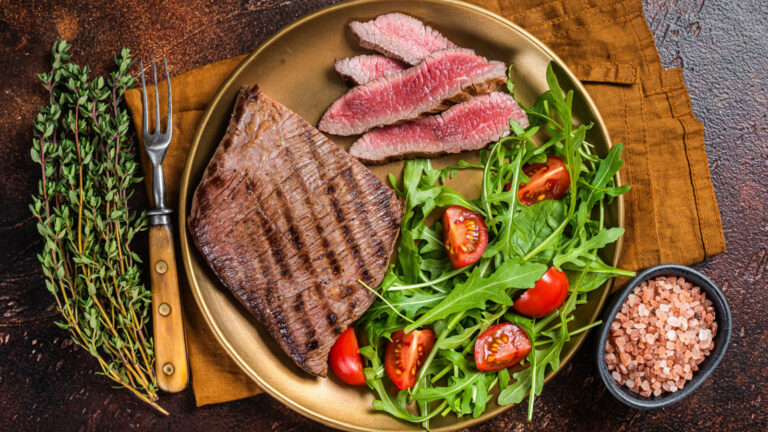
Beef has become one of the clearest examples of a grocery item that can make a routine shop feel expensive. A roast for Sunday dinner or a couple of steaks for a weekend meal now often feels like a planned purchase rather than something added casually. Even households that still buy beef regularly may be choosing smaller cuts, stretching leftovers into sandwiches, or waiting for loyalty-point offers before putting it in the cart.
Part of the sticker shock comes from the broader meat category. Canada’s Food Price Report 2026 projected meat to see one of the steepest food-price increases of the year, with prices expected to rise faster than many other grocery categories. That matters because beef already sits at the high end of the protein aisle. When the starting price is high, even a moderate increase can feel dramatic at checkout.
Ground Beef

Ground beef used to be the dependable budget shortcut behind tacos, chili, burgers, pasta sauce, and quick casseroles. This spring, many Canadians are treating it more like a premium ingredient. Family packs can still offer better value than small trays, but the total price on the label is often enough to make shoppers pause, especially when a single recipe uses a full pound or more.
The emotional shift is important. Ground beef has long been seen as the affordable version of beef, not the splurge. When that everyday protein starts competing with chicken, beans, lentils, or frozen entrées on price, households adjust meal plans. Some stretch it with mushrooms, rice, or canned beans. Others save it for one meal and use leftovers carefully, turning what was once a casual weeknight staple into something closer to a controlled treat.
Chicken Breasts

Boneless, skinless chicken breasts have become a symbol of clean, convenient home cooking, but convenience is part of why they feel expensive. They cook quickly, fit into salads and wraps, and appeal to households trying to eat more protein without relying on red meat. That steady demand keeps them high on shopping lists, even when prices make the package feel less like a basic staple.
This spring, shoppers are often comparing chicken breasts with thighs, drumsticks, whole chickens, or frozen boxes. The trade-off is time and ease. A whole chicken may offer better value, but it requires roasting, carving, and planning around leftovers. Chicken breasts require less effort, and grocery prices increasingly reflect that convenience. For busy households, the luxury is not just the meat itself — it is the saved time on a weeknight.
Bacon and Deli Meats

Bacon, sliced ham, turkey, salami, and other packaged deli meats have started to feel expensive because they disappear quickly. A small pack can vanish after a few breakfasts or school lunches, leaving behind a price that feels out of proportion to the number of meals it created. That is especially noticeable in households where sandwiches are supposed to be the affordable alternative to takeout.
Processed meats also sit at the crossroads of several cost pressures: meat prices, packaging, refrigeration, labour, transportation, and brand premiums. A package that once felt like a lunchbox shortcut can now look like a convenience product priced accordingly. Many shoppers are responding by buying larger economy packs, switching to store brands, using eggs or canned tuna for lunches, or reserving bacon for weekend breakfasts instead of everyday use.
Salmon and Fresh Fish

Fresh salmon has long carried a premium image, but this spring it feels even more firmly in luxury territory for many Canadian households. A small fillet can cost as much as several cheaper dinner proteins, and the price becomes harder to justify when feeding more than one or two people. Even shoppers who value fish for health reasons may find themselves choosing frozen portions or canned alternatives instead.
Seafood prices are expected to rise more modestly than meat in 2026, but “modest” does not always feel modest when the item is already expensive. Salmon also competes with restaurant expectations. A home-cooked salmon dinner can still be cheaper than dining out, but the grocery bill may no longer feel comfortably low. For many households, fresh fish has shifted from a weekly habit to an occasional planned meal.
Eggs

Eggs are still one of the most versatile items in the grocery store, but they no longer feel as reliably cheap as they once did. A carton supports breakfasts, baking, fried rice, salads, sandwiches, and quick dinners, which is why price changes are so visible. When eggs rise even slightly, families notice because they buy them repeatedly and use them across so many meals.
Canada’s egg market has been steadier than the severe price swings seen in the United States, helped by supply management. Still, retail egg prices have trended upward over recent years, and avian flu remains part of the larger North American conversation around poultry and egg supply. The result is a staple that remains practical, but no longer feels invisible in the budget. A carton now gets counted, not simply tossed into the cart.
Butter

Butter has become one of those small items that can make a baking plan feel expensive before the oven is even preheated. A single 454-gram block is easy to use quickly in cookies, pastry, sauces, toast, or mashed potatoes. When the price climbs, the effect is immediate because there are few perfect substitutes for the flavour and texture butter provides.
Dairy products are also tied to regulated pricing and farmgate milk-price adjustments, which influence the cost structure behind butter, cream, and cheese. Canada’s 2026 food-price outlook projected dairy and eggs to keep rising, even if not as sharply as meat. That leaves households making small but noticeable changes: waiting for sales, buying multiple blocks when prices drop, switching to margarine for some uses, or saving butter for dishes where it truly matters.
Cheese

Cheese has a way of turning ordinary meals into satisfying ones, which is exactly why its price feels so frustrating. A block of cheddar, a bag of shredded mozzarella, or a tub of cream cheese can disappear into lunches, pasta, quesadillas, casseroles, and snacks within days. It is not a one-night splurge, but it often carries the price tag of one.
The squeeze is especially noticeable because cheese sits between necessity and comfort food. Many households do not want to cut it entirely, but they may grate blocks instead of buying pre-shredded bags, reduce portion sizes, or choose private-label brands. Dairy and egg categories were forecast to rise in 2026, and cheese is one of the places where that forecast feels personal. It is familiar, useful, and increasingly rationed.
Milk

Milk remains a basic household purchase, but the price of a jug or two-litre carton is no longer something shoppers can ignore. It is used for cereal, coffee, baking, smoothies, children’s meals, and sauces, making it one of the more visible recurring costs in the fridge. For households buying several containers per week, even small increases add up quickly over a month.
Statistics Canada’s food-price data hub listed the average Canadian retail price for a two-litre container of milk at $5.51 in March 2026. That national average does not capture every regional promotion or store-brand discount, but it helps explain why milk feels more expensive than memory suggests. It is not a luxury product in purpose, yet its repeated purchase pattern makes it feel like one in the household budget.
Coffee

Coffee has become one of the most emotionally charged grocery purchases because it sits between habit and comfort. For many Canadians, a bag of ground coffee or whole beans is part of the morning routine, not a treat. Yet prices have been pressured by global supply issues, including drought and heat in major producing regions, making coffee feel less like a pantry basic and more like a small indulgence.
The impact is magnified by frequency. A household may buy coffee every week or two, and brand loyalty can be strong. When a familiar bag costs noticeably more, switching brands feels like a compromise, but staying loyal feels costly. Some shoppers respond by buying larger bags on sale, stretching coffee with weaker brews, or alternating between premium beans and cheaper blends. The morning cup now comes with more math.
Olive Oil

Olive oil has moved from everyday cooking staple to carefully measured ingredient in many kitchens. A drizzle over vegetables, a splash in a pan, or a homemade salad dressing can feel more expensive when the bottle itself carries a noticeably higher price. Even shoppers who prefer olive oil for flavour or health reasons may now reserve it for finishing dishes and use canola or vegetable oil for high-heat cooking.
Weather-related pressure in Mediterranean olive-growing regions has been a major reason olive oil prices became so volatile in recent years. Drought, poor harvests, and uneven production have affected global supply, and Canadian shoppers feel that through import prices. While some markets have shown signs of easing, the memory of sharply higher shelf prices remains. Olive oil now feels like something to protect in the pantry rather than pour freely.
Fresh Berries

Strawberries, blueberries, raspberries, and blackberries are among the most appealing spring grocery items, but they can also be among the most disappointing at checkout. A small clamshell can cost several dollars and still disappear in one breakfast, one lunchbox round, or one smoothie session. When quality is uneven, the purchase feels even riskier because spoiled berries turn a premium item into wasted money.
Berries are vulnerable to seasonality, weather, transport costs, exchange rates, and perishability. They also carry a strong “fresh and healthy” image, which keeps demand steady even at higher prices. Some households now treat berries like a garnish rather than a main fruit, mixing them with apples, bananas, frozen fruit, or yogurt. The luxury feeling comes not from rarity, but from how quickly a costly container can vanish.
Grapes
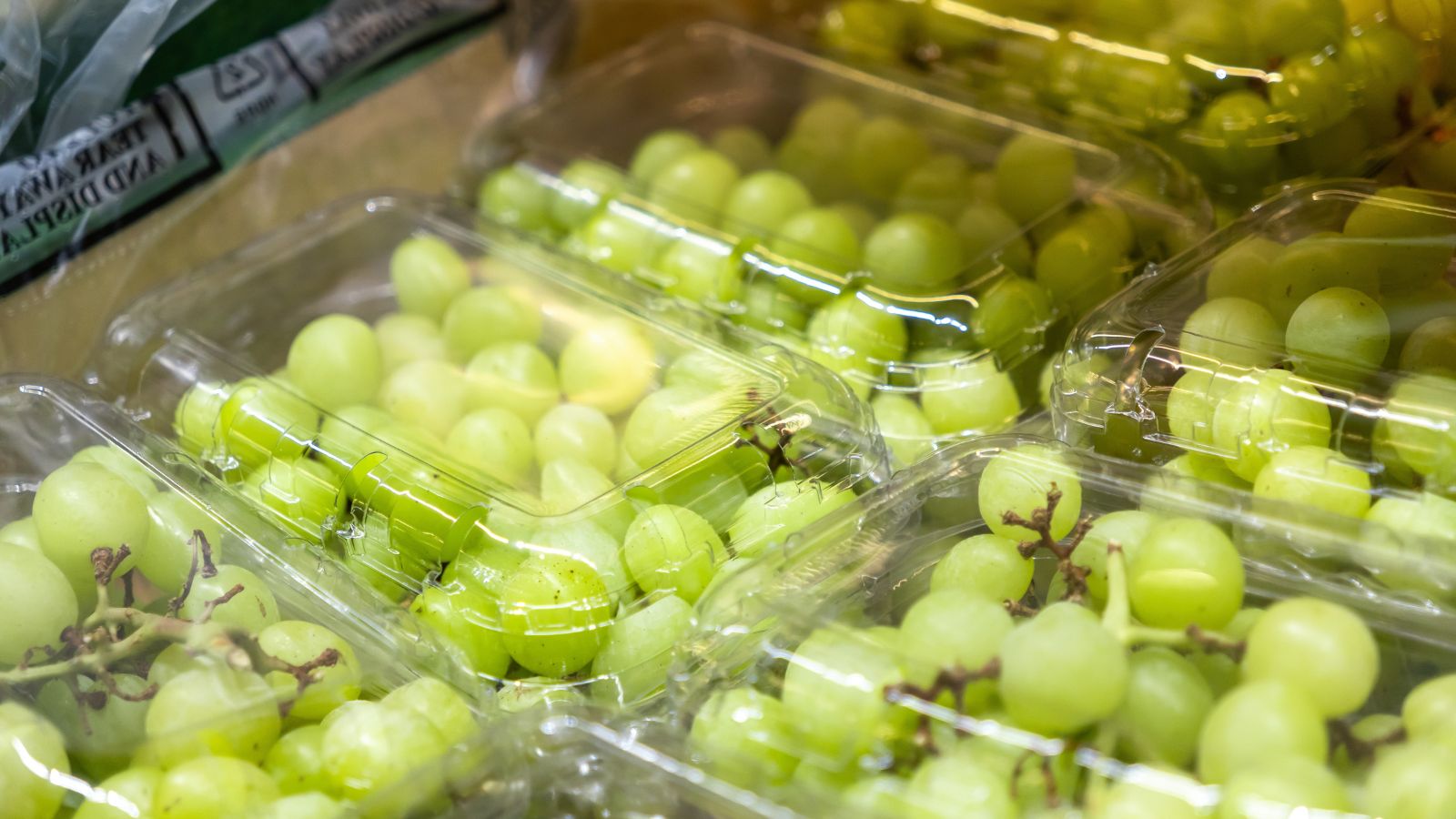
Grapes can seem harmless until the bag hits the scale. Unlike fixed-price fruit, grapes are often priced by weight, and a full bag can cost far more than expected. Many shoppers have had the experience of picking up what looks like a normal amount, only to see the checkout price feel closer to a dessert splurge than an everyday snack.
The challenge is that grapes are convenient, popular with children, and easy to eat without preparation. That makes them a lunchbox favourite, but also a fast-moving grocery item. Imported fruit can be affected by growing conditions, transportation, and currency shifts, while Canada’s 2026 food-price outlook still expected fruit prices to rise, even if less sharply than meat or vegetables. Grapes now require the kind of price checking once reserved for premium cuts of meat.
Salad Greens
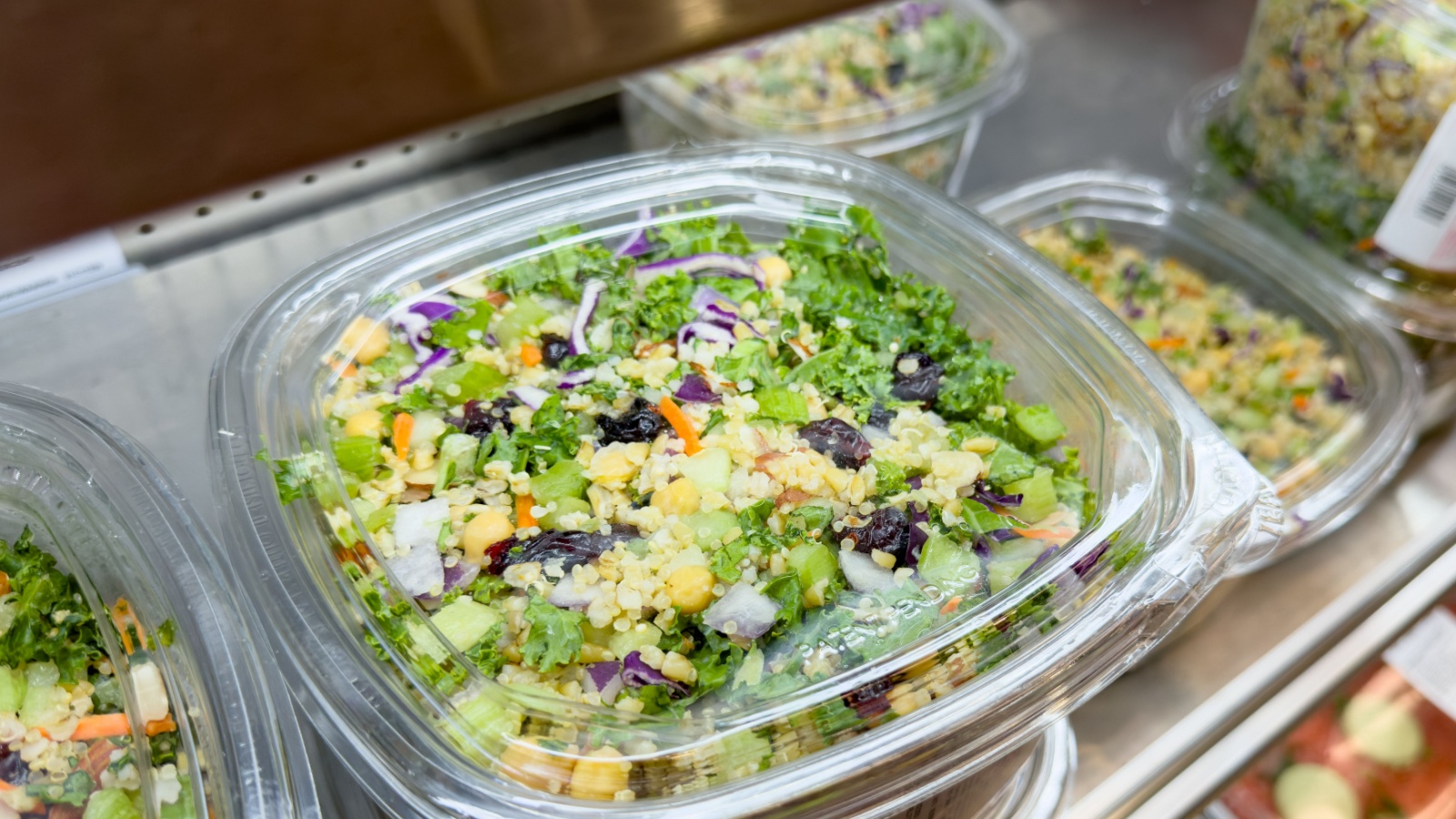
Spring usually brings a craving for lighter meals, but packaged salad greens can make that shift expensive. Clamshells of spinach, spring mix, arugula, or chopped salad kits often look practical until the price is compared with how many servings they actually provide. Add the risk of wilting within a few days, and greens can feel surprisingly high-stakes.
Fresh vegetables were one of the standout pressure points in March 2026, with prices rising faster than overall store-bought food. Salad greens are especially sensitive because they are perishable, labour-intensive, and often transported long distances before reaching Canadian stores. Shoppers may still buy them for convenience, but many now stretch them with cabbage, carrots, lentils, pasta, or frozen vegetables. A salad that once felt like a budget-conscious meal can now feel like a premium bowl.
Cucumbers, Peppers, and Celery

Cucumbers, peppers, and celery are not usually thought of as luxury foods, which is why their spring price increases feel so jarring. They are the ingredients behind lunchbox sticks, stir-fries, salads, soups, veggie trays, and quick snacks. When these basics rise together, the produce section starts to feel less like the affordable part of the store and more like a place where every choice needs checking.
Statistics Canada specifically noted notable price growth for cucumbers, peppers, and celery in March 2026, connected partly to tighter supplies and adverse growing conditions in producing countries. That kind of detail matters because it explains why the increase feels sudden. These are not specialty imports bought once a year. They are ordinary vegetables that many households rely on to make meals look fresher, healthier, and more complete.
Tomatoes

Tomatoes can be deceptively expensive because they appear in so many meals: sandwiches, salads, pasta sauces, tacos, soups, and roasted vegetable dishes. A few fresh tomatoes may not seem costly individually, but the price adds up quickly when a recipe needs several or when quality varies by season. Grape and cherry tomatoes can feel even more premium because of their smaller packages and convenience.
Canadian tomato prices also reflect a complicated path from farm to fork, including greenhouse production, transportation, packaging, and retail handling. Statistics Canada has highlighted tomatoes as a product with a distinct supply chain worth tracking, and average retail-price tools now help shoppers compare food costs more closely. Many households respond by using canned tomatoes for cooking and saving fresh tomatoes for sandwiches or salads where texture matters most.
Bread and Bakery Staples
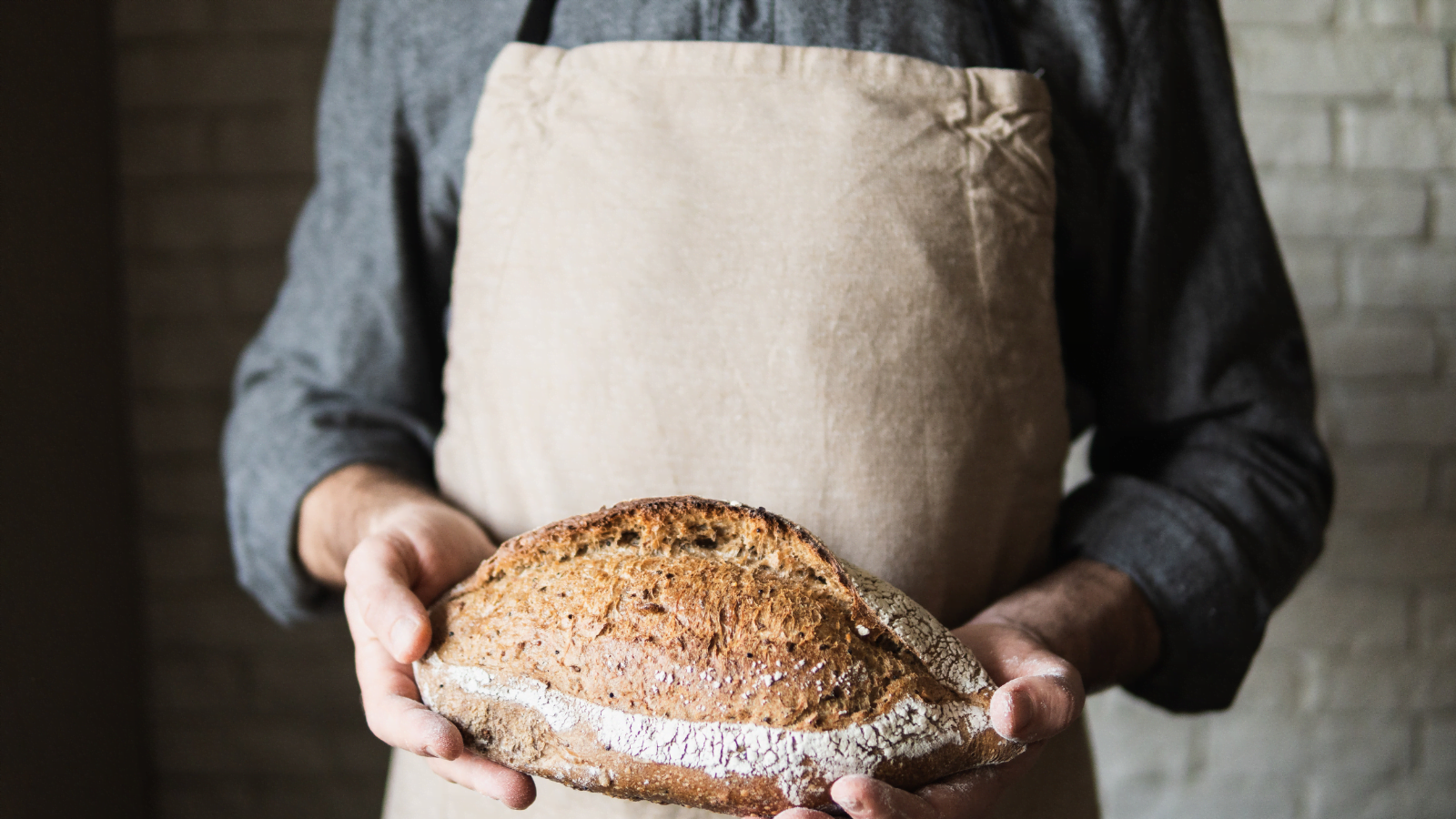
Bread remains a grocery essential, but it no longer feels like the cheap filler it once was. A loaf for toast and sandwiches can disappear quickly, and households buying bagels, tortillas, English muffins, or buns may see bakery costs climb across the week. Even when the price of a single loaf looks manageable, the total bakery basket can feel surprisingly large.
Statistics Canada’s food-price hub listed the average Canadian retail price for a 675-gram loaf of white bread at $3.63 in March 2026. Canada’s Food Price Report also projected bakery prices to keep rising in 2026. The pressure is not only about flour. Bakery products reflect energy, labour, packaging, distribution, and retail margins. For families packing lunches daily, bread remains necessary — but it no longer feels like the cheapest part of the meal.
Cereal and Granola

Cereal and granola have started to feel expensive because the box does not always last long enough to justify the price. A family-sized box can be emptied in a few mornings, especially in households with children or teenagers. Granola, often marketed as healthier or more premium, can cost even more per serving, especially when nuts, dried fruit, or chocolate are included.
The frustration is sharpened by package-size changes and brand differences. Shoppers may notice that a familiar box feels lighter, the sale price is less generous, or the store-brand version suddenly looks more attractive. Cereal also relies on grain, sugar, packaging, transport, and promotional pricing, all of which influence the final shelf price. Breakfast, once treated as a low-cost meal, can feel unexpectedly expensive when milk, fruit, and cereal are bought together.
Chocolate

Chocolate has become a small treat with a bigger price story behind it. Bars, baking chocolate, cocoa powder, and chocolate chips have all been affected by the volatility in global cocoa markets. Even when a package price looks familiar, shoppers may notice smaller sizes, fewer sale events, or premium brands moving further out of reach.
Cocoa prices surged dramatically in 2024 and remained volatile afterward, with retail chocolate prices often slower to fall than commodity markets. That lag matters because manufacturers may still be working through higher input costs, reformulation decisions, or packaging changes. For Canadian shoppers, chocolate now feels like a clearer luxury purchase: less of an automatic baking staple or checkout treat, and more of a deliberate indulgence saved for occasions where the craving is worth the cost.
19 Things Canadians Don’t Realize the CRA Can See About Their Online Income

Earning money online feels simple and informal for many Canadians. Freelancing, selling products, and digital services often start as side projects. The problem appears at tax time. Many people underestimate how much information the CRA can access. Online platforms, banks, and payment processors create detailed records automatically. These records do not disappear once money hits an account. Small gaps in reporting add up quickly.
Here are 19 things Canadians don’t realize the CRA can see about their online income.
This Options Discord Chat is The Real Deal
While the internet is scoured with trading chat rooms, many of which even charge upwards of thousands of dollars to join, this smaller options trading discord chatroom is the real deal and actually providing valuable trade setups, education, and community without the noise and spam of the larger more expensive rooms. With a incredibly low-cost monthly fee, Options Trading Club (click here to see their reviews) requires an application to join ensuring that every member is dedicated and serious about taking their trading to the next level. If you are looking for a change in your trading strategies, then click here to apply for a membership.