
35,000+ smart investors are already getting financial news, market signals, and macro shifts in the economy that could impact their money next with our FREE weekly newsletter. Get ahead of what the crowd finds out too late. Click Here to Subscribe for FREE.
Rising oil prices rarely stay in one lane. They push up gas, groceries, flights, and even delivery costs. For Canadians, this often shows up as small increases that quietly stretch monthly budgets. The good news is you do not need a full financial overhaul to respond. A single weekend can be enough to reset spending habits and cut recurring costs. The goal is simple. Reduce exposure to fuel-driven inflation without sacrificing your lifestyle. These fixes focus on fast actions with clear savings. No complicated systems, no long learning curves. Here are 17 “Oil Shock” budget fixes Canadians can do in one weekend.
Reset Your Weekly Fuel Budget
17 “Oil Shock” Budget Fixes Canadians Can Do in One Weekend
- Reset Your Weekly Fuel Budget
- Plan Groceries Around Fuel-Heavy Items
- Cut One Subscription That Depends on Delivery
- Adjust Your Commute Days
- Reprice Your Car Insurance Based on Usage
- Delay Premium Fuel Where Possible
- Optimize Tire Pressure and Maintenance
- Batch Your Weekly Errands
- Reevaluate Your Vehicle Choice for the Next Upgrade
- Reduce Impulse Driving
- Switch to Cheaper Payment Methods for Fuel
- Review Heating and Energy Use at Home
- Cook More at Home for One Month
- Cancel One Convenience Habit
- Use Price Tracking Apps for Fuel
- Set a Weekly Spending Cap for Transport
- Build a Small “Fuel Buffer” Fund
- 22 Groceries to Grab Now—Before another Price Shock Hits Canada

Start by checking your last three fuel purchases. Note the average cost per fill and total liters. Then set a weekly fuel limit that is slightly lower. This forces small behavior changes without being extreme. Combine errands into one trip. Avoid unnecessary idling. Use apps that show cheaper stations nearby. Even a ten percent cut adds up over months. If you drive a premium SUV, the impact is higher. Vehicles like a BMW X5 or Audi Q7 can easily cost over $100 per fill. A simple reset helps control that quickly without changing your car.
Plan Groceries Around Fuel-Heavy Items

Food prices often rise with fuel costs due to transport expenses. Focus on items that travel a shorter distance. Buy more local produce and reduce imported packaged goods. Build a simple weekly meal plan before shopping. This avoids multiple store trips. Stick to one large shop instead of three smaller ones. Bulk items help if you use them consistently. Watch out for small convenience purchases that add up. Even switching from frequent takeout to planned meals can offset fuel-linked inflation. This is a quick adjustment that shows results within one billing cycle.
Cut One Subscription That Depends on Delivery

Many subscriptions now include shipping, logistics, or fuel-heavy services. Pick one you barely use and cancel it. This could be a meal kit or a premium delivery membership. The monthly fee often hides the real cost. Delivery services quietly pass fuel increases on to users. Removing one subscription frees up steady cash flow. That money can cover rising costs of essentials like gas or utilities. Do this once, then review again after a month. You may find more subscriptions that no longer justify their cost in a high-fuel-price environment.
Adjust Your Commute Days

If your job allows flexibility, shift your commute pattern. Work from home one extra day each week. Even one less drive reduces monthly fuel costs noticeably. Carpooling is another simple option. Sharing rides cuts expenses immediately without changing your schedule. Public transit can also help if available nearby. Test it for a week instead of committing long-term. Track the savings. You may be surprised how quickly they add up. This is one of the easiest ways to reduce exposure to oil price spikes without changing your lifestyle much.
Reprice Your Car Insurance Based on Usage

Lower driving distance can reduce insurance premiums. Call your provider and update your annual mileage. Many Canadians forget to do this. If you now drive less, you could qualify for a lower rate. Some insurers also offer usage-based programs. These track driving habits and reward safer driving. The setup takes less than an hour. Savings vary but can be meaningful over a year. This fix works best when combined with reduced commuting. It is a small administrative task that can lead to steady monthly savings.
Delay Premium Fuel Where Possible
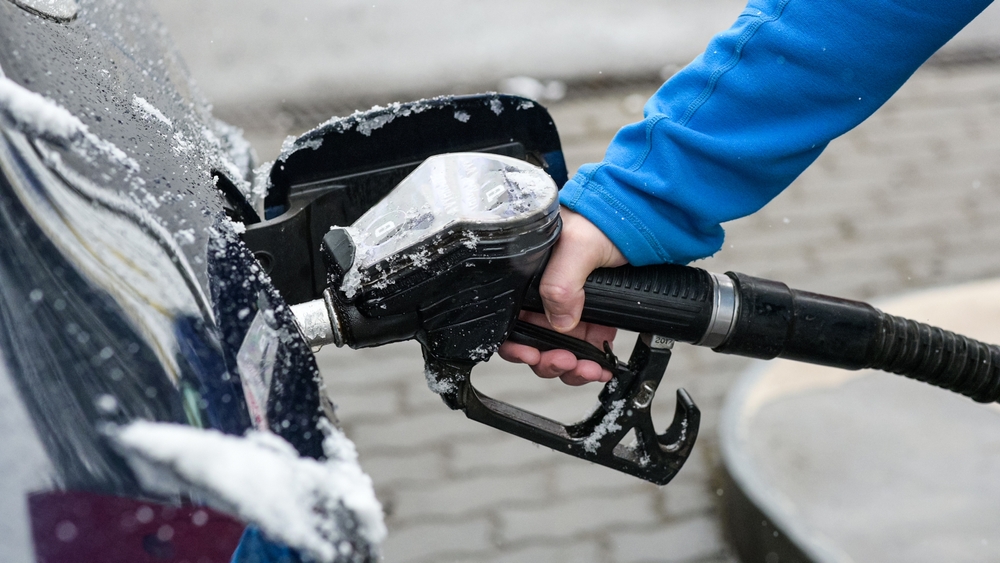
Some vehicles recommend premium fuel, but do not require it. Check your car manual carefully. If regular fuel is acceptable, switch for a few weeks. Monitor performance and mileage. The price difference per liter can be significant. This change alone can cut monthly fuel spending. However, do not do this for engines that strictly require premium. Cars like a Mercedes-Benz GLE or Porsche Macan often need it. For others, this is a quick test that takes one weekend decision. The savings show up immediately at the pump.
Optimize Tire Pressure and Maintenance

Underinflated tires increase fuel consumption. Check tire pressure and adjust to manufacturer recommendations. This takes less than ten minutes. Also, review basic maintenance like oil changes and air filters. A clean air filter improves engine efficiency. These small fixes improve mileage without changing driving habits. Many drivers ignore this, yet it directly affects fuel costs. You do not need a mechanic for basic checks. A quick visit to a service station can handle it. Over time, this reduces the impact of rising fuel prices on your budget.
Batch Your Weekly Errands

Multiple short trips burn more fuel than one planned route. List all errands for the week and group them. Choose a logical route that minimizes backtracking. Use maps to avoid traffic-heavy areas. This reduces idle time and fuel waste. It also saves time. Once you get used to batching errands, it becomes automatic. The savings may seem small per trip, but they grow over months. This is a simple behavior shift that costs nothing. It works well in both cities and suburban areas.
Reevaluate Your Vehicle Choice for the Next Upgrade

If you plan to upgrade your car soon, factor in fuel costs more seriously. Larger SUVs and trucks burn more fuel, especially in city driving. Compare options before committing. A Toyota RAV4 or Honda CR-V offers better efficiency than a Ford F-150 or Chevrolet Tahoe. In Canada, new vehicles range from about $35,000 to $80,000. Fuel costs over five years can add thousands more. Even a small difference in mileage matters. You do not need to switch immediately. Just plan smarter so your next purchase fits rising fuel costs better.
Reduce Impulse Driving

Not every drive is necessary. Many short trips happen out of habit, not real need. Start noticing when you drive for convenience instead of necessity. Replace one or two of those trips with walking or cycling each week. Even combining small tasks into one outing helps. This cuts fuel use without major lifestyle changes. Over time, you drive less without feeling restricted. It also reduces wear on your vehicle. That means fewer repair costs later. This is a quiet adjustment that builds savings slowly but steadily.
Switch to Cheaper Payment Methods for Fuel

Take a few minutes to check your current payment method for fuel purchases. Some credit cards offer cash back or rewards specifically for gas purchases. Others offer nothing. Switching to a better option can return a small percentage every time you fill up. Over a year, this adds up. It does not reduce fuel use, but it lowers the effective cost. Look for cards with no annual fee if possible. This is a simple switch that takes little effort and helps offset rising prices slightly.
Review Heating and Energy Use at Home
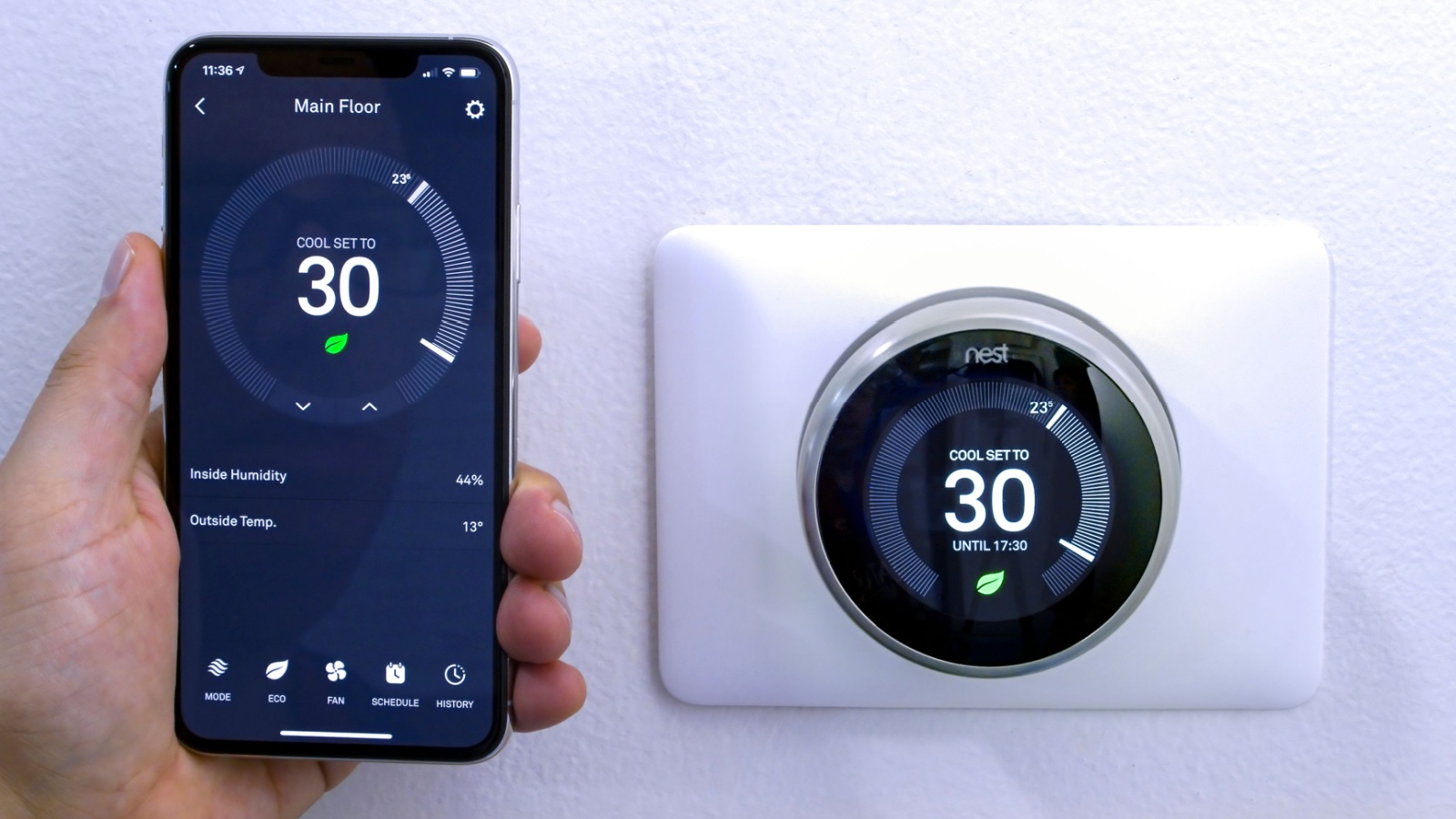
Fuel prices also affect home energy bills, especially during colder months. Take a weekend to review your heating habits. Lower your thermostat slightly and use timers or smart controls. Check for drafts around windows and doors. Sealing small gaps can make a difference. These changes reduce how much energy your home uses daily. Even a small adjustment can lower monthly bills. Energy costs often rise quietly with oil prices. Acting early helps balance your overall expenses without changing your comfort too much.
Cook More at Home for One Month

Restaurant prices include transport, fuel, and delivery costs. Cooking at home avoids those added expenses. Start with a simple plan for the week. Choose meals that use similar ingredients to reduce waste. Batch cooking can save time and effort. Replace a few takeout meals with home-cooked options. Even three meals per week can shift your budget. This is not about cutting dining out completely. It is about reducing frequency when costs rise. Over a month, the savings become clear and easy to track.
Cancel One Convenience Habit

Convenience often comes with hidden fuel costs. Think about ride-hailing, frequent deliveries, or quick service apps. Pick one habit and pause it for a few weeks. Track how much you spend during that time. Many people are surprised by the total. The goal is not to remove convenience completely. It is to cut back during periods of higher costs. After a short break, you may find you do not miss it much. This creates extra room in your budget without major lifestyle changes.
Use Price Tracking Apps for Fuel

Fuel prices change often, even within the same city. Use apps that show real-time prices nearby. Plan your fill-ups at stations with lower rates. Avoid buying fuel when you are in a rush. Small differences per liter add up over time. Once you start using these apps, they become part of your routine. You spend the same amount of time but save more money. This is a simple habit that works quietly in the background. It requires very little effort once set up.
Set a Weekly Spending Cap for Transport

Set a clear weekly limit for all transport-related costs. Include fuel, parking, and tolls in that number. Track spending using a notes app or a simple spreadsheet. Once you reach the limit, adjust your plans for the week. This creates awareness around how much you actually spend. Many people underestimate these costs. A cap helps control that quickly. It also highlights unnecessary trips or habits. Over time, this leads to better decisions without strict budgeting rules. It is simple and easy to maintain.
Build a Small “Fuel Buffer” Fund

Fuel prices can rise suddenly, making it harder to plan monthly expenses. Creating a small buffer helps manage this. Set aside a fixed amount each week, even if it is just $20. Keep it in a separate account or wallet. Use it only for fuel or transport needs. This reduces stress when prices spike unexpectedly. It also prevents you from cutting into other budget areas. Building this habit takes little effort but adds stability. Over time, it becomes a reliable safety net during uncertain periods.
22 Groceries to Grab Now—Before another Price Shock Hits Canada

Food prices in Canada have been steadily climbing, and another spike could make your grocery bill feel like a mortgage payment. According to Statistics Canada, food inflation remains about 3.7% higher than last year, with essentials like bread, dairy, and fresh produce leading the surge. Some items are expected to rise even further due to transportation costs, droughts, and import tariffs. Here are 22 groceries to grab now before another price shock hits Canada.
22 Groceries to Grab Now—Before another Price Shock Hits Canada
This Options Discord Chat is The Real Deal
While the internet is scoured with trading chat rooms, many of which even charge upwards of thousands of dollars to join, this smaller options trading discord chatroom is the real deal and actually providing valuable trade setups, education, and community without the noise and spam of the larger more expensive rooms. With a incredibly low-cost monthly fee, Options Trading Club (click here to see their reviews) requires an application to join ensuring that every member is dedicated and serious about taking their trading to the next level. If you are looking for a change in your trading strategies, then click here to apply for a membership.