35,000+ smart investors are already getting financial news, market signals, and macro shifts in the economy that could impact their money next with our FREE weekly newsletter. Get ahead of what the crowd finds out too late. Click Here to Subscribe for FREE.
Rising fuel costs are forcing Canadians to rethink daily driving habits. Many are not rushing to buy electric vehicles due to high upfront costs. New EVs like a Tesla Model Y or Ford Mustang Mach-E still cost well over $55,000 in Canada. Instead, drivers are making small changes that reduce fuel use without changing cars. These habits are practical, quick to adopt, and often cost nothing to start. From smarter trip planning to simple car maintenance, these shifts are adding up. Here are 21 gas-price-proof habits Canadians are adopting this spring (without buying an EV).
Planning Weekly Trips Instead of Daily Drives
21 Gas-Price-Proof Habits Canadians Are Adopting This Spring (Without Buying an EV)
- Planning Weekly Trips Instead of Daily Drives
- Driving 10 km/h Slower on Highways
- Using Apps to Find Cheaper Gas Stations
- Keeping Tires Properly Inflated
- Avoiding Long Idling Times
- Using Cruise Control on Highways
- Switching to Regular Maintenance Schedules
- Removing Unnecessary Weight from Cars
- Walking Short Distances Instead of Driving
- Carpooling with Friends or Coworkers
- Using Public Transit for Peak Routes
- Choosing Fuel-Efficient Driving Routes
- Avoiding Aggressive Driving Habits
- Filling Up Early Instead of Running Low
- Using Smaller Vehicles for Daily Errands
- Avoiding Peak Gas Price Days
- Using Loyalty Programs and Cashback Cards
- Keeping Windows Closed at High Speeds
- Using Remote Work to Cut Driving Days
- Combining School and Work Drop-Off Routes
- Tracking Fuel Spending Weekly
- 22 Groceries to Grab Now—Before another Price Shock Hits Canada

Many Canadians now group errands into one or two weekly trips. This reduces cold starts, which burn more fuel. A single planned route cuts unnecessary mileage and idle time. People are using maps to organize stops efficiently. Grocery stores, pharmacies, and banks are visited on a single loop. This habit saves both fuel and time during busy weeks. Drivers also avoid peak traffic hours when possible. Less time stuck in traffic means better fuel economy. Over a month, the savings become noticeable. It also reduces wear on the car. Fewer trips mean fewer chances to spend impulsively.
Driving 10 km/h Slower on Highways

Speed directly impacts fuel consumption. Many drivers are now cruising at 90 or 100 km/h instead of 110. Fuel efficiency improves significantly at lower speeds. Engines work harder at higher speeds due to air resistance. Slowing down slightly can cut fuel use by up to 15 percent. This habit does not require any investment. It only needs a mindset shift while driving. Drivers report less stress during long trips. It also improves safety on highways. Over time, this small change leads to real savings. The difference shows up quickly in weekly fuel bills.
Using Apps to Find Cheaper Gas Stations

Fuel price apps have become common tools for drivers. Canadians are checking prices before filling up. Differences between stations can be several cents per liter. Over time, that adds up significantly. Drivers plan refueling stops based on price trends. Some even purchase during price drops. This habit requires little effort but delivers steady savings. It also prevents impulse refueling at expensive stations. Many apps show historical price patterns. This helps predict the best times to buy fuel. Staying informed reduces unnecessary spending. Smart refueling is becoming part of routine driving habits.
Keeping Tires Properly Inflated

Underinflated tires increase fuel consumption quickly. Drivers are now checking tire pressure more often. Proper inflation improves rolling efficiency on roads. It also extends tire lifespan and improves handling. Many gas stations offer free air pumps. Some drivers carry portable inflators for convenience. Checking pressure once every two weeks makes a difference. Seasonal changes also affect tire pressure levels. Spring temperature shifts can lower pressure without warning. Maintaining correct levels reduces strain on the engine. It is a simple habit with immediate impact. Better tire care means better mileage every single day.
Avoiding Long Idling Times
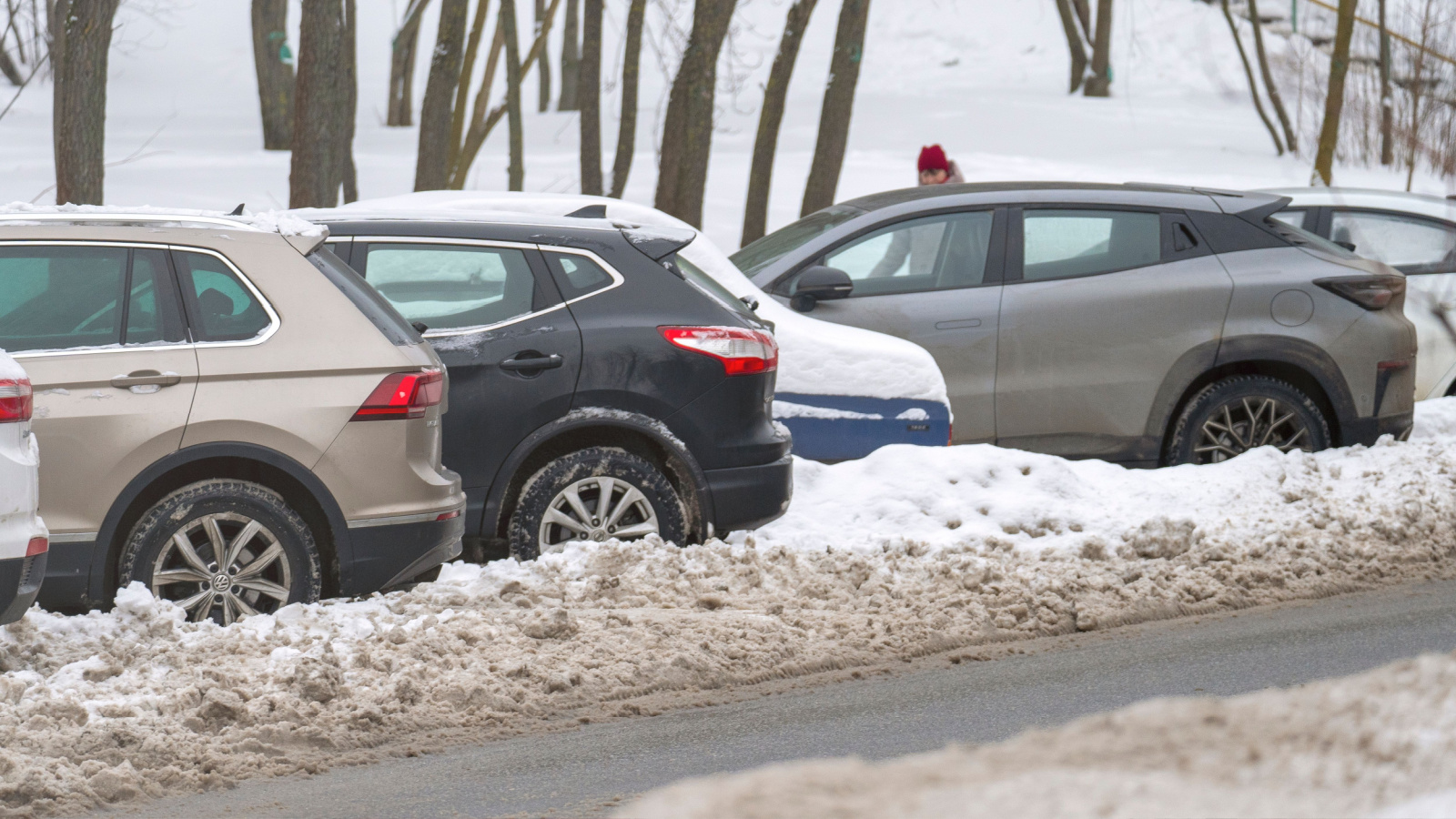
Idling wastes fuel without moving the car. Canadians are turning off engines during waits. This includes school pickups and drive-through lines. Modern engines restart quickly without damage. Idling for more than one minute uses more fuel than restarting. Drivers are becoming more aware of this fact. Some cities even discourage idling with local rules. Cutting idle time saves fuel and reduces emissions. It also keeps engines cleaner over time. This habit is easy to adopt in daily routines. Small changes like this help reduce overall fuel use. Awareness is driving better behavior behind the wheel.
Using Cruise Control on Highways

Cruise control helps maintain steady speeds during long drives. This reduces unnecessary acceleration and braking. Many drivers are now using it more often. Consistent speed improves fuel efficiency on highways. It also reduces driver fatigue on long trips. Modern cars offer adaptive cruise features as well. These systems adjust speed based on traffic flow. Even basic cruise control delivers noticeable savings. Drivers avoid speeding fluctuations without thinking. This leads to smoother driving patterns overall. The result is lower fuel consumption per trip. It is a built-in feature that many are finally using properly.
Switching to Regular Maintenance Schedules
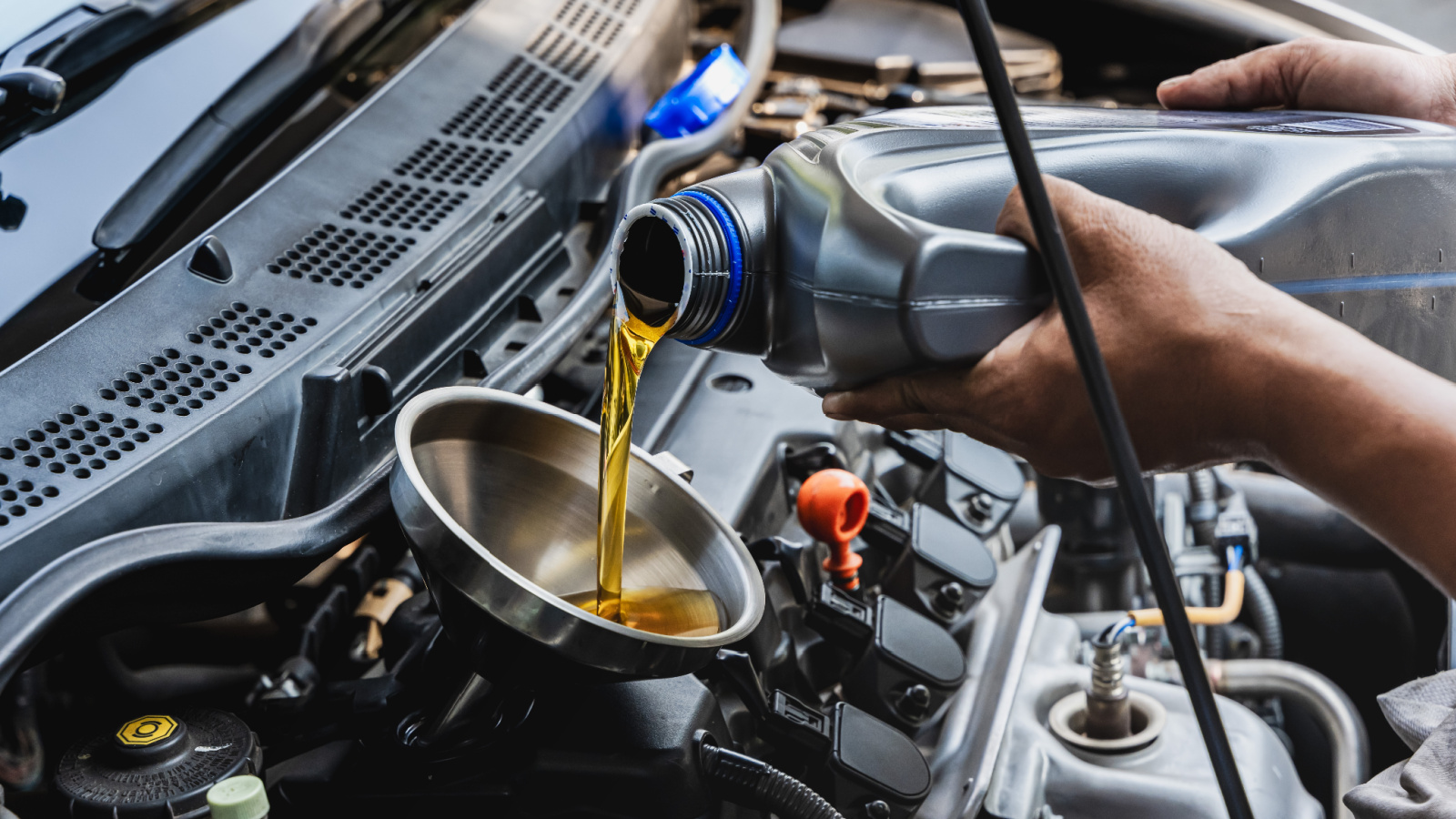
Skipping maintenance can increase fuel costs over time. Canadians are sticking to service schedules more strictly. Clean air filters improve engine performance immediately. Fresh engine oil reduces friction inside the engine. Spark plugs also affect fuel efficiency if they are worn out. Regular checkups prevent small issues from growing larger. Mechanics often spot problems early during routine visits. Drivers are seeing better mileage after simple servicing. This habit protects both the car and the wallet. Maintenance costs less than wasted fuel over time. It is a practical way to keep fuel use under control.
Removing Unnecessary Weight from Cars

Extra weight reduces fuel efficiency more than many realize. Drivers are clearing out unused items from trunks. Heavy sports gear, tools, and storage boxes add strain. Every extra kilogram requires more fuel to move. Canadians are becoming more mindful of what they carry daily. Roof racks are also being removed when not needed. These racks increase air drag on highways. Less weight means better mileage on every drive. It also improves braking and handling. This habit costs nothing but delivers real benefits. Lighter cars simply perform better in daily conditions.
Walking Short Distances Instead of Driving

Many Canadians are choosing to walk for nearby errands. Trips under two kilometers are often replaced with walking. This saves fuel and improves daily activity levels. It also reduces wear on the vehicle. Drivers avoid unnecessary short trips that waste fuel. Cold engines consume more fuel during short drives. Walking eliminates that issue entirely. Some neighborhoods support this shift with better sidewalks. People are rediscovering convenience in local shopping. This habit fits easily into daily routines. It also reduces traffic in busy areas. Small distances no longer justify starting the car.
Carpooling with Friends or Coworkers

Carpooling is making a steady comeback this spring. Canadians are sharing rides to work and events. Splitting fuel costs makes commuting more affordable. It also reduces the number of cars on the road. Many workplaces encourage ride-sharing among employees. Friends coordinate schedules for regular trips together. This habit works well for predictable routines. It reduces both fuel use and parking costs. Some drivers alternate vehicles to share wear and tear. Fewer trips mean fewer emissions overall. Carpooling adds social interaction to daily commutes. It is practical and easy to maintain in the long term.
Using Public Transit for Peak Routes

Public transit is being used more during busy hours. Many drivers avoid heavy traffic by switching modes. Trains and buses reduce fuel use completely for those trips. Parking costs are also avoided in city centers. Canadians are mixing driving and transit in their daily routines. This flexible approach reduces total fuel consumption. It also avoids stress during peak traffic times. Monthly transit passes offer predictable costs. Drivers still keep their cars for other needs. This balanced approach works well in urban areas. It reduces dependence on fuel without giving up convenience.
Choosing Fuel-Efficient Driving Routes

Not all routes use the same amount of fuel. Canadians are choosing smoother roads with fewer stops. Traffic lights and congestion increase fuel use quickly. Drivers use navigation apps to find efficient paths. Even slightly longer routes can save fuel overall. Avoiding stop-and-go traffic makes a difference. Steady movement improves engine efficiency. Some drivers track which routes perform better. Over time, they adjust habits based on results. This approach turns everyday driving into a smarter process. Route choice is becoming as important as distance itself.
Avoiding Aggressive Driving Habits

Rapid acceleration burns fuel faster than steady driving. Canadians are easing into speed more gradually now. Hard braking also wastes energy and fuel. Smooth driving reduces unnecessary fuel consumption. Drivers are keeping safe distances to avoid sudden stops. This also improves road safety for everyone. Calm driving instantly leads to better mileage. It also reduces stress during commutes. Many are noticing how much fuel aggressive habits waste. Changing driving style requires no cost at all. It only needs awareness and discipline behind the wheel.
Filling Up Early Instead of Running Low

Waiting until the tank is nearly empty can lead to poor choices. Drivers may fill up at expensive stations out of urgency. Canadians are refueling earlier and more strategically. This allows them to choose cheaper locations. It also avoids last-minute detours that waste fuel. Keeping fuel levels stable supports better planning. Some drivers track weekly consumption patterns. This helps predict when refueling is needed. Planning ahead reduces stress and spending. It turns fuel purchases into a controlled decision. This habit fits easily into regular routines.
Using Smaller Vehicles for Daily Errands

Large SUVs are not always necessary for short trips. Canadians are choosing smaller cars when available. Compact vehicles use less fuel in city driving. Some households rotate between multiple vehicles. Daily errands are done using the most efficient option. This reduces fuel costs without completely changing lifestyle. Even older compact cars perform well in urban areas. Drivers are thinking more about vehicle choice each day. This habit maximizes efficiency without major investment. It simply uses existing resources more wisely.
Avoiding Peak Gas Price Days

Fuel prices often rise before weekends and holidays. Canadians are learning these patterns over time. Many now fill up earlier in the week. This avoids sudden price spikes at the pump. Some drivers track price trends in their area. Correctly timing purchases leads to steady savings. This habit requires attention but no extra cost. It becomes easier with experience and observation. Drivers feel more in control of fuel spending. Small timing changes can save noticeable amounts monthly. Awareness of pricing cycles is growing quickly.
Using Loyalty Programs and Cashback Cards

Fuel rewards programs are gaining popularity again. Canadians are collecting points on every purchase. Some credit cards offer cashback on fuel spending. These rewards offset rising gas prices slightly. Drivers combine programs for better returns. Grocery store partnerships also provide fuel discounts. Points accumulate faster with regular use. This habit adds value to unavoidable expenses. It does not reduce fuel use directly but cuts costs. Over a year, rewards can be meaningful. Smart use of programs turns spending into savings.
Keeping Windows Closed at High Speeds

Open windows increase air resistance on highways. This forces engines to work harder. Canadians are keeping windows closed during faster drives. Air conditioning is often more efficient at those speeds. This balance improves overall fuel efficiency. At lower speeds, windows may still be used. Drivers are learning when each option works best. Small adjustments like this improve mileage gradually. It is a detail many overlooked before. Now it is part of smarter driving habits. Efficiency often comes from small, consistent choices.
Using Remote Work to Cut Driving Days

Remote work continues to reduce commuting frequency. Canadians are working from home more often when possible. Even one less commute per week saves fuel. This reduces wear on vehicles and lowers expenses. Employers are offering flexible work arrangements. Workers are adjusting schedules to minimize travel. Fewer driving days mean fewer fuel stops. This habit has long-term financial benefits. It also improves work-life balance for many. Reduced commuting is one of the biggest fuel savers. It changes driving habits at a structural level.
Combining School and Work Drop-Off Routes
Families are optimizing daily drop-off routines. School and work trips are being combined efficiently. Parents plan routes that avoid backtracking. This reduces the total driving distance each morning. Timing adjustments help avoid traffic congestion. Fewer separate trips mean less fuel use overall. This habit requires coordination but pays off quickly. Families are becoming more organized with schedules. It also saves time during busy mornings. Efficient routines reduce stress and fuel costs together. Daily planning is making a noticeable difference.
Tracking Fuel Spending Weekly

Canadians are paying closer attention to fuel expenses. Many track spending using apps or simple notes. Weekly tracking reveals patterns in fuel use. Drivers identify where they can cut back easily. Awareness leads to better decisions over time. This habit keeps fuel costs visible and manageable. It also highlights the impact of small changes. Drivers feel more in control of their budgets. Tracking turns fuel use into measurable data. This encourages consistency in better habits. Small insights lead to smarter long-term behavior.
22 Groceries to Grab Now—Before another Price Shock Hits Canada

Food prices in Canada have been steadily climbing, and another spike could make your grocery bill feel like a mortgage payment. According to Statistics Canada, food inflation remains about 3.7% higher than last year, with essentials like bread, dairy, and fresh produce leading the surge. Some items are expected to rise even further due to transportation costs, droughts, and import tariffs. Here are 22 groceries to grab now before another price shock hits Canada.
22 Groceries to Grab Now—Before another Price Shock Hits Canada
This Options Discord Chat is The Real Deal
While the internet is scoured with trading chat rooms, many of which even charge upwards of thousands of dollars to join, this smaller options trading discord chatroom is the real deal and actually providing valuable trade setups, education, and community without the noise and spam of the larger more expensive rooms. With a incredibly low-cost monthly fee, Options Trading Club (click here to see their reviews) requires an application to join ensuring that every member is dedicated and serious about taking their trading to the next level. If you are looking for a change in your trading strategies, then click here to apply for a membership.