35,000+ smart investors are already getting financial news, market signals, and macro shifts in the economy that could impact their money next with our FREE weekly newsletter. Get ahead of what the crowd finds out too late. Click Here to Subscribe for FREE.
News about conflicts often spreads faster than facts. When headlines mention oil routes or global tensions, many people rush to stores. Social media adds pressure with photos of empty shelves and warnings about shortages. History shows that most of those shortages never happen in Canada. Panic buying often causes the very problems people fear. Grocery stores and fuel stations rely on steady demand, not sudden hoarding. When shoppers buy far more than needed, prices rise and shelves empty faster. Smart planning works better than fear. Here are 18 things Canadians should not panic-buy if the Iran War drags on (and what to do instead).
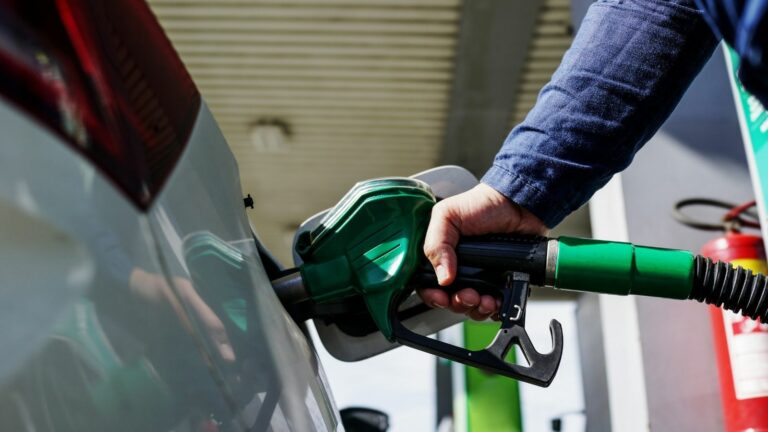
Gasoline
18 Things Canadians Should Not Panic-Buy If the Iran War Drags On (And What to Do Instead)

Fuel fears spread quickly whenever Middle East tensions appear in headlines. Many Canadians rush to gas stations expecting sudden shortages. Canada actually produces a large amount of oil domestically. Distribution delays sometimes occur, but national supply rarely disappears overnight. Panic buying only creates long lines and temporary shortages. Drivers topping off tanks daily make the situation worse. Instead, keep your tank above one-quarter and drive normally. Combine errands into one trip. Carpool when possible during busy weeks. These habits reduce fuel use without creating panic. If prices rise, the impact stays manageable when people avoid unnecessary trips.
Cooking Oil
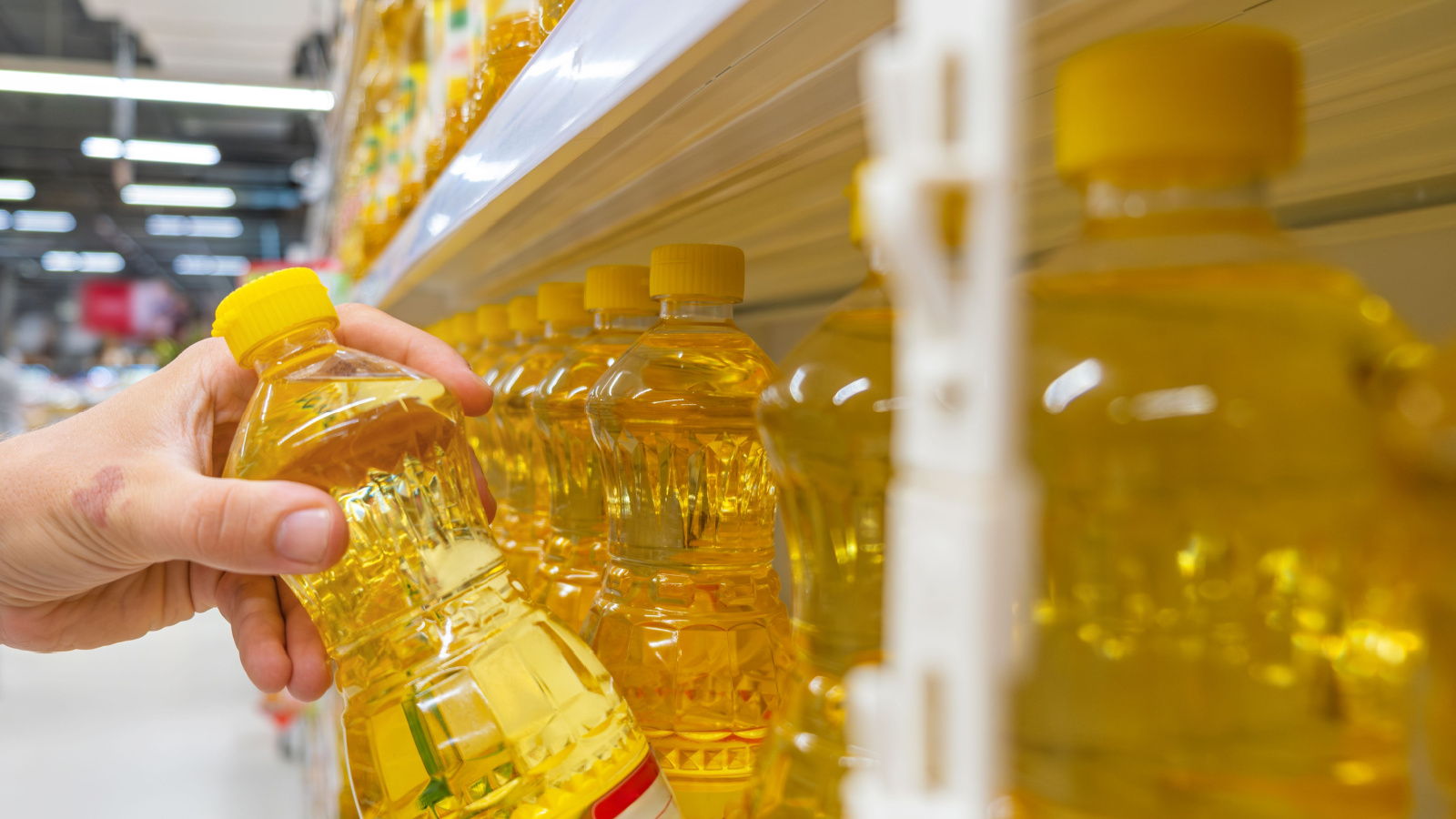
Conflicts involving oil regions make people worry about cooking oil prices, too. Some shoppers start hoarding large bottles from grocery shelves. Canada imports some vegetable oils but also produces canola domestically. Supply chains usually adjust before stores run out. Panic buying can empty shelves even when warehouses remain full. Buying one extra bottle during regular shopping works better than clearing the shelf. Try rotating oils already in your pantry. Canola, sunflower, and olive oil often substitute for each other in cooking. Stretching what you already have keeps the supply steady for everyone.
Bottled Water

Many Canadians grab cases of bottled water whenever global crises appear in the news. War overseas rarely affects Canadian municipal water systems. Tap water across most Canadian cities meets strict safety standards. Panic buying bottled water only empties store pallets. Transport trucks struggle to restock shelves quickly after sudden demand spikes. Instead, store a small emergency supply at home. A few gallons per person covers short outages or storms. Refillable water containers work well and reduce plastic waste. Normal shopping habits help stores keep shelves full.
Toilet Paper

The toilet paper rush during the pandemic still sits fresh in many memories. Global conflict headlines sometimes trigger similar behavior again. Toilet paper production happens mostly within North America. Canadian pulp and paper mills supply large volumes every year. Hoarding packs quickly empties store aisles, even when factories continue running normally. Buy what your household typically uses for the month. Stores restock paper goods frequently. Bulk buying beyond normal use rarely helps. Calm buying keeps shelves available for everyone, including families who shop weekly.
Flour
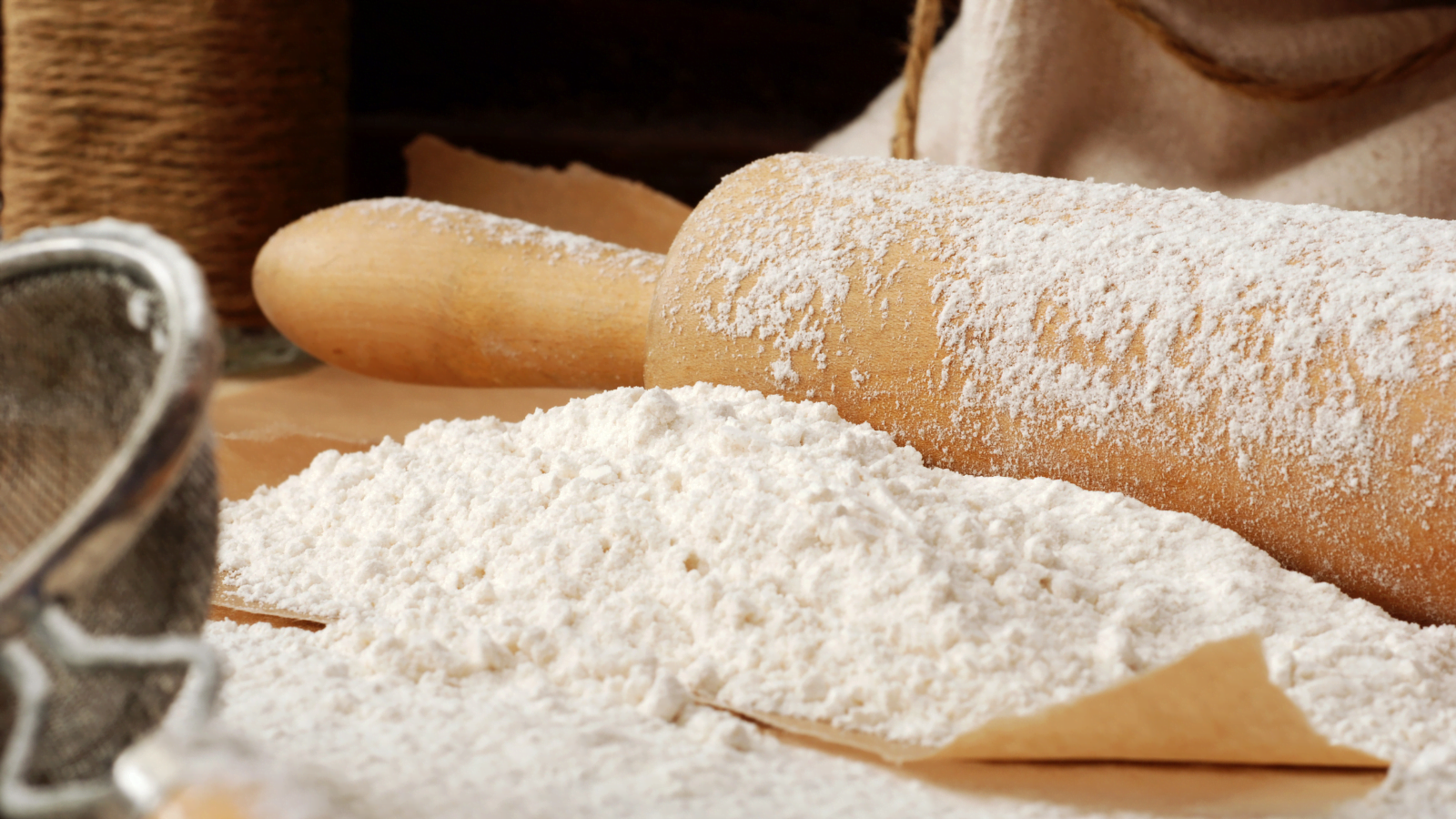
Bread baking rises whenever people fear shortages or supply disruptions. During uncertain periods, flour bags disappear from grocery shelves fast. Canada grows large amounts of wheat each year. Domestic mills process grain across the country. Supply disruptions usually affect exports more than local grocery stores. Panic buying flour leads to shortages created by shoppers themselves. Instead, keep one spare bag in your pantry. Rotate it into regular baking before buying another. Home bakers still get what they need without empty shelves.
Rice
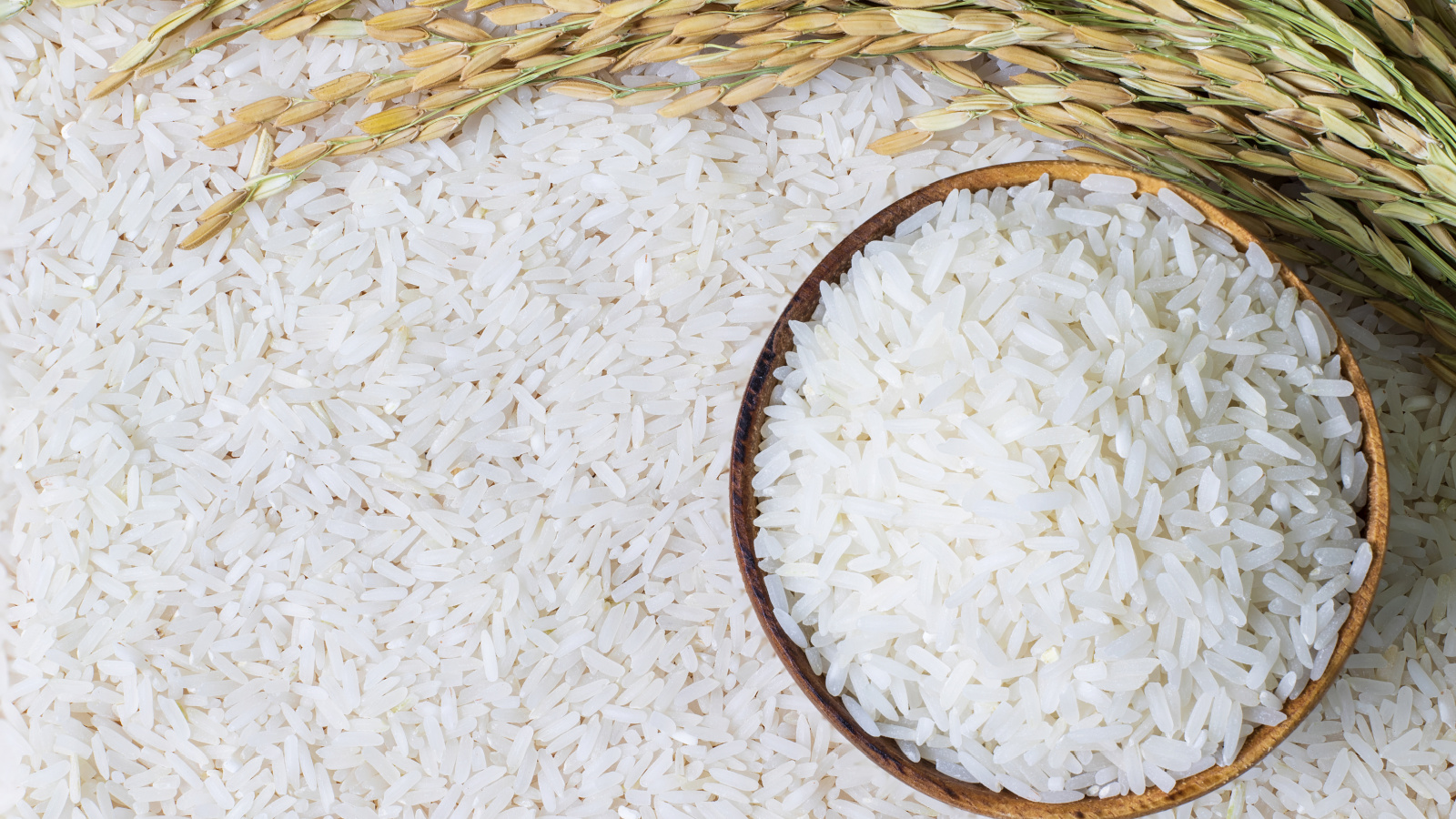
Rice sometimes disappears from shelves when shoppers expect global instability. Canada imports rice but maintains a steady supply through multiple trade partners. Grocery stores restock staple foods frequently. Panic buying large bags leaves shelves empty for families who rely on rice weekly. Buy normal quantities and store them properly in airtight containers. Rice keeps well for months when sealed. Buying moderately prevents unnecessary shortages. Other grains like barley or quinoa also stretch pantry meals when needed.
Canned Goods
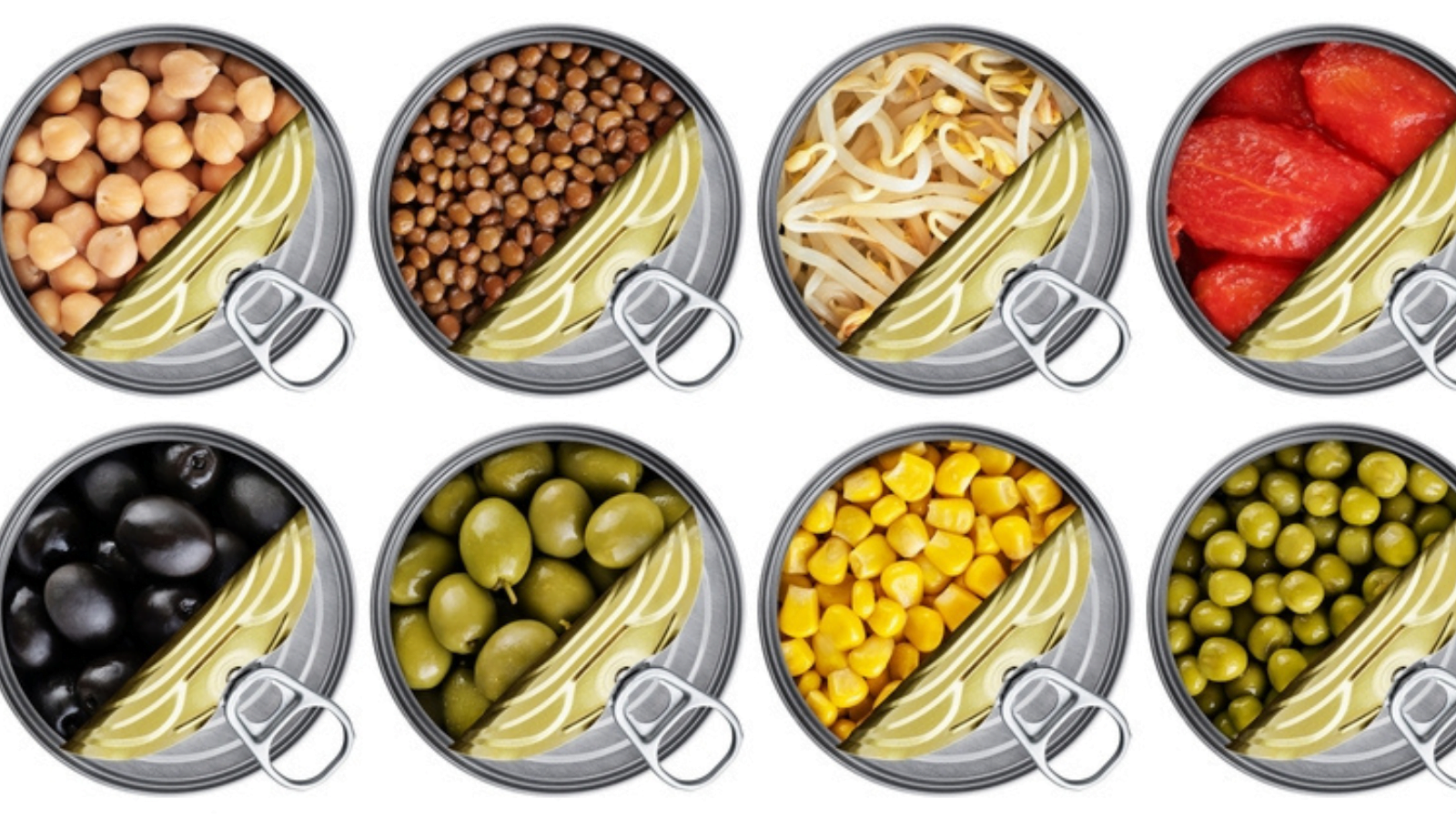
Canned soups and vegetables often vanish first during crisis rumors. Many shoppers believe canned foods last forever. The truth is most cans keep quality for two to five years. Grocery warehouses hold large inventories of shelf-stable food. Panic buying overwhelms store restocking systems. Instead, build a small rotating pantry. Keep a few weeks of canned meals at home. Eat the oldest items first and replace them during regular shopping. This habit spreads demand evenly and prevents sudden shortages.
Generators
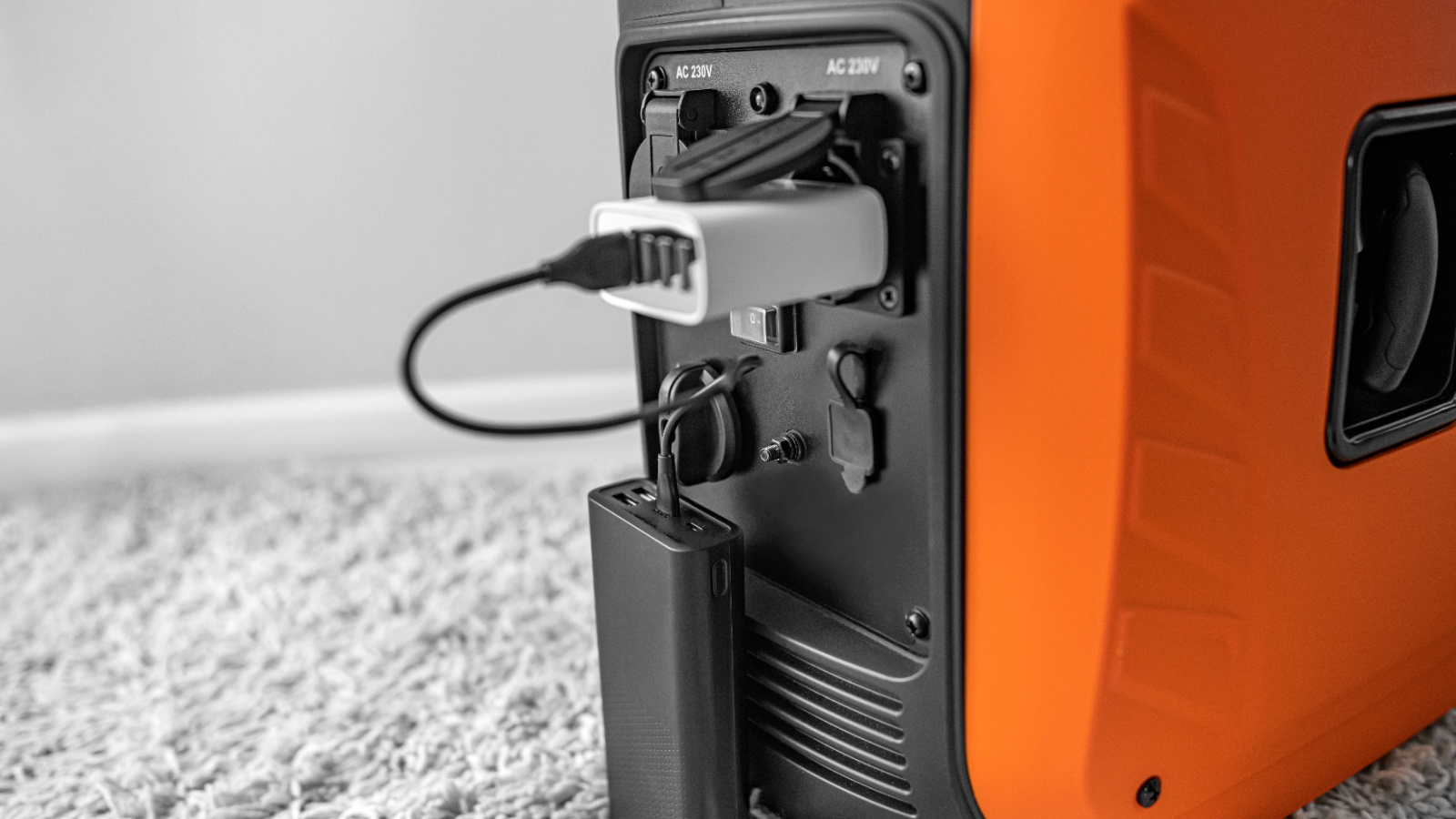
News about instability sometimes pushes homeowners to buy generators quickly. Many fear power outages linked to global disruptions. Canadian electricity grids operate independently from overseas conflicts. Storms and local failures cause outages more often than global politics. Generators also require fuel storage and maintenance. Buying one during panic periods often leads to wasted money. Consider portable battery backups for essential electronics instead. Keep flashlights and charged power banks ready. Practical emergency planning works better than rushing to hardware stores.
Heating Fuel

Some Canadians worry about heating shortages during geopolitical conflicts. Natural gas and heating oil supplies in Canada mainly come from domestic sources. Distribution problems rarely appear suddenly during global events. Panic ordering extra fuel deliveries strains supply logistics. Heating companies schedule deliveries based on normal consumption patterns. Instead, monitor your tank levels and refill on schedule. Improving home insulation helps lower winter fuel needs. Small efficiency upgrades save money and reduce stress during uncertain times.
Gold Bars

Financial fear often pushes people toward gold purchases. Social media posts claim gold becomes the only safe asset during wars. Gold prices usually rise quickly during panic periods. Buying at peak prices rarely works out well for ordinary investors. Most Canadians gain more stability from diversified portfolios. Emergency savings accounts provide faster access to funds. If someone wants gold exposure, small amounts through ETFs remain simpler than physical storage. Avoid emotional investment decisions during breaking news cycles.
Propane Tanks
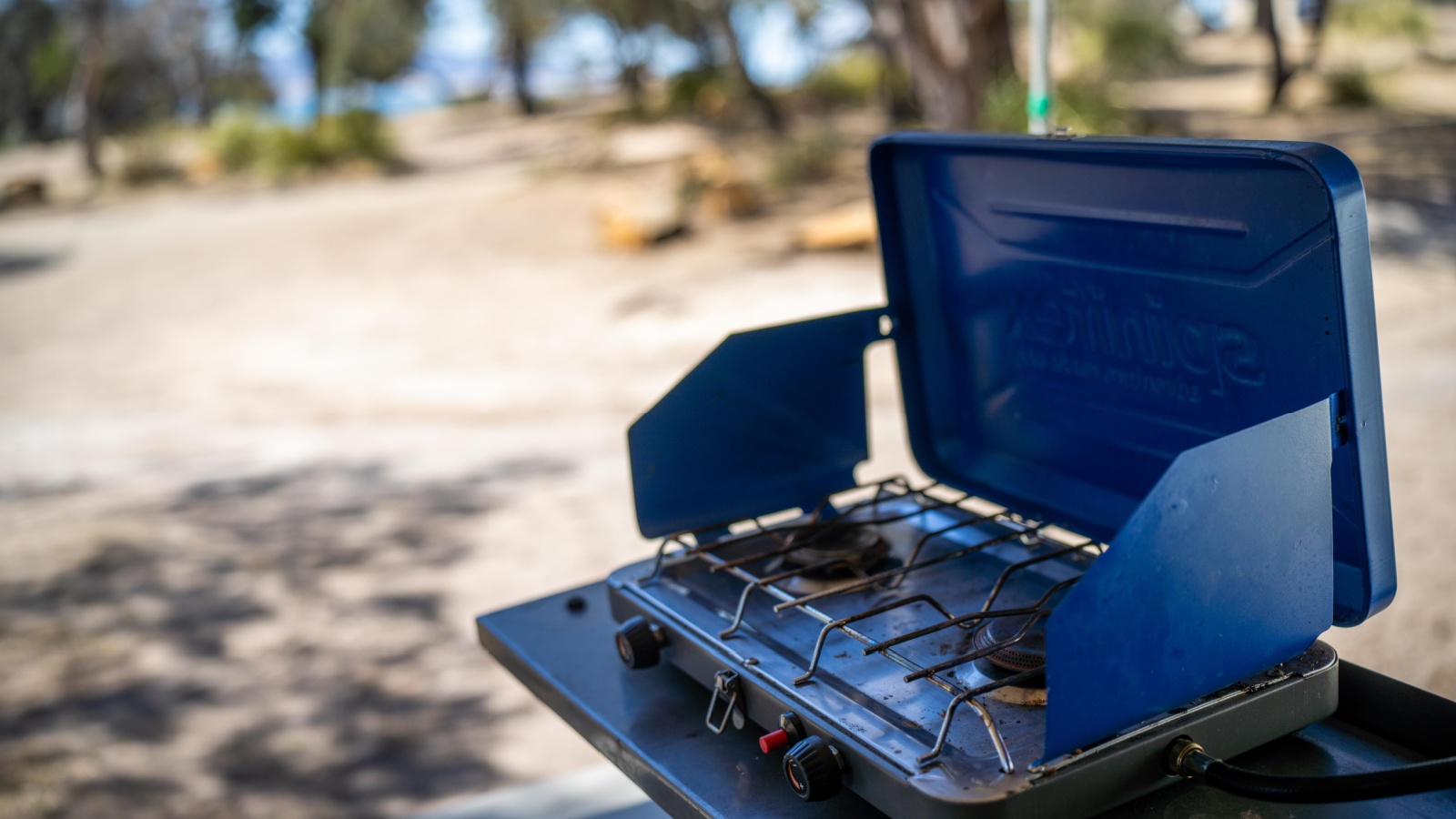
Backyard propane tanks sometimes disappear from stores when panic spreads. People worry about cooking or heating if supply chains break down. Canada produces propane as a byproduct of natural gas processing. Distribution networks serve homes and businesses regularly. Panic buying multiple tanks strains the refill stations unnecessarily. One spare tank already covers most household needs. Grill owners can refill empty tanks during routine trips. Avoid hoarding large amounts that sit unused for months.
Baby Formula

Parents often panic when rumors about formula shortages appear online. Canada experienced limited shortages in the past years due to production issues. The hoarding formula makes shortages worse for families with infants. Pediatricians advise buying what your baby needs for a short period. Stores restock frequently when demand stays stable. Speak with a pediatrician about safe alternatives if supply tightens. Responsible buying helps protect vulnerable families during stressful news cycles.
Medication Stockpiles

Some people rush to pharmacies hoping to stockpile months of medication. Pharmacies typically dispense prescriptions based on regulated refill schedules. Hoarding medications can create shortages for patients with chronic conditions. Pharmacists already maintain supply systems for common drugs. Patients should refill prescriptions as directed by their doctor. Keep a small buffer supply when possible. Speak with your pharmacist about travel quantities if needed. Calm planning protects the supply for everyone who depends on medication daily.
Firearms

Periods of global tension sometimes trigger firearm buying spikes. Some people believe conflict abroad will bring chaos at home. Canada maintains strict firearm regulations and background checks. Panic buying weapons rarely improves safety. Training, licensing, and safe storage remain required for legal ownership. Personal safety usually improves through awareness and community cooperation. Emergency planning with neighbors often provides more practical protection. Focus on preparedness rather than fear-driven purchases.
Large Freezers
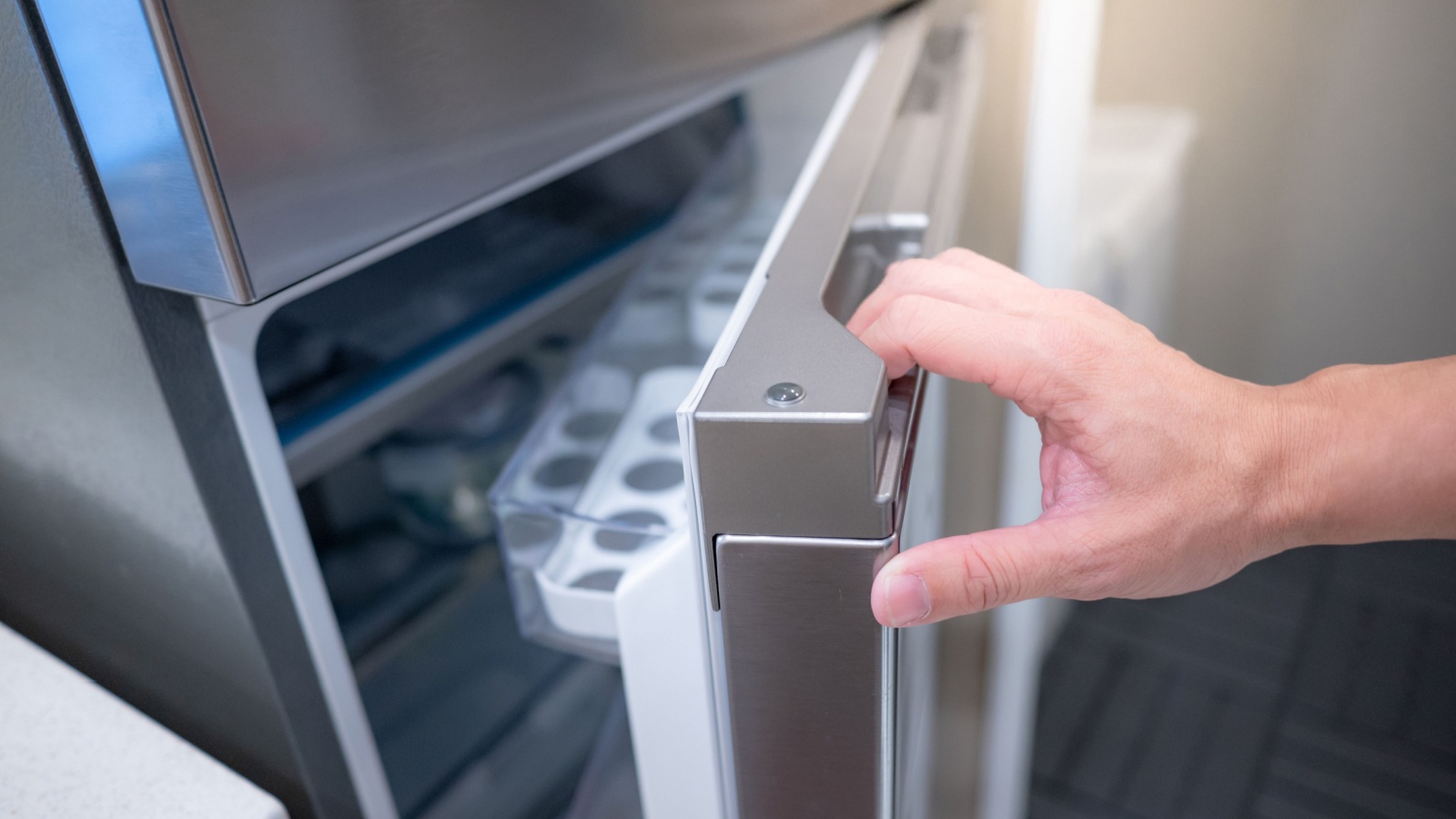
Some households buy extra freezers expecting long food shortages. Appliance demand often rises during uncertain times. Freezers require electricity and space. Filling them with food during panic periods costs significant money. Grocery supply chains in Canada rarely collapse completely. Instead, organize the freezer you already own. Label food with purchase dates and rotate older items forward. Efficient storage reduces waste and avoids expensive appliance purchases.
Survival Kits

Outdoor survival kits sometimes sell out when crisis headlines spread online. Many kits contain items rarely used in urban environments. People often pay high prices for gear they never open. A basic emergency kit already covers most household needs. Flashlights, batteries, water, and first aid supplies remain useful during storms or outages. Building your own kit costs less than prepackaged sets. Focus on realistic emergencies common in Canada.
Foreign Currency

Some Canadians rush to exchange cash for foreign currencies during global tensions. Currency markets move quickly during uncertain periods. Buying large amounts of foreign cash rarely protects everyday finances. Exchange rates fluctuate constantly, and banks charge fees. Keeping savings in stable Canadian accounts works better for most households. Diversified investments already spread risk across global markets. Avoid reacting emotionally to currency speculation online.
Bulk Meat
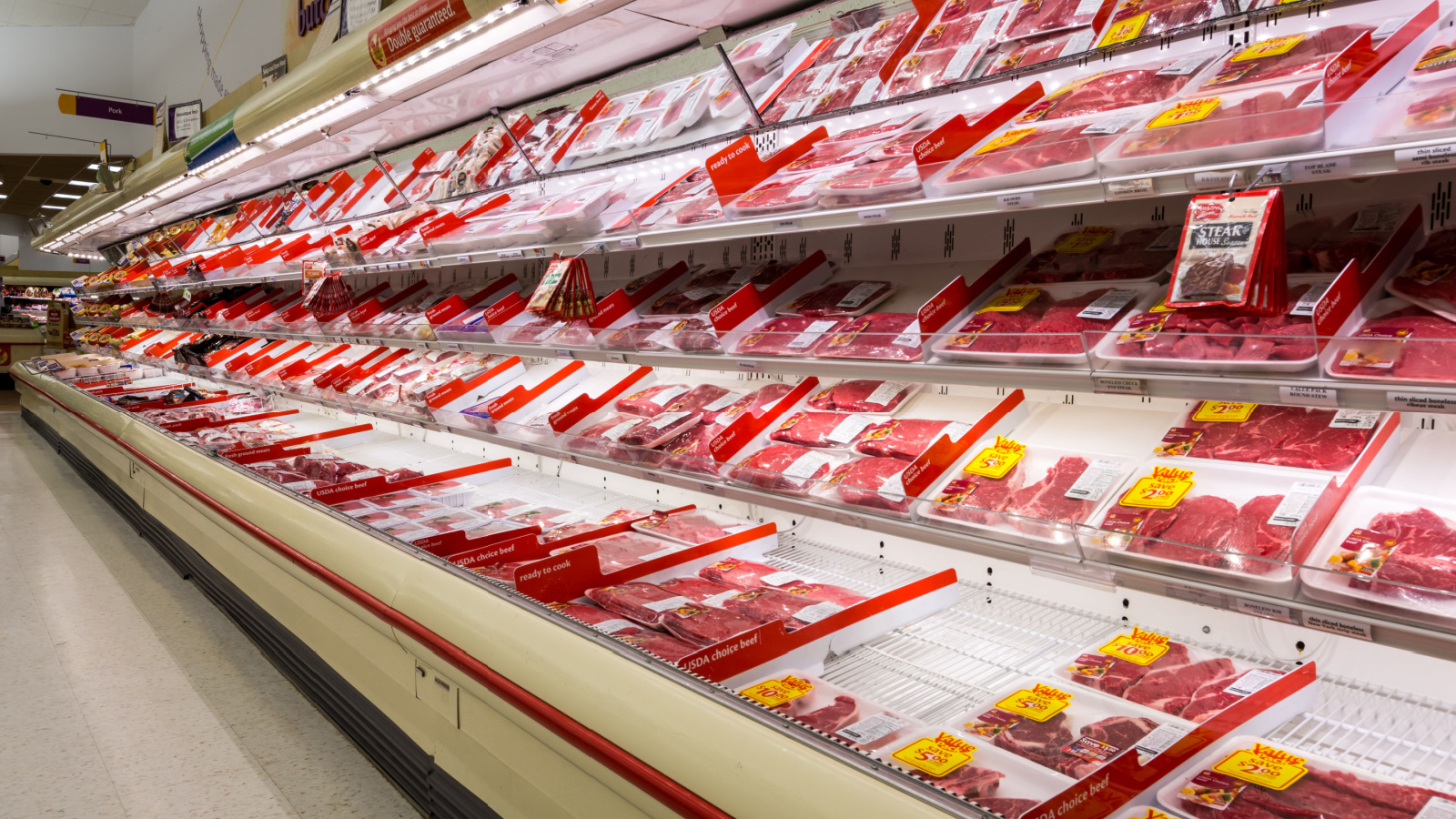
Meat shelves often empty quickly when panic spreads across social media. Some shoppers buy months of frozen meat at once. Canada maintains large livestock and poultry industries. Processing plants continue operating even during global conflicts. Panic buying disrupts grocery store supply cycles. Buying normal quantities keeps the supply flowing smoothly. Consider mixing protein sources during weekly meals. Beans, lentils, and eggs offer affordable alternatives when prices rise temporarily.
22 Groceries to Grab Now—Before another Price Shock Hits Canada
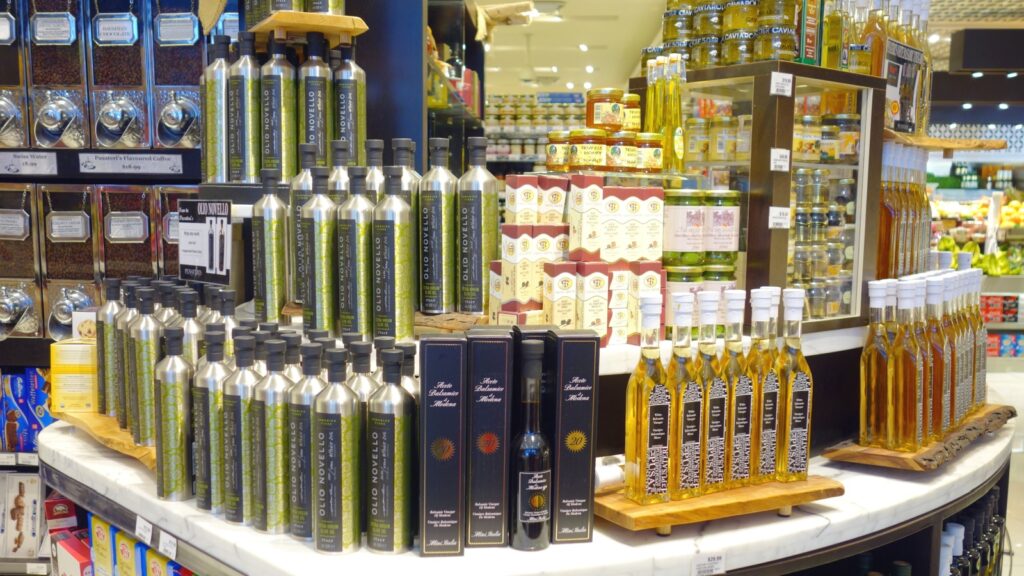
Food prices in Canada have been steadily climbing, and another spike could make your grocery bill feel like a mortgage payment. According to Statistics Canada, food inflation remains about 3.7% higher than last year, with essentials like bread, dairy, and fresh produce leading the surge. Some items are expected to rise even further due to transportation costs, droughts, and import tariffs. Here are 22 groceries to grab now before another price shock hits Canada.
22 Groceries to Grab Now—Before another Price Shock Hits Canada
This Options Discord Chat is The Real Deal
While the internet is scoured with trading chat rooms, many of which even charge upwards of thousands of dollars to join, this smaller options trading discord chatroom is the real deal and actually providing valuable trade setups, education, and community without the noise and spam of the larger more expensive rooms. With a incredibly low-cost monthly fee, Options Trading Club (click here to see their reviews) requires an application to join ensuring that every member is dedicated and serious about taking their trading to the next level. If you are looking for a change in your trading strategies, then click here to apply for a membership.