35,000+ smart investors are already getting financial news, market signals, and macro shifts in the economy that could impact their money next with our FREE weekly newsletter. Get ahead of what the crowd finds out too late. Click Here to Subscribe for FREE.
Canadians already feel grocery inflation every time they visit the store. Much of that cost links back to shipping. Canada imports a large share of its food. Global supply routes move produce, grains, oils, and packaged goods across oceans and borders. When shipping risks rise, prices often follow quickly. Conflicts, insurance costs, fuel spikes, and port delays can raise the cost of moving food. Retailers pass those costs along. Some foods react faster than others. Knowing which items depend heavily on global shipping can help shoppers plan ahead. Here are 19 grocery items Canadians could see get pricier if shipping risks rise (and what to swap).
Olive Oil
19 Grocery Items Canadians Could See Get Pricier If Shipping Risks Rise (And What to Swap)

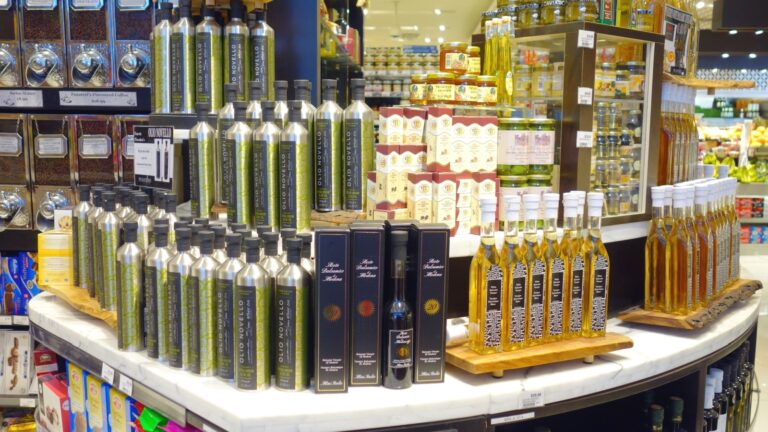
Olive oil depends heavily on international shipping. Most olive oil in Canada comes from Spain, Italy, and Greece. Tankers carry large quantities across the Atlantic. Shipping insurance or fuel increases quickly affect the shelf price. Weather problems in Mediterranean countries can also tighten supply. When both factors combine, prices rise sharply. Many Canadians noticed this during recent olive oil shortages. A practical swap is canola oil. Canada produces large amounts domestically. Canola oil works well for cooking, roasting, and baking. It also contains heart-healthy fats. Sunflower oil from North America can work too. Local oils reduce exposure to shipping disruptions and price swings.
Coffee Beans
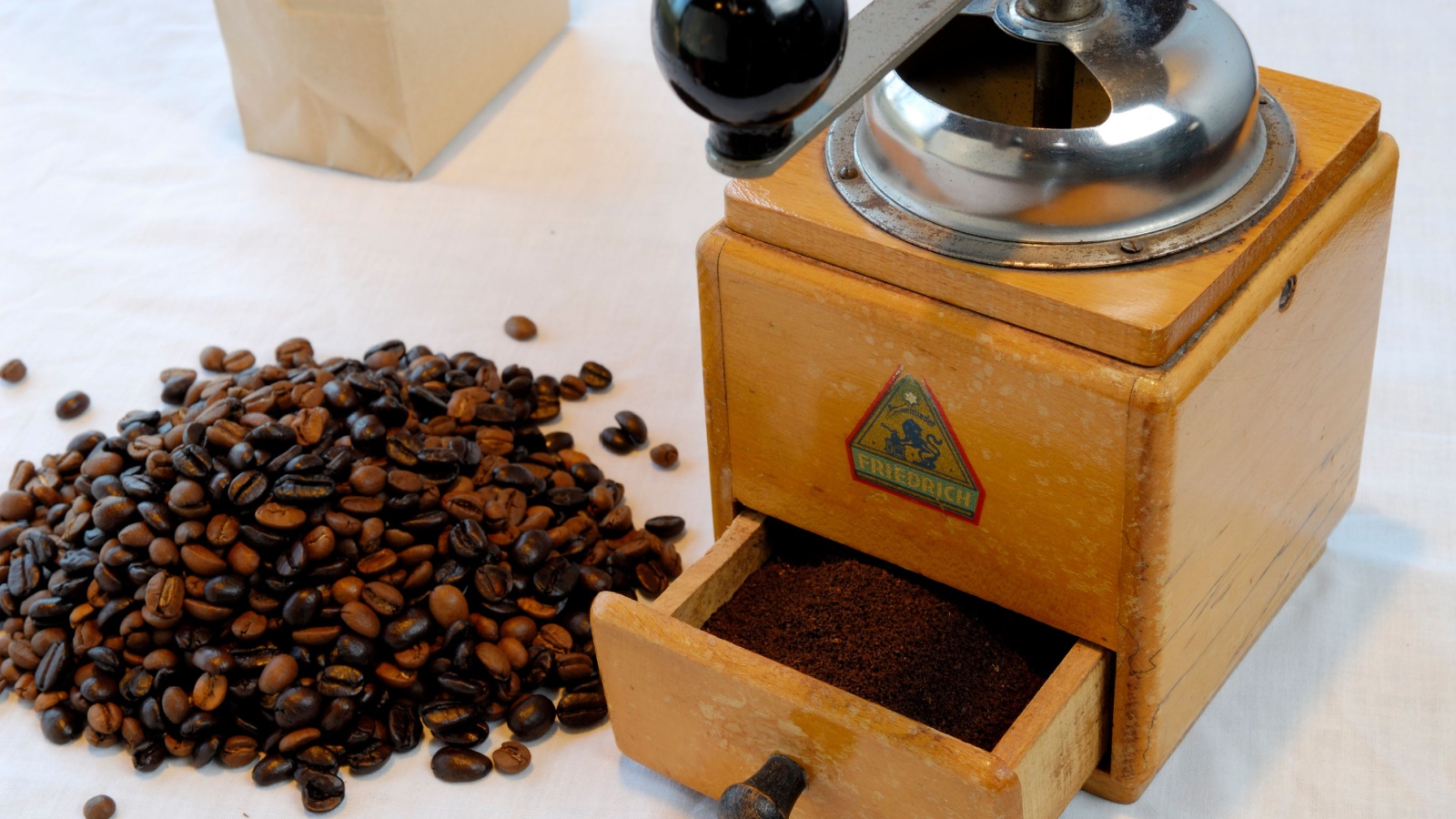
Canada imports almost all its coffee. Beans usually come from Brazil, Colombia, and Vietnam. Ships move massive volumes through major trade routes. Shipping delays or container shortages quickly affect supply. Roasters must pay higher transport costs. Those increases often show up at grocery stores within weeks. Specialty coffee prices move even faster. Canadians who drink coffee daily may notice the change quickly. One option is mixing ground coffee with chicory blends. Some brands already sell them in Canada. Another idea is drinking tea more often. Tea imports also rely on shipping, but costs usually remain lower per cup.
Bananas

Bananas travel far before reaching Canadian grocery stores. Most come from Ecuador, Costa Rica, or Guatemala. Specialized refrigerated ships move them north. These vessels require steady fuel supplies and tight schedules. Shipping disruptions can slow deliveries or raise costs. Bananas are cheap partly because transport systems run smoothly. If shipping becomes riskier, prices could climb. Canadians may not expect this since bananas usually feel affordable. A simple swap is apples. Canada grows many varieties domestically. Ontario and British Columbia produce large crops every year. Frozen berries are another good option. They store longer and depend less on constant international shipping.
Rice
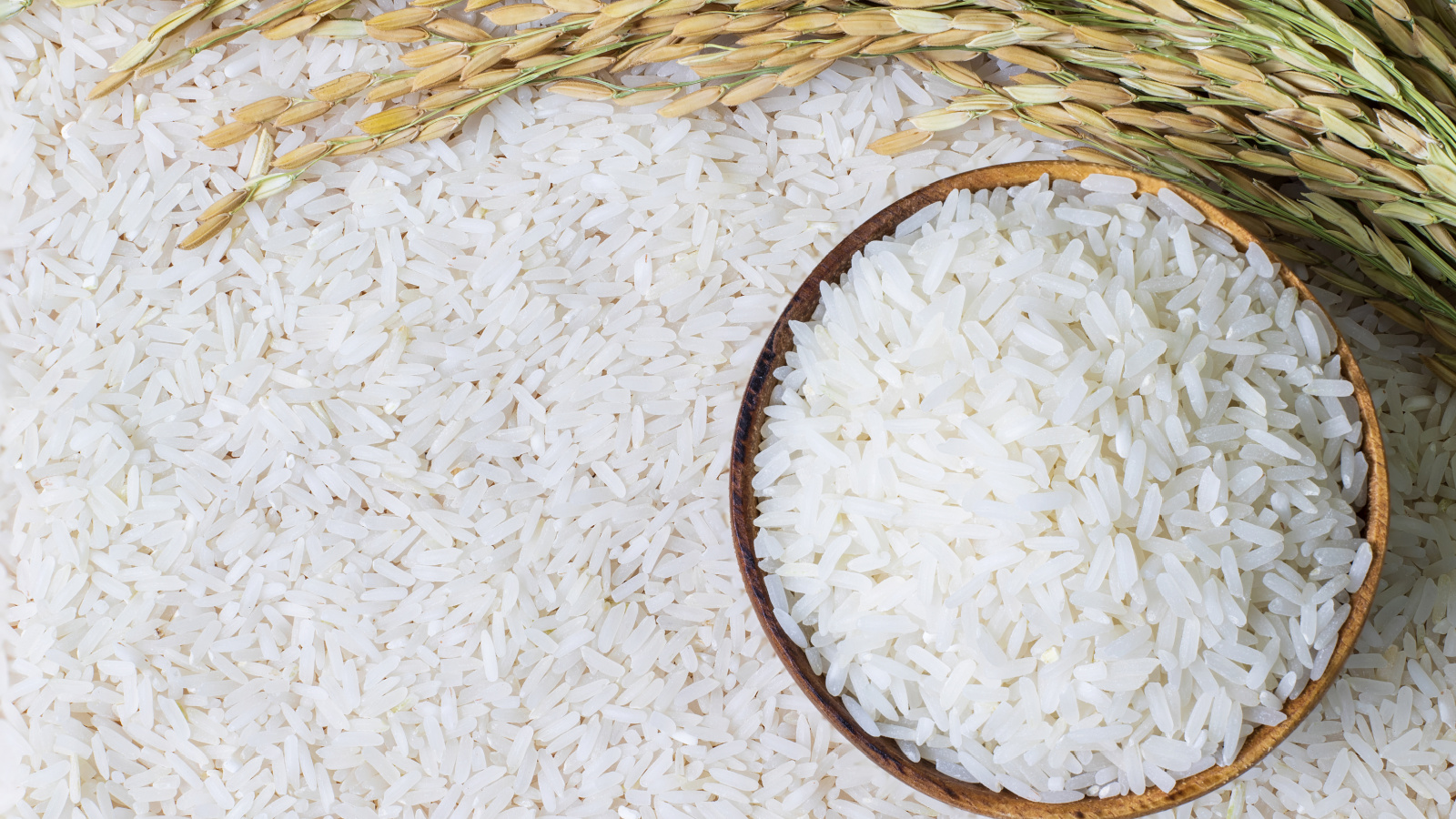
Rice plays a major role in many Canadian kitchens. Most varieties arrive from Asia or the United States. Long shipping routes carry basmati, jasmine, and specialty grains across oceans. Freight costs affect final retail prices. Global supply problems can also trigger sudden spikes. Recent rice export restrictions showed how quickly markets react. Canadians may see higher prices if shipping insurance rises. Barley can replace rice in many meals. Canada grows large quantities domestically. Barley works well in soups, bowls, and salads. Potatoes also make a reliable substitute. They grow widely across the country and remain stable in price.
Imported Pasta

Many Canadians prefer pasta imported from Italy. Brands highlight Italian wheat and traditional production methods. These products travel long distances by ship. Shipping costs affect both premium and mid-range brands. Even small freight increases raise store prices. Domestic pasta production exists in Canada, but often uses imported wheat. One swap is pasta made from Canadian durum wheat. Many local brands offer affordable options. Another alternative is egg noodles produced domestically. They cook quickly and work on similar recipes. Whole-grain pasta from Canadian manufacturers can also help shoppers avoid some shipping-related price increases.
Avocados
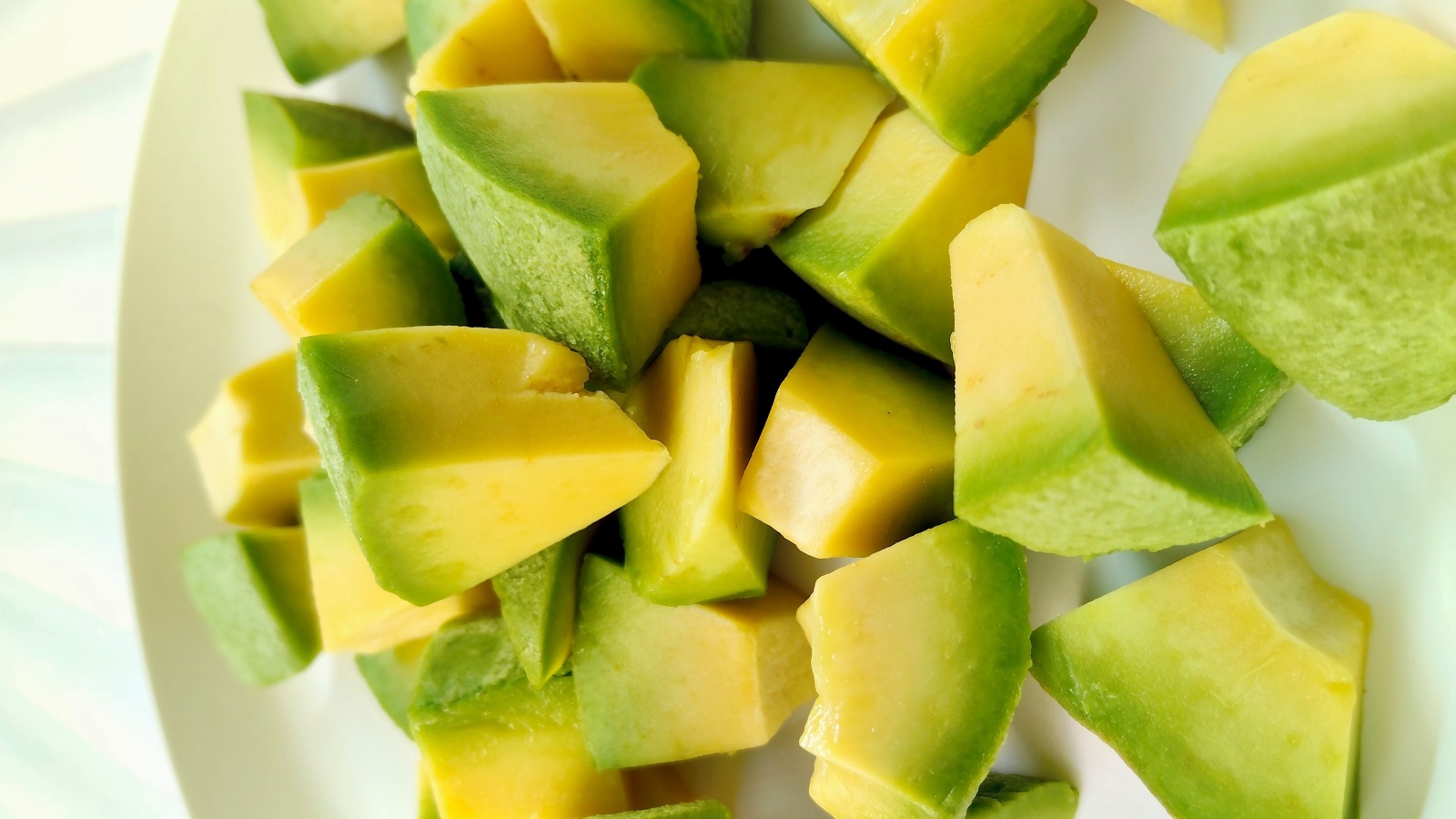
Avocados became extremely popular in Canada over the past decade. Most arrive from Mexico or Peru. They travel by truck and ship before reaching stores. Shipping disruptions raise transport costs and reduce availability. Avocados already fluctuate in price throughout the year. Higher shipping risks could amplify those swings. Canadians may notice sudden price jumps during supply disruptions. A practical substitute is hummus made from chickpeas. Chickpeas grow widely in Canada. Mashed green peas also work surprisingly well in sandwiches and spreads. They offer a similar creamy texture. Both options rely more on domestic agriculture and less on global shipping routes.
Chocolate

Chocolate depends on cocoa beans grown mainly in West Africa. Countries like the Ivory Coast and Ghana produce most of the world’s supply. Ships transport cocoa across oceans to processing facilities. Shipping disruptions can affect both raw beans and finished chocolate products. Candy prices often rise quietly after transport costs increase. Canadians sometimes notice smaller packages instead. That change hides the price increase. A swap option is carob-based sweets. Some bakeries offer them already. Maple-based desserts also make sense. Canada produces large volumes of maple syrup. Maple treats rely less on long-distance shipping.
Frozen Shrimp
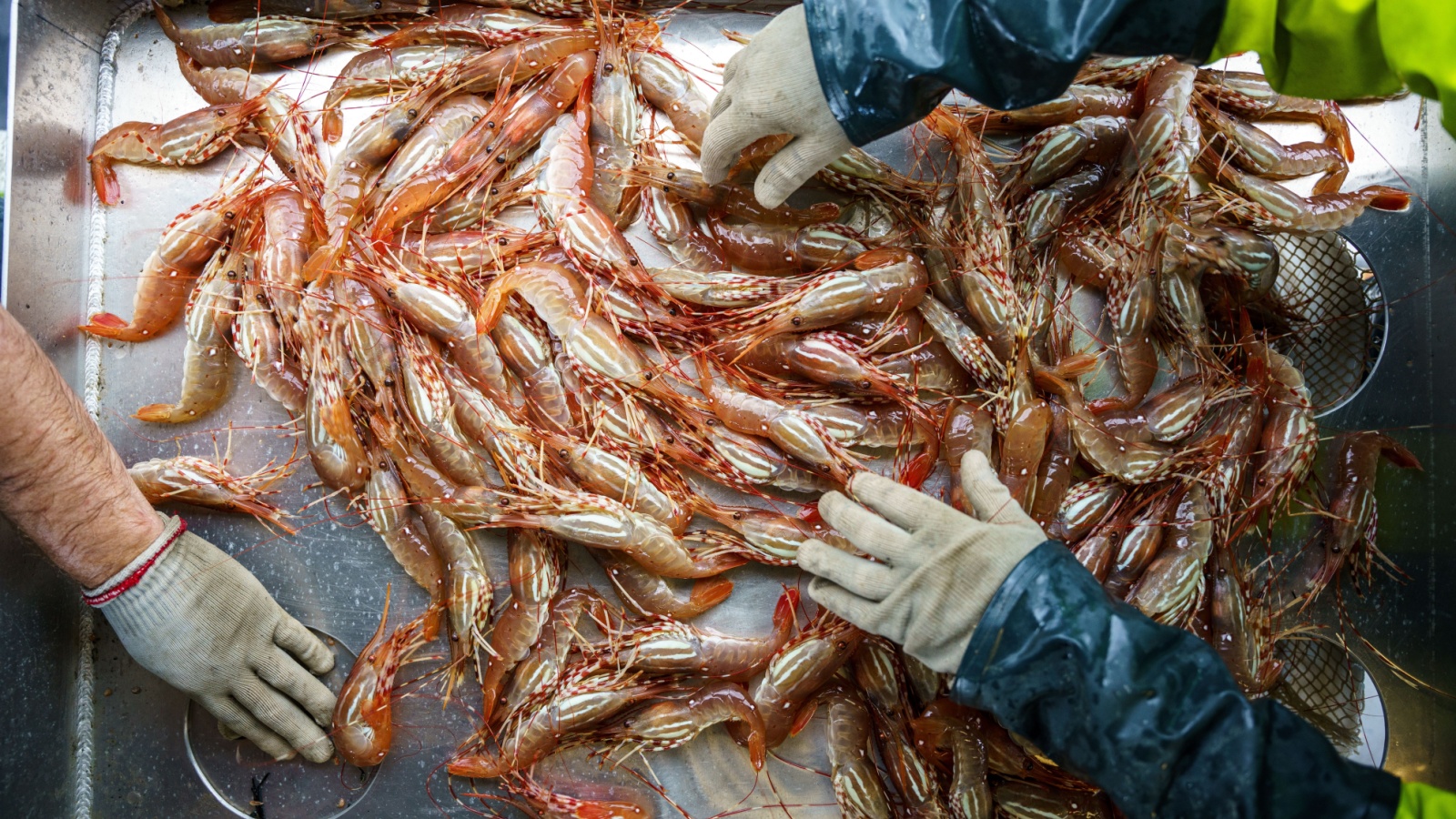
Frozen shrimp is one of Canada’s most imported seafood products. Much of it comes from Southeast Asia or Latin America. Shrimp travel thousands of kilometers before reaching stores. Refrigerated shipping and cold storage increase transport costs. When shipping prices climb, seafood often follows quickly. Canadians may see noticeable price changes in frozen shrimp bags. A domestic alternative is Canadian wild fish. Options include cod, haddock, or pollock. These species support local fisheries. Canned tuna can also replace shrimp in many recipes. It stores longer and usually costs less per serving.
Almonds
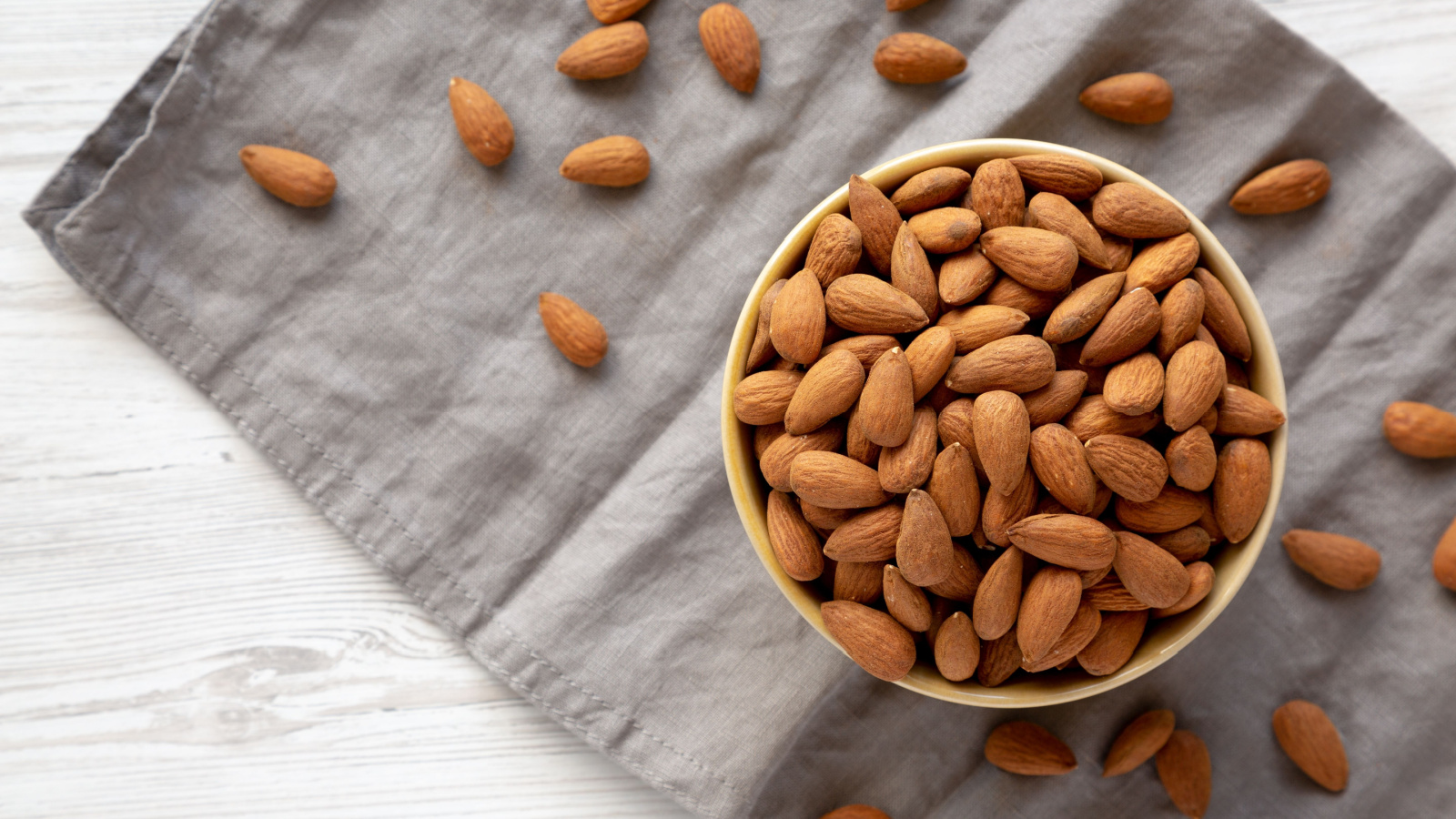
Almonds mainly come from California. Droughts already affect supply levels there. Shipping and trucking costs add another layer of risk. Almond products include milk, snacks, and baking ingredients. If shipping risks increase, prices could rise across several grocery categories. Canadians who rely on almond milk might feel it first. Oat milk offers a practical substitute. Canadian oats grow widely across the Prairies. Sunflower seeds also replace almonds in many snacks. They contain similar nutrients and cost less. Pumpkin seeds grown in Canada provide another local option.
Canned Tuna

Canned tuna travels a complicated supply chain. Fishing fleets operate in oceans far from Canada. Processing plants often sit in Southeast Asia. Finished cans ship across long distances before reaching stores. Fuel costs and shipping insurance strongly affect seafood logistics. Price increases sometimes appear suddenly. Canadians who rely on canned tuna for quick meals may notice higher costs. Sardines provide a good alternative. Many brands package them affordably. Canned salmon from Canada also works well. It supports domestic fisheries and offers similar nutrition. Both options often depend less on distant processing hubs.
Orange Juice

Canada cannot grow oranges commercially due to climate limitations. Most orange juice comes from the United States or Brazil. Tankers transport large quantities of frozen concentrate. Shipping costs influence juice prices quickly. Weather events already disrupt citrus production. When transport costs also rise, prices can climb fast. Canadians may see higher costs in both fresh juice and concentrate. Apple juice offers a strong domestic alternative. Canadian apple orchards produce large harvests yearly. Cranberry juice also grows widely in Quebec and British Columbia. Both juices rely less on international shipping routes.
Cooking Oils

Beyond olive oil, several cooking oils rely on imports. Soybean oil and sunflower oil often travel internationally. Shipping disruptions can raise costs across the entire cooking oil category. Grocery stores may adjust prices quickly because oils move in large volumes. Canadians may see price changes across multiple brands at once. Butter or margarine can replace cooking oils in some recipes. Canadian dairy production remains strong. Rendered animal fats also work in certain cooking methods. Many chefs still use them for roasting. Local fats reduce dependence on long shipping routes.
Quinoa

Quinoa gained popularity as a health food staple. Most quinoa sold in Canada comes from Peru or Bolivia. Farmers grow it high in the Andes mountains. From there, it travels thousands of kilometers by ship. Shipping disruptions or container shortages can affect supply. Prices have fluctuated before when global demand surged. Canadians who enjoy quinoa bowls may see costs rise again. A simple alternative is barley or farro. Canada grows large quantities of barley domestically. Lentils also provide similar nutrition. Prairie farms produce some of the world’s largest lentil harvests.
Imported Cheese

Canada produces plenty of cheese domestically. However, many specialty cheeses still arrive from Europe. Parmesan, pecorino, and manchego travel long distances by ship. Shipping costs and refrigeration requirements raise transport expenses. If shipping risks increase, imported cheeses could become noticeably pricier. Canadians may see this most in specialty grocery stores. A good alternative is Canadian aged cheddar. Many domestic producers make high-quality versions. Quebec also produces strong artisan cheeses. These products travel shorter distances and often cost less. Buying local dairy can reduce exposure to shipping-related price changes.
Packaged Snacks

Many packaged snacks depend on international ingredients. Chocolate coatings, oils, and flavorings often come from overseas suppliers. Shipping disruptions can raise manufacturing costs quickly. Companies sometimes respond with smaller packages instead of obvious price hikes. Canadians may notice subtle changes on store shelves. Store brand snacks often cost less than imported options. Popcorn is another affordable alternative. Canada grows large amounts of corn domestically. Homemade snacks also avoid some supply chain layers. Simple roasted chickpeas or nuts work well for many households.
Imported Tomatoes

Fresh tomatoes in winter often arrive from distant regions. Mexico supplies a large share of Canada’s off-season produce. Shipping and trucking costs shape final retail prices. When transport risks increase, fresh produce becomes more expensive quickly. Canadians may notice higher tomato prices during colder months. Greenhouse tomatoes grown in Canada offer a strong alternative. Ontario greenhouse farms produce large volumes year-round. Canned tomatoes also provide value for cooking. They store longer and often cost less per serving.
Coconut Products

Coconut milk, oil, and water come mostly from Southeast Asia. These products travel long distances before reaching Canada. Shipping disruptions or fuel spikes can affect supply. Grocery prices may move quickly when freight costs rise. Canadians who use coconut milk in cooking may notice the change first. Oat cream provides a good substitute in many recipes. It thickens sauces well and tastes mild. Dairy cream also works in several dishes. Both options depend less on long ocean shipping routes.
Spices

Spices such as pepper, cinnamon, and turmeric come from tropical regions. India, Indonesia, and Vietnam produce large quantities. Shipping plays a major role in getting them to Canada. Even small freight increases can raise spice prices. While spices last a long time, restocking becomes more expensive for retailers. Canadians may see gradual price increases rather than sudden spikes. Growing small herb plants at home can help. Fresh herbs replace some dried spices in cooking. Buying spices in bulk also lowers costs over time.
Imported Berries

Fresh berries during winter often travel from South America. Chile supplies large volumes of blueberries and strawberries. Shipping and refrigeration add high costs. If global transport becomes riskier, prices may climb quickly. Canadians may notice higher berry prices outside the summer months. Frozen berries offer a smart alternative. Many are processed shortly after harvest. Canadian farms also produce excellent berries during the summer. Buying local and freezing them helps reduce costs later. Seasonal produce often protects grocery budgets from shipping-related price increases.
22 Groceries to Grab Now—Before another Price Shock Hits Canada
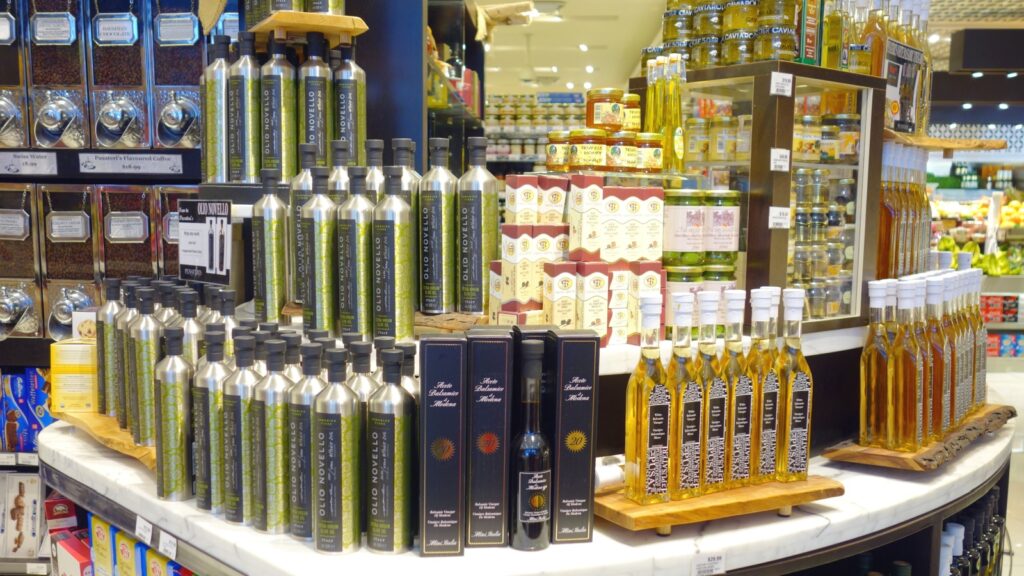
Food prices in Canada have been steadily climbing, and another spike could make your grocery bill feel like a mortgage payment. According to Statistics Canada, food inflation remains about 3.7% higher than last year, with essentials like bread, dairy, and fresh produce leading the surge. Some items are expected to rise even further due to transportation costs, droughts, and import tariffs. Here are 22 groceries to grab now before another price shock hits Canada.
22 Groceries to Grab Now—Before another Price Shock Hits Canada
This Options Discord Chat is The Real Deal
While the internet is scoured with trading chat rooms, many of which even charge upwards of thousands of dollars to join, this smaller options trading discord chatroom is the real deal and actually providing valuable trade setups, education, and community without the noise and spam of the larger more expensive rooms. With a incredibly low-cost monthly fee, Options Trading Club (click here to see their reviews) requires an application to join ensuring that every member is dedicated and serious about taking their trading to the next level. If you are looking for a change in your trading strategies, then click here to apply for a membership.