
35,000+ smart investors are already getting financial news, market signals, and macro shifts in the economy that could impact their money next with our FREE weekly newsletter. Get ahead of what the crowd finds out too late. Click Here to Subscribe for FREE.
Grocery prices across Canada have increased in recent years. Many households now look for practical ways to reduce food spending. Some budgeting advice focuses on extreme couponing or complicated discount strategies. Most Canadians prefer simpler habits that fit into everyday routines. Small changes during shopping and meal planning can lower grocery bills over time. Choosing store brands, planning meals, and reducing food waste all help control costs. These habits do not require special tools or hours of preparation. Instead, they focus on smarter decisions at the store and in the kitchen. Here are 16 Canadian grocery habits that save real money without extreme couponing.
Plan Weekly Meals Before Going Grocery Shopping
16 Canadian Grocery Habits That Save Real Money (No Extreme Couponing)
- Plan Weekly Meals Before Going Grocery Shopping
- Make a Grocery List and Stick to It
- Check Canadian Grocery Flyers Before Shopping
- Buy Store Brand Products Instead of Name Brands
- Shop Seasonal Produce Available in Canada
- Compare Unit Prices Instead of Package Prices
- Avoid Shopping When Hungry
- Use Loyalty Points Programs at Canadian Grocery Stores
- Buy Meat in Bulk and Freeze Portions
- Choose Frozen Fruits and Vegetables When Prices Rise
- Shop at Discount Grocery Chains in Canada
- Reduce Food Waste by Storing Groceries Properly
- Limit Convenience Foods and Pre-Cut Produce
- Use Cashback or Grocery Rewards Credit Cards
- Track Grocery Spending Each Month
- Cook More Meals at Home Instead of Ordering Takeout
- 22 Groceries to Grab Now—Before another Price Shock Hits Canada

Planning meals before grocery shopping helps control spending and reduce waste. Many shoppers walk into stores without a clear idea of what to buy. This often leads to unnecessary purchases and forgotten ingredients. Taking time to plan meals for the week creates a clear shopping direction. Travellers or families can list breakfasts, lunches, and dinners in advance. This approach helps estimate exactly what ingredients are needed. It also reduces the chance of buying duplicate items already at home. Meal planning allows shoppers to use existing pantry ingredients first. Canadians who follow this habit often waste less food each week. Over time, fewer wasted groceries and fewer impulse purchases help lower total grocery bills while keeping meals organized.
Make a Grocery List and Stick to It

A grocery list acts as a simple spending guide inside the store. Without a list, shoppers often buy items they did not plan to purchase. These extra products slowly increase the final bill at checkout. Writing a list before leaving home helps shoppers stay focused. The list should reflect the meals planned for the week. Organizing the list by sections, such as produce, dairy, and pantry items, saves time while shopping. Sticking to the list reduces impulse buying during store visits. Many Canadians now keep digital lists on their phones. This method helps update items quickly throughout the week. Following a grocery list consistently often leads to noticeable savings over time.
Check Canadian Grocery Flyers Before Shopping

Grocery flyers provide valuable information about weekly discounts. Most Canadian grocery chains release flyers every week. These flyers highlight reduced prices on produce, meat, and pantry products. Checking them before shopping helps identify the best deals. Some shoppers even plan meals around flyer discounts. For example, discounted chicken or vegetables may shape the week’s menu. Digital flyer apps make this process easier. Shoppers can browse several stores without visiting each website. This habit helps compare prices across different grocery chains. Canadians who review flyers before shopping often save money without changing their eating habits. Small weekly discounts add up to meaningful savings across the year.
Buy Store Brand Products Instead of Name Brands

Store brand products often provide similar quality at lower prices. Many Canadian grocery chains offer their own private label brands. These items usually cost less than well-known national brands. Packaging may appear simpler, but the ingredients are often comparable. Products such as canned foods, pasta, dairy, and cereals frequently come in store-brand versions. Trying these options can reduce grocery bills quickly. Many shoppers discover that taste differences remain minimal. Some store brands are produced by the same manufacturers as name brands. Canadians who regularly choose store-brand items often save money across many grocery categories.
Shop Seasonal Produce Available in Canada

Seasonal produce usually costs less and tastes better. Fruits and vegetables grown during their natural harvest period require less transportation and storage. Canadian grocery stores often offer lower prices for seasonal produce. In summer, berries, tomatoes, and corn become widely available. Autumn brings apples, squash, and root vegetables. Choosing these seasonal foods helps reduce grocery costs. Seasonal produce also supports local farmers and agriculture. Shoppers may notice fresher quality compared with imported options. Planning meals around seasonal fruits and vegetables helps maintain variety in the kitchen. Canadians who follow seasonal produce cycles often enjoy better prices and fresher ingredients throughout the year.
Compare Unit Prices Instead of Package Prices

Package prices can sometimes mislead shoppers about the real value. Larger packages may appear cheaper at first glance. However, the true cost becomes clearer when checking unit prices. Unit prices show the cost per gram, kilogram, or litre. Most Canadian grocery stores display this information on shelf labels. Comparing unit prices helps shoppers determine which product offers better value. This method works especially well for pantry items such as rice, cereal, or cooking oil. Shoppers can quickly see which option costs less per unit. Canadians who regularly compare unit prices often make smarter purchasing decisions while shopping.
Avoid Shopping When Hungry

Shopping while hungry often leads to unnecessary purchases. Hunger increases interest in snacks, prepared foods, and impulse items. Shoppers may add extra products to the cart without planning to buy them. These small additions quickly increase the grocery bill. Eating a meal or snack before visiting the store helps prevent this behavior. A satisfied shopper usually focuses better on the grocery list. This simple habit also reduces the temptation of store displays and bakery items. Many Canadians notice they spend less when shopping after eating. Avoiding grocery shopping while hungry supports smarter and more controlled spending decisions.
Use Loyalty Points Programs at Canadian Grocery Stores

Many Canadian grocery chains offer loyalty rewards programs. These programs allow shoppers to collect points with each purchase. Points can later be converted into grocery discounts or reward offers. Popular programs include PC Optimum and Scene+. Shoppers simply scan their loyalty card or mobile app during checkout. Over time, points accumulate and reduce future grocery costs. Some programs also provide personalized discounts based on shopping habits. Checking weekly offers inside loyalty apps helps maximize savings. Canadians who consistently use these programs often receive small discounts that build into meaningful savings throughout the year.
Buy Meat in Bulk and Freeze Portions

Meat often represents one of the most expensive items in a grocery budget. Buying larger packages during sales can lower the cost per kilogram. Many Canadian grocery stores discount family-sized packs of chicken, beef, or pork. Purchasing these larger quantities helps reduce the overall price. After returning home, the meat can be divided into smaller meal portions. Freezer-safe bags or containers keep the portions organized. Labeling packages with dates helps maintain freshness. This habit allows households to buy meat only when prices drop. It also reduces frequent trips to the store. Canadians who buy meat in bulk during sales often stretch their grocery budgets further while still preparing balanced meals throughout the week.
Choose Frozen Fruits and Vegetables When Prices Rise

Fresh produce prices sometimes increase due to seasonal changes or supply shortages. Frozen fruits and vegetables provide a reliable alternative during these periods. These products are usually frozen shortly after harvest. This process helps preserve nutrients and flavor. Frozen options often cost less than fresh produce when prices rise. They also last longer in the freezer, reducing the risk of spoilage. Many households keep frozen vegetables for quick meals. Items such as peas, broccoli, and berries remain versatile for cooking. Canadians who use frozen produce strategically often reduce food waste while maintaining healthy meal choices. This habit helps control grocery spending when fresh produce becomes expensive.
Shop at Discount Grocery Chains in Canada

Canada has several discount grocery chains that focus on lower prices. Stores such as No Frills, FreshCo, and Food Basics often offer competitive pricing. These retailers typically reduce costs through simpler store layouts and fewer in-store services. However, they still provide a wide range of groceries and household products. Many shoppers visit these stores for pantry staples and everyday items. Prices often remain lower compared with premium grocery stores. Some shoppers combine visits to discount and traditional stores to maximize savings. Canadians who include discount chains in their shopping routine often reduce weekly grocery spending while still purchasing quality products.
Reduce Food Waste by Storing Groceries Properly

Food waste increases grocery spending without many people noticing it. Fruits, vegetables, and leftovers sometimes spoil before being used. Proper storage helps extend the life of many groceries. Refrigerators should maintain correct temperature settings for freshness. Certain vegetables last longer when stored in breathable containers. Freezing extra portions also prevents waste. Labeling leftovers with dates helps track how long items remain safe to eat. Planning meals around ingredients that are about to expire also reduces spoilage. Canadians who focus on proper food storage often notice fewer items being thrown away. Over time, reducing waste significantly stretches grocery budgets.
Limit Convenience Foods and Pre-Cut Produce
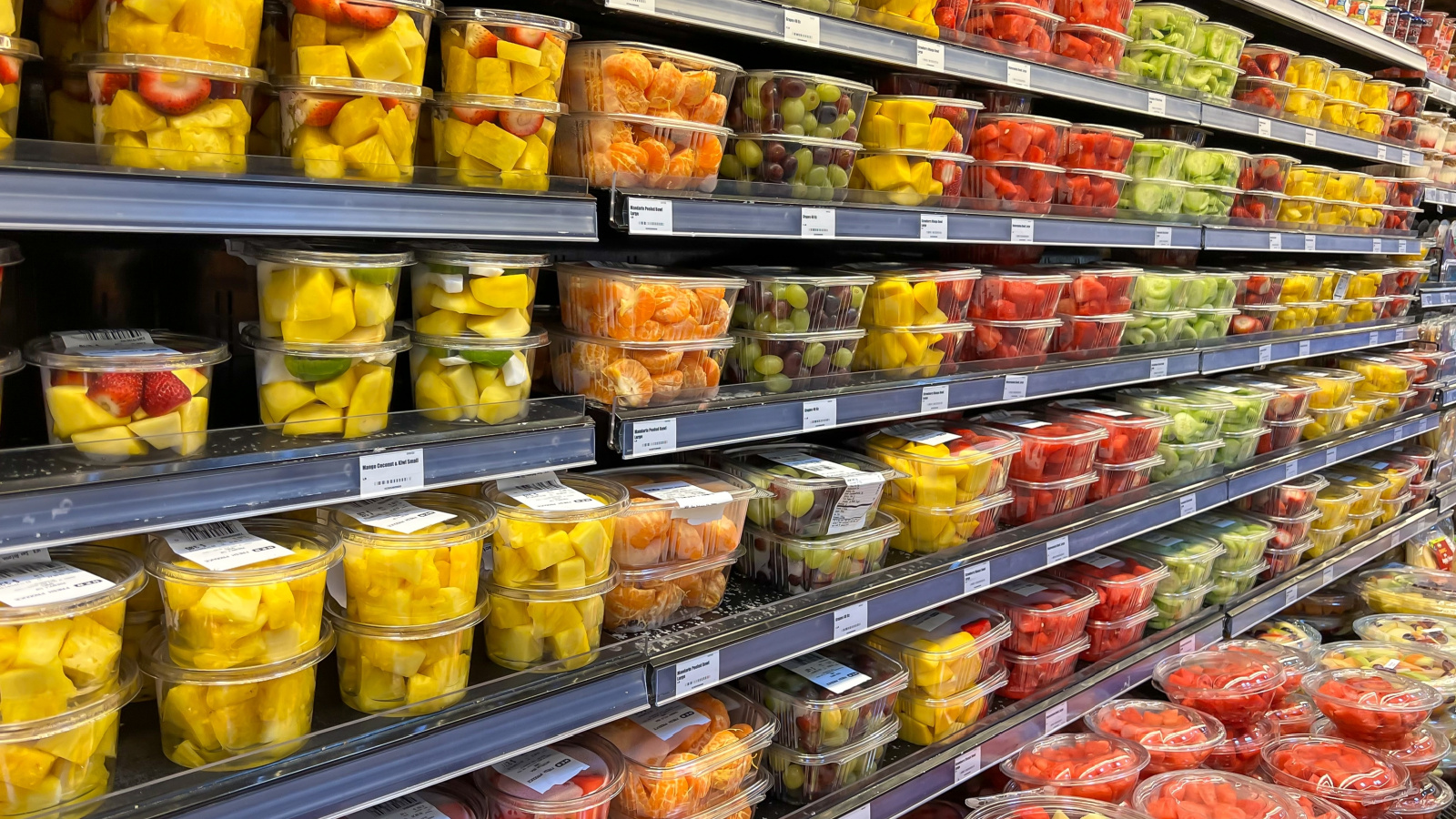
Convenience foods often come with higher price tags. Pre-cut fruits, packaged salads, and prepared meals save time but cost more. Grocery stores charge extra for the preparation and packaging. Buying whole fruits and vegetables usually costs less. Preparing them at home requires only a few extra minutes. The same principle applies to shredded cheese, chopped vegetables, and pre-seasoned foods. Many households can reduce grocery costs simply by choosing basic ingredients. Cooking from scratch also allows better control over portion sizes and ingredients. Canadians who limit their consumption of convenience foods often notice lower grocery bills while still enjoying fresh meals.
Use Cashback or Grocery Rewards Credit Cards

Some credit cards offer cashback or rewards specifically for grocery purchases. These programs return a small percentage of spending as cashback or points. Over time, these rewards can offset grocery costs. Shoppers who regularly use these cards accumulate rewards throughout the year. The key is paying the credit card balance in full each month. Carrying a balance may cancel the savings due to interest charges. Many Canadian banks offer grocery category rewards in their credit card programs. Canadians who use these cards responsibly often receive small but consistent savings on their grocery spending.
Track Grocery Spending Each Month

Tracking grocery spending helps households understand their food budget clearly. Many people underestimate how much they spend on groceries each month. Recording purchases helps reveal patterns and opportunities for savings. Banking apps often automatically categorize grocery transactions. Some households also use simple spreadsheets to monitor spending. Reviewing monthly totals helps identify weeks with higher costs. Shoppers can then adjust habits during the next month. Tracking spending also helps families set realistic grocery budgets. Canadians who monitor grocery expenses regularly often gain better control over household finances.
Cook More Meals at Home Instead of Ordering Takeout

Takeout meals usually cost more than preparing food at home. Restaurant pricing includes labor, packaging, and delivery costs. Ordering takeout frequently can quickly increase monthly food spending. Cooking at home helps households control ingredients and portion sizes. Even simple homemade meals cost less than most restaurant options. Preparing larger portions also creates leftovers for future meals. This approach reduces the need for additional cooking during busy days. Many Canadians now balance occasional dining out with regular home cooking. Over time, preparing meals at home more often leads to noticeable savings on overall food expenses.
22 Groceries to Grab Now—Before another Price Shock Hits Canada

Food prices in Canada have been steadily climbing, and another spike could make your grocery bill feel like a mortgage payment. According to Statistics Canada, food inflation remains about 3.7% higher than last year, with essentials like bread, dairy, and fresh produce leading the surge. Some items are expected to rise even further due to transportation costs, droughts, and import tariffs. Here are 22 groceries to grab now before another price shock hits Canada.
22 Groceries to Grab Now—Before another Price Shock Hits Canada
This Options Discord Chat is The Real Deal
While the internet is scoured with trading chat rooms, many of which even charge upwards of thousands of dollars to join, this smaller options trading discord chatroom is the real deal and actually providing valuable trade setups, education, and community without the noise and spam of the larger more expensive rooms. With a incredibly low-cost monthly fee, Options Trading Club (click here to see their reviews) requires an application to join ensuring that every member is dedicated and serious about taking their trading to the next level. If you are looking for a change in your trading strategies, then click here to apply for a membership.