35,000+ smart investors are already getting financial news, market signals, and macro shifts in the economy that could impact their money next with our FREE weekly newsletter. Get ahead of what the crowd finds out too late. Click Here to Subscribe for FREE.
Planning a vacation often brings excitement, but travel costs can rise quickly without careful planning. Flights, accommodation, meals, and activities may push travellers beyond their original budget. Many Canadians rely on credit cards during trips and spend months paying off the balance afterwards. A better approach is to prepare a realistic travel plan before booking anything. Saving gradually, choosing affordable destinations, and tracking daily expenses can help travellers enjoy their trips without financial pressure. Small decisions during the planning stage often make the biggest difference. With the right strategies, Canadians can still explore new places while protecting their finances. Here are 21 ways Canadians can vacation in 2026 without going into debt.
Set a Realistic Vacation Budget Before Choosing a Destination
21 Ways Canadians Can Vacation in 2026 Without Going Into Debt
- Set a Realistic Vacation Budget Before Choosing a Destination
- Start a Dedicated Travel Savings Fund Early
- Book Flights During Off-Peak Travel Periods
- Compare Multiple Canadian Airports Before Booking Flights
- Use Travel Reward Points and Loyalty Programs
- Choose Destinations With a Favorable Currency Exchange
- Travel Within Canada to Reduce International Costs
- Book Accommodation With Kitchen Facilities
- Plan Free or Low-Cost Activities at Your Destination
- Use Public Transportation Instead of Rental Cars
- Split Accommodation Costs With Friends or Family
- Track Travel Deals and Limited-Time Discounts
- Avoid High-Interest Credit Card Spending for Travel
- Set a Daily Spending Limit During the Trip
- Travel With Carry-On Luggage to Avoid Airline Fees
- Purchase Travel Insurance to Avoid Unexpected Costs
- Use Cashback or Travel Rewards Credit Cards Responsibly
- Book Tours and Activities in Advance for Better Prices
- Monitor Currency Exchange Rates Before Travelling Abroad
- Keep an Emergency Fund for Travel Surprises
- Review Your Travel Budget After Returning Home
- 22 Groceries to Grab Now—Before another Price Shock Hits Canada
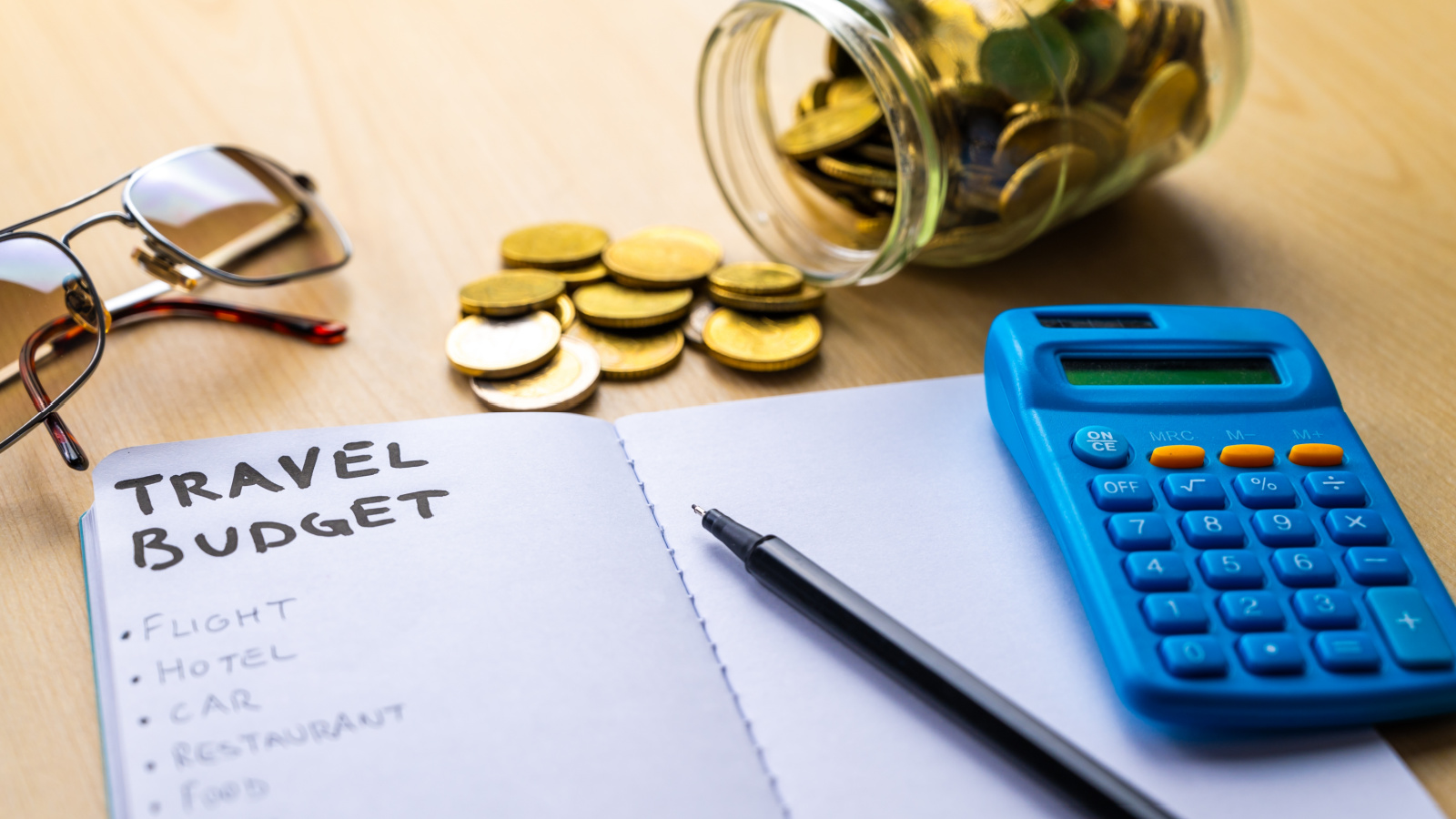
Many travellers pick a destination first and think about costs later. This approach often leads to overspending during the trip. Setting a realistic vacation budget before choosing a destination helps control travel expenses. Start by deciding the total amount available for flights, accommodation, food, and activities. This number should reflect savings rather than future credit card payments. Once the budget is clear, travellers can compare destinations that fit within that amount. Some cities or countries naturally cost more than others. Knowing the budget early prevents disappointment during booking. It also helps travellers balance comfort with affordability. Canadians who start with a defined travel budget often make better planning decisions. This approach keeps the entire trip aligned with financial limits.
Start a Dedicated Travel Savings Fund Early

Saving for a vacation becomes easier when travellers start early. A dedicated travel savings fund helps separate vacation money from everyday expenses. Opening a small savings account specifically for travel works well for many people. Travellers can deposit a fixed amount each month. Even small contributions grow steadily over several months. Automatic transfers help maintain consistency without extra effort. This method also reduces the temptation to spend the money elsewhere. When travel time arrives, the budget already exists. There is less pressure to rely on credit cards. Canadians who save gradually often enjoy vacations with fewer financial worries. Planning ahead allows travellers to book flights and accommodation confidently without creating long-term debt.
Book Flights During Off-Peak Travel Periods

Flight prices often change depending on travel demand. Peak travel periods usually include holidays, school breaks, and popular vacation weeks. Airlines raise ticket prices during these busy times. Travellers who choose off-peak travel dates often find lower fares. Midweek departures frequently cost less than weekend flights. Travelling just before or after peak seasons can also reduce ticket prices. Spring and fall often offer good opportunities for affordable travel. Flexibility with travel dates increases the chance of finding better deals. Travellers who monitor fare trends may identify cheaper booking windows. Canadians willing to adjust travel schedules often spend significantly less on flights. Choosing off-peak travel periods helps protect the overall vacation budget.
Compare Multiple Canadian Airports Before Booking Flights

Many travellers search for flights only from the nearest airport. However, nearby airports sometimes offer cheaper flight options. Canada has several regional airports connected to major travel routes. Comparing prices across multiple airports may reveal better fares. For example, travellers near Toronto might also check flights from Hamilton or Waterloo. A short drive to another airport can reduce ticket prices. Parking fees and airport taxes may also vary between locations. Some budget airlines operate mainly from smaller airports. Checking these options expands available flight choices. Canadians who compare airports carefully often discover meaningful savings. Spending a little extra time on this research can lower overall travel costs.
Use Travel Reward Points and Loyalty Programs

Travel reward points help reduce vacation expenses when used wisely. Many Canadians collect points through credit cards or airline programs. These points can apply to flights, hotels, or travel purchases. Before booking a trip, travellers should review their available rewards. Even partial redemptions can lower travel costs. Some programs allow points to cover a portion of flights or accommodation. Loyalty programs also offer benefits such as seat upgrades or hotel discounts. Travellers who accumulate points throughout the year gain more flexibility during booking. Planning travel around available rewards can significantly reduce expenses. Canadians who actively use travel points often stretch their vacation budget further.
Choose Destinations With a Favorable Currency Exchange

Currency exchange rates affect travel spending in many destinations. A strong Canadian dollar increases purchasing power abroad. Travellers may find accommodation, meals, and activities more affordable in certain countries. Researching exchange rates before choosing a destination helps estimate real travel costs. Some regions offer better value for Canadian travellers than others. Currency changes can also affect the total cost of a trip. Monitoring rates for several weeks provides helpful insight. Travellers may decide to visit destinations where their money goes further. Canadians who consider exchange rates often enjoy longer trips or more activities without increasing their travel budget.
Travel Within Canada to Reduce International Costs

International travel often includes extra expenses such as visas, currency exchange, and travel insurance. Domestic travel may remove many of these costs. Canada offers a wide range of destinations, including mountains, lakes, cities, and coastal regions. Travelling within the country can reduce flight complexity and border requirements. Canadians may also avoid foreign transaction fees during domestic trips. Shorter travel distances sometimes lower transportation expenses. Exploring nearby provinces can still provide new experiences. National parks and cultural cities offer many travel opportunities. Canadians who choose domestic vacations sometimes discover affordable destinations closer to home.
Book Accommodation With Kitchen Facilities

Food expenses often increase during vacations. Eating every meal in restaurants quickly raises travel costs. Accommodation with kitchen facilities offers a practical solution. Apartments, vacation rentals, or hotel suites often include small kitchens. Travellers can prepare simple meals or breakfasts during their stay. Even preparing one meal per day can reduce spending significantly. Grocery stores usually cost less than restaurants. This approach also provides flexibility for families and longer stays. Kitchen access helps travellers manage food budgets more easily. Canadians who choose accommodations with kitchens often enjoy greater control over their daily travel expenses.
Plan Free or Low-Cost Activities at Your Destination

Not every travel experience requires expensive tickets or tours. Many destinations offer enjoyable activities that cost little or nothing. Parks, beaches, walking tours, and local markets provide memorable experiences. Museums sometimes offer free entry days during the week. Cities often host cultural festivals or public events throughout the year. Researching these options before arrival helps travellers create balanced itineraries. Mixing paid attractions with free activities keeps the trip interesting while controlling costs. Travellers can still explore local culture without overspending. Canadians who plan affordable activities often maintain their travel budget while enjoying meaningful experiences.
Use Public Transportation Instead of Rental Cars

Rental cars often add several expenses to a trip. Daily rental rates, fuel costs, parking fees, and insurance all increase transportation spending. Public transportation provides a more affordable alternative in many destinations. Cities usually offer buses, trains, or metro systems that connect major attractions. Transit passes often provide unlimited rides for a fixed price. Travellers can move around easily without managing parking or traffic. Walking between nearby locations also reduces transportation costs. Public transit often brings travellers closer to local neighborhoods. Canadians who rely on transit instead of rental cars frequently reduce travel expenses while still exploring their destination comfortably.
Split Accommodation Costs With Friends or Family

Accommodation often represents one of the largest travel expenses. Hotel rooms, vacation rentals, and resorts can quickly increase the overall budget. Travelling with friends or family helps reduce this cost. Sharing accommodation spreads the expense across several people. Many vacation rentals offer larger spaces with multiple bedrooms. These properties often cost less per person than separate hotel rooms. Shared kitchens and living areas also make group travel more comfortable. Travellers can divide costs for groceries and local transportation as well. Planning group travel requires clear communication about budgets and expectations. Canadians who share accommodation expenses often enjoy longer trips without increasing their total travel spending.
Track Travel Deals and Limited-Time Discounts
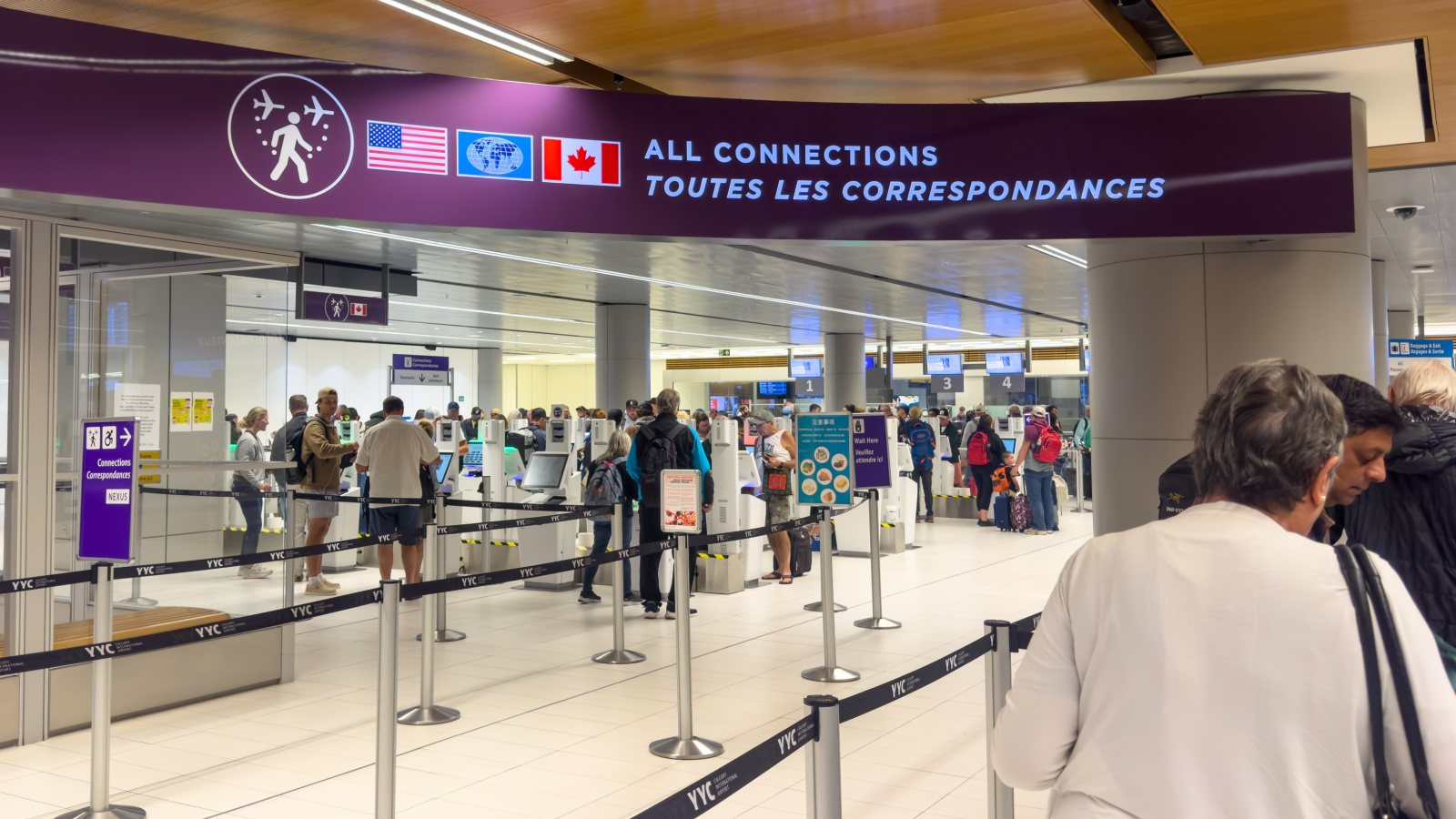
Travel deals appear throughout the year but often last only a short time. Airlines, hotels, and booking platforms regularly release limited promotions. Travellers who follow these offers may secure lower prices. Subscribing to airline newsletters or travel deal alerts helps identify opportunities quickly. Many deal websites also highlight discounted flights from Canadian cities. Acting quickly often becomes necessary because promotional fares sell out fast. Flexible travellers benefit the most from these offers. Even small discounts can reduce total travel costs significantly. Canadians who monitor travel deals regularly often book trips at lower prices compared with standard fares.
Avoid High-Interest Credit Card Spending for Travel

Credit cards provide convenience during travel planning. However, high-interest balances can turn vacations into long-term financial burdens. Travellers should avoid booking trips entirely on credit without savings. Interest charges can grow quickly if balances remain unpaid. Planning travel within available savings reduces financial pressure later. If credit cards are used, travellers should aim to pay the balance quickly. Some people prefer paying large travel expenses with debit or savings accounts. Canadians who avoid carrying credit card debt often enjoy vacations without worrying about long repayment periods afterwards.
Set a Daily Spending Limit During the Trip

Daily spending limits help travellers stay within their vacation budget. Without guidelines, small purchases can quickly add up. Meals, drinks, souvenirs, and transportation may exceed expectations. Dividing the total travel budget by the number of travel days creates a clear daily target. Travellers can adjust spending slightly between days while maintaining the overall limit. Tracking expenses through banking apps or simple notes keeps spending visible. This awareness encourages thoughtful choices during the trip. Canadians who follow daily spending limits often return home without financial surprises after their vacation.
Travel With Carry-On Luggage to Avoid Airline Fees

Airlines frequently charge additional fees for checked baggage. These charges can increase the cost of a trip, especially for short vacations. Travelling with carry-on luggage helps avoid these expenses. Many airlines include one cabin bag and a personal item within the ticket price. Packing efficiently allows travellers to fit essentials into smaller luggage. Choosing versatile clothing also reduces the need for extra bags. Carry-on travel also saves time at airports. Travellers avoid baggage drop lines and waiting at luggage carousels. Canadians who travel light often lower airline costs while enjoying a simpler airport experience.
Purchase Travel Insurance to Avoid Unexpected Costs
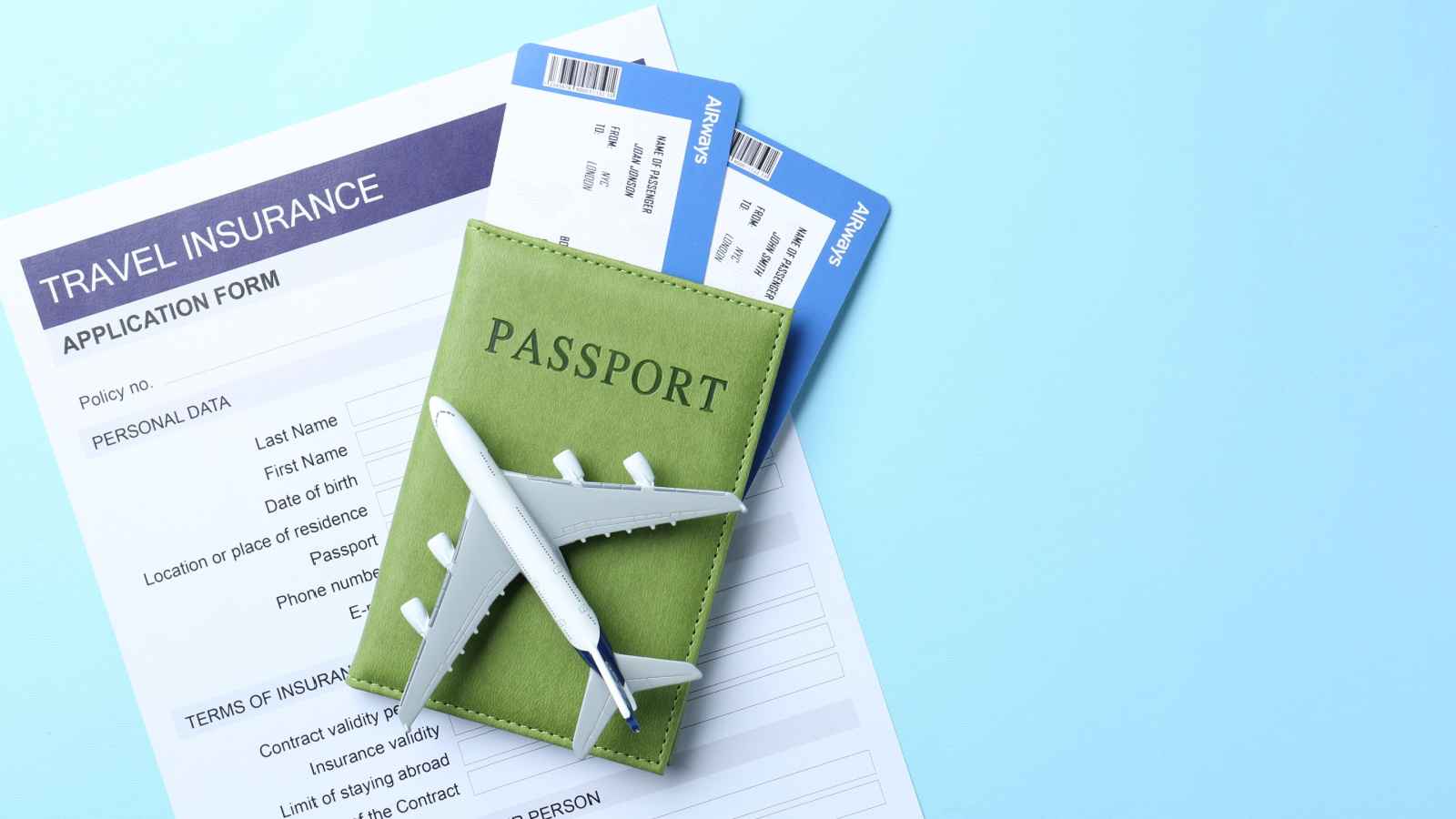
Unexpected situations sometimes occur during travel. Medical emergencies, trip interruptions, or cancellations may create significant expenses. Travel insurance helps protect travellers from these risks. Emergency medical coverage becomes especially important for international trips. Canadian provincial health plans often provide limited protection abroad. Insurance policies may also reimburse unused travel costs if plans change suddenly. Reviewing coverage options before departure helps travellers choose appropriate protection. While insurance adds a small upfront cost, it may prevent larger expenses later. Canadians who include travel insurance in their plans often travel with greater financial security.
Use Cashback or Travel Rewards Credit Cards Responsibly

Many credit cards offer rewards such as cashback or travel points. These benefits can reduce the cost of flights, hotels, or everyday purchases. Travellers should use these cards responsibly to avoid debt. Paying the balance in full each month prevents interest charges. Accumulated rewards may later apply to travel expenses. Some cards also include travel benefits such as insurance or airport lounge access. Reviewing card benefits helps travellers understand available advantages. Canadians who manage reward cards carefully can lower vacation costs without increasing financial risk.
Book Tours and Activities in Advance for Better Prices

Popular attractions and tours often sell tickets at different prices depending on booking timing. Early reservations frequently cost less than last-minute purchases. Travellers who book activities in advance may also secure better availability. Some attractions limit visitor numbers during busy periods. Planning tours before arrival reduces stress during the trip. It also allows travellers to compare prices across several providers. Online booking platforms often display reviews and price comparisons. Canadians who organize activities early usually control travel spending more effectively.
Monitor Currency Exchange Rates Before Travelling Abroad

Currency exchange rates affect how much Canadians spend in foreign countries. A stronger Canadian dollar provides greater purchasing power abroad. Travellers who monitor exchange rates before departure can estimate travel costs more accurately. Some travellers exchange small amounts of currency when rates appear favorable. Others rely on credit cards with competitive conversion rates. Avoiding airport currency counters often reduces extra fees. Exchange rate awareness also helps travellers set realistic daily budgets. Canadians who follow currency trends often manage international travel expenses more effectively.
Keep an Emergency Fund for Travel Surprises

Even well-planned trips sometimes include unexpected situations. Flight changes, medical needs, or transportation delays may result in additional expenses. Keeping a small emergency fund helps travellers manage these surprises. This reserve money remains separate from the main travel budget. Travellers use it only when necessary. The amount does not need to be large. Even a modest reserve provides reassurance during uncertain situations. Canadians who travel with emergency funds often feel more confident while exploring new destinations.
Review Your Travel Budget After Returning Home
The final step in responsible travel budgeting happens after the trip ends. Reviewing expenses helps travellers understand how closely they followed their plan. Checking credit card statements and receipts reveals the full cost of the vacation. Travellers may notice areas where spending exceeded expectations. They may also discover successful budgeting strategies. This review provides useful lessons for future travel planning. Canadians who evaluate their travel budgets after each trip often improve their financial decisions for the next vacation.
22 Groceries to Grab Now—Before another Price Shock Hits Canada

Food prices in Canada have been steadily climbing, and another spike could make your grocery bill feel like a mortgage payment. According to Statistics Canada, food inflation remains about 3.7% higher than last year, with essentials like bread, dairy, and fresh produce leading the surge. Some items are expected to rise even further due to transportation costs, droughts, and import tariffs. Here are 22 groceries to grab now before another price shock hits Canada.
22 Groceries to Grab Now—Before another Price Shock Hits Canada
This Options Discord Chat is The Real Deal
While the internet is scoured with trading chat rooms, many of which even charge upwards of thousands of dollars to join, this smaller options trading discord chatroom is the real deal and actually providing valuable trade setups, education, and community without the noise and spam of the larger more expensive rooms. With a incredibly low-cost monthly fee, Options Trading Club (click here to see their reviews) requires an application to join ensuring that every member is dedicated and serious about taking their trading to the next level. If you are looking for a change in your trading strategies, then click here to apply for a membership.