35,000+ smart investors are already getting financial news, market signals, and macro shifts in the economy that could impact their money next with our FREE weekly newsletter. Get ahead of what the crowd finds out too late. Click Here to Subscribe for FREE.
Eating healthy often feels expensive, especially as grocery prices continue to rise across Canada. Many shoppers assume nutritious meals require costly ingredients or specialty products. In reality, several affordable staples provide strong nutrition while remaining budget-friendly. Items such as grains, legumes, eggs, and seasonal produce form the foundation of many balanced meals. These ingredients remain versatile and easy to incorporate into different recipes. They also store well in pantries, refrigerators, or freezers, which reduces food waste. Building meals around simple staples helps households stretch grocery budgets while maintaining good nutrition. Here are 24 of the cheapest healthy staples Canadians can build meals around.
Dried Lentils
24 Cheapest “Healthy” Staples Canadians Can Build Meals Around
- Dried Lentils
- Canned Chickpeas
- Brown Rice
- Rolled Oats
- Eggs
- Canned Tuna
- Frozen Mixed Vegetables
- Potatoes
- Sweet Potatoes
- Whole Wheat Pasta
- Cabbage
- Carrots
- Bananas
- Apples
- Plain Yogurt
- Milk
- Peanut Butter
- Dried Beans
- Tofu
- Frozen Berries
- Popcorn Kernels
- Canned Tomatoes
- Barley
- Quinoa
- 22 Groceries to Grab Now—Before another Price Shock Hits Canada
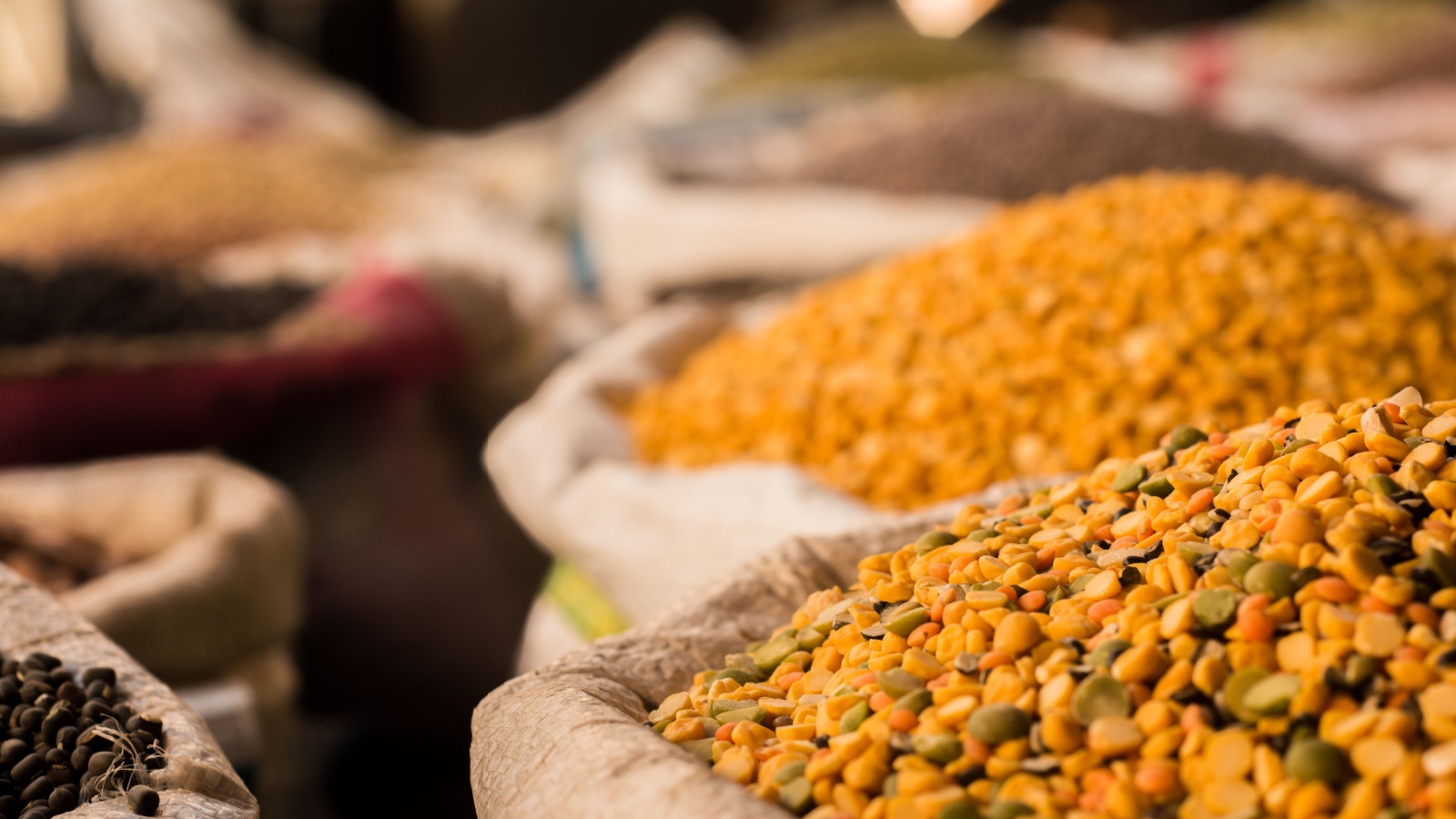
Dried lentils remain one of the most affordable protein sources available in Canadian grocery stores. They cook quickly compared with many other dried legumes. Most varieties soften within twenty to thirty minutes without soaking. Lentils provide protein, fiber, iron, and important minerals. This combination makes them filling and nutritious for everyday meals. They work well in soups, stews, curries, and salads. Many households also mix cooked lentils with rice or vegetables for balanced meals. Dried lentils store well in the pantry for long periods. This long shelf life helps reduce food waste. Large bags often cost less per serving than most meat options. Canadians building budget-friendly meal plans frequently rely on lentils because they remain inexpensive, versatile, and easy to prepare.
Canned Chickpeas

Canned chickpeas provide a convenient and affordable plant-based protein option. Unlike dried legumes, they require no soaking or long cooking time. Shoppers can simply rinse and add them to meals. Chickpeas contain protein, fiber, and several essential nutrients. These qualities help create filling meals at a low cost. They work well in salads, curries, soups, and grain bowls. Many Canadians also blend chickpeas to make homemade hummus. This dish costs far less than store-bought versions. Canned chickpeas also last a long time in the pantry. This makes them a reliable staple for quick meals. Keeping several cans available allows households to prepare healthy dishes without complicated planning or expensive ingredients.
Brown Rice
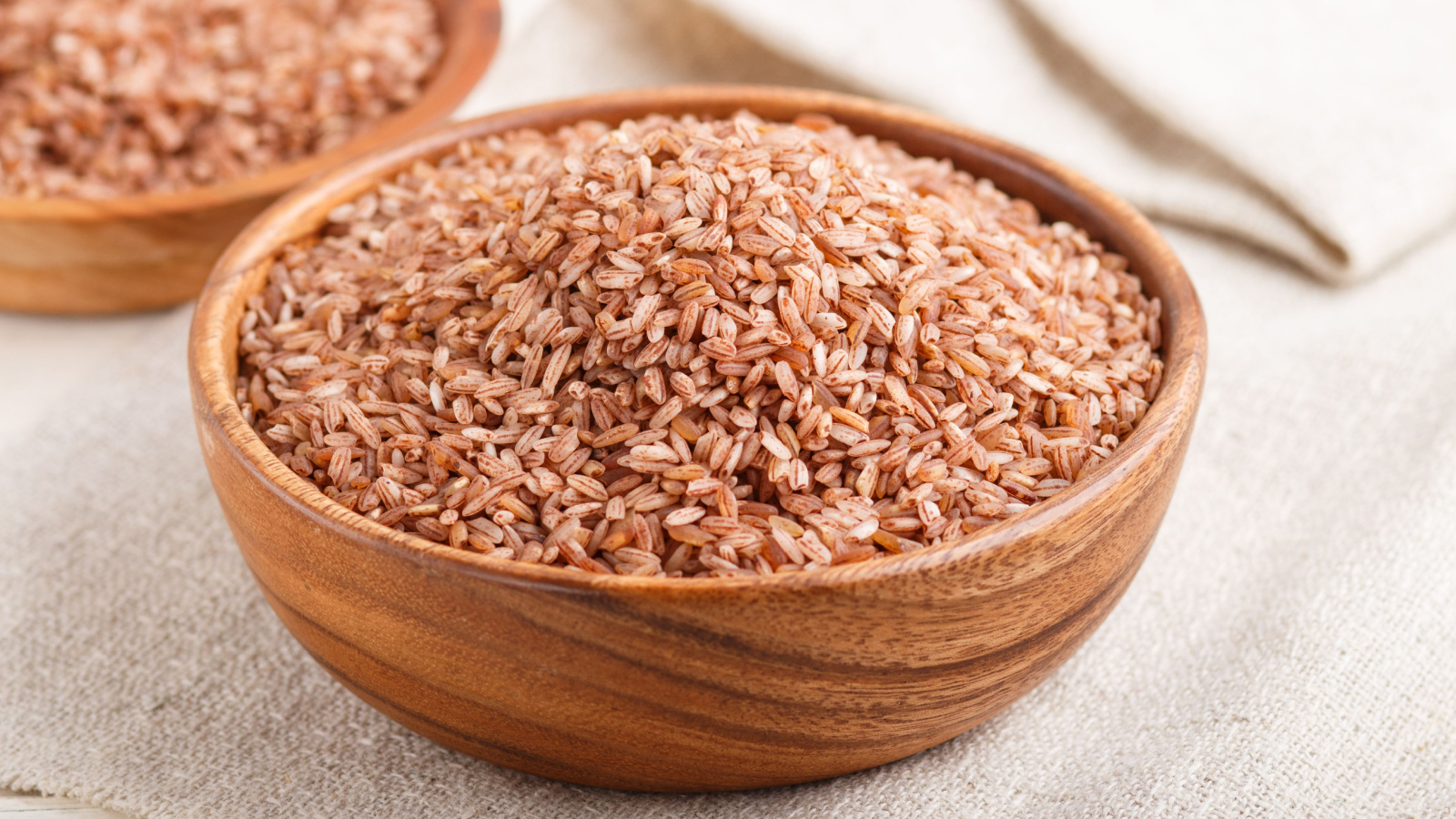
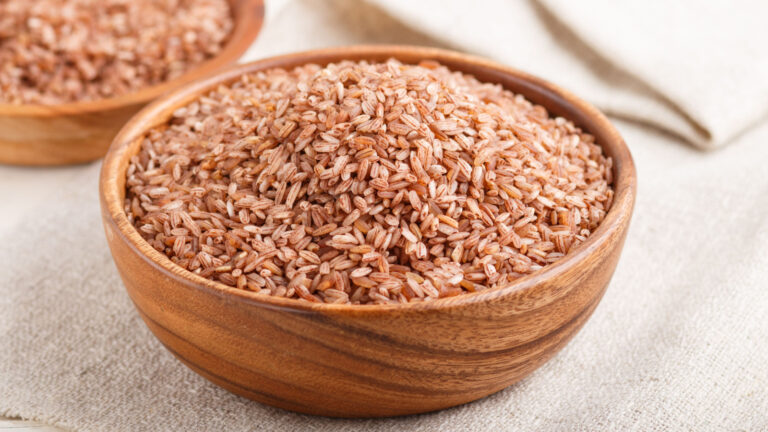
Brown rice remains a reliable whole grain staple for many households. It provides fiber, carbohydrates, and important minerals. Compared with white rice, brown rice contains more natural nutrients. This makes it a healthier option for everyday meals. It pairs well with vegetables, beans, lentils, and meats. Many families build simple meals around rice bowls or stir-fry dishes. Large bags of brown rice often cost less per serving than packaged grains. The grain also stores well in dry pantry conditions. Cooking larger batches helps prepare meals for several days. Canadians who include brown rice in weekly cooking often stretch grocery budgets while preparing filling and nutritious dishes.
Rolled Oats

Rolled oats provide an inexpensive and nutritious breakfast option. They contain fiber, complex carbohydrates, and plant-based protein. These nutrients help maintain steady energy throughout the morning. Preparing oats requires only water or milk and a few minutes of cooking. Many people add fruit, yogurt, or nuts for extra flavor and nutrition. Oats also work well in baking recipes such as muffins or homemade granola. Large containers usually cost less than boxed breakfast cereals. This makes oats a budget-friendly alternative for families. They also store well in the pantry for long periods. Canadians who include rolled oats in their grocery routine often reduce breakfast costs while maintaining balanced meals.
Eggs

Eggs remain one of the most versatile and affordable protein sources. They cook quickly and work on many different recipes. Breakfast dishes such as scrambled eggs or omelets require only a few ingredients. Eggs also add protein to sandwiches, salads, and rice bowls. Each egg contains high-quality protein along with vitamins and minerals. This combination makes them a valuable staple for balanced diets. Compared with many meats, eggs often cost less per serving. They also stay fresh in the refrigerator for several weeks. Canadians frequently rely on eggs for simple meals during busy days. Their affordability and versatility make them a reliable ingredient in many kitchens.
Canned Tuna

Canned tuna offers an affordable source of protein and healthy fats. It remains widely available in Canadian grocery stores throughout the year. Tuna works well in sandwiches, salads, pasta dishes, and rice bowls. Preparing a meal with canned tuna takes only a few minutes. Many households keep several cans in the pantry for quick lunches. Tuna also provides nutrients such as omega-3 fatty acids and vitamin D. These nutrients support balanced diets without requiring expensive ingredients. Canned tuna often costs less than fresh seafood options. Its long shelf life also makes it convenient for meal planning. Canadians looking for budget-friendly protein sources often include canned tuna in weekly meals.
Frozen Mixed Vegetables
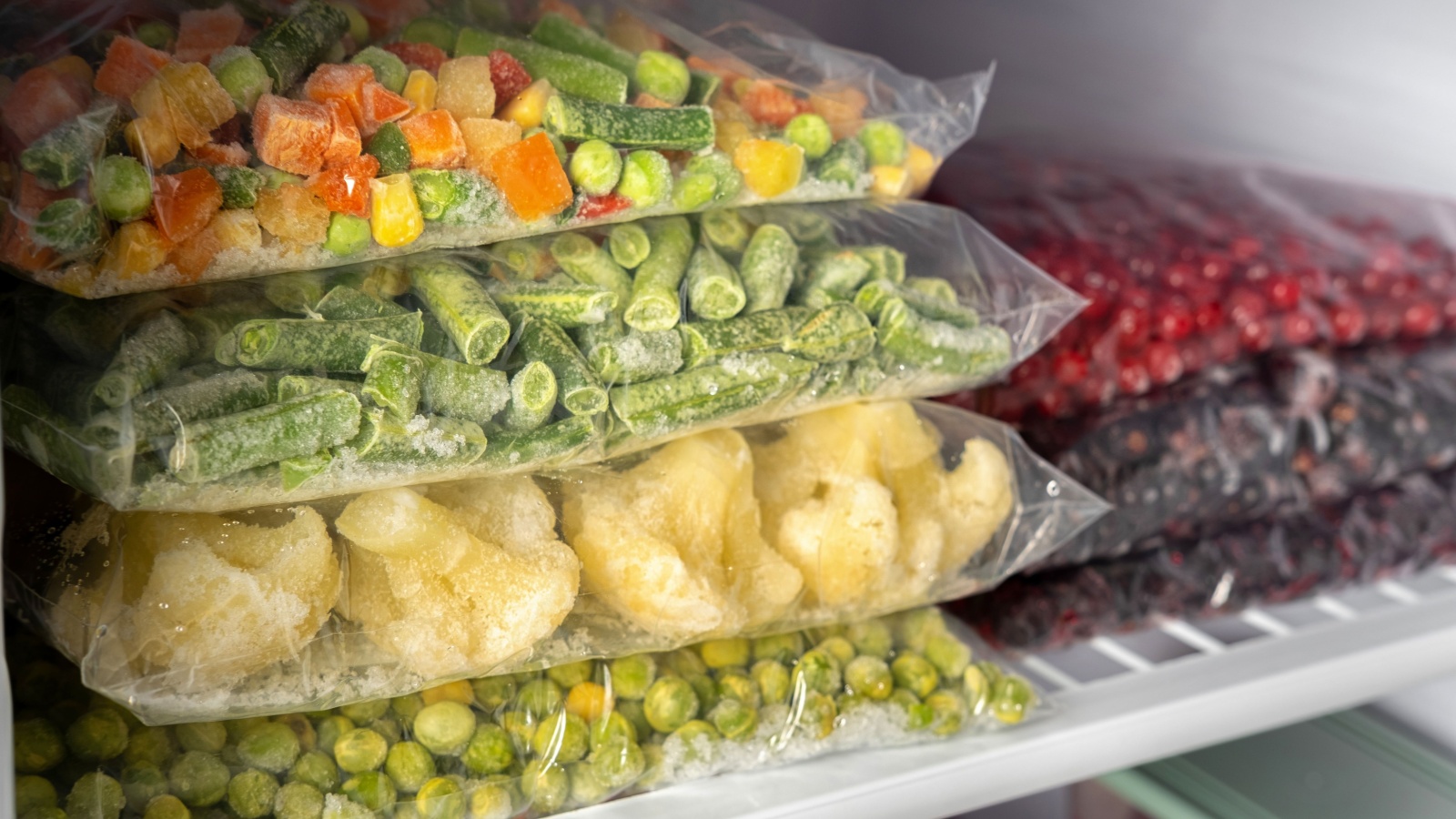
Frozen mixed vegetables offer convenience, nutrition, and affordability. These products usually include combinations such as peas, carrots, corn, and green beans. Vegetables are frozen soon after harvest, which helps preserve nutrients. Frozen options often cost less than fresh vegetables when certain produce becomes expensive. They also last much longer in the freezer. This reduces the risk of spoilage and food waste. Frozen vegetables work well in stir-fries, soups, casseroles, and rice dishes. Cooking them requires little preparation because they are already cleaned and cut. Canadians who keep frozen vegetables in the freezer always have a healthy ingredient ready for quick meals.
Potatoes
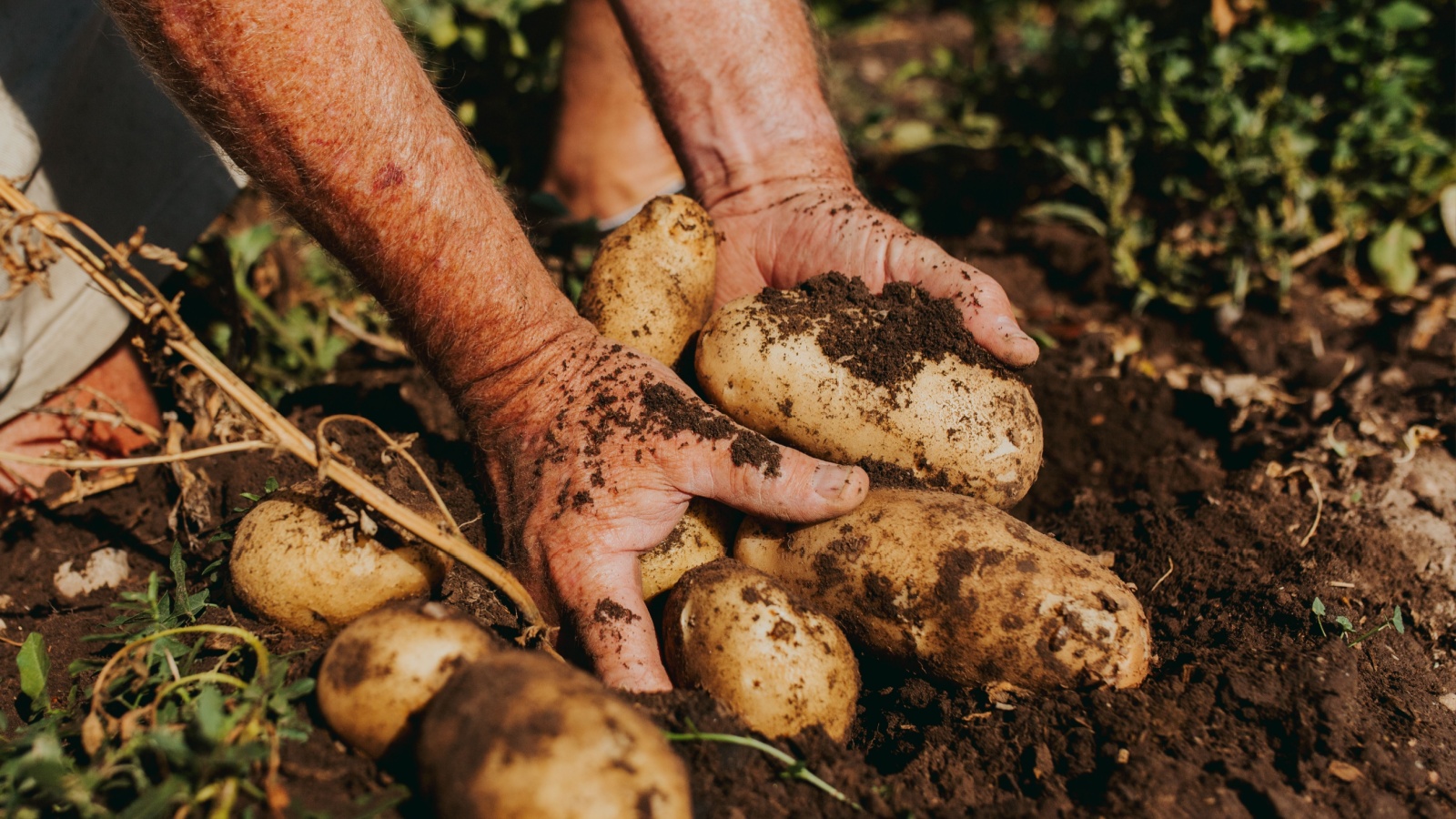
Potatoes remain one of the most affordable and filling foods available. They provide carbohydrates, fiber, potassium, and several vitamins. Potatoes also adapt easily to many cooking methods. Households can bake, boil, roast, or mash them for different meals. A large bag often costs less than many other staple foods. This makes potatoes a useful ingredient for budget-friendly cooking. They pair well with vegetables, eggs, meats, or beans. Proper storage in a cool and dark place helps extend their shelf life. Canadians frequently include potatoes in soups, stews, and roasted dishes. Their versatility and affordability make them a dependable staple in many kitchens.
Sweet Potatoes

Sweet potatoes offer a nutritious and affordable ingredient for many meals. They contain fiber, vitamin A, and complex carbohydrates. These nutrients help support balanced diets and steady energy. Sweet potatoes also provide natural sweetness without added sugar. They cook easily through roasting, boiling, or baking. Many households use them in soups, stews, or simple roasted dishes. They pair well with grains, vegetables, or protein sources such as eggs or beans. Large bags of sweet potatoes usually cost less per serving than many prepared foods. Proper storage in a cool, dry place helps extend their shelf life. Canadians who include sweet potatoes in weekly meals often enjoy affordable and filling dishes that support healthy eating.
Whole Wheat Pasta

Whole wheat pasta provides a budget-friendly base for many meals. It contains more fiber than regular white pasta. This extra fiber helps create more filling meals. Whole wheat pasta works well with vegetables, tomato sauces, and protein sources such as beans or tuna. Many Canadian grocery stores offer it in different shapes and package sizes. Larger packages often reduce the price per serving. Pasta also stores easily in the pantry for long periods. This makes it a reliable staple for quick dinners. Cooking a large pot of pasta allows leftovers for future meals. Canadians who use whole wheat pasta regularly can prepare nutritious dishes without increasing grocery spending.
Cabbage
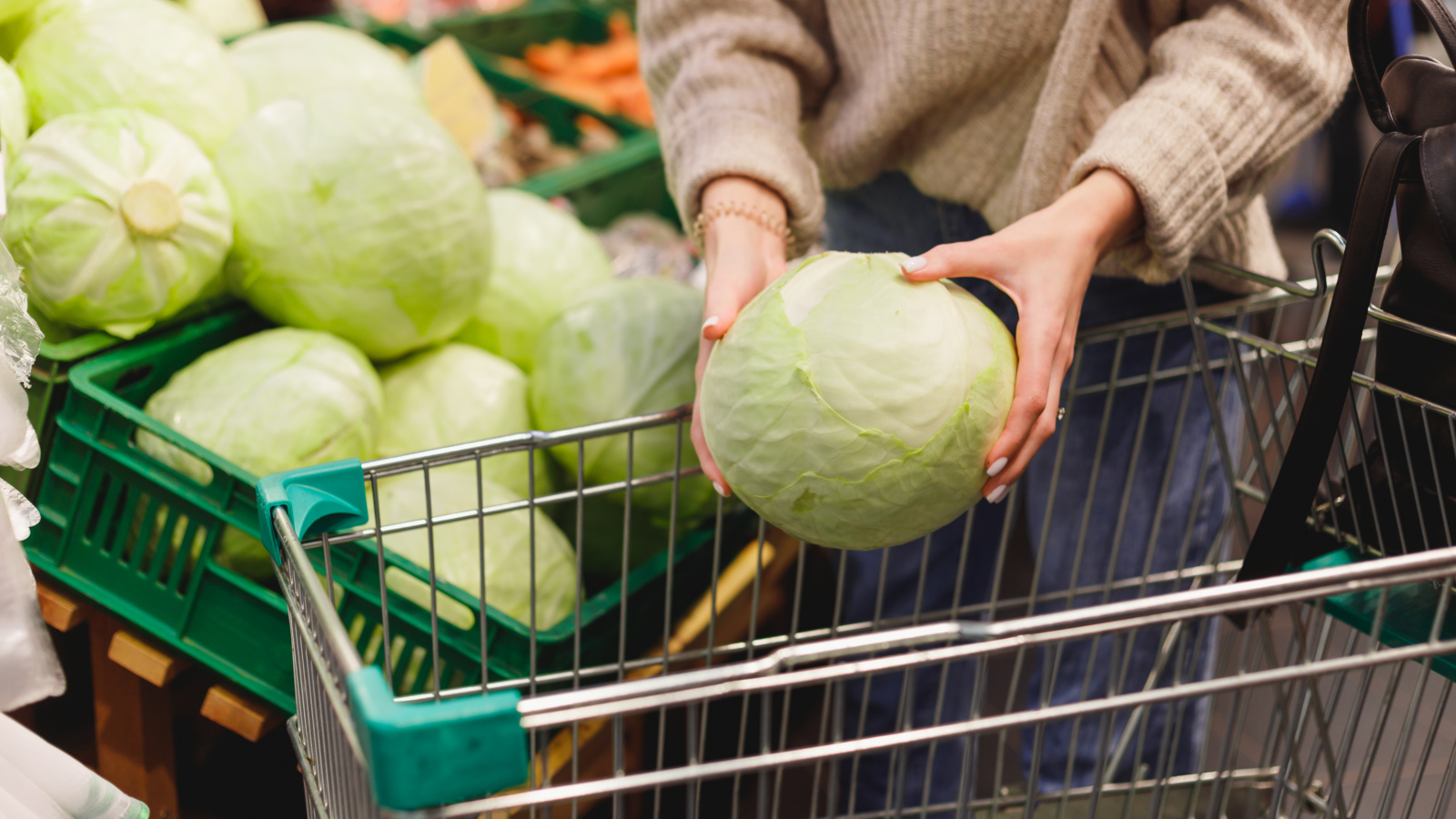
Cabbage remains one of the most affordable vegetables in Canadian grocery stores. A single head usually provides several servings for different meals. Cabbage contains fiber, vitamin C, and other helpful nutrients. It stays fresh longer than many leafy vegetables. Proper storage in the refrigerator can keep it usable for weeks. Cabbage works well in salads, stir-fries, soups, and slaws. It also pairs easily with rice, noodles, and protein sources. Because it stretches across many meals, cabbage reduces grocery costs. Canadians who include cabbage in weekly cooking often prepare simple and nutritious dishes while keeping food budgets under control.
Carrots
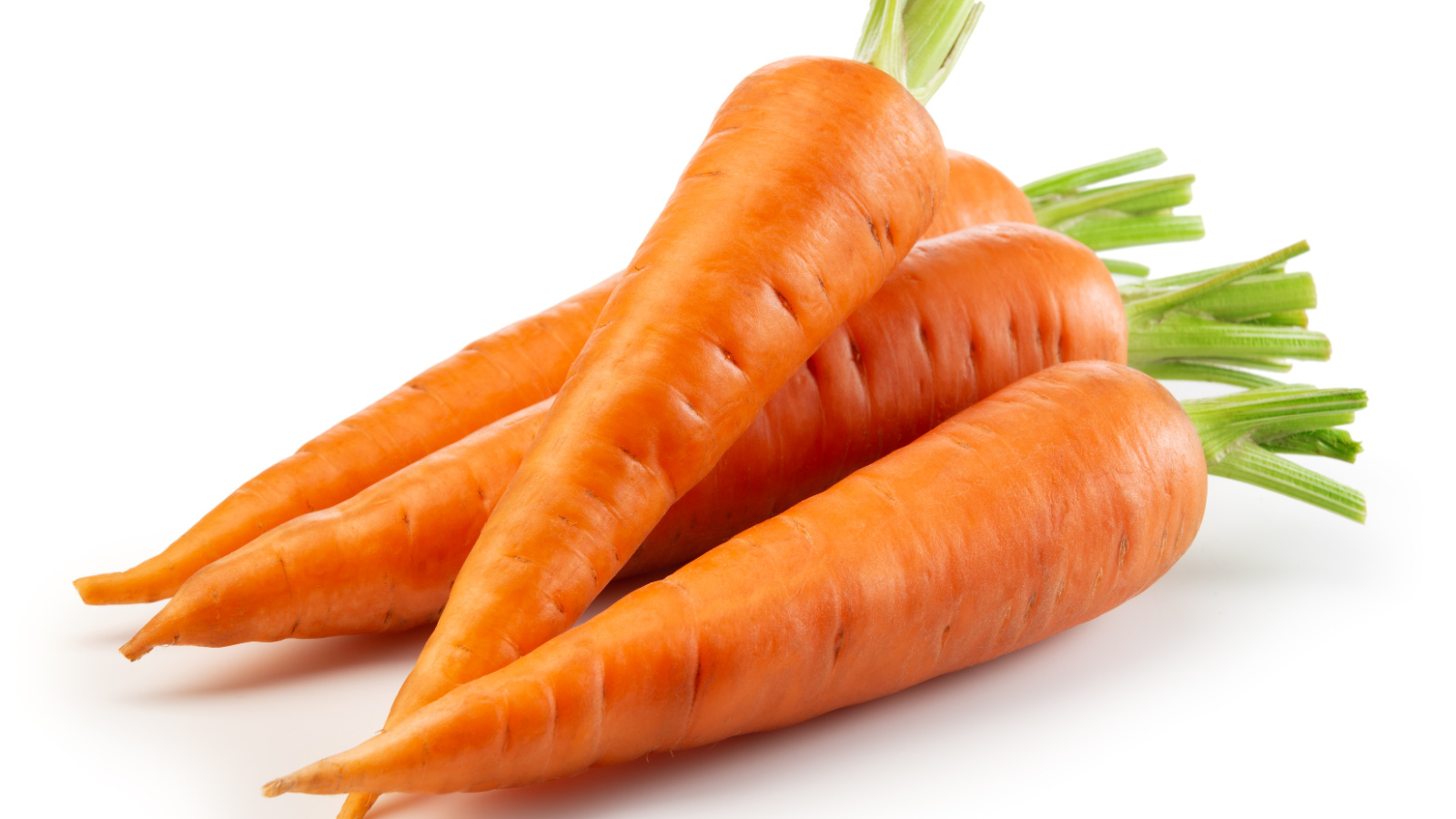
Carrots provide an inexpensive and nutritious vegetable option. They contain fiber, vitamin A, and natural sweetness. Carrots work well in both raw and cooked dishes. Many households use them in soups, stews, stir-fries, or roasted vegetable mixes. They also make convenient snacks when eaten raw. Large bags of carrots often cost very little per serving. This makes them one of the most budget-friendly vegetables available. Carrots also store well in the refrigerator for several weeks. Their long shelf life helps reduce food waste. Canadians who include carrots regularly in meals can add nutrition and flavor without increasing grocery spending.
Bananas

Bananas remain one of the most affordable fruits available in Canada. Grocery stores usually sell them at low prices throughout the year. Bananas provide potassium, fiber, and natural carbohydrates. These nutrients help support energy levels during the day. They work well as quick snacks or breakfast additions. Many people add sliced bananas to oatmeal, yogurt, or smoothies. Overripe bananas can also be used in baking recipes such as banana bread. This reduces food waste while creating inexpensive homemade treats. Because bananas require no preparation, they remain convenient for busy schedules. Canadians often rely on bananas for affordable fruit that fits easily into everyday meals.
Apples

Apples remain widely available in Canada throughout the year. A wide variety of plants grow locally in several provinces. Apples contain fiber, vitamin C, and natural sweetness. They work well as snacks, dessert ingredients, or additions to salads. Apples also pair well with oatmeal, yogurt, or peanut butter. Large bags often provide good value compared with smaller packages. Proper storage in the refrigerator helps extend freshness. Apples usually last longer than many other fruits. This reduces waste and keeps healthy snacks available at home. Canadians who include apples in grocery shopping often enjoy affordable fruit that fits easily into daily meals.
Plain Yogurt

Plain yogurt provides protein, calcium, and beneficial bacteria that support digestion. Many Canadian grocery stores offer large containers at reasonable prices. Plain yogurt often costs less than flavored varieties. It also avoids added sugars found in many sweetened products. Shoppers can add fruit, honey, or oats for natural flavor. Yogurt works well for breakfast, snacks, or smoothie ingredients. It can also replace sour cream in certain recipes. Larger containers reduce cost per serving compared with small single cups. Canadians who buy plain yogurt regularly often create healthy meals and snacks without increasing grocery spending.
Milk

Milk remains a common and affordable staple in many Canadian households. It provides calcium, protein, and several essential vitamins. Milk works well for breakfast, cooking, and baking. Many families use it with cereal, oatmeal, or smoothies. It also adds nutrition to soups, sauces, and baked dishes. Canadian grocery stores usually offer different sizes and types of milk. Larger containers often reduce the price per litre. Milk also supports balanced meals for children and adults. Proper refrigeration helps maintain freshness. Canadians who regularly include milk in their grocery routine often rely on it as a simple, nutritious ingredient in everyday cooking.
Peanut Butter

Peanut butter provides a budget-friendly source of protein and healthy fats. A single jar usually lasts for many servings. This makes it one of the most economical pantry staples. Peanut butter works well in sandwiches, smoothies, oatmeal, and snacks. Many people combine it with fruit such as bananas or apples. It also adds flavor to sauces and baked recipes. Natural peanut butter options contain fewer added ingredients. However, both varieties remain affordable protein sources. Peanut butter stores well in the pantry for long periods. Canadians who keep peanut butter on hand often create quick, satisfying meals without spending much on groceries.
Dried Beans
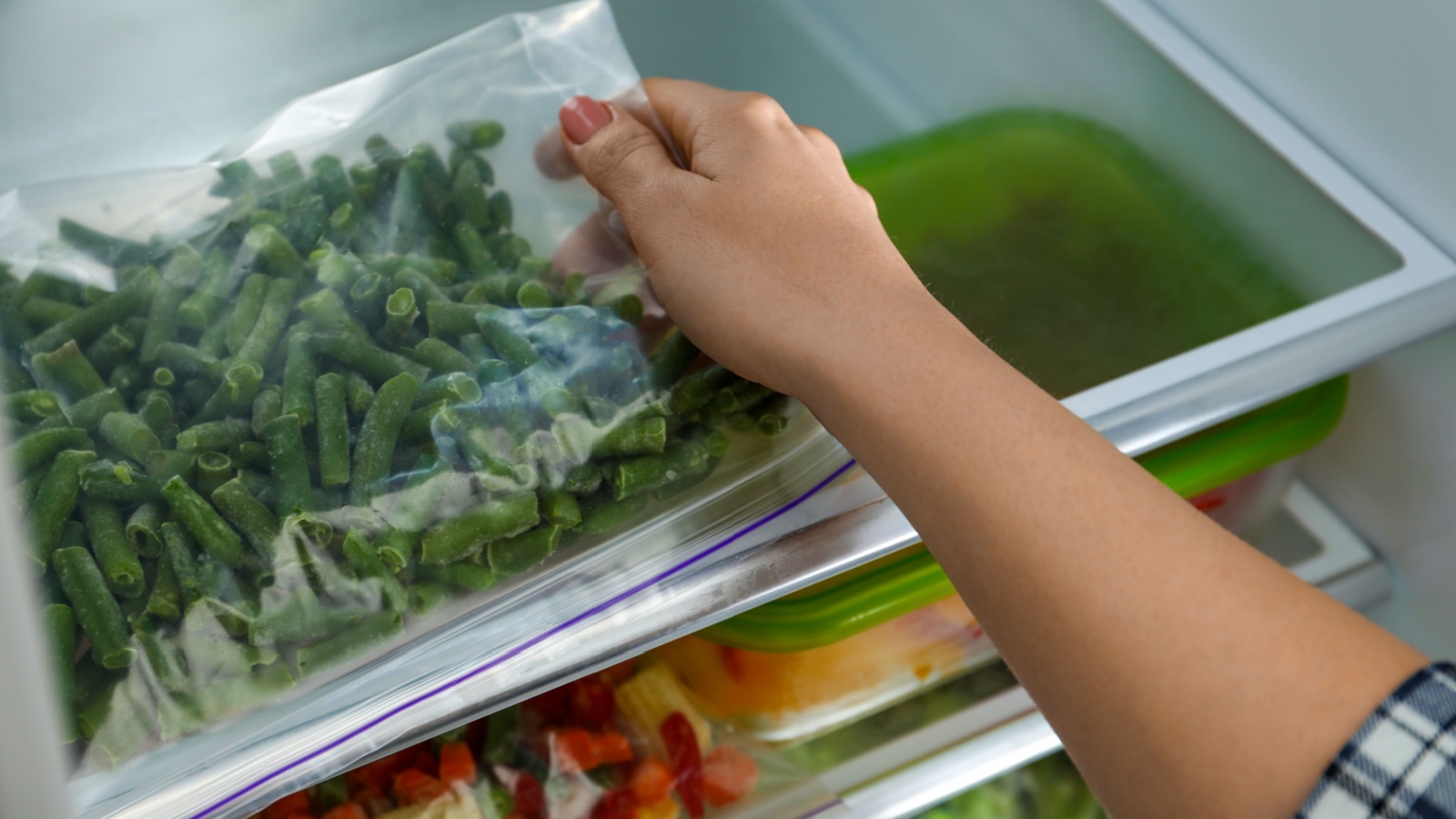
Dried beans provide one of the most affordable protein sources available in Canadian grocery stores. Common varieties include black beans, kidney beans, and navy beans. When purchased dry, they cost far less than canned options. Beans require soaking and cooking, but the process remains simple. Cooking large batches helps prepare several meals at once. Beans contain protein, fiber, and important minerals. These nutrients help create filling and balanced meals. They work well in soups, stews, salads, and rice dishes. Dried beans also store for long periods in the pantry. This long shelf life reduces food waste. Canadians who cook dried beans regularly often prepare nutritious meals while keeping grocery costs under control.
Tofu

Tofu offers an affordable plant-based protein option for many households. It comes from soybeans and provides protein, calcium, and other nutrients. Tofu absorbs flavors easily, which makes it versatile in cooking. It works well in stir-fries, soups, and grain bowls. Many people also bake or pan-fry tofu for added texture. Compared with many meat products, tofu usually costs less per serving. This makes it useful for budget-friendly meals. Tofu also cooks quickly, which saves time in the kitchen. Refrigeration keeps unopened tofu fresh for several days. Canadians who include tofu in meal planning often add affordable protein without increasing grocery spending.
Frozen Berries

Frozen berries provide a nutritious fruit option throughout the year. Fresh berries often become expensive outside their growing season. Frozen versions usually cost less and remain available year-round. These berries are frozen shortly after harvest, which helps preserve nutrients. Frozen strawberries, blueberries, and raspberries work well in smoothies and oatmeal. They also add flavor to yogurt or baked goods. Because frozen fruit lasts longer, households waste less food. Shoppers can use only the amount needed and return the rest to the freezer. Canadians who keep frozen berries on hand often enjoy affordable fruit without worrying about spoilage.
Popcorn Kernels

Popcorn kernels are among the most affordable snack options. A small bag of kernels produces many servings. This makes popcorn far cheaper than packaged snack foods. Preparing popcorn at home requires only heat and a pot or an air popper. Kernels expand quickly into large portions when cooked. Popcorn also contains fiber, which helps create a satisfying snack. Many households add small amounts of salt or spices for flavor. Compared with microwave popcorn, plain kernels often cost less per serving. They also avoid extra packaging and additives. Canadians who keep popcorn kernels in the pantry often prepare inexpensive snacks without increasing grocery spending.
Canned Tomatoes

Canned tomatoes remain a reliable ingredient for many home-cooked meals. They provide flavor, acidity, and nutrients for sauces and soups. Tomatoes contain vitamin C and antioxidants that support balanced diets. Canned versions remain available year-round at stable prices. They usually cost less than fresh tomatoes during colder months. Canned tomatoes work well in pasta sauces, chili, and stews. Many recipes start with tomatoes as a base ingredient. Because canned products last long in the pantry, households can store several cans easily. Canadians who keep canned tomatoes on hand often prepare quick meals without expensive ingredients.
Barley

Barley remains an affordable whole grain that many households overlook. It contains fiber, vitamins, and minerals that support balanced meals. Barley cooks into a soft texture that works well in soups and grain bowls. It can also replace rice in many dishes. Because barley absorbs flavors easily, it pairs well with vegetables and proteins. Large bags often cost less per serving than many packaged grains. Barley also stores well in a dry pantry. This makes it a practical ingredient for long-term meal planning. Canadians who include barley in their cooking often add variety and nutrition without increasing grocery costs.
Quinoa

Quinoa provides a nutrient-rich grain option that fits many meals. It contains protein, fiber, and several essential minerals. Compared with many grains, quinoa offers a balanced nutritional profile. It cooks quickly in about fifteen minutes. This makes it convenient for weeknight meals. Quinoa works well in salads, bowls, and side dishes. It also pairs easily with vegetables, beans, or lean proteins. While quinoa may cost slightly more than rice, small portions remain filling. Many Canadian grocery stores offer larger packages that reduce the price per serving. Canadians who occasionally add quinoa to their meal planning gain variety while maintaining balanced nutrition.
22 Groceries to Grab Now—Before another Price Shock Hits Canada

Food prices in Canada have been steadily climbing, and another spike could make your grocery bill feel like a mortgage payment. According to Statistics Canada, food inflation remains about 3.7% higher than last year, with essentials like bread, dairy, and fresh produce leading the surge. Some items are expected to rise even further due to transportation costs, droughts, and import tariffs. Here are 22 groceries to grab now before another price shock hits Canada.
22 Groceries to Grab Now—Before another Price Shock Hits Canada
This Options Discord Chat is The Real Deal
While the internet is scoured with trading chat rooms, many of which even charge upwards of thousands of dollars to join, this smaller options trading discord chatroom is the real deal and actually providing valuable trade setups, education, and community without the noise and spam of the larger more expensive rooms. With a incredibly low-cost monthly fee, Options Trading Club (click here to see their reviews) requires an application to join ensuring that every member is dedicated and serious about taking their trading to the next level. If you are looking for a change in your trading strategies, then click here to apply for a membership.