
35,000+ smart investors are already getting financial news, market signals, and macro shifts in the economy that could impact their money next with our FREE weekly newsletter. Get ahead of what the crowd finds out too late. Click Here to Subscribe for FREE.
Tax season in Canada comes with paperwork, passwords, and plenty of second-guessing. Many people file quickly just to get it over with. In that rush, credits get missed. Some are small. Others can add up to hundreds or thousands of dollars. The Canada Revenue Agency offers more relief than most people realize. You only benefit if you know what applies to you. A careful review can make a real difference to your refund. Before you hit submit, review these often overlooked savings. Here are 23 CRA tax credits Canadians forget to claim every year.
Canada Workers Benefit
23 CRA Tax Credits Canadians Forget to Claim Every Year
- Canada Workers Benefit
- GST and HST Credit
- Canada Child Benefit
- Disability Tax Credit
- Canada Caregiver Credit
- Medical Expense Tax Credit
- Home Accessibility Tax Credit
- Tuition Tax Credit
- Student Loan Interest Credit
- Canada Training Credit
- Moving Expenses Deduction
- Northern Residents Deduction
- Climate Action Incentive Payment
- Home Office Expenses
- Volunteer Firefighters Credit
- Public Transit Amounts for Seniors and Students
- Digital News Subscription Credit
- Adoption Expense Credit
- Political Contribution Tax Credit
- First Time Home Buyers Credit
- Multigenerational Home Renovation Credit
- Eligible Educator School Supply Credit
- Canada Pension Plan and EI Overpayments
- 22 Groceries to Grab Now—Before another Price Shock Hits Canada
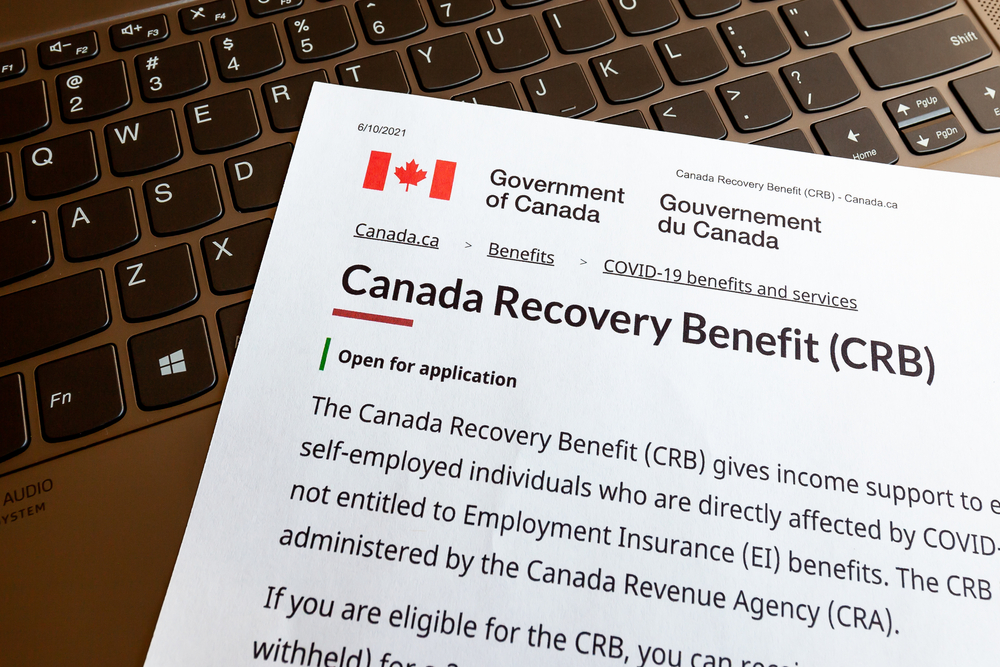
The Canada Workers Benefit supports low-income workers through a refundable tax credit. Many people assume they earn too little to benefit. Others think it applies only to families with children. Single workers can qualify as well. The amount depends on income and the province of residence. Some people receive advance payments during the year. If you did not apply in advance, you can still claim it at tax time. Students and part-time workers often overlook this credit. Even modest earnings can trigger eligibility. Check the income thresholds carefully before filing your return each spring.
GST and HST Credit
The GST and HST credit is a tax-free quarterly payment. It helps offset sales taxes paid on everyday purchases. Many Canadians believe they are automatically enrolled. You must file a tax return to receive it. Even if you had little or no income, filing matters. New residents often miss this credit in their first year. Young adults turning eighteen must also file to qualify. The payment amount depends on income and family size. Couples must keep their marital status updated with the CRA. Failing to report changes can delay or reduce payments later.
Canada Child Benefit
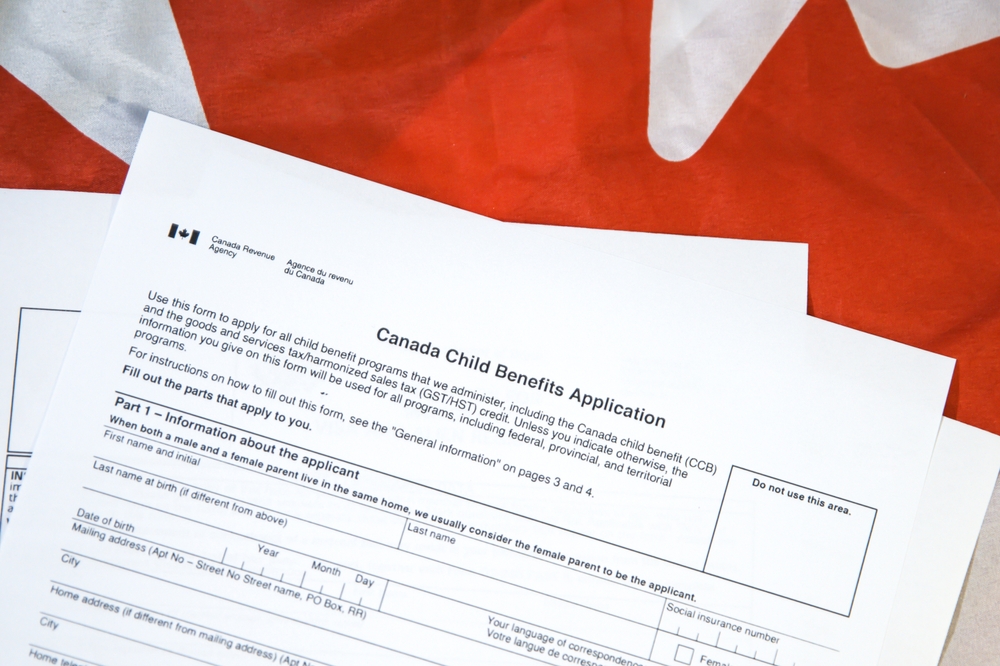
The Canada Child Benefit provides monthly tax-free payments to eligible families. Many assume it applies only to traditional households. Shared custody parents can also qualify. Payments are based on prior year income. If your income dropped, update information with the CRA promptly. New parents must apply after a child is born. Adoption and private arrangements may require separate paperwork. Families moving between provinces should confirm benefit adjustments. Missing documents can pause payments. Keep personal information current to avoid interruptions. Filing taxes each year remains necessary, even with no income reported.
Disability Tax Credit
The Disability Tax Credit reduces income tax for people with severe impairments. Many families never apply because the form appears complicated. A medical practitioner must complete certification paperwork. Approval can be retroactive for several past years. That can lead to sizable refunds. Parents can transfer unused amounts from eligible children. Supporting relatives may also qualify for transferred credits. Eligibility focuses on daily living limitations, not diagnosis alone. Mental health conditions may qualify under certain criteria. Once approved, the credit can open access to other programs. Review eligibility if a condition affects everyday tasks.
Canada Caregiver Credit

The Canada Caregiver Credit helps those supporting dependent relatives with impairments. It applies to parents, grandparents, or adult children. Income thresholds determine the available amount. Many caregivers assume financial support must be full-time. Partial support may still count. Documentation of the relative’s condition is required. Living arrangements do not always need to be shared. Some taxpayers mistakenly claim outdated caregiver credits instead. The rules changed several years ago. Review current guidelines before filing. Caregivers often juggle many tasks already. This credit can provide some relief during a demanding period.
Medical Expense Tax Credit

The Medical Expense Tax Credit covers more than prescription drugs. It includes travel for medical care in certain cases. Mileage and parking may qualify. Premiums for private health insurance count as well. Many people forget about dental procedures and vision care costs. Expenses must exceed a percentage of net income. You can combine receipts for twelve months. Choose the period that gives the highest claim. Parents can include eligible costs for children. Keep detailed receipts throughout the year. Smaller expenses add up quickly once totaled at filing time.
Home Accessibility Tax Credit

The Home Accessibility Tax Credit supports renovations for seniors and people with disabilities. It covers items like grab bars and wheelchair ramps. Eligible expenses must improve mobility or safety. Cosmetic upgrades do not qualify. The maximum claim applies per qualifying individual each year. Caregivers may claim on behalf of eligible relatives. Renovation receipts must be kept carefully. Work must be completed by qualified contractors. Do not assume minor changes are excluded automatically. Even small safety upgrades may qualify. Review invoices before discarding them after a renovation project.
Tuition Tax Credit

The Tuition Tax Credit applies to eligible post-secondary fees. Many students assume their T4 slip is enough. Schools issue a separate T2202 form. Tuition amounts can be transferred to parents or spouses. Unused credits can also be carried forward. Interest on student loans qualifies separately. Part-time students may still qualify. International students studying in Canada can claim eligible amounts. Keep copies of official receipts and forms. Filing annually preserves carry-forward balances. Missing a year can delay benefits. Review your student account summary before submitting your tax return.
Student Loan Interest Credit

Interest paid on government student loans qualifies for a non-refundable credit. Private loan interest does not qualify. Many graduates forget to track annual interest statements. Financial institutions provide summaries each year. You can carry forward unused interest for five years. That helps if the income was too low to use it fully. Only the interest actually paid counts. Grace periods may affect totals. Keep records from your loan provider. Combine the interest from multiple eligible loans carefully. Claiming this credit reduces tax owing directly, even if the savings appear modest.
Canada Training Credit

The Canada Training Credit helps workers offset eligible training fees. It builds a credit balance over time. Eligibility depends on age and income thresholds. Many people are unaware that they accumulate credit annually. The balance appears on your notice of assessment. It applies to tuition and similar fees. Only certain courses qualify under the rules. Apprentices and part-time learners may benefit. Claiming reduces payable tuition costs. Review your CRA account for available amounts. Training for career shifts can be expensive. This credit can reduce some of that burden.
Moving Expenses Deduction

Moving expenses can be claimed when relocating for work or school. The new location must be significantly closer to employment. Many people forget smaller costs like utility hookups. Storage fees and travel expenses may qualify. You must move at least forty kilometers closer. Receipts are essential for verification. Students moving for full-time study may also qualify. If income at the new location was low, carry forward unused amounts. Selling costs of a former residence may count. Keep a checklist during the move. Overlooked receipts can reduce your claim substantially.
Northern Residents Deduction
Residents of prescribed northern zones qualify for special deductions. It applies to certain communities in northern Canada. Both residency and travel components may be claimed. Many eligible taxpayers miss travel benefits. Employer-provided travel can affect calculations. You must meet the minimum residency days during the year. The deduction can be significant in high-cost areas. Keep records of travel claims carefully. Remote workers sometimes overlook eligibility. Confirm your community’s status on the CRA list. Living in northern regions often comes with higher expenses. This deduction recognizes those added costs.
Climate Action Incentive Payment

The Climate Action Incentive Payment offsets federal carbon pricing. Eligible residents in certain provinces receive it. Filing a tax return is required to access payments. Many assume it appears automatically. Household size affects the amount received. Rural residents may qualify for a supplement. Keep marital status updated for accurate calculation. Changes during the year must be reported. New residents should verify provincial eligibility. The payment is tax-free. It arrives quarterly in most cases. Missing a filing deadline can delay payments. Review provincial rules before assuming you qualify.
Home Office Expenses

Employees working from home may claim certain expenses. The detailed method requires employer certification. The temporary flat rate method has changed recently. Many taxpayers assume no longer eligible. You can claim a portion of utilities and rent. Commission employees have different rules. Workspace must meet specific conditions. Keep records of actual expenses if using the detailed method. Supplies like printer paper may qualify. Internet fees can be partially claimed. Confirm current rules each year. Remote work remains common, so review eligibility carefully before filing your return.
Volunteer Firefighters Credit

Volunteer firefighters may claim a specific non-refundable credit. It applies when service hours exceed minimum thresholds. Many small community volunteers overlook this benefit. You cannot combine it with certain other exemptions. Certification from the fire department may be required. Similar credits exist for search and rescue volunteers. Confirm which credit applies to your role. Keep documentation of service hours. The amount is modest but helpful. Volunteers give their time freely already. Claiming available relief recognizes that commitment during tax season without much extra effort.
Public Transit Amounts for Seniors and Students

Some provinces offer transit-related credits. Seniors and students often qualify under provincial programs. Federal transit credits ended years ago. Many still search for them incorrectly. Check your province for updated rules. Monthly passes may qualify in certain regions. Keep receipts for annual totals. Digital payment histories can serve as proof. Low-income seniors may qualify for additional supports. Review local tax guides carefully. Transportation costs add up over time. Even smaller provincial credits can reduce total tax owing when claimed properly.
Digital News Subscription Credit

The Digital News Subscription Tax Credit applies to eligible subscriptions. It covers certain Canadian journalism organizations. Many people subscribe without realizing the credit exists. The subscription must be to a qualifying outlet. Gift subscriptions do not qualify. Keep digital receipts as proof. The credit is non-refundable and capped annually. Shared family accounts may require clarification. Confirm the publication appears on the approved list. Media subscriptions are common expenses. Claiming this credit offsets part of that annual cost when filing your return.
Adoption Expense Credit
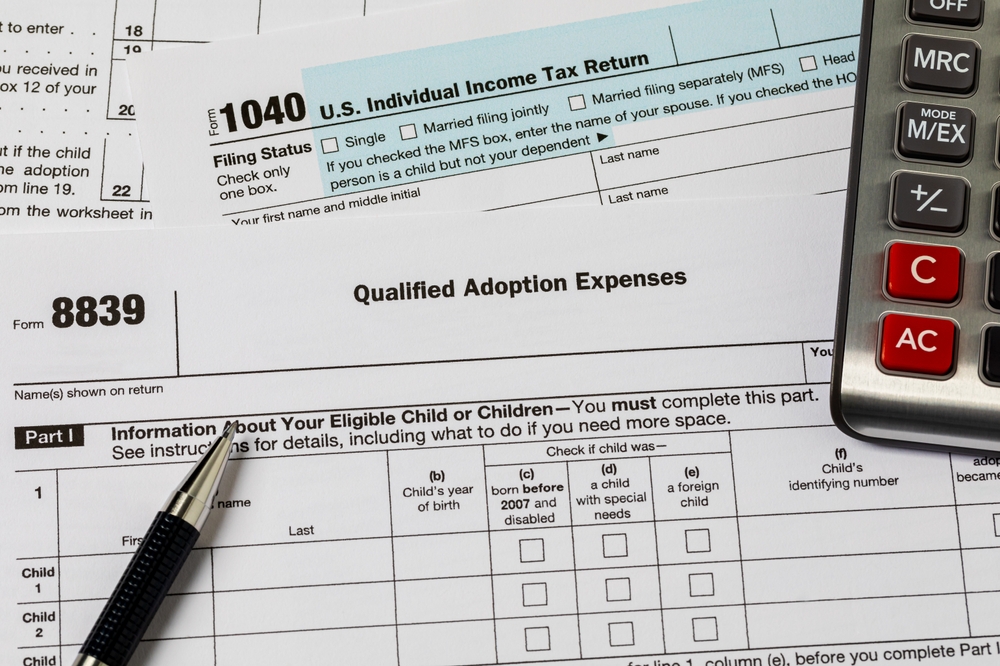
The Adoption Expense Credit supports families adopting a child. Eligible expenses include agency fees and court costs. Travel related to the adoption process may qualify. Many families focus on immediate costs only. Keep detailed receipts from the start. The credit applies in the year the adoption is finalized. Income thresholds do not affect eligibility. International adoptions also qualify under certain rules. The expenses can be substantial. Claiming this credit reduces tax payable directly. Review documentation carefully before filing. Missing even one eligible cost can lower your overall claim.
Political Contribution Tax Credit

Political donations to registered parties qualify for a credit. Many people assume it is a deduction instead. The credit rate decreases as donations increase. Smaller contributions often yield higher percentage relief. Keep official receipts issued by the party. Provincial and federal credits differ. Confirm which level you donated to. Donations must be personal, not corporate. Couples should track individual receipts separately. The credit reduces tax owing directly. If you contributed last year, review your records before filing to capture that available relief.
First Time Home Buyers Credit

First-time home buyers may claim a non-refundable credit. It applies to qualifying home purchases. Couples must confirm eligibility individually. You cannot have owned a home in recent years. The property must be intended as a principal residence. Many buyers focus only on mortgage paperwork. Tax credits are often forgotten during closing. Keep purchase documents accessible. Disability related purchases may qualify under separate rules. Claiming this credit reduces tax payable modestly. For new homeowners facing many costs, every bit of relief helps.
Multigenerational Home Renovation Credit

The Multigenerational Home Renovation Tax Credit supports adding secondary suites. It applies when accommodating seniors or adults with disabilities. Eligible expenses include construction and permits. Cosmetic changes do not qualify. The renovation must create a self-contained unit. Many families overlook this newer credit. Documentation of eligibility is required. Only one claim per qualifying individual is allowed. The credit is refundable and capped annually. Large renovations can be expensive. Reviewing eligibility before starting work helps avoid missed opportunities at tax time.
Eligible Educator School Supply Credit

Teachers and early childhood educators can claim certain supplies. Eligible items include teaching materials and resources. Administrative approval may be required. Many educators pay out of pocket quietly. This refundable credit recognizes those costs. Keep receipts organized throughout the school year. The credit percentage applies to eligible totals. Supplies must be used directly in teaching. Personal items do not qualify. Filing with accurate documentation speeds processing. Educators already stretch budgets for students. Claiming this credit recovers part of those personal expenses.
Canada Pension Plan and EI Overpayments

Overpayments to CPP or Employment Insurance can occur. This often happens when switching employers midyear. Each employer withholds contributions separately. The total may exceed annual maximum limits. Many taxpayers miss the automatic adjustment. Tax software usually calculates refunds correctly. Review your T4 slips for accuracy. Self-employed individuals have different contribution rules. Refunds appear as credits on your return. Confirm the total contributions match annual caps. Even small overpayments deserve review. Catching them can add unexpected dollars back to your refund.
22 Groceries to Grab Now—Before another Price Shock Hits Canada

Food prices in Canada have been steadily climbing, and another spike could make your grocery bill feel like a mortgage payment. According to Statistics Canada, food inflation remains about 3.7% higher than last year, with essentials like bread, dairy, and fresh produce leading the surge. Some items are expected to rise even further due to transportation costs, droughts, and import tariffs. Here are 22 groceries to grab now before another price shock hits Canada.
22 Groceries to Grab Now—Before another Price Shock Hits Canada
This Options Discord Chat is The Real Deal
While the internet is scoured with trading chat rooms, many of which even charge upwards of thousands of dollars to join, this smaller options trading discord chatroom is the real deal and actually providing valuable trade setups, education, and community without the noise and spam of the larger more expensive rooms. With a incredibly low-cost monthly fee, Options Trading Club (click here to see their reviews) requires an application to join ensuring that every member is dedicated and serious about taking their trading to the next level. If you are looking for a change in your trading strategies, then click here to apply for a membership.