
35,000+ smart investors are already getting financial news, market signals, and macro shifts in the economy that could impact their money next with our FREE weekly newsletter. Get ahead of what the crowd finds out too late. Click Here to Subscribe for FREE.
March feels like a financial checkpoint for many Canadians. Tax slips arrive. Snow starts melting. Utility bills shift. The holiday haze is gone, and reality looks clearer. That makes it a practical month to reset money habits. Unlike January, March carries less pressure and fewer grand promises. People focus on small changes that fit daily life. Those small shifts often last longer than dramatic overhauls. If you want practical habits that survive past spring, this is a good place to start. Here are 12 money habits Canadians start in March that actually stick.
Reviewing Bank Statements Line by Line
12 Money Habits Canadians Start in March That Actually Stick
- Reviewing Bank Statements Line by Line
- Adjusting Tax Withholdings After Filing
- Setting Up Automatic Savings Transfers
- Comparing Insurance Policies Before Renewal
- Rebuilding an Emergency Fund
- Renegotiating Phone and Internet Plans
- Tracking Grocery Spending Weekly
- Paying Down One Targeted Debt
- Creating a Sinking Fund for Summer Costs
- Checking Credit Reports for Accuracy
- Reassessing Investment Contributions
- Holding a Monthly Money Check-In
- 22 Groceries to Grab Now—Before another Price Shock Hits Canada

March is when many Canadians finally open their banking apps with focus. They scroll through January and February, spending without holiday excuses. Small subscription charges stand out. Duplicate fees appear. That random food delivery habit becomes obvious. This review takes about thirty minutes. The payoff can last all year. People often cancel two or three unused services immediately. Others spot rising insurance or telecom costs. Catching those early prevents months of overpaying. Making statement reviews a monthly ritual builds awareness. Awareness changes behaviour faster than guilt ever does. That simple habit keeps spending realistic and controlled.
Adjusting Tax Withholdings After Filing

Tax season pushes Canadians to pay attention to deductions and credits. After filing, many realize they received a large refund or owed more than expected. March becomes the time to adjust payroll deductions. A smaller refund can mean steadier cash flow all year. Owing less next spring reduces stress. Updating forms through employers only takes a few minutes. Yet most people ignore it for years. Those who act in March often stick with smarter withholding settings. The result feels balanced. Money arrives when needed instead of as a once-yearly surprise that disappears quickly.
Setting Up Automatic Savings Transfers

March budgets feel more honest than January plans. Canadians know their real winter expenses by now. That makes it easier to choose a realistic savings amount. Many set up automatic transfers on payday. Even fifty dollars can build momentum. Automation removes decision fatigue. There is no monthly debate about whether to save. The money moves before it gets spent. Watching the balance grow builds quiet motivation. After a few months, people rarely cancel the transfer. It becomes a background routine. Starting in March helps because expectations are steady and less emotionally charged.
Comparing Insurance Policies Before Renewal

Home and auto insurance renewals often land in the spring. March becomes comparison season. Canadians request quotes from multiple providers. Some switch companies. Others negotiate better rates. Even small savings add up over twelve months. People who shop around once often repeat the process yearly. It stops feeling awkward after the first call. Insurers expect customers to compare rates. Taking time to review coverage also prevents gaps. Many discover they are overinsured or underinsured. That clarity improves protection and price at the same time. One afternoon of research can change the next year’s expenses.
Rebuilding an Emergency Fund
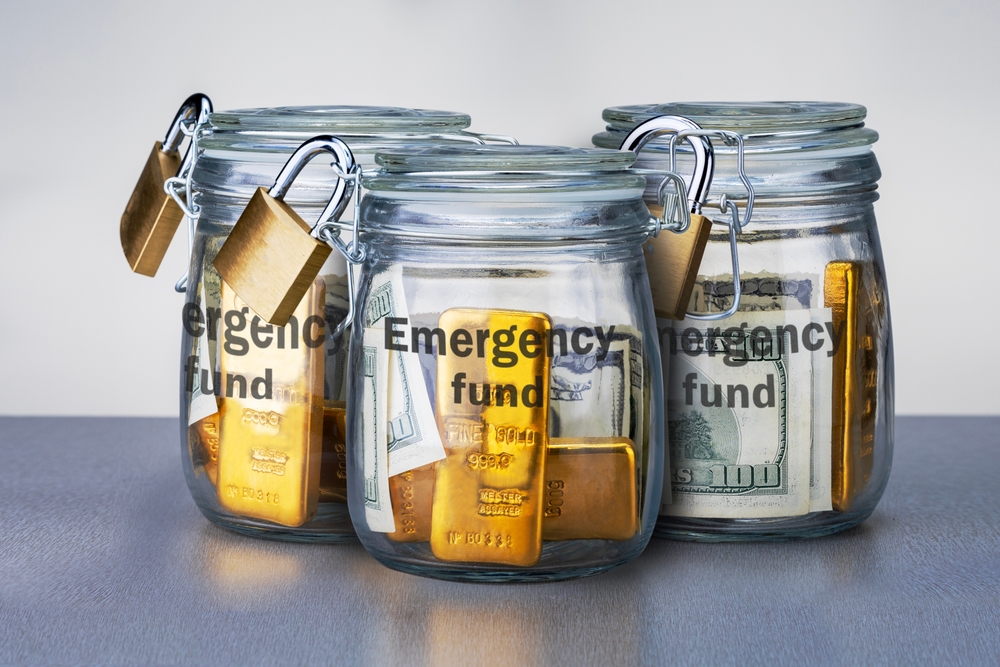
Winter spending and holiday costs can shrink savings. March offers a reset without heavy pressure. Canadians begin rebuilding emergency funds slowly. They set a clear target, often three months of expenses. Instead of chasing the full amount, they focus on the first thousand dollars. That milestone feels reachable. Progress becomes visible within weeks. Automatic transfers help here as well. Some use tax refunds to jumpstart the fund. Seeing a buffer grow reduces financial anxiety. That emotional reward keeps the habit alive. By summer, many feel more secure than they did in January.
Renegotiating Phone and Internet Plans

Telecom bills rarely decrease on their own. March is when Canadians call providers and ask questions. Promotional rates may have expired quietly. New customer deals appear constantly. Existing customers can request similar pricing. Some threaten to switch and receive better offers. Others genuinely change companies. Even a fifteen-dollar monthly drop matters. Those savings equal a decent dinner over a year. Once people realize negotiation works, they repeat it annually. The conversation feels easier each time. This habit builds confidence and trims fixed costs without cutting enjoyment elsewhere.
Tracking Grocery Spending Weekly
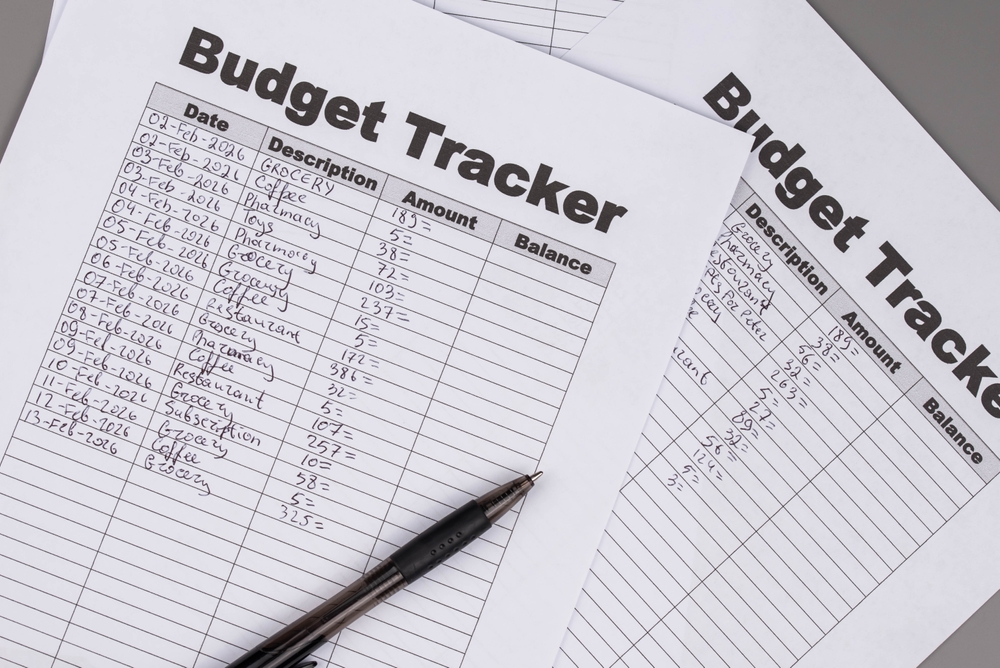
Food costs often spike during the winter months. In March, Canadians notice the impact on credit card balances. Some begin tracking grocery spending weekly instead of monthly. Shorter tracking periods reveal patterns faster. Impulse purchases stand out. Price differences between stores become clearer. People experiment with meal planning. They reduce waste by using leftovers intentionally. The goal is not extreme frugality. It is awareness. That awareness leads to smarter choices naturally. After several weeks, grocery spending stabilizes. Weekly check-ins feel manageable. Many continue the practice long after spring ends.
Paying Down One Targeted Debt

Rather than tackling every balance at once, March brings focus. Canadians choose one debt to prioritize. It may be a credit card with high interest. It could be a small loan that can disappear quickly. Concentrating extra payments on one account shows visible progress. Watching a balance shrink motivates continued effort. Minimum payments continue elsewhere. Once the first debt clears, momentum builds. People often redirect that payment toward the next balance. Starting this process in March avoids the pressure of New Year expectations. The habit becomes practical instead of dramatic.
Creating a Sinking Fund for Summer Costs

Summer expenses arrive quickly in Canada. Camps, travel, weddings, and patio outings add up. In March, some Canadians prepare by opening sinking funds. They estimate upcoming costs and divide them by the months remaining. A small monthly contribution prevents last-minute stress. This approach feels calm and controlled. There is no scramble in June. When bills arrive, the money is waiting. People who try this once often repeat it for holidays and property taxes. Planning feels easier than reacting later. That shift in mindset tends to stick year after year.
Checking Credit Reports for Accuracy
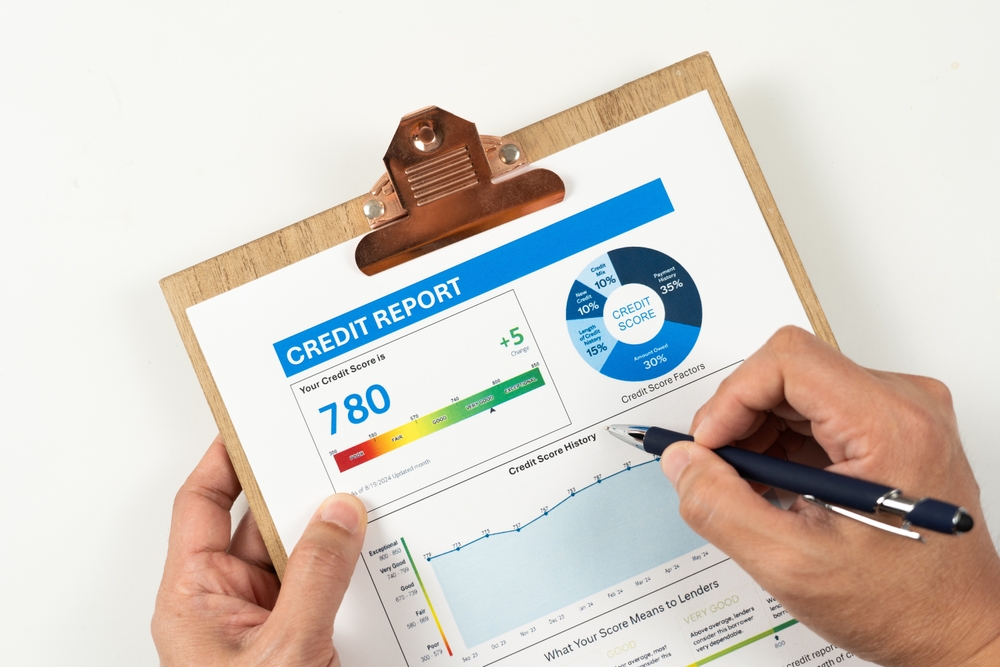
Many Canadians request their credit reports in March. Tax season brings financial focus anyway. Reviewing reports costs little or nothing. Errors do happen. Incorrect balances or unfamiliar accounts can appear. Catching mistakes early protects credit scores. Disputes take time, so starting early helps. Even when reports are accurate, the review builds awareness. People see how utilization affects scores. That knowledge shapes spending and repayment choices. After doing this once, Canadians often schedule an annual check. The habit becomes routine, not reactive. Strong credit supports future borrowing at better rates.
Reassessing Investment Contributions

March often coincides with RRSP contribution deadlines. Canadians take a closer look at investment accounts. Some increase contributions after reviewing income changes. Others rebalance portfolios to match risk tolerance. The focus stays practical. No one expects perfect timing. The goal is alignment with long-term plans. Regular reviews reduce emotional decisions during market swings. People who adjust contributions in March frequently repeat the habit yearly. It turns investing into maintenance rather than drama. Consistency tends to outperform bursts of enthusiasm. That steady approach feels manageable and realistic.
Holding a Monthly Money Check-In

Perhaps the simplest habit starts with a calendar reminder. Canadians schedule a monthly money check in around mid-March. They review spending, savings, and goals. The meeting lasts less than an hour. Some include partners. Others keep it private. The key is repetition. Regular check-ins prevent surprises from growing. Small course corrections happen early. Over time, this practice builds confidence. Money feels less chaotic and more predictable. Because the session is short and structured, it rarely gets skipped. Starting in March gives the habit space to grow without heavy expectations.
22 Groceries to Grab Now—Before another Price Shock Hits Canada

Food prices in Canada have been steadily climbing, and another spike could make your grocery bill feel like a mortgage payment. According to Statistics Canada, food inflation remains about 3.7% higher than last year, with essentials like bread, dairy, and fresh produce leading the surge. Some items are expected to rise even further due to transportation costs, droughts, and import tariffs. Here are 22 groceries to grab now before another price shock hits Canada.
22 Groceries to Grab Now—Before another Price Shock Hits Canada
This Options Discord Chat is The Real Deal
While the internet is scoured with trading chat rooms, many of which even charge upwards of thousands of dollars to join, this smaller options trading discord chatroom is the real deal and actually providing valuable trade setups, education, and community without the noise and spam of the larger more expensive rooms. With a incredibly low-cost monthly fee, Options Trading Club (click here to see their reviews) requires an application to join ensuring that every member is dedicated and serious about taking their trading to the next level. If you are looking for a change in your trading strategies, then click here to apply for a membership.