
35,000+ smart investors are already getting financial news, market signals, and macro shifts in the economy that could impact their money next with our FREE weekly newsletter. Get ahead of what the crowd finds out too late. Click Here to Subscribe for FREE.
Canada’s national parks look wild and open, but they run on clear rules. Most visitors mean well. They buy a pass, pack snacks, and head for the trails. Yet small mistakes happen all the time. A shortcut across the grass. A selfie, a bit too close to wildlife. A forgotten food wrapper in a backpack. These actions may seem minor, but they can harm fragile ecosystems or lead to steep fines. Park rules protect animals, landscapes, and visitors themselves. Here are 19 National Park rules Canadians break without realizing.
Leaving Marked Trails for a Better Photo
19 National Park Rules Canadians Break Without Realizing
- Leaving Marked Trails for a Better Photo
- Feeding Wildlife, Even Small Animals
- Parking Outside Designated Areas
- Collecting Rocks, Shells, or Plants
- Ignoring Campfire Restrictions
- Letting Dogs Roam Off Leash
- Flying Drones Without Permission
- Camping Outside Approved Sites
- Making Excessive Noise
- Littering, Even Biodegradable Items
- Approaching Wildlife for Photos
- Using Firewood from Outside the Park
- Skipping Park Pass Purchases
- Fishing Without Proper Permits
- Driving Over Speed Limits
- Ignoring Human Waste Rules
- Climbing on Historical Structures
- Ignoring Seasonal Closures
- Lighting Fireworks or Using Restricted Equipment
- 22 Groceries to Grab Now—Before another Price Shock Hits Canada
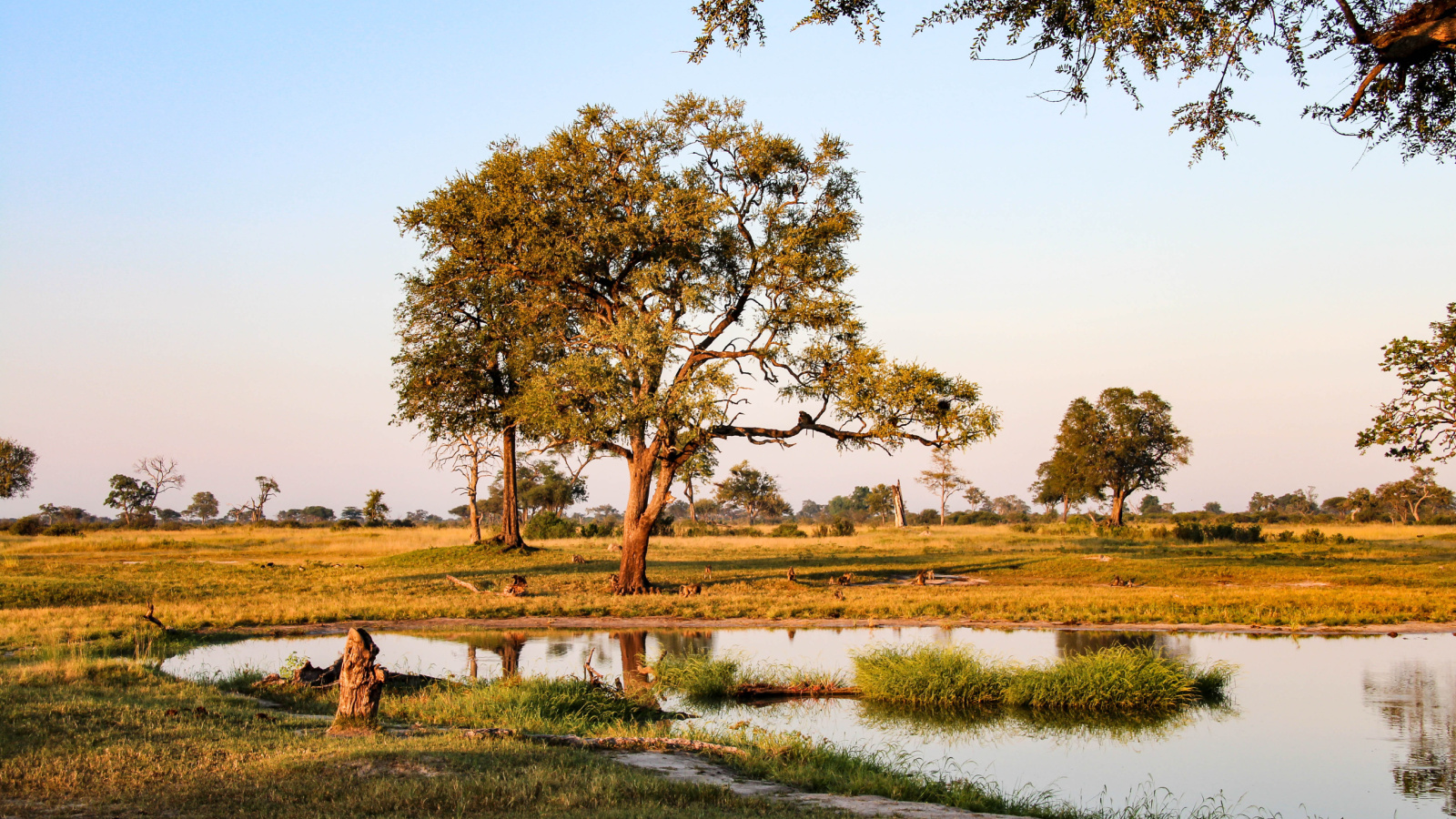
Stepping off marked trails may seem harmless. Many hikers do it for a better view or photo angle. However, national parks ask visitors to stay on designated paths. Soil in many parks is fragile and easily compacted. Alpine plants can take decades to recover from a single footprint. When people create unofficial side trails, erosion increases quickly. Wildlife habitats also suffer from repeated disturbance. Parks Canada can issue fines for ignoring posted trail markers. Staying on the path protects vegetation and reduces safety risks. It also prevents costly rescue operations triggered by off-trail accidents.
Feeding Wildlife, Even Small Animals

Visitors often feed squirrels, chipmunks, or birds without thinking. It feels friendly and harmless. In reality, feeding wildlife is illegal in national parks. Human food changes animal behavior and diet. Animals that rely on handouts lose their fear of people. This can lead to aggressive encounters. Fed animals may also become dependent and struggle to find natural food. In bear country, food conditioning can lead to animals being destroyed. Even crumbs left on picnic tables count as feeding. Store food securely and pack out scraps. Wildlife should stay wild for everyone’s safety.
Parking Outside Designated Areas
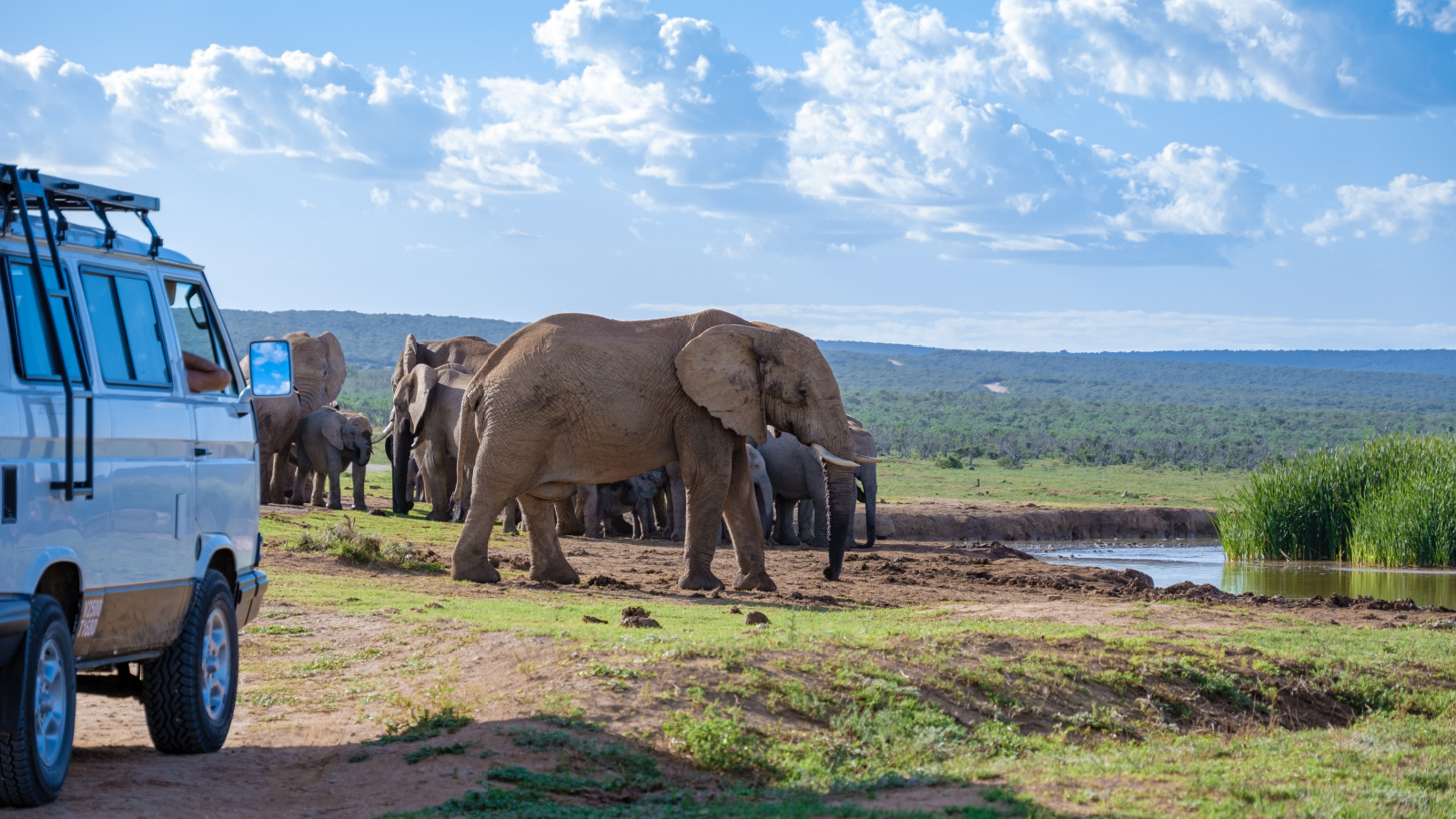
Overflow parking can tempt drivers to pull onto grass or roadside shoulders. This often damages plants and compacted soil. National parks restrict parking to marked spaces for a reason. Emergency vehicles must move freely at all times. Blocking narrow park roads creates safety hazards. In some parks, roadside parking increases the risk of wildlife collisions. Fines can apply for illegal parking in protected areas. Use official lots or shuttle systems where available. Arrive early during peak season to avoid congestion. Respecting parking rules keeps landscapes intact and traffic flowing smoothly.
Collecting Rocks, Shells, or Plants

Many visitors pick up small souvenirs during hikes. A rock, pinecone, or wildflower may seem harmless. National Park regulations prohibit removing natural objects. These items play a role in the ecosystem. Rocks provide shelter for insects and small animals. Plants contribute to soil stability and wildlife food sources. When thousands of visitors take small items, the impact adds up quickly. Parks aim to preserve landscapes as they are. Photographs make better souvenirs than physical objects. Leave what you find so future visitors can experience the same scenery untouched.
Ignoring Campfire Restrictions
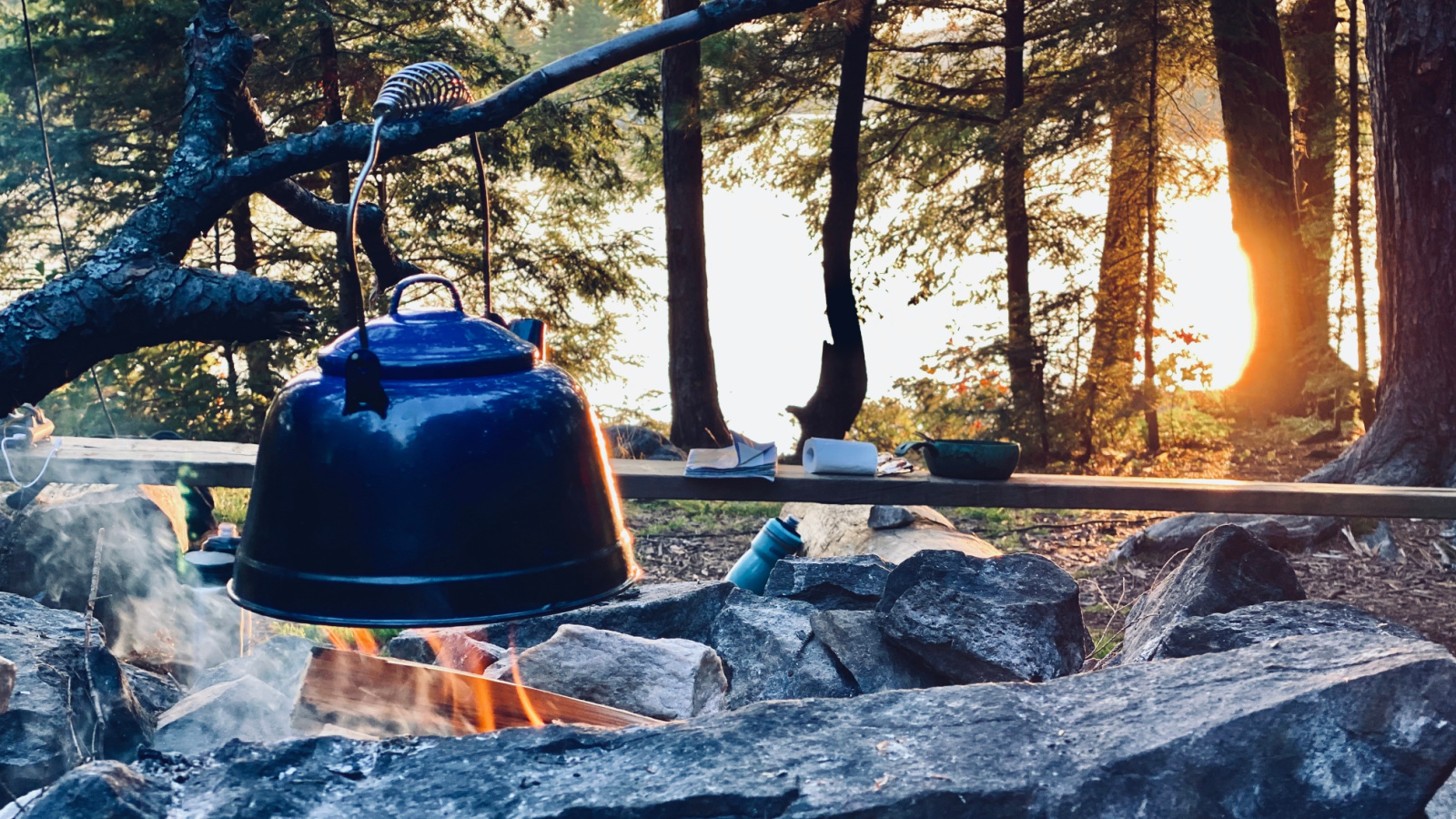
Campfires are part of the camping experience for many Canadians. Yet fire bans are common during dry seasons. Some visitors assume small fires are acceptable. National parks enforce fire restrictions strictly. Wildfires can spread rapidly in forested areas. A single ember can travel far in windy conditions. Fines for violating fire bans can be substantial. Use approved fire pits when fires are allowed. Check current park advisories before lighting anything. Portable stoves are often a safer alternative. Following fire rules protects forests, wildlife, and nearby communities from serious damage.
Letting Dogs Roam Off Leash
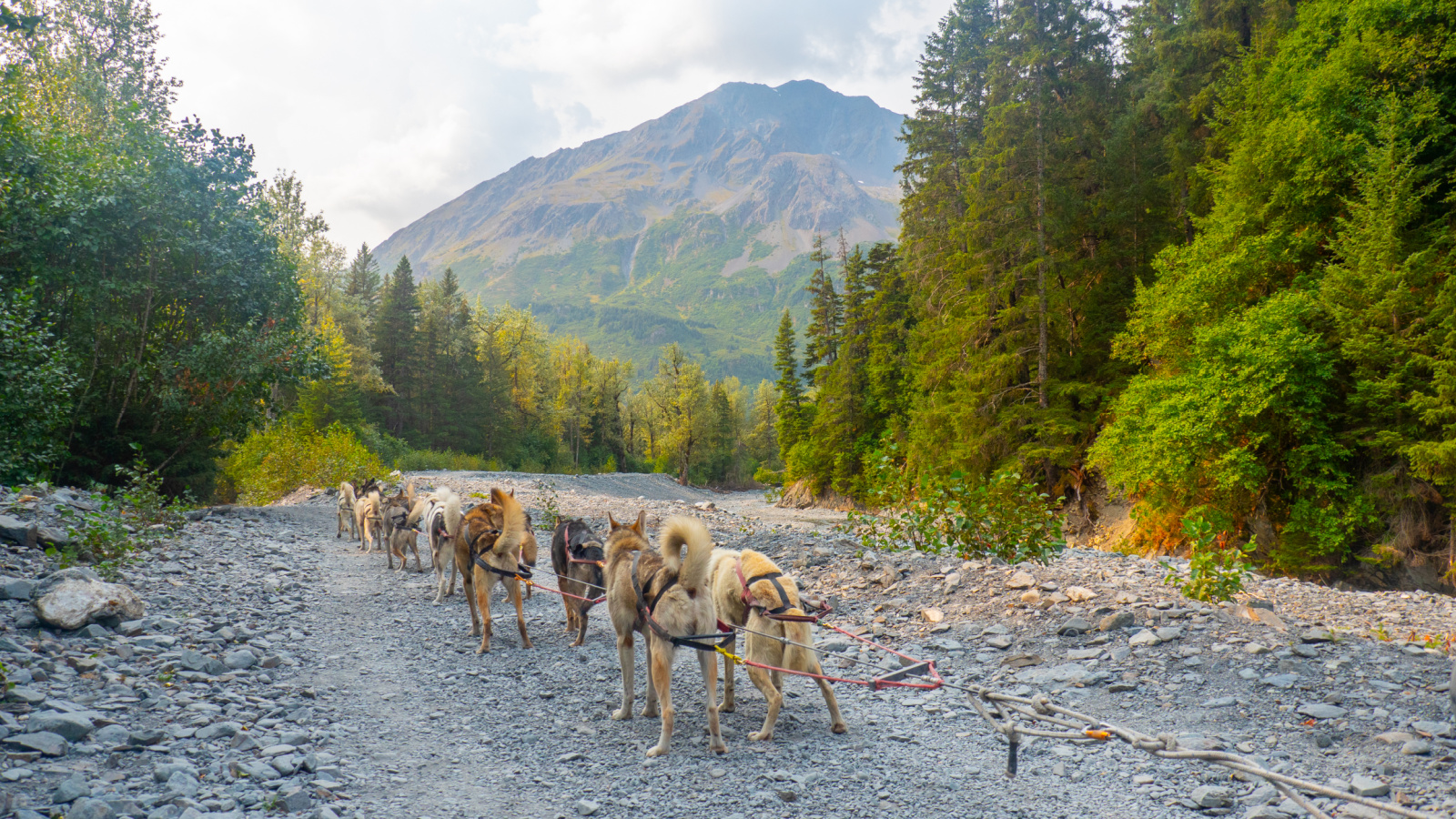
Dogs must remain on a leash in most national parks. Some owners believe their pet is well-trained enough to roam freely. Even calm dogs can chase wildlife unexpectedly. This causes stress for animals and risks injury. Off-leash dogs may also encounter bears or elk. That situation can escalate quickly. Park wardens can issue tickets for leash violations. Wildlife protection remains a top priority in protected areas. Keeping dogs close also protects them from hazards. Follow posted leash rules and clean up after pets during every visit.
Flying Drones Without Permission

Drones have become popular for capturing scenic views. Many visitors assume recreational use is allowed. In most Canadian national parks, drones are banned without a special permit. Drone noise disturbs wildlife and other visitors. It can disrupt nesting birds and sensitive species. Unauthorized drone use may result in fines. Some parks allow limited commercial filming with approval. Always check park-specific regulations before launching a drone. Respecting these restrictions keeps parks peaceful and safe. Not every viewpoint needs aerial footage to be memorable.
Camping Outside Approved Sites

Backcountry camping offers freedom and solitude. Still, campers must use designated campsites. Setting up a tent anywhere convenient is not allowed. Approved sites are placed to reduce environmental impact. They protect water sources and fragile terrain. Camping too close to lakes or rivers can contaminate water. Human waste management becomes harder without proper facilities. Park permits also help manage visitor numbers. Camping outside approved zones can result in fines. Plan routes carefully and reserve sites in advance. Responsible camping keeps backcountry areas sustainable.
Making Excessive Noise

National parks are meant to offer natural soundscapes. Loud music, shouting, or generators disrupt that experience. Some visitors treat parks like open party spaces. Noise can disturb wildlife and other campers. Animals rely on sound to detect predators and communicate. Human noise interferes with those patterns. Many parks have quiet hours in campgrounds. Violating them may lead to warnings or penalties. Keep conversations and devices at reasonable levels. Respect shared spaces so everyone can enjoy the environment. Quiet surroundings are part of what makes parks special.
Littering, Even Biodegradable Items

Most people avoid obvious littering. However, food scraps and biodegradable items still cause harm. Orange peels and sunflower shells take time to decompose. They attract wildlife to busy trails. Animals that approach humans for food face higher risks. Litter also spoils the experience for others. National parks operate under a pack in, pack out principle. Everything brought into the park should leave with you. Use waste bins where provided. Never assume organic waste is harmless. Clean trails and campsites depend on visitor responsibility.
Approaching Wildlife for Photos
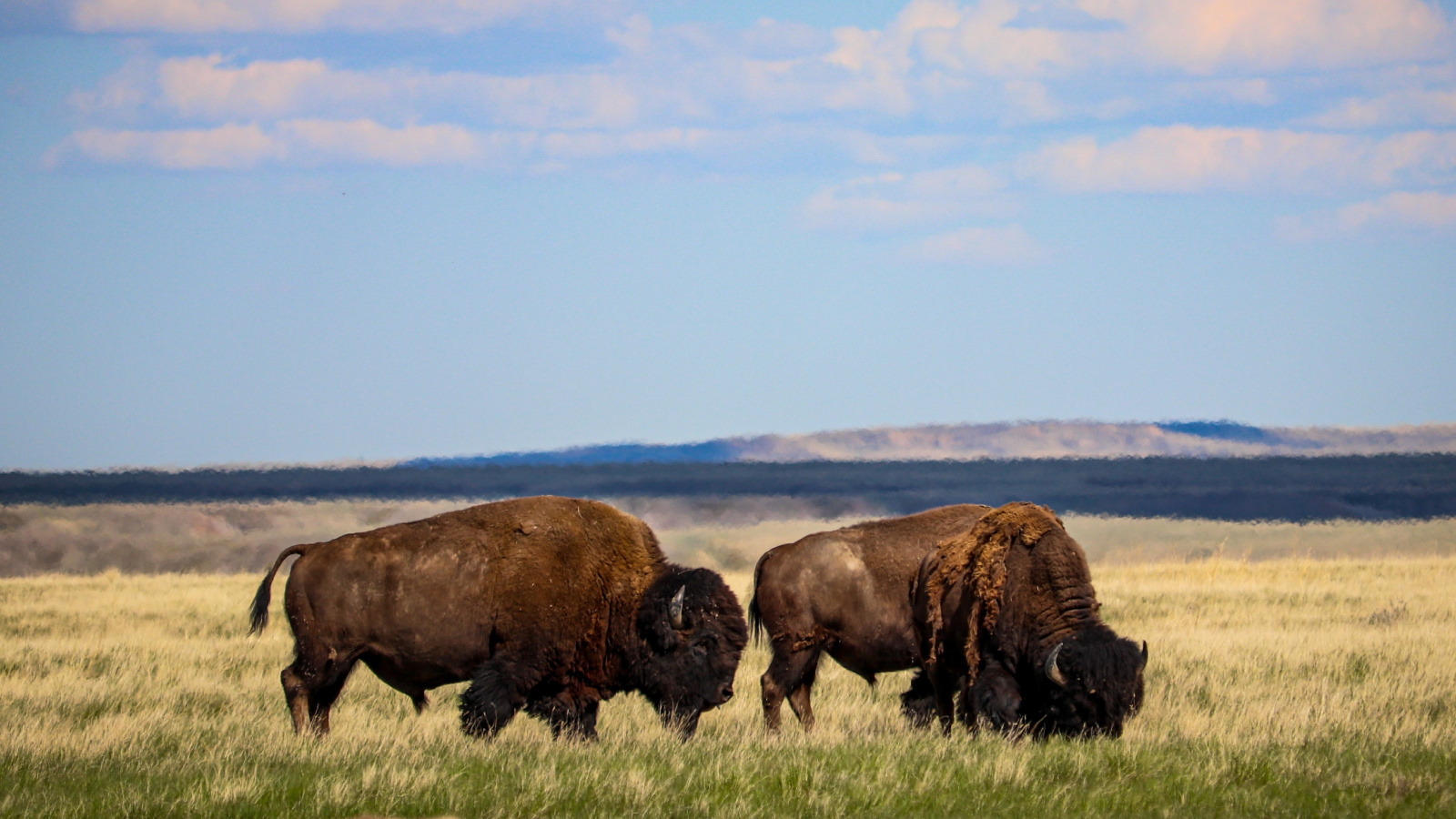
Wildlife sightings are often the highlight of a park visit. Some visitors move too close for better photos. Parks Canada recommends specific minimum distances. For example, bears require much more space than smaller animals. Approaching wildlife can provoke defensive behavior. Animals protecting their young are especially sensitive. Close encounters increase injury risk for people. They can also result in wildlife being relocated or destroyed. Use zoom lenses instead of stepping forward. Stay inside vehicles when required. Observing from a safe distance protects both visitors and animals.
Using Firewood from Outside the Park

Bringing firewood from home may seem practical. It is often prohibited in national parks. Transported wood can carry invasive insects or diseases. These pests threaten forest health. Parks may require locally sourced firewood only. Some parks sell approved bundles on site. Check regulations before packing wood. Using outside wood risks spreading tree-killing species. The long-term impact can be severe. Protecting forests means limiting what enters park boundaries. Buy or gather firewood only where permitted.
Skipping Park Pass Purchases

Some visitors assume short visits do not require a pass. Entry fees apply even for brief stops. Park passes fund conservation, infrastructure, and staff. Skipping payment violates federal regulations. Wardens conduct checks at popular sites. Fines may exceed the cost of a pass. Purchasing a pass supports trail maintenance and visitor services. Annual discovery passes are available for frequent visitors. Paying the required fee is part of responsible travel. Parks rely on this revenue to stay open and protected.
Fishing Without Proper Permits

Fishing is allowed in many national parks. However, anglers need specific permits. Provincial licenses may not apply within park boundaries. Catch limits and seasonal rules also differ. Ignoring these regulations can harm fish populations. Some lakes require barbless hooks only. Wardens check permits during peak season. Fines can be significant for violations. Review Park fishing guidelines before casting a line. Responsible angling supports conservation goals. Always confirm which licenses apply to your chosen location.
Driving Over Speed Limits
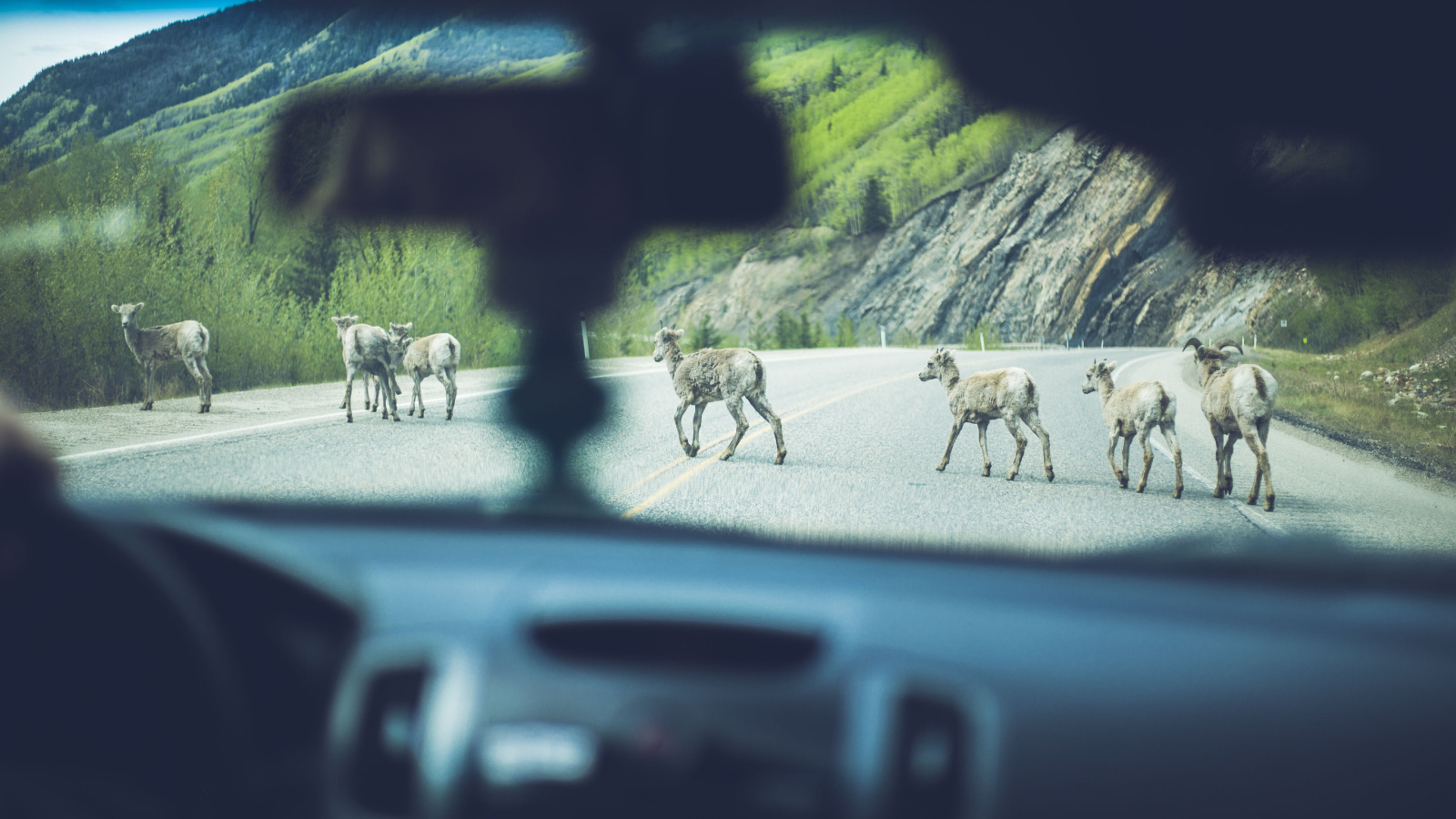
Park speed limits are often lower than those on nearby highways. Drivers sometimes ignore posted signs. Reduced speeds protect wildlife crossing roads. Many animals are most active at dawn and dusk. Collisions injure both wildlife and people. Lower speeds also improve reaction time on winding roads. Wardens use radar in high traffic areas. Fines apply for speeding inside park boundaries. Obeying limits protects ecosystems and other drivers. Take your time and enjoy the scenery safely.
Ignoring Human Waste Rules
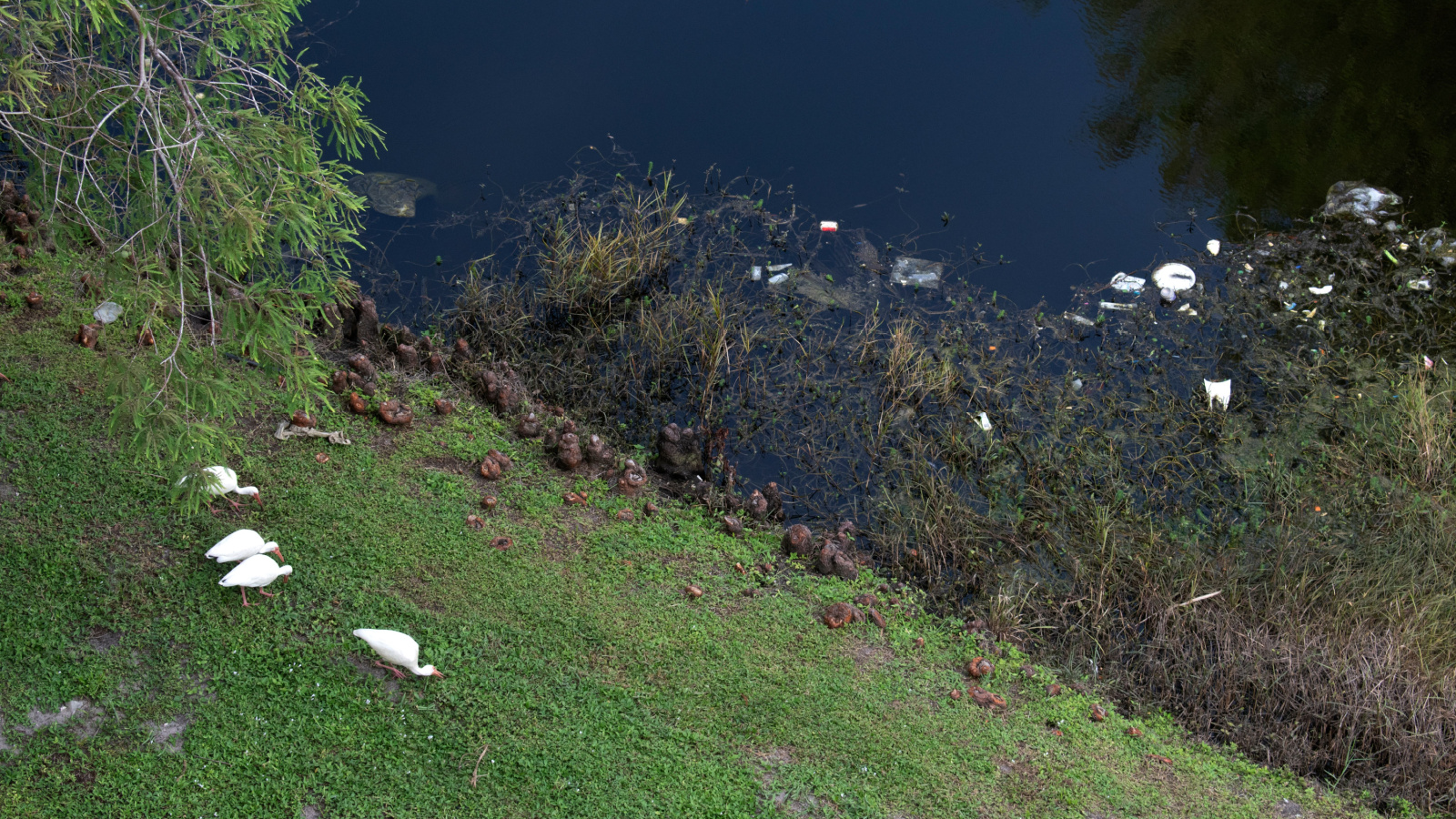
Improper waste disposal harms water and wildlife. Some hikers bury waste too close to trails or lakes. Parks require specific distances from water sources. In some areas, pack out systems are mandatory. These rules prevent contamination. Toilet paper left behind creates visual and environmental damage. Rangers monitor heavily used backcountry routes. Fines can result from noncompliance. Carry proper waste bags and tools. Follow posted guidelines carefully. Clean backcountry spaces depend on every visitor doing their part.
Climbing on Historical Structures

Many parks protect cultural and historic sites. Visitors sometimes climb on ruins for photos. This behavior damages fragile structures. Parks Canada prohibits touching or altering heritage features. These sites hold cultural and archaeological value. Even minor contact can weaken materials. Preservation helps future generations learn from them. Respect barriers and signage around historic areas. Avoid carving names or stacking rocks. Treat these places as protected heritage. Responsible behavior keeps history intact.
Ignoring Seasonal Closures

Trails and areas may close during wildlife breeding seasons. Some visitors assume closures are optional. These measures protect sensitive habitats. Entering closed zones disturbs nesting birds or denning animals. Seasonal closures also address safety hazards. Snowmelt can destabilize trails. Signs clearly mark restricted access points. Violating closures may result in fines. Check Park updates before planning hikes. Respect temporary restrictions without argument. Closures exist to balance access with protection.
Lighting Fireworks or Using Restricted Equipment

Fireworks and certain recreational equipment are banned in most parks. Visitors may bring them for celebrations. Sparks from fireworks can start wildfires. Noise also frightens wildlife. Generators and motorized devices are subject to restrictions in some areas. Parks aim to reduce environmental impact and noise pollution. Violations can lead to confiscation or fines. Check regulations before bringing special equipment. Leave high-risk items at home. Parks are not event venues but protected natural spaces.
22 Groceries to Grab Now—Before another Price Shock Hits Canada

Food prices in Canada have been steadily climbing, and another spike could make your grocery bill feel like a mortgage payment. According to Statistics Canada, food inflation remains about 3.7% higher than last year, with essentials like bread, dairy, and fresh produce leading the surge. Some items are expected to rise even further due to transportation costs, droughts, and import tariffs. Here are 22 groceries to grab now before another price shock hits Canada.
22 Groceries to Grab Now—Before another Price Shock Hits Canada
This Options Discord Chat is The Real Deal
While the internet is scoured with trading chat rooms, many of which even charge upwards of thousands of dollars to join, this smaller options trading discord chatroom is the real deal and actually providing valuable trade setups, education, and community without the noise and spam of the larger more expensive rooms. With a incredibly low-cost monthly fee, Options Trading Club (click here to see their reviews) requires an application to join ensuring that every member is dedicated and serious about taking their trading to the next level. If you are looking for a change in your trading strategies, then click here to apply for a membership.