
35,000+ smart investors are already getting financial news, market signals, and macro shifts in the economy that could impact their money next with our FREE weekly newsletter. Get ahead of what the crowd finds out too late. Click Here to Subscribe for FREE.
Winter in Canada is no joke. When the temperature drops, space heaters come out of closets and basements across the country. They feel like a quick fix for drafty rooms and high heating bills. Yet many house fires each year are linked to portable heaters. Insurance claims spike during cold snaps. Fire departments regularly warn about improper use. Small mistakes can lead to smoke damage, electrical fires, or worse. Here are 16 ways Canadians use space heaters wrong (and why it’s dangerous).
Placing Heaters Too Close to Furniture
16 Ways Canadians Use Space Heaters Wrong (And Why It’s Dangerous)
- Placing Heaters Too Close to Furniture
- Plugging Them into Extension Cords
- Leaving Them Unattended
- Using Them in Bathrooms Improperly
- Ignoring Dust and Debris
- Running Them on Worn-Out Outlets
- Placing Them on Unstable Surfaces
- Covering Them to Dry Clothes
- Using Old or Recalled Models
- Running Them All Day Without Breaks
- Using Gas or Propane Heaters Indoors
- Ignoring Manufacturer Instructions
- Using Them in Children’s Rooms Carelessly
- Blocking Air Intake or Exhaust Vents
- Using Multiple Heaters on One Circuit
- Forgetting to Install Smoke and CO Alarms Nearby
- 22 Groceries to Grab Now—Before another Price Shock Hits Canada
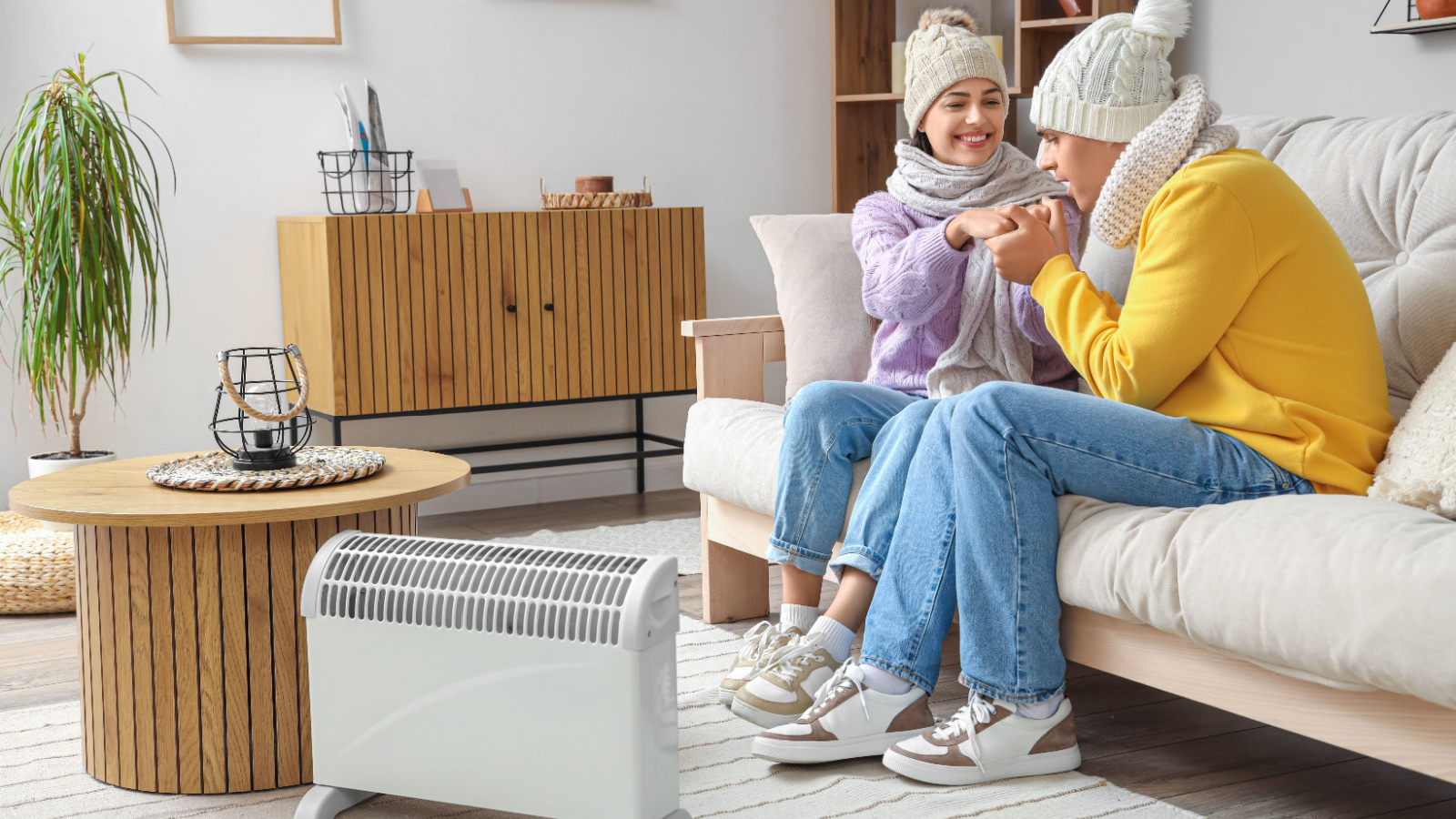
Many Canadians tuck space heaters beside couches or beds for extra warmth. That cozy setup can turn risky fast. Most manufacturers recommend at least three feet of clearance. Upholstery, curtains, and bedding ignite easily when exposed to steady heat. Even if nothing bursts into flames, fabric can scorch and weaken over time. Heat buildup behind furniture also traps hot air. That raises surface temperatures beyond safe limits. A heater needs open space to circulate air properly. When airflow is blocked, internal components overheat. The result can be melted wiring, sparks, or a room fire that spreads quickly.
Plugging Them into Extension Cords
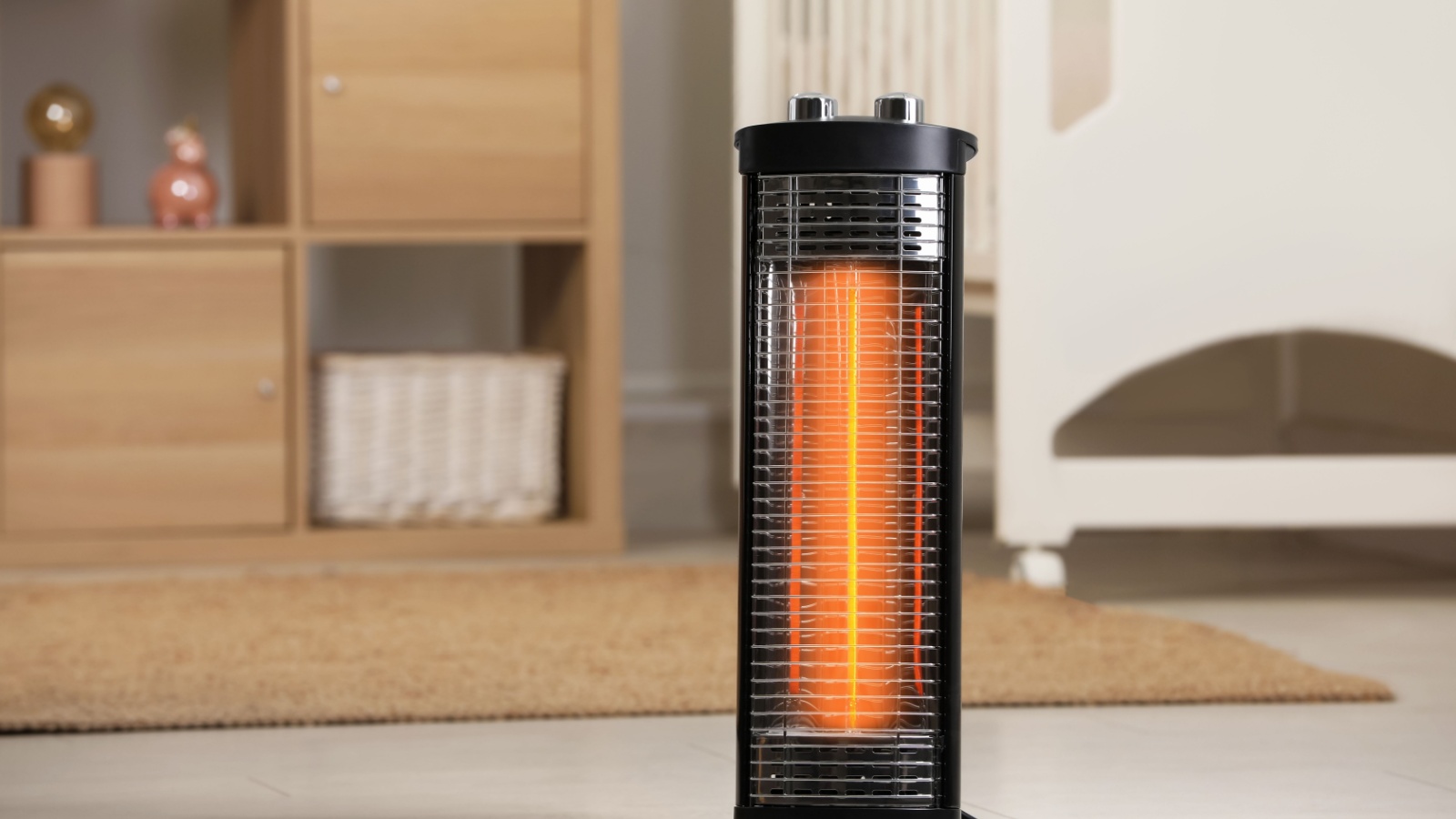
Extension cords seem harmless, especially in older homes with limited outlets. Space heaters draw high wattage, often around 1,500 watts. Many standard extension cords are not rated for that load. The cord can overheat before you notice any issue. Insulation may soften or crack under strain. That exposes wires and increases fire risk. Power bars are not much better. They can overload and trip, or fail entirely. A heater should plug directly into a wall outlet. Using an undersized cord might save a step, but it raises the chance of electrical fires significantly.
Leaving Them Unattended
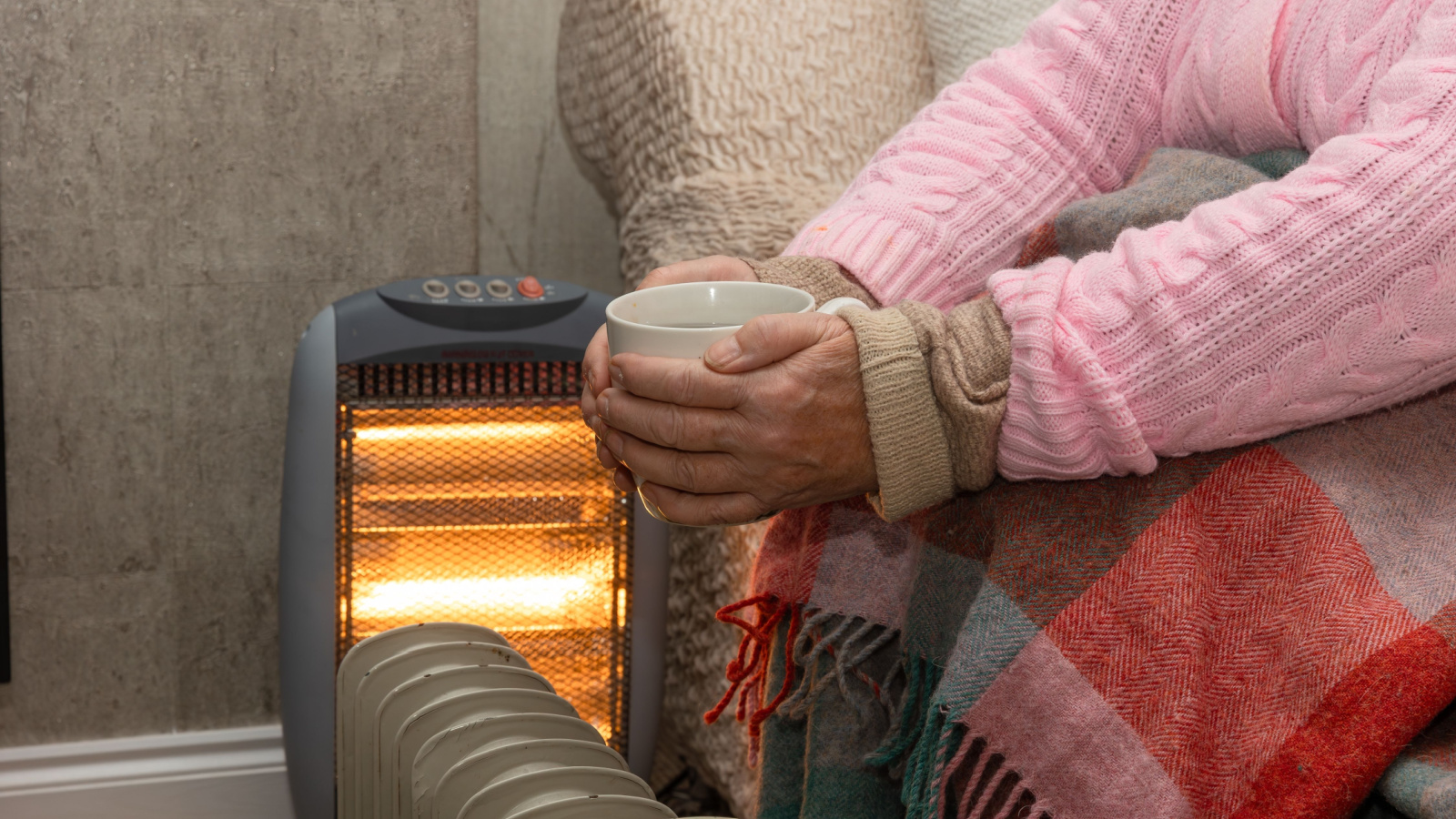
Some people turn on a heater and leave the room for hours. Others run it overnight while sleeping. That habit removes the chance to react if something goes wrong. A tipped heater can ignite nearby objects within minutes. Electrical faults can spark without warning. Modern heaters may have safety shutoff features, but those are not foolproof. Dust buildup or internal damage can still cause overheating. Staying nearby allows you to smell smoke or hear unusual sounds. A portable heater is not meant to operate without supervision. Walking away from it increases the danger considerably.
Using Them in Bathrooms Improperly
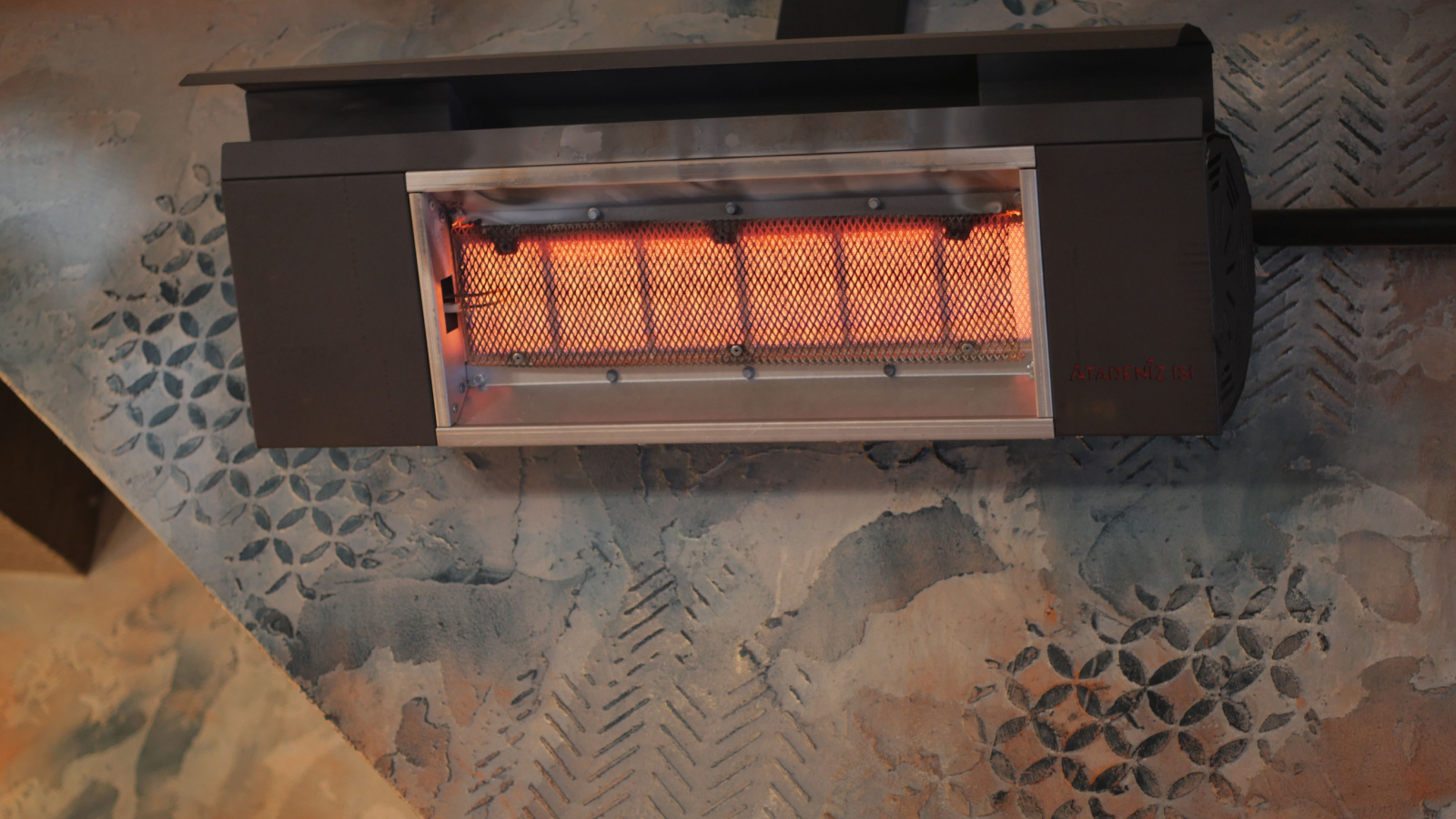
Bathrooms are cold, especially in older Canadian homes. People often bring space heaters in for a quick warm-up. Moisture and electricity do not mix well. Steam from showers can enter the heater’s internal components. That may corrode wiring or cause short circuits. Water splashes also pose a direct shock hazard. Unless a heater is rated specifically for bathroom use, it should stay out. Even then, placement matters. Keep it far from sinks and tubs. A small puddle on the floor can create a serious risk. Using the wrong heater in a damp space invites electrical accidents.
Ignoring Dust and Debris
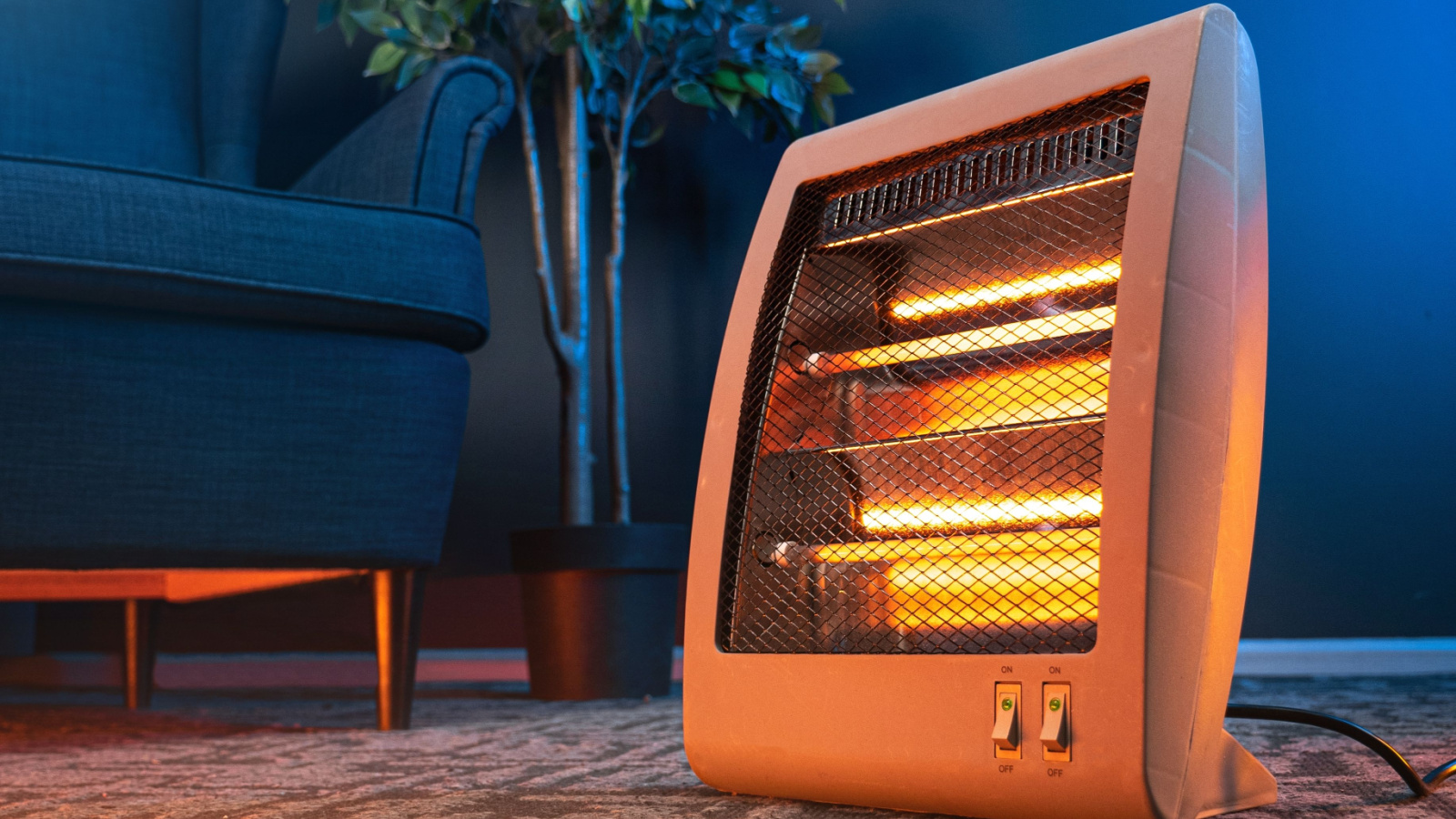
Heaters sit in storage most of the year. Dust collects inside vents and on heating elements. When powered on, that dust burns and can smell like smoke. More concerning is restricted airflow. Blocked vents trap heat within the unit. Internal temperatures rise beyond design limits. That can damage components and ignite debris. Pet hair makes the problem worse. It accumulates quickly and can catch fire under sustained heat. Cleaning a heater before use is simple. Skipping that step increases fire risk. A dusty heater is not just unpleasant. It is potentially dangerous.
Running Them on Worn-Out Outlets
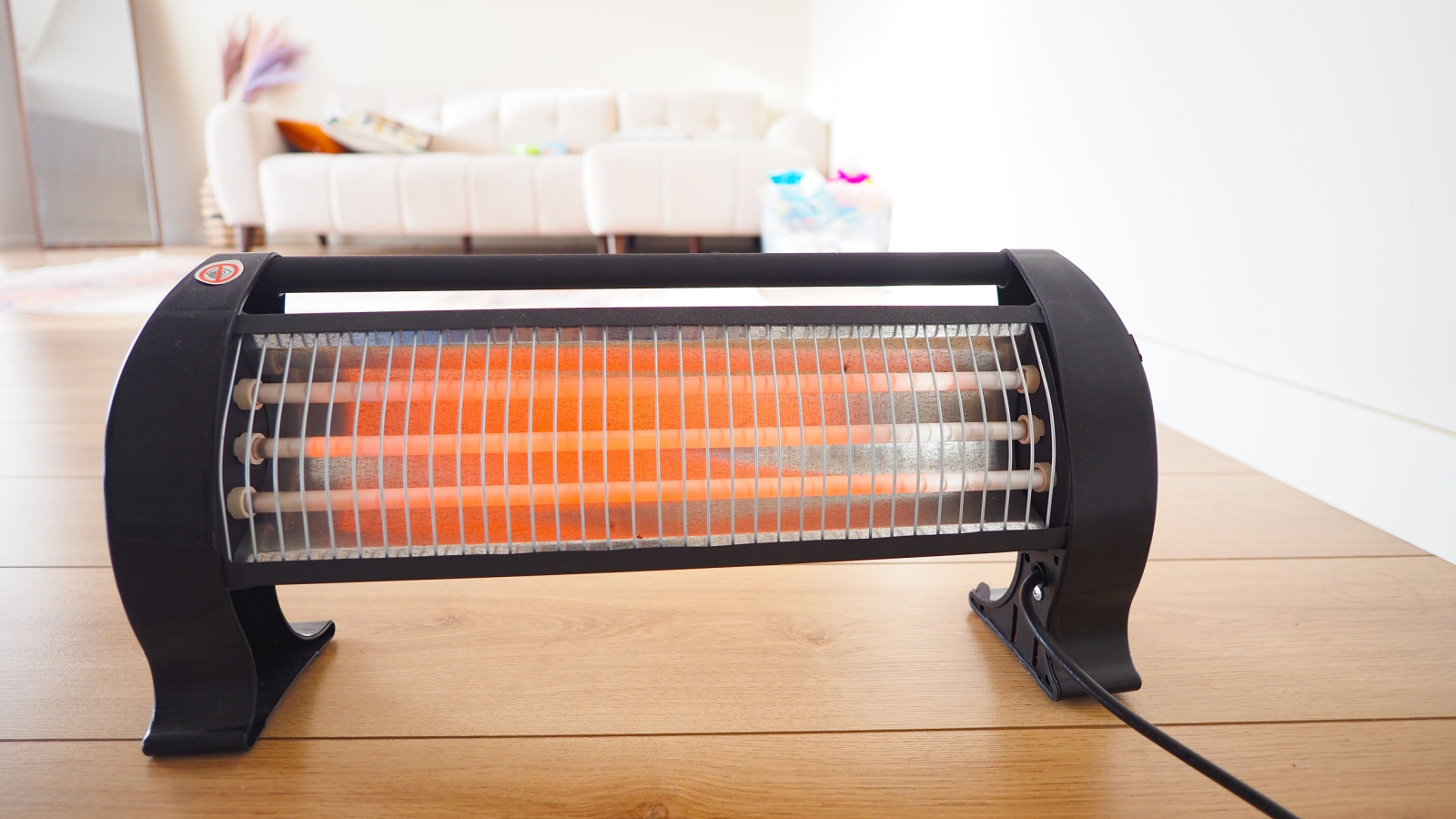
Older homes may have outlets that feel loose or discolored. Plugging a high-wattage heater into them adds strain. A loose connection creates resistance. Resistance produces heat at the contact point. Over time, that can char the outlet and surrounding wiring. You might notice a faint burning smell. Sometimes there is no warning at all. The outlet can spark behind the wall. That kind of fire spreads unseen until smoke appears. If a plug feels warm after use, stop immediately. A heater should connect to a solid, grounded outlet. Anything less increases the electrical hazard.
Placing Them on Unstable Surfaces
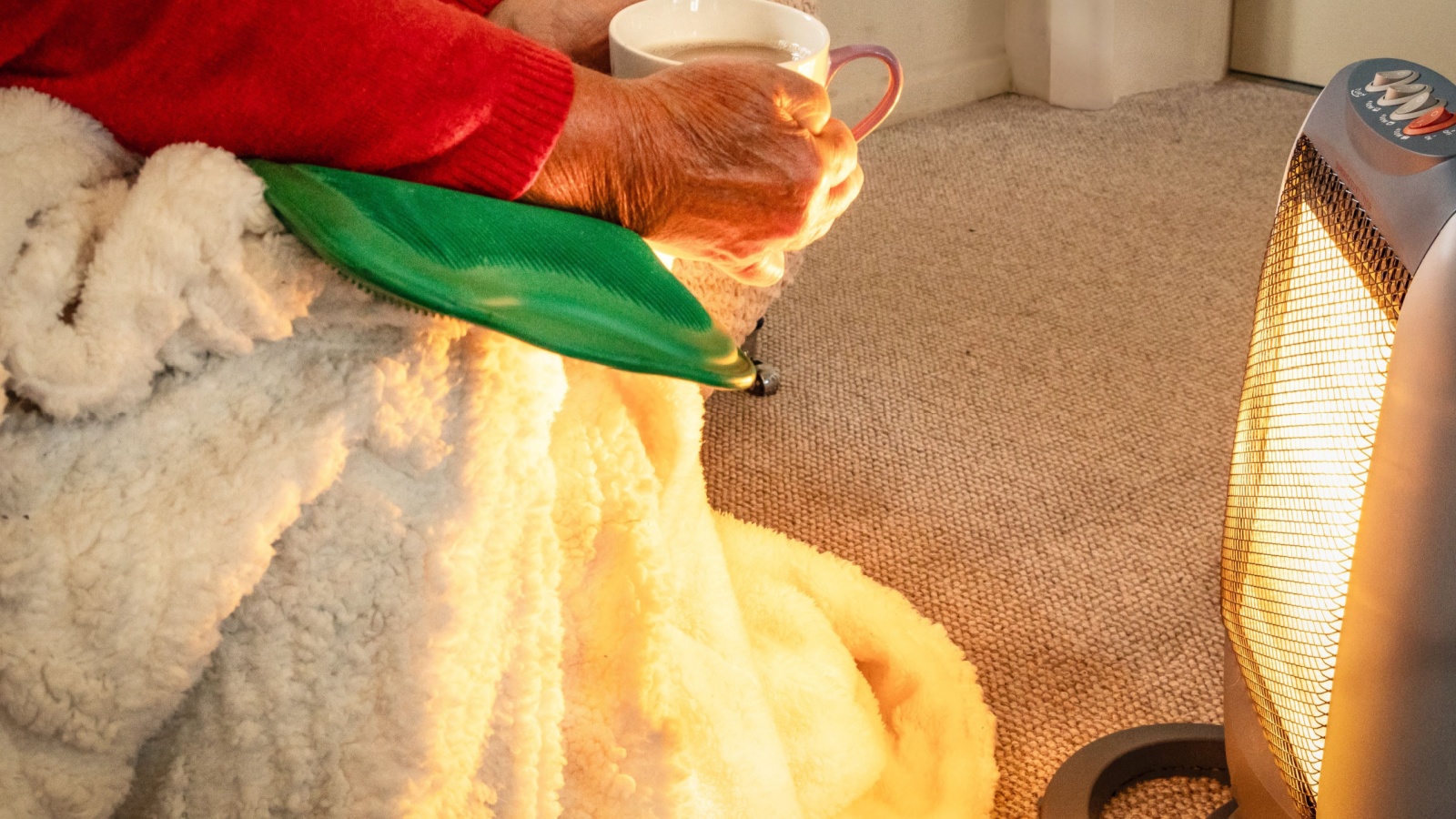
Space heaters should sit on flat, stable floors. Some Canadians place them on chairs or shelves to raise the heat level. That increases the chance of tipping. A fall can knock the unit against flammable objects. Even with a tip-over switch, impact can damage internal parts. An unstable base also affects airflow underneath. A carpet that is thick or uneven may block vents. That can cause overheating from below. Hard, level flooring is safest. Raising the heater or balancing it precariously might seem practical. It introduces unnecessary fire risk into the room.
Covering Them to Dry Clothes
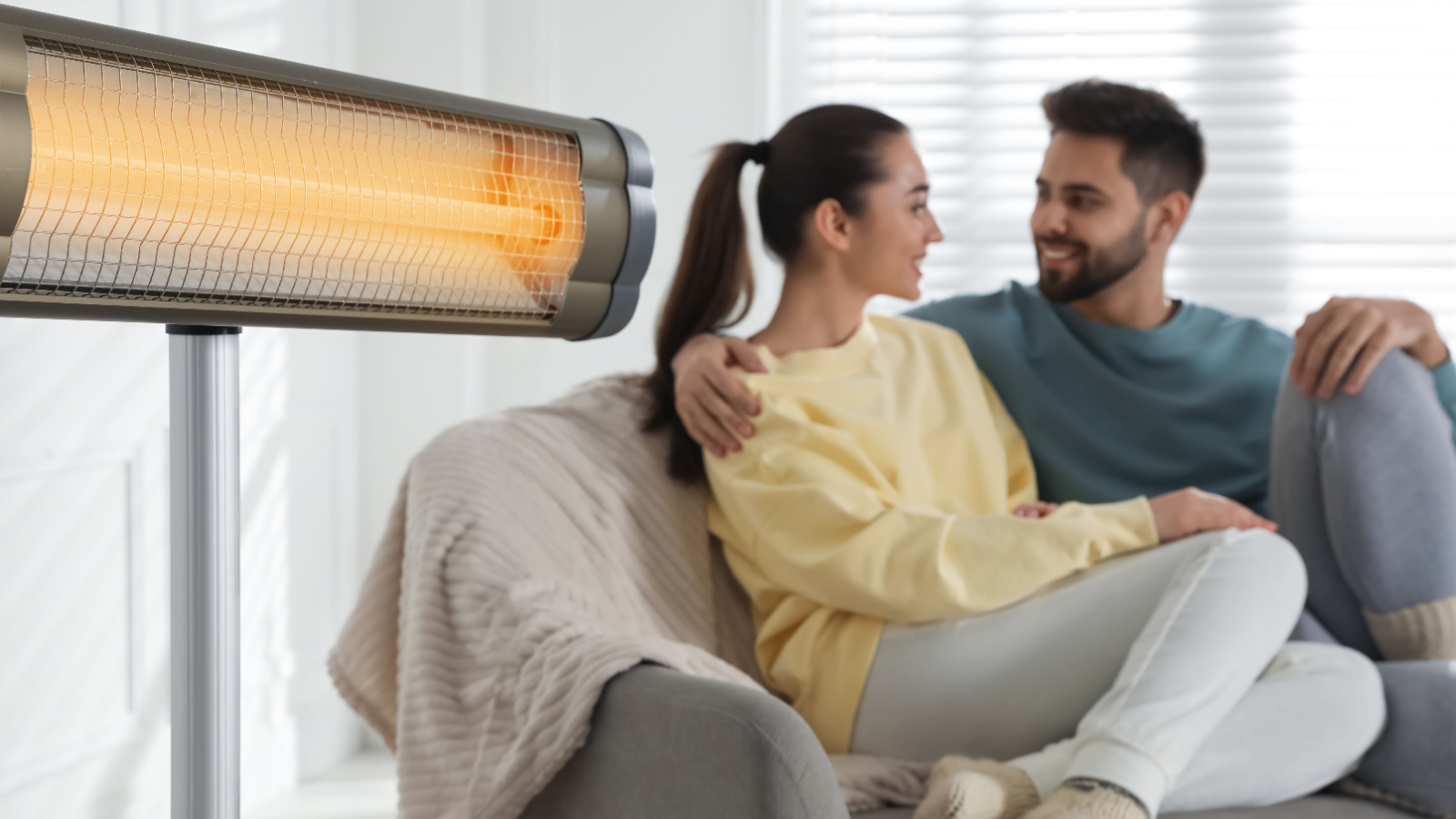
Wet mittens and socks often end up draped over heaters. It seems efficient during snowy days. That habit blocks ventilation and traps heat. Fabric can ignite after prolonged exposure. Even if it does not burn, it can melt and stick to the unit. Covering a heater interferes with temperature regulation. Internal sensors may fail to respond quickly enough. The result can be overheating and fire. Space heaters are not clothes dryers. Using them that way stresses the device. Drying items directly on a heater creates avoidable danger in a hurry.
Using Old or Recalled Models
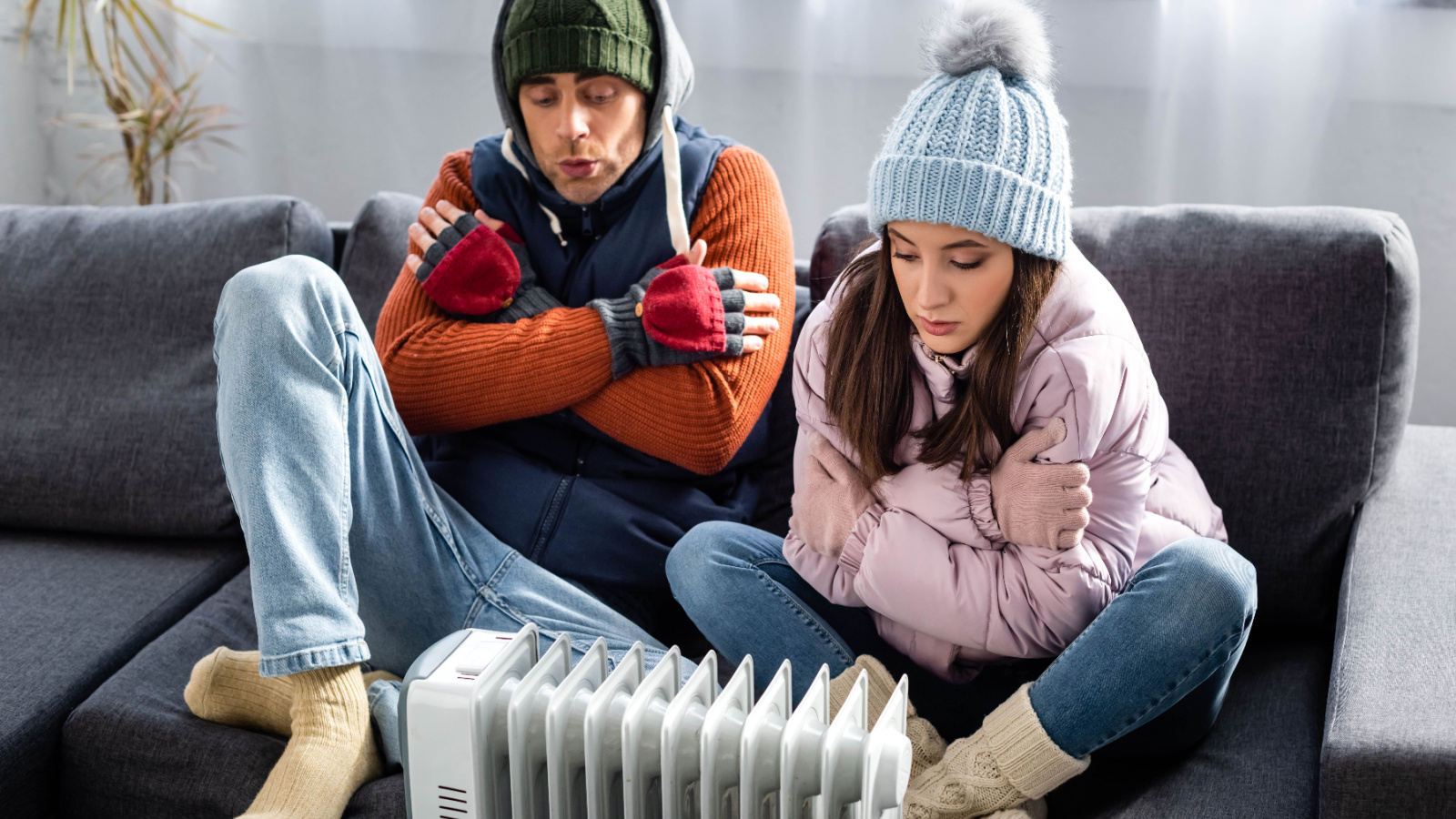
Some households keep heaters for decades. Older units may lack modern safety features. They might not have tip-over protection or an overheat shutoff. Over time, wiring insulation degrades. Switches wear out, and connections loosen. Canada has seen recalls for certain heater models due to fire risk. Many owners never check recall notices. Continuing to use a recalled heater increases danger. A newer model often includes safer design improvements. Holding onto outdated equipment can cost more in the long run. An aging heater is more likely to fail under winter stress.
Running Them All Day Without Breaks
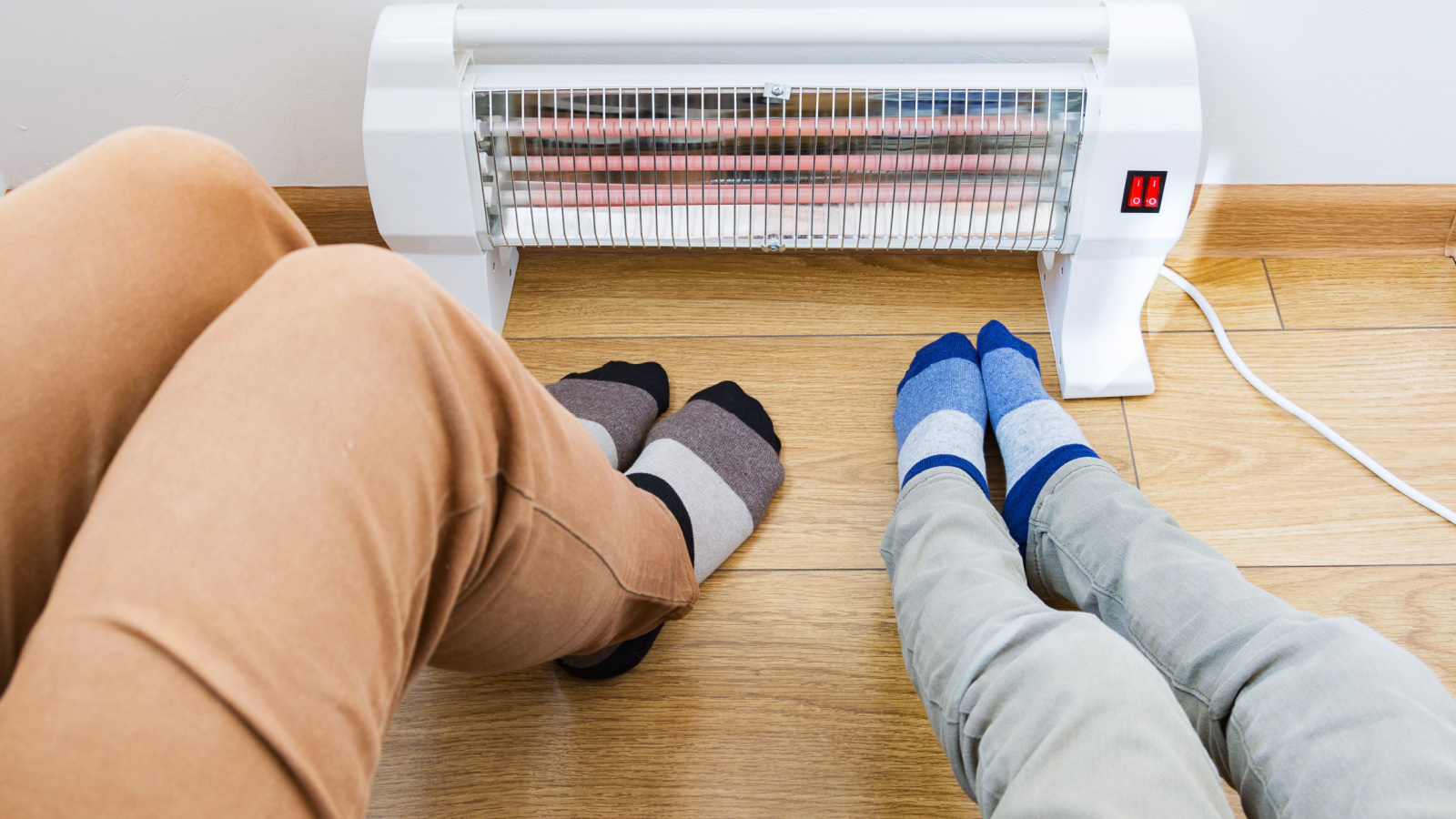
Portable heaters are designed for supplemental heat, not constant operation. Running one all day strains internal components. Heating elements expand and contract repeatedly. That cycle weakens materials over time. Continuous use also dries out the air excessively. Low humidity can irritate the skin and lungs. More importantly, extended operation increases fire exposure time. The longer a heater runs, the greater the chance of malfunction. Giving the unit breaks reduces stress on wiring and elements. Treating a portable heater like a central furnace raises safety concerns during cold months.
Using Gas or Propane Heaters Indoors
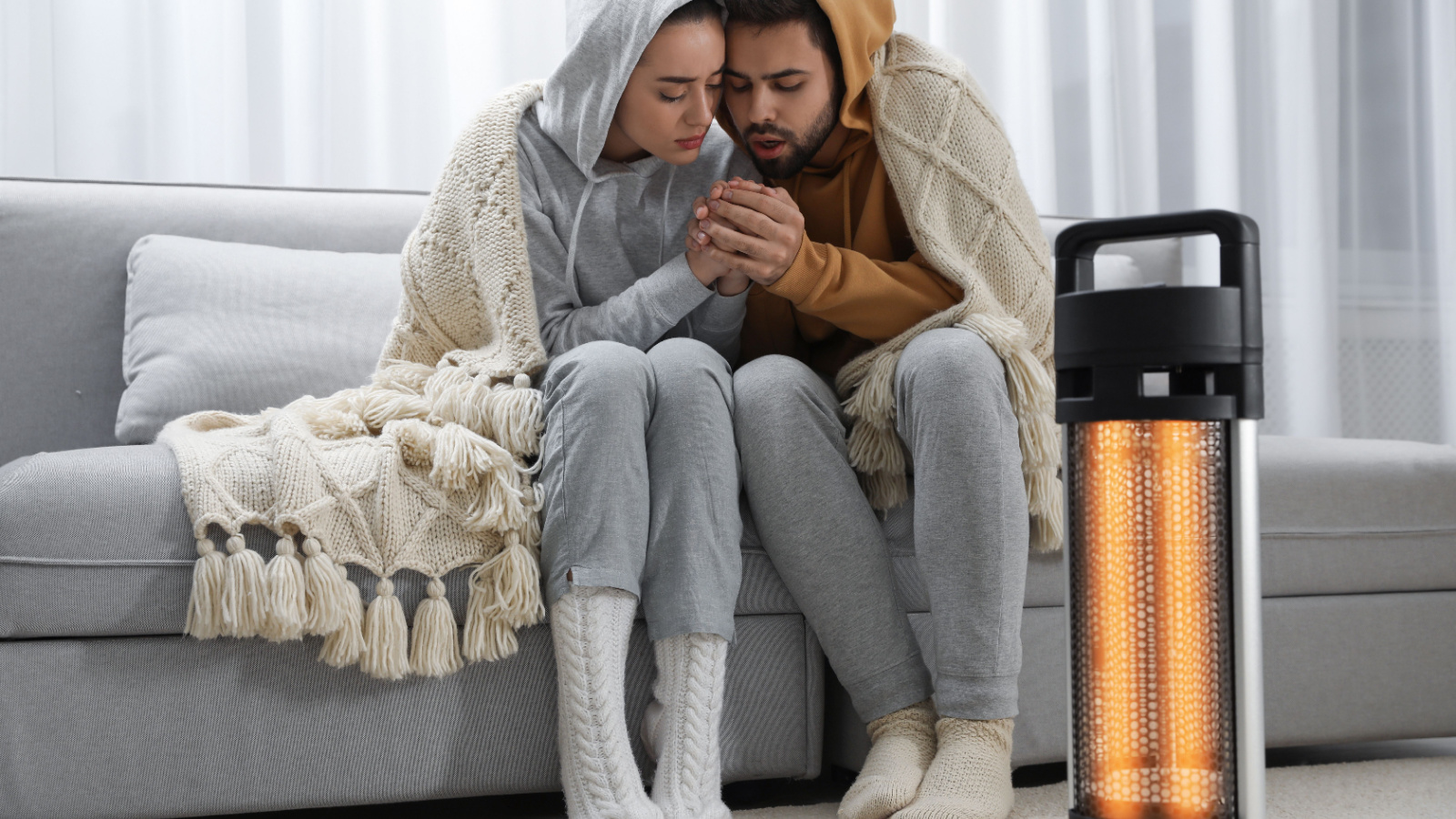
Some Canadians use propane heaters meant for garages or outdoor spaces. These units release carbon monoxide. In enclosed areas, that gas builds up quickly. Carbon monoxide is odorless and invisible. Exposure can cause dizziness, confusion, or death. Indoor-rated heaters are designed differently. They manage emissions and airflow more safely. Using the wrong type inside a home is extremely risky. Carbon monoxide detectors may not react fast enough. A heater designed for outdoor use does not belong in a living room. Choosing incorrectly can have severe consequences.
Ignoring Manufacturer Instructions
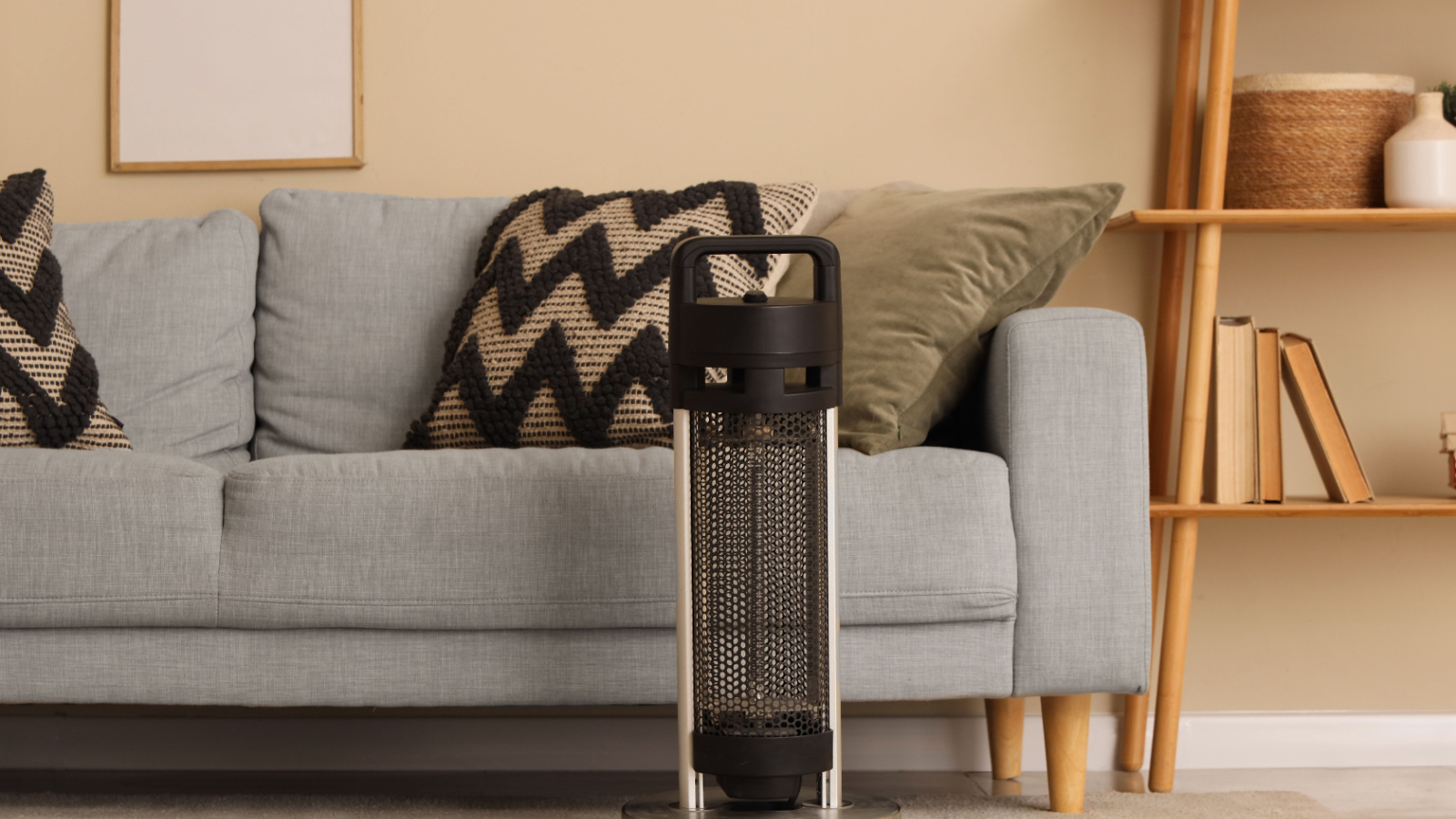
Instruction manuals often go unread. Each heater has specific guidelines for placement and use. Some require a certain distance from walls. Others warn against use on carpets. Ignoring these details creates avoidable hazards. Manufacturers test their products under controlled conditions. Those recommendations reflect safety limits. Skipping them removes a layer of protection. Even small differences in model design matter. What works for one heater may not apply to another. Reading the manual takes minutes. Failing to follow it can lead to property damage or injury during peak winter use.
Using Them in Children’s Rooms Carelessly
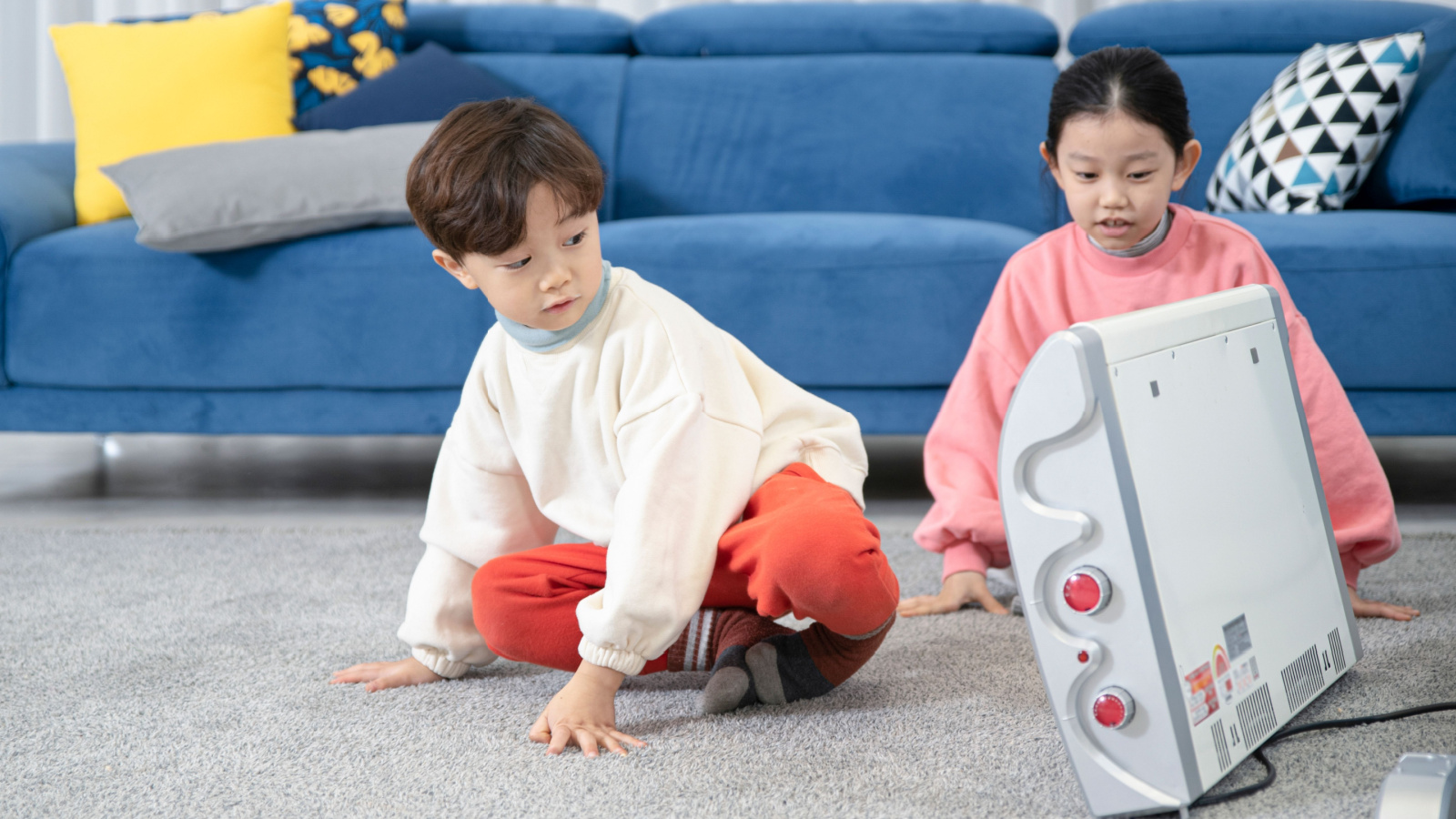
Parents sometimes use heaters to keep nurseries warm. Small children may touch or knock over the unit. Hot surfaces can cause burns. Cords also pose tripping hazards. Curious hands may insert objects into vents. That can damage internal parts and spark a fire. Placing a heater too close to a crib increases danger. A child cannot react quickly to heat buildup. Supervision is limited overnight. If a heater is necessary, it should be far from reach. Careless placement in children’s rooms creates unnecessary risk.
Blocking Air Intake or Exhaust Vents
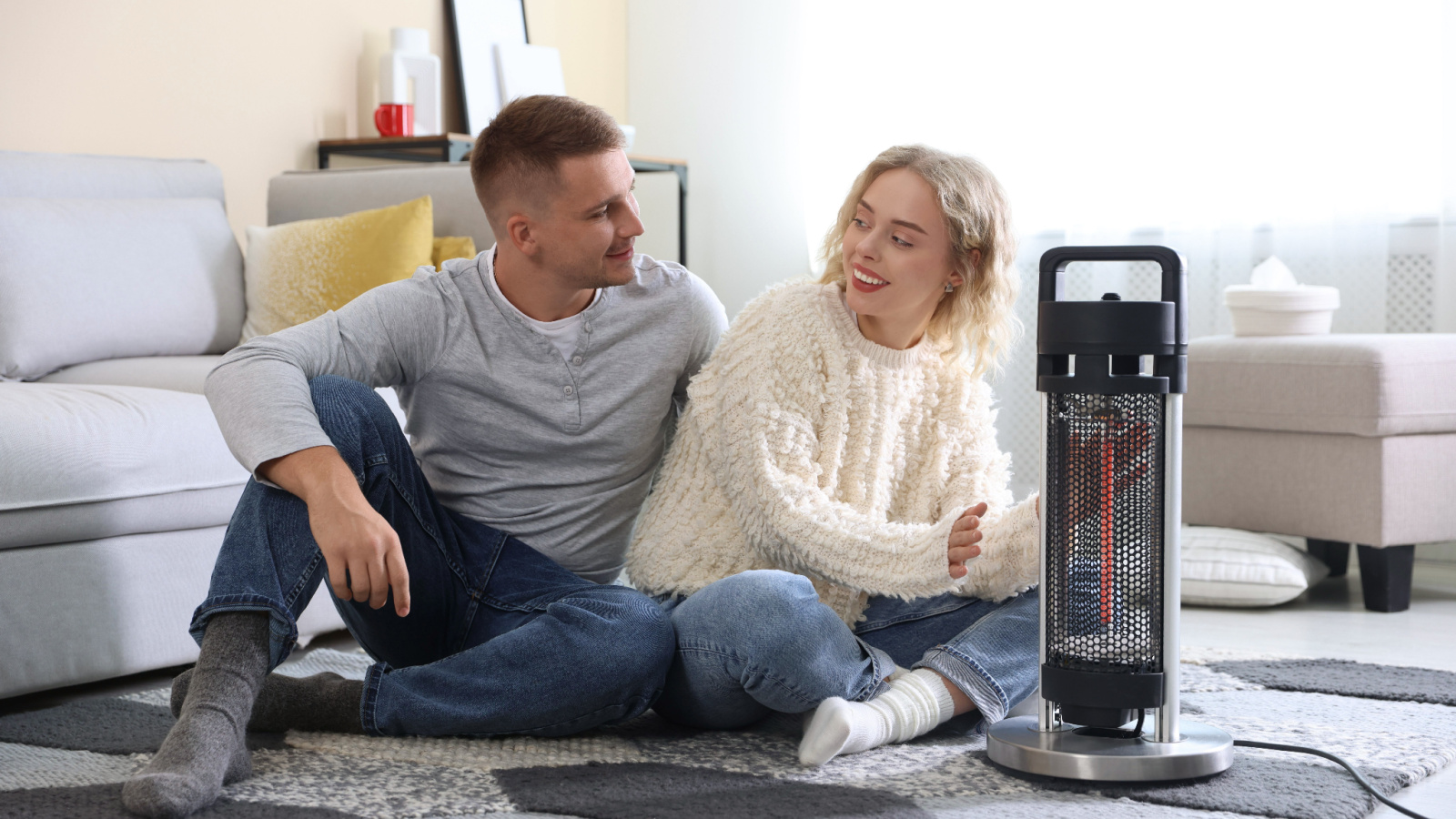
Every heater needs clear intake and exhaust paths. Placing it against a wall can restrict airflow. Pushing it into a corner reduces circulation further. When air cannot move freely, the unit overheats. Safety shutoffs may activate repeatedly. That does not mean the issue is resolved. Internal components still experience stress. Over time, overheating weakens insulation and wiring. Clear space allows heat to disperse safely. Even small obstructions matter. A heater that cannot breathe properly becomes more likely to fail under load.
Using Multiple Heaters on One Circuit
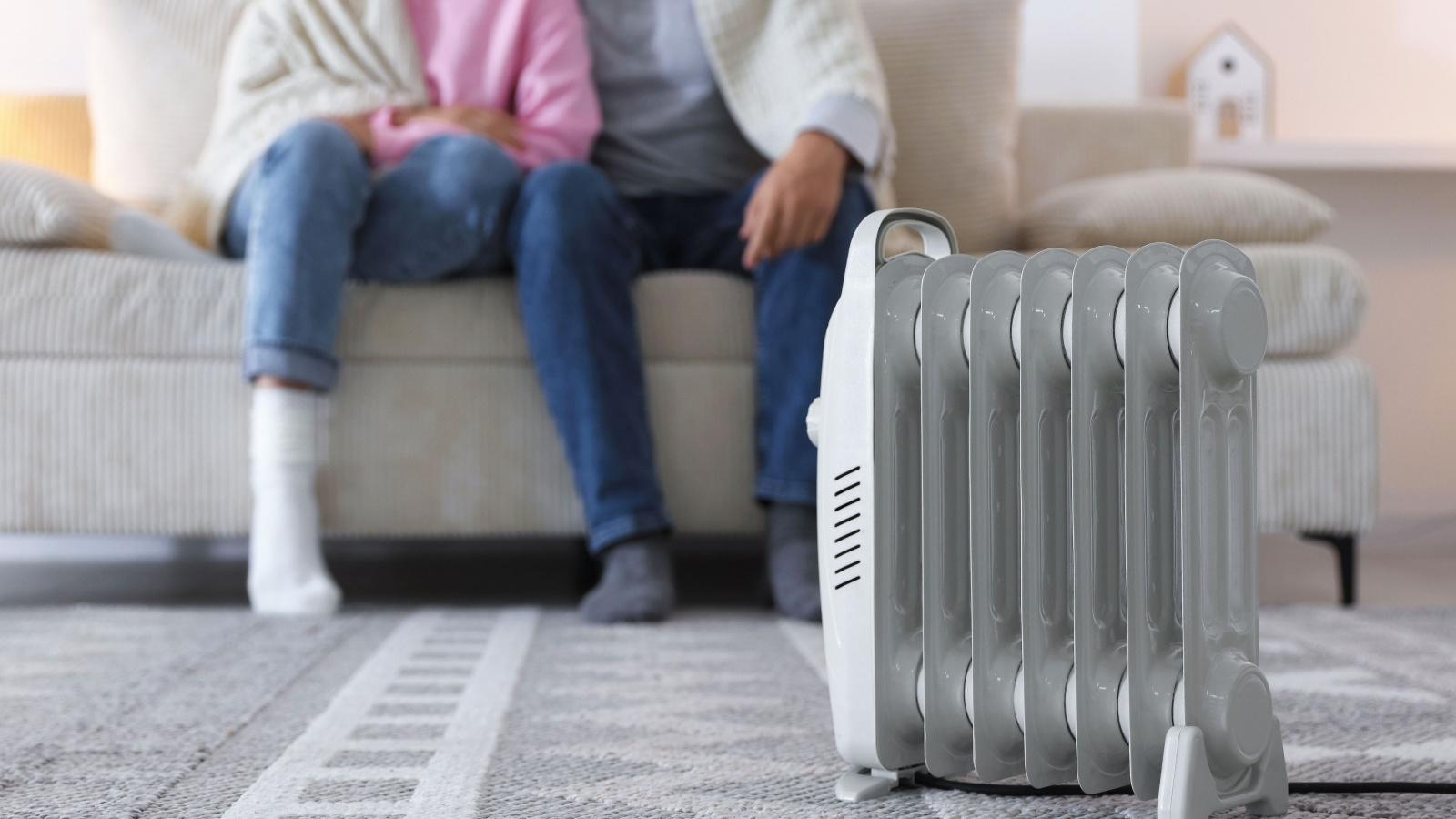
During extreme cold, some households run several heaters at once. If they share the same electrical circuit, overload can occur. Circuit breakers may trip repeatedly. That is a warning sign. Wiring behind walls can overheat before a breaker reacts. Older electrical systems are especially vulnerable. Each heater adds a significant load. Spreading them across separate circuits reduces strain. Consulting an electrician may be wise in older homes. Ignoring circuit capacity raises the chance of electrical fires during peak winter demand.
Forgetting to Install Smoke and CO Alarms Nearby
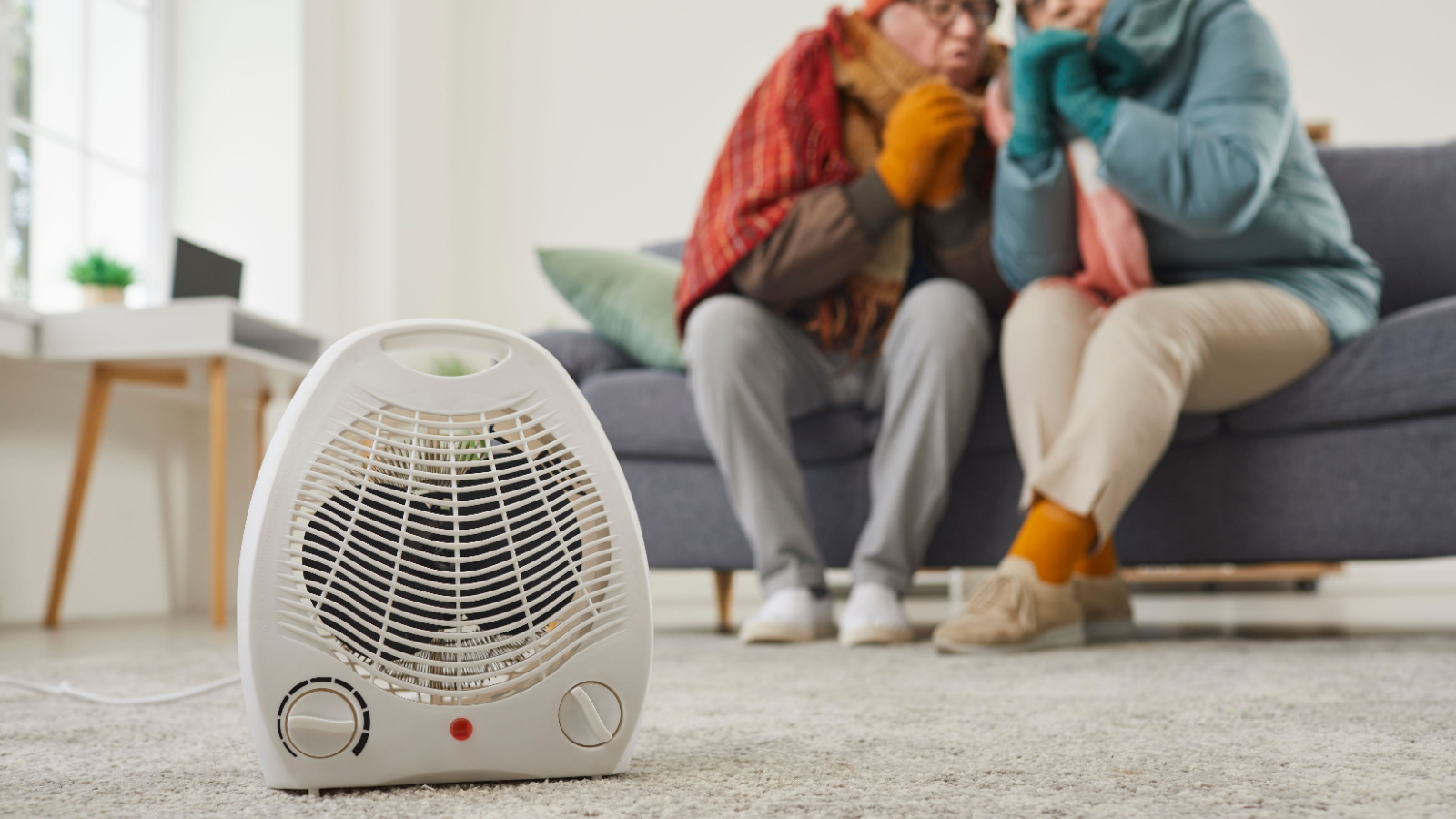
Even careful use carries some risk. Smoke alarms and carbon monoxide detectors provide early warning. Some Canadians remove batteries or delay replacement. Others install detectors only in hallways. Placing alarms near sleeping areas increases safety. Testing them monthly confirms they work. A heater malfunction can escalate quickly. Early detection allows faster response. Without alarms, smoke may spread unnoticed. A small issue can turn serious before anyone reacts. Basic detection devices are a final safeguard. Skipping them leaves households more vulnerable during heating season.
22 Groceries to Grab Now—Before another Price Shock Hits Canada

Food prices in Canada have been steadily climbing, and another spike could make your grocery bill feel like a mortgage payment. According to Statistics Canada, food inflation remains about 3.7% higher than last year, with essentials like bread, dairy, and fresh produce leading the surge. Some items are expected to rise even further due to transportation costs, droughts, and import tariffs. Here are 22 groceries to grab now before another price shock hits Canada.
22 Groceries to Grab Now—Before another Price Shock Hits Canada
This Options Discord Chat is The Real Deal
While the internet is scoured with trading chat rooms, many of which even charge upwards of thousands of dollars to join, this smaller options trading discord chatroom is the real deal and actually providing valuable trade setups, education, and community without the noise and spam of the larger more expensive rooms. With a incredibly low-cost monthly fee, Options Trading Club (click here to see their reviews) requires an application to join ensuring that every member is dedicated and serious about taking their trading to the next level. If you are looking for a change in your trading strategies, then click here to apply for a membership.